

Blekinge Duck
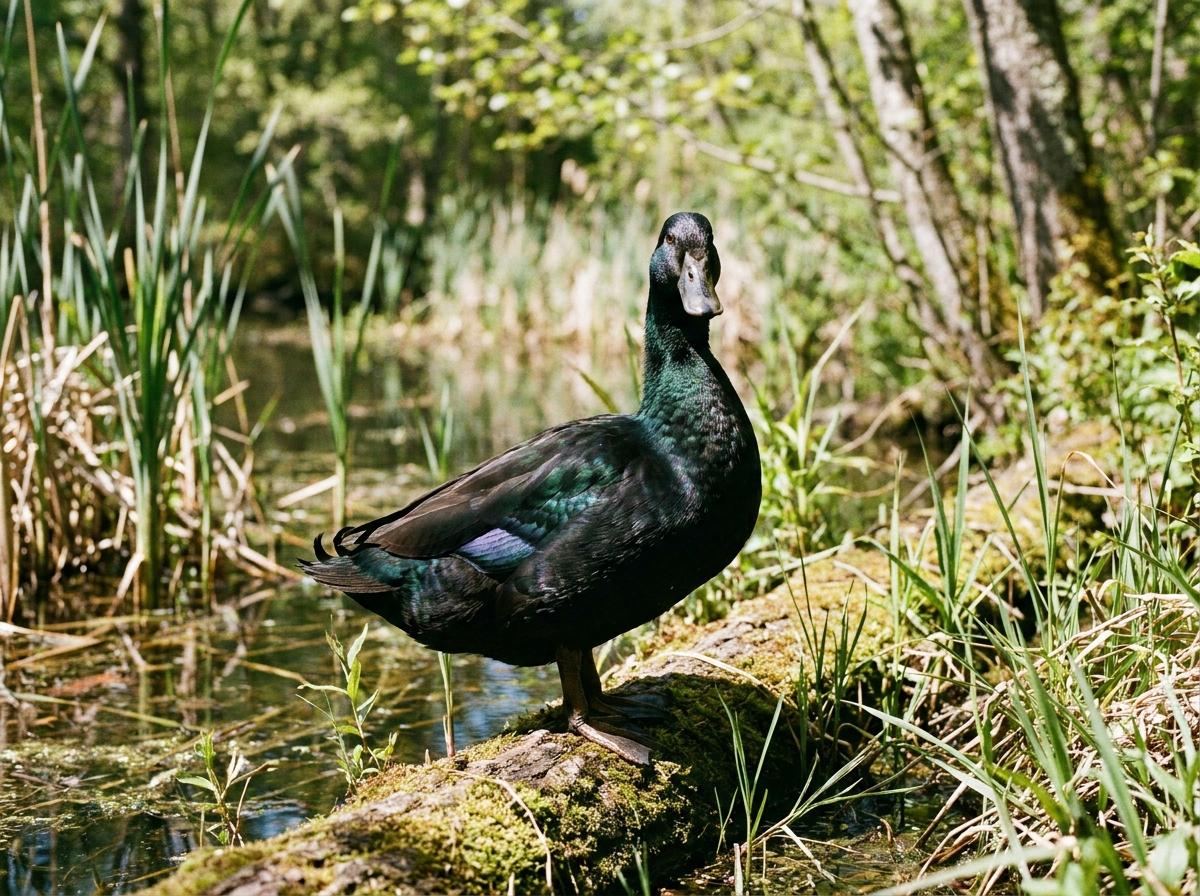
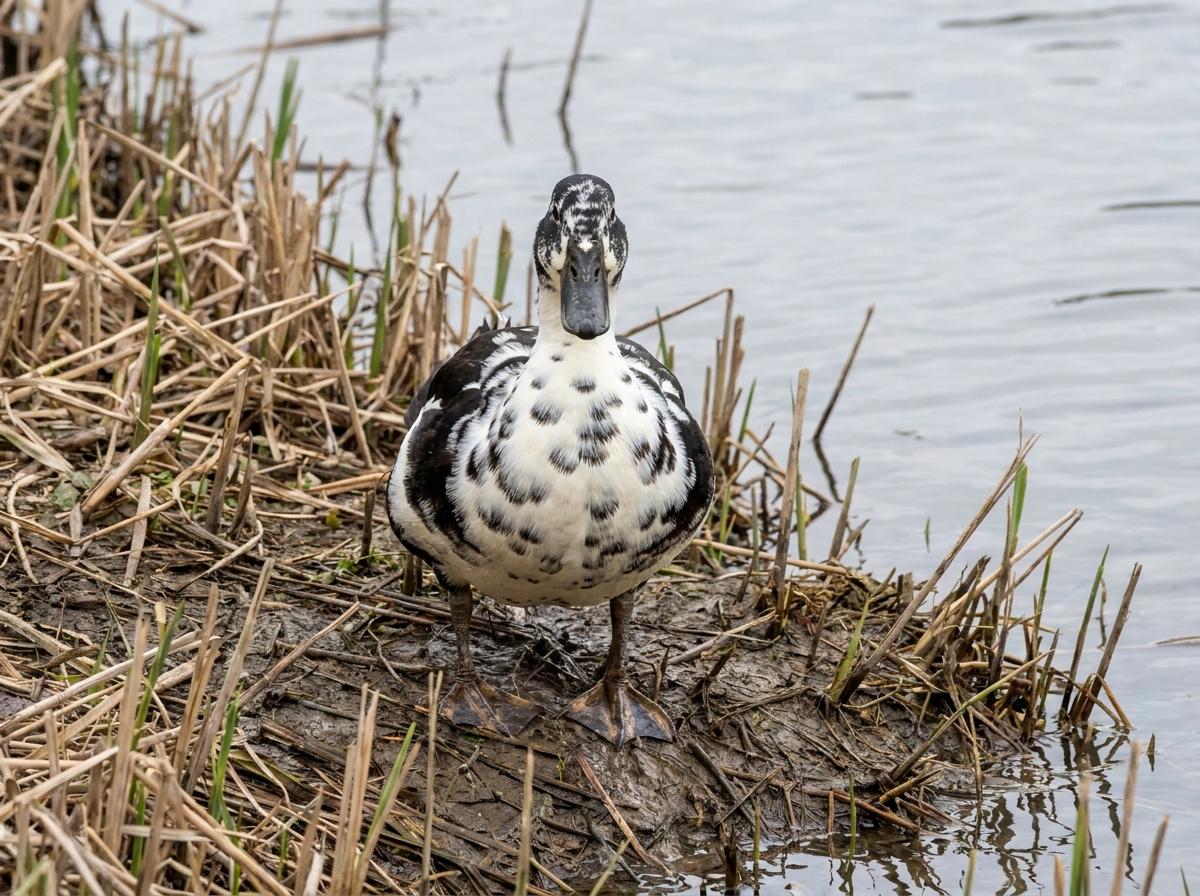
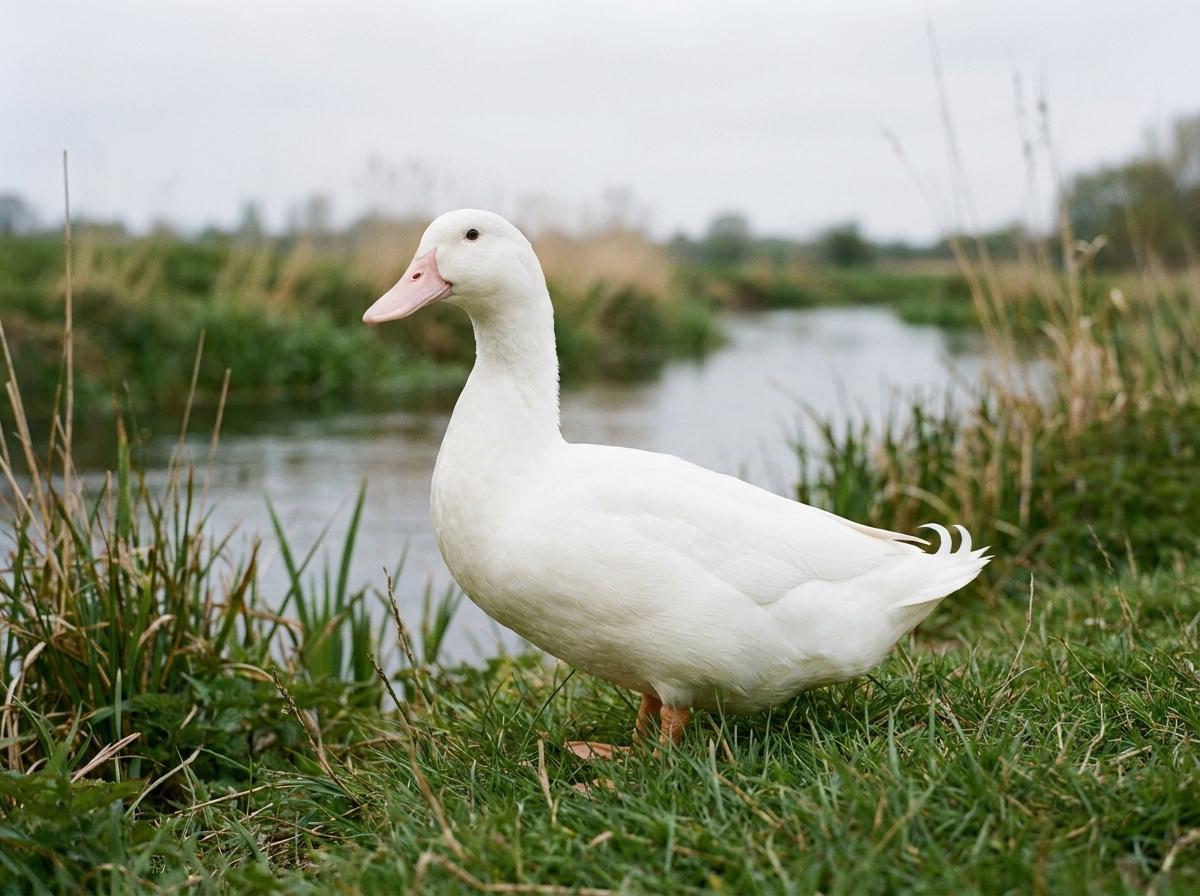
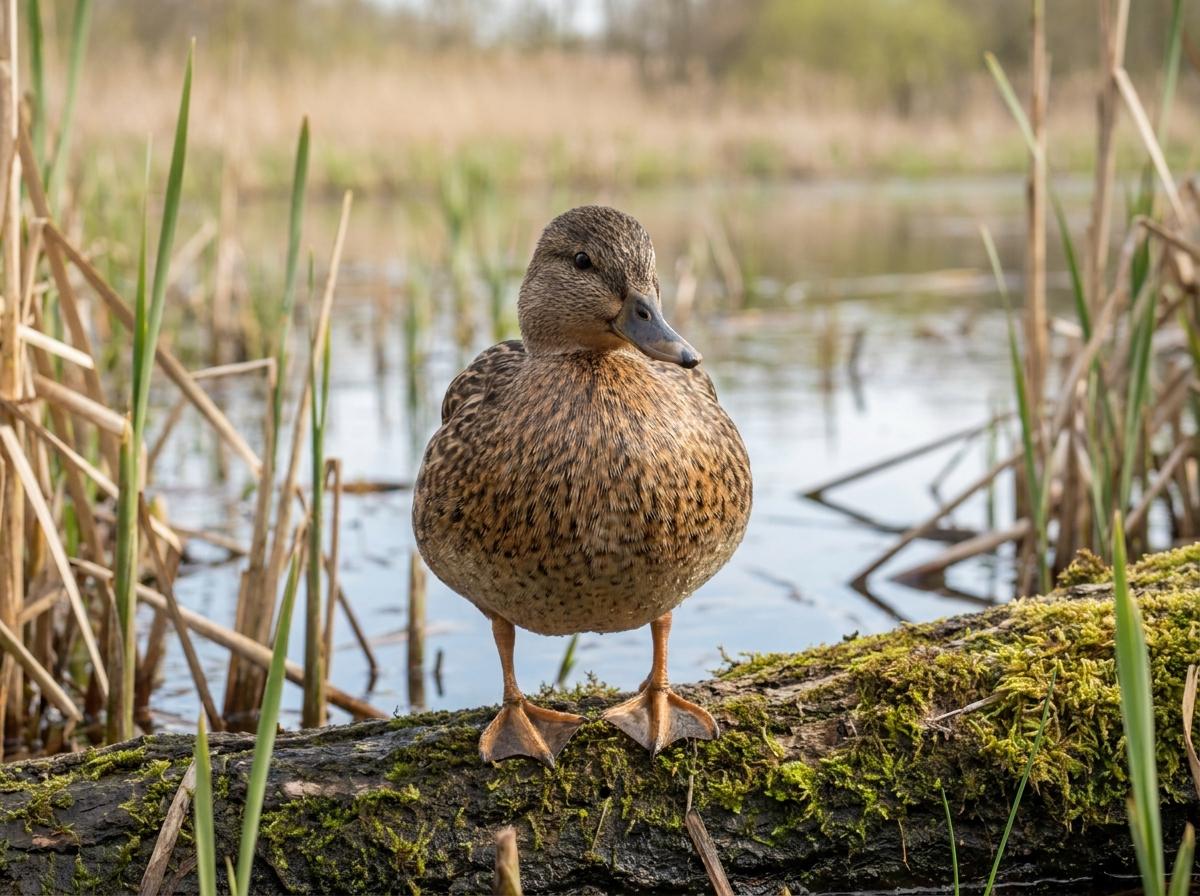
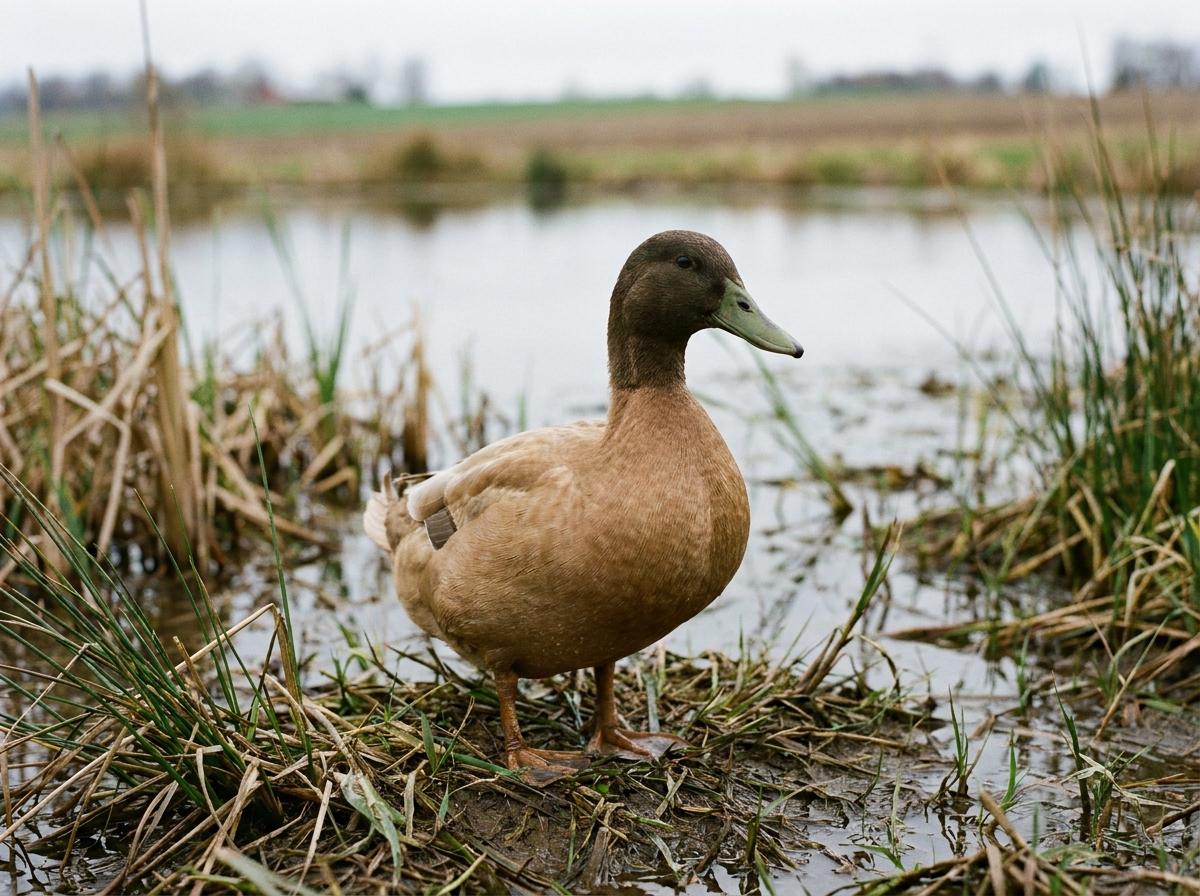
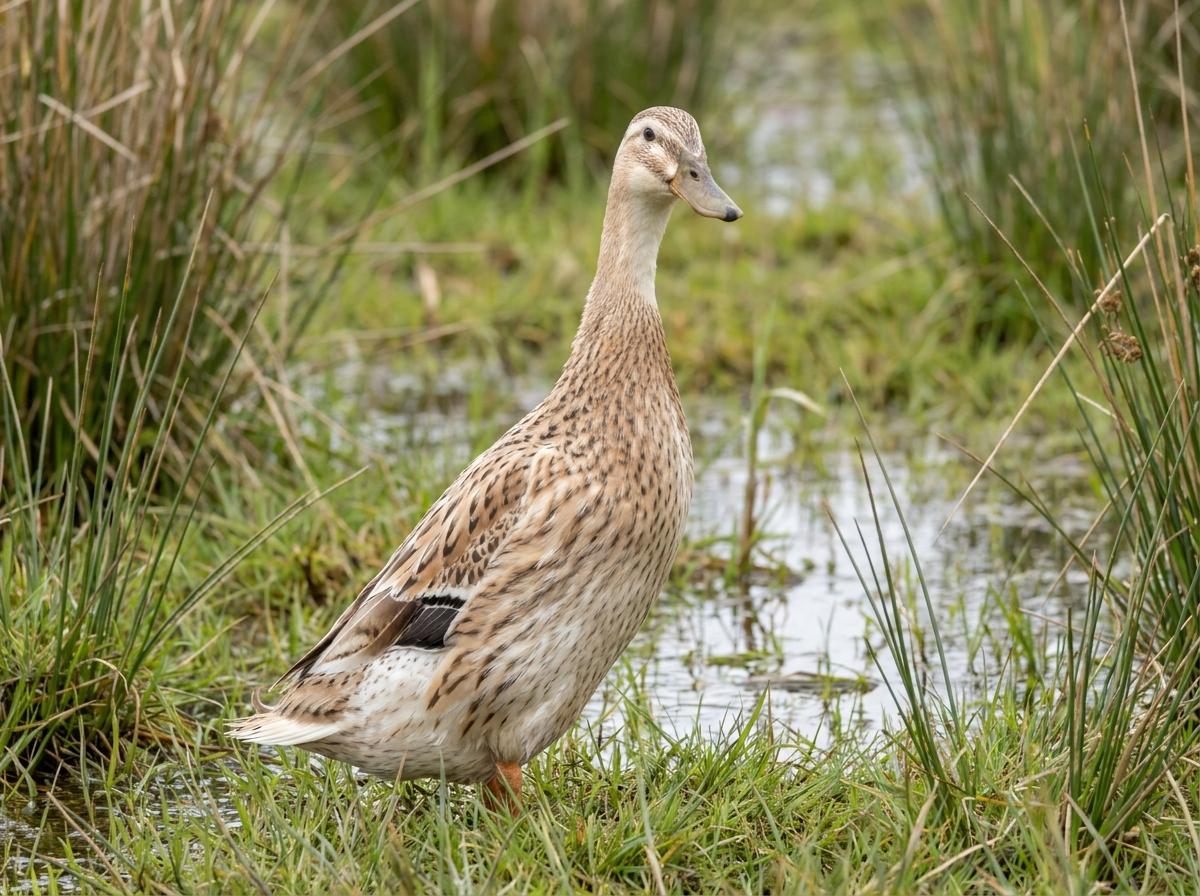
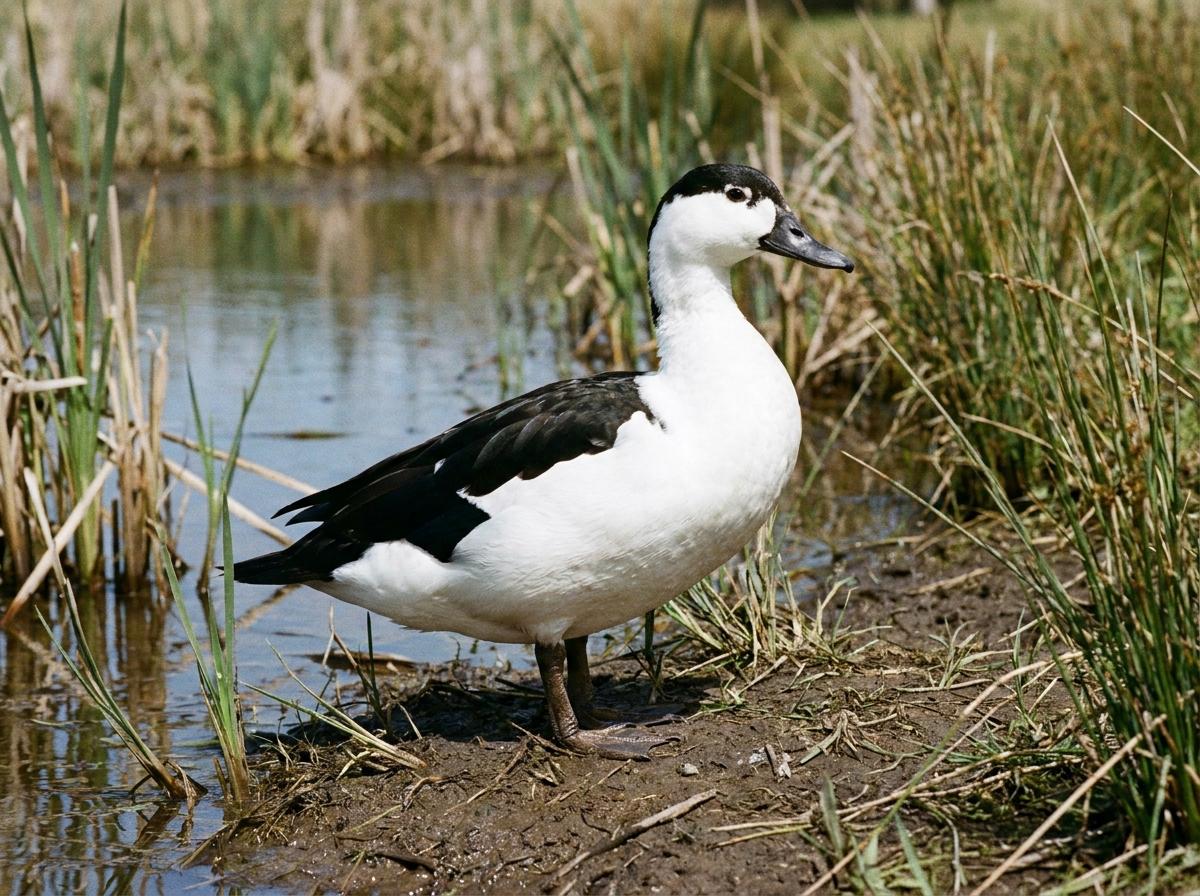
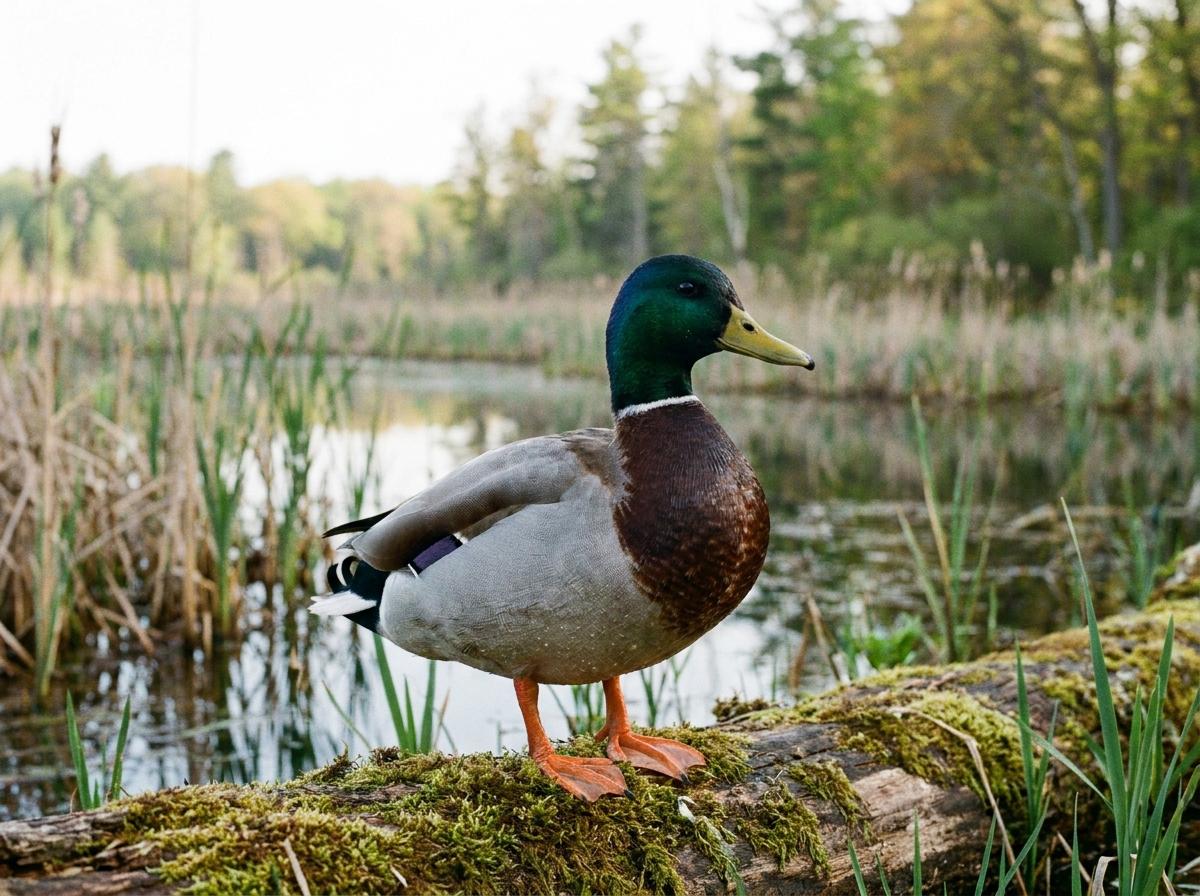
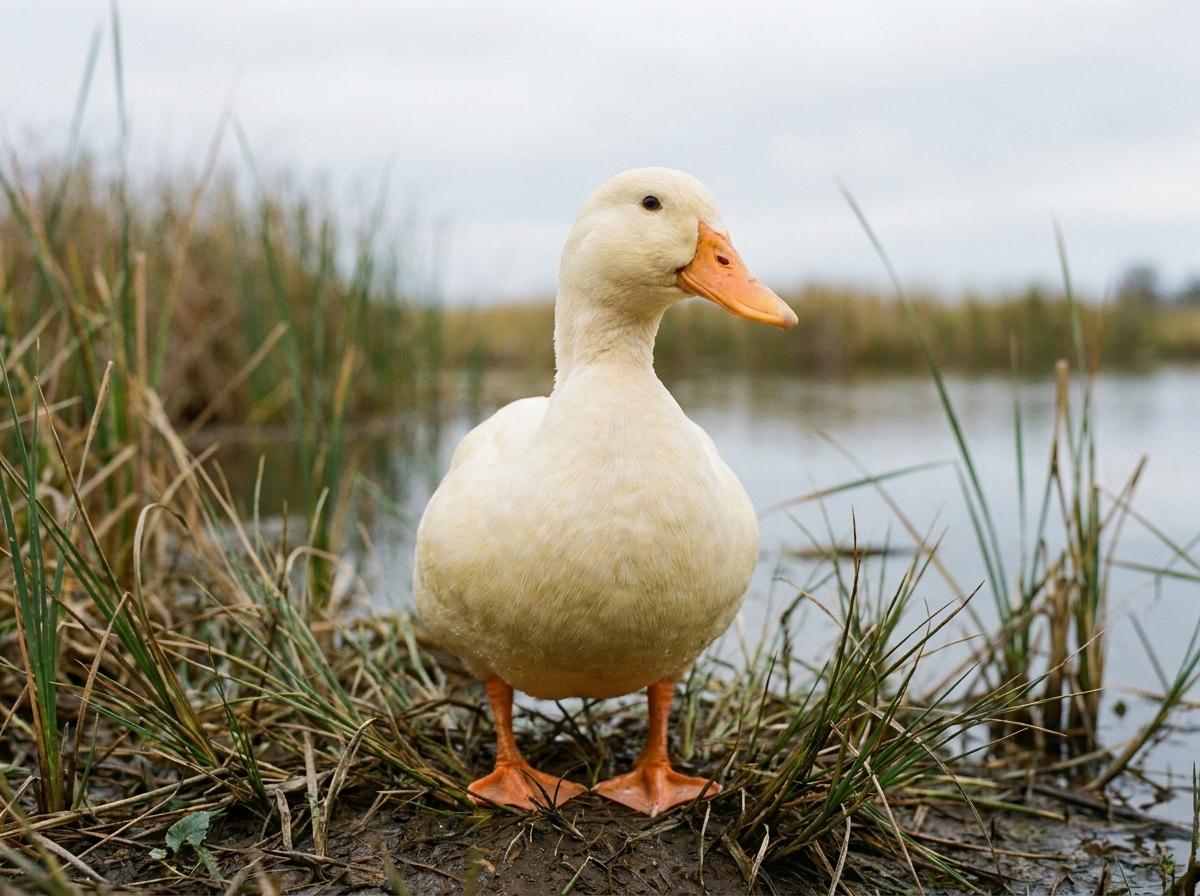
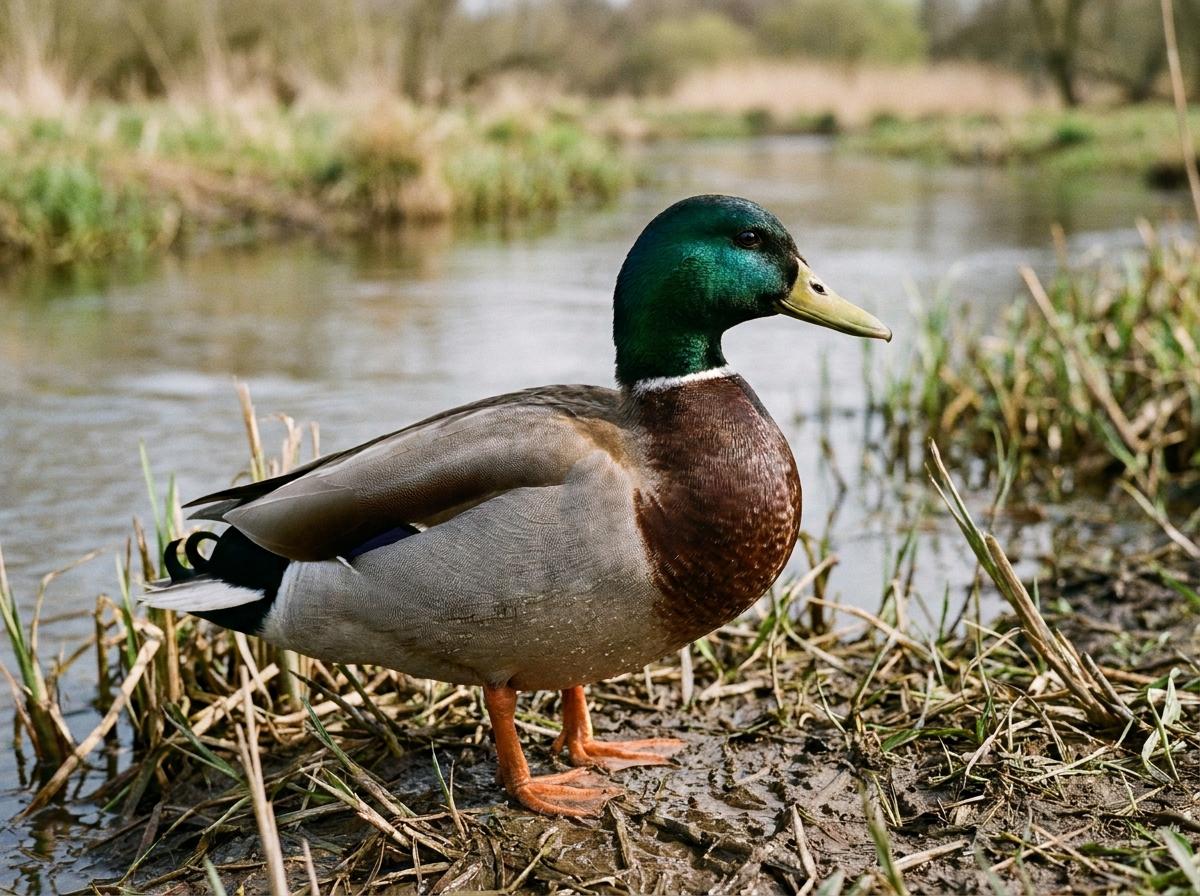
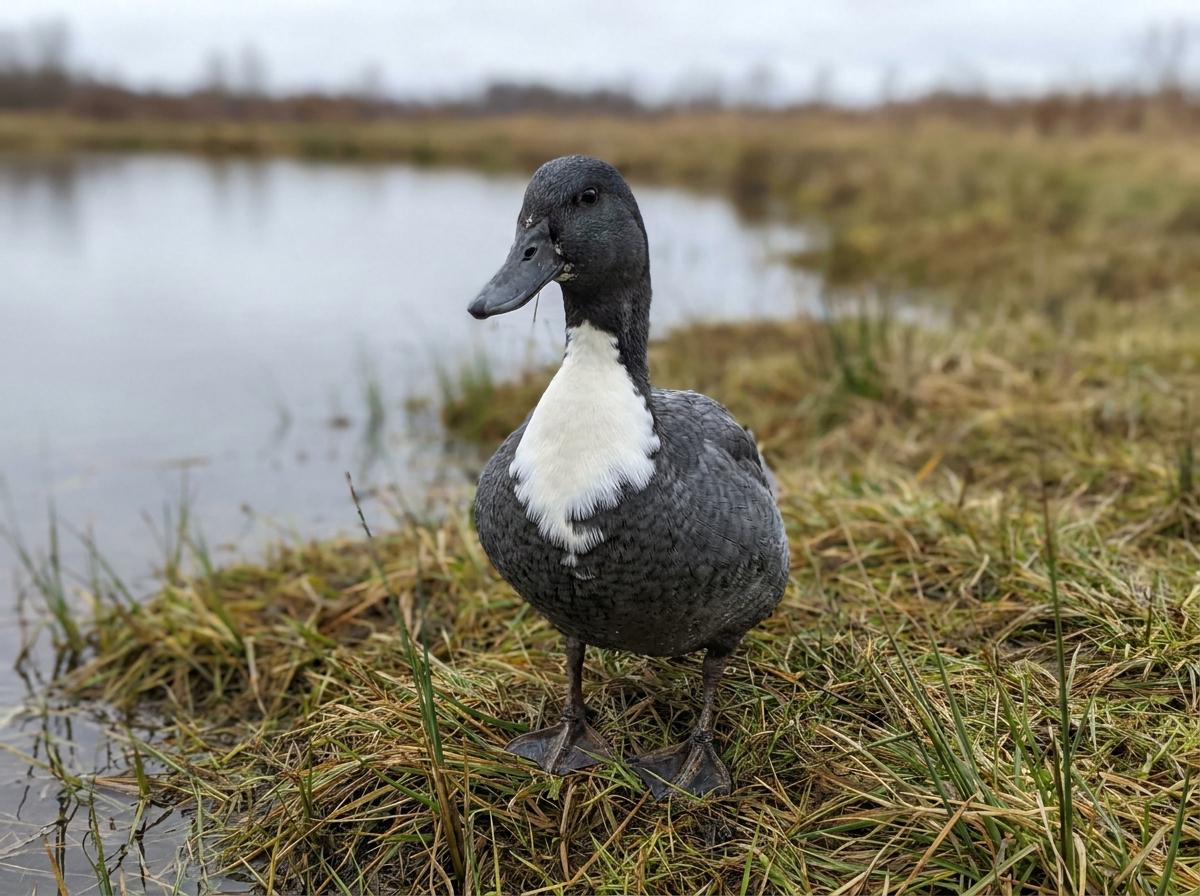
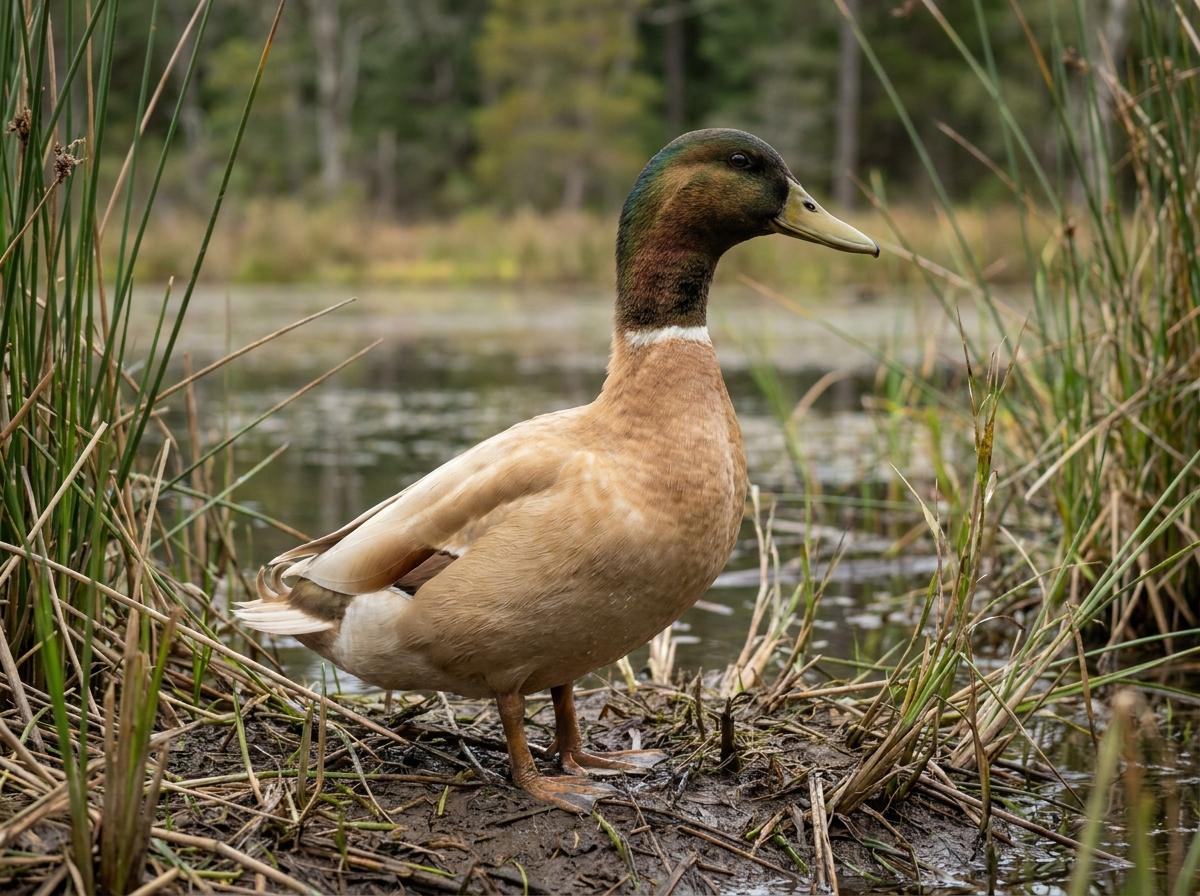
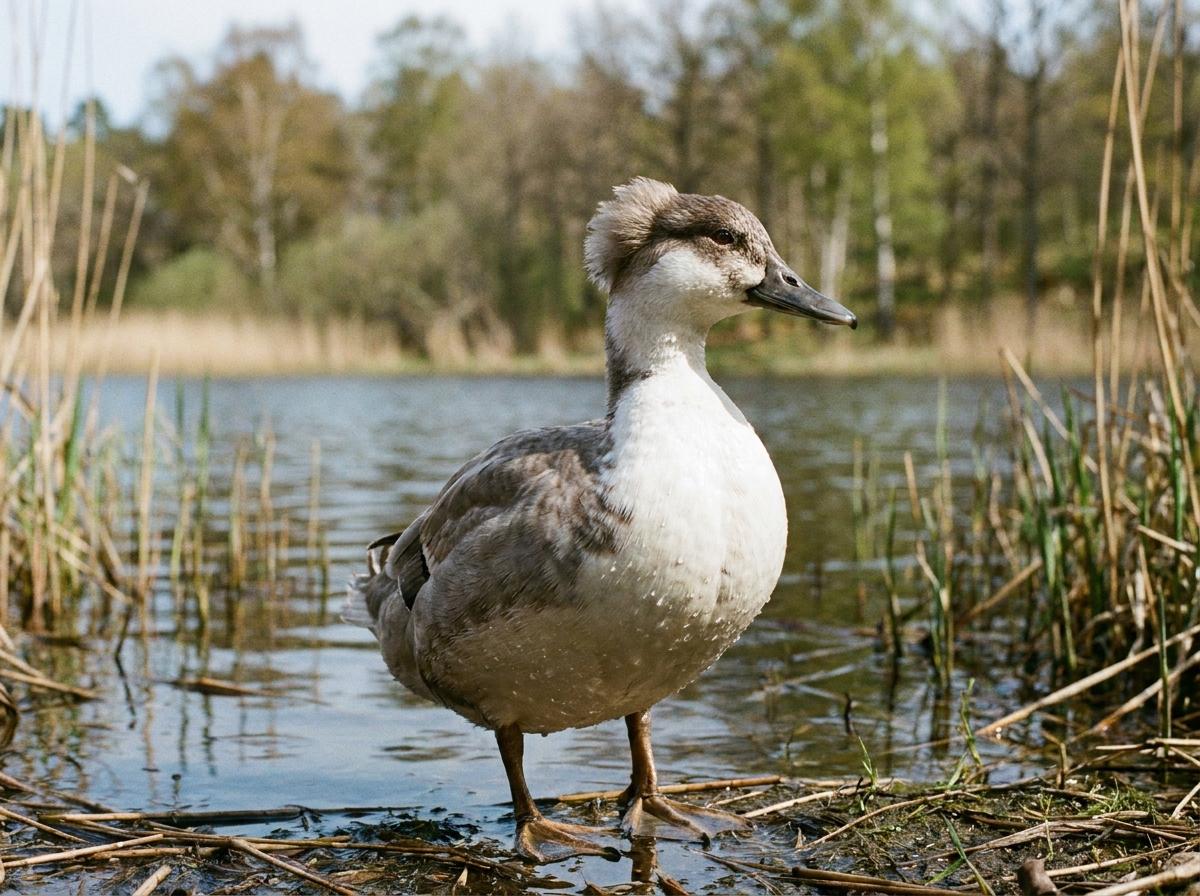
The Blekinge duck, known in Sweden as Blekingeanka, is a rare Swedish landrace from the Blekinge archipelago and coastal farm country. It represents an old type of local domestic duck rather than a modern production hybrid, with medium size, practical body shape, and variable farmyard coloring that may include mallard-like, gray, blue, black, or bibbed patterns. The breed is valued for its adaptation to small-scale Nordic keeping, where ducks were expected to forage, lay, brood to some degree, and produce table birds without intensive systems.
Most Blekinge ducks today are kept by breeders interested in preservation as well as ordinary homestead use. Management favors hardy, naturally behaving birds: secure shelter from foxes and mink, access to grass or wet ground, bathing water, and feed adjusted for season and egg production. Because the population is limited, crossing casually with other domestic ducks can erase the very traits keepers are trying to maintain. Conservation breeders often pay attention to unrelated pairings, hatch records, fertility, and typical landrace character rather than selecting only for color.
Colors: Apricot, Bibbed, Black, Blue, Buff, Chocolate, Fawn, Gray, Grey, Magpie, Mallard, Penciled, Pied, Runner Pattern, Silver, Splash, White