Duclair Duck
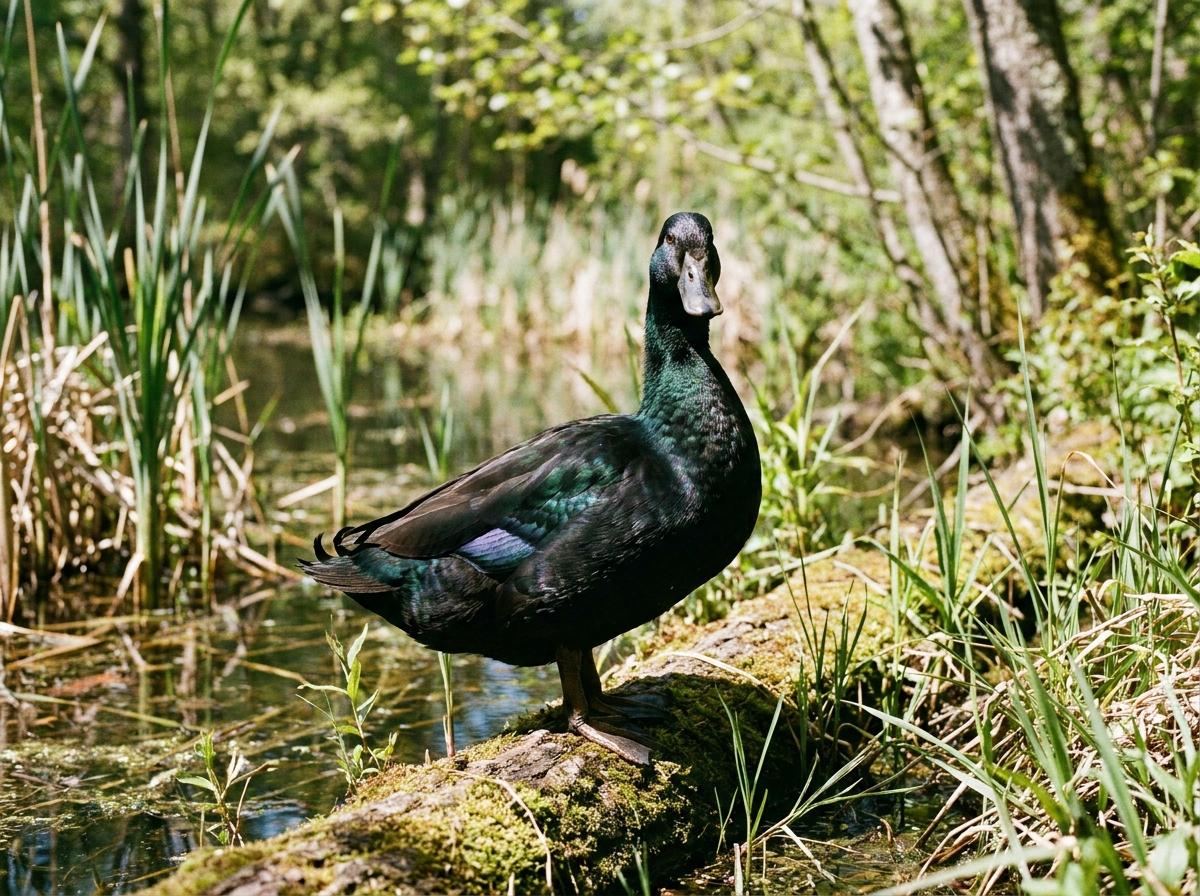
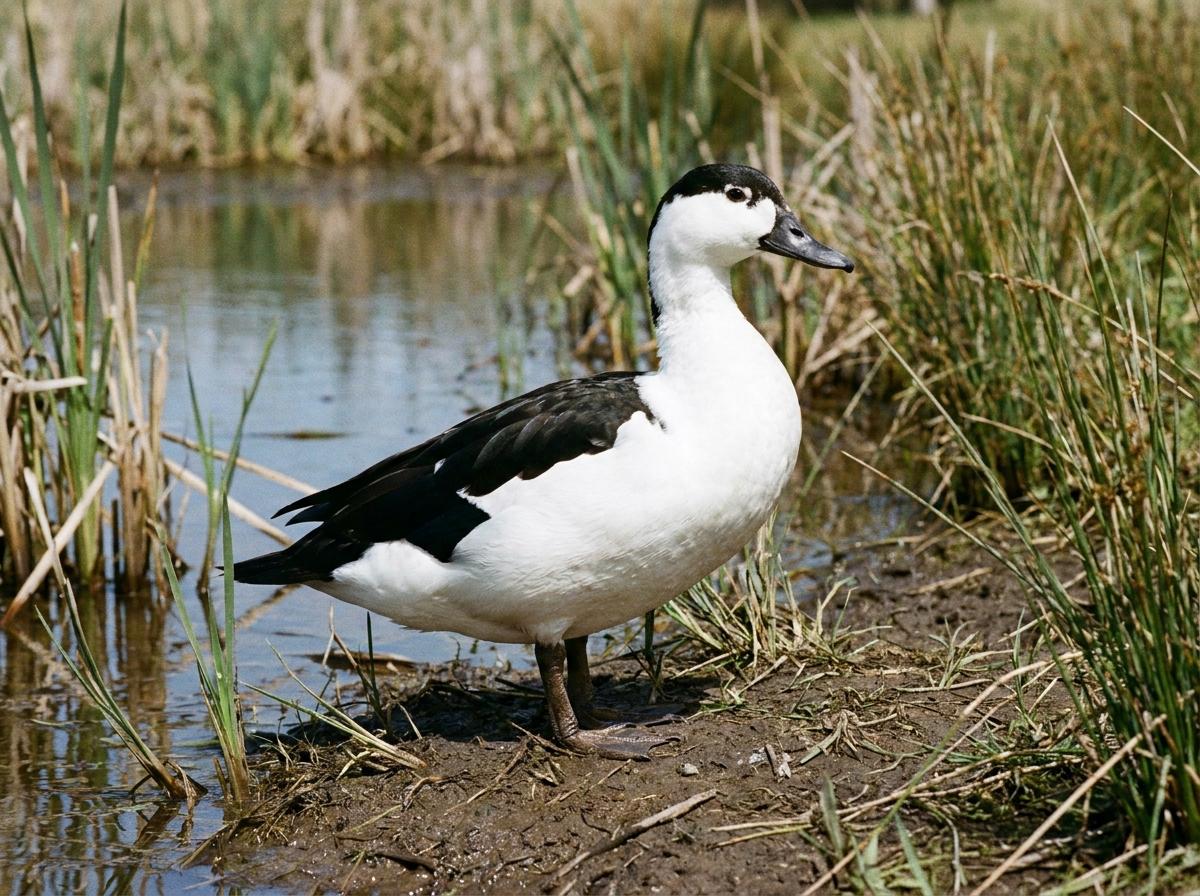
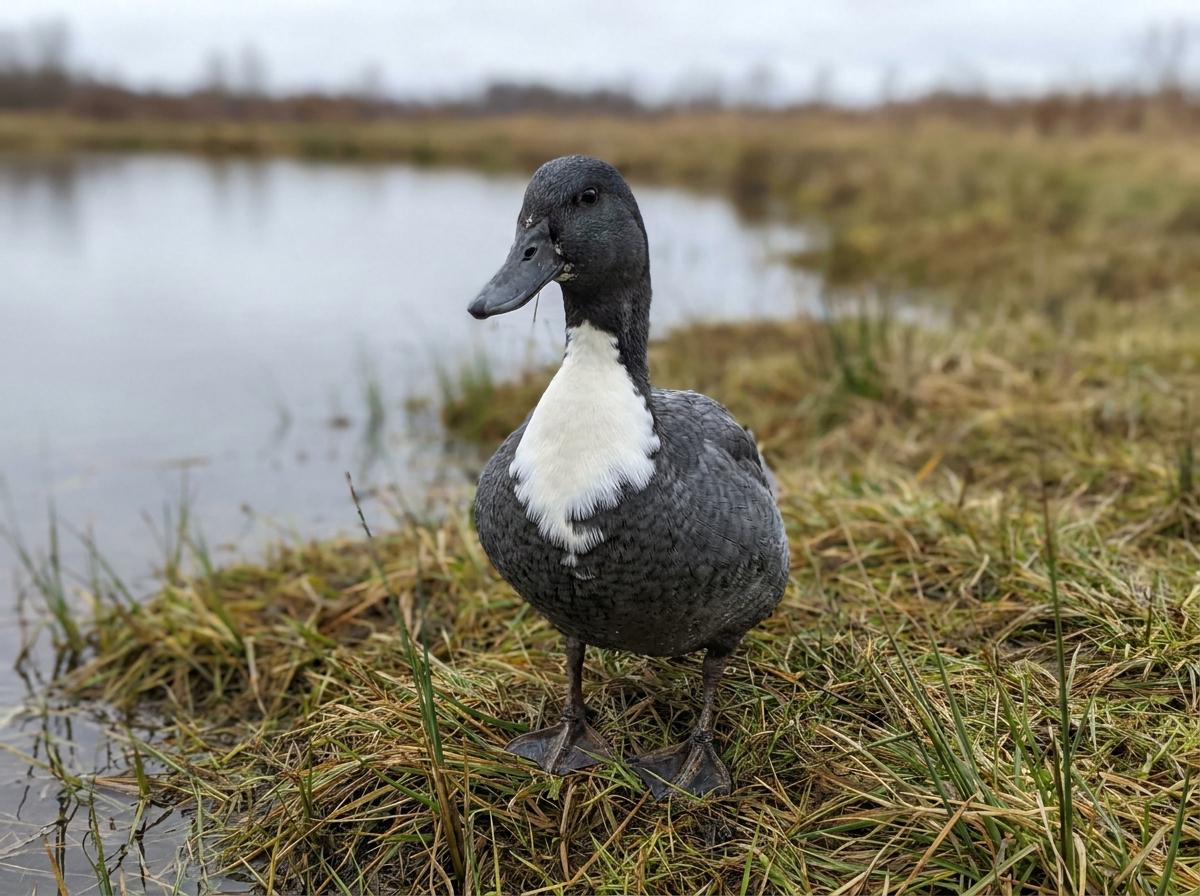
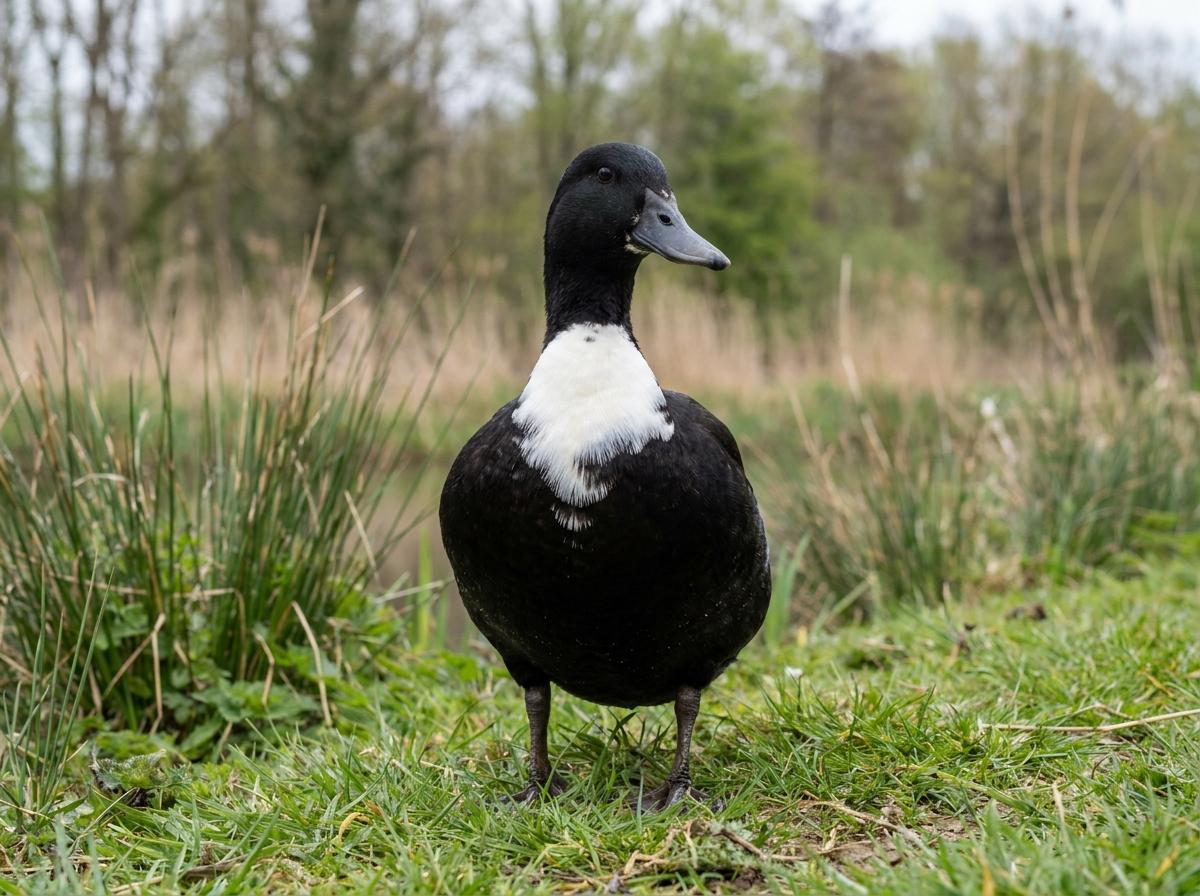
The Duclair duck is a traditional French domestic duck from the lower Seine valley in Normandy, named for the town of Duclair. It is a medium to heavy farm duck, historically kept for the table as well as for household eggs, and is often compared with the Swedish duck because of its colored body and white bib. Standard descriptions most commonly note black or blue plumage with a white throat and breast patch, though local flocks may show some variation. The body is broad and fairly deep, giving the breed more substance than a light egg breed without the very blocky look of a commercial Pekin.
Smallholders and heritage breeders keep Duclairs for meat quality, steady laying, and regional preservation. They suit pasture or orchard systems where they can forage, bathe, and return to secure night housing; like other domestic ducks they need water deep enough to clean the nostrils and eyes, not necessarily a large pond. Breeding flocks are selected for sound legs, good body width, and clear bib markings, because careless selection can quickly blur type. Outside France, buyers usually need to ask whether stock is true Duclair or simply a bibbed duck with similar coloring.
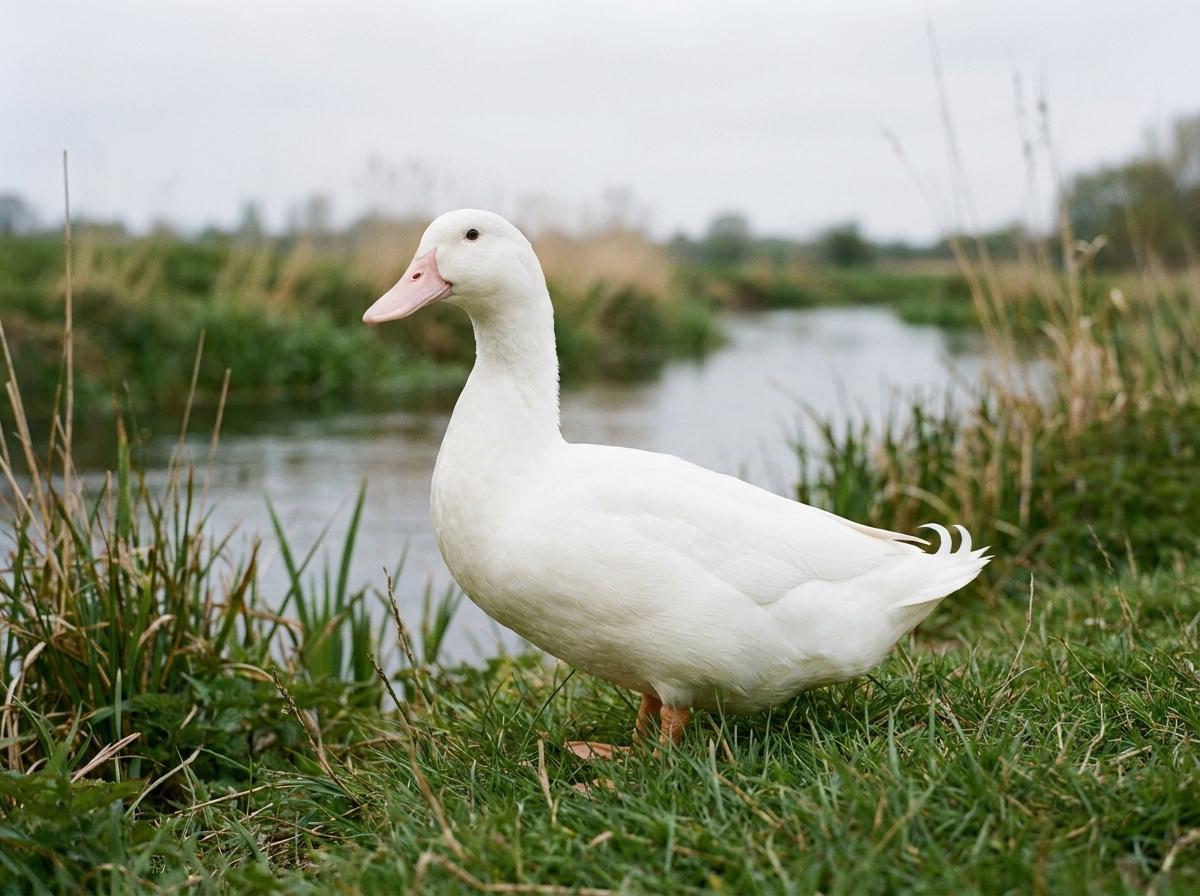
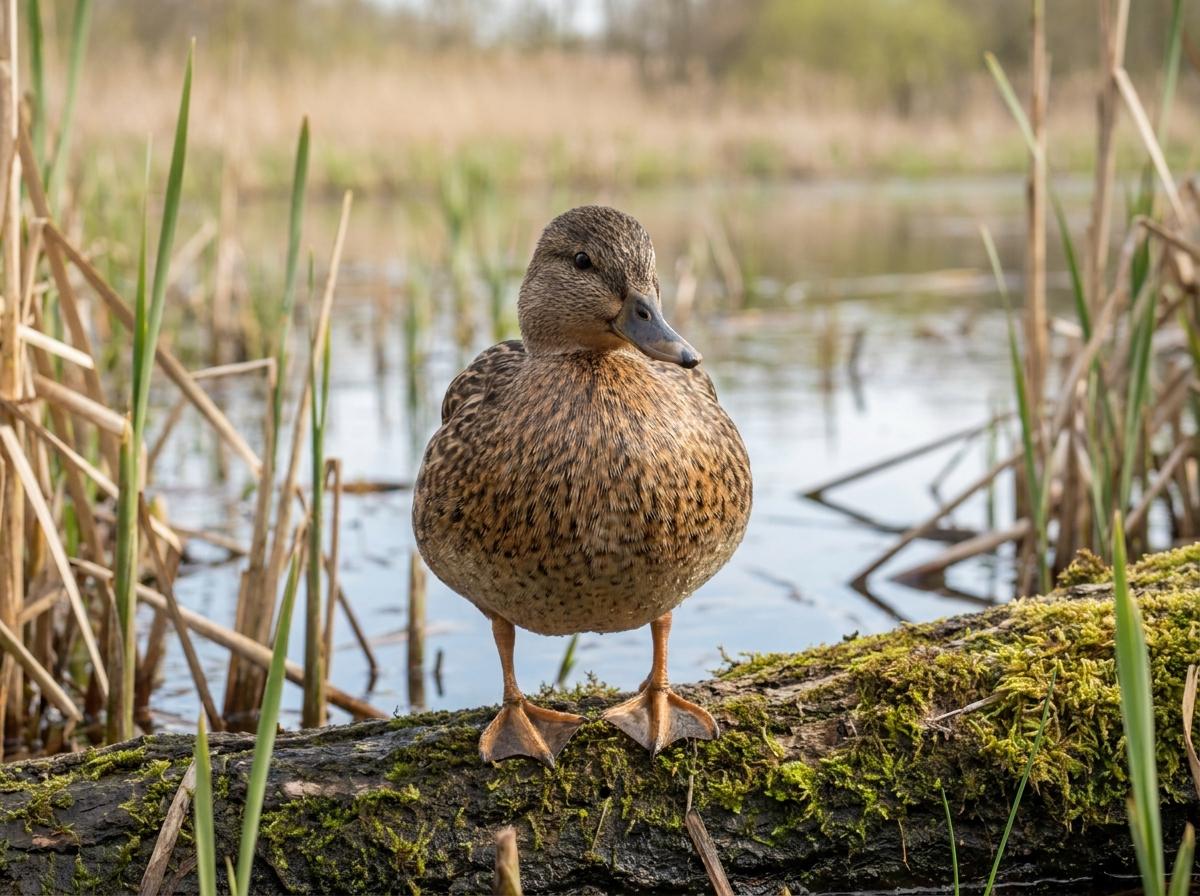
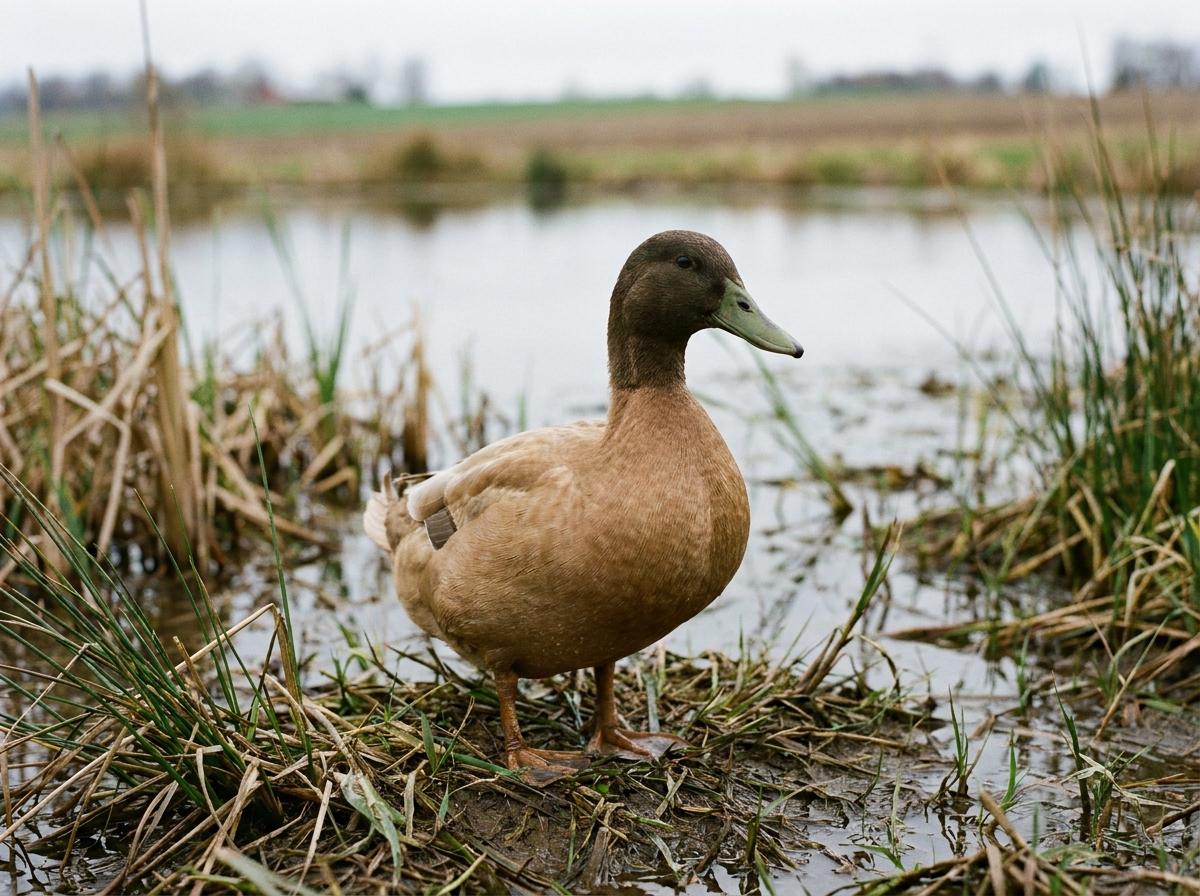
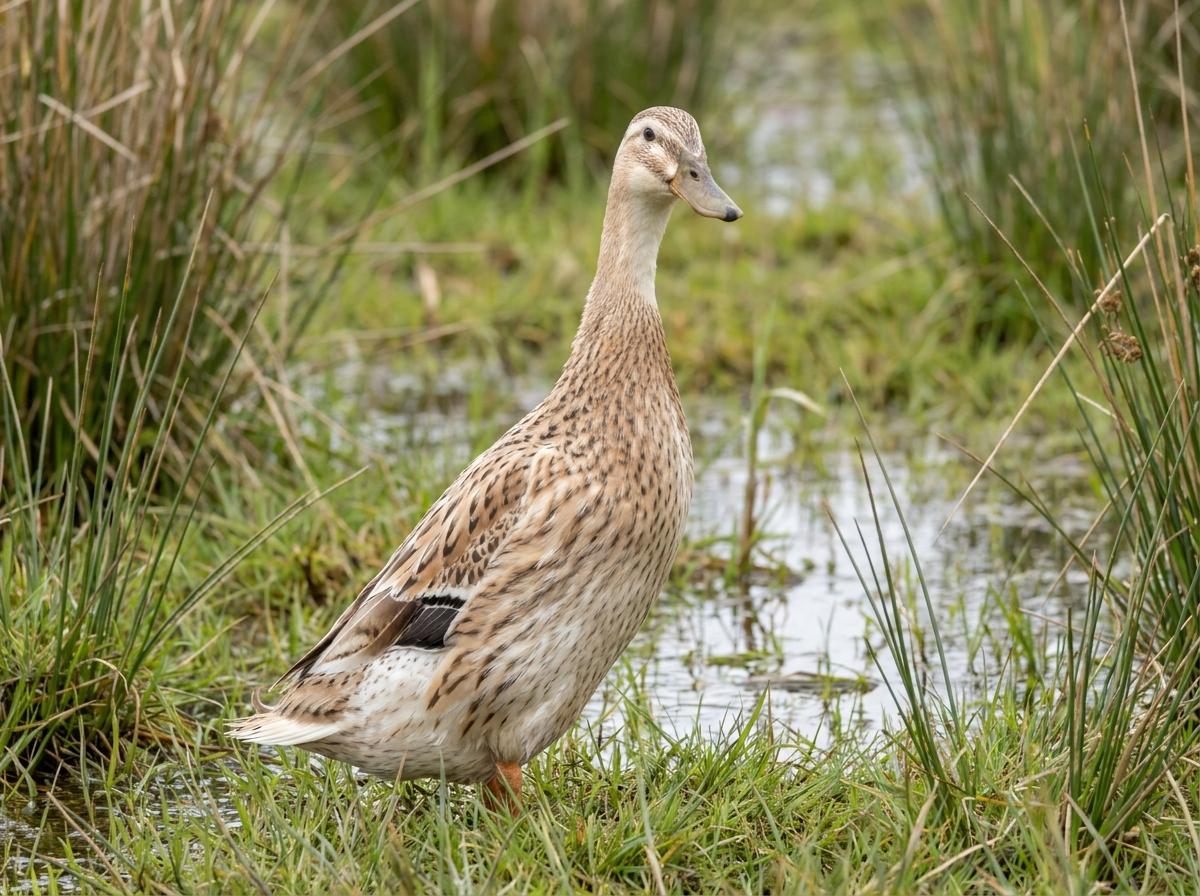
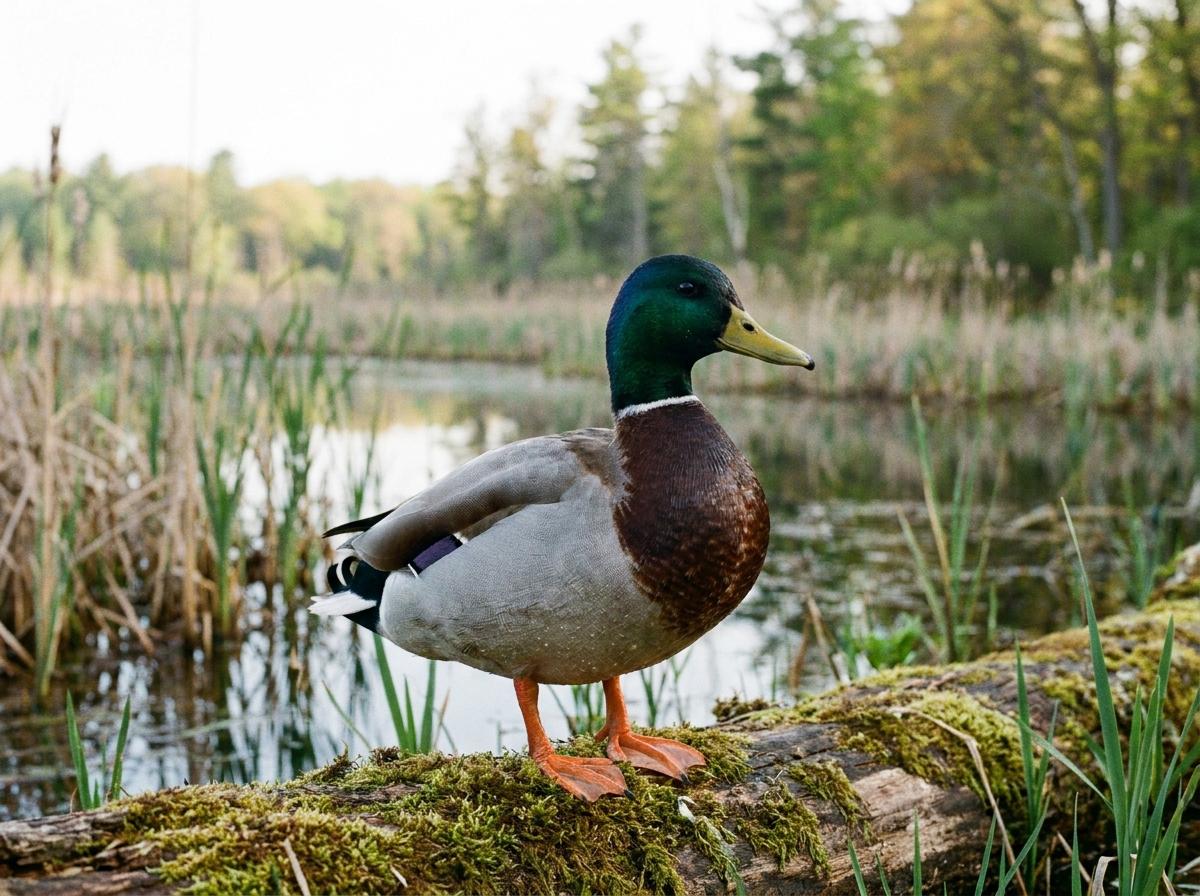
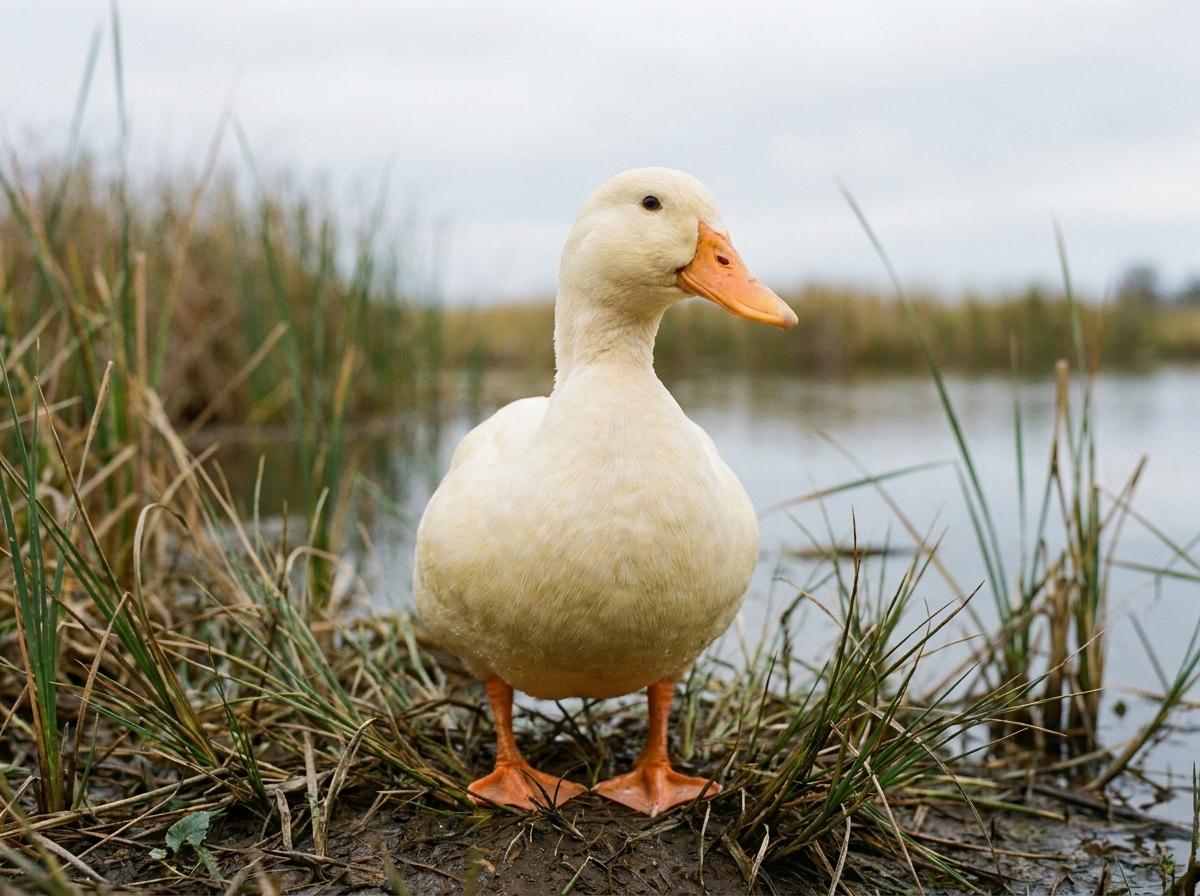
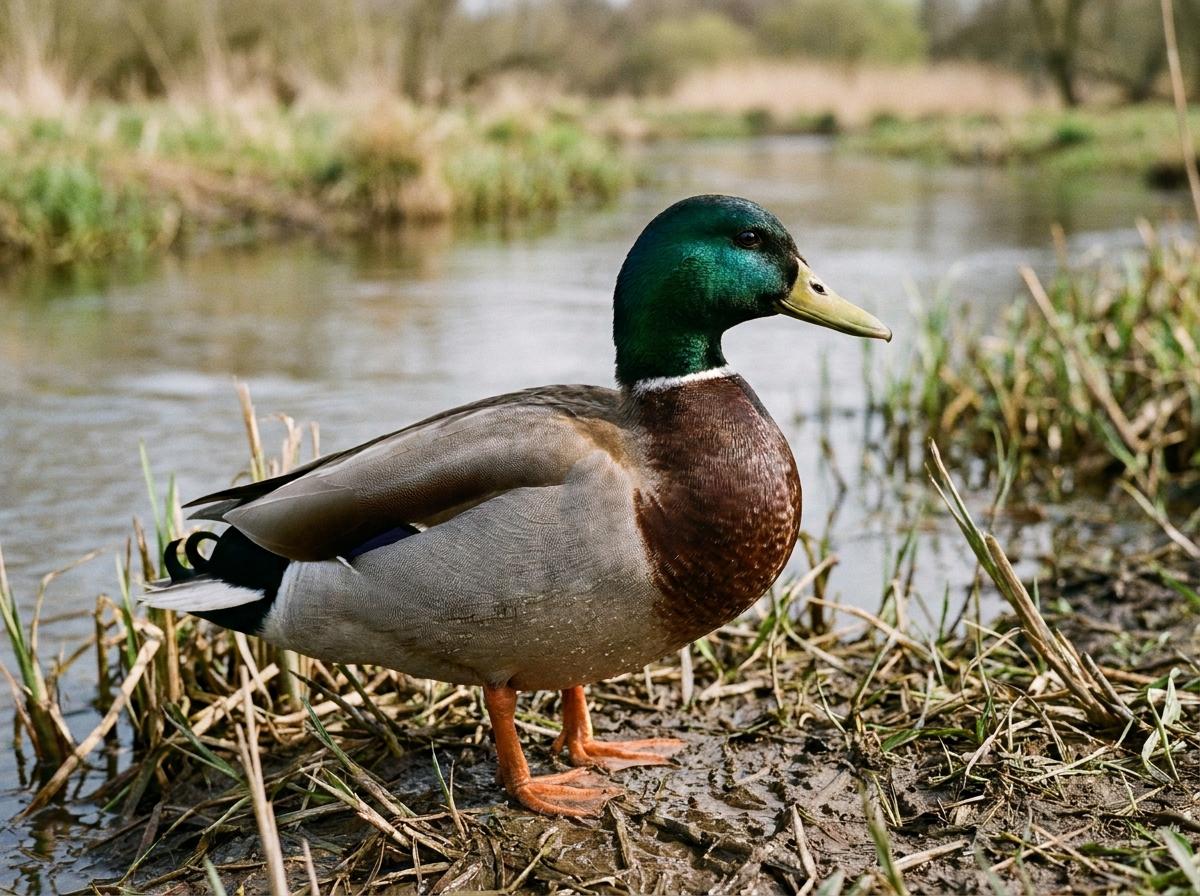
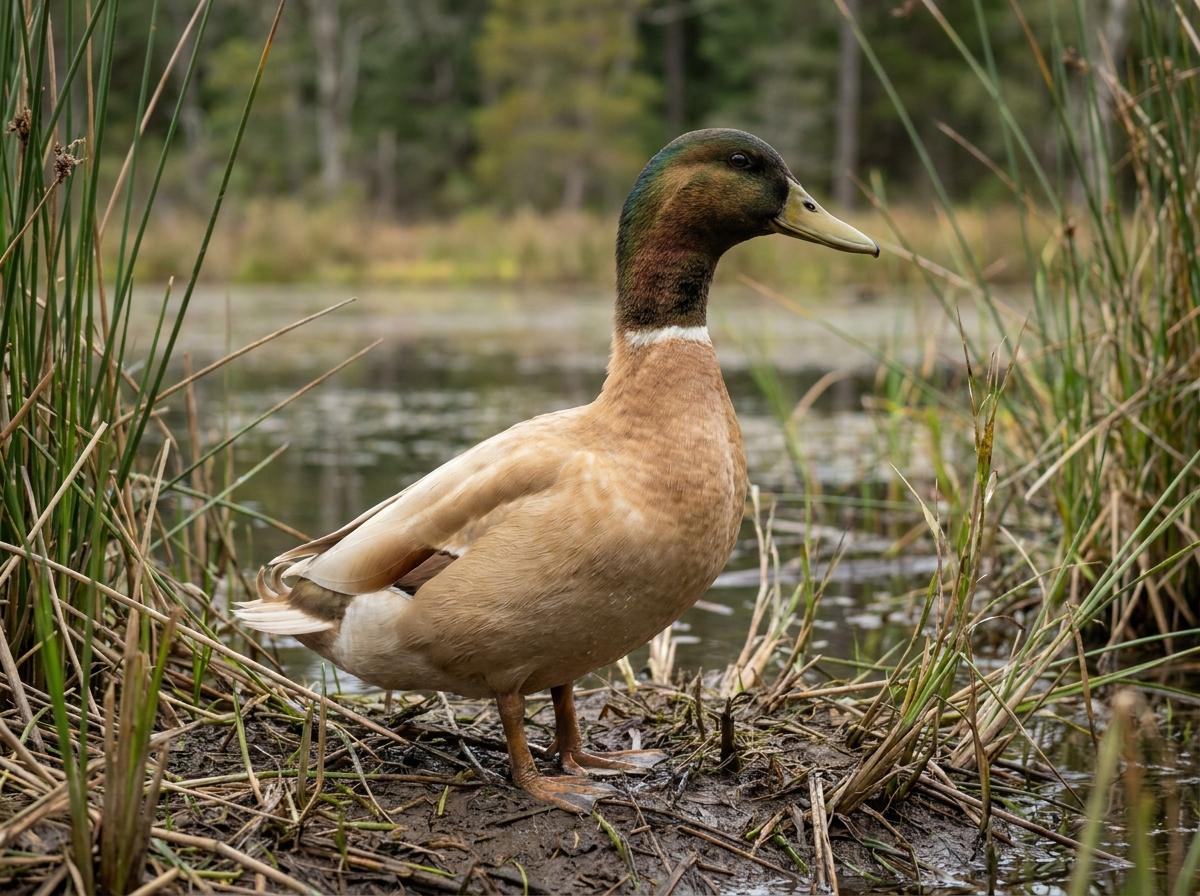
Colors: Apricot, Bibbed, Black, Blue, Buff, Chocolate, Fawn, Gray, Grey, Magpie, Mallard, Penciled, Pied, Runner Pattern, Silver, Splash, White