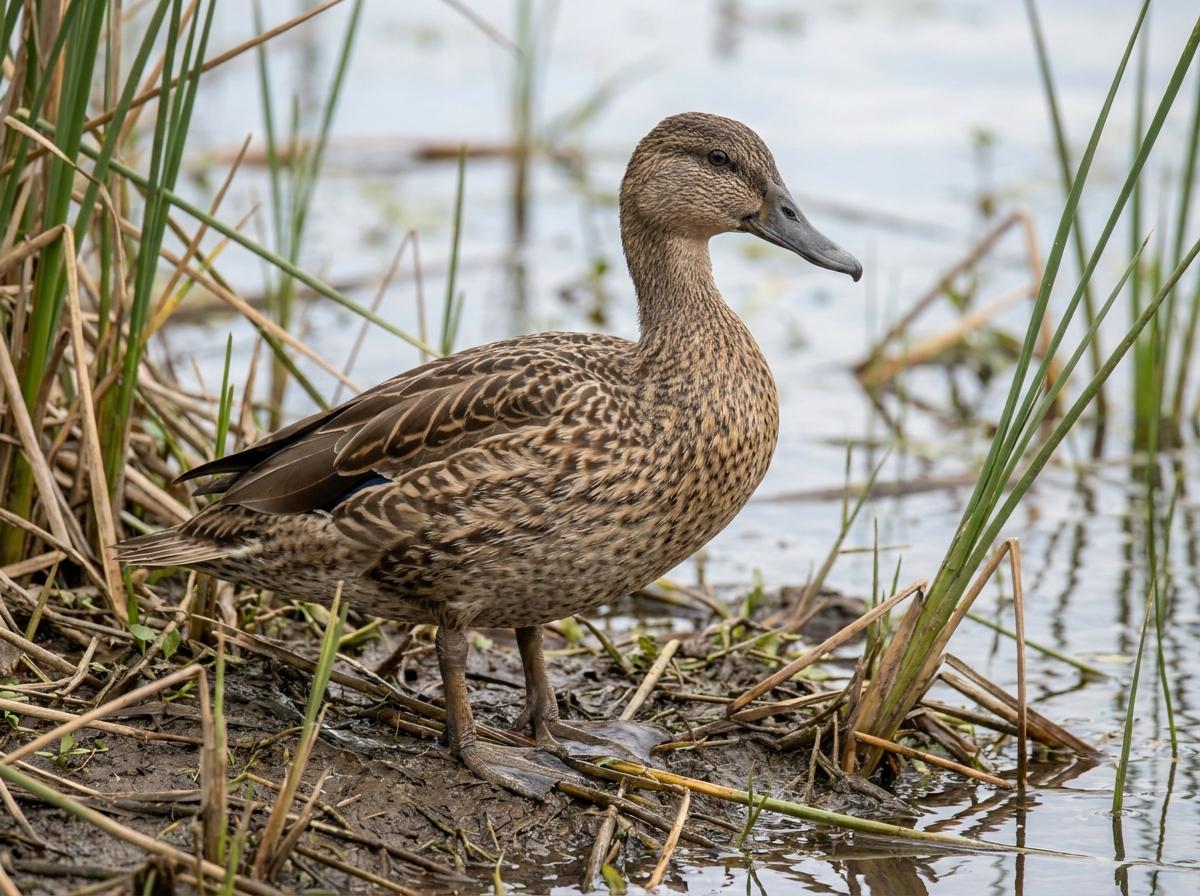
Hook Bill
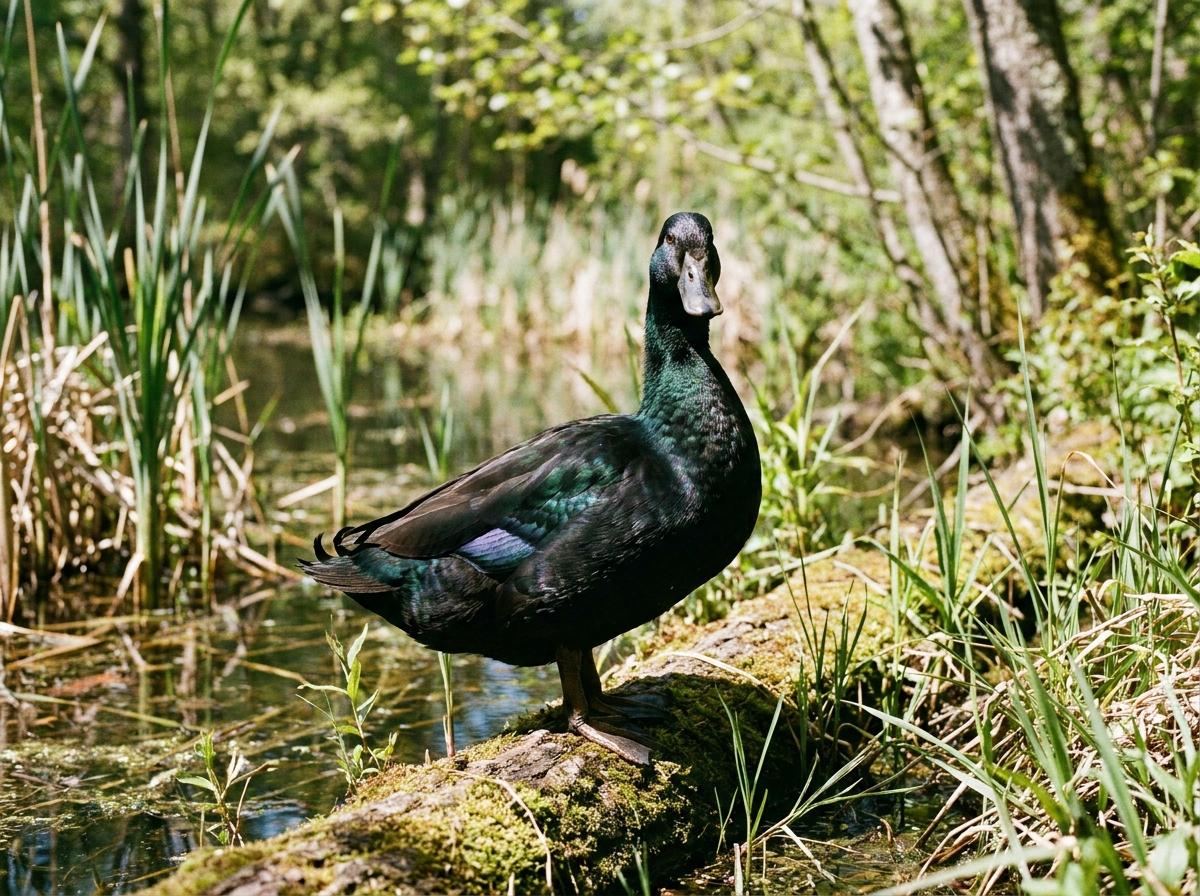
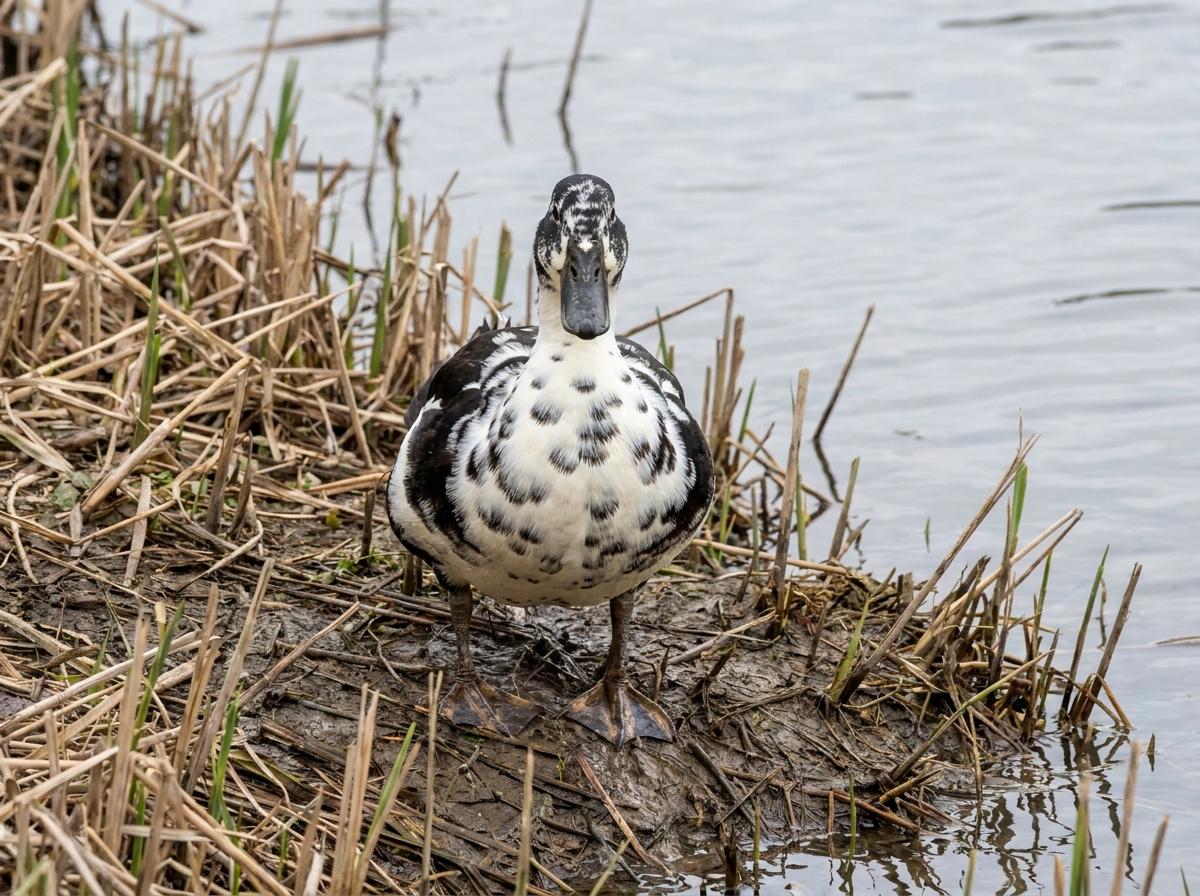
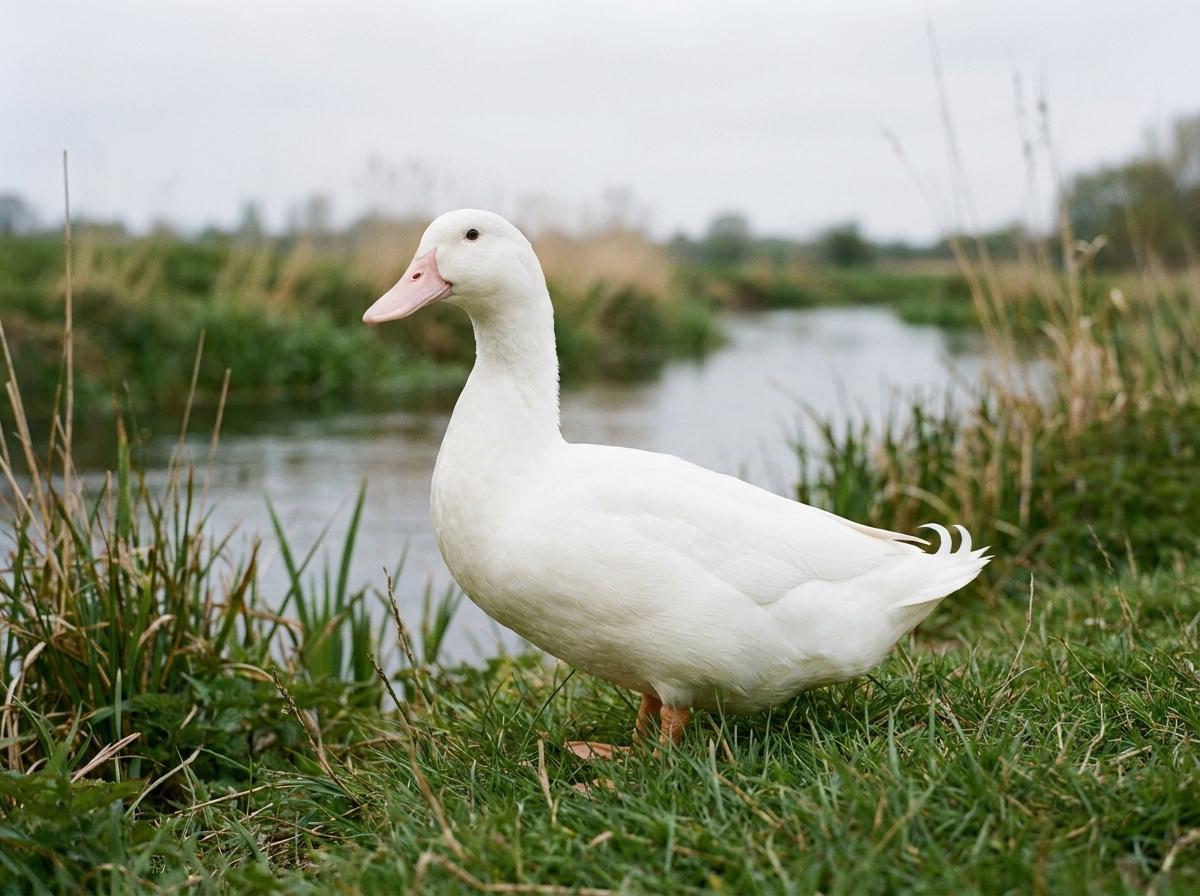
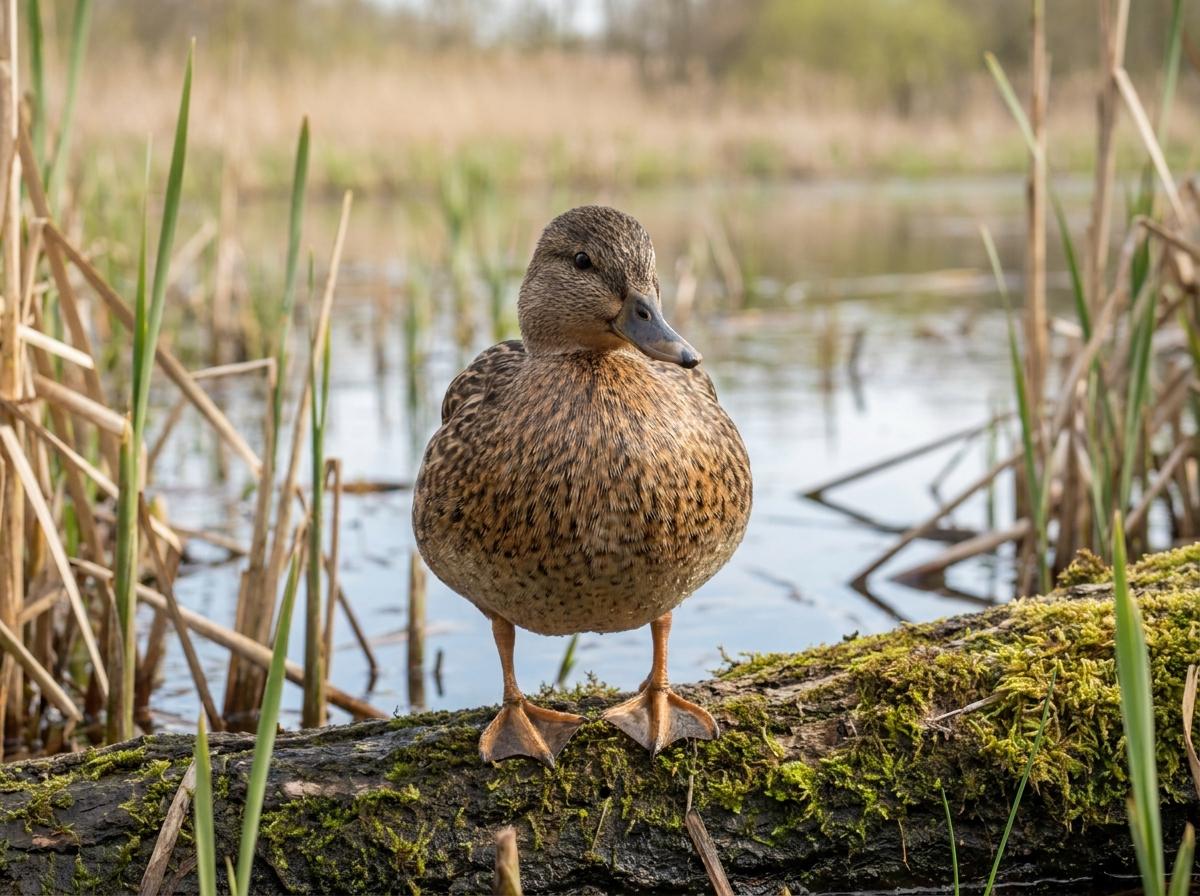
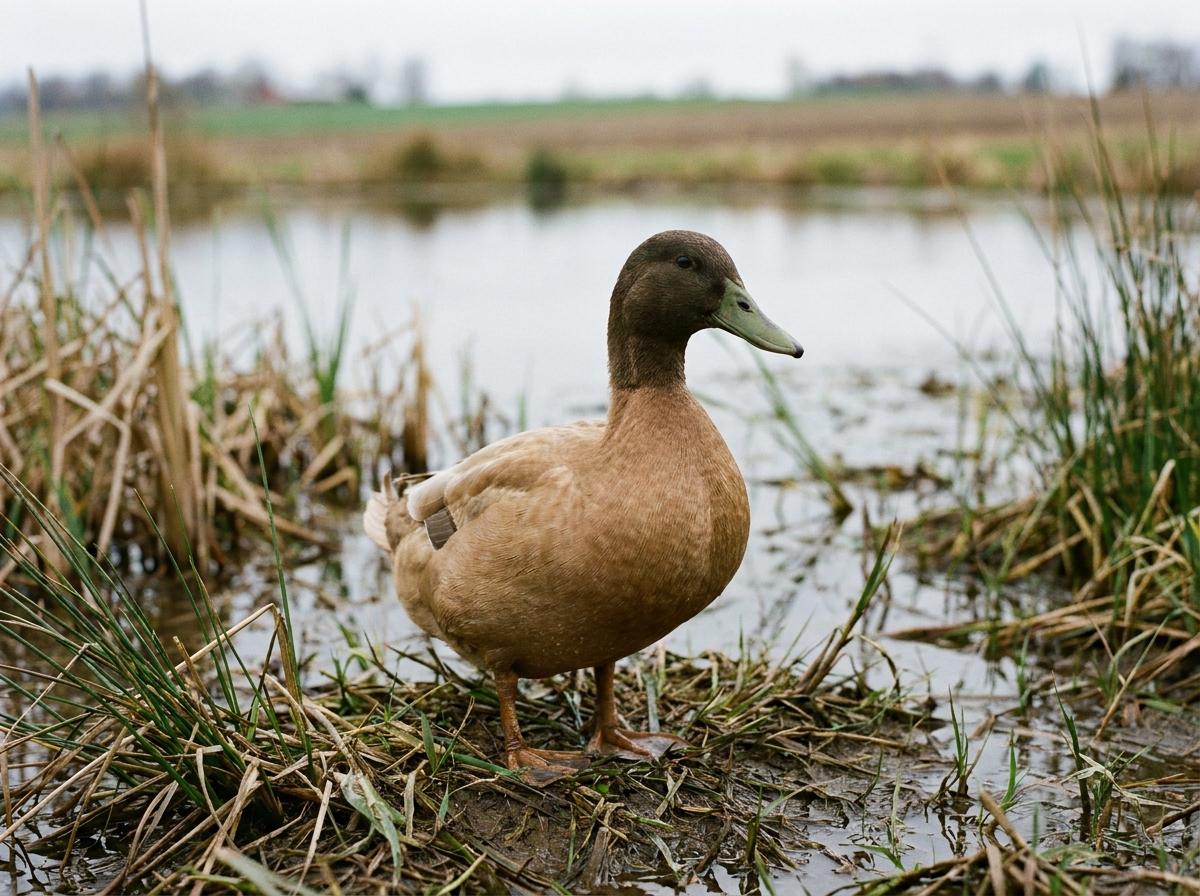
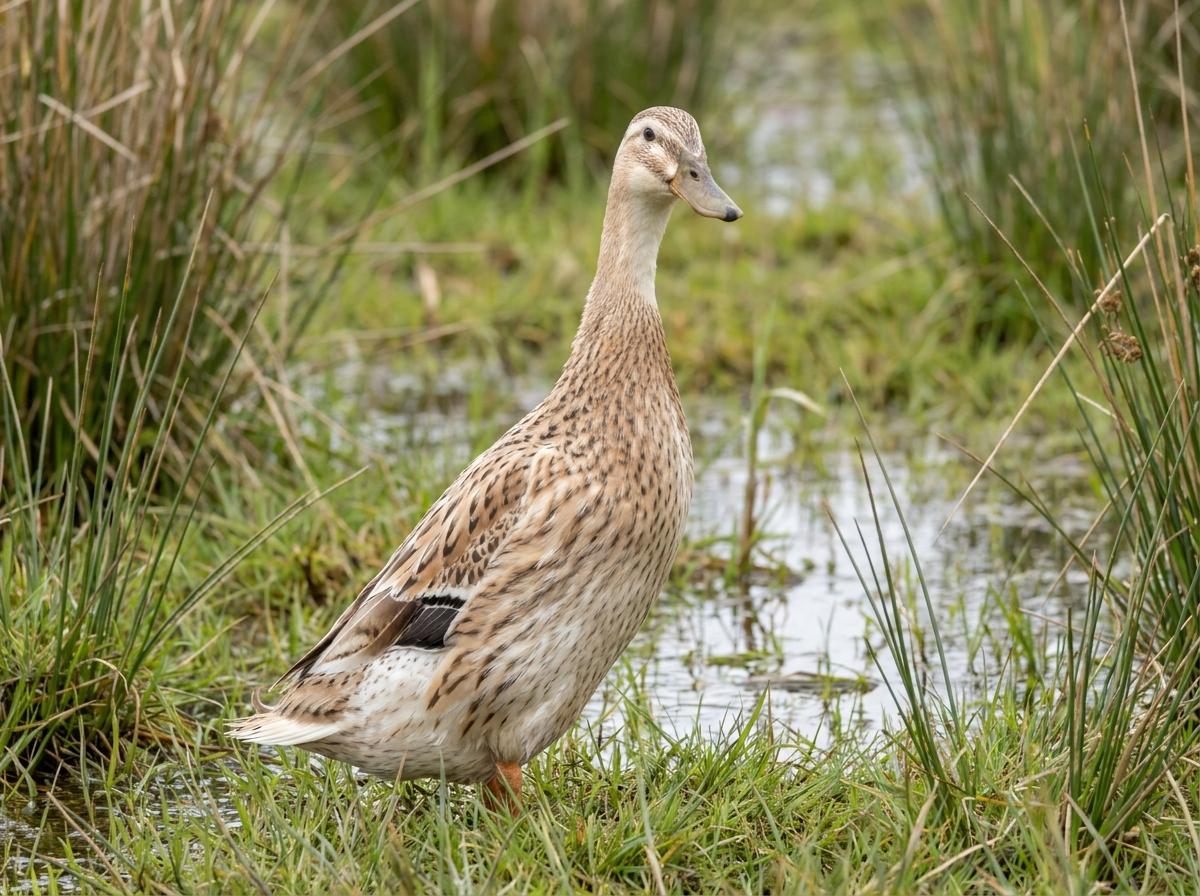
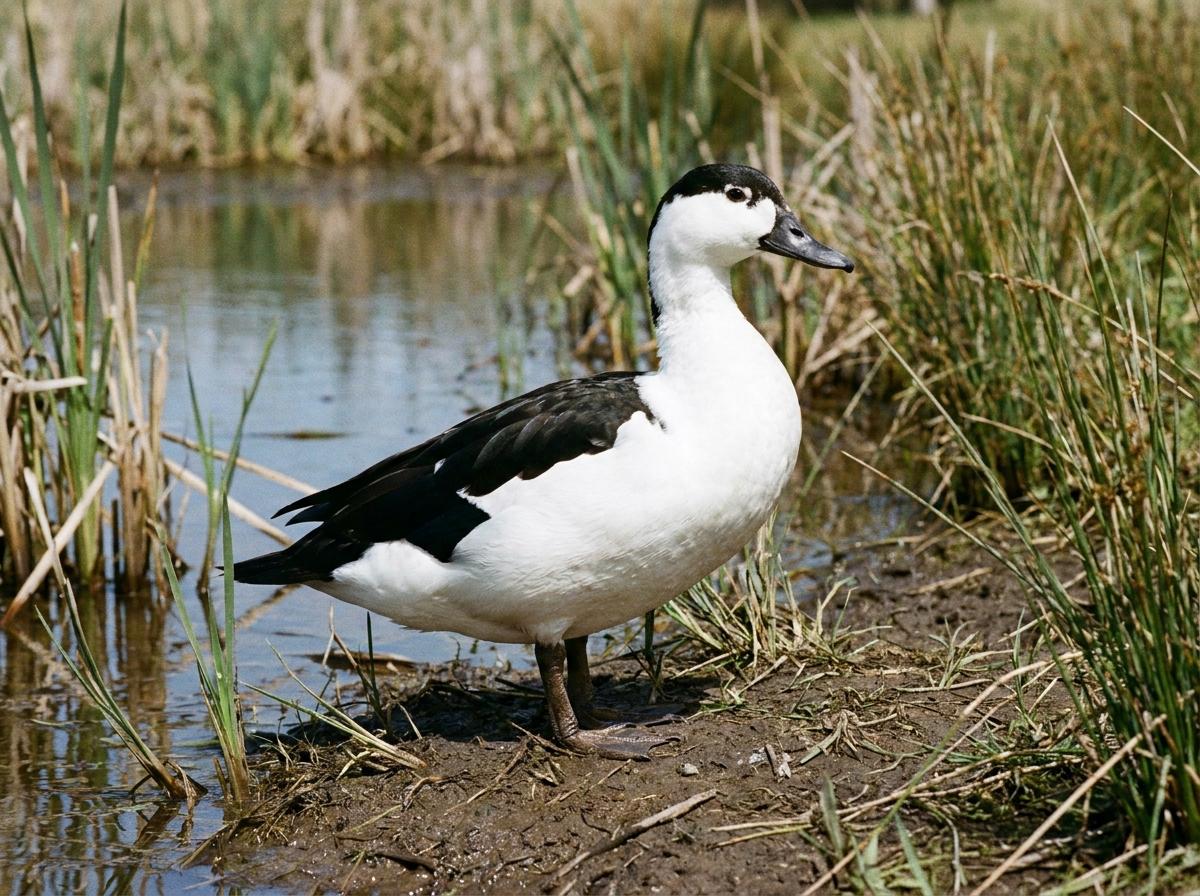
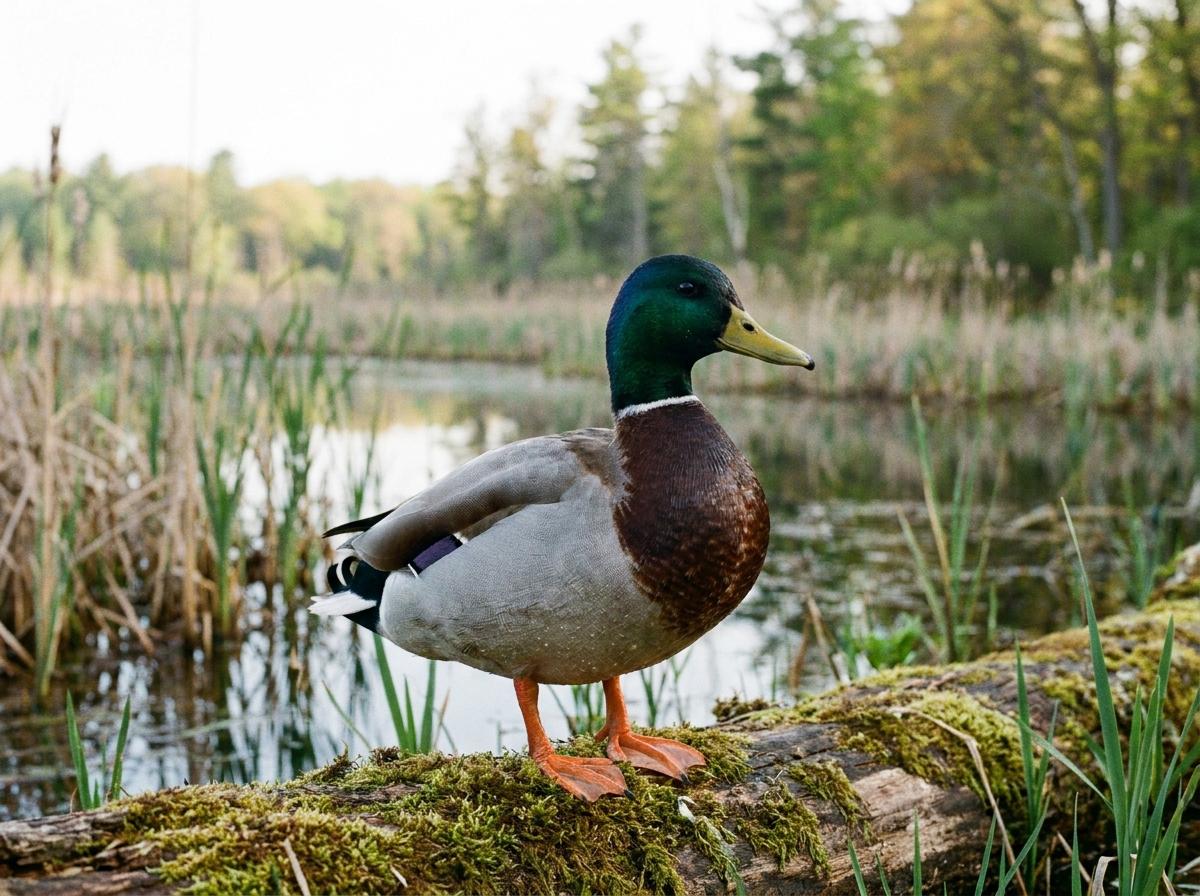
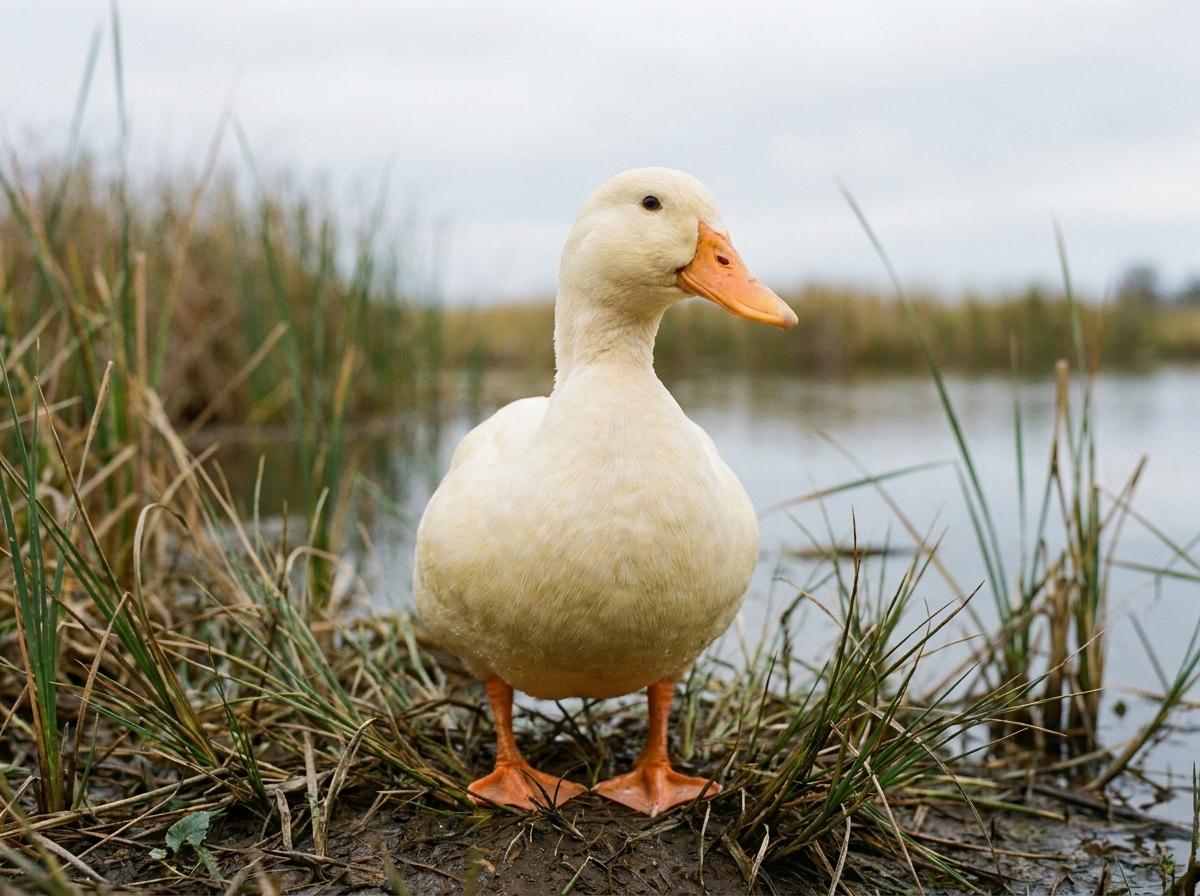
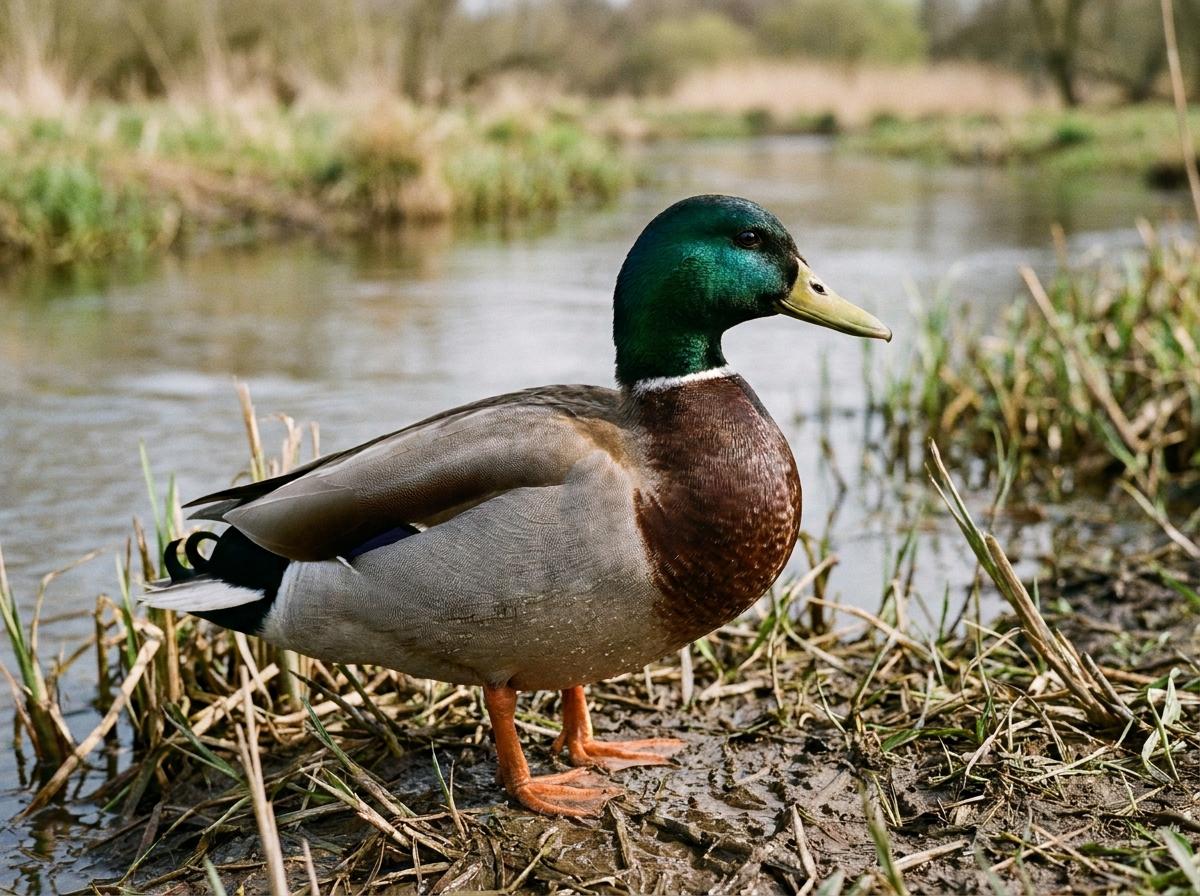
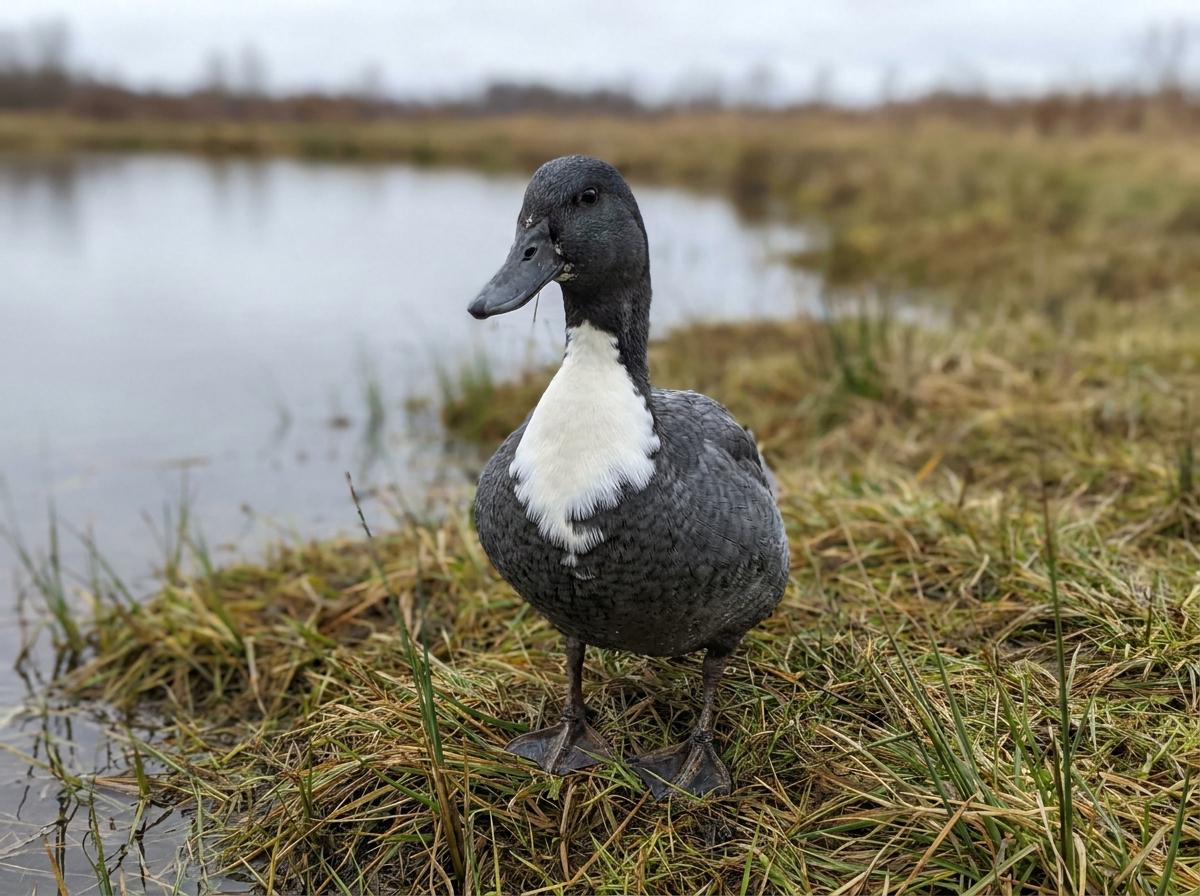
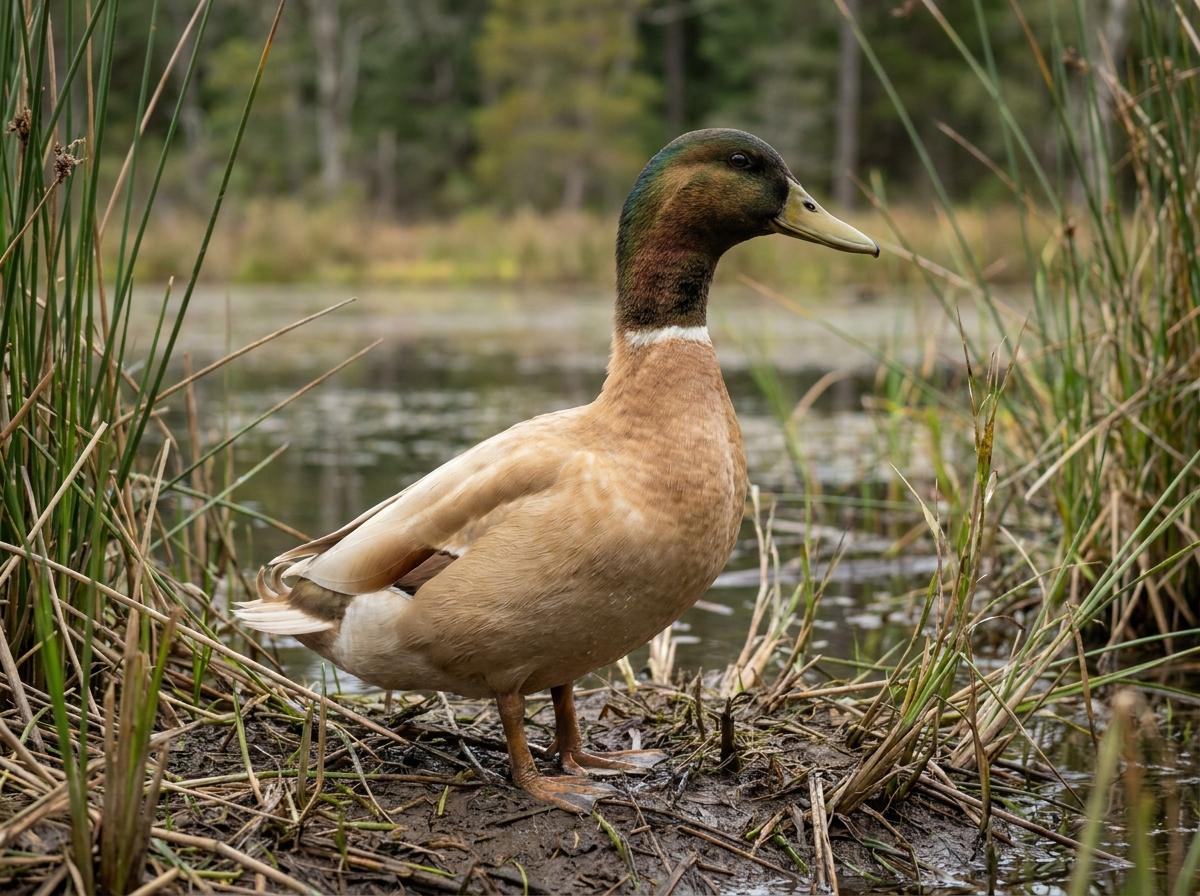
Hook Bill, more often written Dutch Hookbill, is an old domestic duck breed from the Netherlands with a downward-curving bill. The unusual profile is not an injury or a cross with a wild bird; it is a selected breed trait seen in historic Dutch farm ducks. Hook Bills are generally light to medium ducks with an active body, good foraging ability, and several color patterns, including dusky, white, and bibbed or pied forms depending on the standard followed. They were once associated with wet farms, canals, and egg production in northern Holland.
Modern flocks are rare, so Hook Bills are kept as much for conservation as for eggs. They benefit from space to move, clean bathing water, and secure night housing, since lighter ducks may be agile enough to test low fences. The bill curve should still allow normal feeding, preening, and breathing; extreme or uneven bills are a welfare and breeding concern. People purchasing stock should look for vigorous birds with good fertility and a clearly recognizable head shape, not only a dramatic bill. Maintaining unrelated breeding groups is especially useful because the population is limited in many countries.
Colors: Apricot, Bibbed, Black, Blue, Buff, Chocolate, Fawn, Gray, Grey, Magpie, Mallard, Penciled, Pied, Runner Pattern, Silver, Splash, White