Saxony Duck
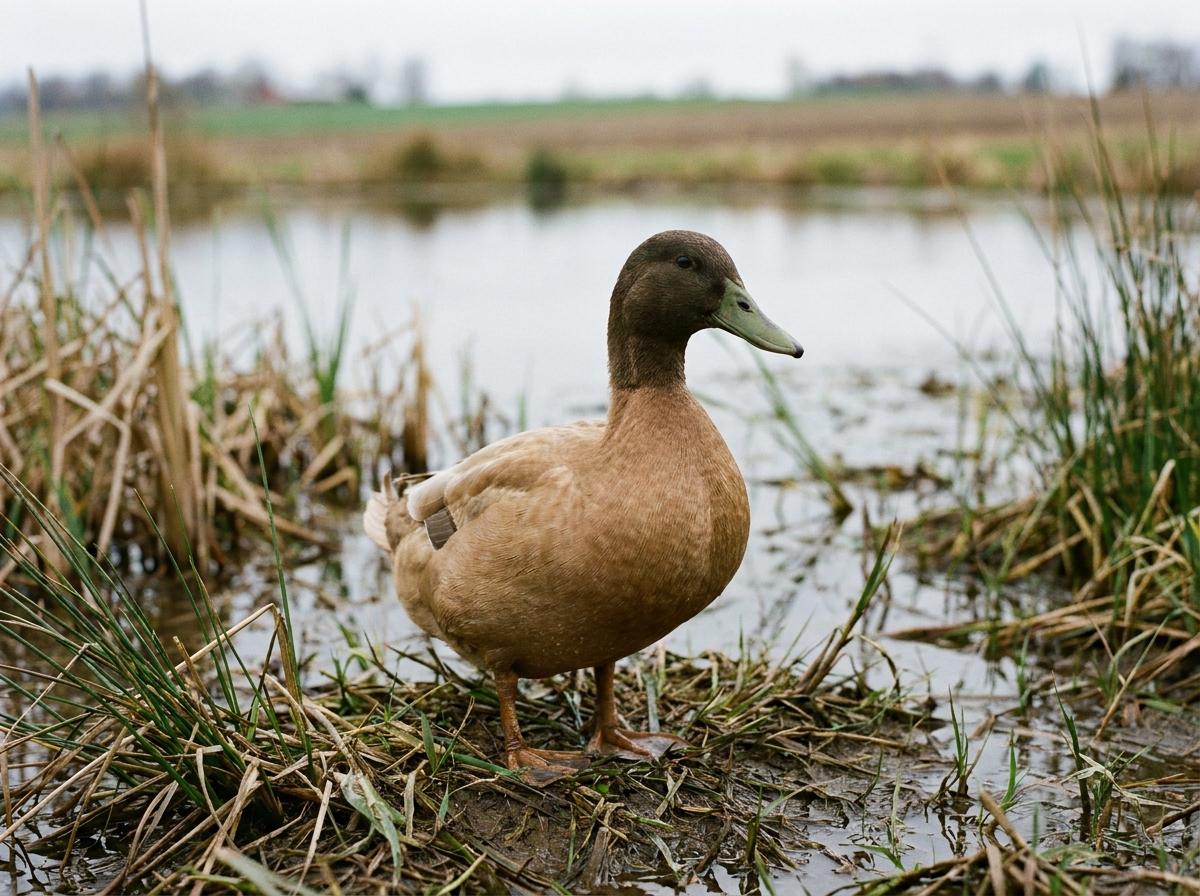
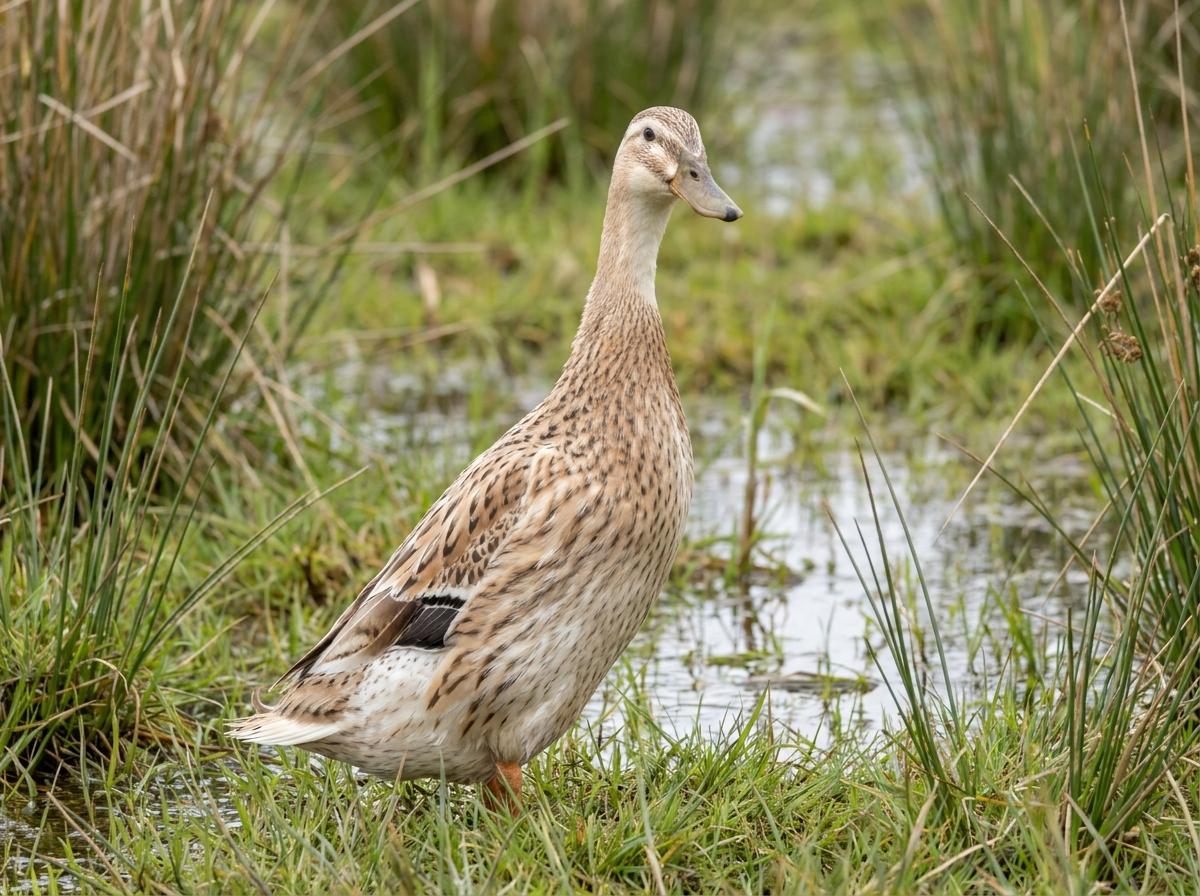
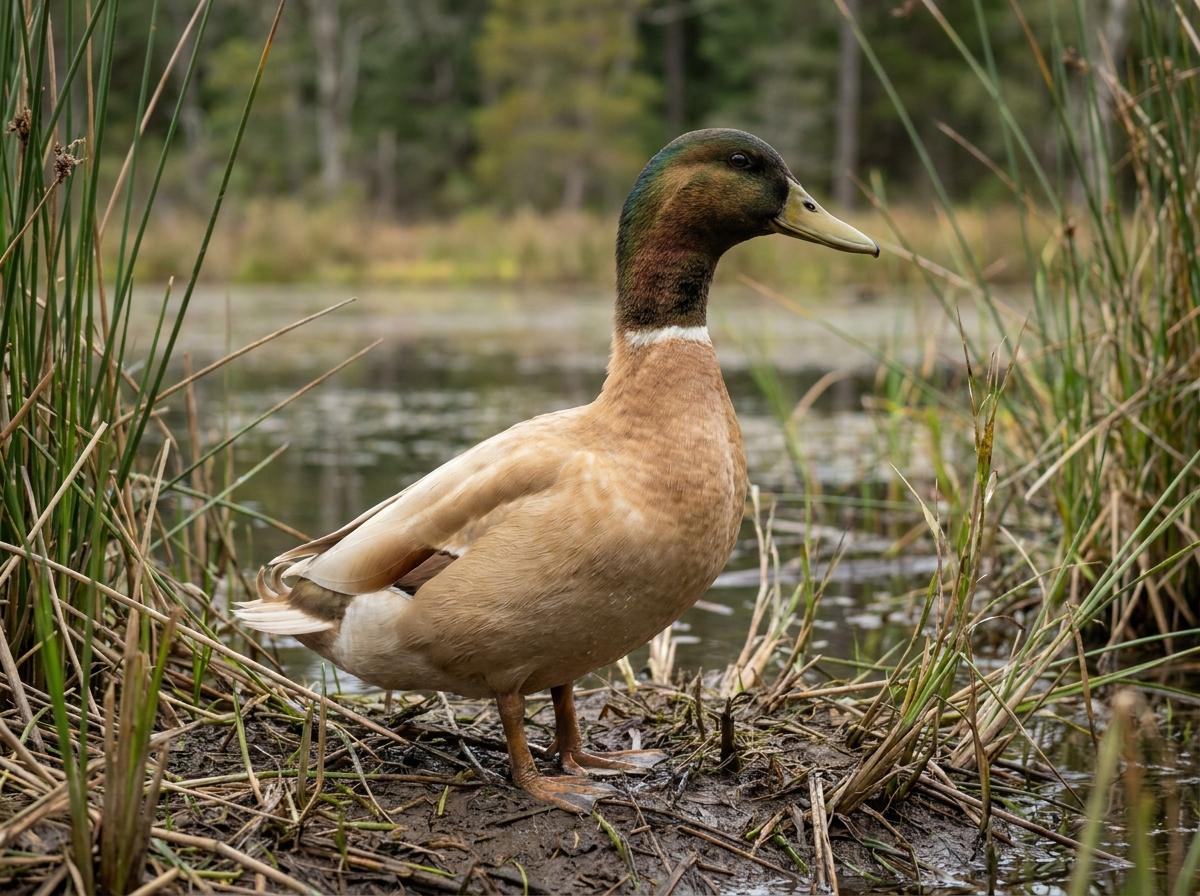
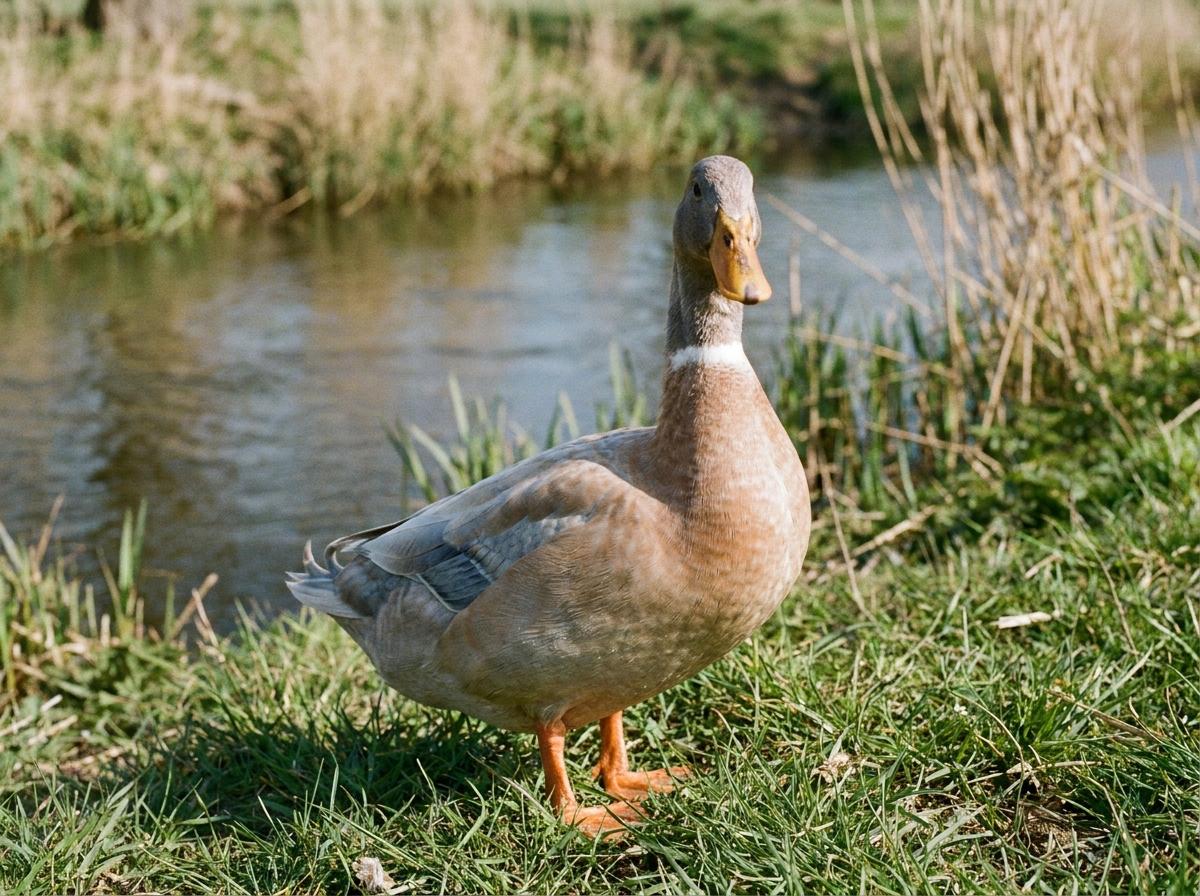
The Saxony duck is a German dual-purpose breed developed by Albert Franz in Saxony during the 1930s from several utility duck breeds. Wartime losses nearly erased it, and modern Saxonies descend from restoration efforts and later conservation breeding. They are medium-heavy, active mallard-derived ducks selected for egg production, useful table size, and a clear sex-linked color pattern. Drakes have a blue-gray head, chestnut breast, and pale body tones, while females are warm apricot-buff with lighter facial stripes and soft penciling.
Saxonies suit small farms that want a heritage duck for eggs, meat, and foraging, but the breed remains uncommon enough that breeding choices matter. They need ordinary domestic duck care: waterfowl feed, extra calcium for laying hens, clean water deep enough for head washing, bathing access, and secure housing at night. Color is a central part of the breed, so conservation-minded breeders avoid crossing them with generic buff, blue, or mallard-patterned ducks. Ducklings grow well when given adequate niacin and dry, clean brooder conditions with enough space to exercise.
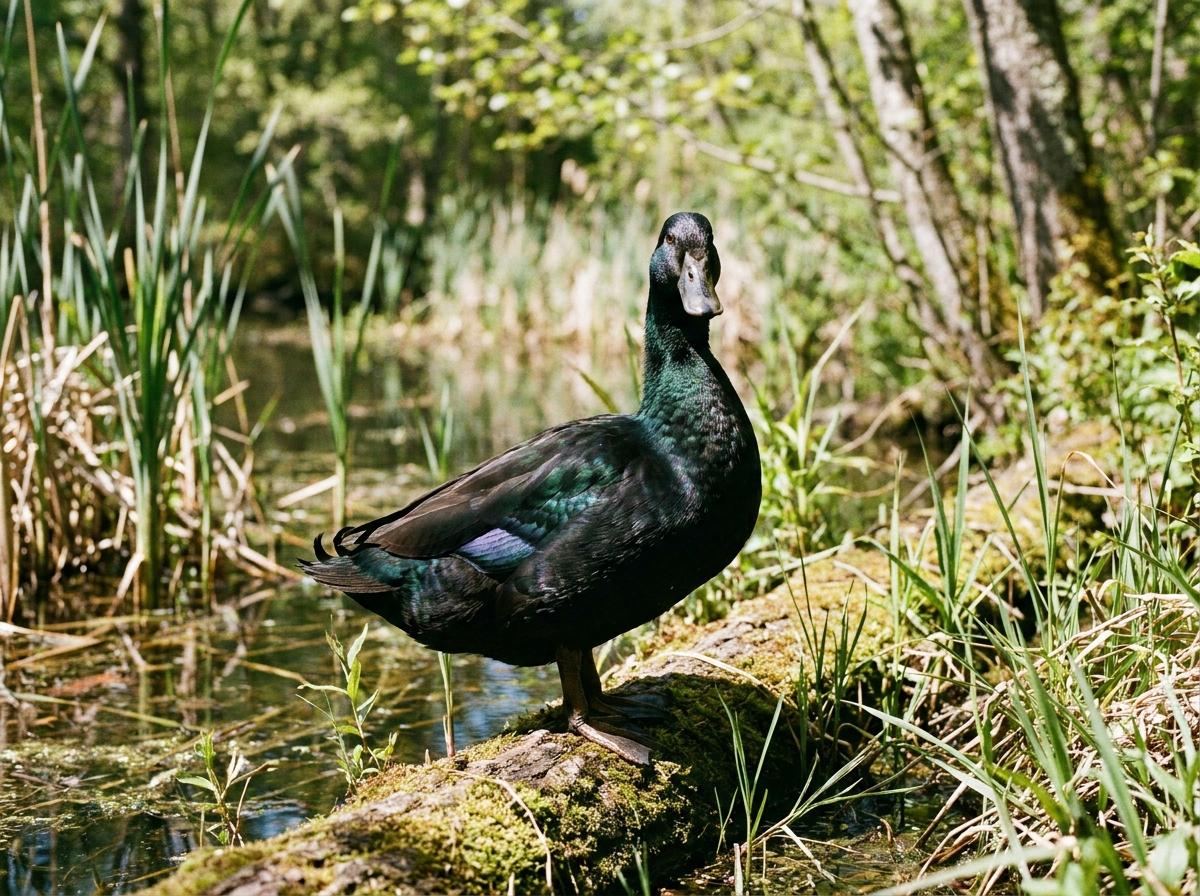
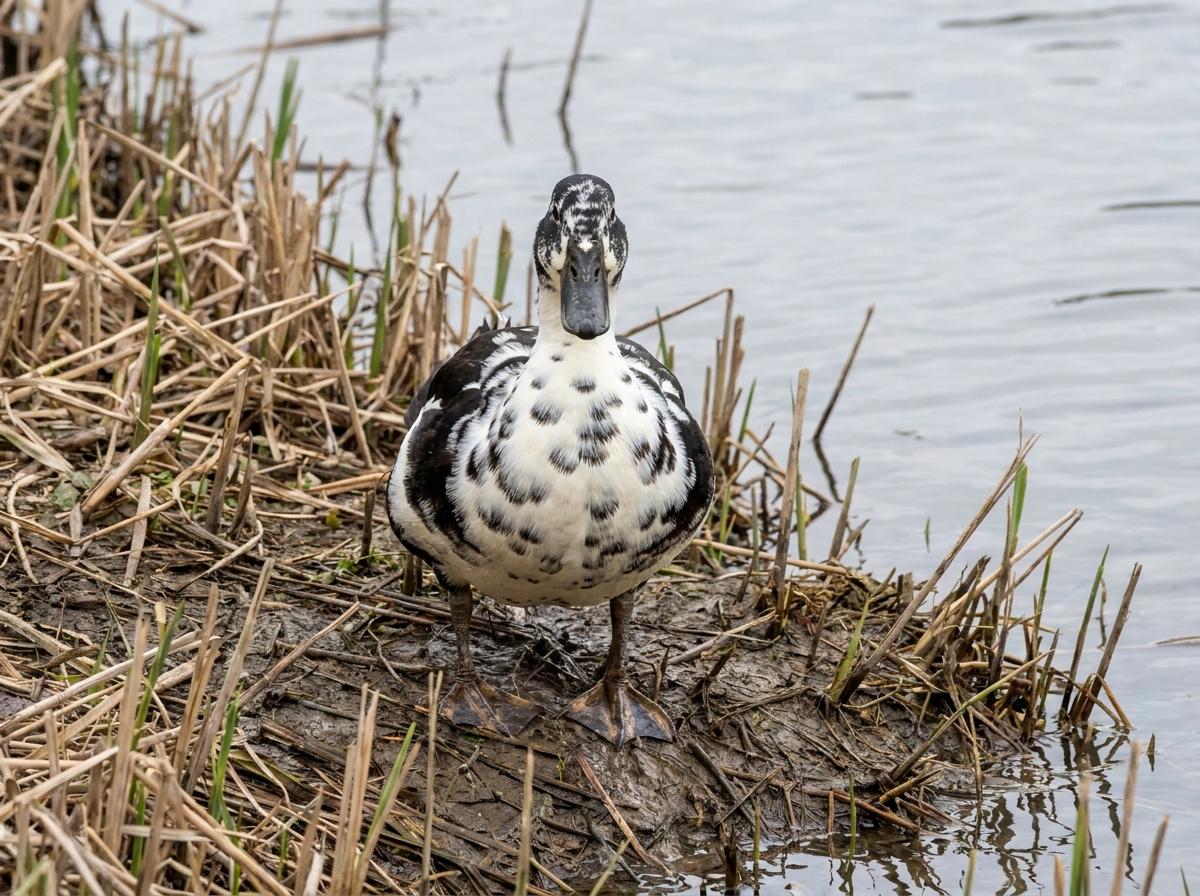
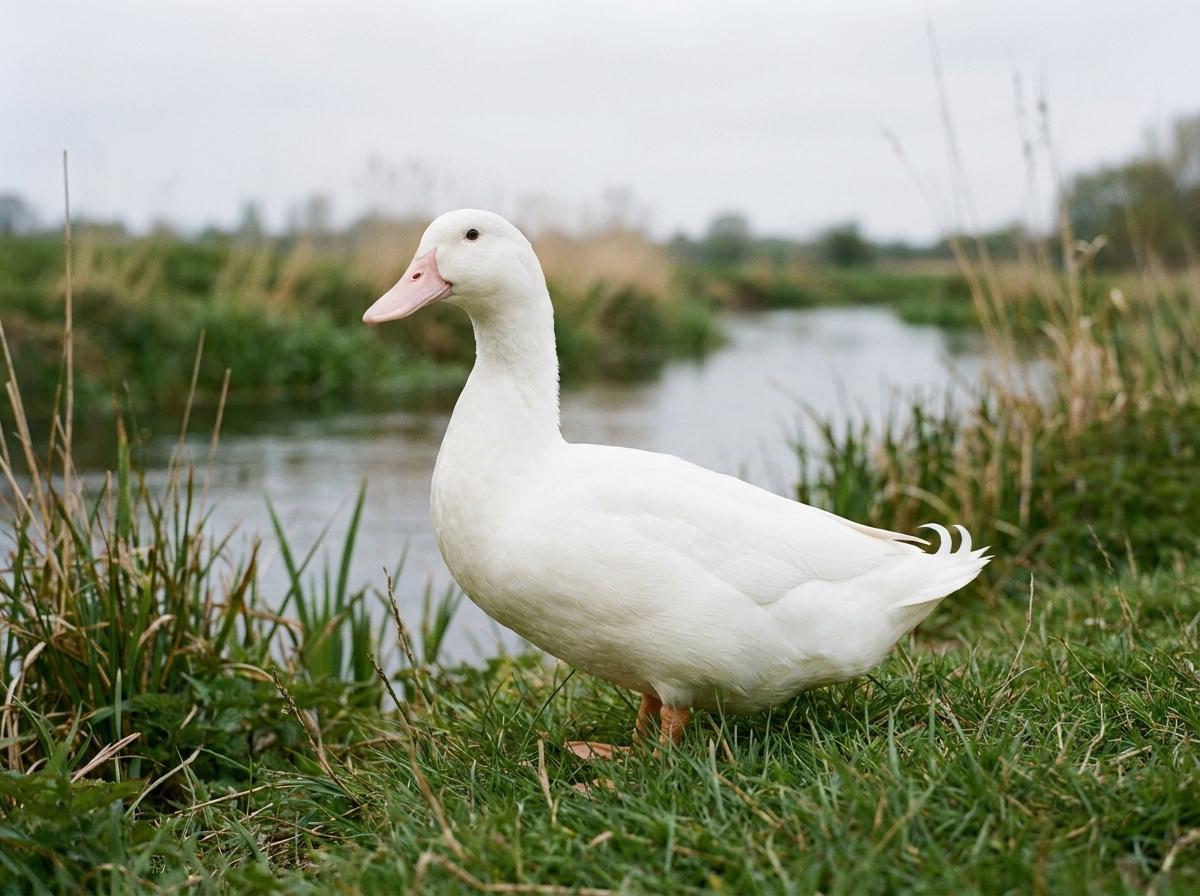
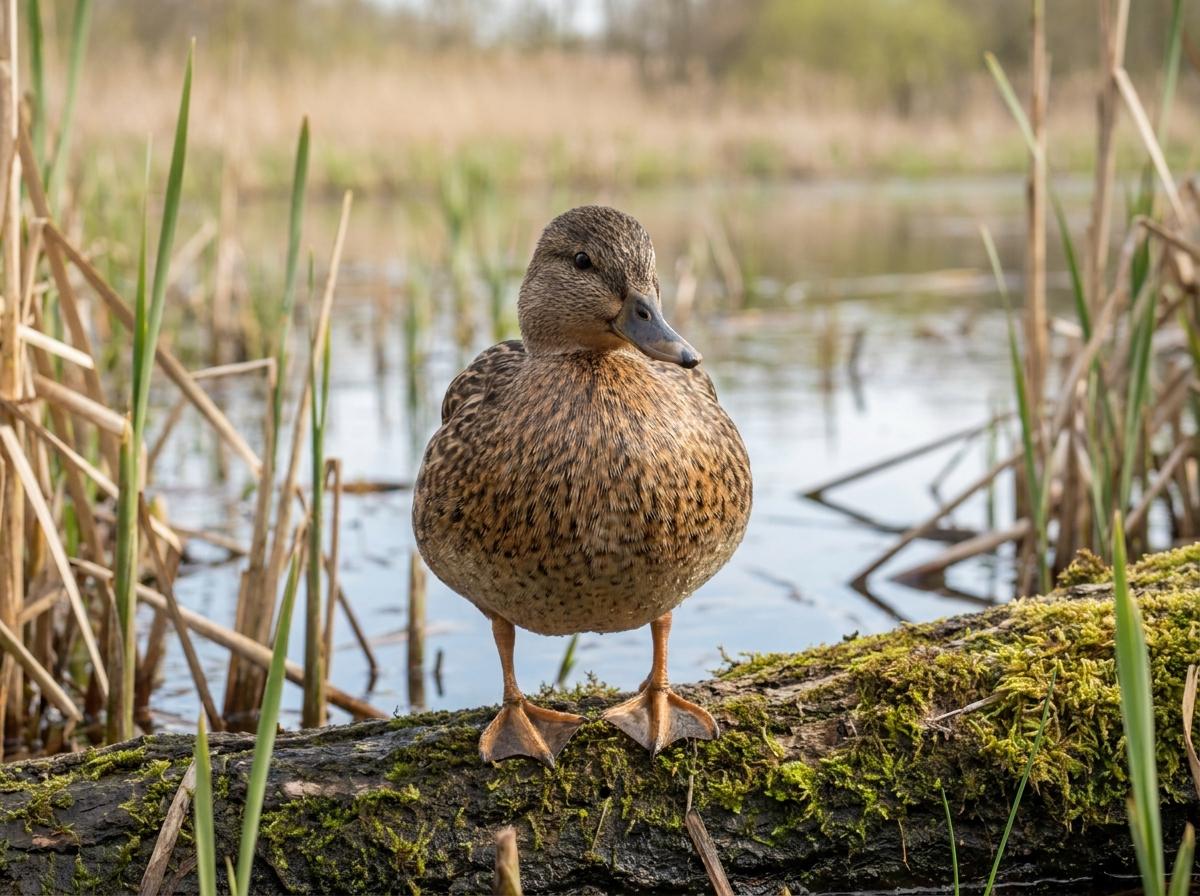
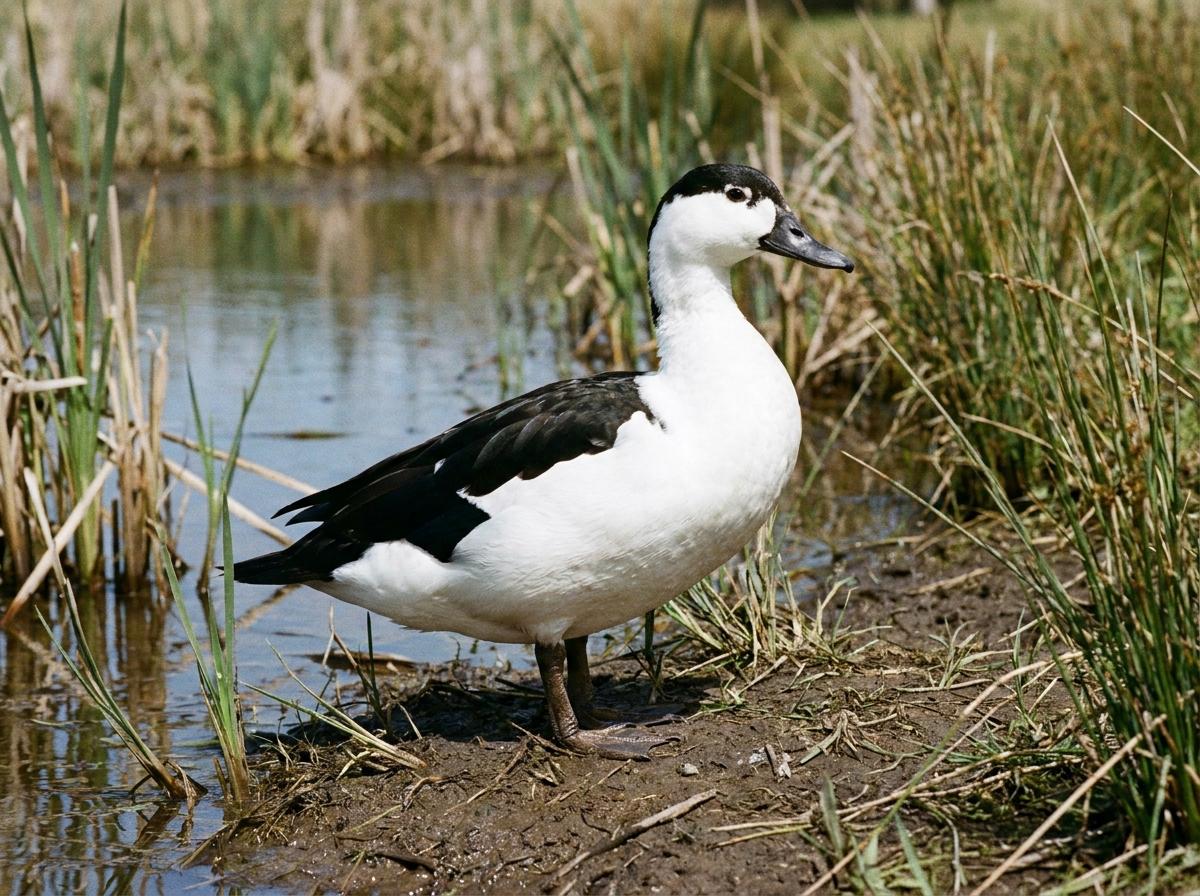
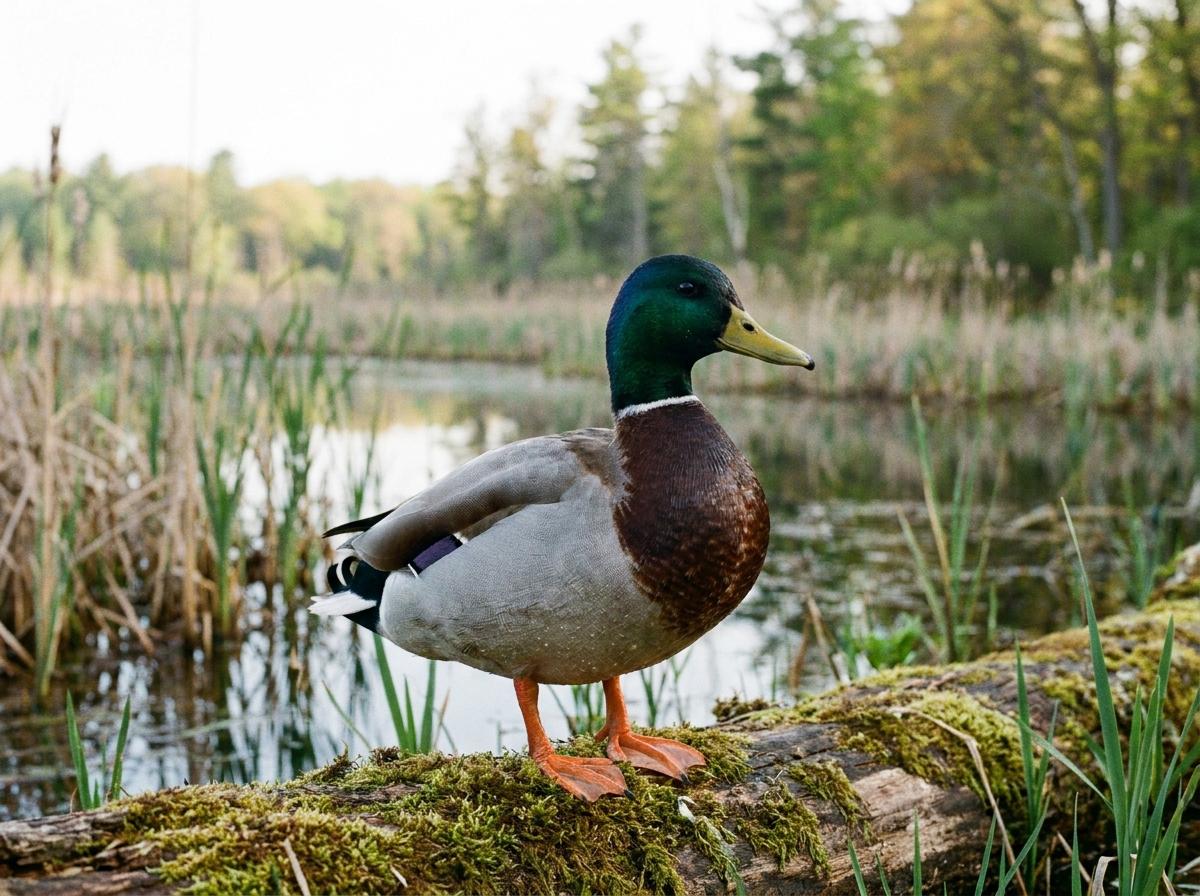
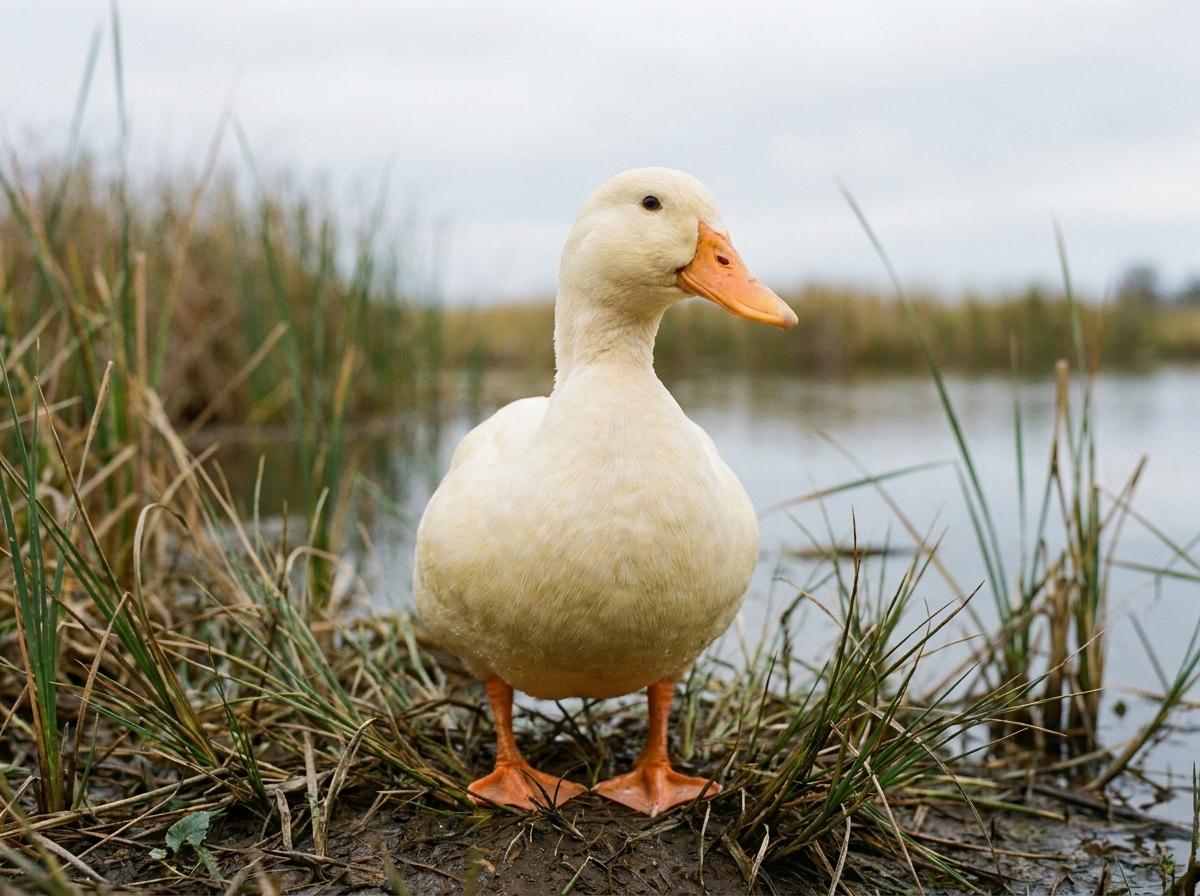
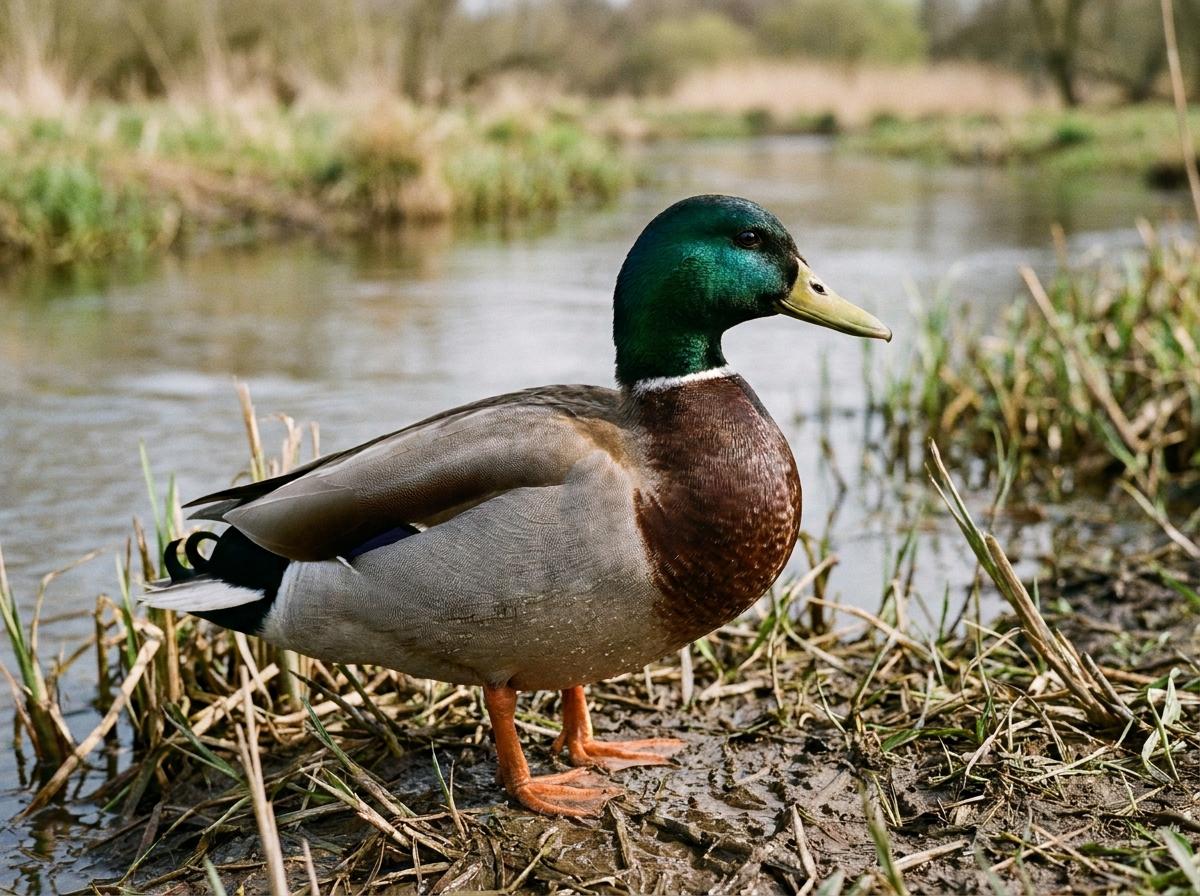
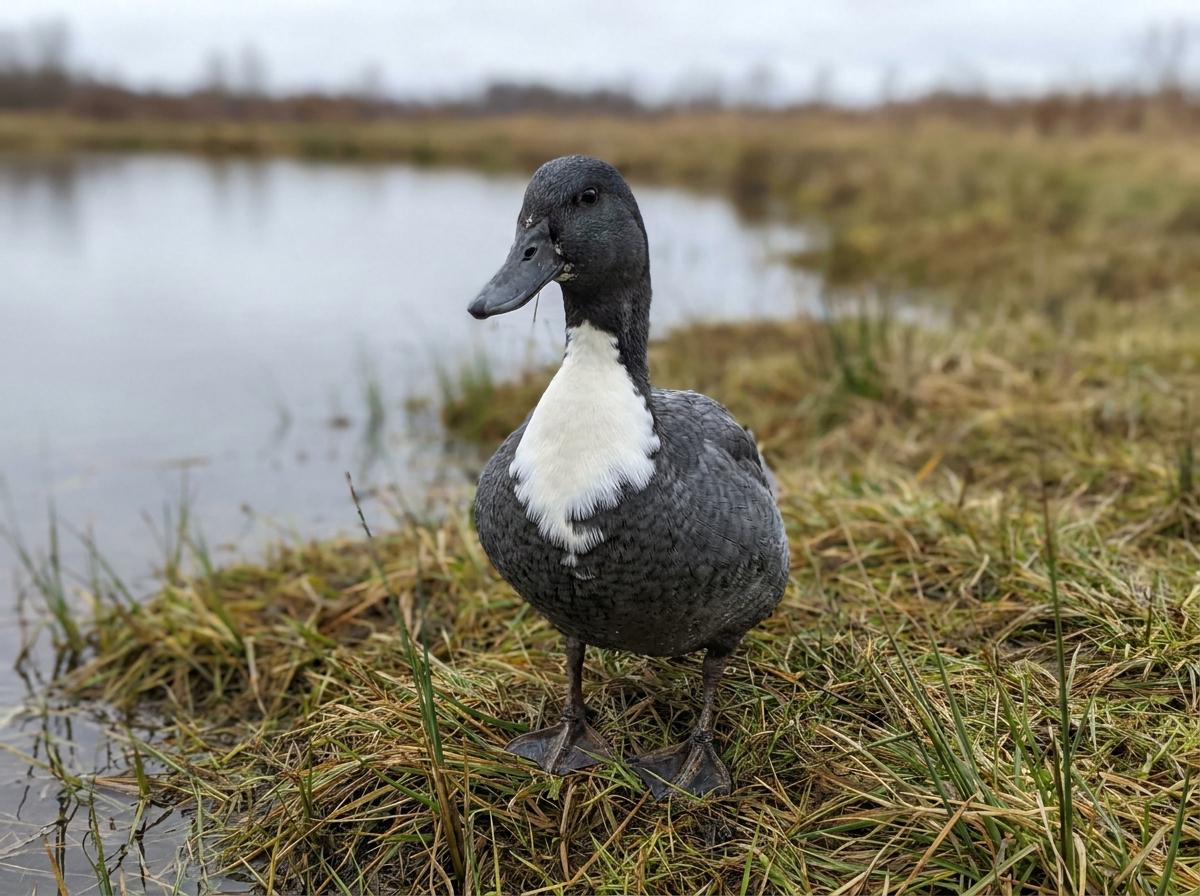
Colors: Apricot, Bibbed, Black, Blue, Buff, Chocolate, Fawn, Gray, Grey, Magpie, Mallard, Penciled, Pied, Runner Pattern, Silver, Splash, White