





Gerbil
Meriones unguiculatus
Author: Elliott Garber, DVM · Published
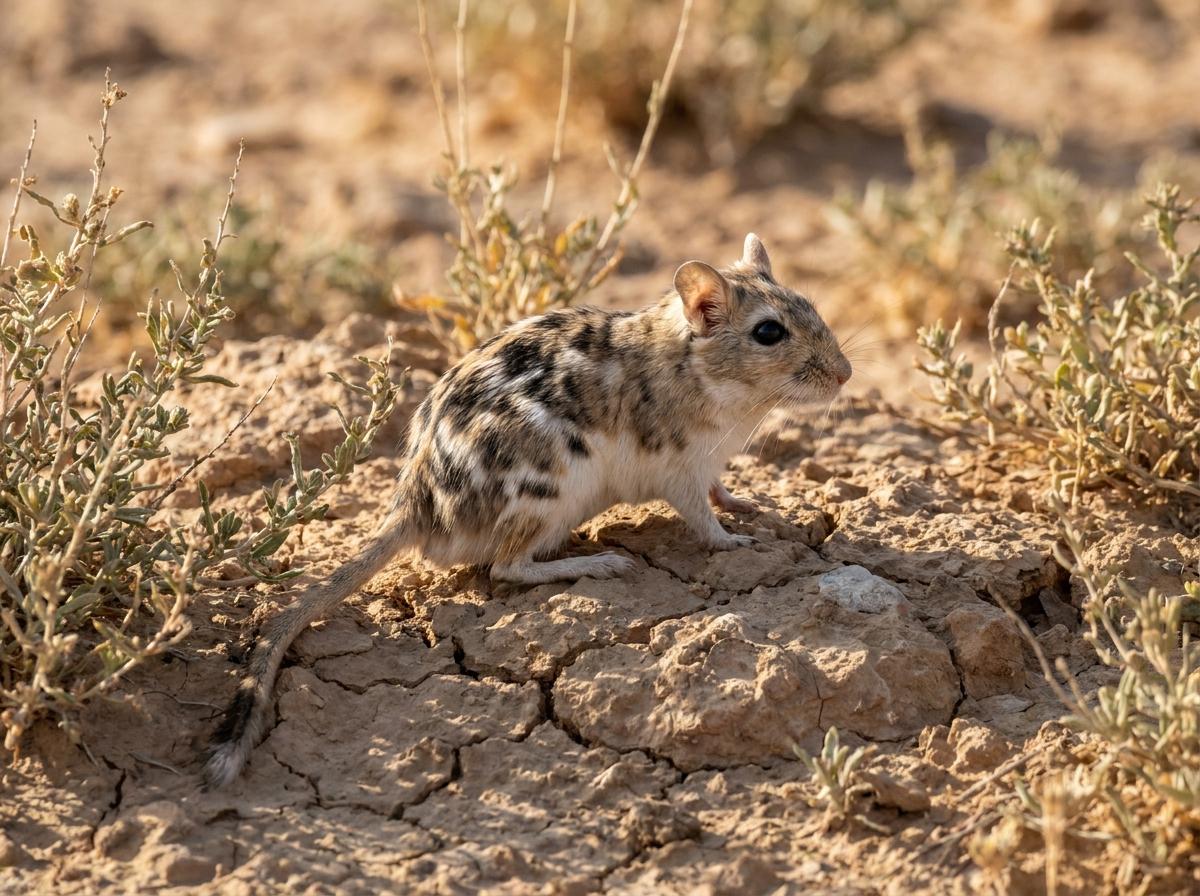
The pet gerbil is the Mongolian gerbil (Meriones unguiculatus), a small, sociable, burrowing rodent from the dry steppe and desert edges of Mongolia and northern China. Almost every pet gerbil belongs to this one species, so gerbil “breeds” are really coat colors and patterns: the American Gerbil Society counts about 30 colors you can tell apart by eye, built from well over a hundred genetic combinations. A gerbil lives about 2 to 3 years, weighs only a few ounces, and needs a deep tank to dig in and at least one other gerbil for company every day of its life. If you are ready to look for one, start with the gerbil breeders listed in the Creatures directory, which you can search by state.
The colors come first, grouped the way the American Gerbil Society judges them, then the practical side of keeping a pair: cost, lifespan, housing, feeding, handling, breeding, buying and records. The free gerbil gestation calculator and gerbil name generator are linked where each one helps.

| Species | Mongolian gerbil, also called the Mongolian jird (Meriones unguiculatus) |
|---|---|
| Breeds and types | Pet gerbils are almost all one species; the “breeds” are color varieties and patterns, about 30 colors you can tell apart by eye |
| Adult size | Body about 10 to 14.5 cm (4 to 5.7 in) plus a furred, tufted tail of similar length; roughly 2 to 4.5 oz (50 to 130 g), males heavier |
| Lifespan | Usually 2 to 3 years, sometimes 4; the record is 8 years and 4 and a half months |
| Diet | Gerbil pellets with 18 to 20% protein, about 5 g a day, small amounts of fresh food, water always available |
| Social needs | Never alone: a same-sex pair or small group formed while young |
| Housing | Glass tank or gerbilarium with a solid floor and 20 to 30 cm (8 to 12 in) of bedding to burrow in |
| Breeding | Pregnancy 24 to 26 days (longer if she is nursing a litter), 3 to 7 pups, weaned at about 25 days |
| Price (October 2026) | About $20 to $35 a gerbil from a pet store or breeder; plan to buy two |
Browse listings, public profiles, breeders, or add your animal.
Gerbil breeds, colors and types
Gerbils have no breeds in the way dogs or rabbits do. Almost every pet gerbil belongs to one species, and the names you see on breeder lists and pet store tanks, from golden agouti to Burmese, describe its coat. The wild color is golden agouti. Every other color comes from a small number of genes acting on just two pigments, black and yellow: the National Gerbil Society’s genetics page lists seven known gene locations, controlling things like the white belly, eye color, dilution and white spotting. Mixed together, those genes produce the long color list. The American Gerbil Society (AGS) puts it at well over a hundred genetic combinations but only about 30 colors that can be identified by sight.

Two clubs publish the standards that show judges and serious breeders use. The AGS, which describes itself as the only national organization in the United States for gerbil breeders and enthusiasts, groups its color standards into five sections: white belly, self, colorpoint, other, and fur and pattern. The National Gerbil Society in Britain, founded in 1970 and previously known as the National Mongolian Gerbil Society, keeps its own show standards with mostly the same names. The groups below follow the AGS layout.
| White belly | Colored back, clean white belly: golden agouti, gray agouti, argente golden, argente cream, polar fox, honey colors |
|---|---|
| Self | One solid color all over, belly included: black, slate, blue, lilac, dove, cream, red fox, white |
| Colorpoint | Paler body with darker nose, ears, feet and tail: Siamese, Burmese, colorpoint agouti, pearl, colorpoint slate, dark tailed white |
| Other | Colors that fit neither group: nutmeg, silver nutmeg, schimmel, honey cream, champagne |
| Fur and pattern | White markings or coat type over any color: spot, pied, mottled, patch, rex |
Where every pet gerbil came from
Wild Mongolian gerbils live in Mongolia, the neighboring parts of southern Siberia and northern China, and Manchuria, in clay and sandy deserts, scrub and dry steppe, according to the Merck Veterinary Manual. They live in family groups built around a breeding pair and dig burrows with nest chambers and food stores, which the RSPCA says can reach 1.7 m underground. Their scientific name, the RSPCA notes, translates as “little clawed warrior”. Gerbils are also called jirds, and the Mongolian gerbil belongs to Gerbillinae, a subfamily of gerbils, jirds and sand rats that Animal Diversity Web puts at 103 species in 16 genera.
Nearly every pet and laboratory gerbil descends from a very small founding group. A veterinary textbook chapter on laboratory gerbils traces today’s animals to 20 pairs of captured gerbils kept in a colony at the Kitasato Institute in Japan in 1935. In 1954 Dr. V. Schwentker imported 11 pairs into the United States, and five females and four males from that group founded the colony that supplied gerbils across the country; a British colony followed in 1964. Merck says gerbils have been bred as pets since the 1960s. The same chapter notes that the common agouti stock later gave rise to black, white, spotted and other colors, which is why wild Mongolian gerbils are agouti while pet gerbils come in dozens of shades.
White-bellied colors: agouti, argente and polar fox
These gerbils keep the wild pattern: a colored back and sides and a clean white belly, with a sharp line where the two meet.
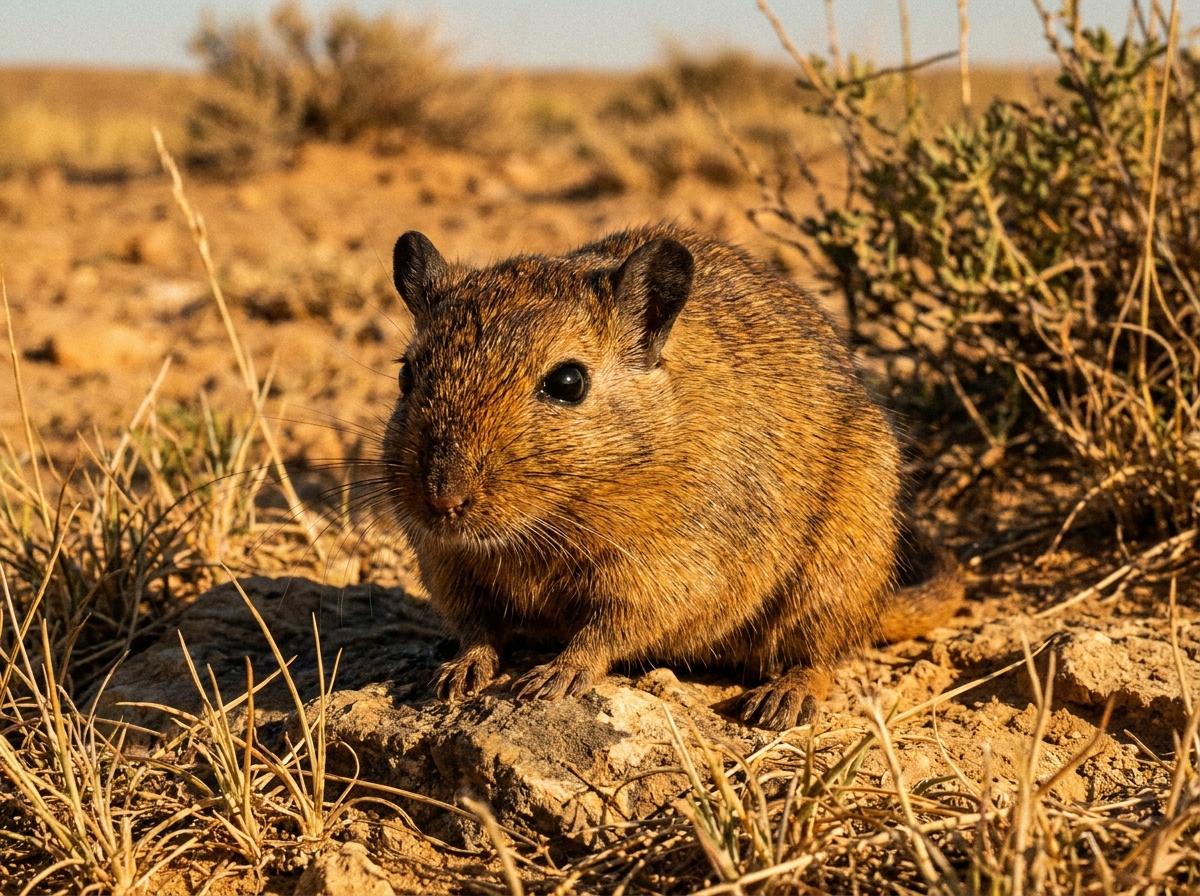
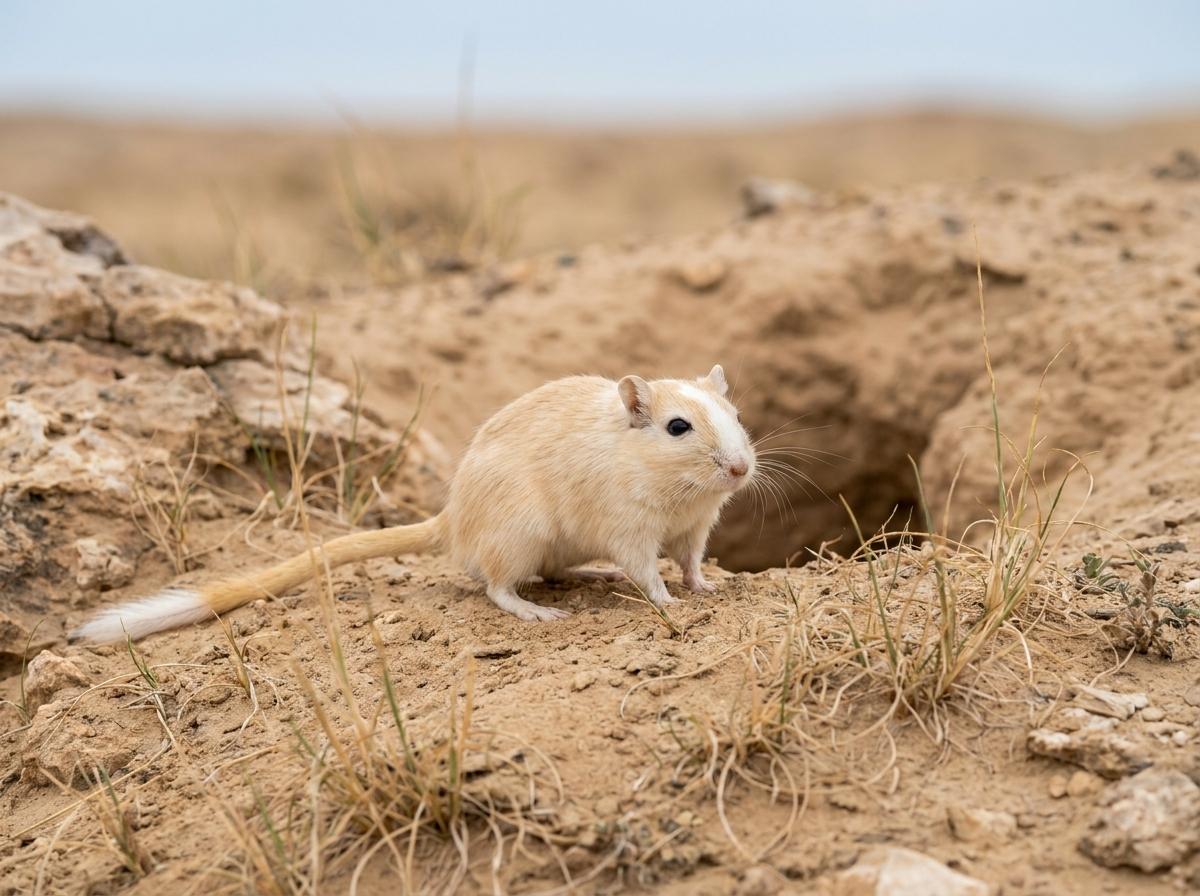
- Golden agouti is the wild color. The AGS standard describes a golden brown top coat evenly ticked with black, a belly as white as possible, a clear line of demarcation, and jet black eyes ringed with gray fur. The NGS notes that it is generally just called the golden agouti.
- Gray agouti swaps the gold for white, so the back reads as a deep gray ticked with black over a white belly.
- Argente golden is a rich orange without ticking, with a white belly and ruby eyes. In the NGS genetics table it is an agouti gerbil carrying two copies of the pink-eyed dilution gene. Argente cream is a paler, light apricot version, also ruby-eyed.
- Polar fox has a cream top coat lightly ticked with gray, a white belly and dark eyes. The AGS standard warns that polar fox pups are peach colored and develop their adult color unevenly, so a young one may not look like the finished color yet.
- Honey colors (dark eyed honey, and yellow fox or red eyed honey) are orange or yellow gerbils whose color shades softly into the white belly without a clear line.
Self colors: black, slate, lilac, dove and white
A self gerbil is one solid color from nose to tail, belly included, with no ticking.
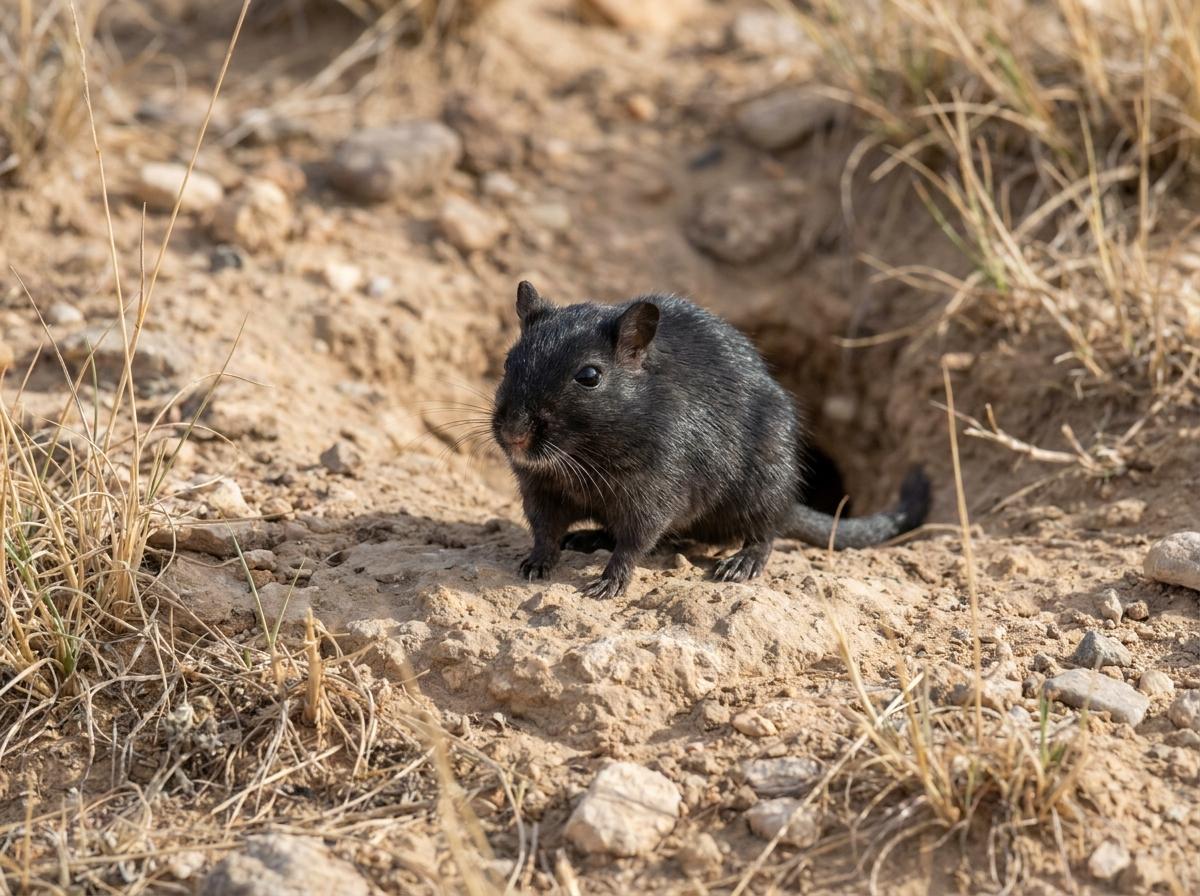
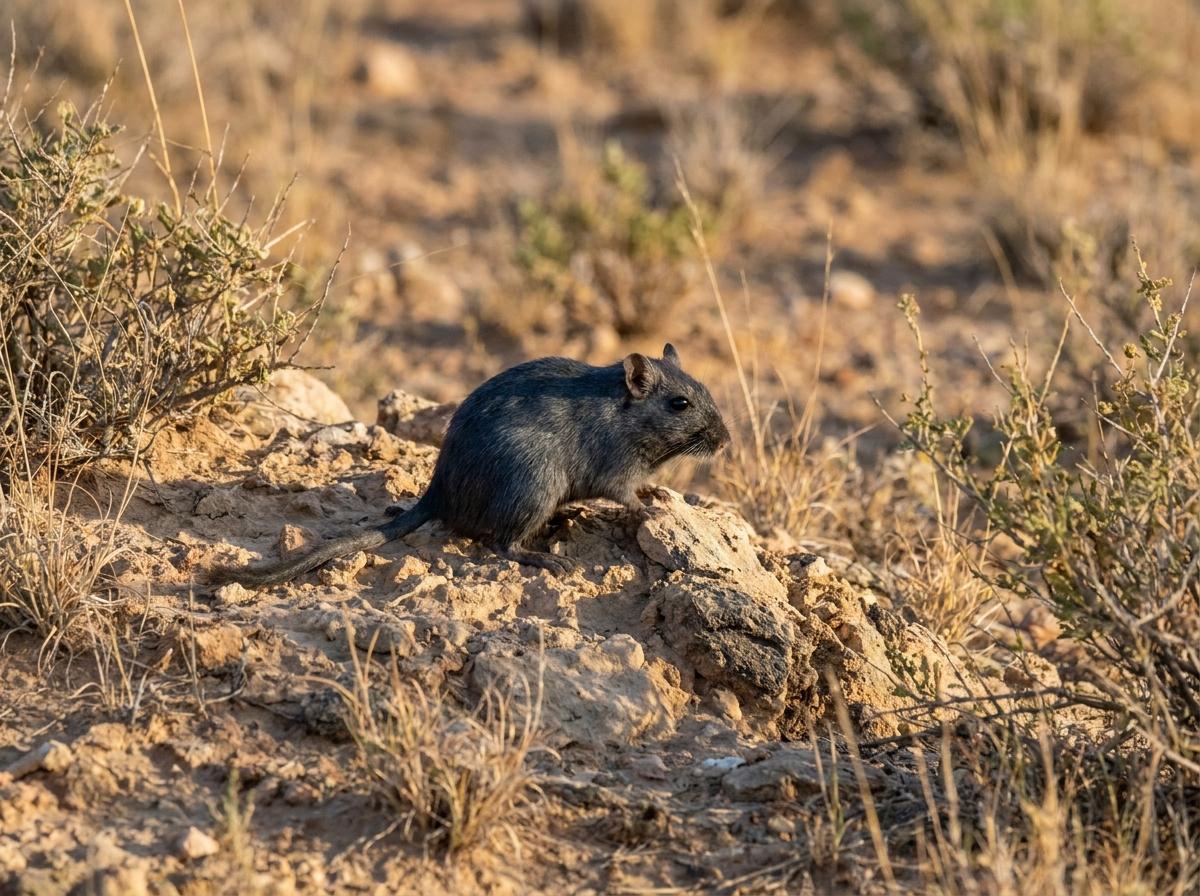
- Black is a recessive color: a gerbil has to inherit two copies of the non-agouti gene to be black, so two agouti-looking carriers can produce black pups. The show standard asks for jet black right down to the skin, and lists white on the chin, chest or paws as a fault. Many pet black gerbils have a small white spot or a few white hairs anyway; it matters only on the show table. Our black gerbil guide covers the genetics and how to tell a true black from a dark agouti.
- Slate is a dark slate blue down to the skin with dark eyes, and blue is a dark bluish gray the AGS compares to old pewter.
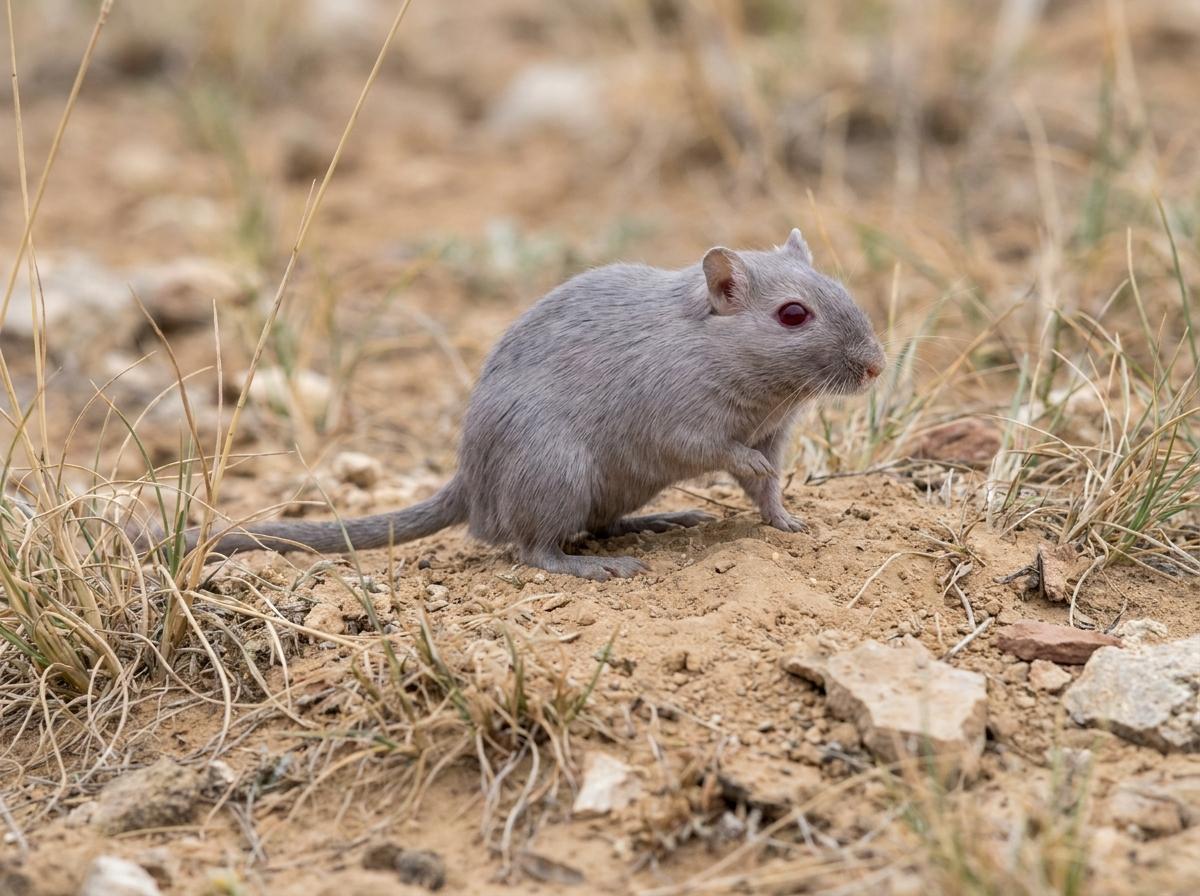
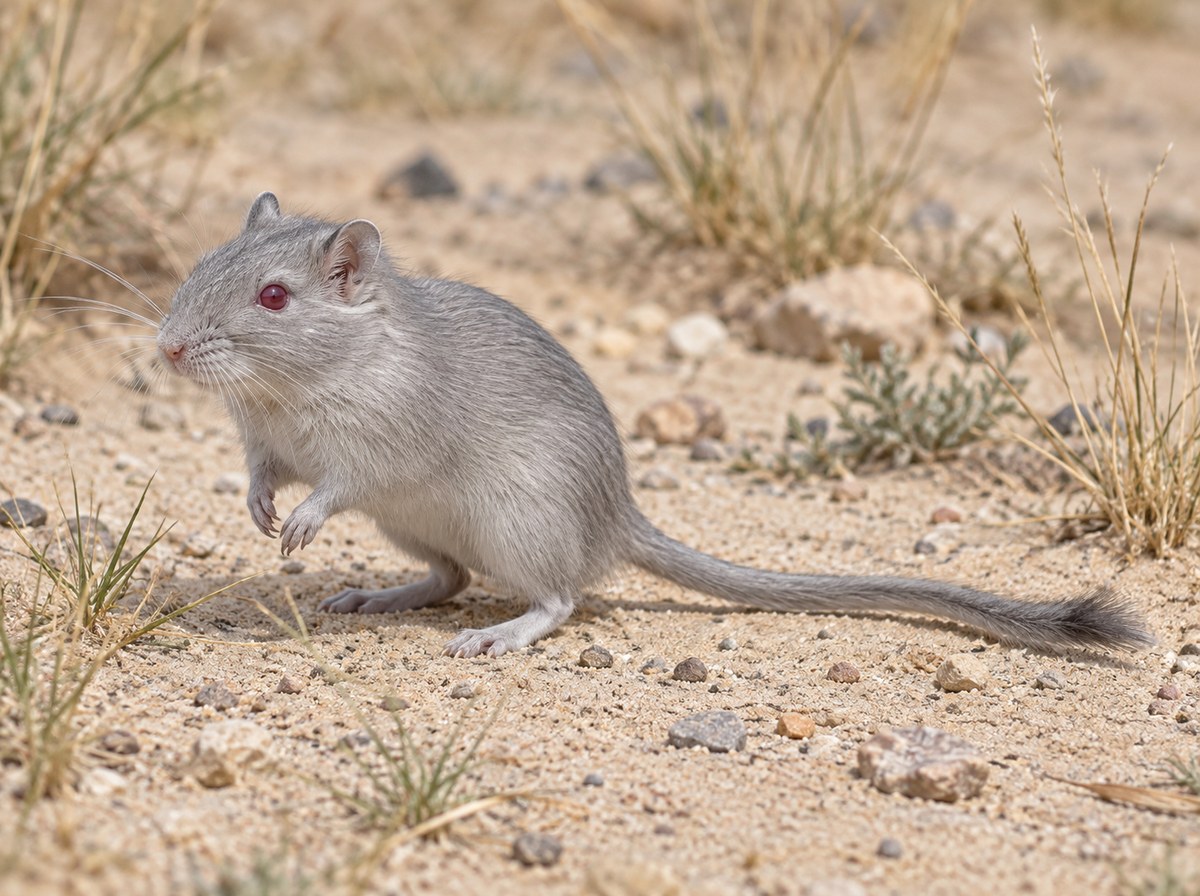
- Lilac is a leaden gray with ruby to dark red eyes. In the NGS table it is a black gerbil that also carries two pink-eyed dilution genes. Dove is a softer, paler gray, kept as light as possible while the eyes stay ruby.
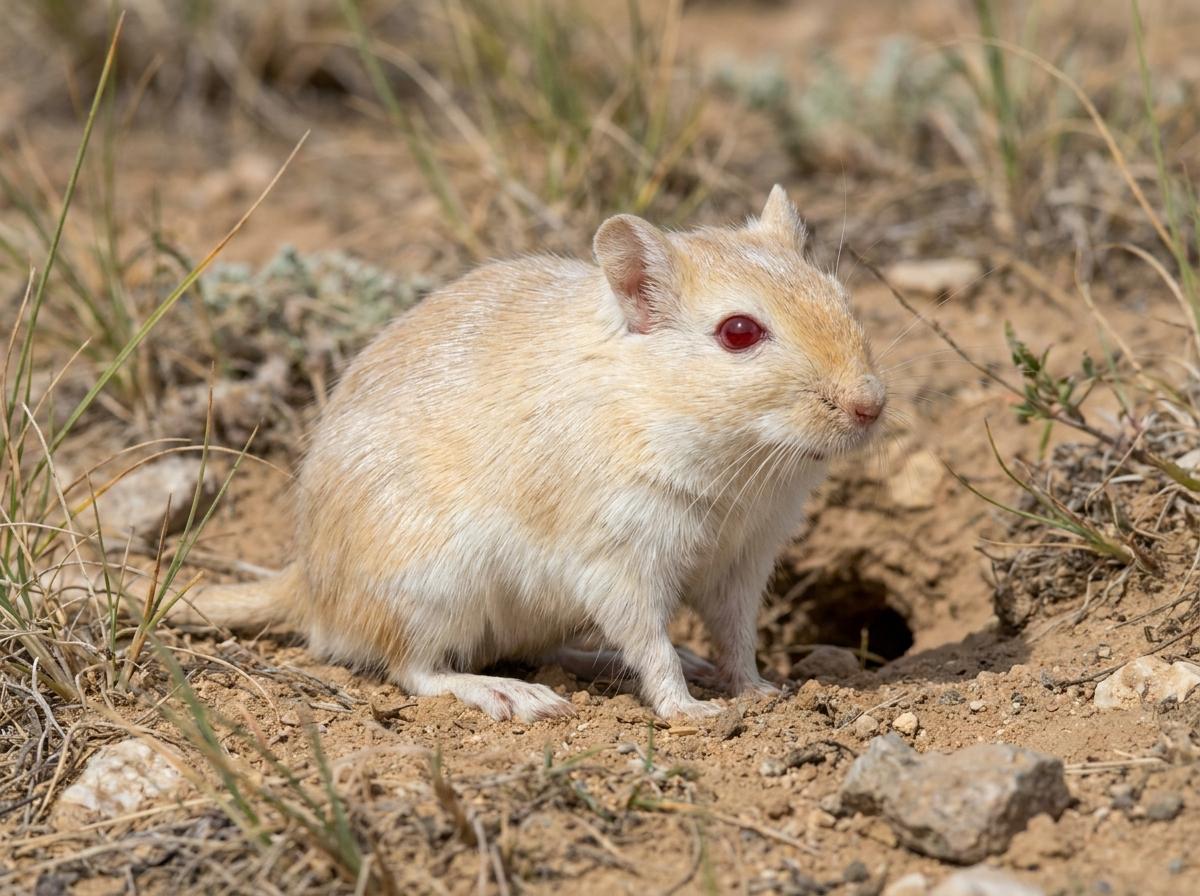
- Cream and white gerbils are even, unmarked colors. White gerbils can have pink, ruby or black eyes, and the NGS notes that white gerbils can be produced by many different combinations of diluting genes. A white gerbil with pink or red eyes is what most people call an “albino” gerbil.
- Breeders also use names that neither club has a written standard for, such as sapphire. If a seller uses a name like this, ask what the parents were and what the gerbil looked like as a pup.
Colorpoint colors: Siamese, Burmese and Himalayan
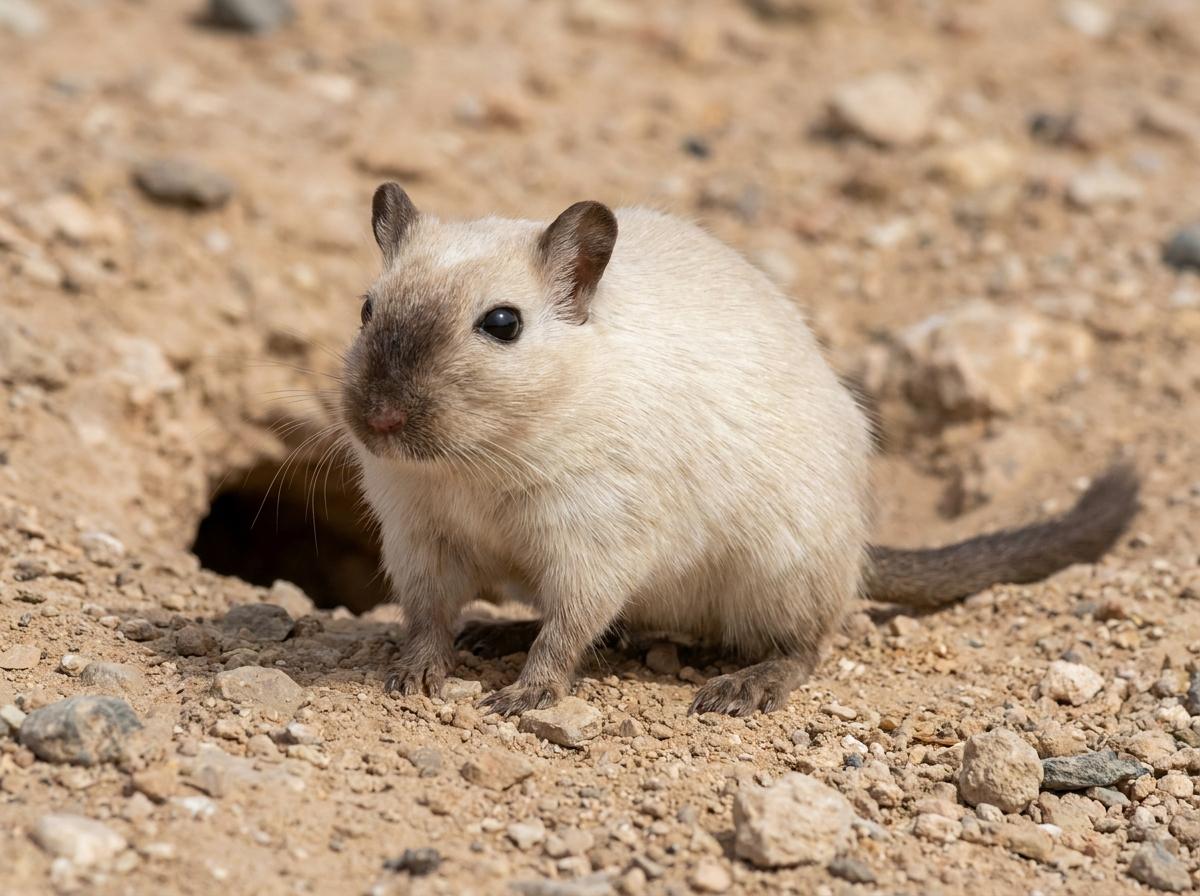
Colorpoint gerbils have a pale body with darker “points” on the nose, ears, feet and tail, like a Siamese cat. The NGS explains that the gene behind this effect is temperature dependent: it lightens color more on the warm body than at the cooler extremities.
- Siamese gerbils are a rich beige with points of dark sepia, as near to black as possible, and dark eyes.
- Burmese gerbils carry two copies of the same colorpoint gene and are darker overall. The AGS standard calls for a deep brown coat shading to dark tan under the belly, with dark sepia or deep chocolate points; the NGS describes the coat as a rich mauve. Either way the shading should blend gradually, with no sudden change of color.
- Dark tailed white, which the NGS calls Himalayan, is pure white with colored points and pink eyes.
- Colorpoint agouti, pearl (a silver gray colorpoint, which the NGS lists as its colorpoint agouti) and colorpoint slate are colorpoint versions of the agouti and slate colors, with shaded points over a lighter coat.
Other colors: nutmeg, schimmel and the fading yellows
The AGS “other” group holds the remaining standard colors. Nutmeg is a deep gold, heavily ticked with black, with a ticked dark belly instead of a white one; silver nutmeg is the same pattern in cream with gray ticking. Schimmel gerbils have a creamy white body with an apricot to orange face, ears and tail. The AGS standard notes that schimmel pups are orange and fade as they molt and age, and the NGS genetics page lists a “fading” gene that drastically lightens the coat as a gerbil ages. Honey cream and champagne round out the group. If you buy a young schimmel, expect it to lighten as it grows up.
Spotted, pied and other patterns
Any color except white can carry white markings, and the AGS judges the pattern as well as the color underneath.
- Spotted gerbils (the AGS calls the pattern spot; the NGS, white spot) ideally have a white spot on the nose, one on the forehead and one at the nape of the neck, plus a white tail tip and four white feet.
- Pied gerbils have a complete white collar around the neck and up to half of the body white.
- Mottled gerbils are broken up with small white patches and can be up to 75% white; patch gerbils show at least one patch in a second shade of the base color.
- Rex is a coat type, not a color: short, dense, curled fur and curly whiskers.
Spotting comes with one genetic rule every breeder should know. The spotting gene is dominant, and a pup that inherits two copies does not survive. The NGS genetics page sets out the result: two spotted gerbils bred together produce about 25% fewer young, and about two thirds of the pups that are born will be spotted. Pairing a spotted gerbil with a plain one avoids the loss.
Mixed, crossbred and unknown-color gerbils
Many gerbils in pet stores and rescues come from mixed or unrecorded color lines, and many have colors that are hard to name without knowing the parents. That makes no difference to their care or their quality as pets. Creatures lists them under mixed breed gerbils, crossbred gerbils and unknown breed gerbils, and a gerbil with no fancy color name can have a full profile like any other.
Other gerbil species
The Mongolian gerbil is the only species most pet shops sell, but it is one of many. Merck notes that its genus, Meriones, alone has 14 species. The biggest gerbil of all is the great gerbil of Central Asia, which Guinness World Records puts at up to 20 cm in head and body length and over 40 cm in total. A few other species turn up with specialist keepers. The fat-tailed gerbil, Pachyuromys duprasi, is a small, round North African species from the desert west of the Nile Delta into Libya, Tunisia and Algeria, according to Animal Diversity Web; it stores fat and water in a short, thick, club-shaped tail and has its own care needs. Jirds such as the Libyan jird are relatives that ADW warns can be very aggressive in groups. Never house different species together; everything else on this page is about the Mongolian gerbil.
How much a gerbil costs
The gerbil is the cheap part. A national pet store chain’s website showed gerbils at $21.99 apiece in October 2026, available only in its stores. Two breeders listed in the AGS exhibitor directory posted prices of $25 and $35 for one gerbil and $50 and $55 for a pair, and one of them charged less for gerbils over six months old. Because a gerbil should never live alone, the real starting price is two gerbils, so budget roughly $45 to $55 for a pair. Rescues and shelters take in gerbils too, often after an unplanned litter, and their adoption fees vary.
The setup costs more than the gerbils. A pair needs a large glass tank or gerbilarium with a secure mesh lid, enough bedding to fill it 20 to 30 cm deep, a solid exercise wheel, a sand bath, a nest box, and a steady supply of hay, cardboard and safe wood to chew. After that, the yearly costs are modest: gerbil pellets, bedding top-ups, chew material and the occasional new wheel or hide. The cost that catches owners out is the vet. Gerbils need a veterinarian who treats small exotic pets, and a single visit can cost more than the gerbil did, so keep money aside for it. If you are weighing a gerbil against a hamster, our Syrian hamster cost guide breaks down the same purchase, setup and running costs for a hamster.
How long gerbils live
A gerbil’s life is short, and it helps to know that before you bring a pair home. The Merck Veterinary Manual gives the normal lifespan as 2 to 3 years. The AGS’s life expectancy article puts most pet gerbils at 2.5 to 3.5 years, calls a fourth year uncommon, and calls gerbils over five extremely rare, while the RSPCA says gerbils can live 3 to 4 years and some longer. The longest-lived gerbil on record, a Mongolian gerbil named Sahara from Michigan, died in 1981 aged 8 years and 4 and a half months, according to Guinness World Records. Wild gerbils live far shorter lives: Animal Diversity Web cites an average of only 3 to 4 months in the wild.
Age shows early. The AGS notes that a gerbil may start to slow down by 18 months, sleeping more and showing less interest in its wheel, and recommends weighing gerbils at least once a month from age two and writing the weights down, because a steady or sudden change in weight can be a sign of tooth trouble, a tumor or another illness. Some diseases become common with age. In laboratory colonies, Merck reports tumors in 25 to 40% of gerbils older than 2 to 3 years, mostly of the belly scent gland in males and the ovaries in females. Merck also notes that growths in the ear canal (aural cholesteatomas, which can cause a head tilt) occur in half of gerbils over 2 years old.
The short lifespan also shapes how you plan a pair. When one gerbil dies, the survivor should not stay alone for long. The AGS points out that the easiest introductions are between two single gerbils, or between a single adult and one or more young pups, so an older gerbil who loses its partner can usually be given a young companion.
Gerbil care basics
A healthy gerbil is clean, curious and active by day, with very little smell, because gerbils produce little urine and dry droppings. Good care comes down to four things: a deep enough home to dig in, the right food, the right company and gentle handling.
Housing: a deep tank, not a hamster cage
The single biggest difference between a gerbil and most other small pets is digging. The RSPCA’s housing advice calls for a gerbilarium with solid glass walls, a secure wire-mesh top and a solid floor, and recommends a bedding depth of 20 to 30 cm so gerbils can build their own burrows. It advises against barred cages, because gerbils can slip and injure their feet and legs, and gnaw the bars and damage their teeth. The enclosure should be about 50 cm tall so a gerbil can stand fully upright above the bedding.

Older advice is much smaller than this. Merck’s pet owner pages still give a rule of thumb of 5 gallons per gerbil, or a 10-gallon tank for a pair. UK welfare charity Woodgreen sets its minimum for two gerbils at 100 cm long, 50 cm wide and 50 cm high (about 40 by 20 by 20 inches), and 120 cm long for three. The bigger, deeper tank is the one to buy: depth is what lets gerbils dig a real burrow system instead of scrabbling in one corner, which the RSPCA lists as a sign of a gerbil that needs more depth and enrichment.
What goes inside matters as much as the size:
- Bedding: Merck calls paper-based bedding safe, and the AGS also considers aspen and kiln-dried pine safe, though Merck notes their use is debated; the RSPCA suggests mixing in rough woodchips and hay to hold the tunnels up. Avoid cedar and untreated pine shavings, which Merck warns contain oils that may be toxic to small animals, and sawdust, which the RSPCA says can cause breathing problems.
- Nesting: plain cardboard, paper and hay to shred. Never use fluffy “cotton wool” nesting products: their thin strands can wrap around small feet.
- Shelter: a dark nest box with more than one entrance, so a dominant gerbil cannot trap another inside, plus one more hiding place than you have gerbils.
- A sand bath: gerbils clean their coats by rolling in sand, and Merck says they need sand bathing to keep their fur from getting oily. A shallow dish of clean sand made for small animals, or chinchilla dust, works; like chinchillas, gerbils groom this way instead of with water.
- A safe wheel: a solid wheel with no rungs or gaps that can catch a foot or the tail. The AGS recommends about an 8-inch wheel.
- Things to gnaw: cardboard tubes and boxes, untreated wood, and branches such as willow, hazel, beech, birch or fruit tree wood. The RSPCA warns that ivy, yew and holly are poisonous.
Keep the tank indoors, out of drafts, damp and direct sun, and away from radiators. Humidity matters: Merck notes that gerbils kept above 50% relative humidity are prone to nasal dermatitis, a sore, red nose. Gerbils hear ultrasound, so the RSPCA suggests keeping them away from televisions, computer screens, vacuum cleaners and running water. Remove droppings and uneaten food every few days and deep clean every two to three weeks, keeping back a little clean used bedding so the tank still smells like home; wiping out every trace of scent can trigger fighting.
Feeding
Feed a pelleted diet made for gerbils. Merck recommends pellets with 18 to 20% protein and suggests skipping seed-heavy mixes, because gerbils pick out the seeds and leave the pellets. About 5 g of pellets a day is enough to avoid obesity and diabetes. Merck’s professional manual adds that gerbils fed standard rat and mouse diets develop gum disease, obesity and diabetic changes, so check that the bag is labeled for gerbils. Sunflower seeds are fatty and low in calcium; keep them, and pumpkin seeds, as occasional treats.
Small amounts of fresh food add variety. The RSPCA’s diet page suggests foods such as cucumber, carrot, pumpkin, fennel, apple and pear, and warns never to feed grapes or rhubarb, which are poisonous to rodents. Scatter food on the bedding so they can forage, change diets gradually, and take out stale food, because gerbils hoard. Water must always be available. An adult drinks only about 4 mL a day, according to Merck, but a bottle with a metal spout should be checked and refilled daily.
Company, introductions and handling
In the wild, gerbils live in family groups, and the RSPCA’s advice on company is that they should never be kept on their own. Keep a same-sex pair or small group formed early in life; littermates are the easiest. Male pairs and groups tend to be the most settled. Females can live together too, but the NGS’s article on fighting gerbils warns that the risk rises with the number of females in a group, as females pass two years old, and when a mother lives with daughters around six months old. Watch for the warning signs: gerbils that suddenly sleep apart, more chasing than usual, puffed-up coats and chattering teeth, or bites around the head and tail.
You cannot simply add a gerbil to an established group. A bonded group will usually reject an outsider, sometimes violently, and the RSPCA makes the only exception for young pups under about five weeks. To pair two single adults, the AGS recommends the split-cage method: divide one tank with a secure mesh barrier so the two can see and smell but not touch each other, swap them between the sides once or twice a day for three to seven days until the aggression stops, then remove the barrier and stay with them until they sleep in the same nest. If you are deciding between small social pets, rats are another rodent that does best in company; our rat guide covers them.
Handle gerbils by scooping them up in two cupped hands, low over a table or your lap so a wriggler cannot fall far. Never pick one up by the tail. The skin of a gerbil’s tail is thin, and Merck explains that if a gerbil is lifted by the tip of the tail, the skin will often slip off, leaving a raw tail that later has to be amputated; if you ever need to steady one by the tail, hold only the base. Merck’s pet owner pages add that gerbils do not cope with rough handling and are not recommended for very young children. New gerbils need a few days to settle, so start by sitting quietly by the tank and offering a treat from an open palm.
Health and finding a vet
Merck describes gerbils as relatively healthy animals and advises checking their condition and behavior every day. Its list of early warning signs includes inactivity, a hunched posture, loss of appetite or weight, a rough or matted coat, discharge from the eyes, ears or nose, trouble breathing, and any change in droppings or urine. Find a vet who treats small exotic pets before you need one; our guide on how to find an exotic animal vet explains where to look. Only give medicines your vet prescribes: Merck notes that streptomycin, an antibiotic used in other animals, has been fatal in gerbils.
The problems keepers meet most often:
- Sore nose (nasal dermatitis): redness and hair loss around the nose, linked to high humidity, overcrowding and stress. Dry air, enough space and a daily sand bath help prevent it; see a vet if it spreads.
- Tail injuries: Merck calls tail degloving, where the skin of the tail slips off, a common injury in pet gerbils, caused by improper handling.
- Seizures: some gerbils have brief seizures when startled or handled, often first seen in young gerbils. Merck says they usually pass within a few minutes with no lasting effects, and the NGS’s article on seizures advises leaving the gerbil somewhere quiet and dark to recover and not breeding from gerbils that have seizures. See a vet if a seizure lasts long or keeps repeating.
- Lumps on the scent gland: every gerbil has a hairless oval scent gland in the middle of the belly, larger in males. A lump or sore on it, especially in an older gerbil, needs a vet promptly, because tumors there can often be removed if caught early.
- Overgrown teeth: a gerbil’s front teeth never stop growing, so constant gnawing material is essential. A gerbil that drops weight or stops eating may have tooth trouble.
- Sudden illness with diarrhea: Merck describes Tyzzer disease, a bacterial infection that spreads through contaminated bedding, as the most frequently described fatal infectious disease of gerbils. Any gerbil that becomes suddenly ill needs a vet that day.
A check-up soon after you bring them home gives your vet a healthy baseline to compare against later. Decisions about treatment belong to your vet, who can examine the animal.
Breeding gerbils
Breeding gerbils is easy to start and hard to stop, and many unplanned litters begin with two “same-sex” gerbils that were not. According to the Merck Veterinary Manual, males mature at about 70 to 84 days old, and females about 30 days after their vaginal opening appears at 40 to 60 days. Gerbils tend to pair-bond, and Merck notes that an older female who has lost her mate will often not accept another.

Pregnancy lasts 24 to 26 days in a female that is not nursing, and Merck notes that a female carrying a litter while nursing the last one always carries longer, at least 27 days. Gerbils mate again within hours of a birth, and when that happens, implantation is delayed and the next litter can take up to 48 days. If you know when the pair mated, the free gerbil gestation calculator turns that date into a due date with a 24 to 26 day window. Litters usually number 3 to 7 pups, which begin eating solid food at about 16 days and can be weaned at about 25.
Gerbil fathers help raise the pups, collecting nesting material and keeping the litter clean, so the AGS advises against removing the male right after the birth: the mother may become distressed. Because a second litter is almost certainly on the way by then, the AGS suggests taking the father out when the first pups are about four to four and a half weeks old, to prevent a third. Before a litter arrives, Merck suggests removing toys and wheels that could crush newborn pups, leaving food, water, nesting material and a lighter layer of bedding. Do not handle the pups or clean the tank in the first few days, and limit peeking: disturbance can make a mother abandon her litter.
Plan before you pair. Each litter means sexing the pups correctly (the NGS has a photo guide to sexing gerbils), separating them into same-sex groups before they mature, and finding homes for gerbils that will go out in pairs. The AGS’s advice on placing pups is to charge a small fee and ask to see the new owner’s tank, food and wheel, to put off people looking for snake food. And mind the genetics: two spotted gerbils produce smaller litters because the double spotting gene is lethal, and the seizure tendency runs in families. Pet gerbils also descend from a very small founding group, so keep pedigrees and avoid pairing close relatives.
Where to find gerbils and breeders
You can get gerbils from breeders, rescues and shelters, pet stores and private owners, and each source has trade-offs that the AGS’s guide to where to get gerbils sets out frankly.
- Breeders. A good breeder can tell you a gerbil’s parents, birth date, color genetics and family history, and will usually help if something goes wrong later. AGS breeders agree to a code of ethics, though the AGS itself does not inspect or certify anyone. Ask to see where the gerbils are raised. You can search gerbil breeders by state in the Creatures directory; most of those entries were compiled from public information such as AGS exhibitor pages, so put your questions to each breeder yourself.
- Rescues and shelters. Few people realize that gerbils end up in shelters, the AGS notes, often after an unplanned litter. Shelter staff will usually have checked their health and handled them.
- Pet stores. Convenient and often well stocked with colors, but quality varies by store. The AGS warns that many surprise litters start with a store sexing gerbils wrongly, and that store gerbils are often older than you are told.
- Online listings. Gerbils are rarely listed on the Creatures marketplace, so set a listing alert and let a listing come to you.
Before you buy, check that gerbils are legal where you live. California’s restricted species regulations cover all rodents except muskrats and a short list of domesticated pets (certain hamsters, rats and mice, guinea pigs and chinchillas), so gerbils are restricted there. Possessing one takes a state restricted species permit, and the permit types CDFW lists cover animals legally held before 1992 and organizations such as breeders, exhibitors, dealers, research institutions and shelters, not keeping a new pet, so in practice a pet gerbil is not legal in California. Hawaii’s agriculture department lists gerbils among the animals prohibited from entry or possession by private individuals. Elsewhere, check your own state and local rules.
Wherever you buy, look at the gerbils and their tank before you look at the colors. Merck’s advice on selecting a gerbil is to choose one with smooth, glossy fur, clear eyes, no discharge, no limp or bald patches and no sign of diarrhea, and to go elsewhere if any gerbil in the group looks hunched, dull or matted. Walk away from tanks where gerbils have wounds or shortened tails, or where they are frantically chasing each other: the AGS warns that this is what happens when a store mixes unfamiliar gerbils together. Then ask:
- How old are they, and when were they born?
- How were they sexed, and are they already living together as a bonded pair or group?
- What are they eating now? Bring home a little of the same food so any change can be gradual.
- Have the parents or littermates had seizures, or any other health problems?
- What colors are the parents, if you care about color or plan to breed?
The AGS suggests one more test: put your hand flat on the floor of the tank. A well-handled gerbil will at least calmly investigate it, and the bolder ones will climb on; if the gerbils run in terror or nip, pass.
Records to keep for your gerbils
Gerbil records are short, but they are what let you spot a problem early and give a vet an accurate history. Keep, for each gerbil:
- birth date, or its estimated age when you got it, and where it came from;
- sex, and how you confirmed it;
- color, any known genes it carries, and its parents if you know them;
- photos of its markings, the easiest way to tell similar gerbils apart;
- a monthly weight, especially from age two;
- every health event, vet visit and medication, with dates;
- introduction dates and any changes to the group;
- if you breed: pairing date, birth date, litter size, weaning date and where each pup went.
On Creatures, each gerbil can have a free profile with its photos, color, parents and every record above. Weights go in as measurements, health problems and treatments as health and medication records, and pairings and litters as breeding records, with reminders for vet follow-ups. Link each gerbil’s sire and dam on its profile and Creatures builds its pedigree; the help article on pedigree, family and lineage explains how. If a gerbil moves to a new home, its profile and full history can be transferred to the new owner. Step-by-step help is in the guides to adding a record and health and medical records. And if a new pair still needs names, the gerbil name generator has ideas for pairs as well as single gerbils.
Frequently asked questions
How long do gerbils live?
Most pet gerbils live 2 to 3 years, the normal lifespan the Merck Veterinary Manual gives, and some reach 4. Gerbils over 5 are extremely rare, and the record is 8 years and 4 and a half months.
What types of gerbils are there?
Almost every pet gerbil is the same species, the Mongolian gerbil, so the “breeds” are coat colors and patterns. The American Gerbil Society groups them as white belly colors (such as golden agouti and argente golden), selfs (such as black, slate and lilac), colorpoints (such as Siamese and Burmese), other colors (such as nutmeg and schimmel) and patterns (spotted, pied and mottled). A few other gerbil species, such as the fat-tailed gerbil, are kept by specialists.
Where do gerbils come from?
Wild Mongolian gerbils live in the deserts and dry steppe of Mongolia, southern Siberia and northern China. Nearly all pet gerbils descend from 20 captured pairs kept in a Japanese laboratory colony in 1935, and gerbils have been bred as pets since the 1960s.
How much is a gerbil?
In October 2026 a gerbil cost about $20 to $35 from a pet store or breeder, and a pair about $45 to $55. The tank, bedding and supplies cost more than the gerbils, and a vet visit can cost more than the gerbil itself.
Can you keep just one gerbil?
No. Gerbils live in family groups, and welfare groups such as the RSPCA say they should never be kept alone. Keep a same-sex pair or small group formed while young; adult strangers need a slow split-cage introduction or they may fight.
What do gerbils eat?
A pelleted gerbil diet with 18 to 20% protein, about 5 g a day, plus small amounts of fresh vegetables and fruit and the occasional seed as a treat. Fresh water must always be available, and grapes and rhubarb should never be fed.
Is an albino gerbil a separate breed?
No. A white gerbil with pink eyes is a color variety of the Mongolian gerbil. White gerbils can be produced by several different combinations of dilution genes, and they can have pink, ruby or black eyes.
Are gerbils legal everywhere in the United States?
No. California restricts gerbils under its wildlife regulations and has no permit for keeping one as a new pet, and Hawaii prohibits private possession. Check your own state and local rules before you buy.
Do this next on Creatures
Whether you are still looking for a pair, have just brought gerbils home or already breed them, these are the useful next steps, in the order most readers need them.
Get told when gerbils are listed. Set a free gerbil listing alert and Creatures emails you when matching gerbils are posted, no account needed to start. Here is how saved searches work.
Find a breeder near you. Search the gerbil breeders listed in the Creatures directory by state, or browse the whole Creatures breeder directory. Ask each breeder about age, sexing, parents and any history of seizures.
Check the marketplace. Gerbils are rarely listed today, but you can see anything that is in the gerbil section of the Creatures marketplace.
Brought a pair home? Create a free profile for each gerbil with its birth date, sex, color and photos of its markings, no account needed to start. The walkthrough is in adding an animal to Creatures.
Keep the records that matter. Monthly weights, vet visits, medications, pairings and litters: add a record. The record sheet opens for any visitor to look around, and a free account saves what you enter. See adding a record and reminders and upcoming care for vet follow-ups.
Breed gerbils? Create a free breeder profile so people looking for gerbils can find you, no account needed to start. See getting listed in the breeder directory and creating an organization.
Use the free gerbil tools. Work out a due date with the gerbil gestation calculator, or find names for a pair in the gerbil name generator.