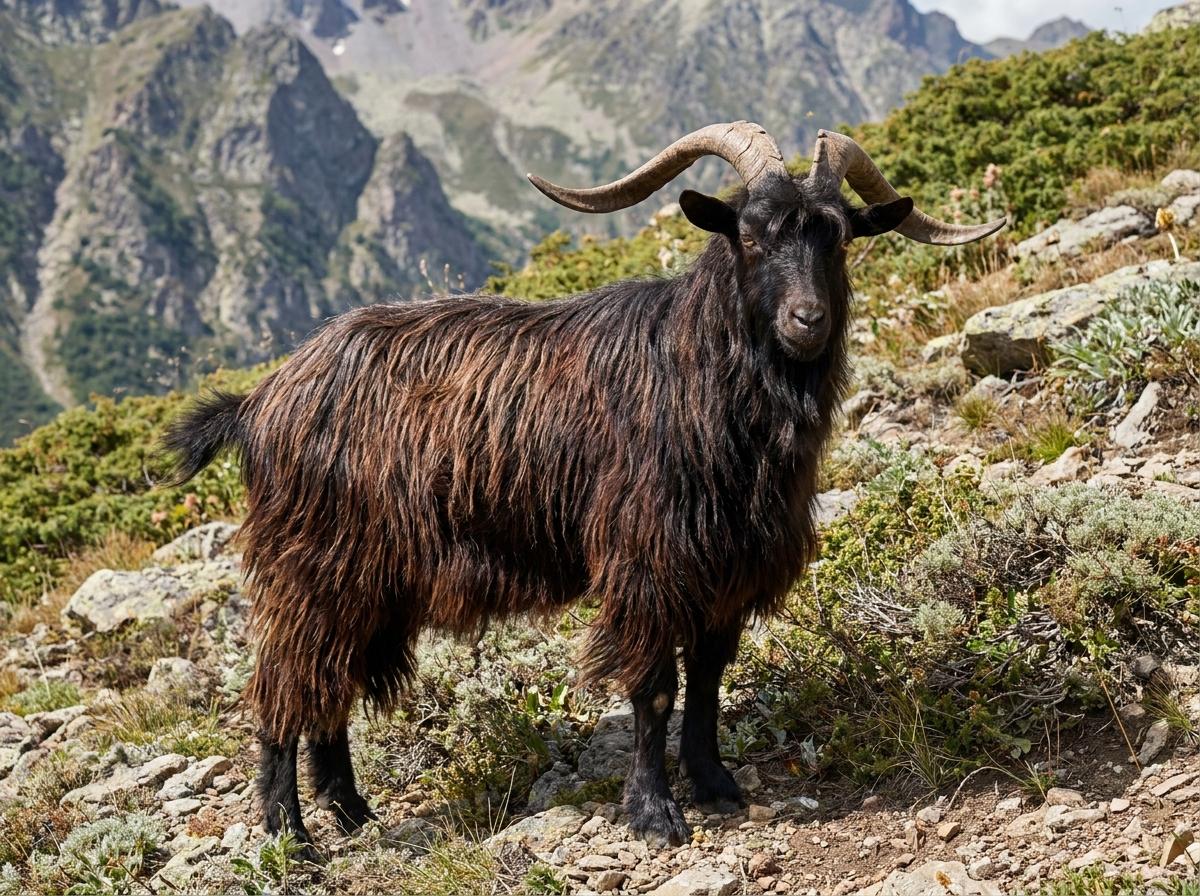
Abaza
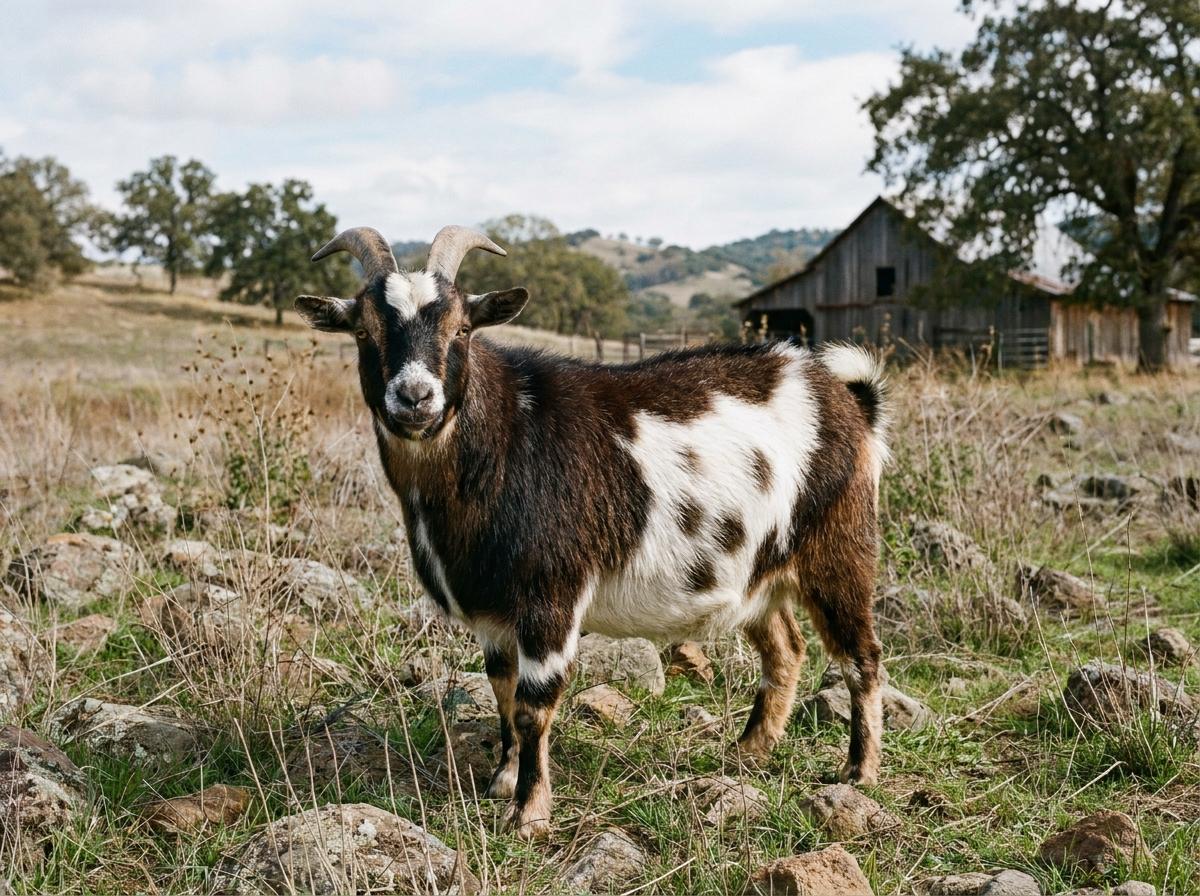
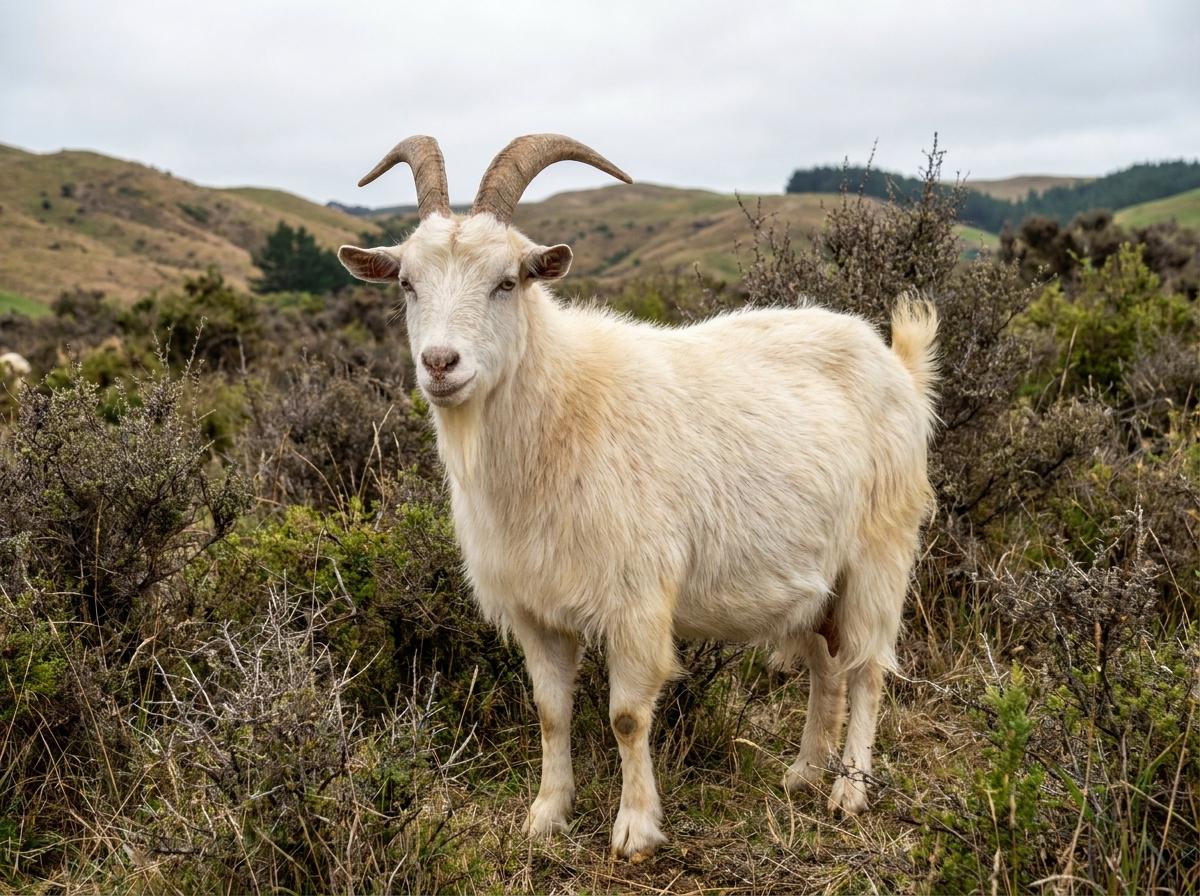
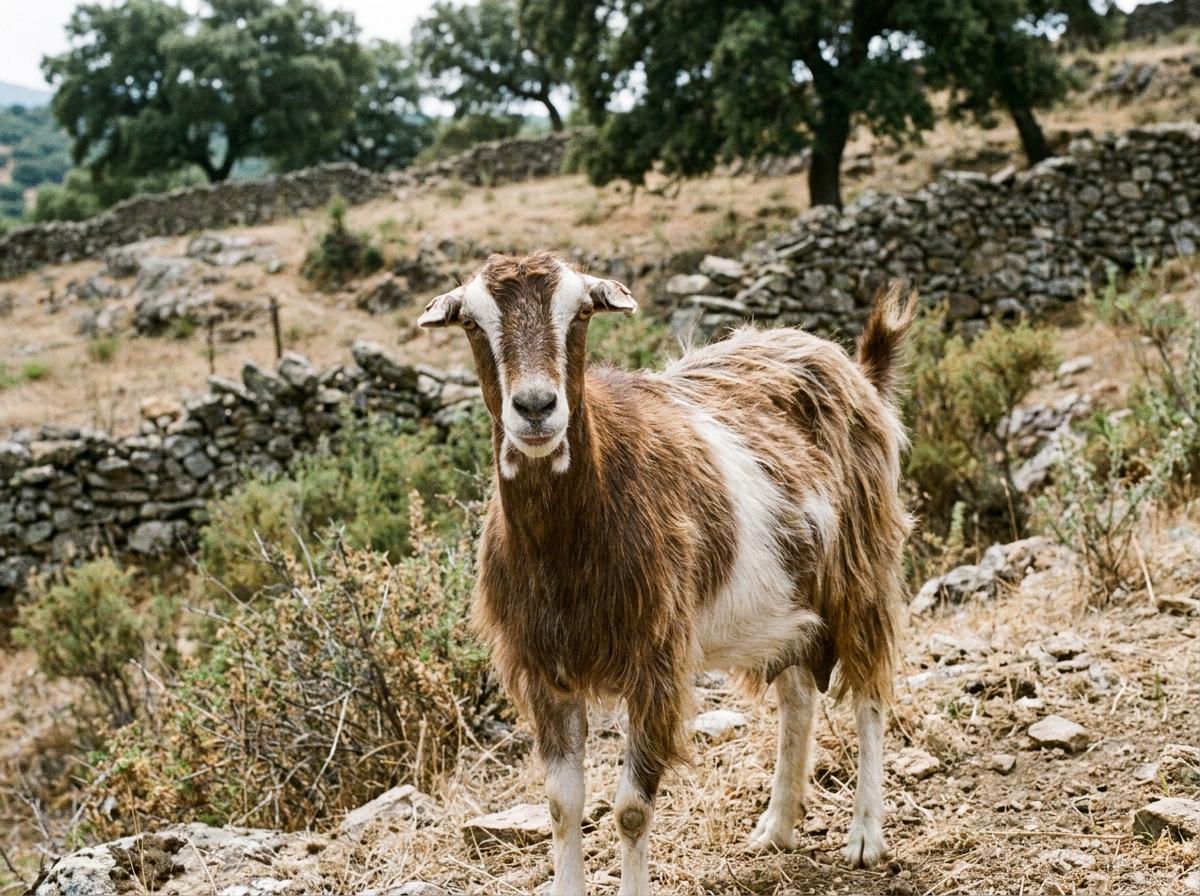
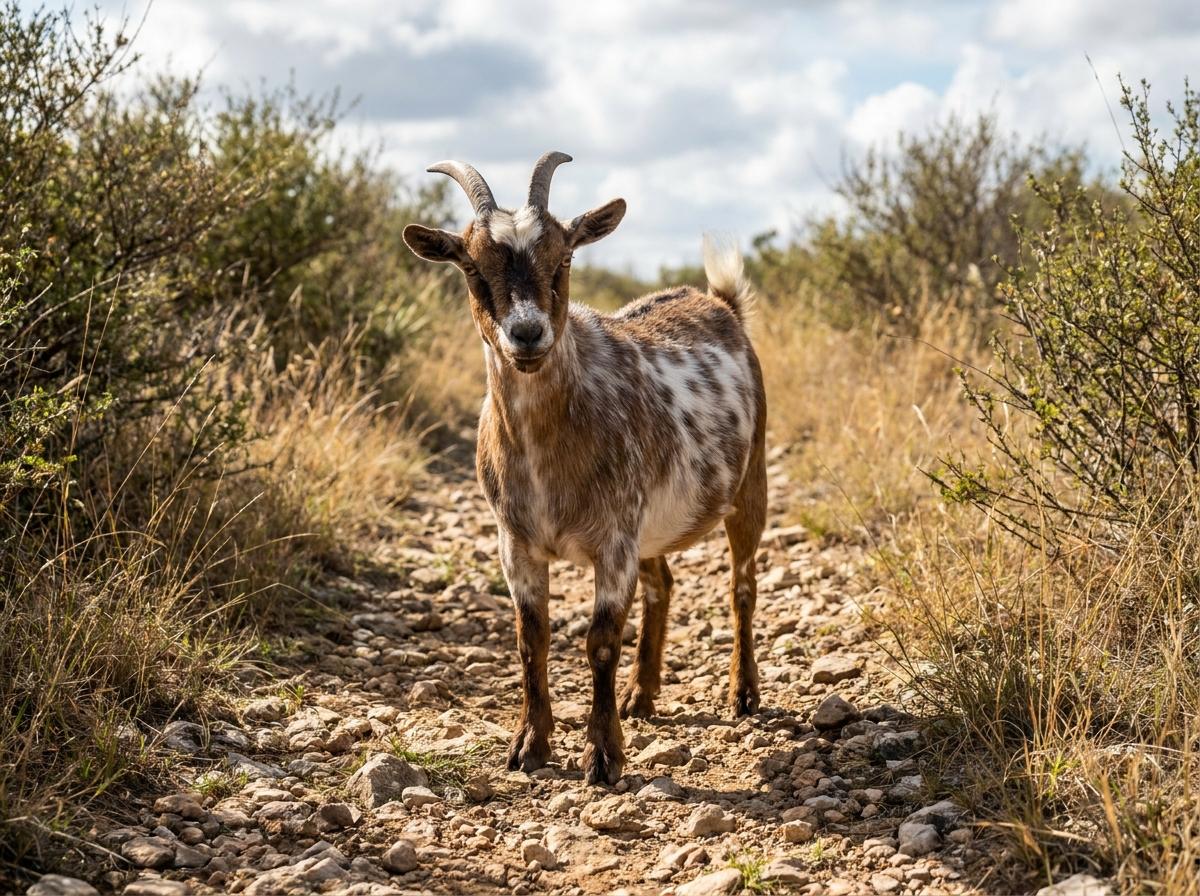
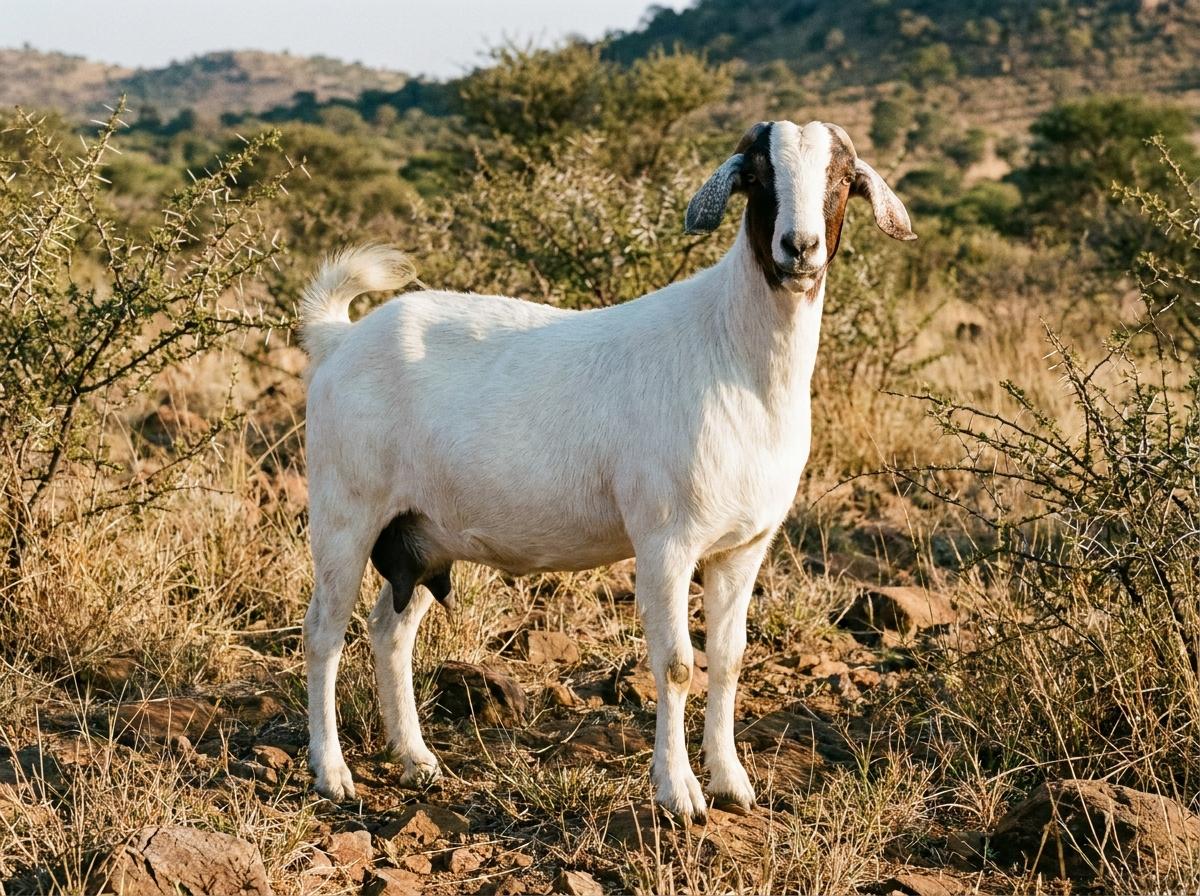
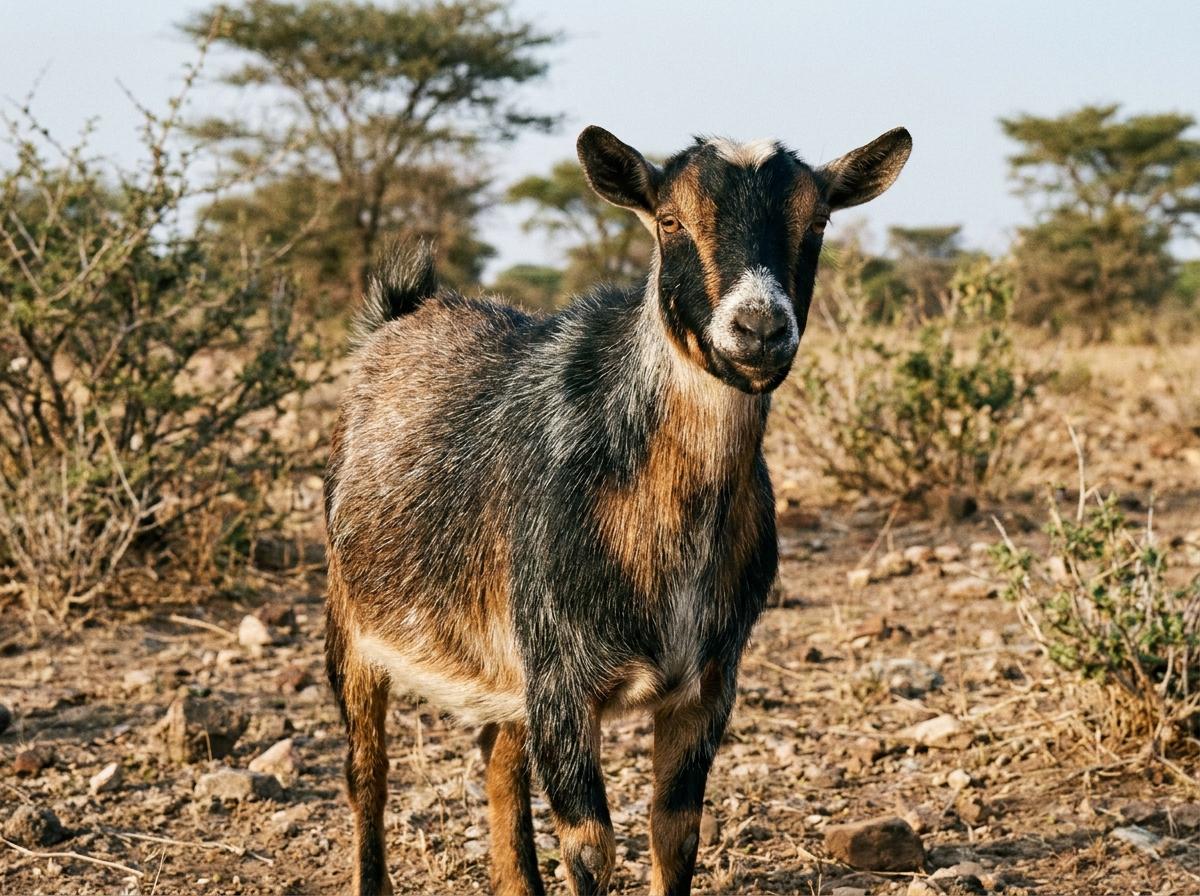
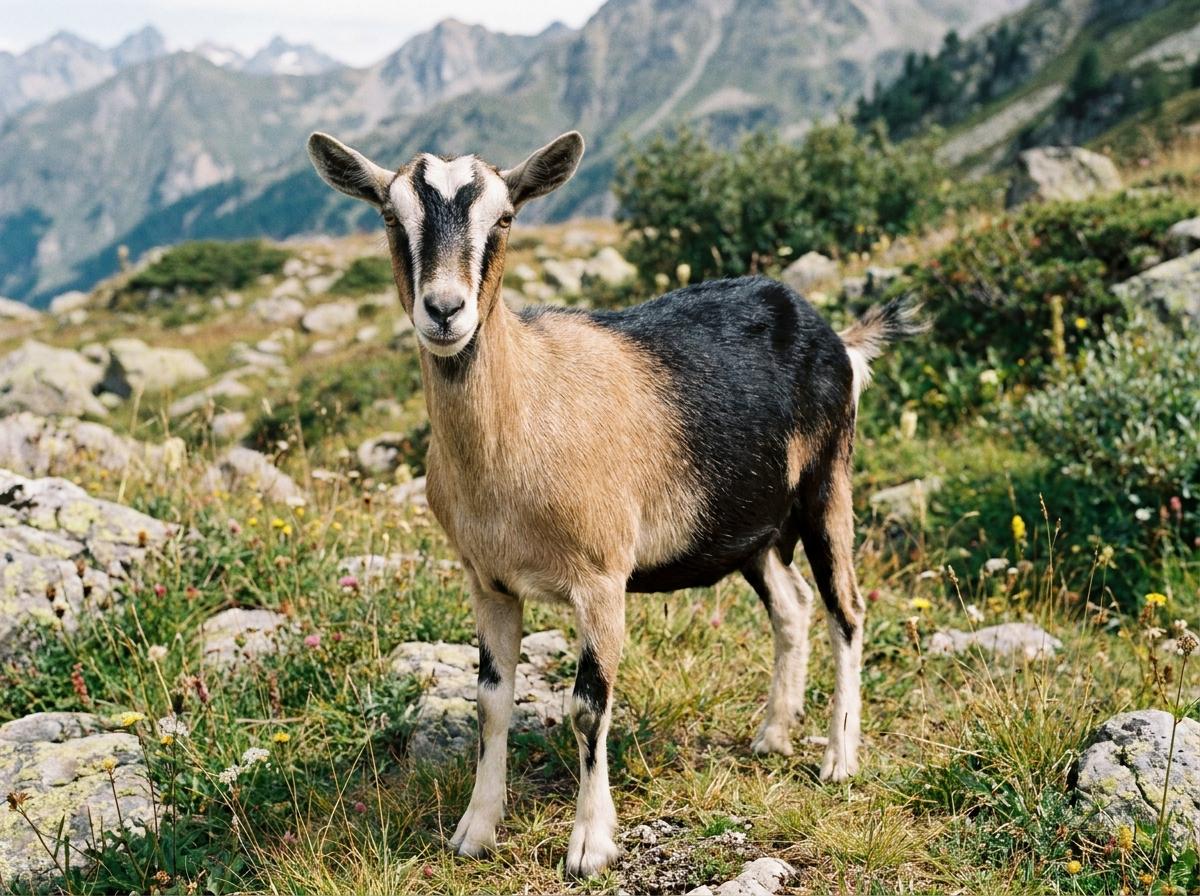
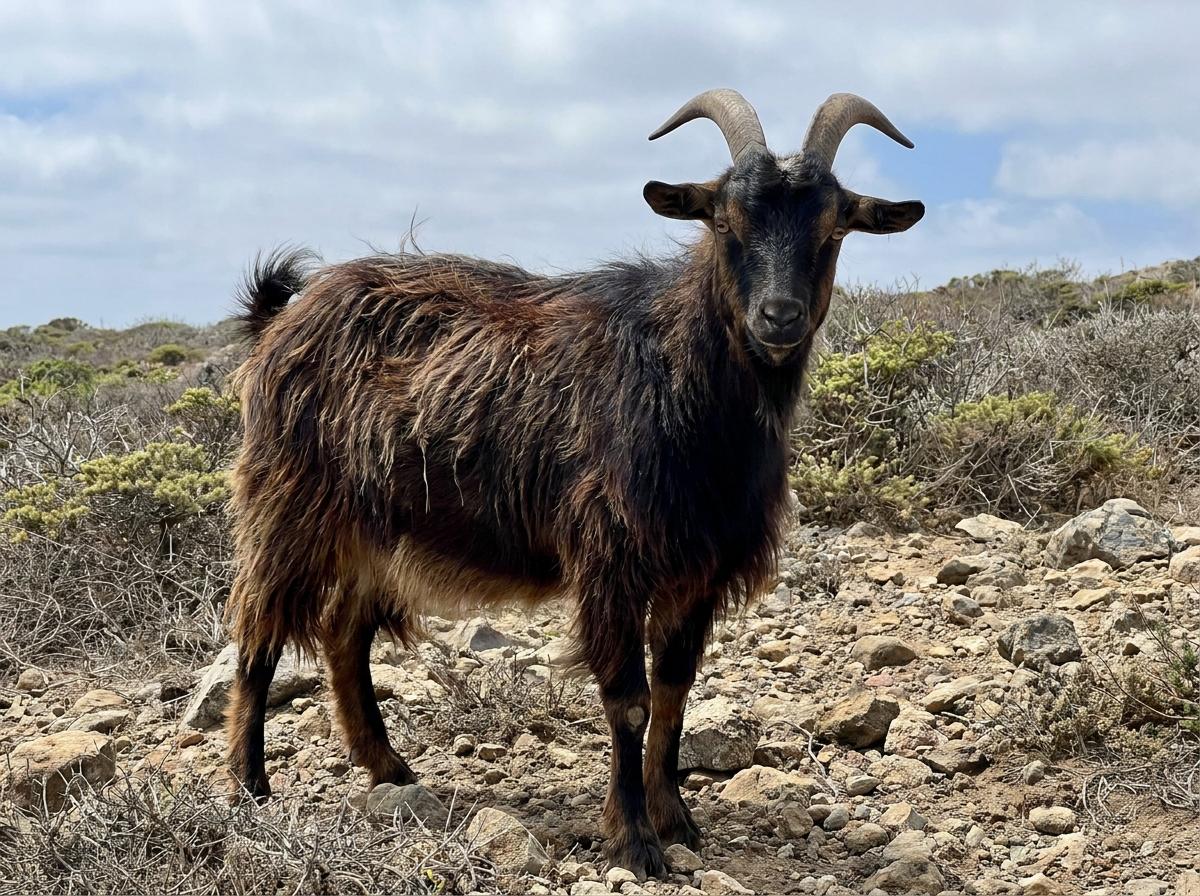
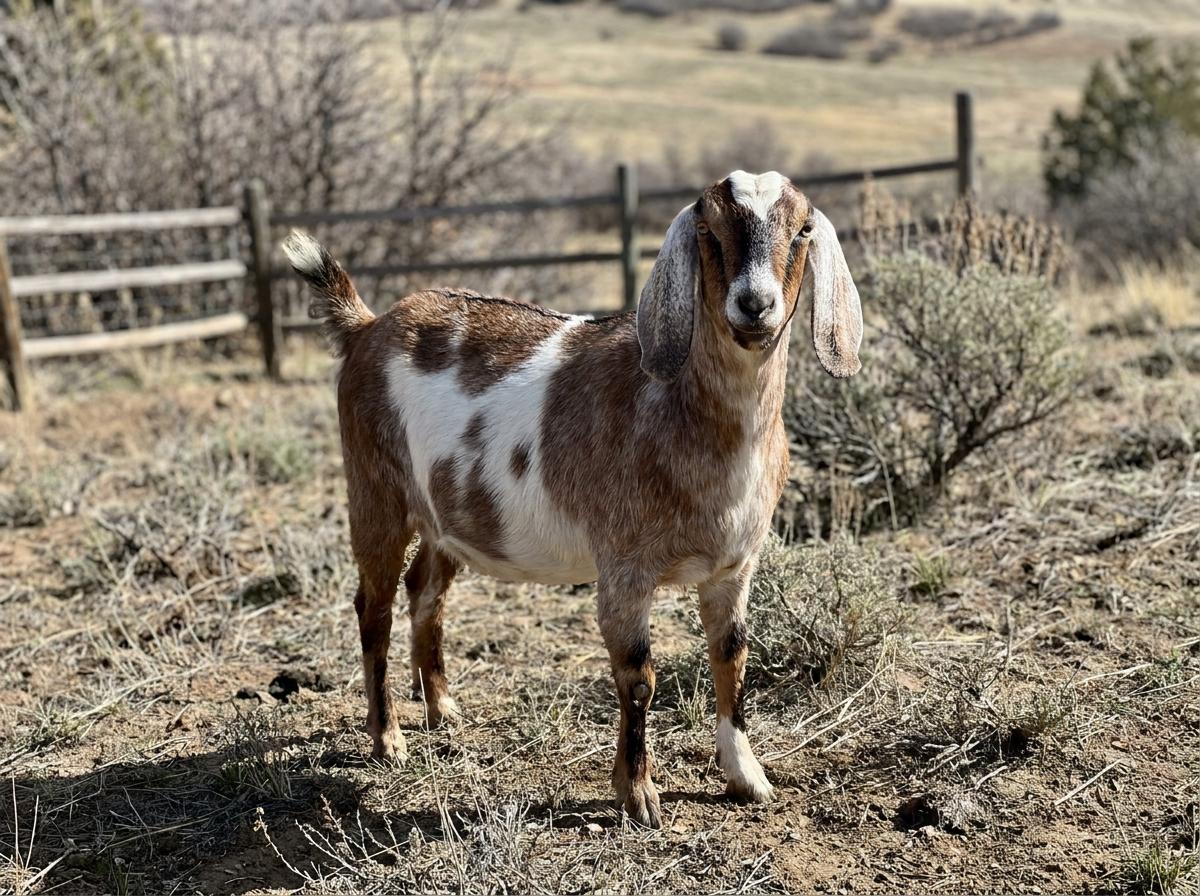
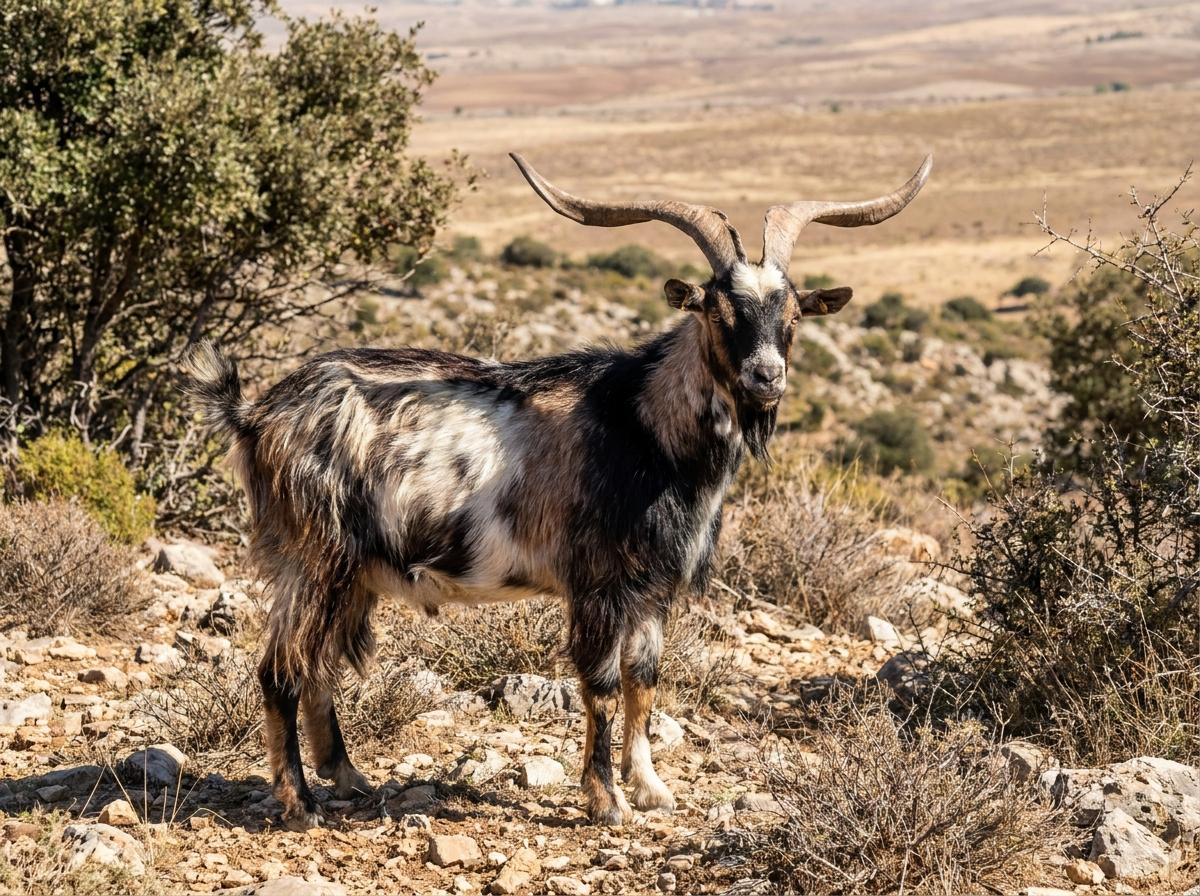
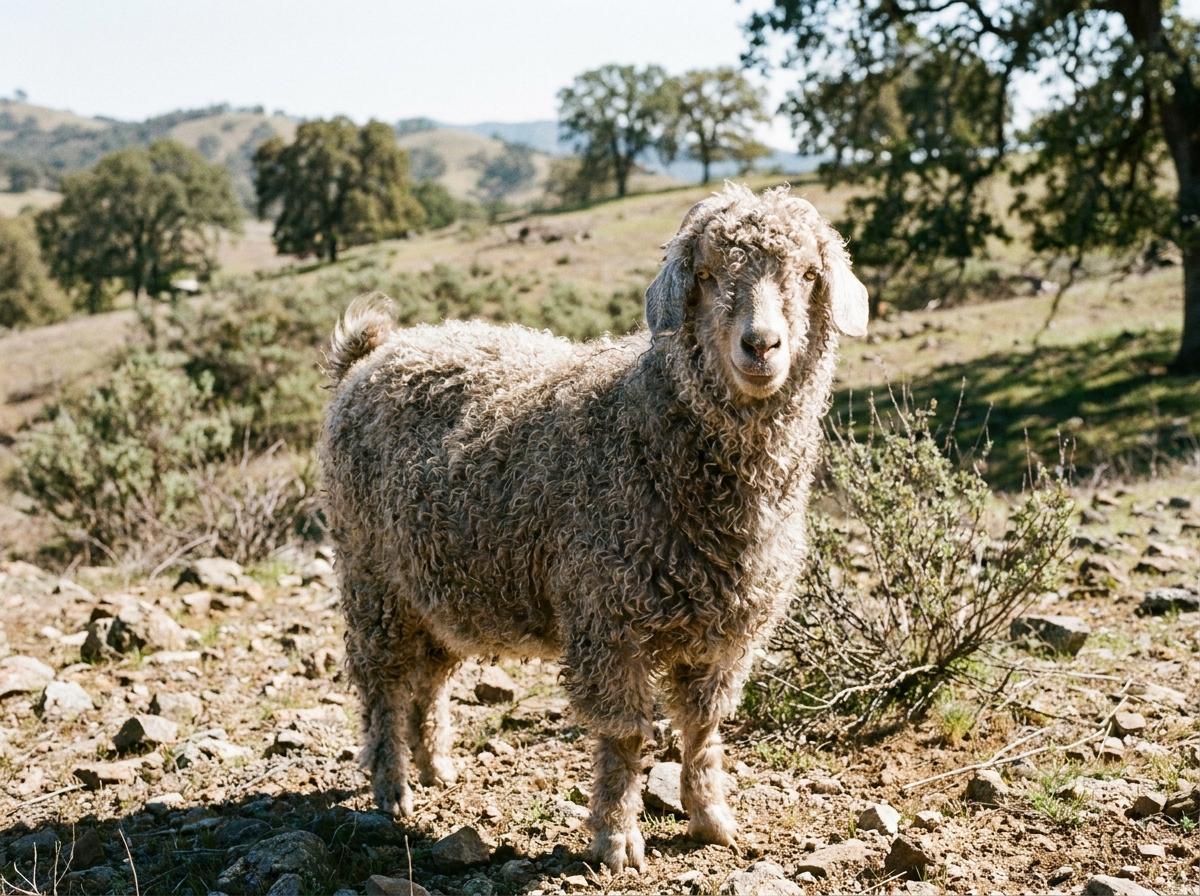
The Abaza is a little-documented goat landrace name associated with Abaza and Abkhazian communities in the Caucasus-Black Sea cultural region, with some references placing related stocks in Turkey. Rather than a tightly standardized dairy or meat breed, it is best understood as a regional farm goat type within Capra hircus. Descriptions point to hardy, medium-sized animals with variable coat colors, horns common in both sexes, and a practical build suited to steep villages, woodland edges, and mixed smallholder flocks.
People keeping or sourcing Abaza goats should expect more variation than in registry-managed breeds such as Saanen or Boer. Useful records are local: where the herd was bred, how it performs on browse, kidding ease, udder quality, and survival under winter or mountain conditions. Conservation value lies in maintaining adapted family lines and avoiding indiscriminate replacement by imported high-output goats when the goal is resilience on rough forage.
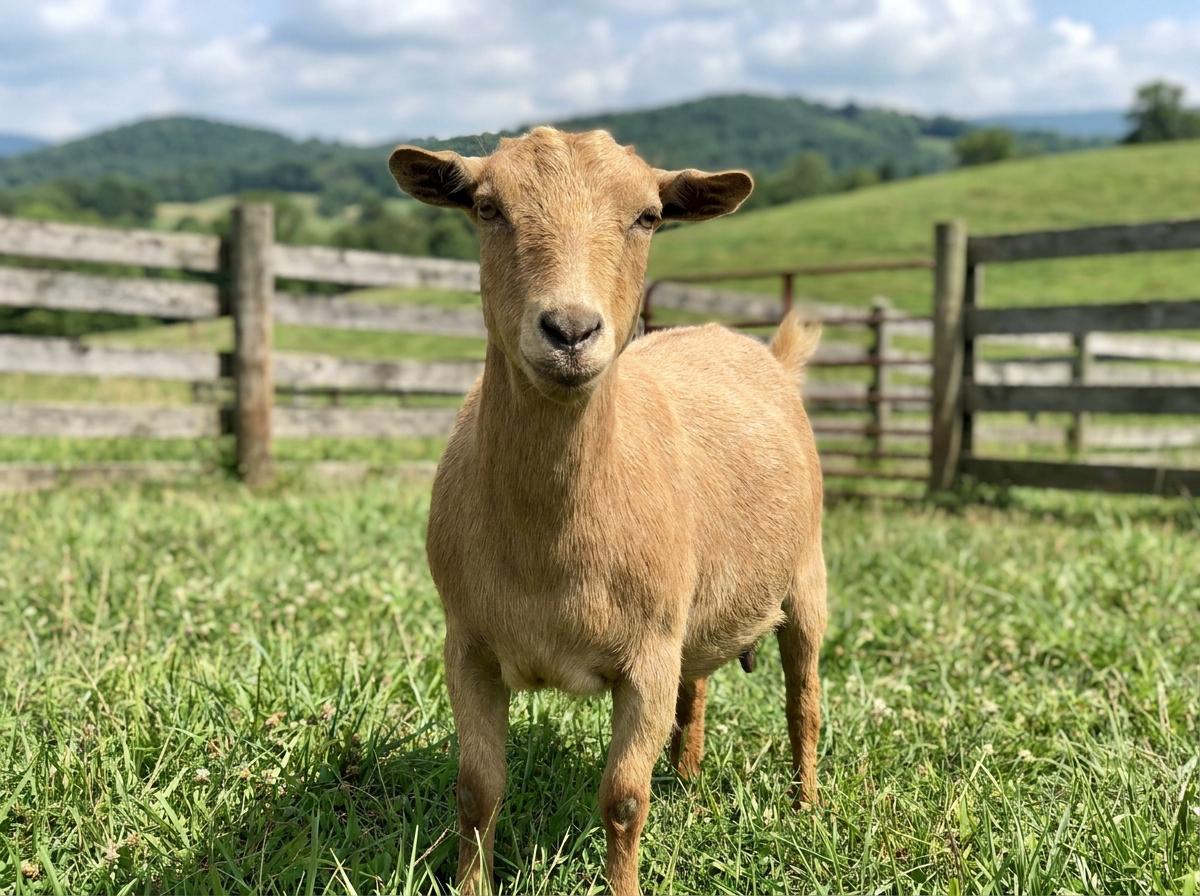
Colors: Belted, Black, Black and White, Brown, Brown and White, Buckskin, Chamoisee, Cou Blanc, Cou Clair, Cream, Fawn, Gold, Moonspotted, Pinto, Red, Red and White, Roan, Spotted, Sundgau, Swiss Marked, Tan, White