Agew
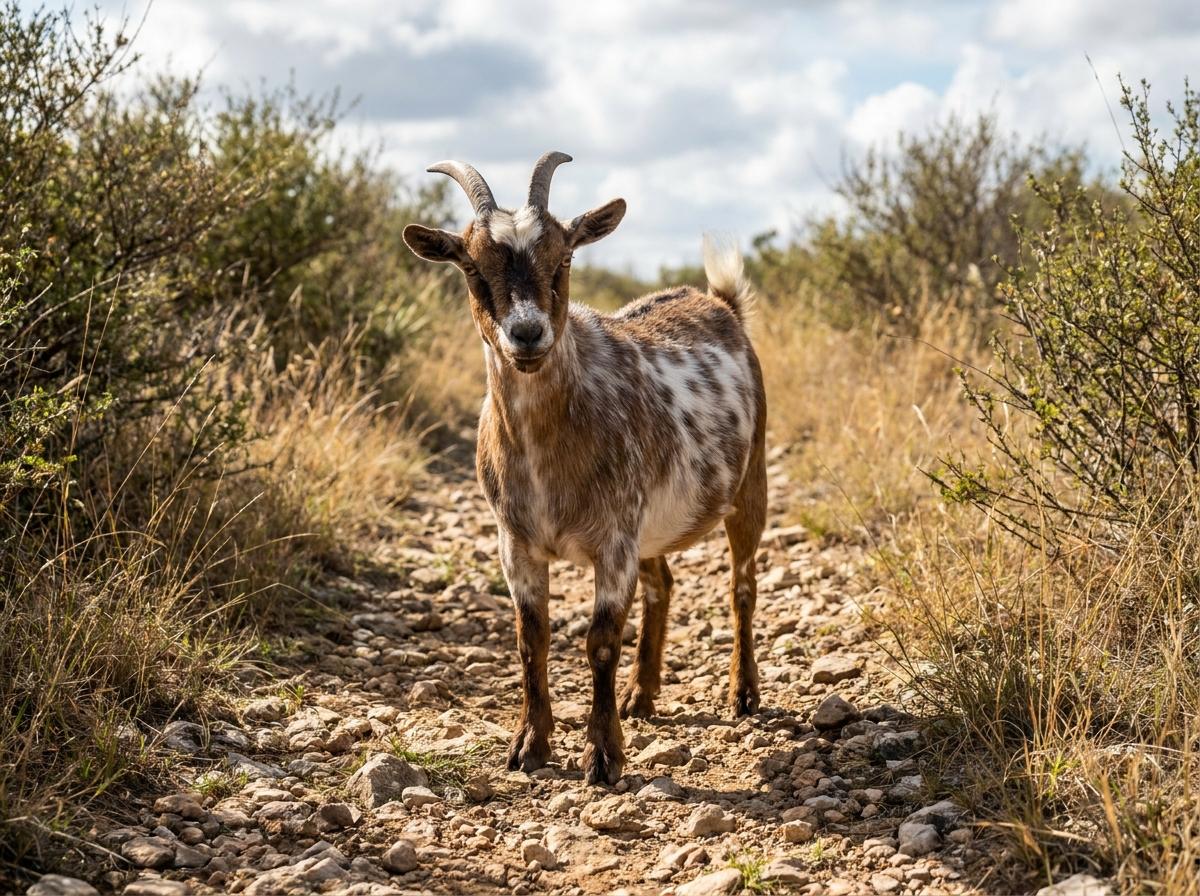
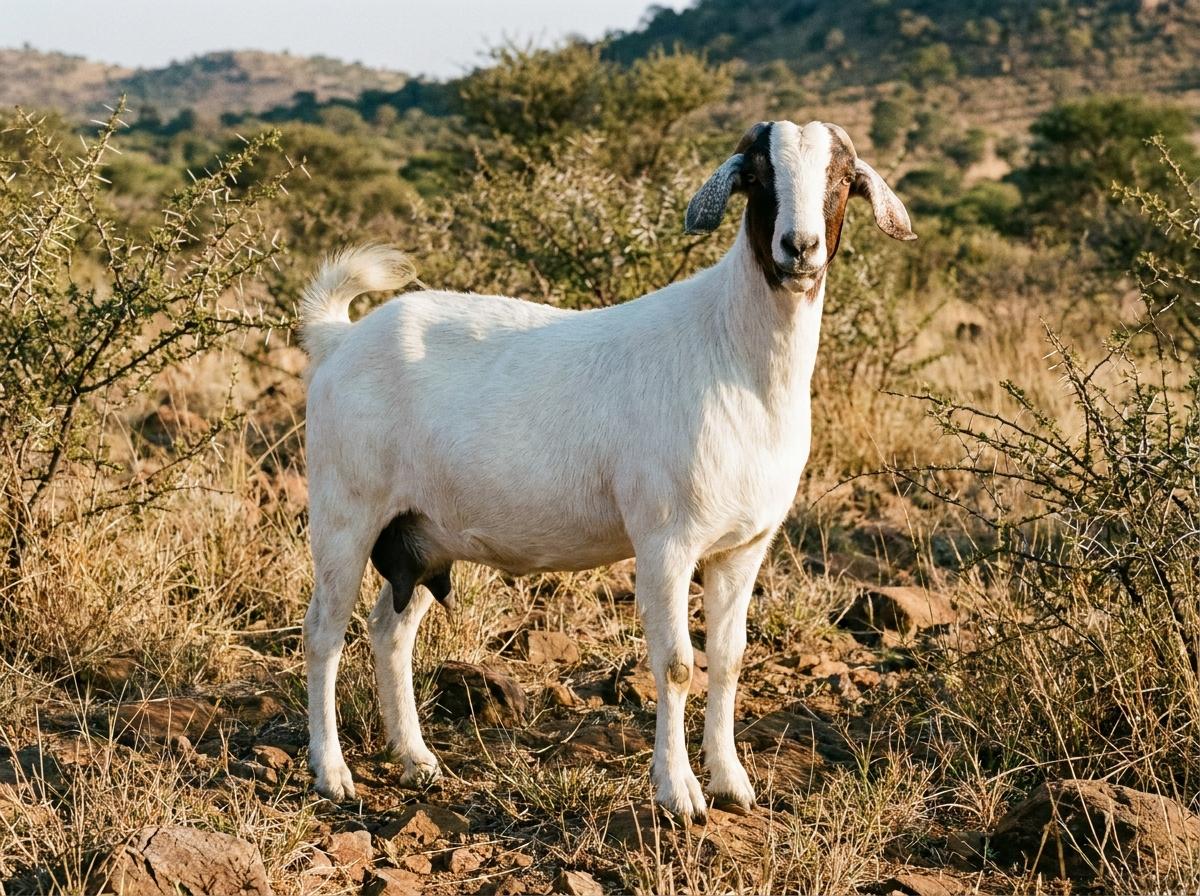
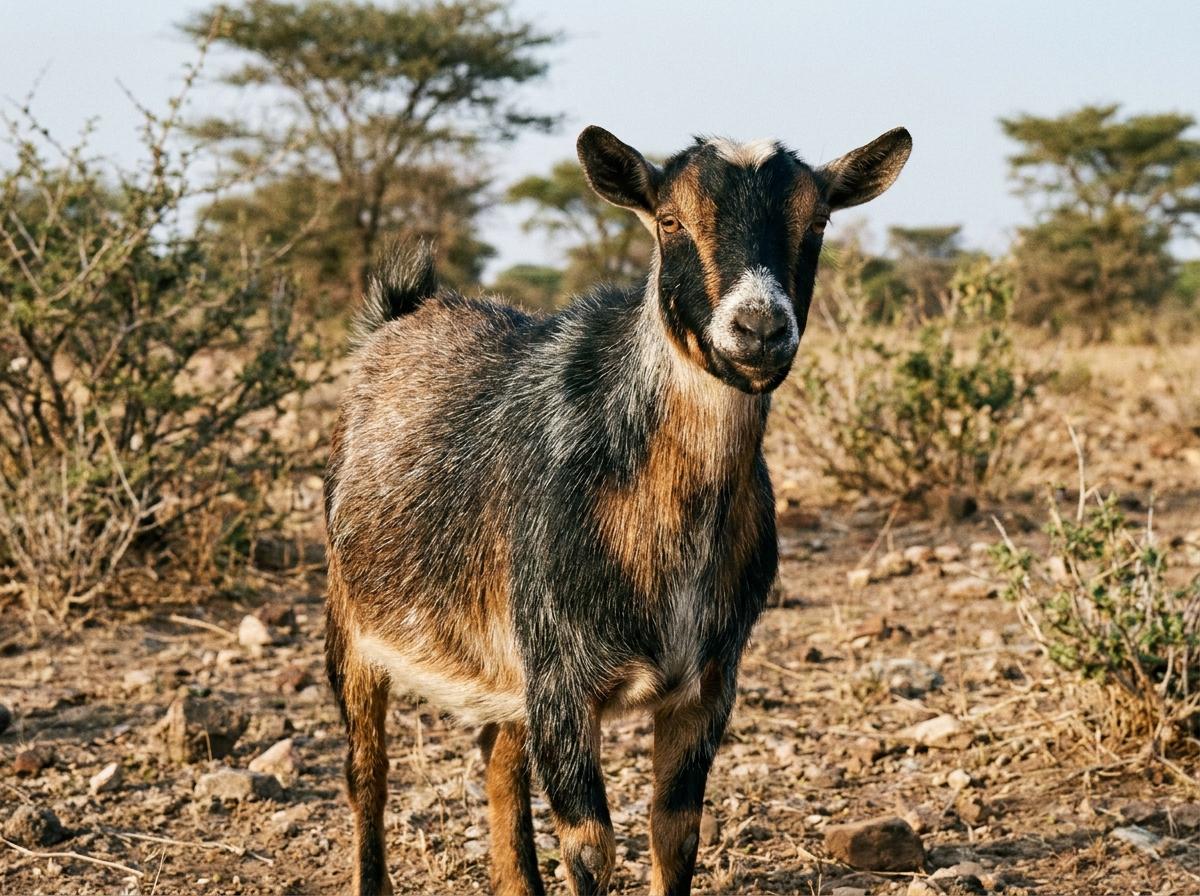
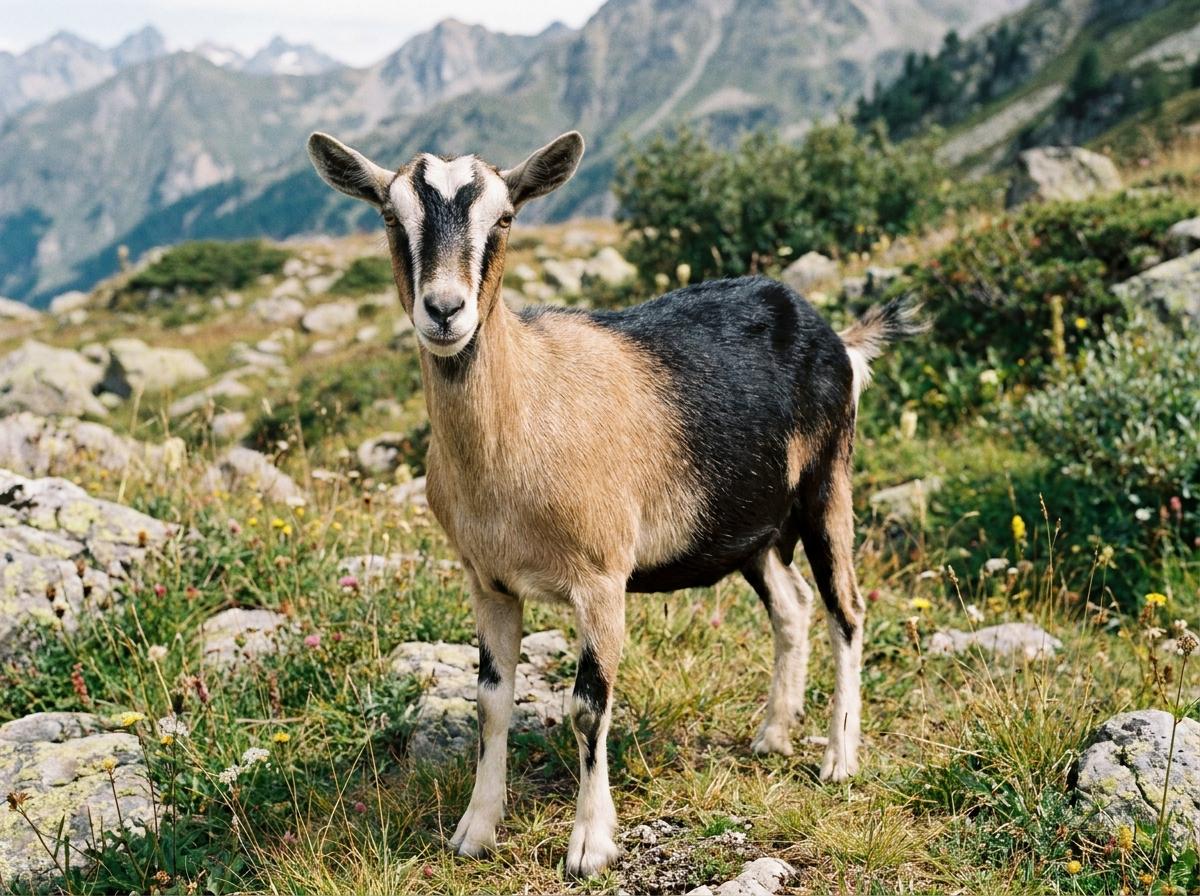
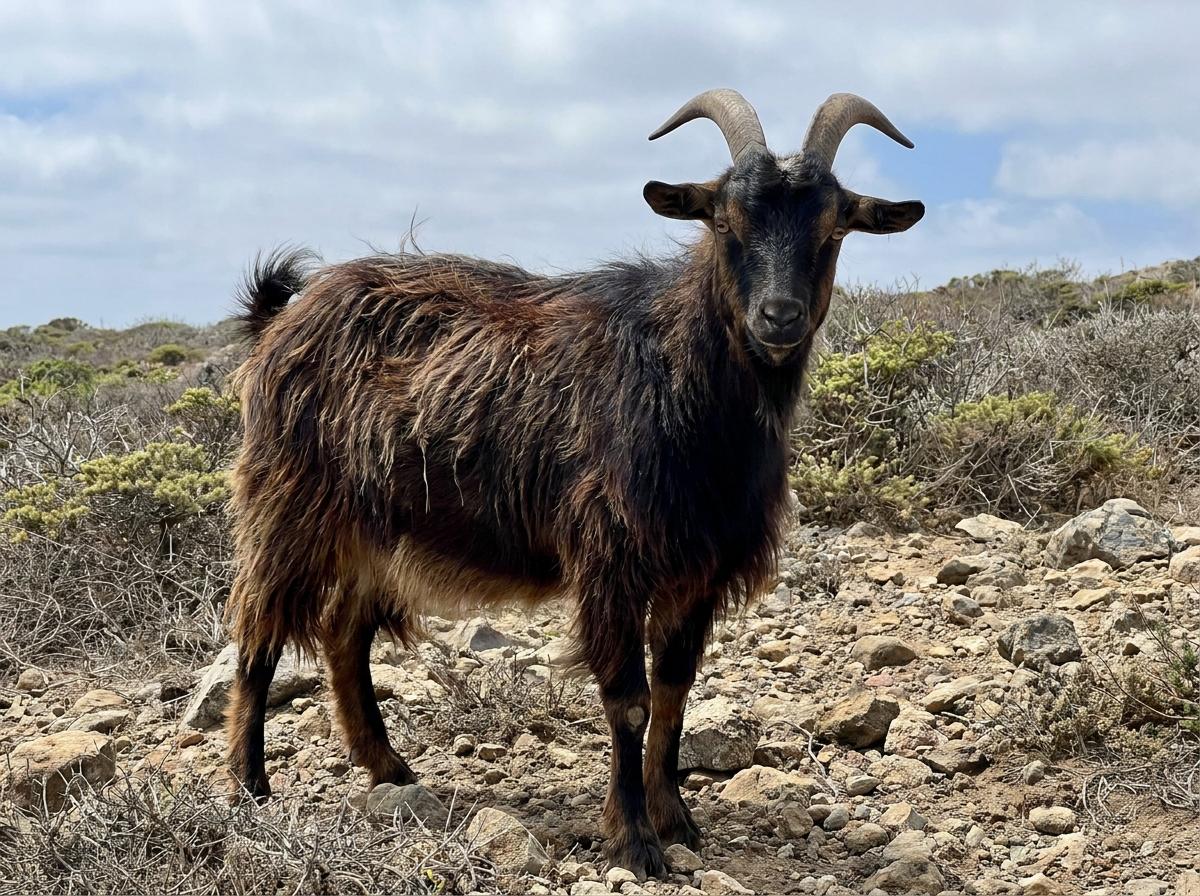
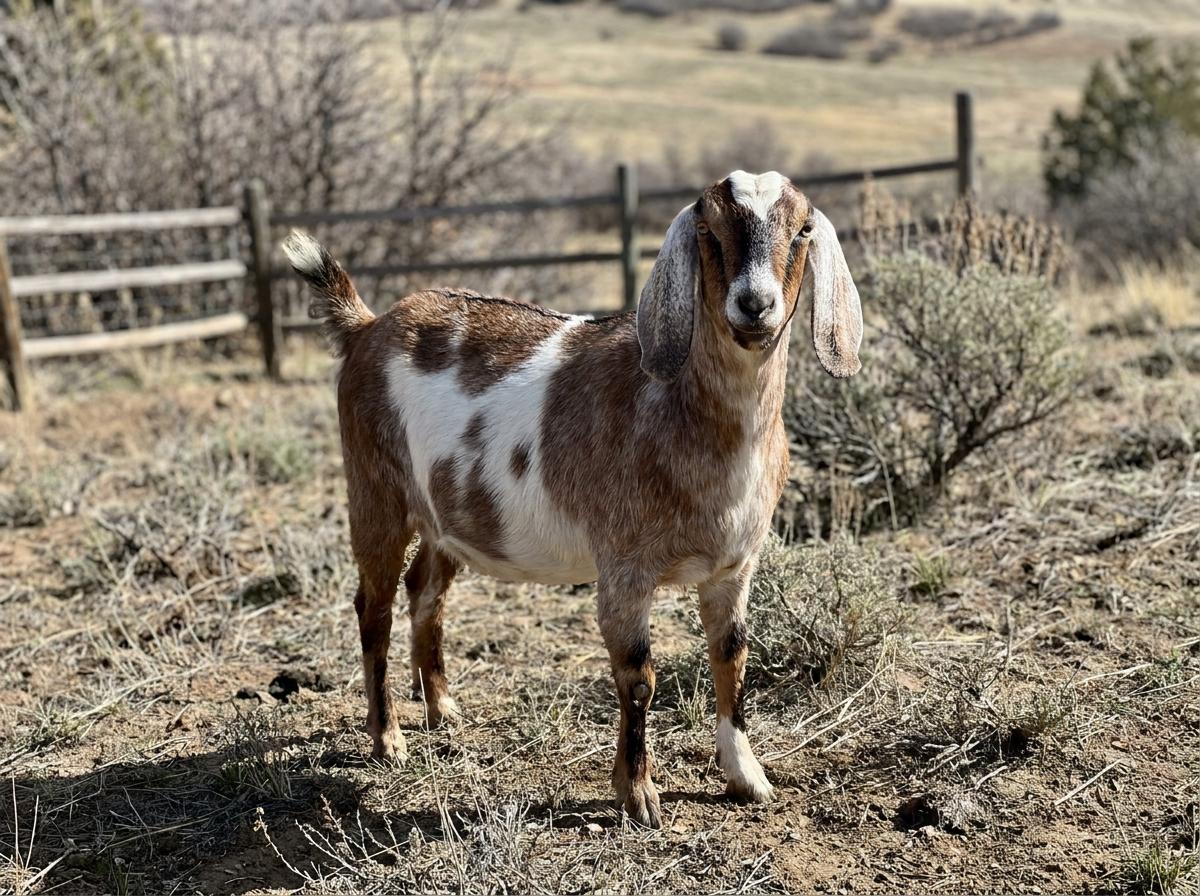
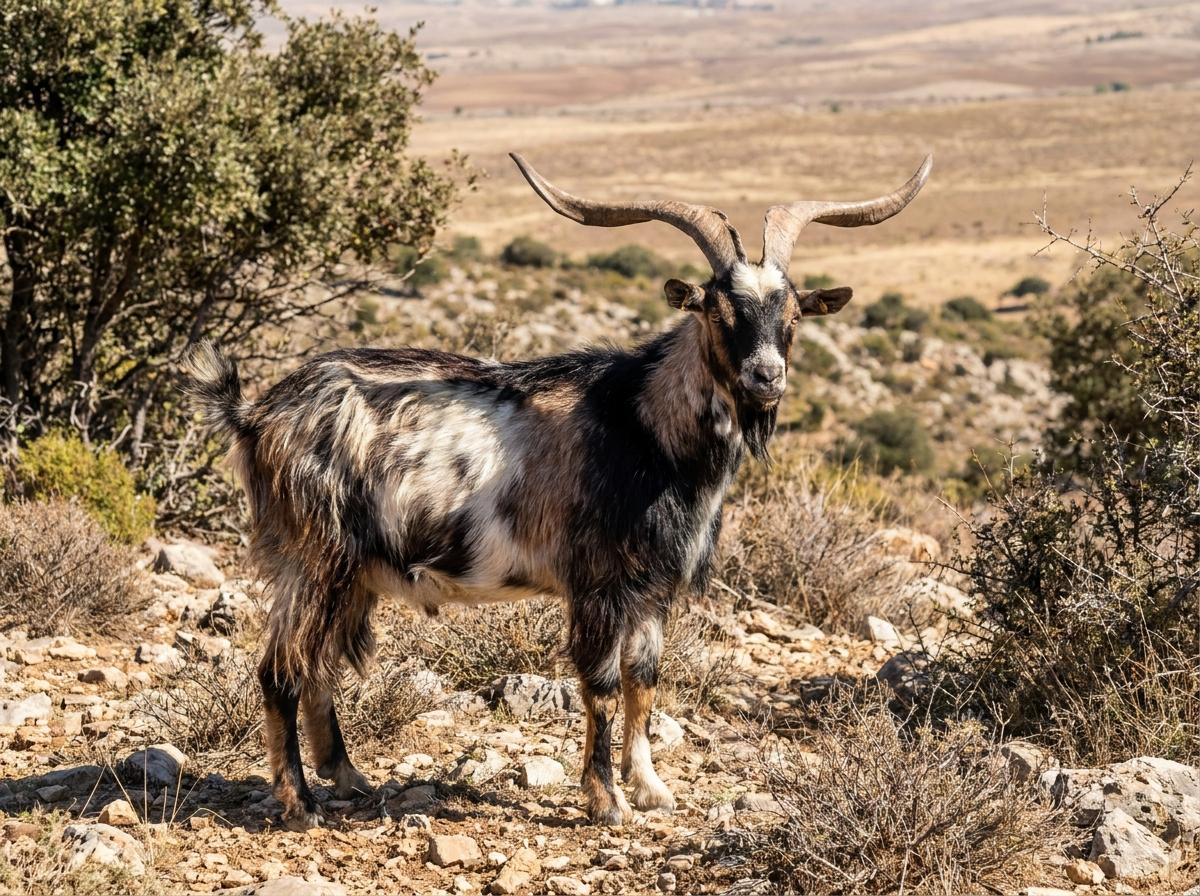
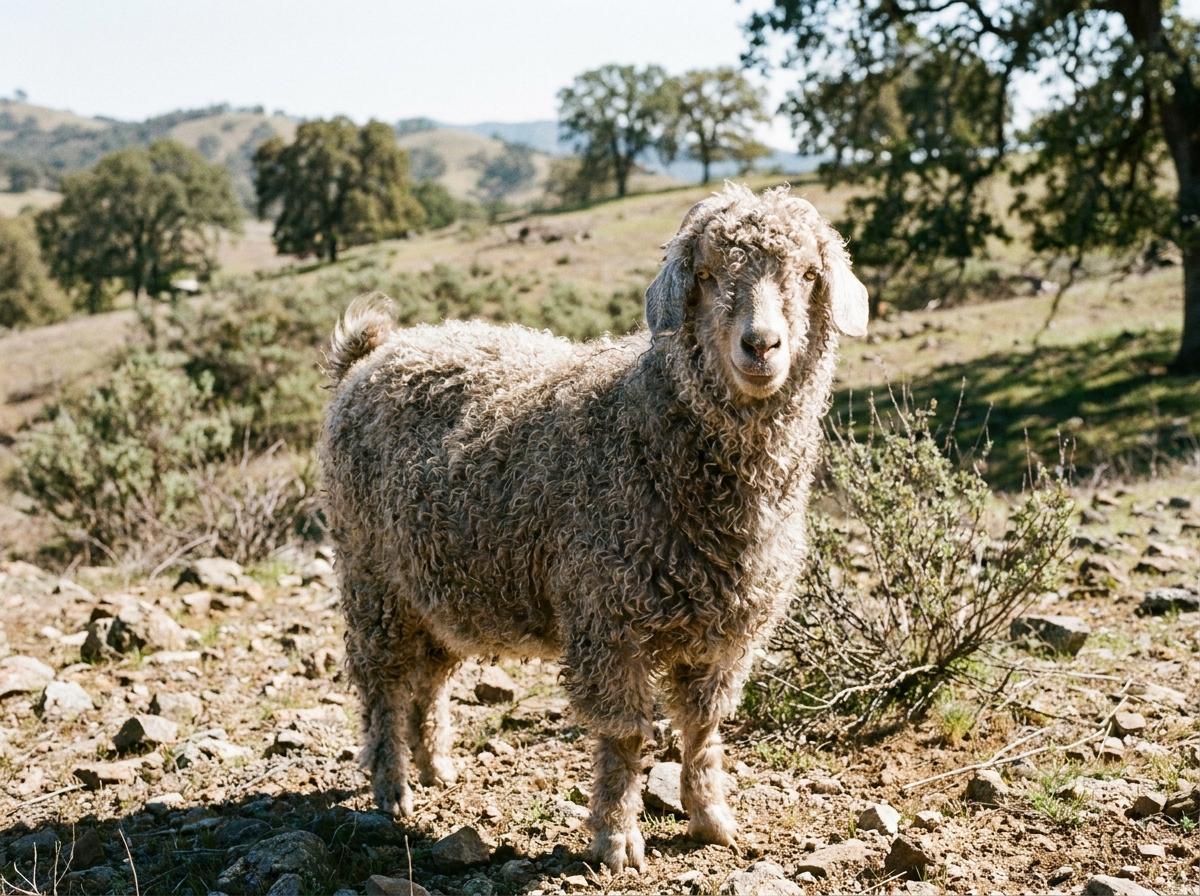
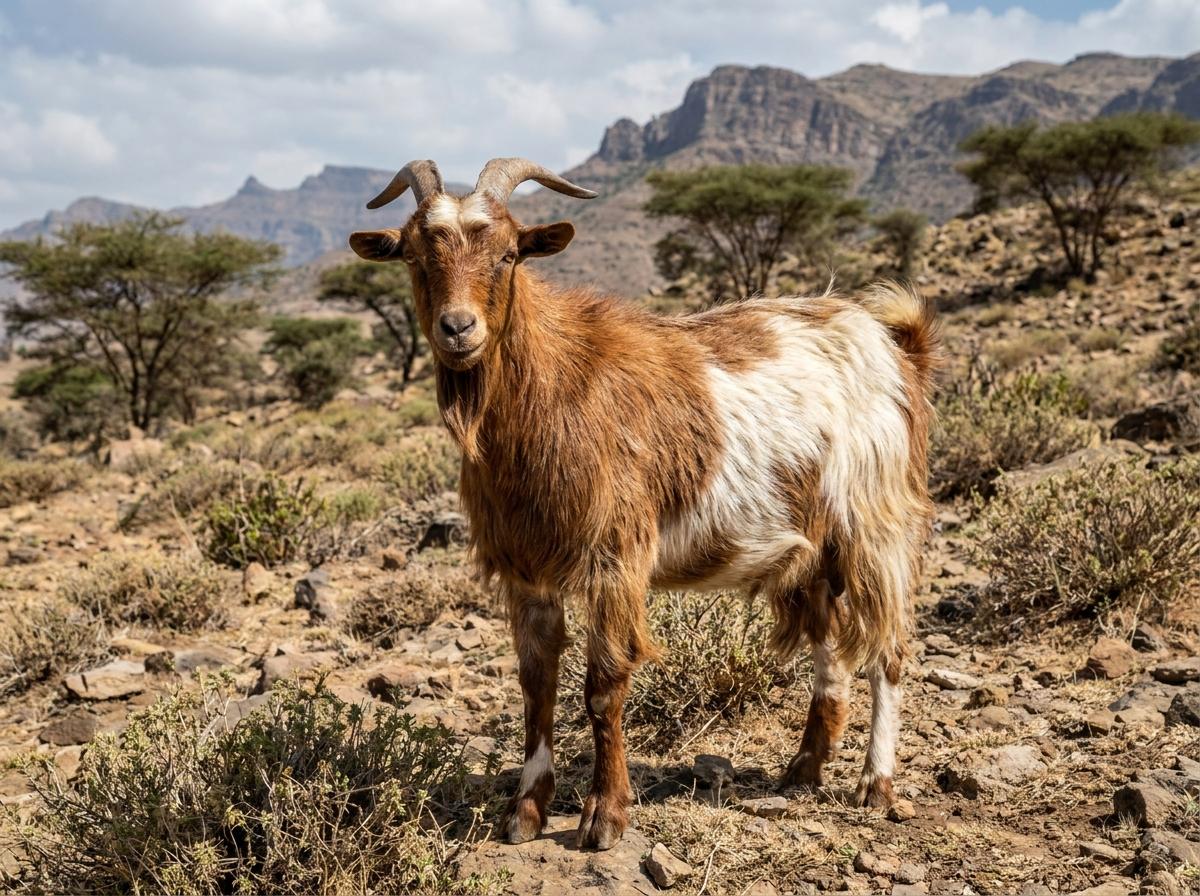
The Agew goat is an Ethiopian indigenous goat population associated with Agew-speaking communities and mixed farming areas of northwestern Ethiopia, particularly around the Awi and neighboring highland zones. Compared with lowland desert types, it is usually described as a small to medium local goat adapted to cooler uplands, seasonal rainfall, and crop fields broken by grazing patches. Coat color and horn form vary, because the population has been maintained mainly through household selection for useful animals rather than a narrow breed standard.
Families keep Agew goats for meat, kid sales, manure, and some milk, often alongside sheep, cattle, and grain crops. Daily management may include herding, tethering near fields, and feeding crop residues when grazing is limited, so sound feet and efficient use of fibrous feed are practical traits. For improvement projects, the important question is not only growth rate but whether selected bucks continue to work in village conditions. Detailed herd records help separate true Agew lines from crossbreds introduced to raise size or milk yield.
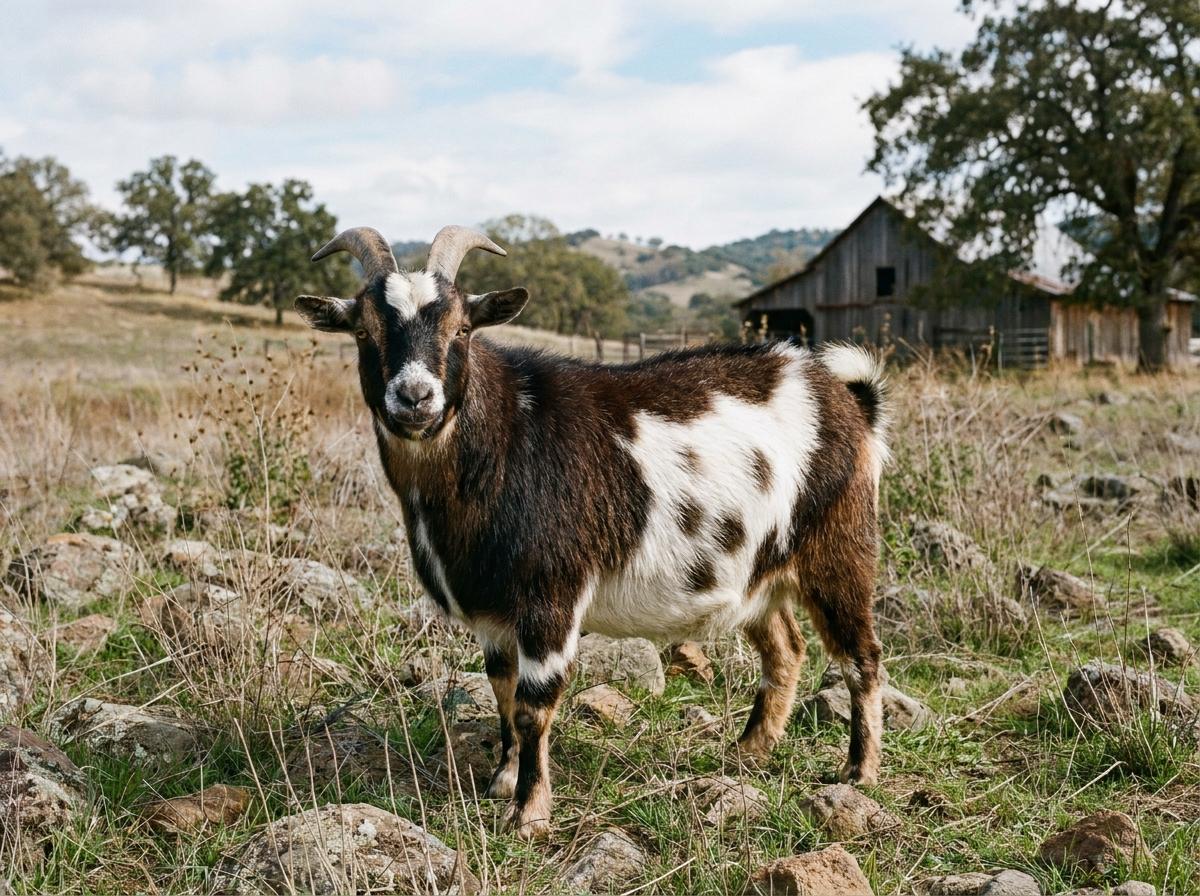
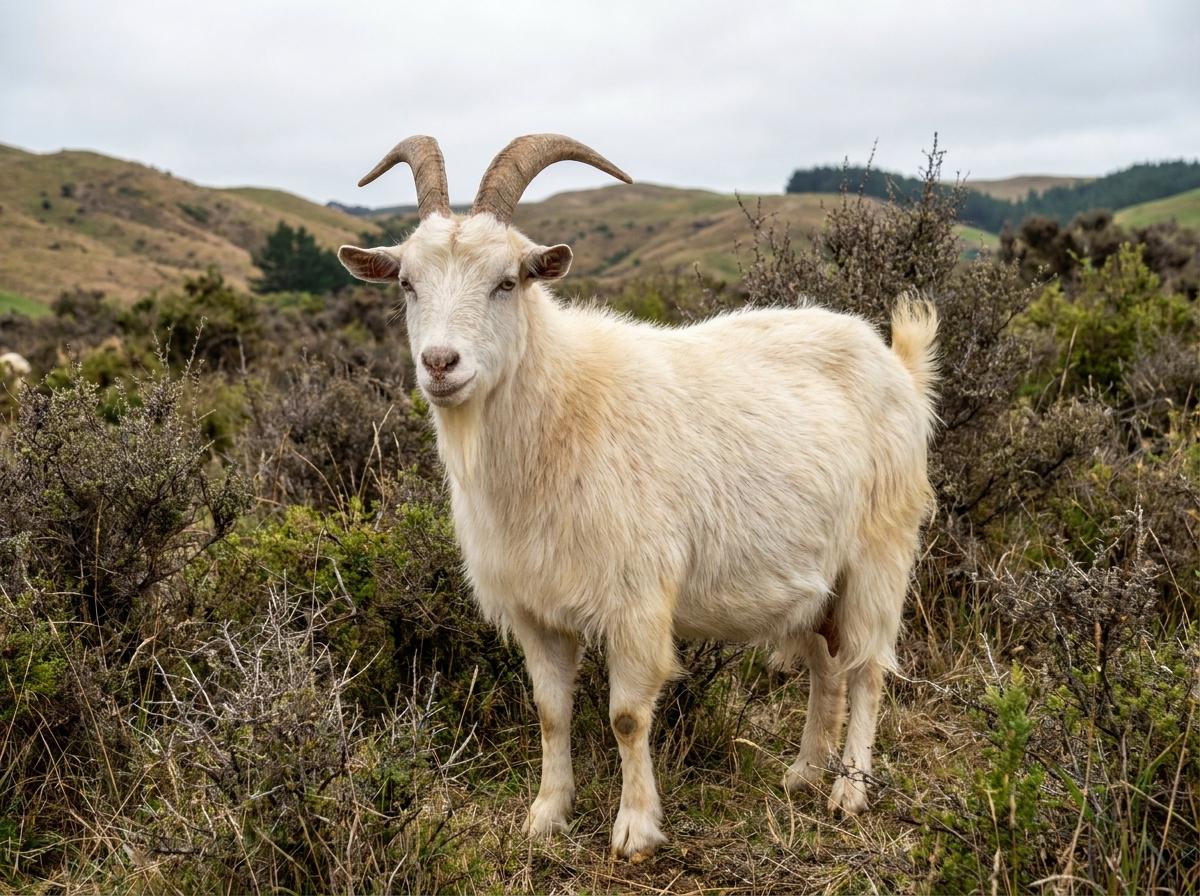
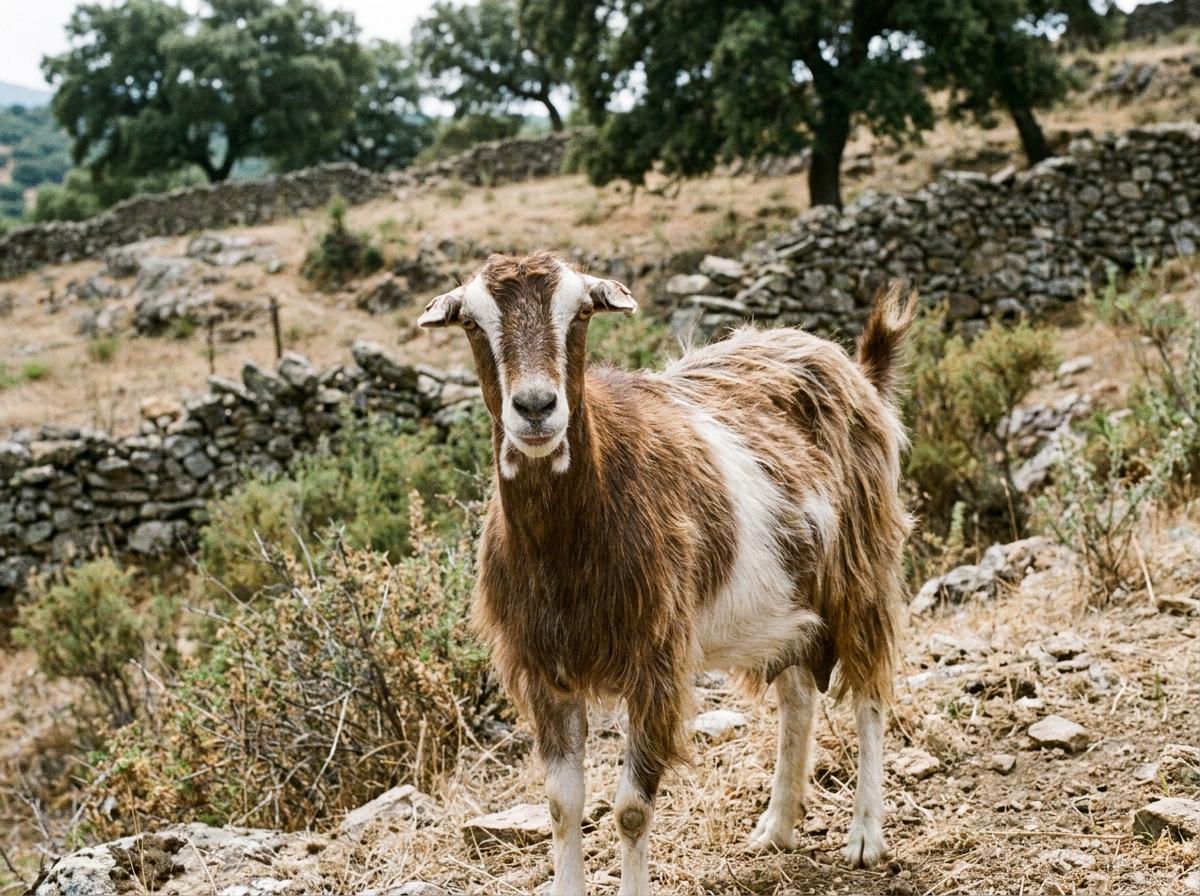
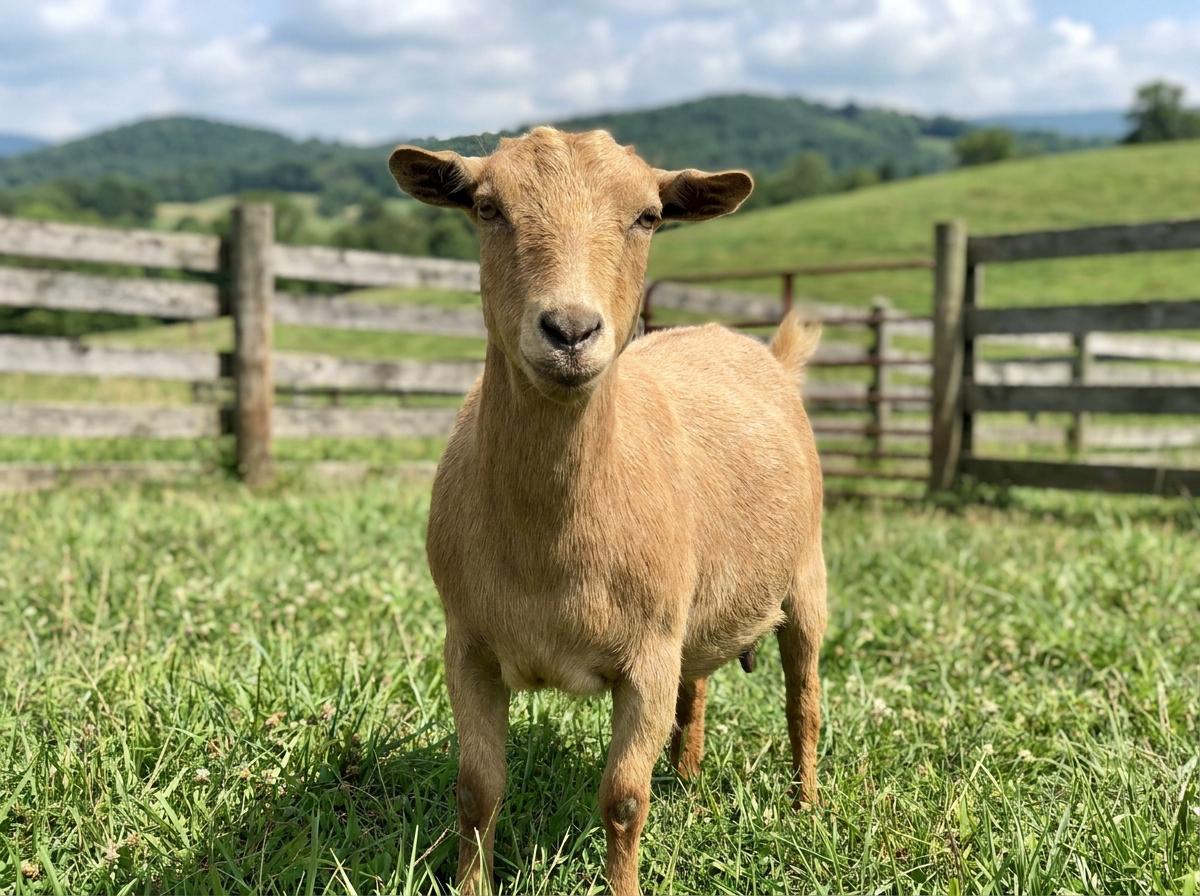
Colors: Belted, Black, Black and White, Brown, Brown and White, Buckskin, Chamoisee, Cou Blanc, Cou Clair, Cream, Fawn, Gold, Moonspotted, Pinto, Red, Red and White, Roan, Spotted, Sundgau, Swiss Marked, Tan, White