

Arsi-Bale
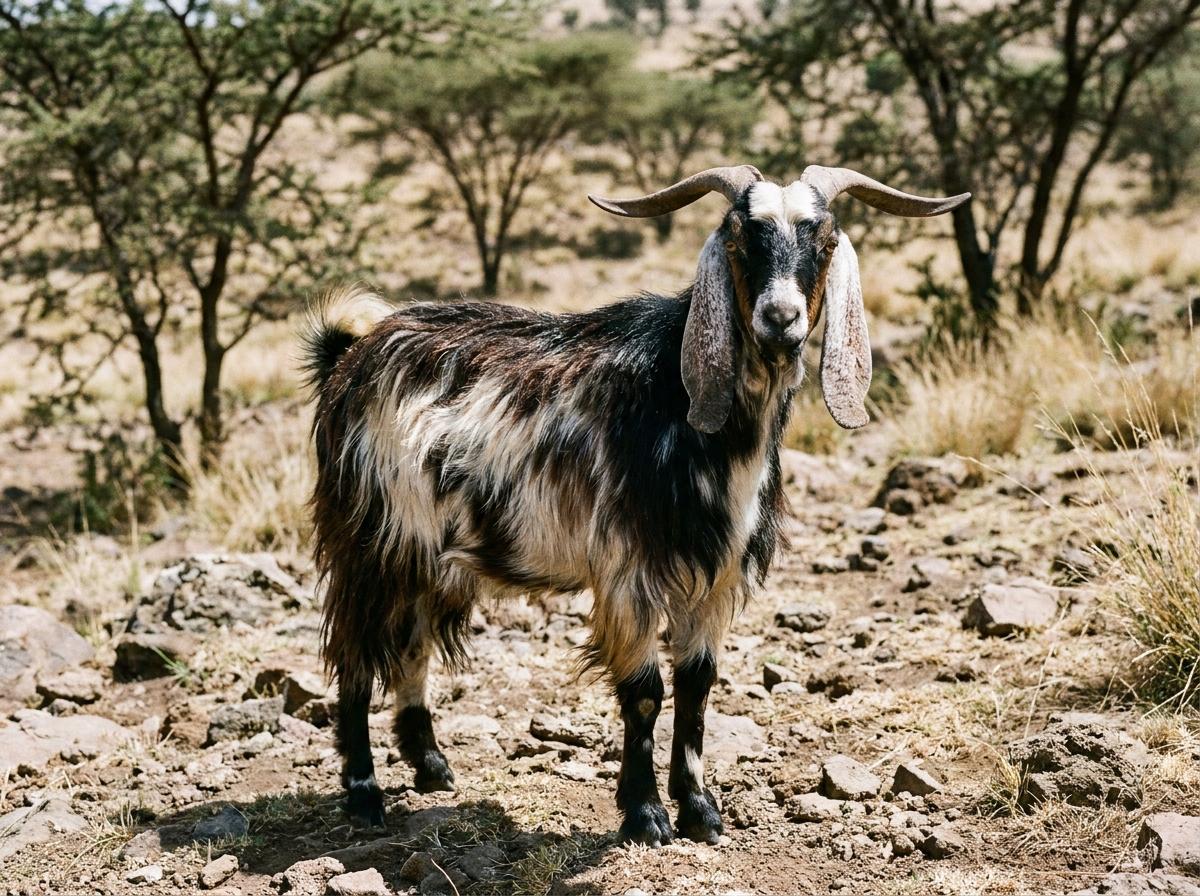
The Arsi-Bale goat is an Ethiopian regional type associated with the Arsi and Bale areas, where highland and mid-altitude farming systems rely on hardy local livestock. It is generally understood as a small to medium indigenous goat rather than a narrowly standardized show breed. Animals are kept for meat, milk, cash sales, and household resilience, with selection shaped by grazing conditions, disease pressure, and the need to reproduce under modest inputs.
Care and breeding decisions usually happen within mixed crop-livestock households. Goats may browse field edges, communal grazing, and seasonal forage, so body condition can change with rainfall and feed availability. Useful management includes parasite control, kid survival planning, protection from predators, and choosing breeding stock that performs in the local climate rather than only looking larger. For development or conservation work, recording where a herd comes from is important because Ethiopian goat populations can vary meaningfully by altitude, market access, and community practice.
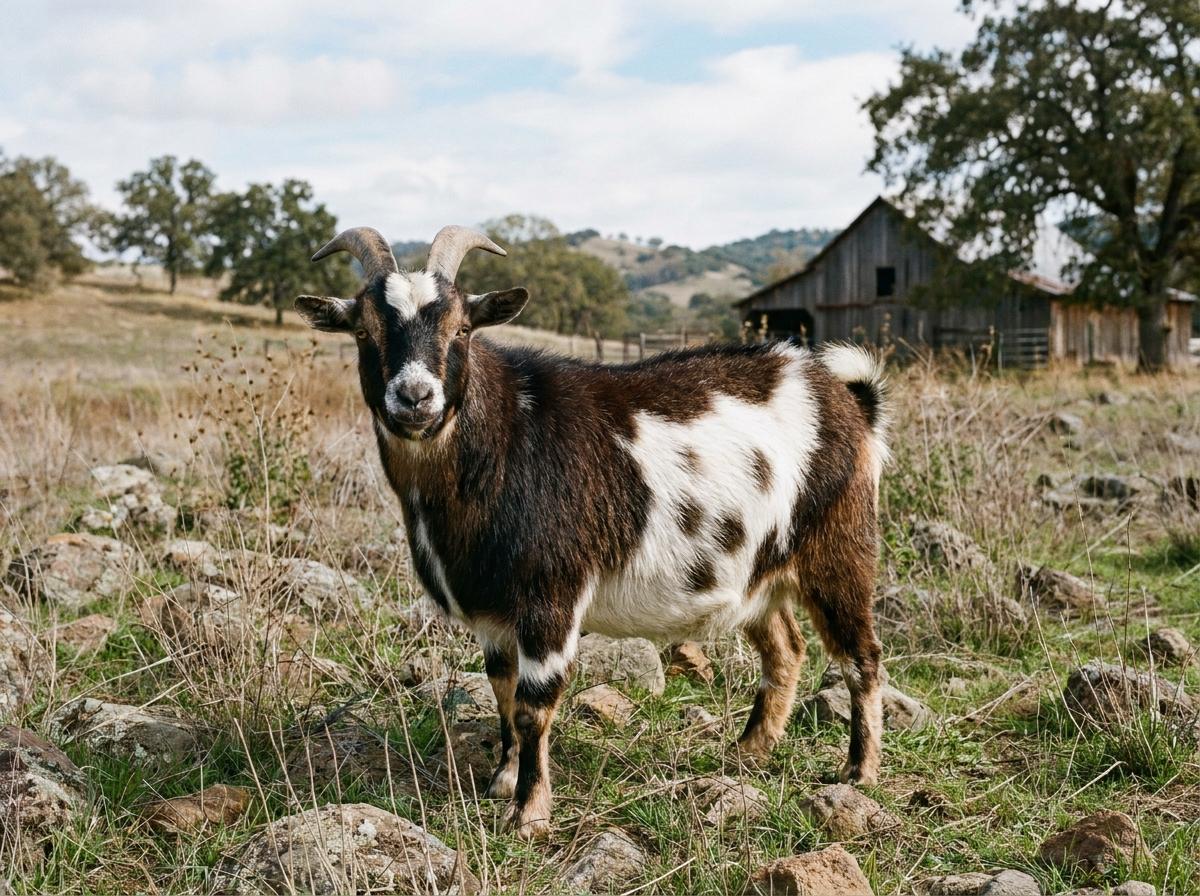
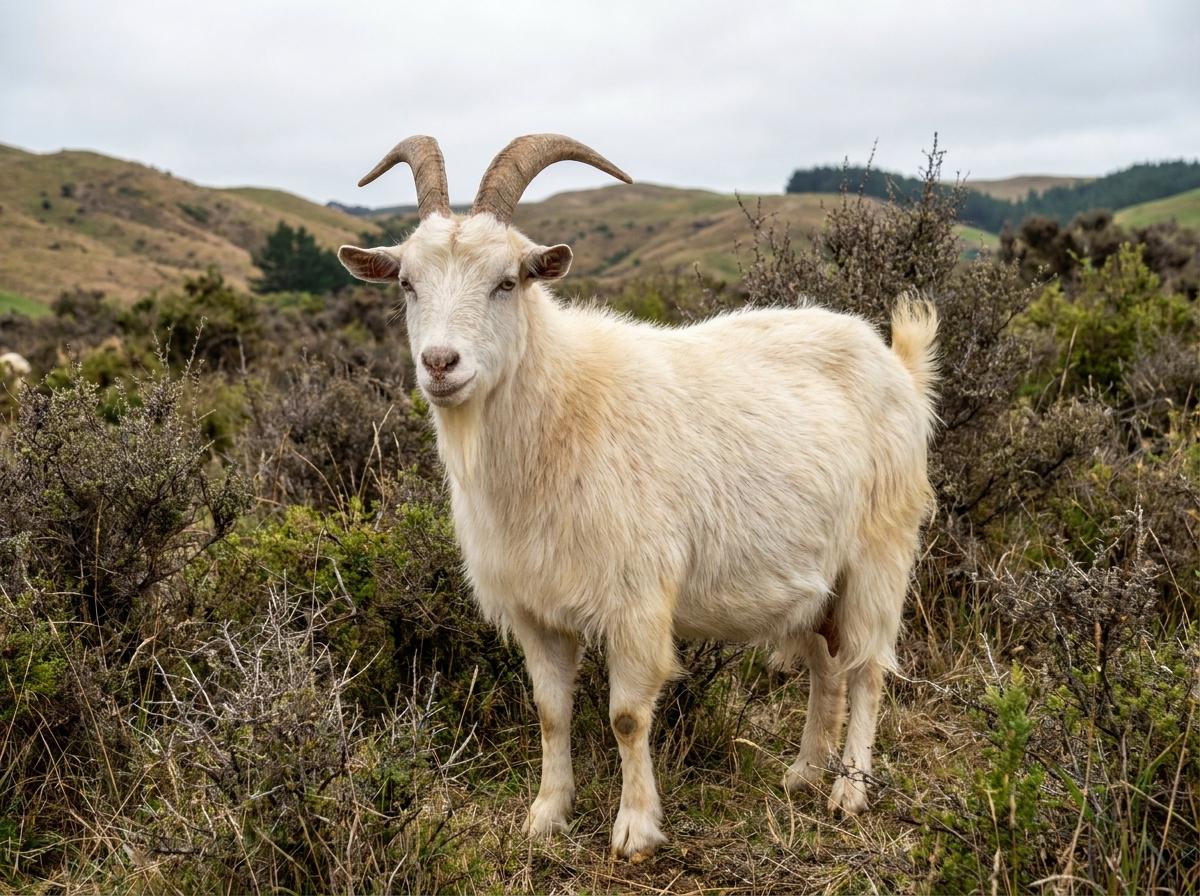
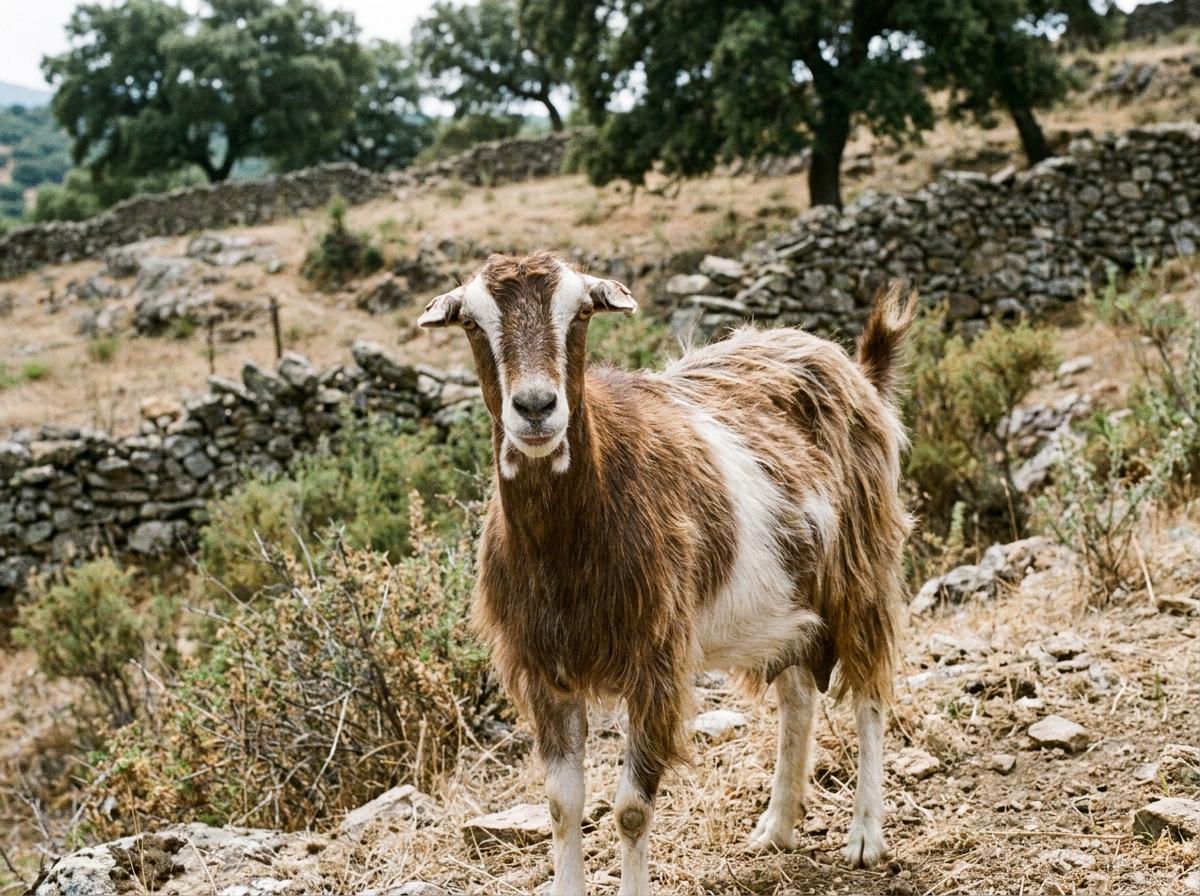
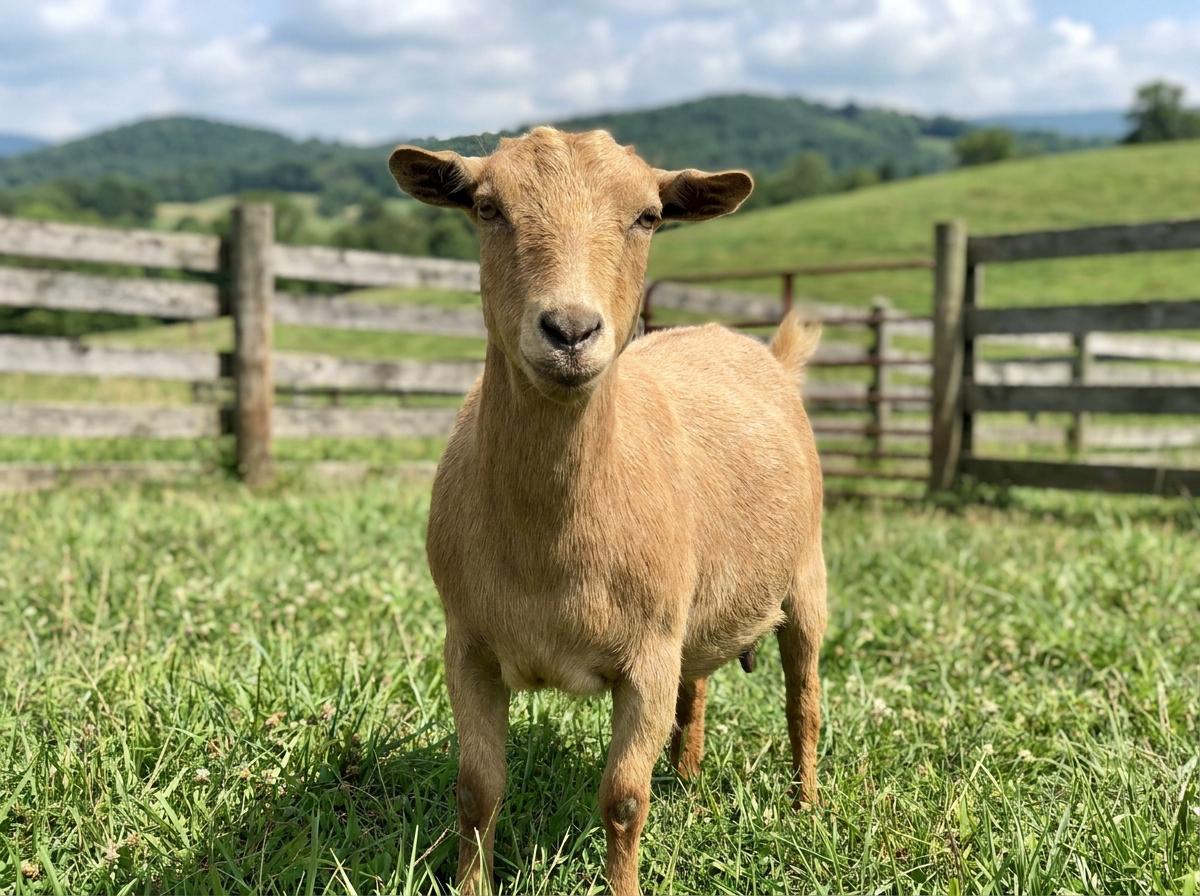
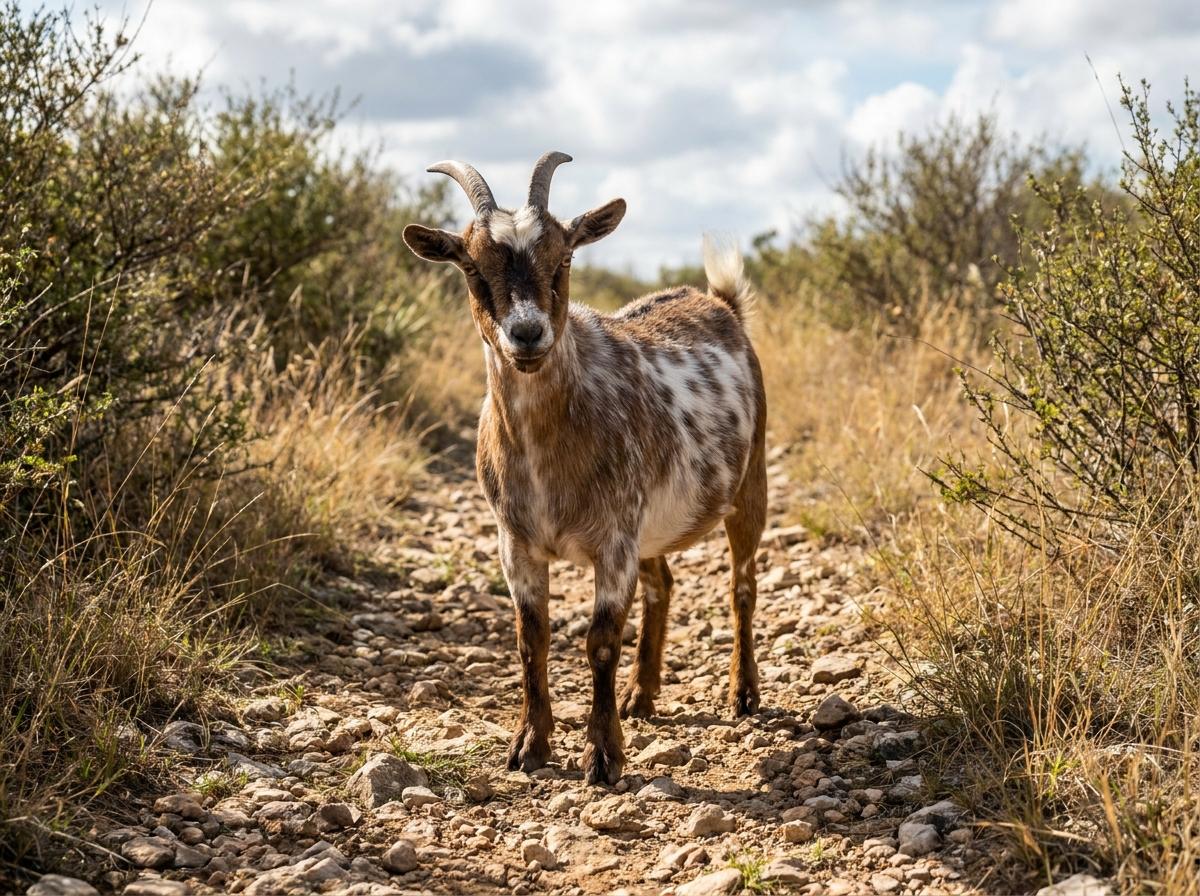
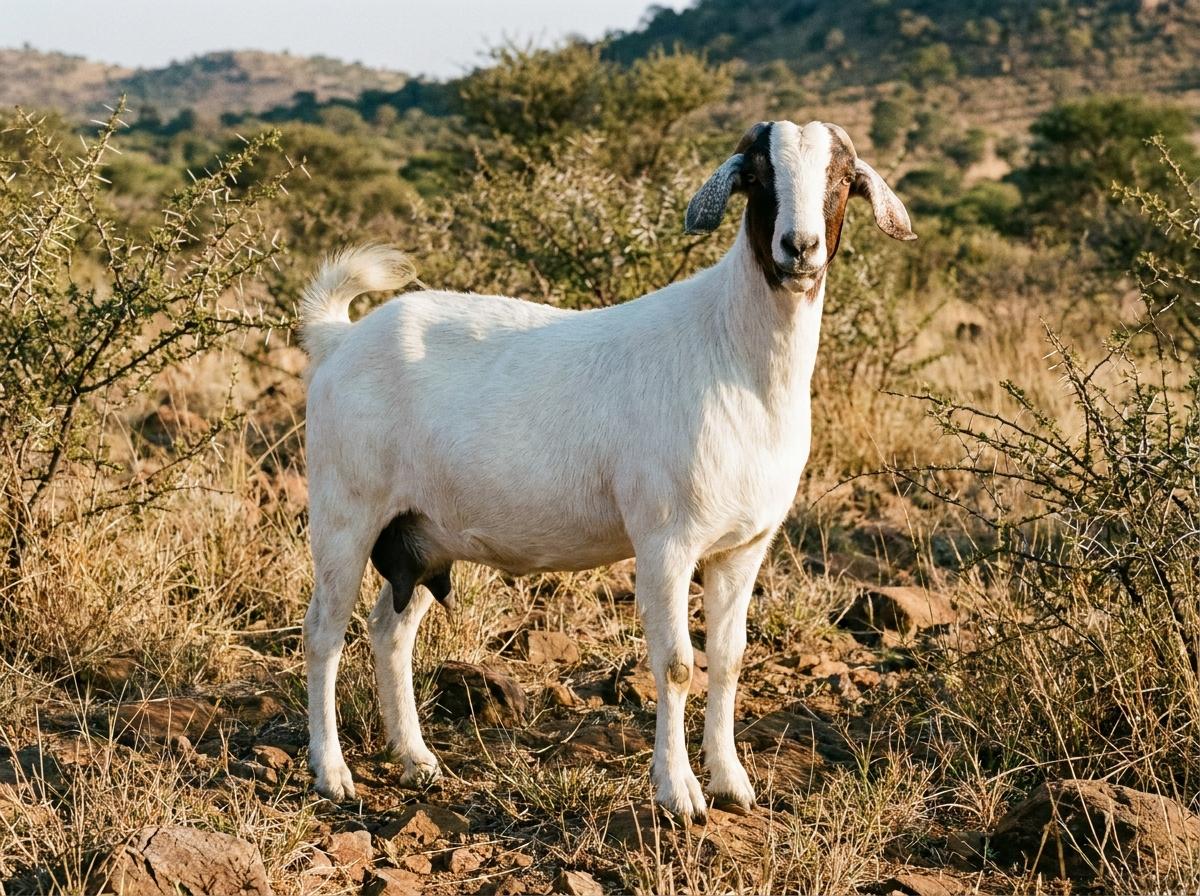
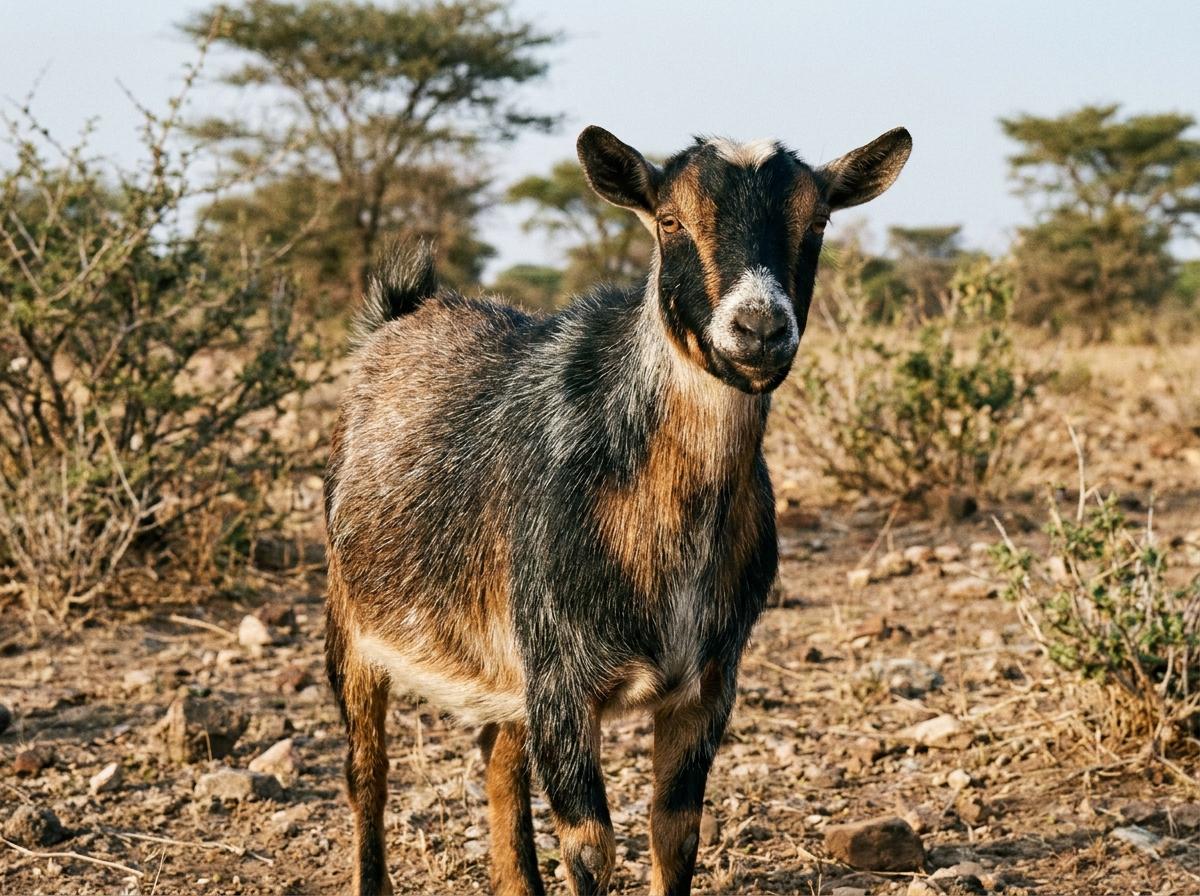
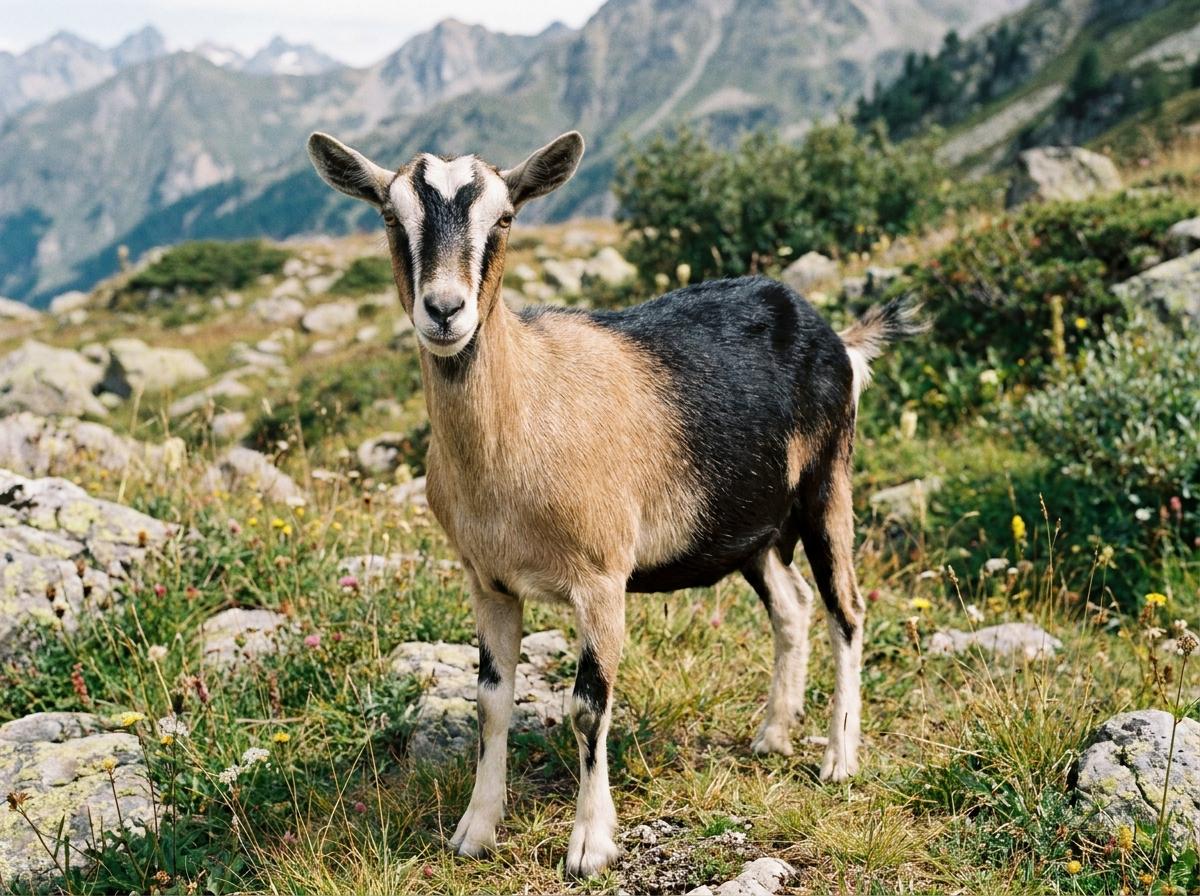
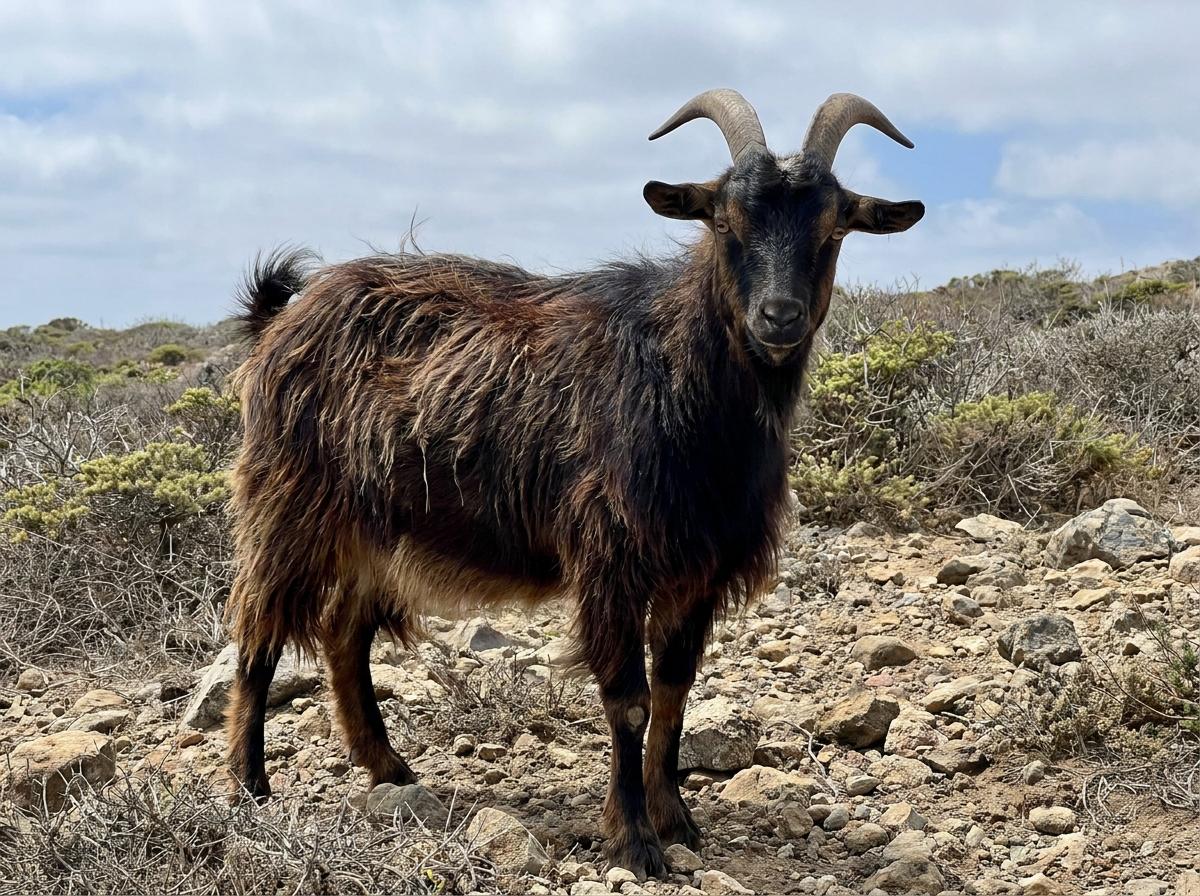
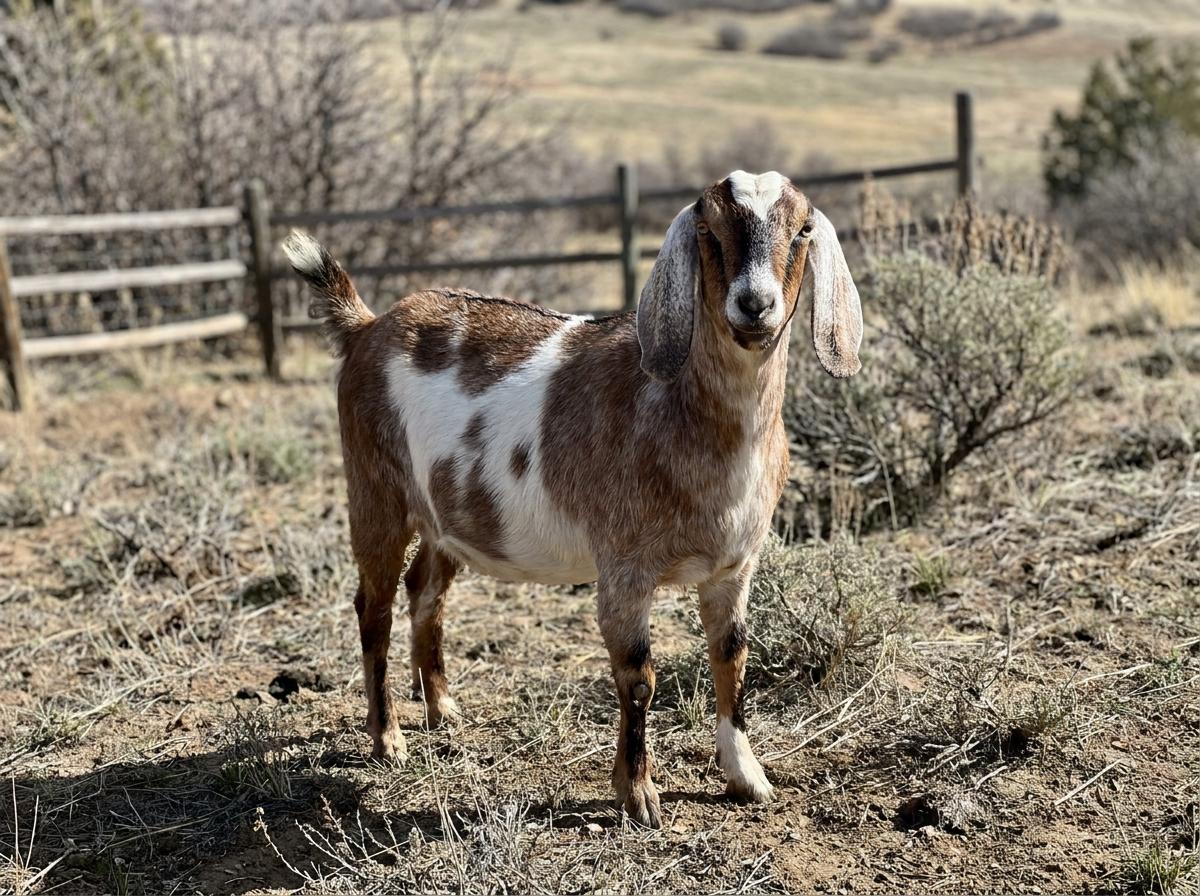
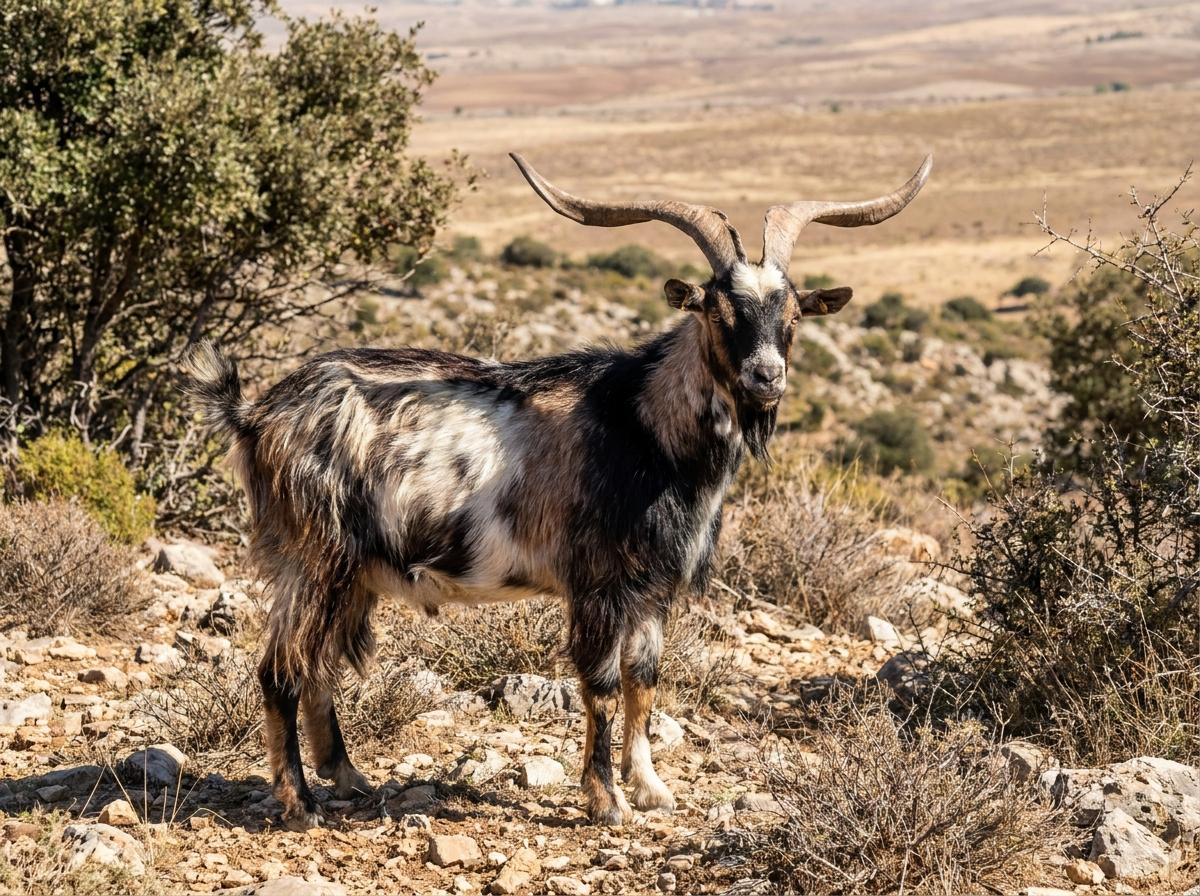
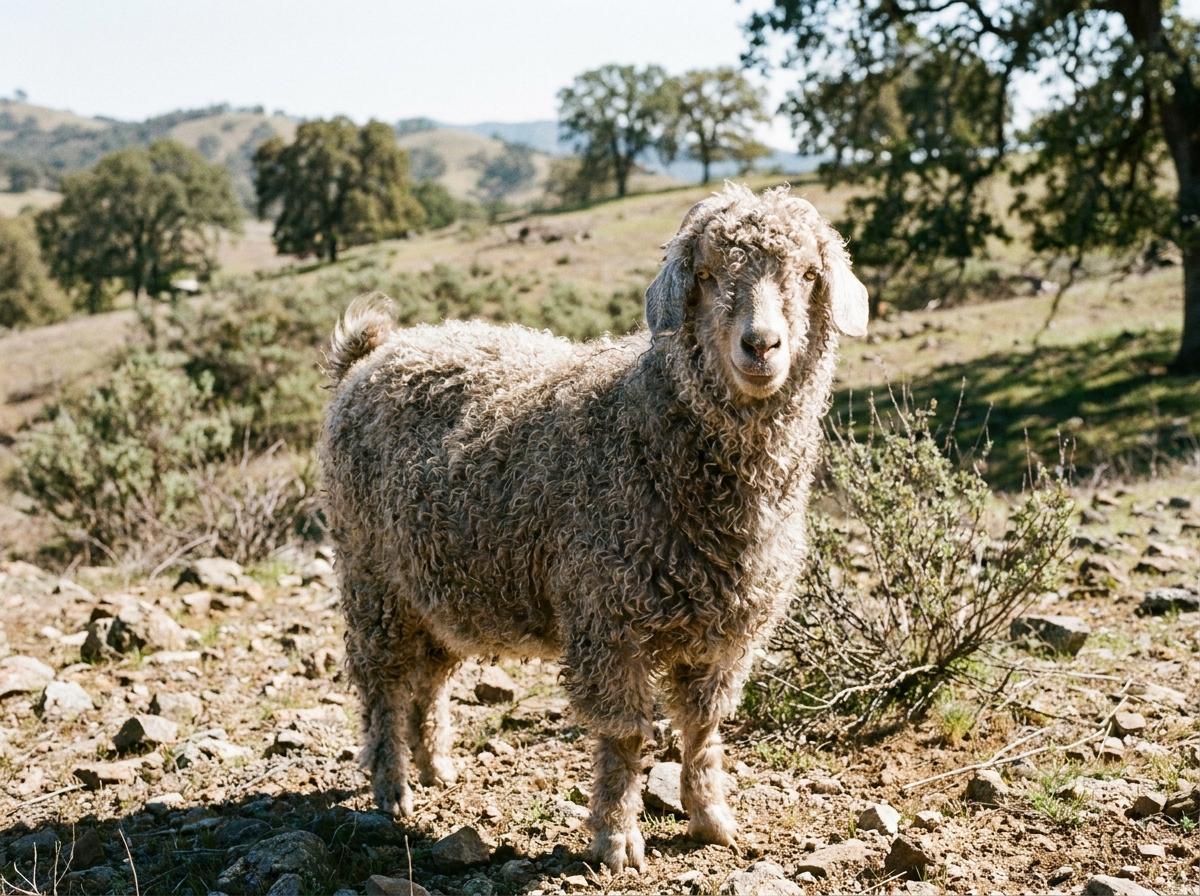
Colors: Belted, Black, Black and White, Brown, Brown and White, Buckskin, Chamoisee, Cou Blanc, Cou Clair, Cream, Fawn, Gold, Moonspotted, Pinto, Red, Red and White, Roan, Spotted, Sundgau, Swiss Marked, Tan, White