


Bhuj
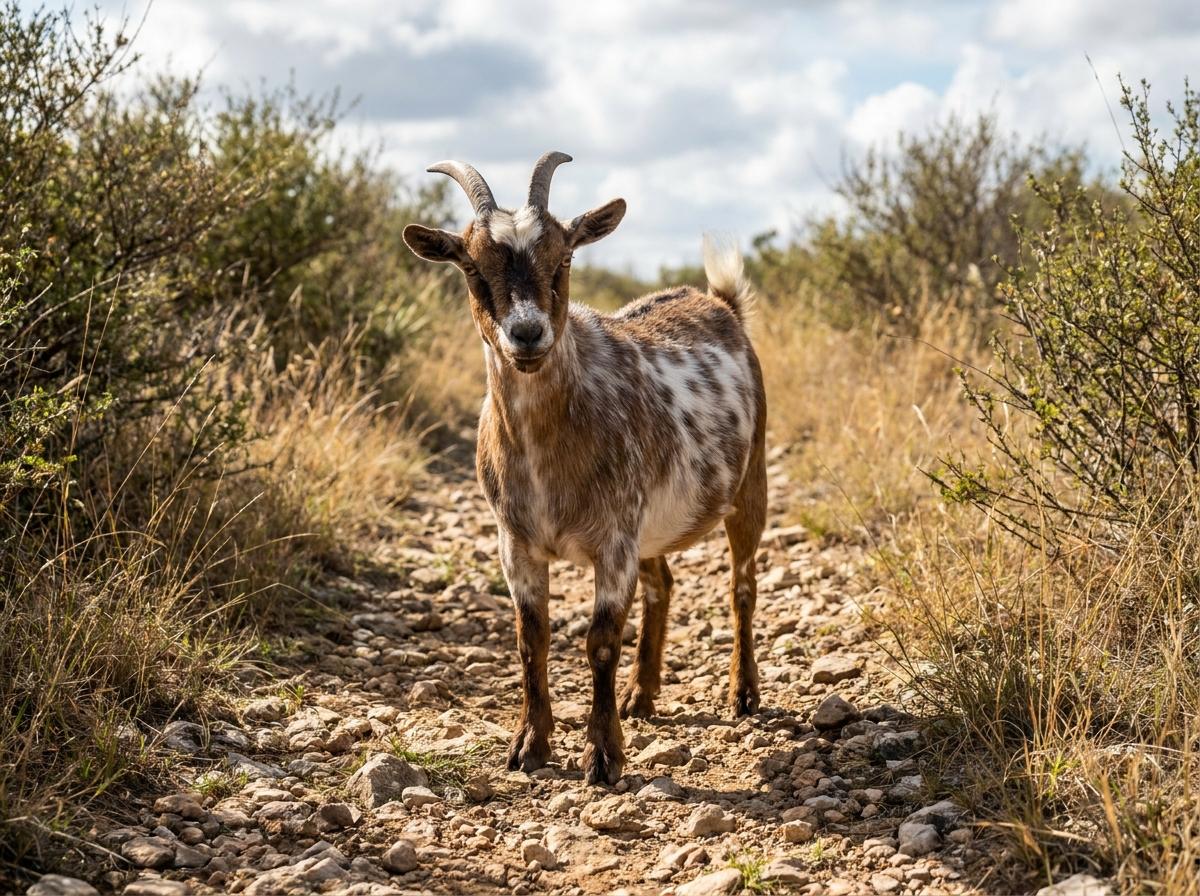
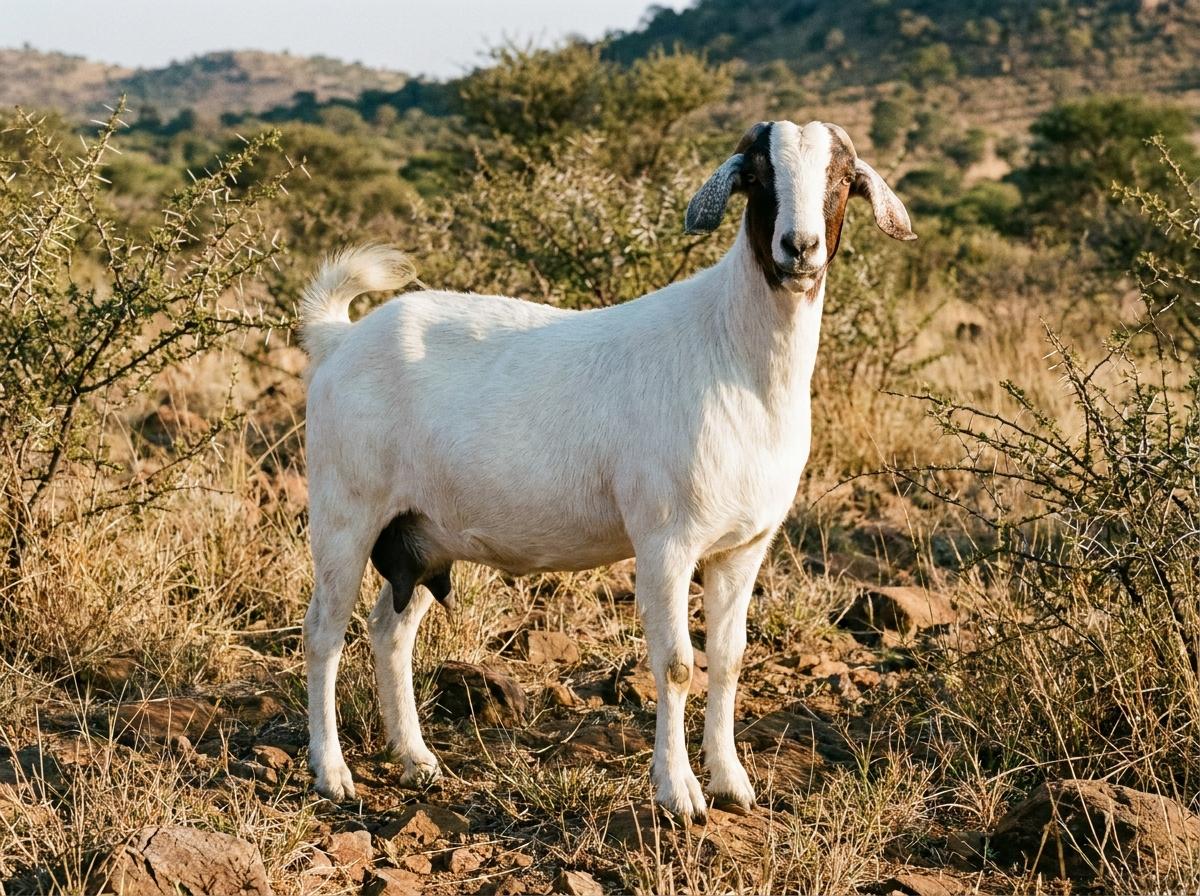
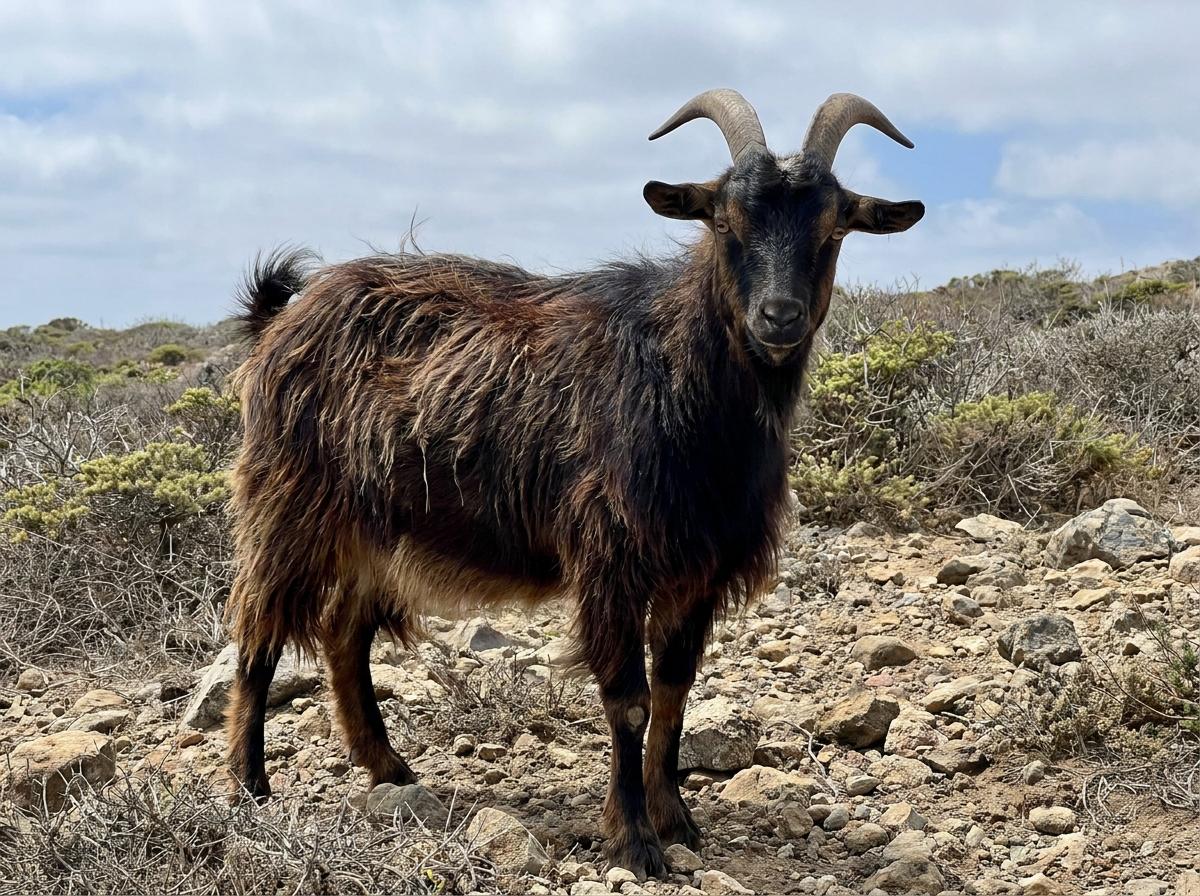
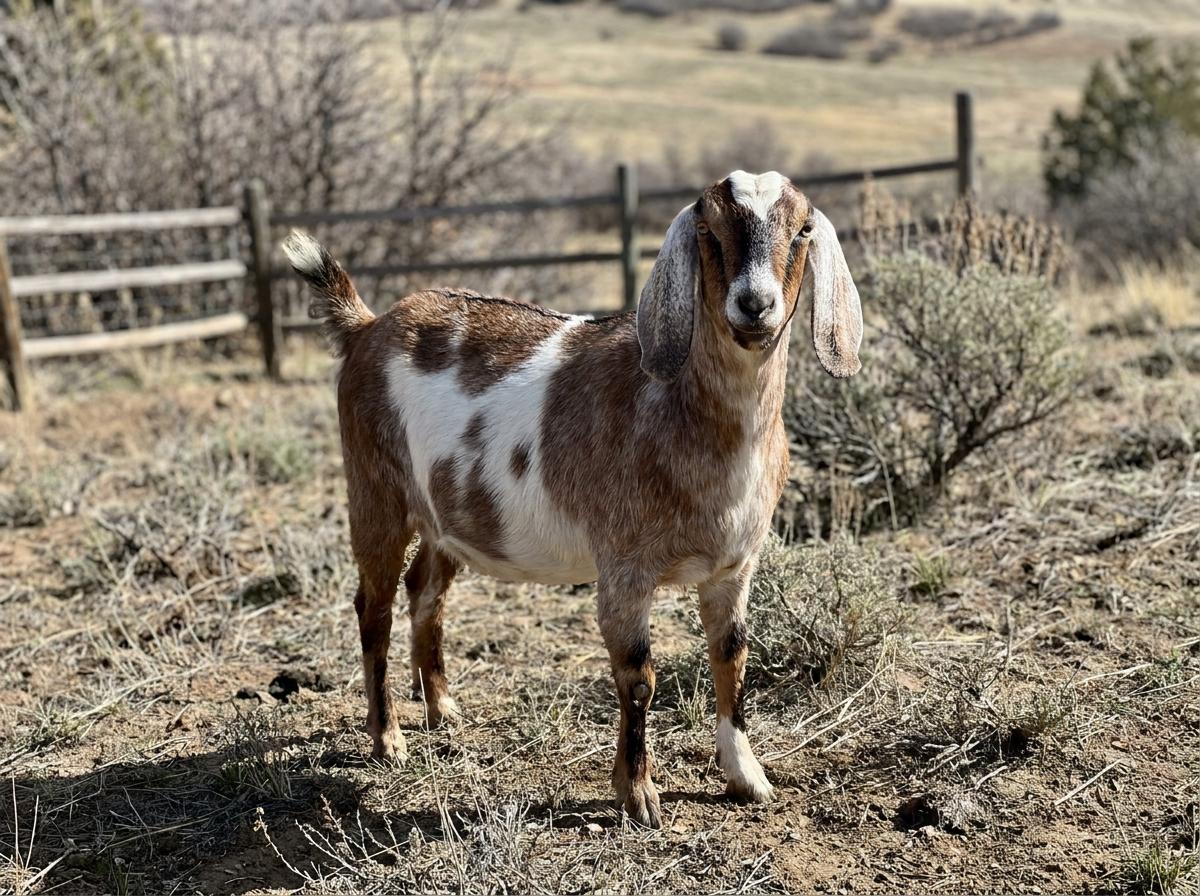
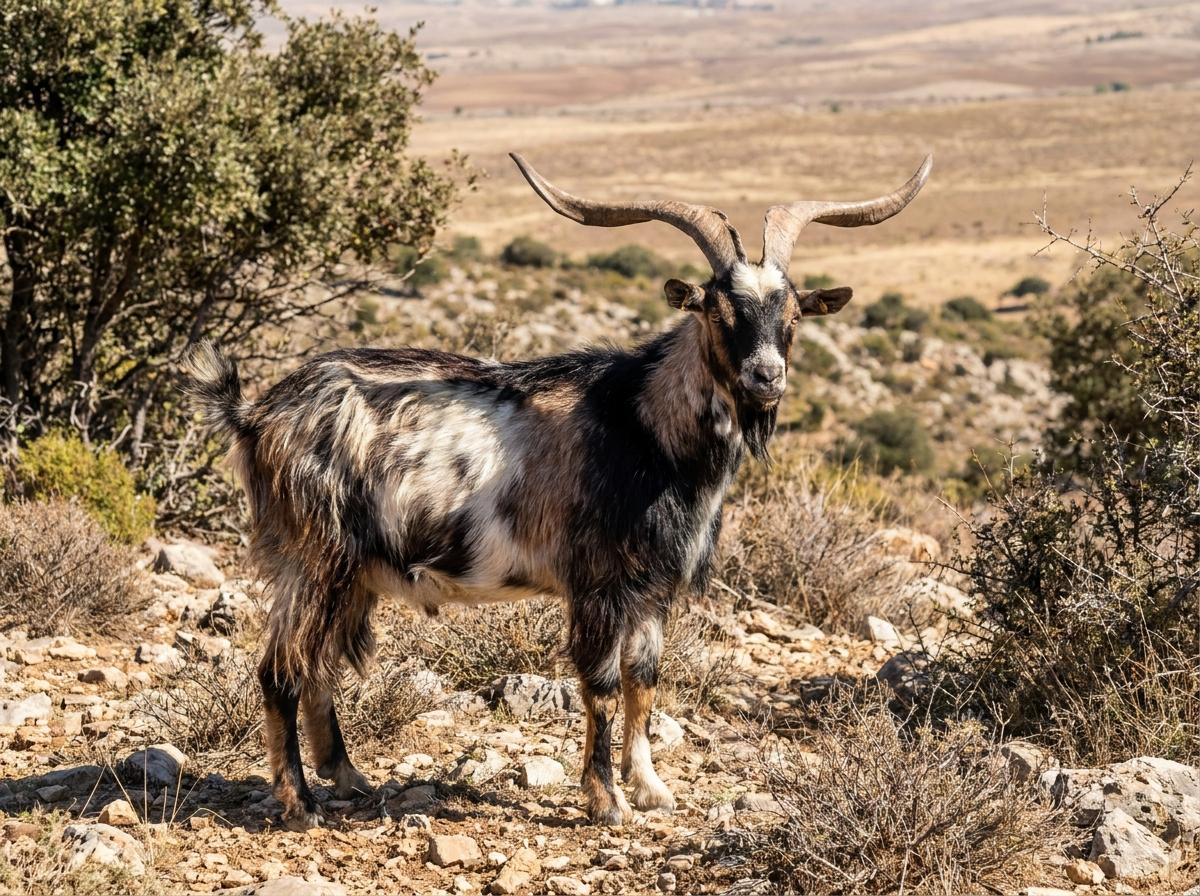
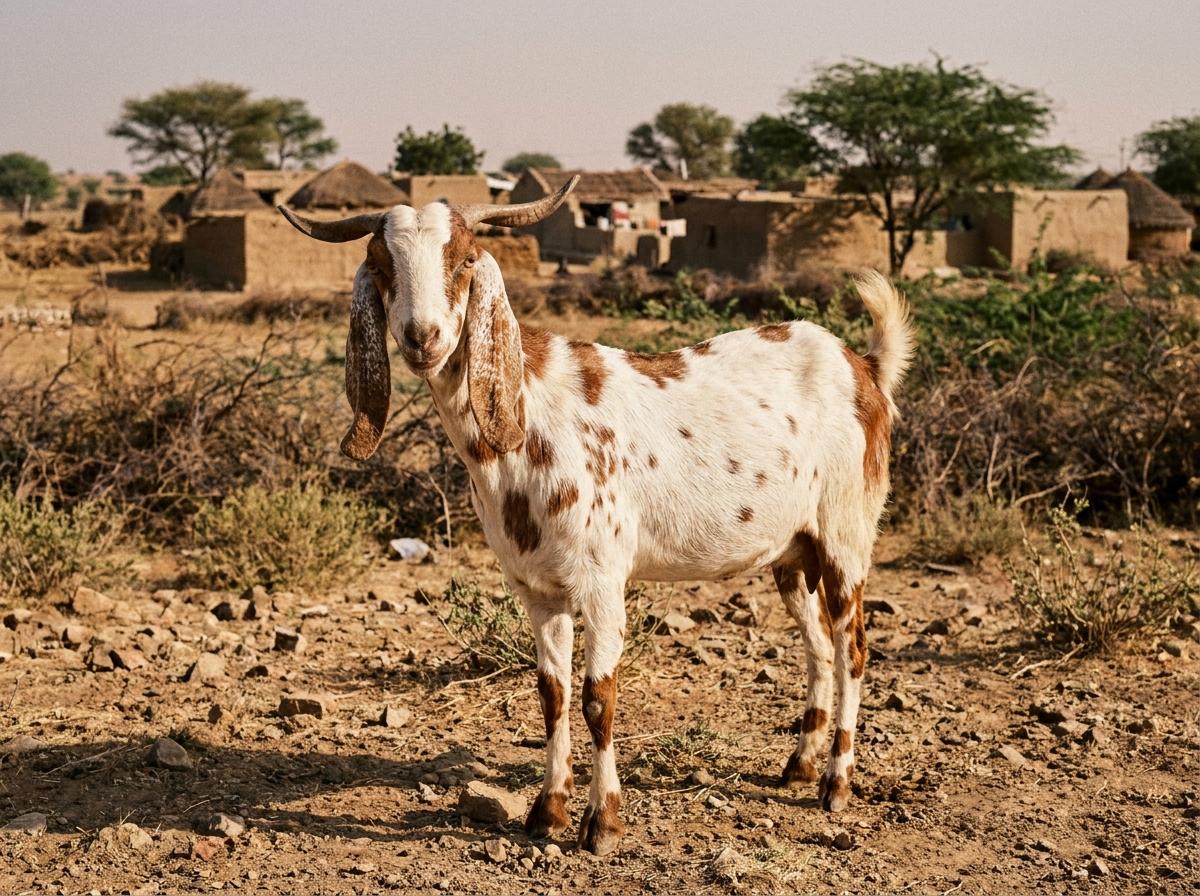
The Bhuj goat takes its name from Bhuj in the Kutch region of Gujarat, India, though the name is also encountered in Brazilian accounts of goats descended from Indian imports. It is usually described as a tall, rangy meat-and-milk goat with Indo-Pakistani dairy influence: a convex face, long pendulous ears, and a dark coat that may include white or pale markings on the ears, face, or legs. Documentation varies by country, so Bhuj is better understood as a regional type than as a globally uniform breed.
Bhuj goats are most useful where heat tolerance, browsing ability, and a frame large enough for both milk and kid growth are valued. They still need better feed during late pregnancy and lactation, as large-bodied goats lose condition quickly on poor forage. Selection should emphasize sound legs, well-attached udders, and animals that breed reliably in the local climate. Buyers should verify whether a herd is maintaining Bhuj ancestry or using the name for general Indian-type crossbred goats.
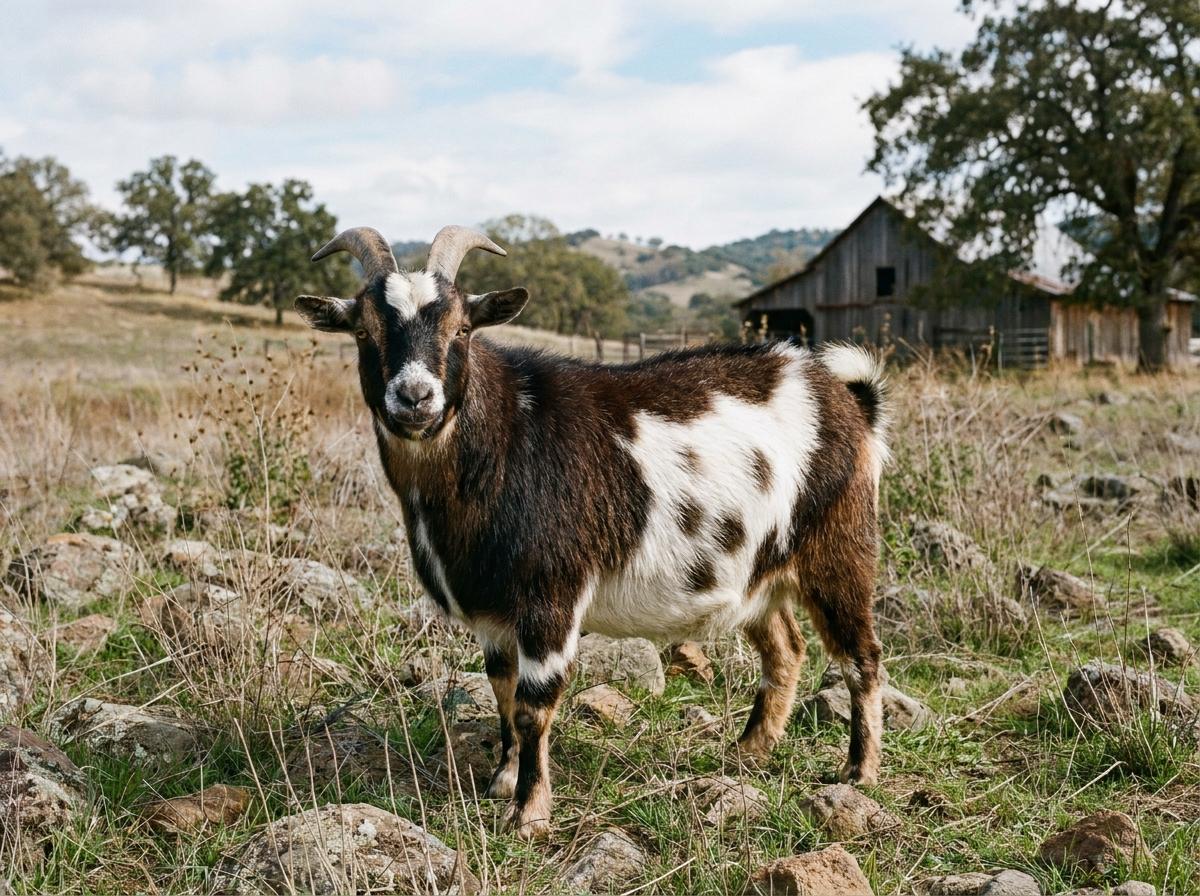
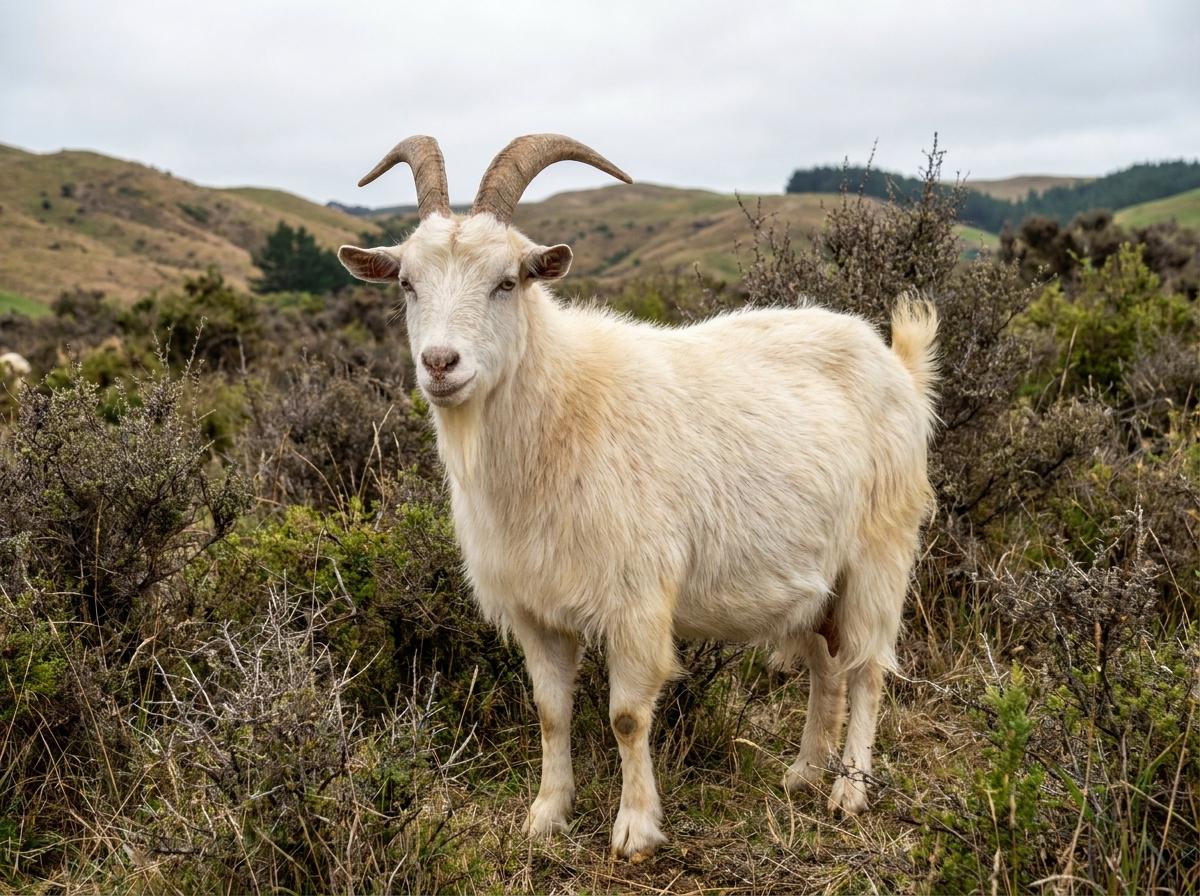
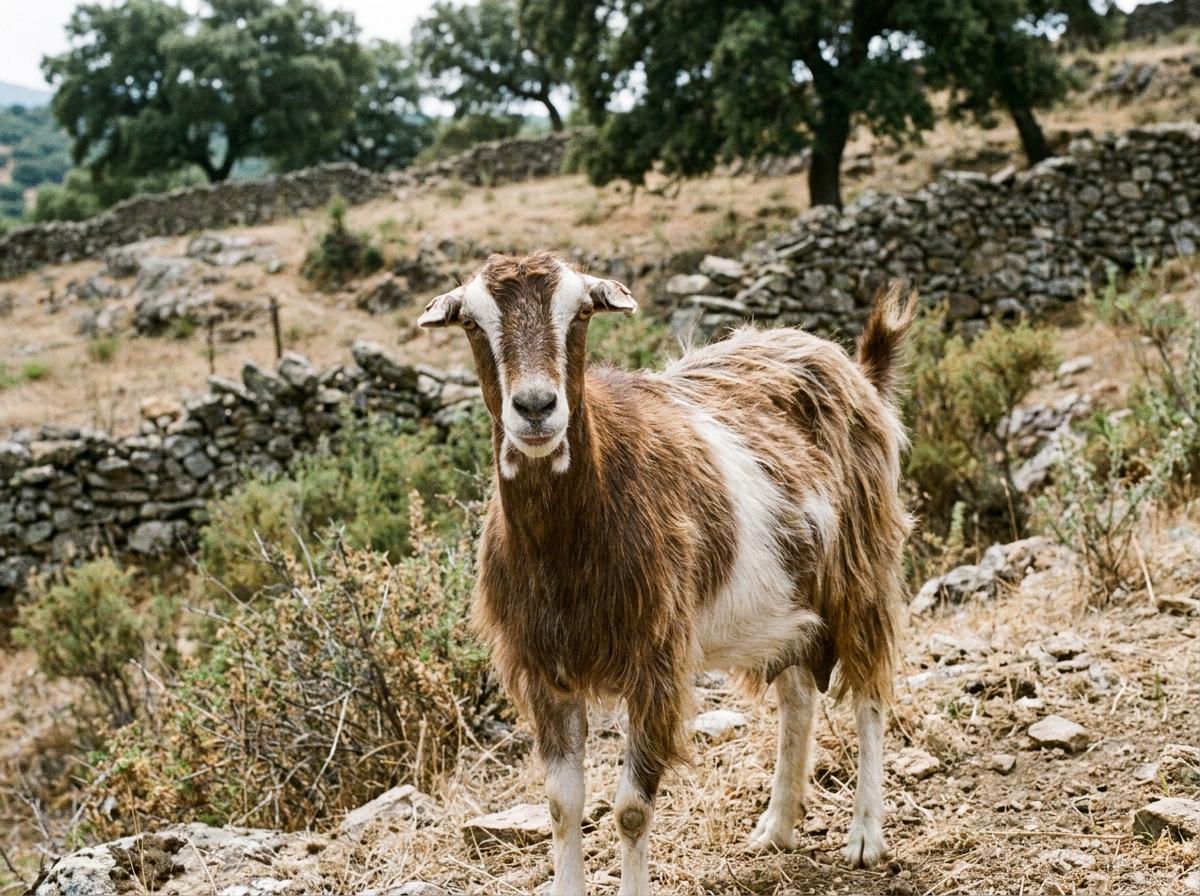
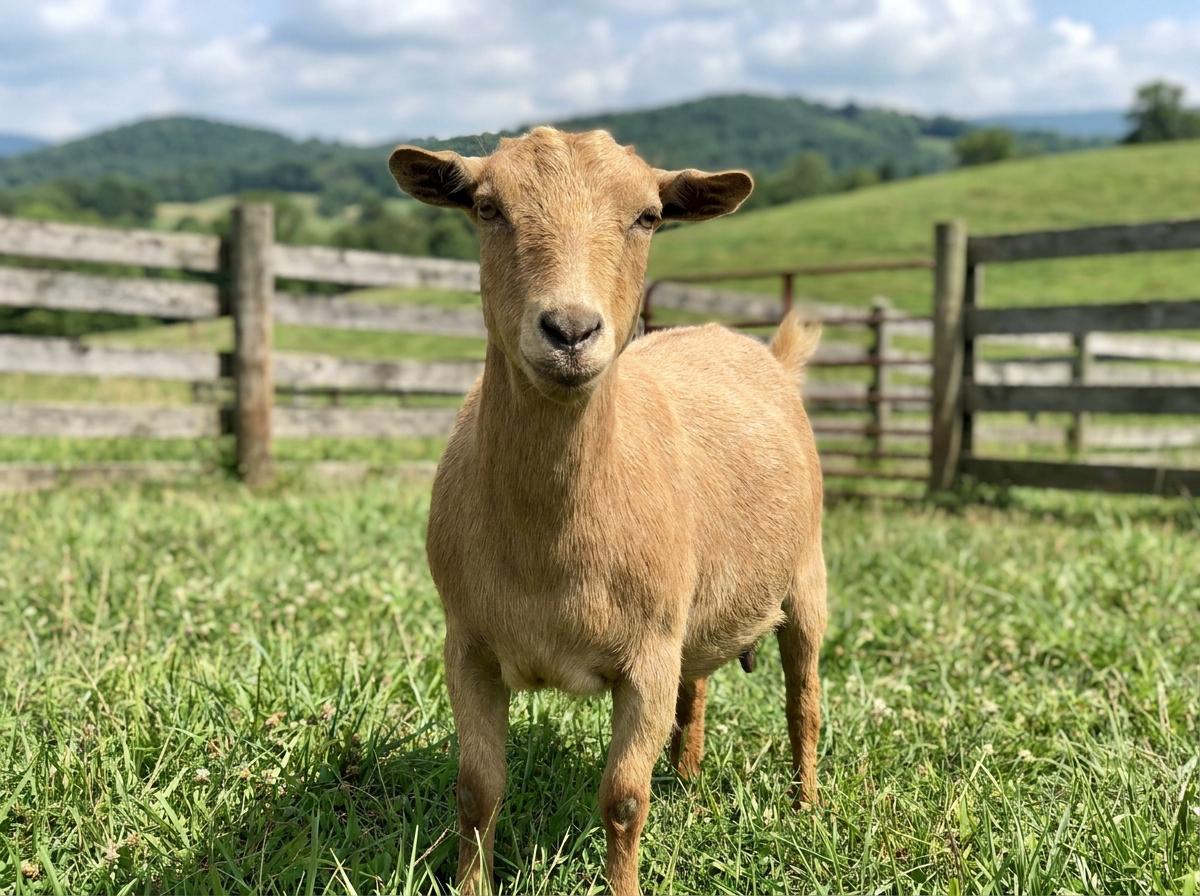
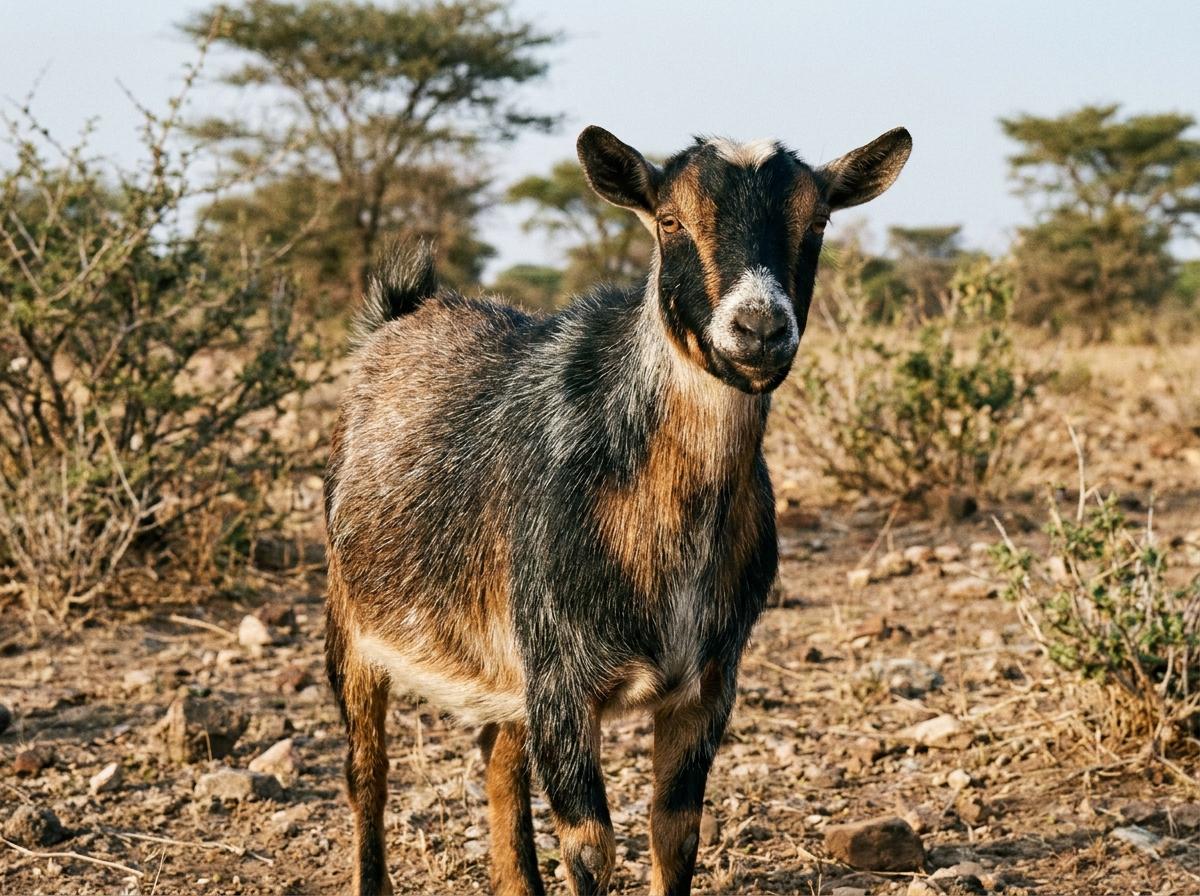
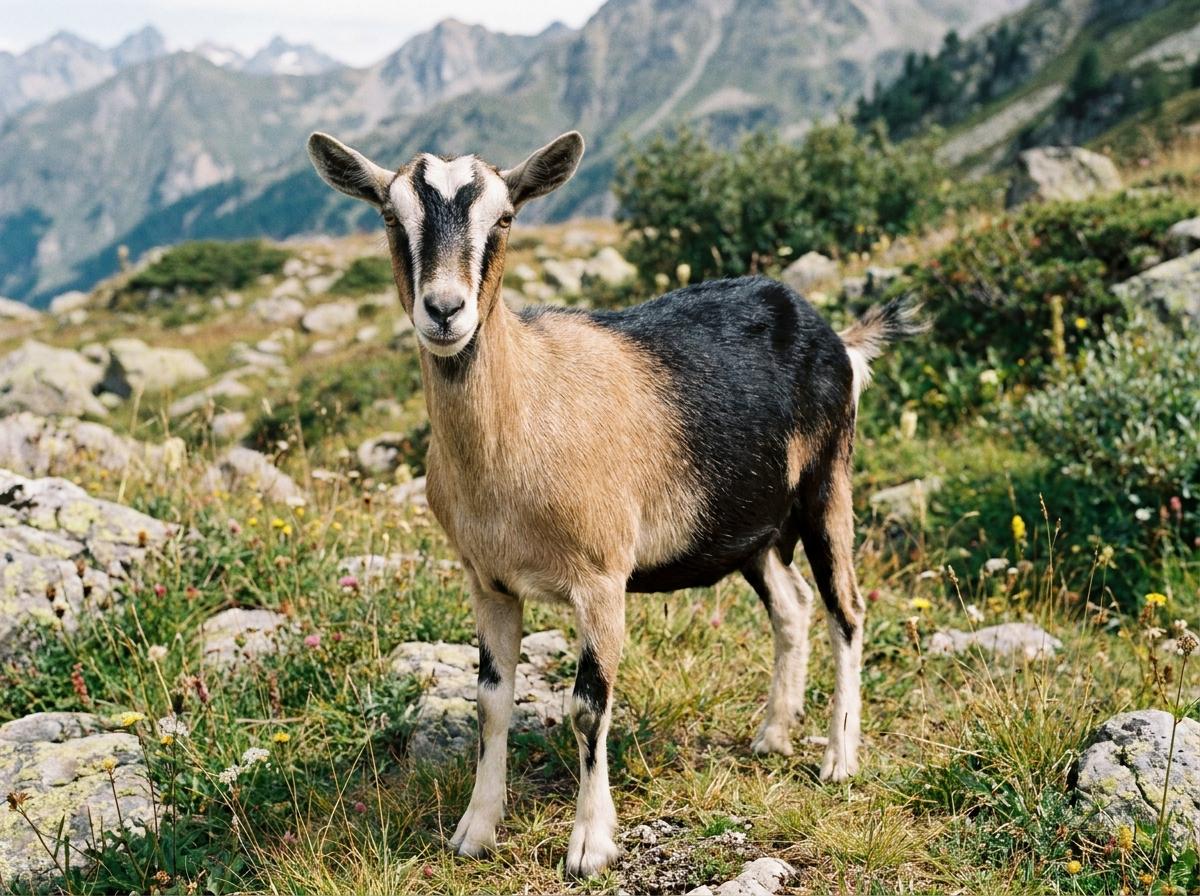
Colors: Belted, Black, Black and White, Brown, Brown and White, Buckskin, Chamoisee, Cou Blanc, Cou Clair, Cream, Fawn, Gold, Moonspotted, Pinto, Red, Red and White, Roan, Spotted, Sundgau, Swiss Marked, Tan, White