

British Primitive
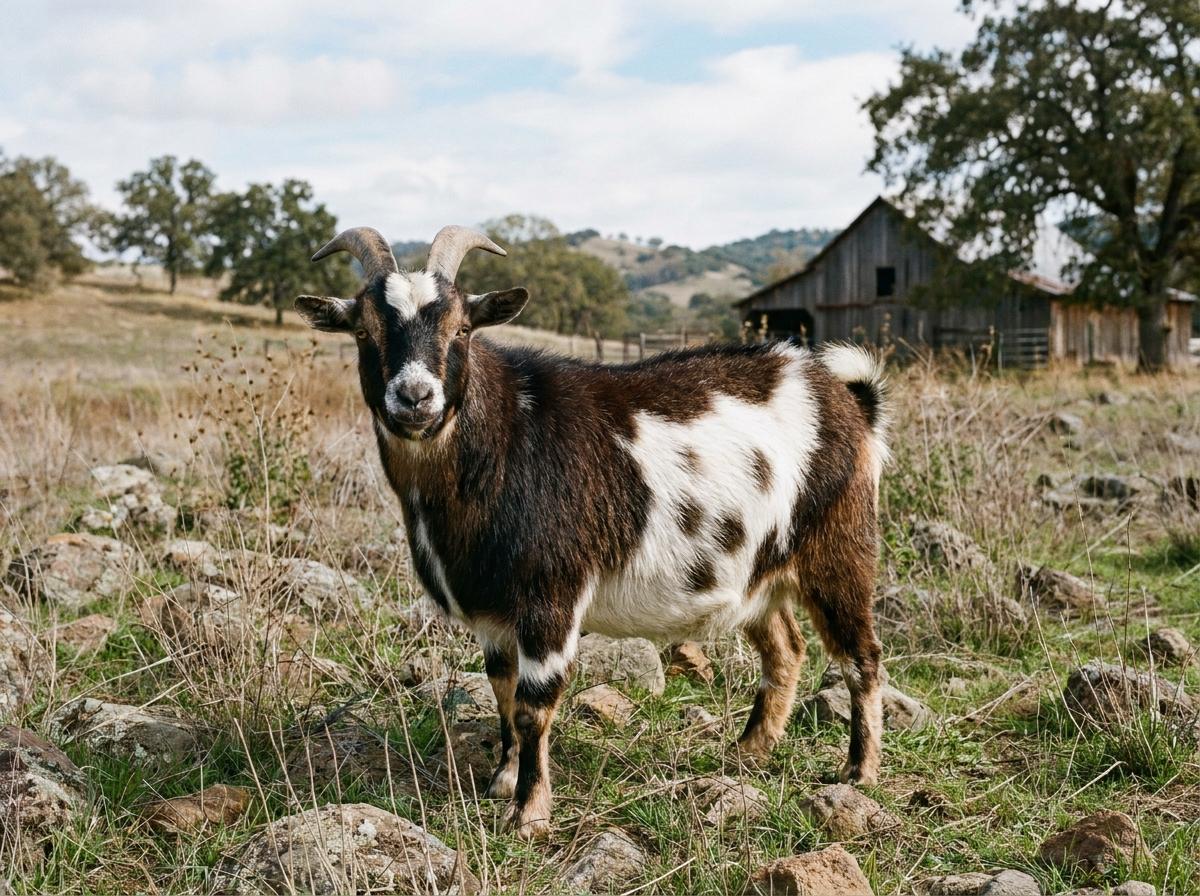
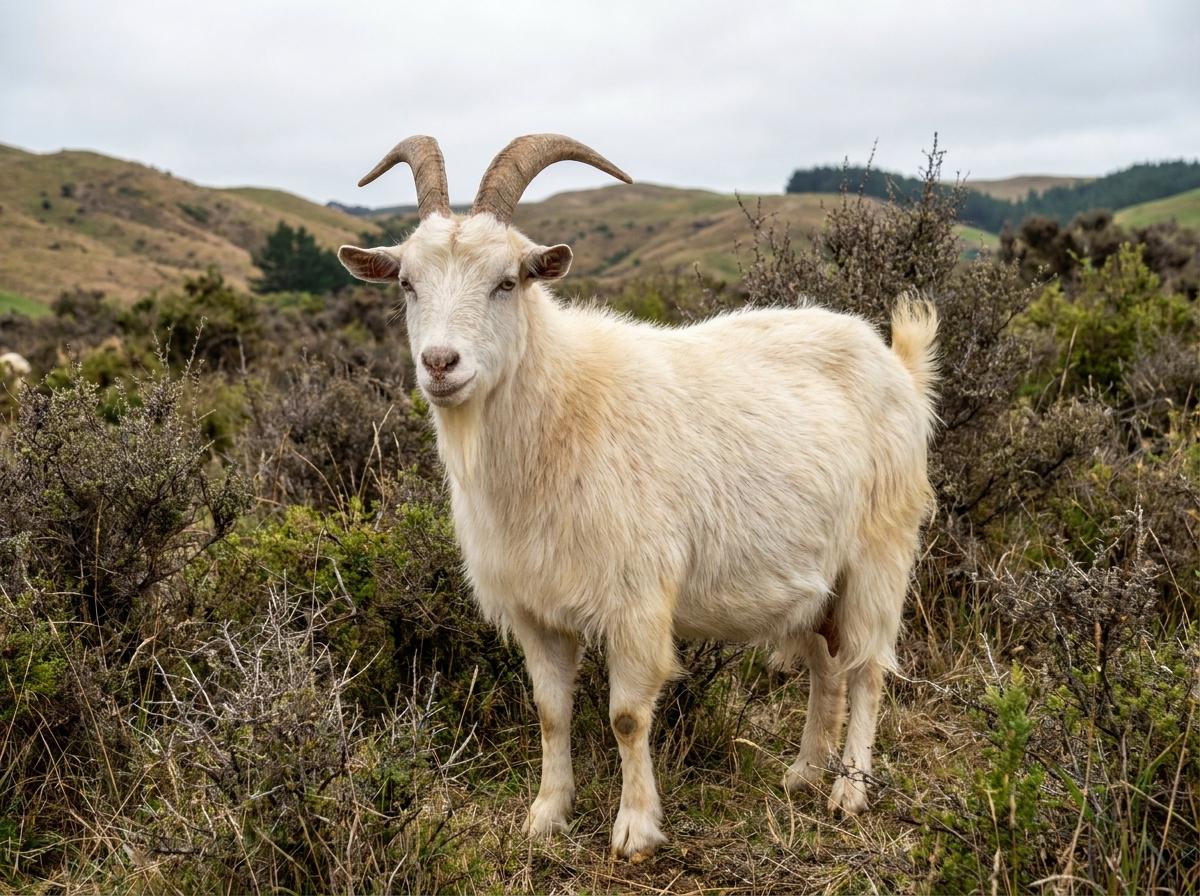
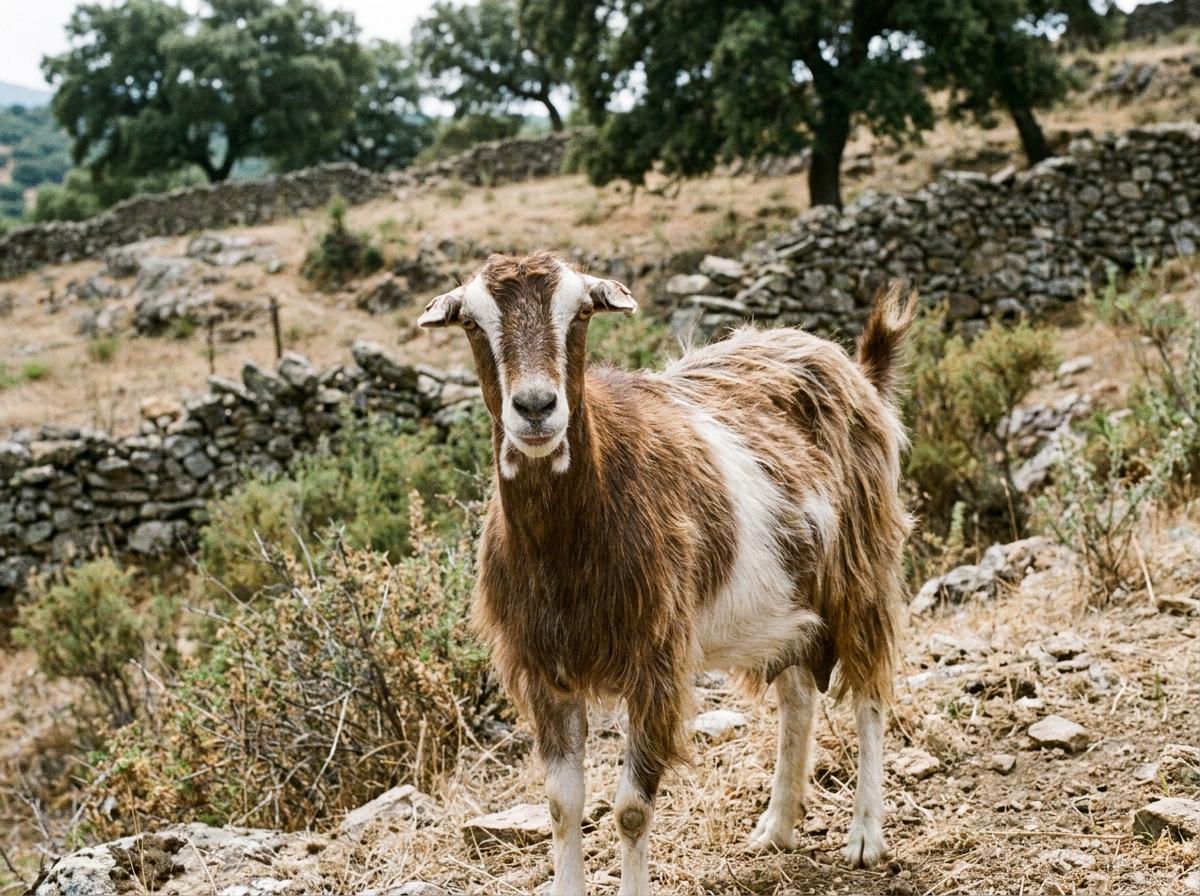
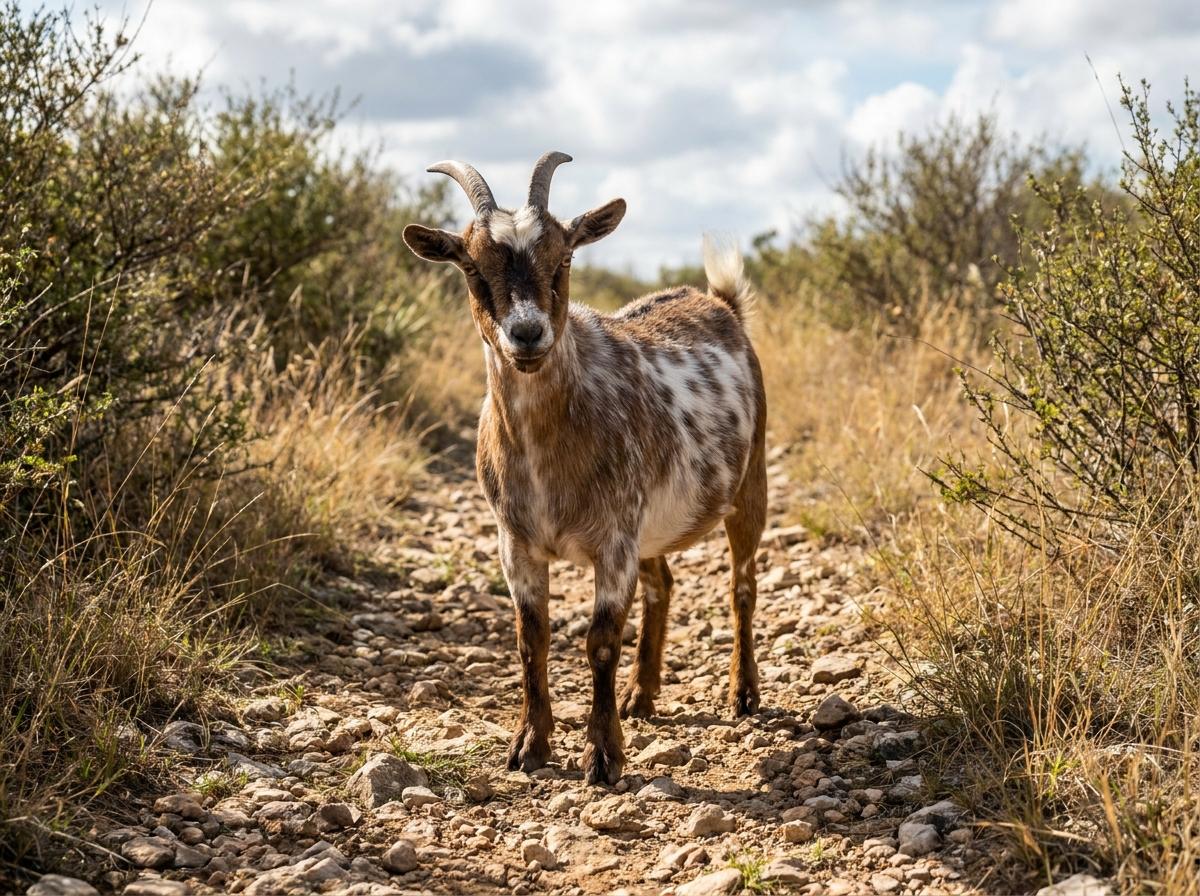
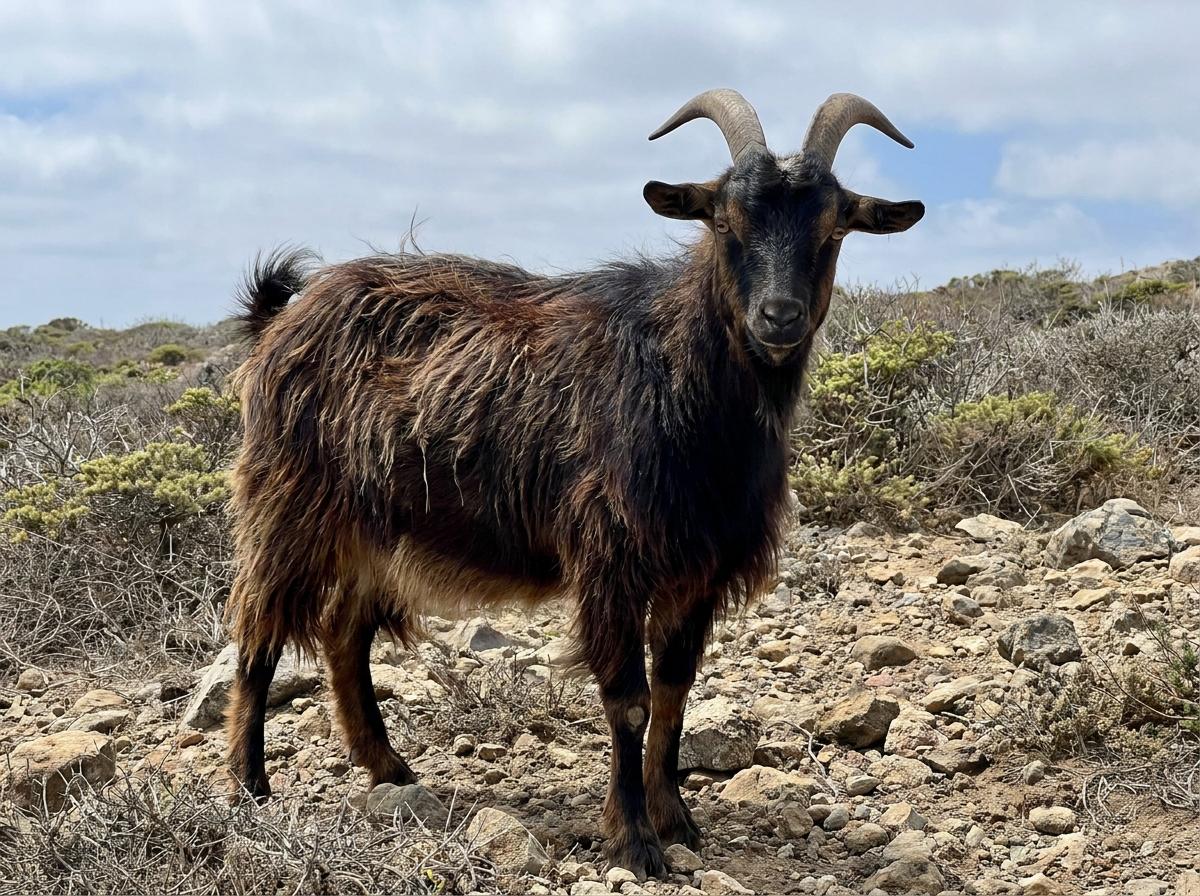
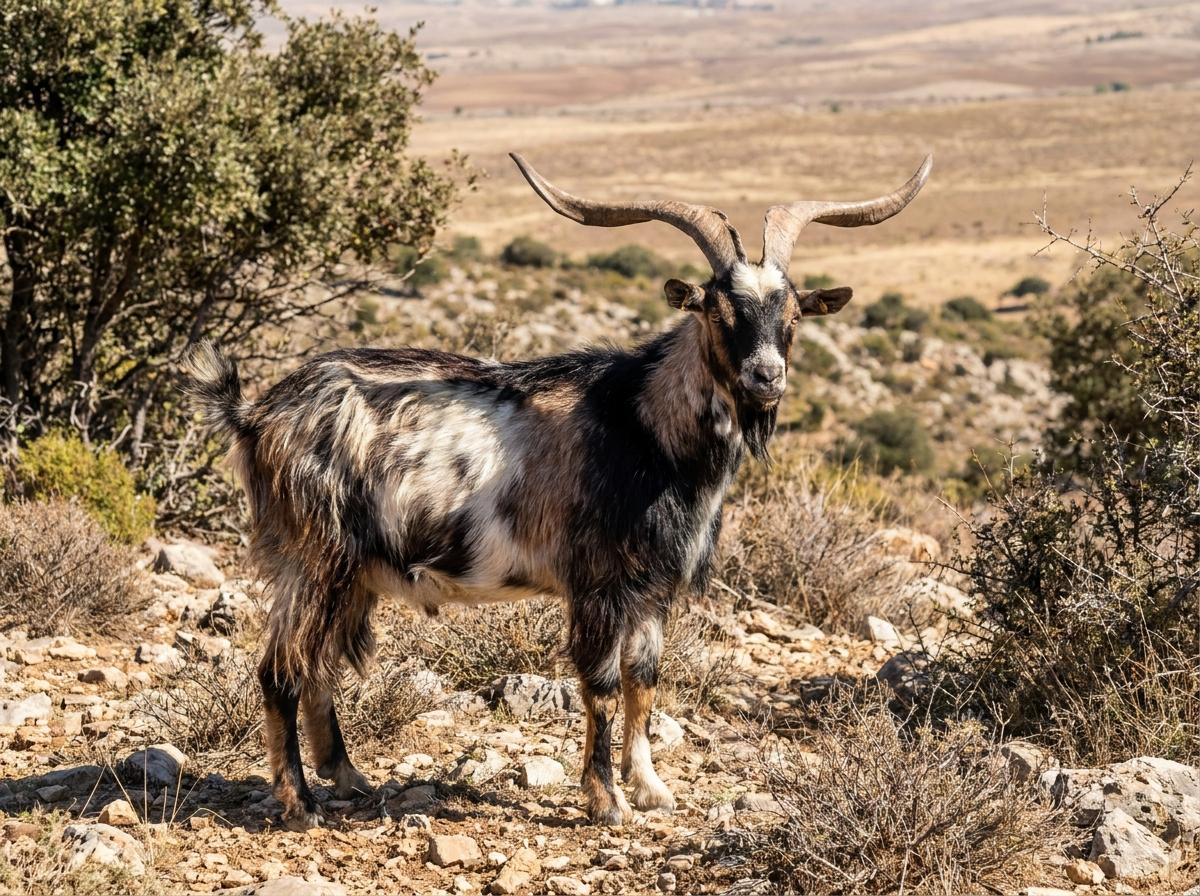
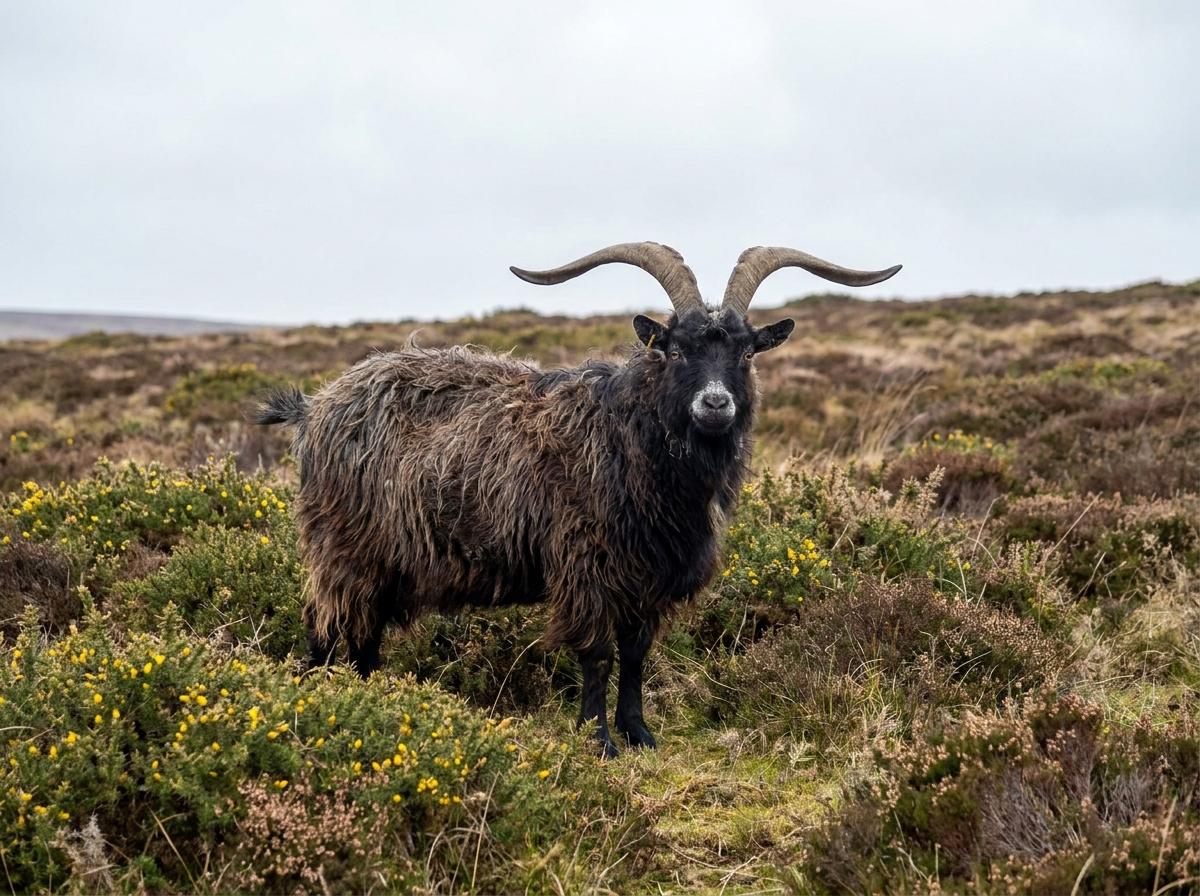
British primitive goats are a hardy landrace type representing the small, horned goats that survived for centuries in parts of Britain and Ireland before modern dairy and meat breeds became dominant. The label is used for conservation-bred animals and for some feral populations that show old native traits rather than for one uniform commercial breed. They are usually compact, sure-footed, and seasonal in appearance, with strong horns, dense winter coats, beards, and variable black, brown, gray, or pied coloring.
People keep British primitive goats for conservation grazing, rare-breed preservation, historical interest, and low-input browsing rather than high milk yield. They cope well on rough pasture when they have shelter from prolonged wet weather and access to minerals, but they are alert animals that require strong fencing and patient handling. Breeding decisions often focus on maintaining hardiness, horn shape, coat, and feral-type behavior while avoiding close inbreeding. Anyone taking animals from semi-wild herds should plan quarantine and check local rules on movement, identification, and health testing.
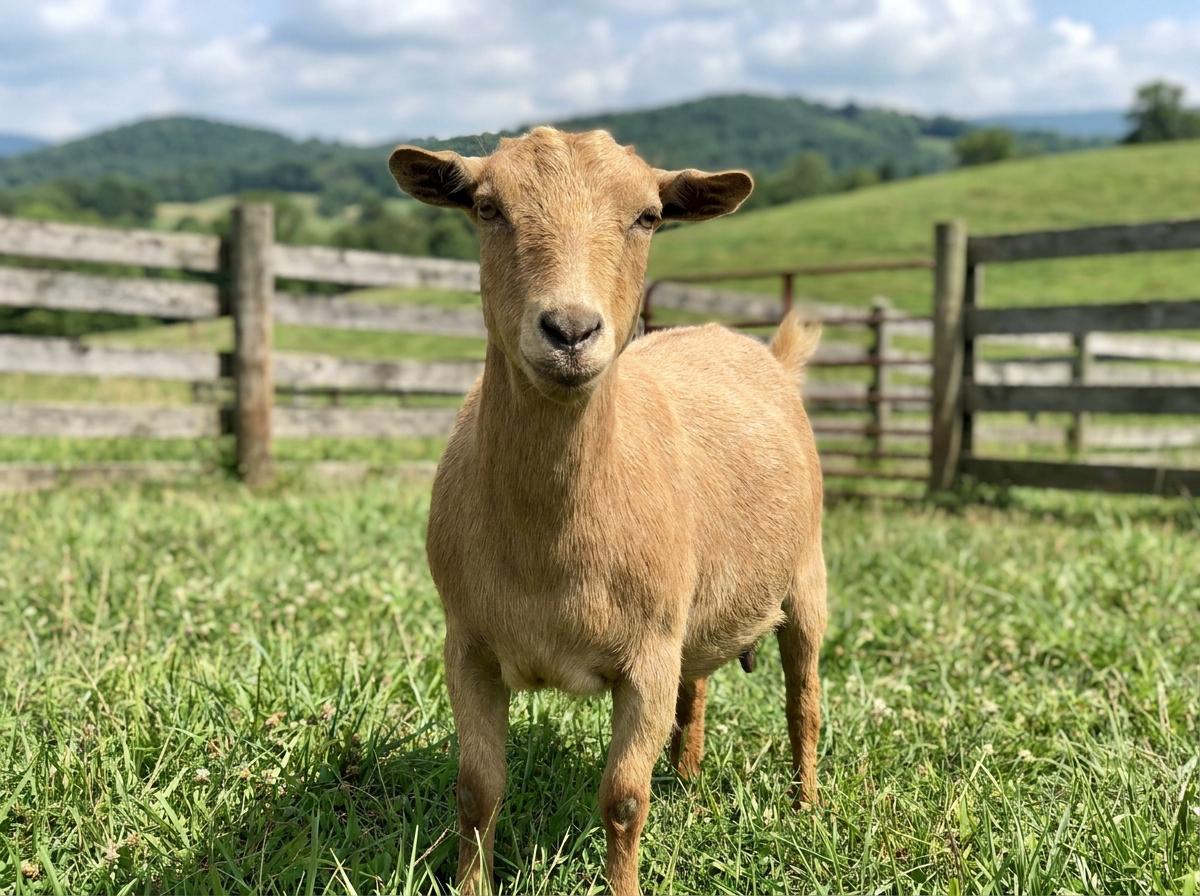
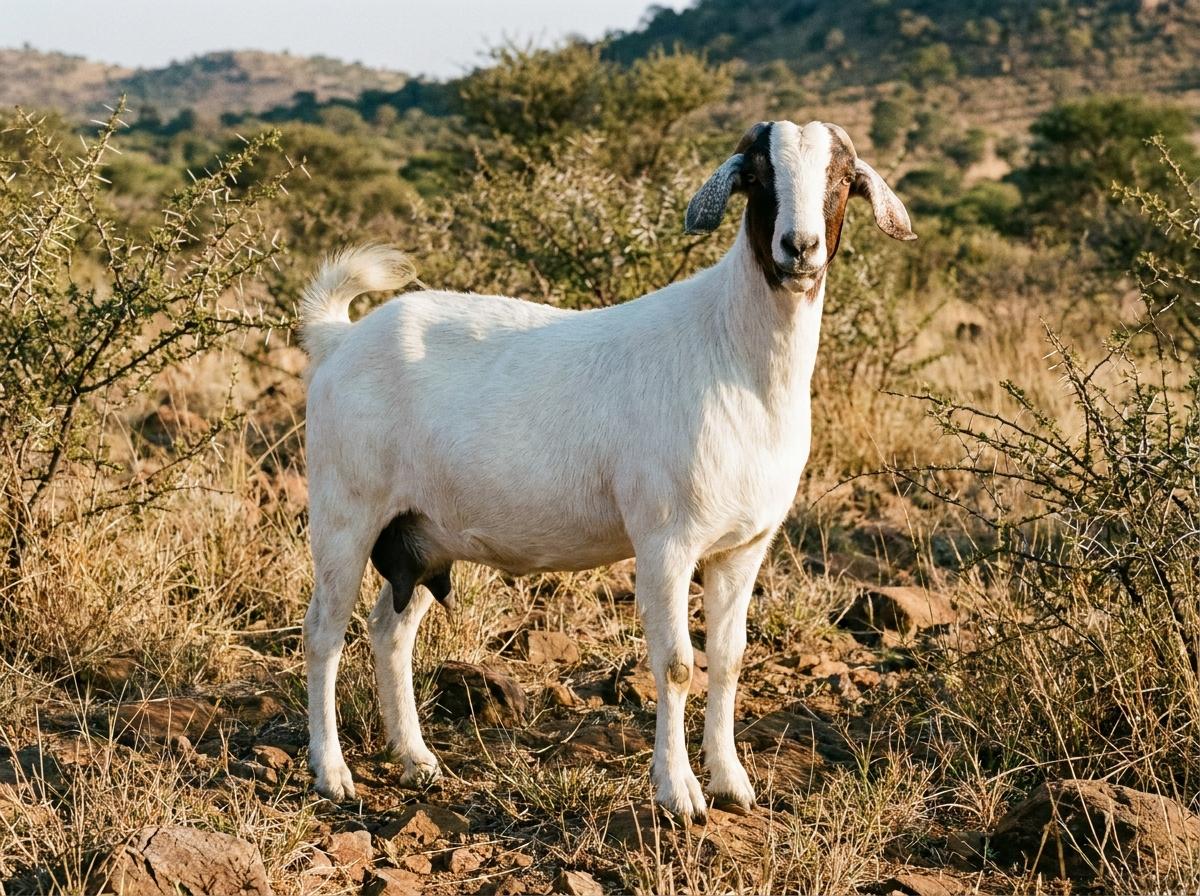
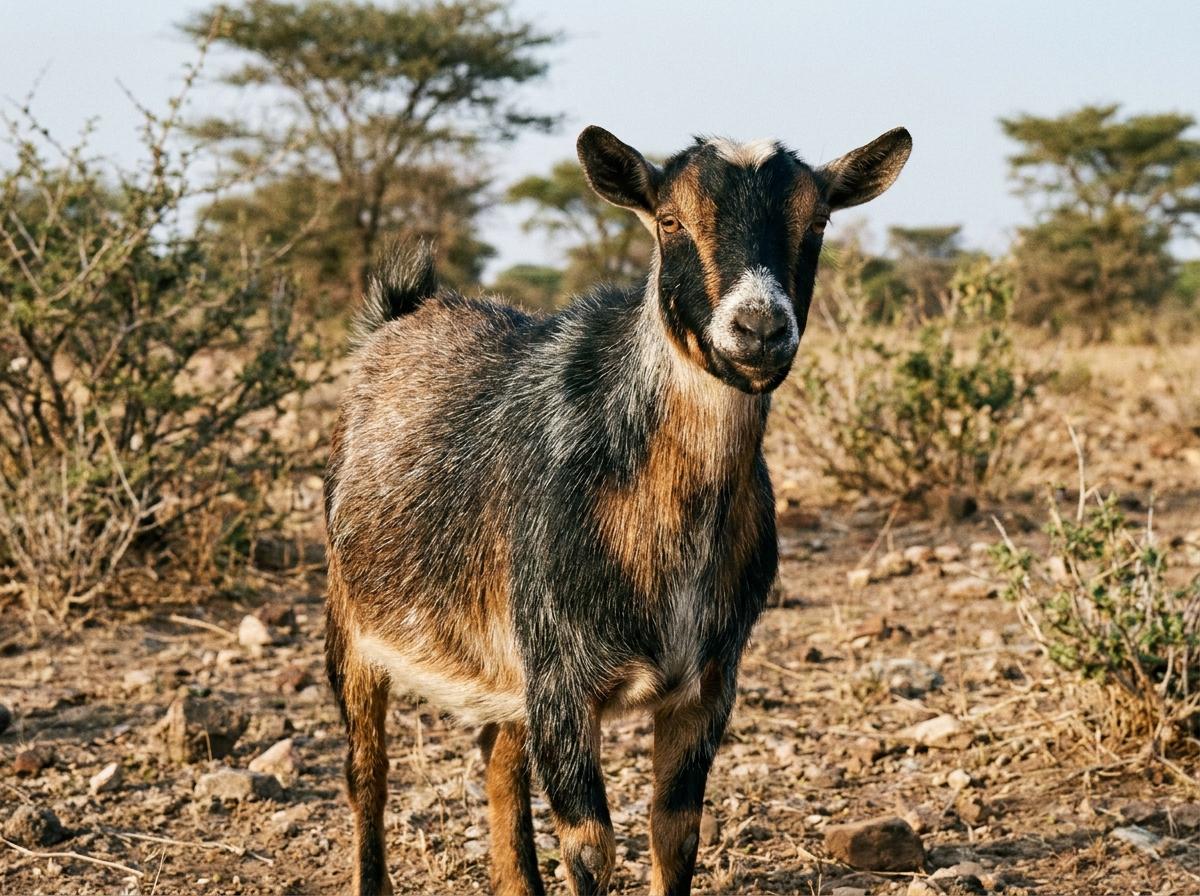
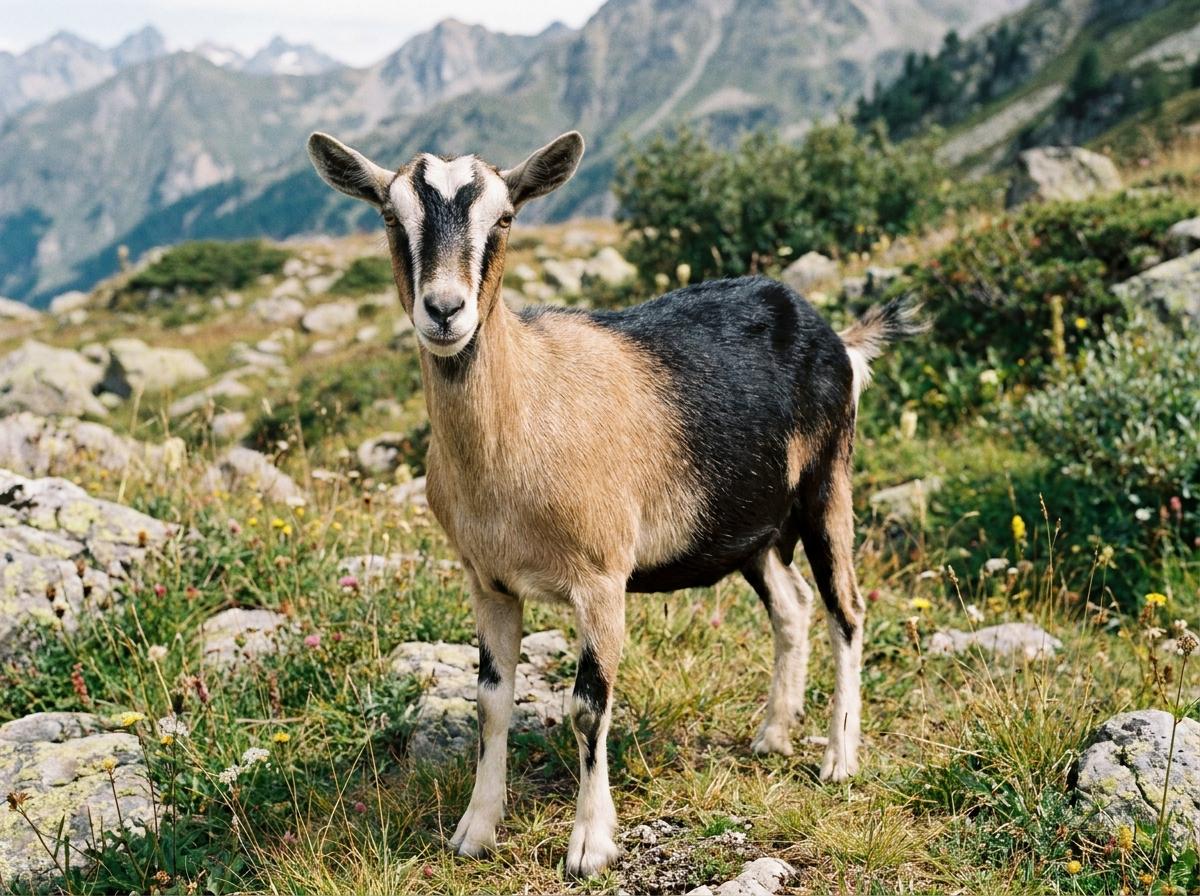
Colors: Belted, Black, Black and White, Black with Brown Points, Broken Colored with Black Base, Broken Colored with Brown Base, Brown, Brown and White, Brown with Black Points, Buckskin, Chamoisee, Cou Blanc, Cou Clair, Cream, Fawn, Gold, Mixed Patterns with White Points, Moonspotted, Multi-Colored (Black/Brown/White), Pied Black and White, Pied Brown and White, Pinto, Red, Red and White, Roan, Spotted, Sundgau, Swiss Marked, Tan, White