


Canary Island
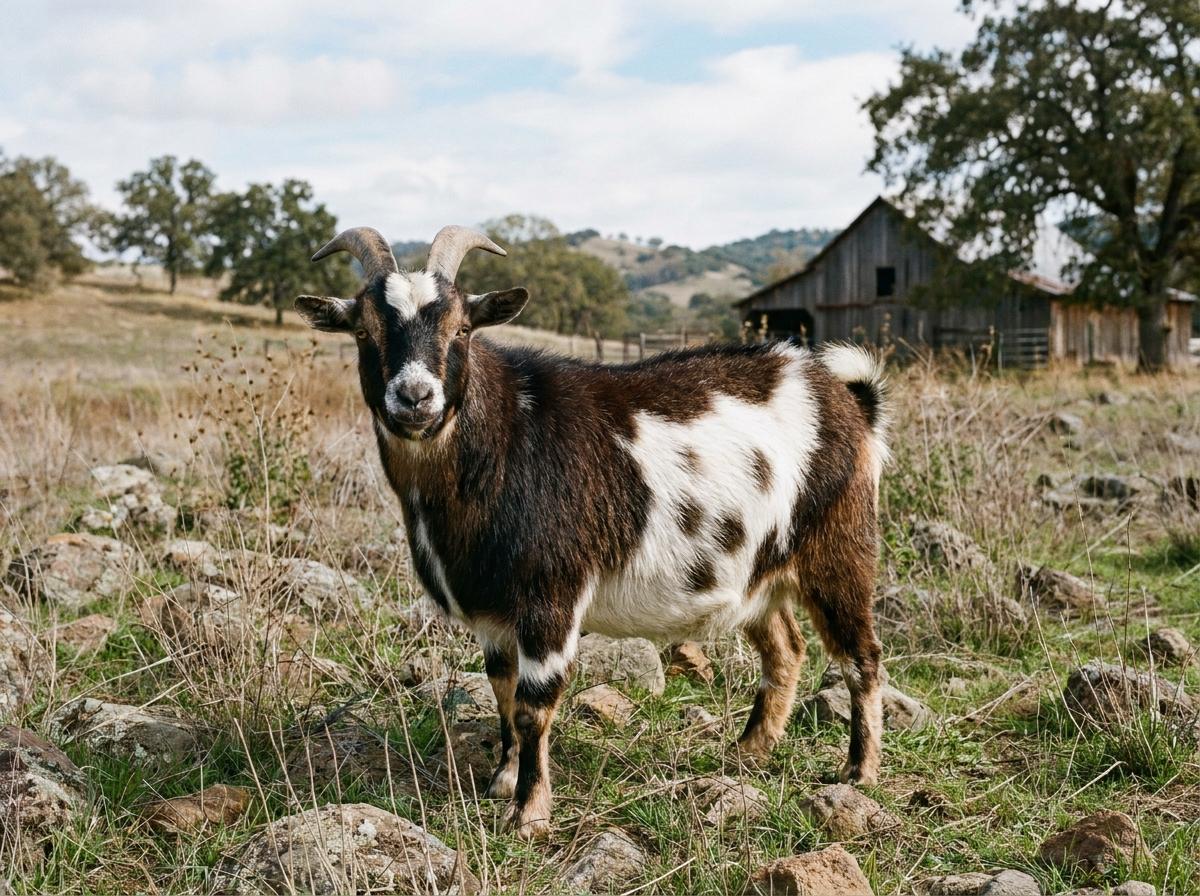
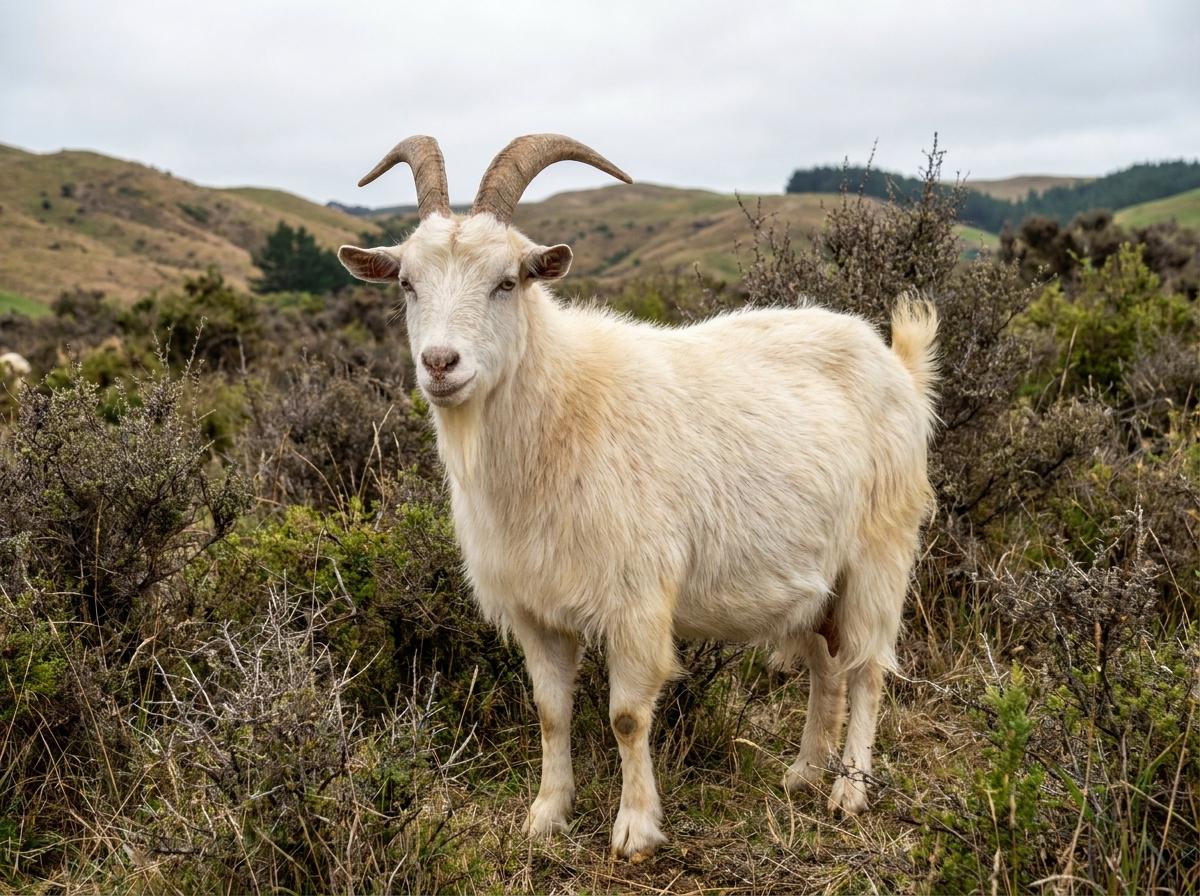
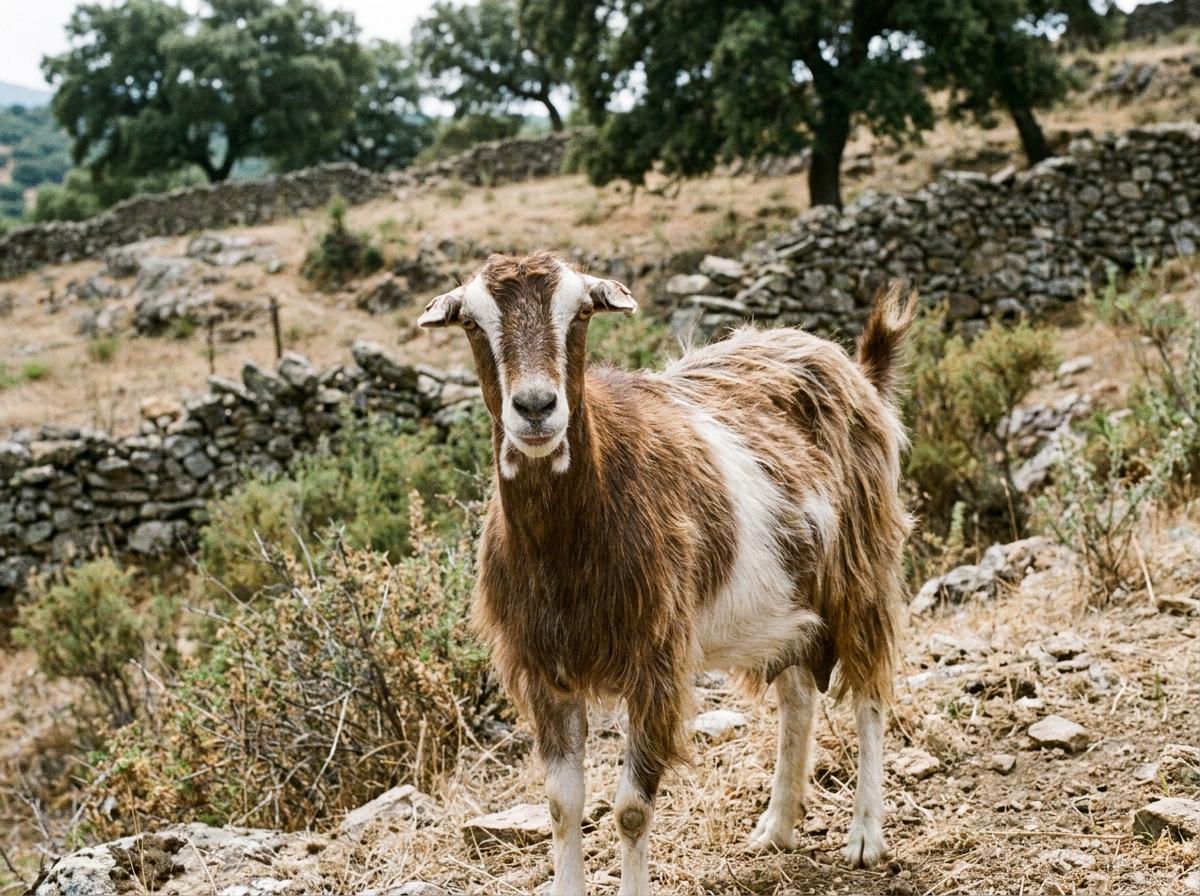
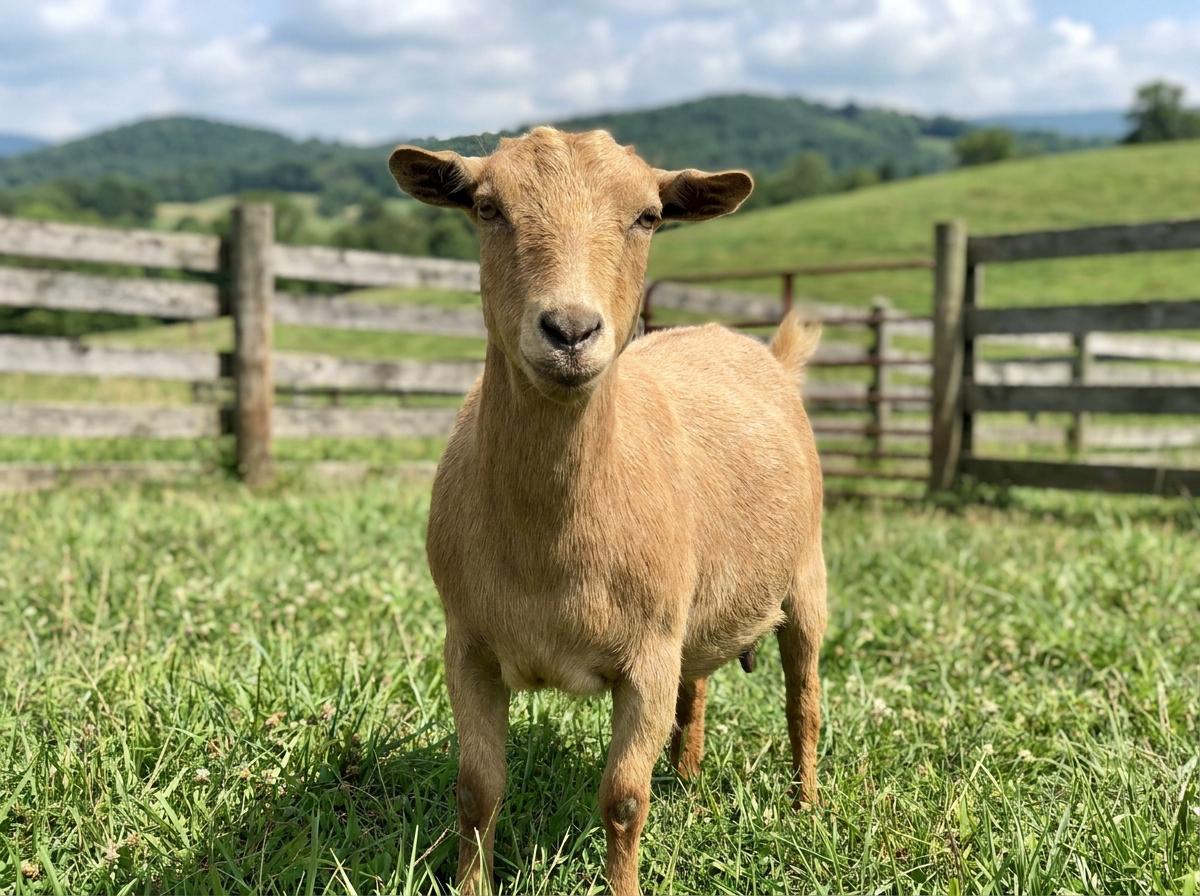
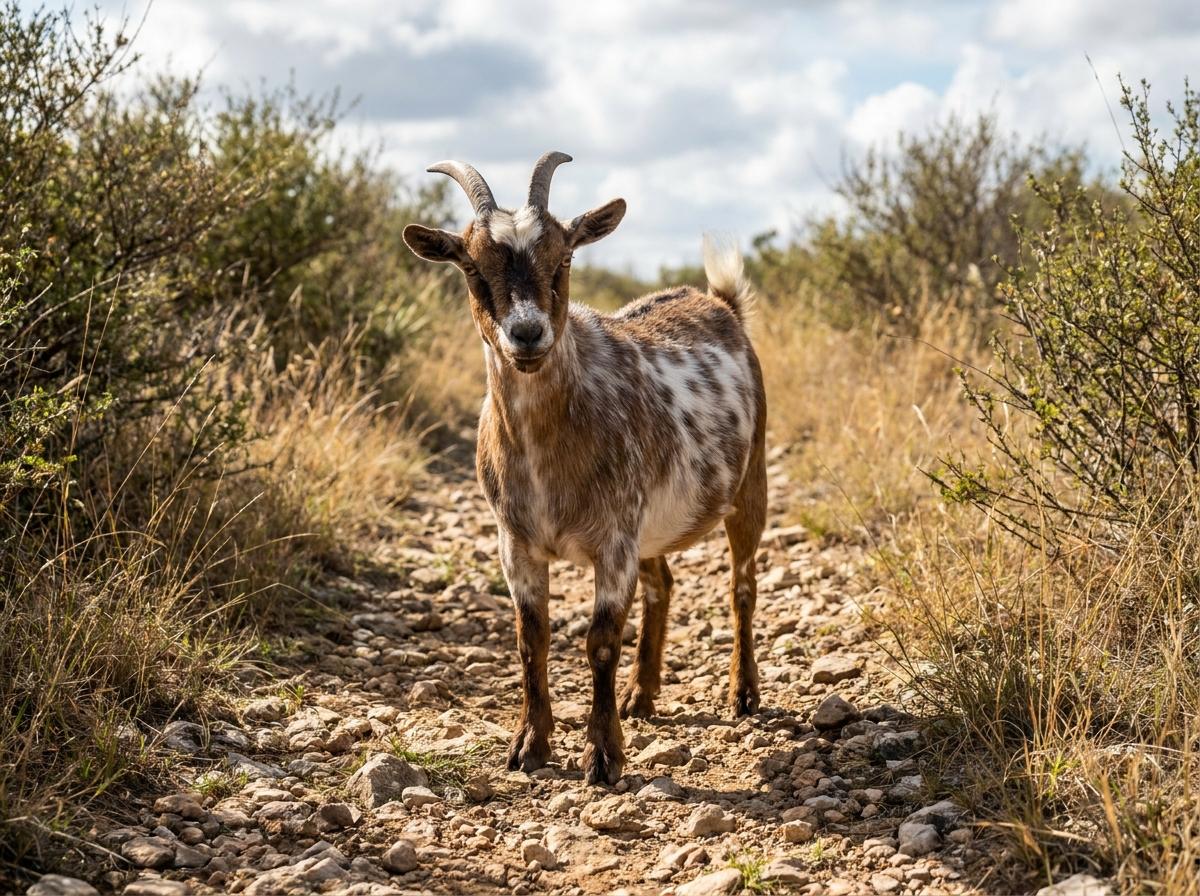
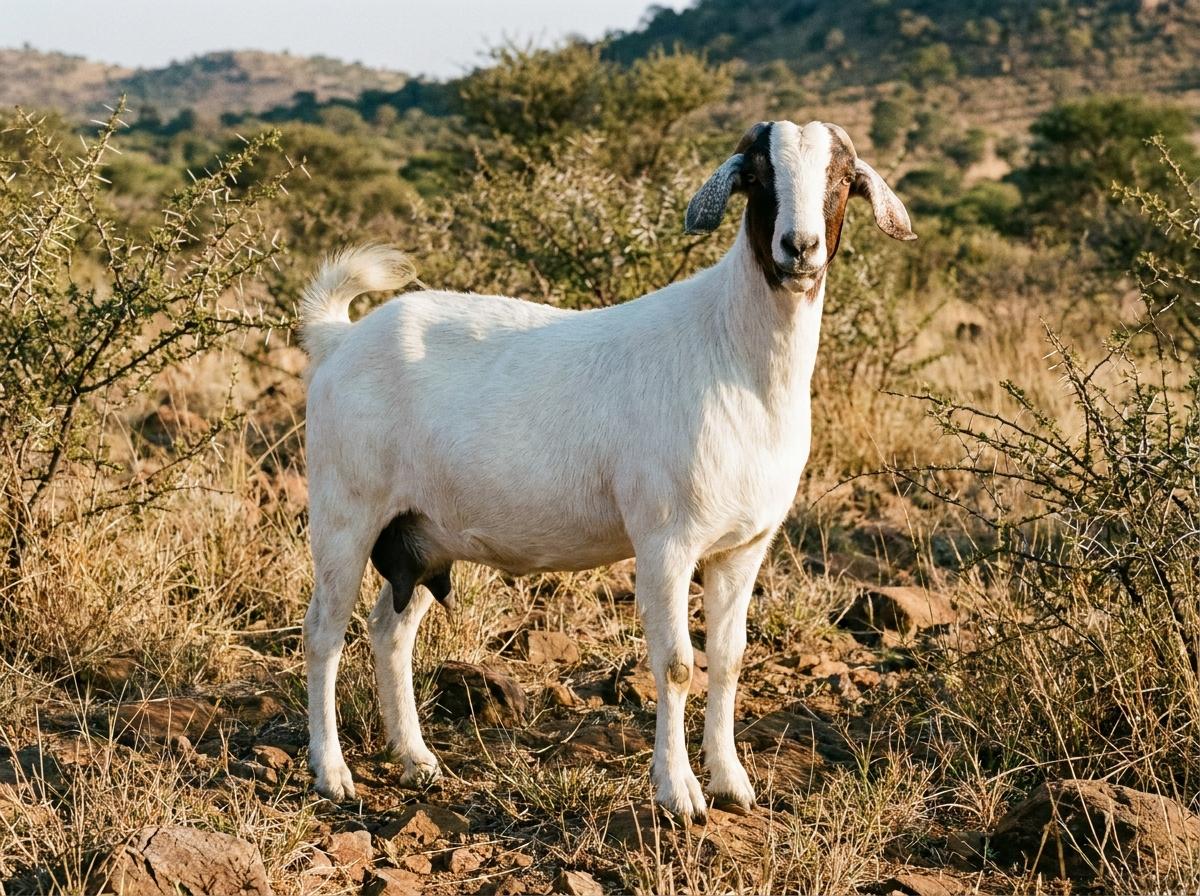
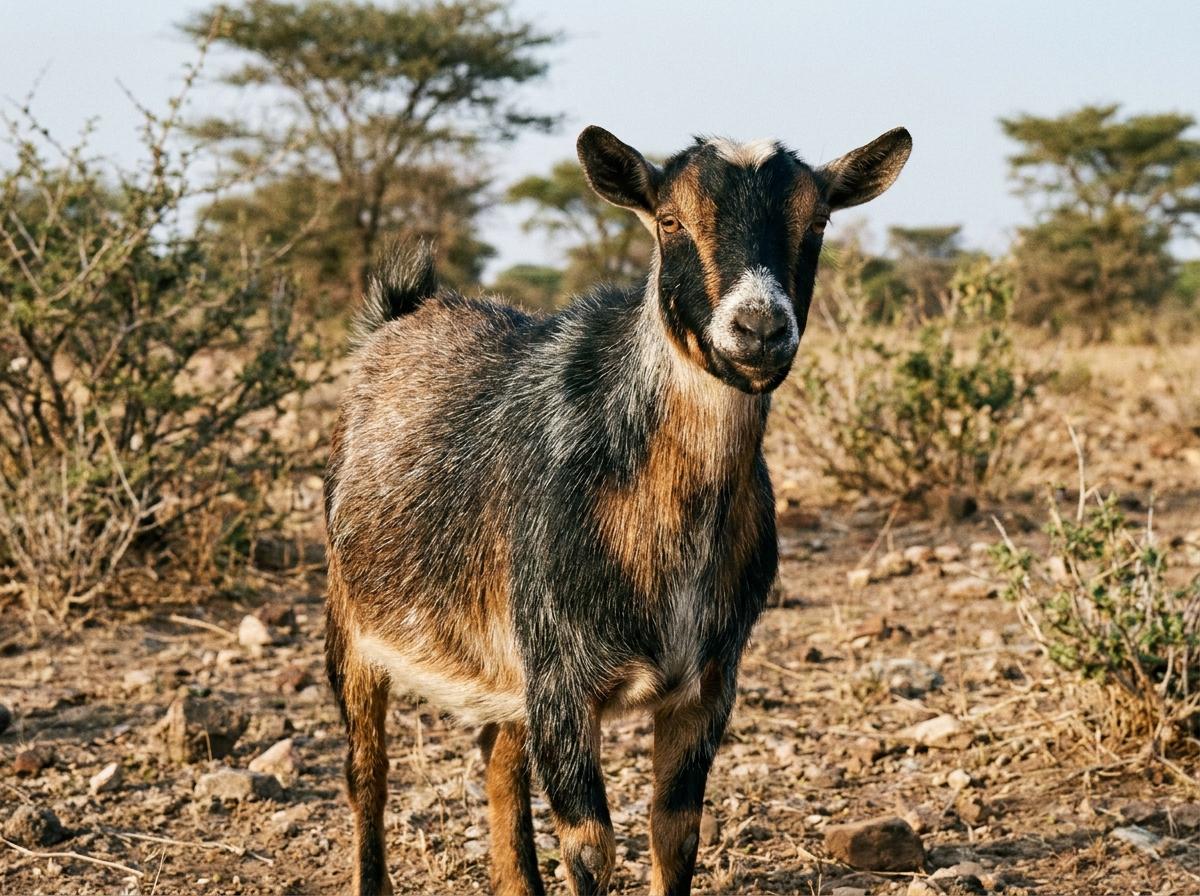
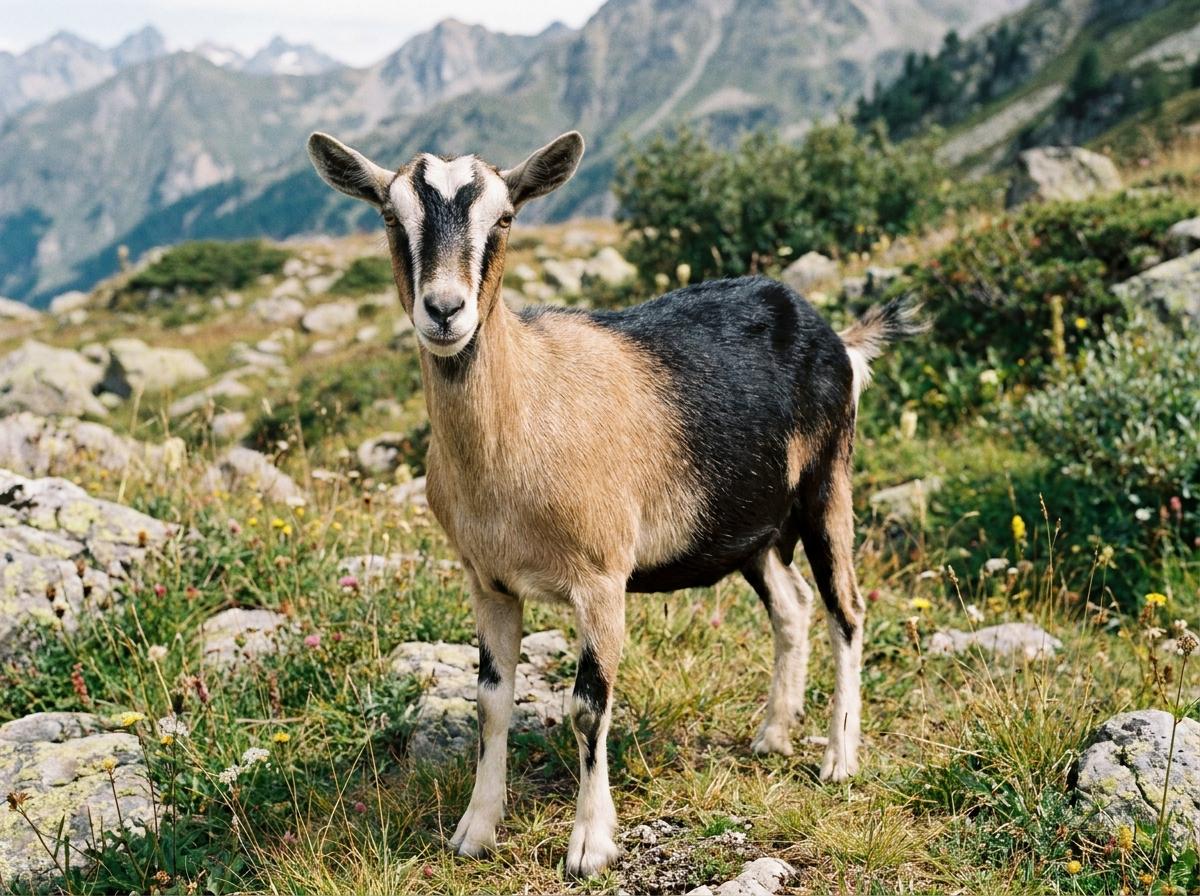
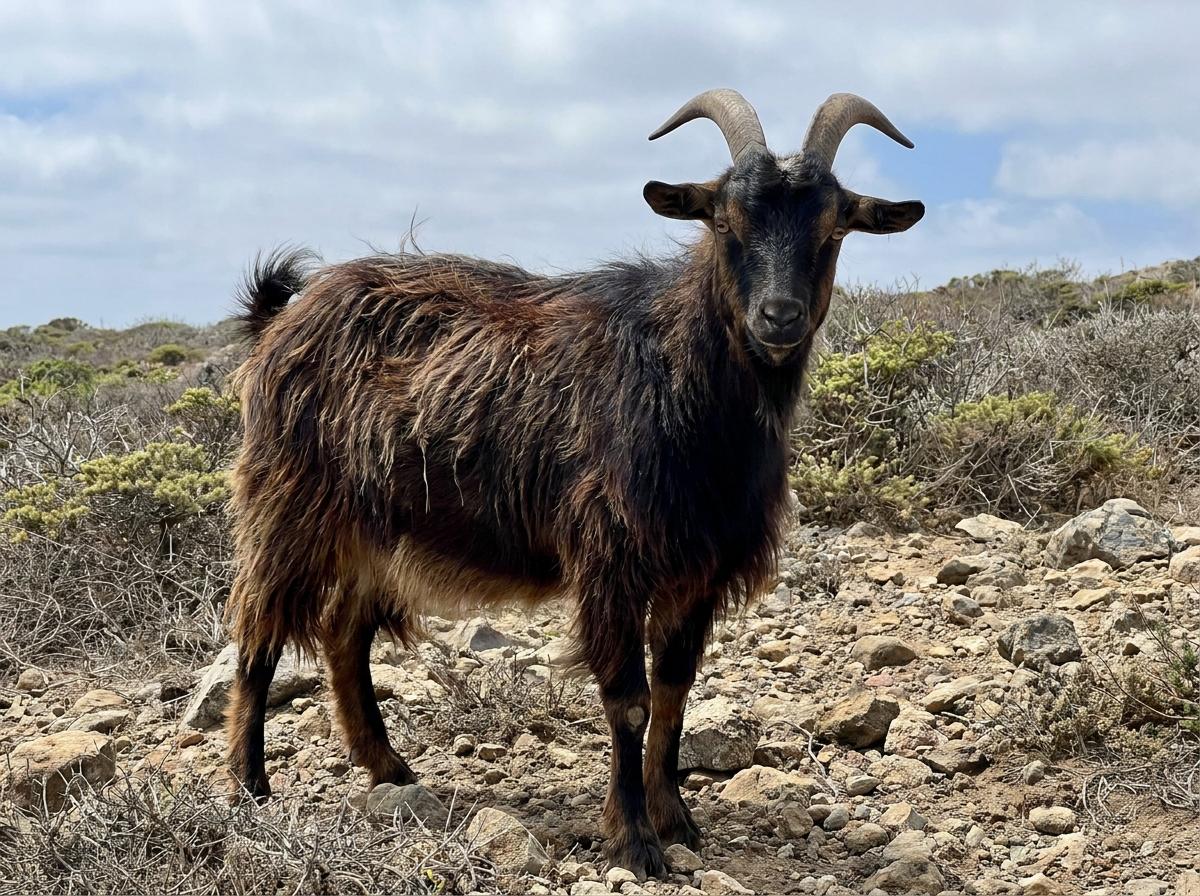
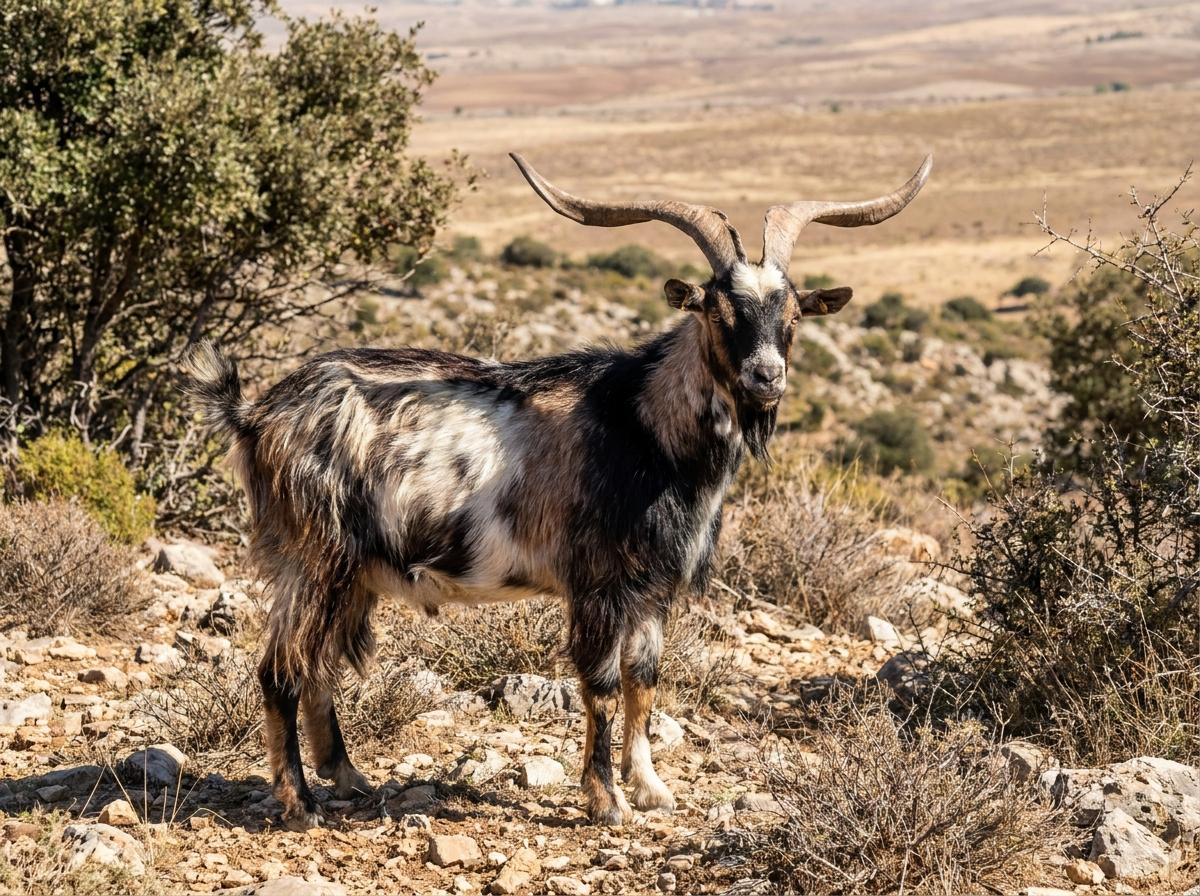
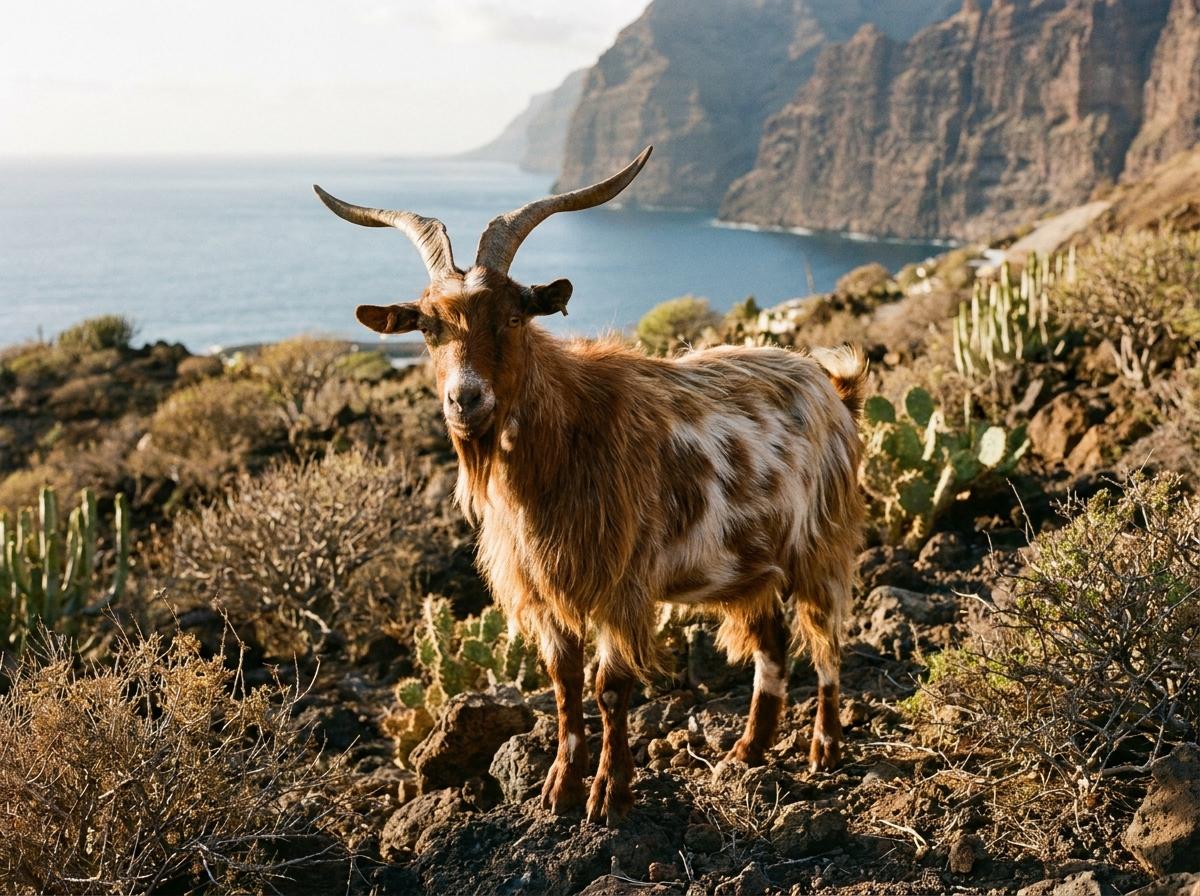
The Canary Island goat, or Canary goat, is a dairy goat associated with Spain's Canary Islands, where goats have long supplied milk for local cheeses. The name may be used broadly, since the islands also have recognized local populations such as Majorera, Palmera, and Tinerfeña goats. Canary Island goats are generally agile, heat tolerant, and variable in coat color, shaped by dry volcanic landscapes, coastal climates, and long selection for milk in relatively rugged conditions.
Farmers value these goats for cheese-making milk and their ability to use browse and rough pasture, but good production still depends on water, shade, parasite control, and a balanced ration during lactation. Outside the islands, buyers should ask what island type or registry background is meant by the label. For breeding programs, preserving local adaptation matters as much as increasing yield, especially where island goat genetics are part of regional agricultural heritage.
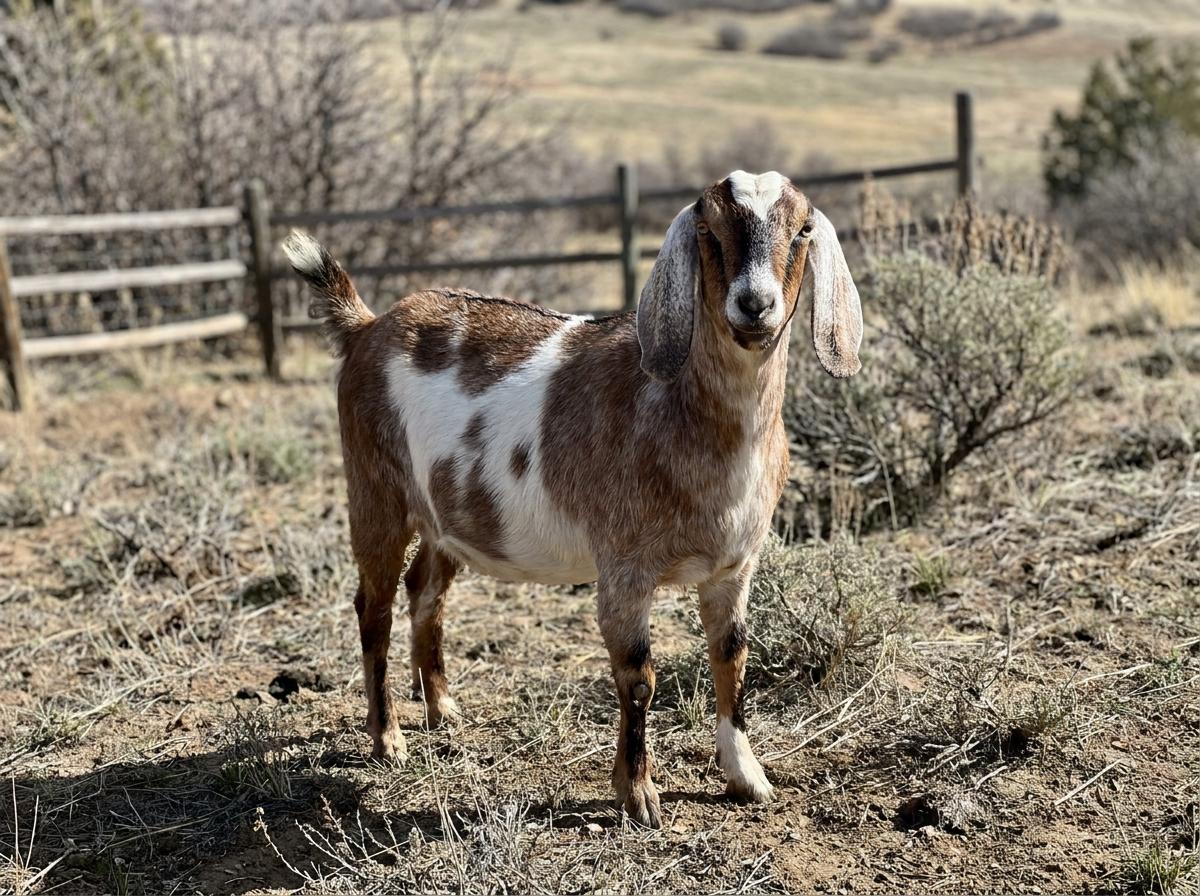
Colors: Belted, Black, Black and White, Black and White Spotted, Brown, Brown and White, Brown and White Spotted, Buckskin, Chamoisee, Cou Blanc, Cou Clair, Cream, Dark Red, Fawn, Gold, Light Red, Mixed Patterns with White Points, Moonspotted, Multi-Colored with Black Base, Multi-Colored with Red Base, Pinto, Red, Red and White, Red and White Spotted, Roan, Solid Black, Solid Red, Spotted, Sundgau, Swiss Marked, Tan, White