

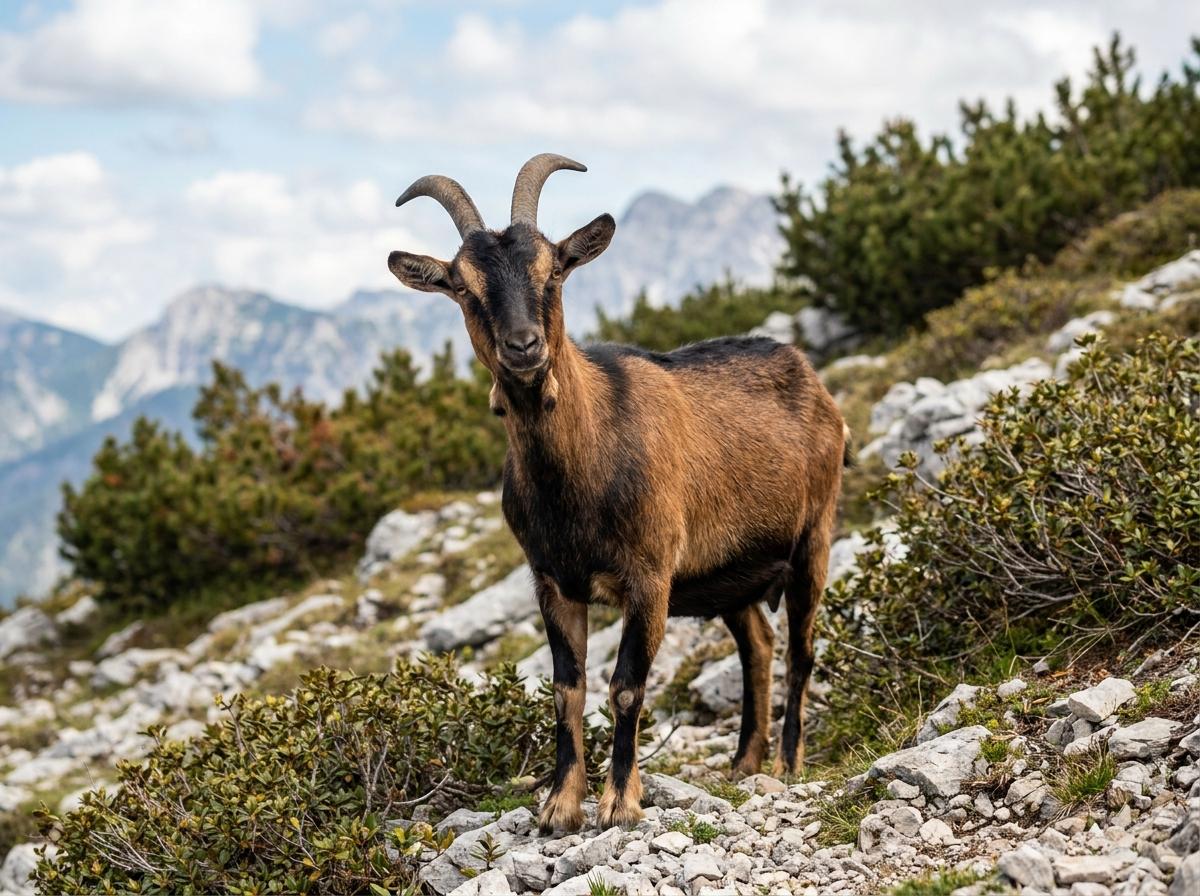
Chamois Colored
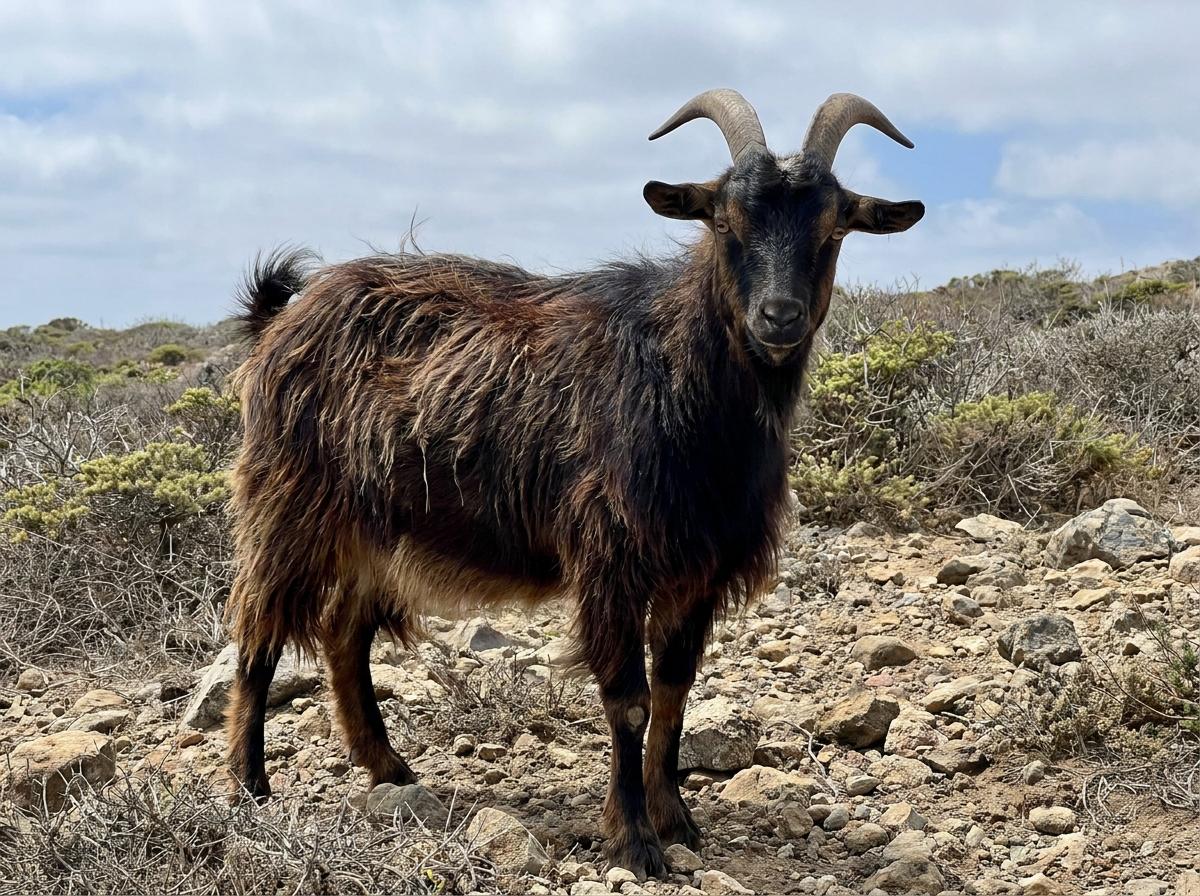
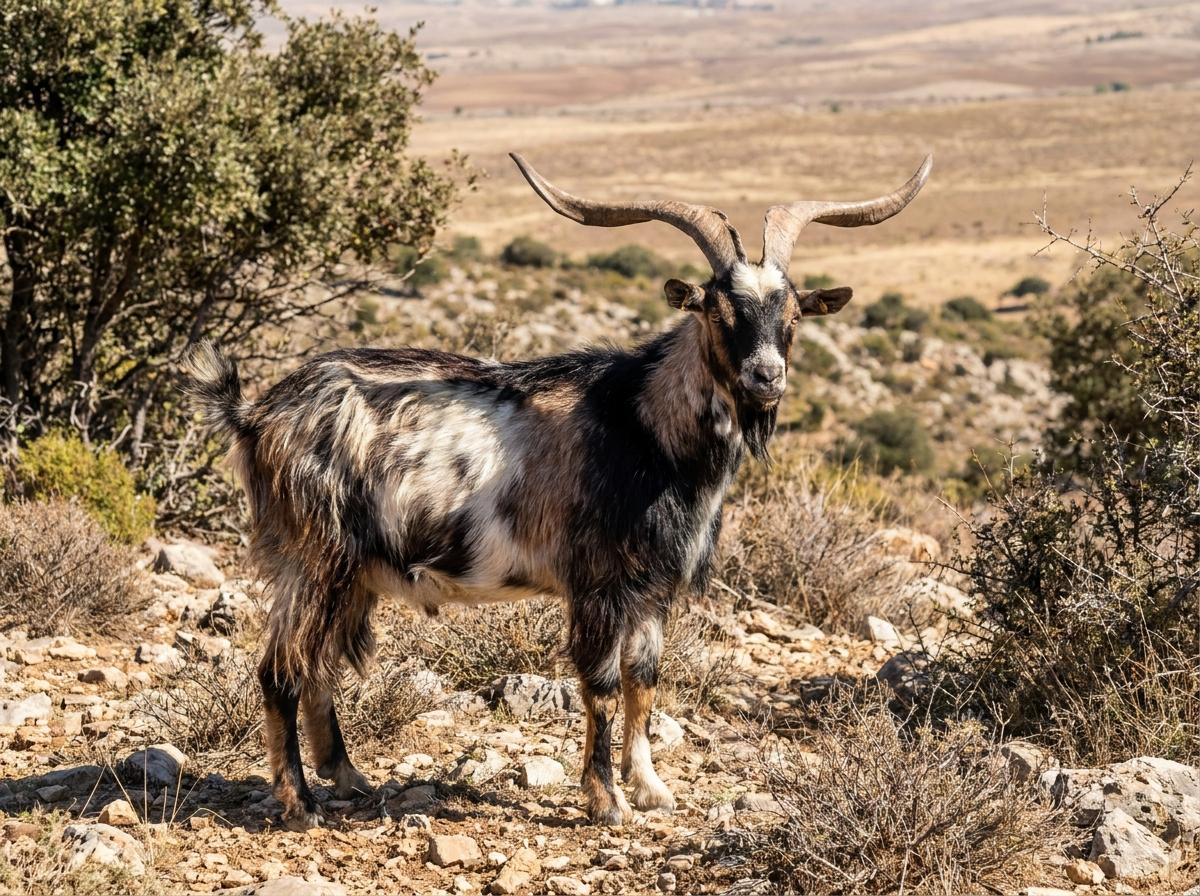
The Chamois Coloured Goat is a Swiss alpine dairy breed, known in its homeland as the Gemsfarbige Gebirgsziege in German and the Chevre chamoisee in French. It is instantly recognizable by its coat: a rich reddish-brown to warm chestnut body set off by sharp black markings, a black stripe down the spine, black legs, a black belly, and two black stripes running down the face to a black muzzle. That “chamois” pattern, named for the reddish-brown alpine antelope (the Gams), is the whole point of the breed’s name. This page covers what the breed is, where it comes from, how to read its coat, how much milk it gives, and, importantly, how it relates to the American Oberhasli, which is the same Swiss stock developed into a separate registered breed in the United States. If you have been searching “chamois colored goat” and getting confused between the Swiss breed and the Oberhasli, this is the page that untangles the two.

Browse listings, public profiles, breeders, or add your animal.
What is a Chamois Coloured Goat?
The Chamois Coloured Goat is an indigenous Swiss dairy breed, distributed throughout Switzerland and also kept in parts of northern Italy and Austria. Its German name, Gemsfarbige Gebirgsziege, translates roughly to “chamois-coloured mountain goat,” and its French name is Chevre chamoisee. In northern Italy the closely related population is called the Camosciata delle Alpi. The name in every language points at the same thing: the reddish-brown coat colour of the chamois, the small alpine antelope, which German speakers call the Gams. That is where the “chamois” in the breed name comes from, not from chamois leather.
It is first and foremost a milk goat. In Switzerland the Chamois Coloured Goat is the country’s most numerous herdbook goat, ahead of the white Saanen, and it earns that place on the strength of its milk yield and above-average milk solids. If you are weighing this breed against other dairy goats, the broader Creatures goat species page is a useful place to compare it side by side with breeds like the Toggenburg and the Valais Blackneck.
The single most common point of confusion, and the reason many searches land here, is the relationship between this Swiss breed and the American Oberhasli. They are not two unrelated goats that happen to look alike. The Oberhasli is the same Swiss stock, specifically the hornless Oberhasli-type strain, developed in the United States into its own registered breed. We cover exactly how that happened further down.
Origin, strains, and the herd-book
The Chamois Coloured Goat is a native Swiss mountain breed. The Swiss herd-book was established in 1930 and is kept by the Schweizerischer Ziegenzuchtverband, the Swiss federation of cantonal goat breeders’ associations. Italy activated its own herd-book for the Camosciata delle Alpi population in 1973.
The breed comes in two strains that matter if you are buying or comparing goats:
- A horned type from the east. This strain traces to the Grisons, also written Graubunden, in eastern Switzerland. Animals of this type are typically horned.
- A hornless type from central Switzerland. This strain comes from the former district (bezirk) of Oberhasli and the area around Brienz and Lake Brienz in the Bernese Oberland. Animals of this type are naturally hornless (polled).
Those two strains are treated as one breed inside Switzerland, but the distinction is not just trivia. The hornless Oberhasli strain is the one that was exported to the United States and became the American Oberhasli, so the strain names double as the map of how the breed spread. In some countries the hornless variety is regarded as a separate breed under the Oberhasli name.
What a Chamois Coloured Goat looks like
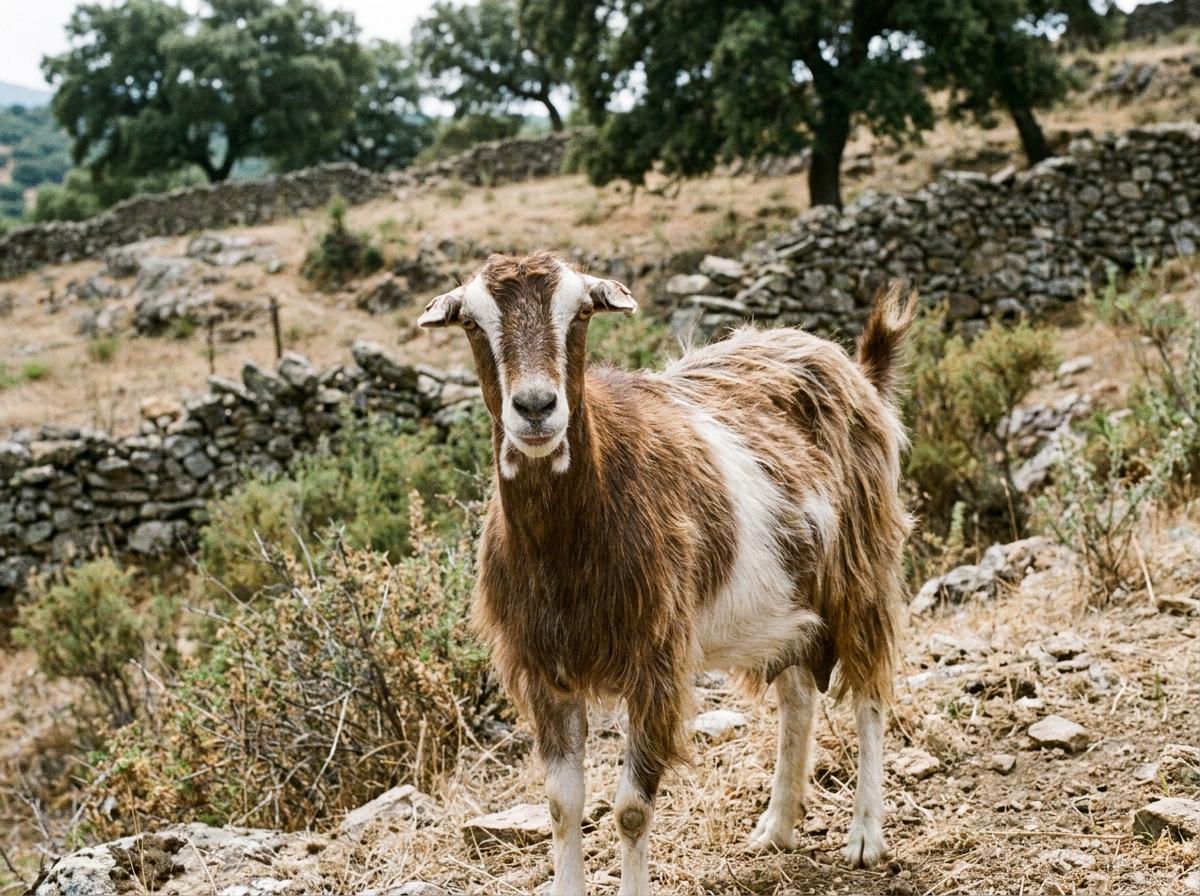
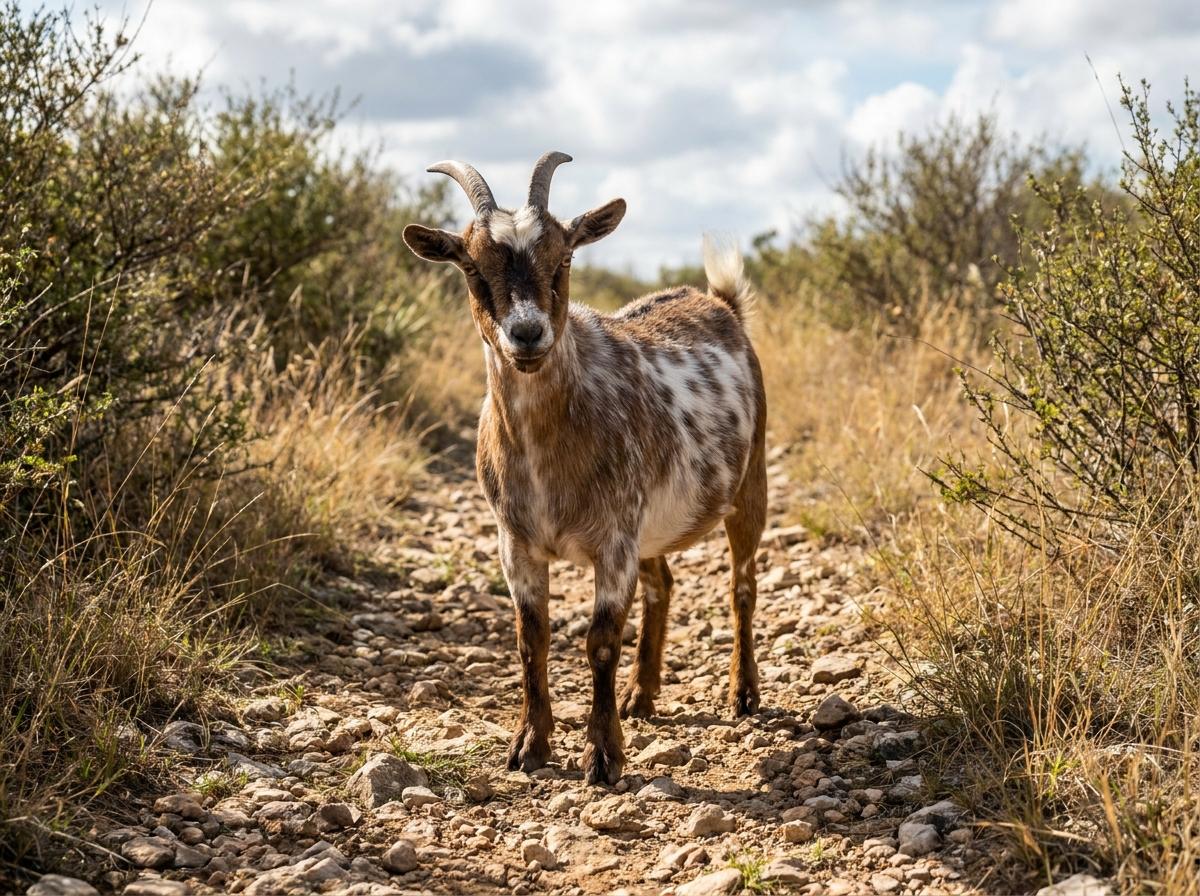
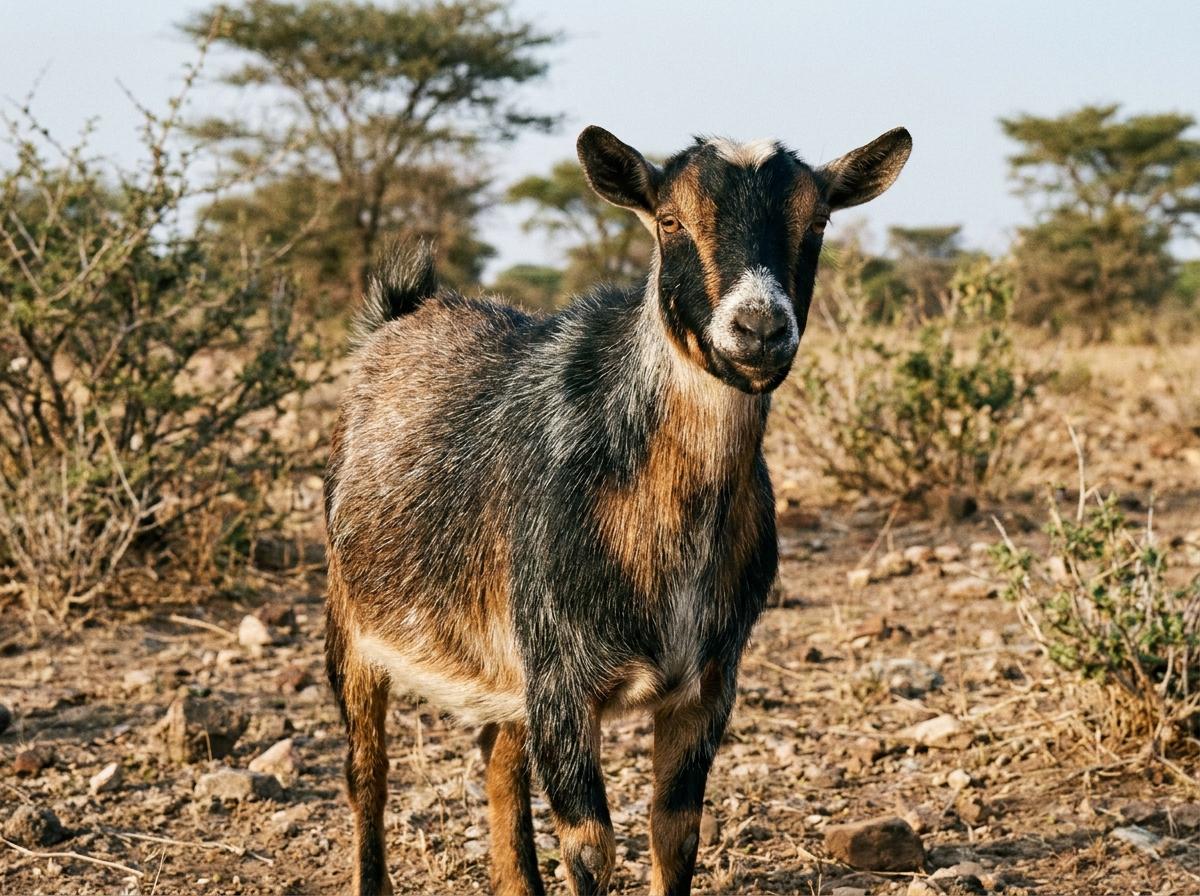
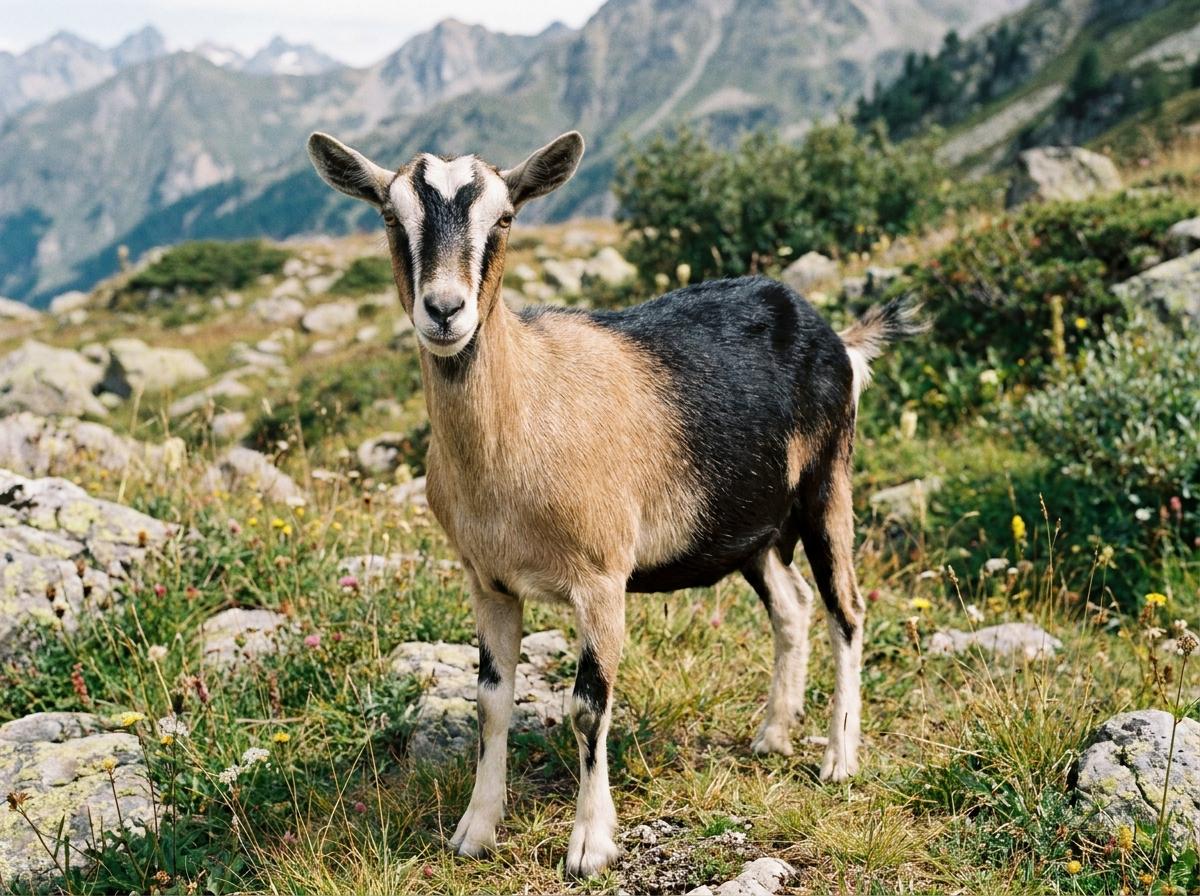
The coat is the breed’s calling card, and the markings are specific enough to work as a checklist when you are looking at an animal. According to the breed description, a correct Chamois Coloured Goat is russet-brown, meaning a reddish-brown ranging toward chestnut, with a consistent set of black markings:
- A black dorsal stripe. A black stripe runs along the back, down the spine to the tail. This is the “eel stripe” and it is one of the fastest ways to confirm the pattern.
- Black facial stripes to a black muzzle. There is a black stripe down each side of the face, and the muzzle is black. Many animals also have a nearly all-black forehead.
- Black lower legs and a black belly. The legs are black below the knee and hock, and the belly is black.
- Erect ears. The ears are upright and forward-pointing, not the pendulous or drooping ears of some other dairy breeds.

On size, the Swiss breed standard sets minimums rather than averages. Bucks are at least about 75 kg (roughly 165 lb) and 85 cm at the withers, and does are at least about 55 kg (roughly 121 lb) and 75 cm at the withers. Males are typically bearded. Whether an individual is horned or hornless depends on which strain it belongs to, as described above, so “horned or polled” is both normal for the breed as a whole.
One practical note on colour: the reddish-brown-with-black-points pattern is diagnostic, but the depth of the red varies from a light bay to a deep, dark chestnut. A few white hairs scattered through the coat or around the ears are not unusual and do not make the animal any less typical of the breed.
The chamois pattern and how it differs from a solid-coloured goat
It is worth pausing on why this coat matters, because the pattern is genetic and predictable, not just decorative. The “chamois” or Gams colouring is a pattern of a coloured body with contrasting black points: black face stripes, black dorsal stripe, black belly, and black legs. Breeders select for a clean, complete set of those markings.
This is the same colour language used to define the American Oberhasli standard, which describes chamoisee as bay ranging from light to a deep red bay, with the deep red most desirable, plus two black stripes down the face to a black muzzle, a nearly all-black forehead, a dorsal stripe continuing from the poll to the tail, a black belly, and black legs below the knees and hocks. In other words, when you read the Oberhasli colour standard, you are reading a formalized description of the Swiss Chamois Coloured pattern. That shared pattern is the clearest single piece of evidence that the two are the same underlying stock.
The Oberhasli connection, explained clearly
This is the part most people come here to sort out, so here is the sequence as the record documents it.
The American Oberhasli derives from the hornless Oberhasli-type strain of the Chamois Coloured Goat, the one from the Bernese Oberland. Goats of Oberhasli type were imported to the United States in 1906 and again in 1920, but those animals were not bred pure and their bloodlines were lost. The foundation of the modern breed came in 1936, when H. O. Pence imported five Chamois Coloured Goats from Switzerland. Every purebred Oberhasli in the United States descends from those five animals.
For decades, these goats were not called Oberhasli at all. Until the 1970s they were registered in the United States as Swiss Alpines. An association of breeders, the Oberhasli Breeders of America, formed around 1977, and the American Dairy Goat Association (ADGA) accepted the Oberhasli as a distinct breed in 1978 or 1979. So the American breed is genuinely its own recognized breed today, with its own herdbook and standard, but its origin is unambiguous: it is the Swiss Chamois Coloured Goat, specifically the polled Oberhasli strain, under an American name.
Two takeaways for a buyer or researcher. First, if you are in the United States and you want this breed, the animal you will actually find and register is the Oberhasli, recognized by the ADGA, not a goat labeled “Chamois Coloured.” Second, if you see the terms used interchangeably online, that is not quite wrong, but it is imprecise: “Chamois Coloured Goat” is the Swiss breed and its wider alpine population, and “Oberhasli” is the American breed developed from one strain of it.

How productive is the breed?
Milk is the reason to keep this breed. In Switzerland, the Chamois Coloured Goat’s milk yield is reported at more than 700 kg per lactation, with roughly 3.4 percent fat and 2.9 percent protein. That combination of solid volume with above-average milk constituents is exactly what has made it the most kept herdbook goat in Switzerland.
A few honest caveats on the numbers. That 700 kg figure is a Swiss national reference for a well-managed dairy population, so treat it as what the breed can do under good European dairy conditions, not a promise for every animal in every setting. Yields in any dairy goat depend heavily on feeding, stage of lactation, number of lactations, and management. On the American side, the Oberhasli’s documented lactation record is far higher, on the order of 2,116 kg (about 4,665 lb), but a single record from an exceptional individual is the ceiling of the breed, not its average. If you want a realistic expectation for your own animal, the useful number is the herd average of the specific breeder you buy from, backed by their records, not a headline figure.
The milk itself has a good reputation for flavour and is used for drinking, cheese, and yogurt, as with the other Swiss dairy breeds.
Temperament
Keepers and breeders commonly describe the Oberhasli, and the Swiss Chamois Coloured stock behind it, as calm, friendly, and people-oriented, which suits a breed managed closely for daily milking. We flag this as widely reported practitioner observation rather than a formally studied trait. As with any goat, individual temperament varies with handling, housing, and how much one-on-one time the animals get, and intact bucks in rut behave very differently from does and wethers. If a calm milking temperament matters to you, judge it on the individual animals and the specific herd, not on breed reputation alone.
Husbandry and care
A productive dairy goat is a higher-input animal than a hardy brush or meat goat, and the Chamois Coloured Goat is no exception. The points below cover the structure of good management. Defer any medical decision to a veterinarian who can examine the animal.
Housing
These goats need dry, draft-free shelter, clean bedding, and enough space to avoid crowding and bullying. Sound, dry footing protects both udder health and feet and legs, which matters in a substantial dairy animal. As an alpine breed, they tolerate cold well when kept dry and out of wind, but wet or muddy conditions are a bigger risk than cold air.
Feeding
A doe milking through a long lactation cannot run on sparse browse alone. She needs a balanced ration with enough energy and protein to support milk production, plus constant access to clean water and appropriate minerals. Underfeeding a goat selected for heavy milk yield is the fastest way to lose body condition, depress production, and run into metabolic trouble around kidding.
Breeding and health
Routine dairy-goat health management applies: a parasite control plan suited to your climate and grazing, regular hoof care, clean kidding and milking hygiene, and the core vaccinations your veterinarian recommends for your area. The two points worth extra attention in a heavy milker are udder health and body condition across the lactation cycle. Keep clear records of kiddings, milk output, treatments, and health events so that culling and breeding decisions rest on evidence rather than memory. You can track milk, kidding, and health records for each animal on Creatures, which we cover in the hub at the bottom of this page.

Cost and availability
Availability depends heavily on where you are.
In Switzerland and the wider alpine region, the Chamois Coloured Goat is a common, working dairy animal and is bought and sold like any productive milking stock, priced on an animal’s records, conformation, and breeding value. There is no single reliable public price for an everyday animal, and we will not invent one.
In the United States, the breed you will actually be shopping for is the Oberhasli. It is recognized by the ADGA and available through dairy-goat breeders, but it is less common than the mainstream Swiss dairy breeds like the Alpine and Saanen, so the pool of sellers is smaller and good registered stock commands a premium over an unregistered goat of unknown background. Prices for dairy goats vary widely with region, registration, milk records, and show results, so rather than quote a fixed figure, the practical advice is to compare several breeders and weigh what the price actually buys: records, registration, and a health history.
Because good stock of a less-common dairy breed appears and sells quickly, a saved listing alert (in the hub below) is often the most practical way to catch one when it is posted.
Buying considerations
Whether you are buying in Europe or looking for an Oberhasli in the United States, buy on evidence.
- Confirm the pattern. The reddish-brown body with a black dorsal stripe, black facial stripes to a black muzzle, black belly, and black legs is diagnostic. A goat missing those markings may be a different breed or a crossbred.
- Know which name and registry applies. In the United States, look for an ADGA-registered Oberhasli. In Switzerland, look for herd-book registration through the Schweizerischer Ziegenzuchtverband. The right paperwork depends on the country.
- Ask for milk and kidding records. For a dairy breed, a doe’s own production and her dam’s records tell you far more than a headline breed figure. A serious dairy breeder will have them.
- Check the udder and conformation in person. In a milker, udder attachment and teat placement directly affect working life and milking ease. Confirm the feet and legs can carry the animal.
- Decide horned or polled deliberately. Because the breed carries both a horned and a hornless strain, be clear about which you are buying and why, especially if you keep other goats or have handling or fencing concerns.
You can browse current Chamois Coloured listings on the Creatures marketplace and look for breeders and farms in the Creatures directory.
Chamois Coloured Goat vs its Swiss cousins
If you are comparing Swiss dairy breeds, a few quick contrasts help. The Toggenburg is another Swiss dairy goat, but it wears an almost inverse pattern: a solid brown to grey body with white facial stripes and white legs, rather than the Chamois Coloured Goat’s black points on a red body. The Valais Blackneck is the most visually distinct of the group, a long-haired mountain goat that is black over the front half of the body and white over the back half, kept more for hardiness and landscape grazing than for heavy milk. Set against those, the Chamois Coloured Goat is the productive, sleek-coated milker of the trio, defined by its red-and-black chamois markings and its strong lactation yields.
Frequently asked questions
Is the Chamois Coloured Goat the same as the Oberhasli?
They share the same origin. The American Oberhasli was developed from the hornless Oberhasli-type strain of the Swiss Chamois Coloured Goat and is now its own ADGA-recognized breed. So “Chamois Coloured Goat” is the Swiss breed and its wider alpine population, while “Oberhasli” is the American breed bred from one strain of it. In the United States, the animal you will find and register is the Oberhasli.
Why is it called “chamois” coloured?
The name refers to the reddish-brown coat colour of the chamois, a small alpine antelope that German speakers call the Gams. The German breed name, Gemsfarbige Gebirgsziege, means “chamois-coloured mountain goat.” It has nothing to do with chamois leather.
What are the breed’s markings?
A reddish-brown to chestnut body with black points: a black stripe down the spine to the tail, two black stripes down the face to a black muzzle, a black belly, and black legs below the knee and hock. Erect ears. That full set of markings is what identifies the breed.
Are Chamois Coloured Goats horned?
It depends on the strain. The eastern (Grisons) strain is typically horned, and the central (Oberhasli and Brienz) strain is naturally hornless. Both are considered part of the breed in Switzerland.
How much milk does the breed give?
In Switzerland the reported yield is more than 700 kg per lactation, at about 3.4 percent fat and 2.9 percent protein. Individual yields depend on feeding, management, and the specific animal, so use a breeder’s own herd records for a realistic expectation.
What is the breed used for?
Primarily dairy. It is valued for a good milk yield and above-average milk solids, and its milk is used for drinking, cheese, and yogurt.
Do this next on Creatures
Whether you are researching the breed, hunting for an Oberhasli or a Swiss Chamois Coloured goat, or already milking one, Creatures is the records, marketplace, and directory layer to do it in one place.
Compare the breed. See how it stacks up against its Swiss cousins on the Creatures goat species page, the Toggenburg, and the Valais Blackneck.
Find stock. Browse Chamois Coloured goats on the marketplace and search trusted breeders and farms in the Creatures directory. New to the marketplace? See saving searches and using your watchlist.
Get alerted. Good stock of a less-common dairy breed sells fast, so set a free Chamois Coloured listing alert and we will tell you when one is posted. No account needed to start.
Add your goat. Already keeping this breed? Create a free animal profile in a few minutes, no account needed to start. The walkthrough is in adding an animal to Creatures.
Track milk and health. Track milk and health records on Creatures. The record sheet opens for any visitor to look around, and you will need a free account to save what you enter. See adding a record for the full how-to.
List your farm. Run a dairy herd? Create a breeder or farm profile so buyers can reach you, then get listed in the breeder directory.
Sell with confidence. Planning to sell stock? Learn how seller payout works before you list.
Keeping goats already? Start a free profile for each animal and build its milk, kidding, and health history in one place.