

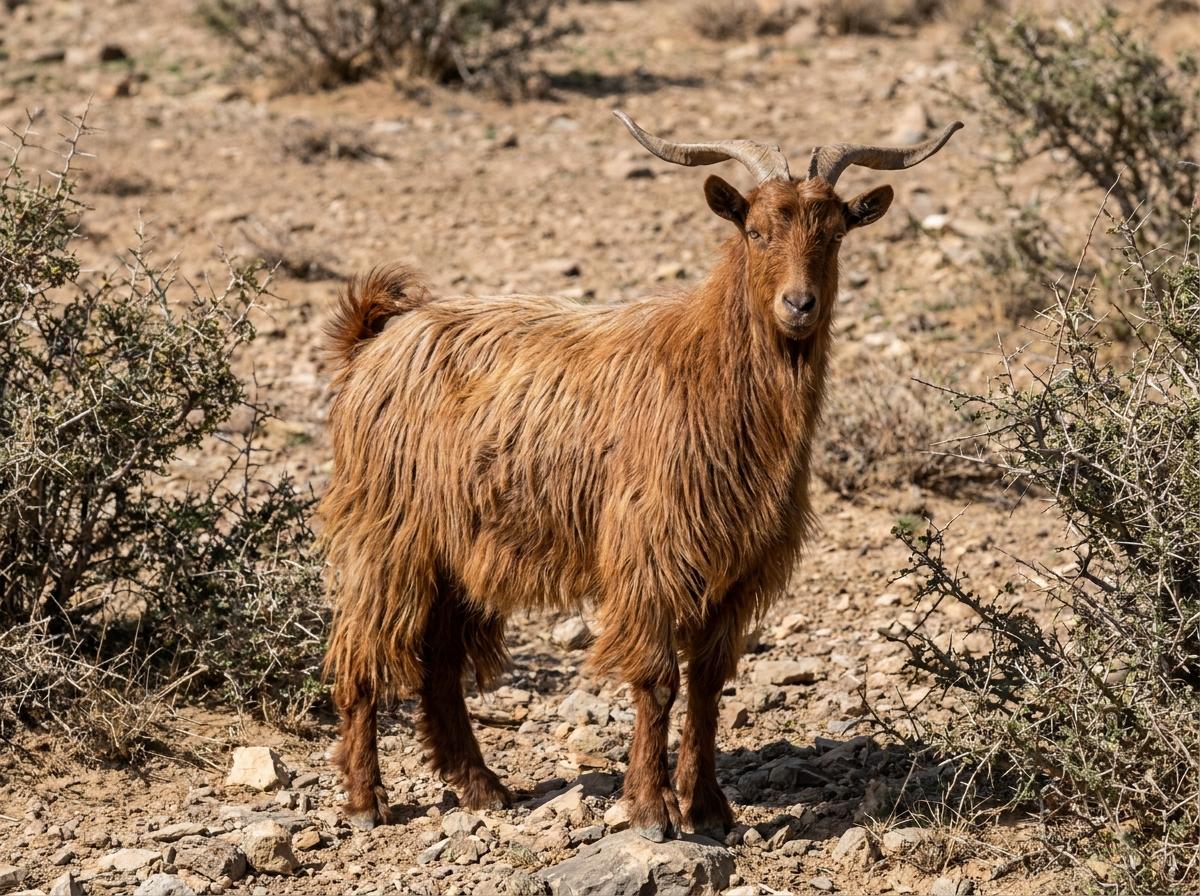
Chappar
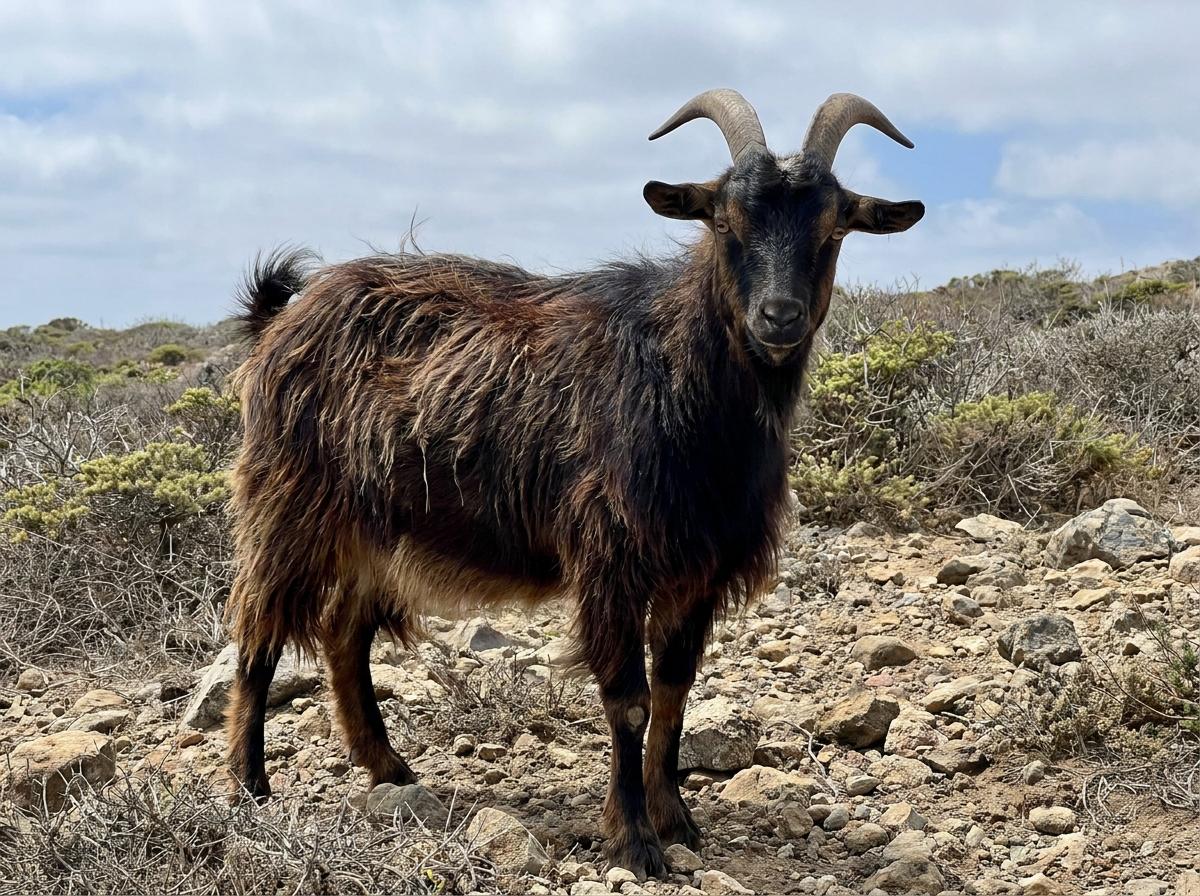
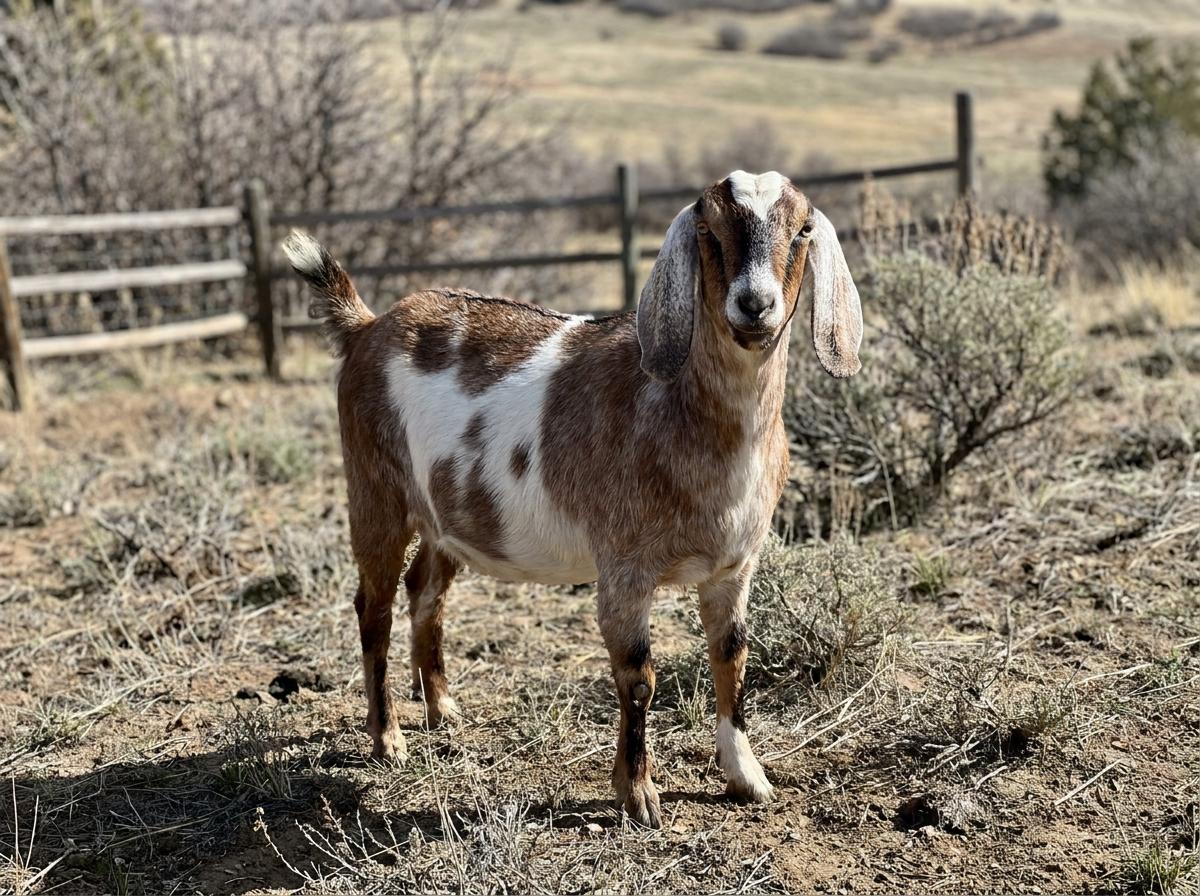
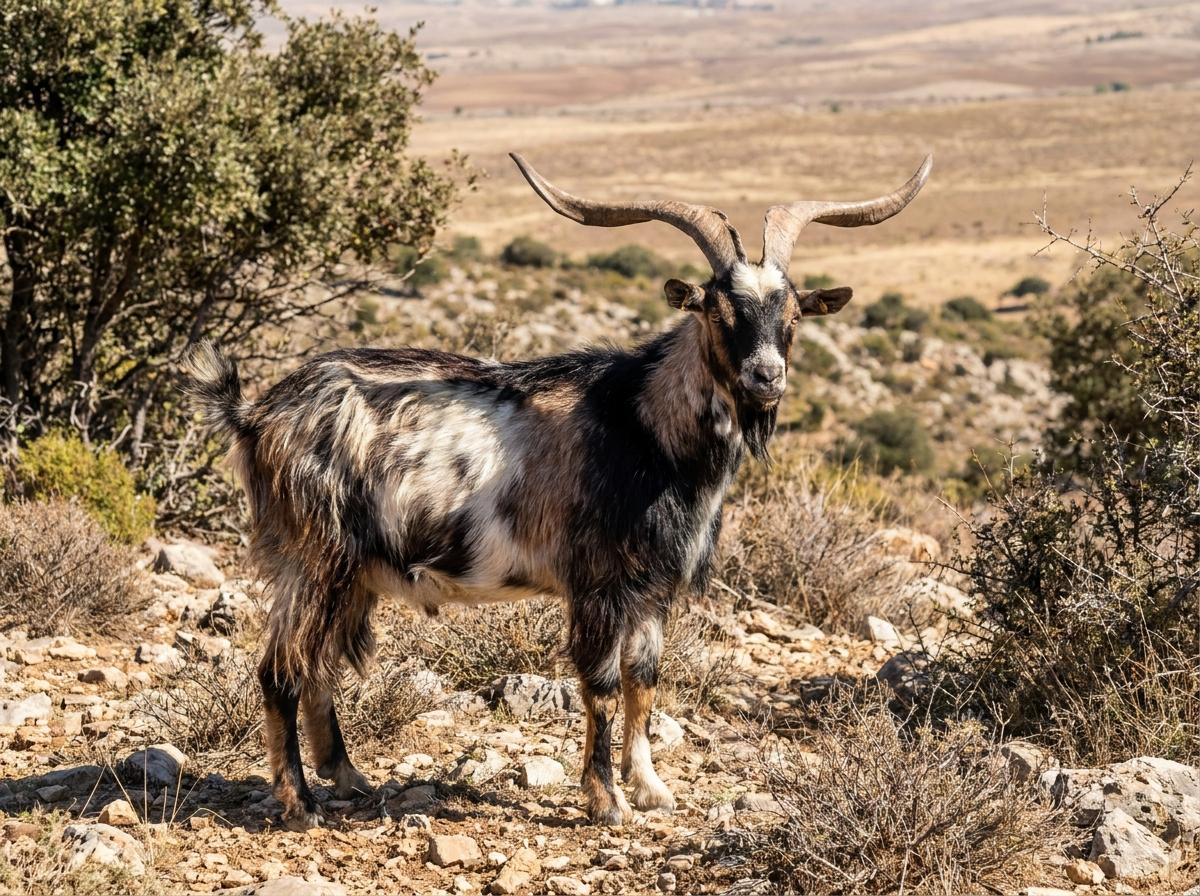
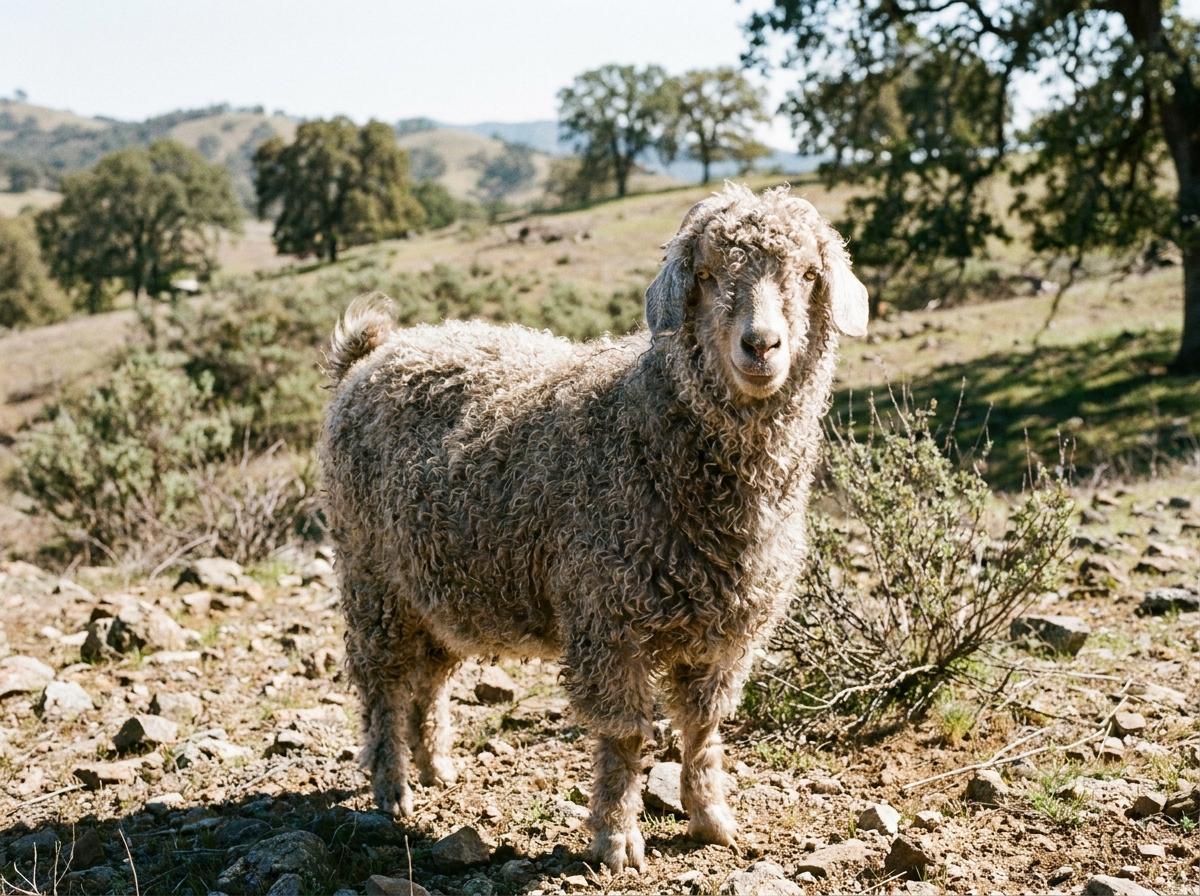
The Chappar is a South Asian regional goat label, most often treated as a Pakistani or nearby local type rather than a widely standardized international breed. Documentation is thinner than for Beetal or Barbari goats, so the name should be tied to source region and herd history whenever possible. Chappar goats are generally understood as practical meat or dual-purpose animals selected under dry-country and village conditions, where soundness and survival matter more than formal show points.
For owners and catalogers, the key is avoiding assumptions from the name alone. A useful Chappar herd should be evaluated for fertility, kid growth, mothering, feet, and ability to use available forage. Management may include browsing, crop residues, seasonal supplementation, and shelter that protects kids from weather and predators. Records should note village, district, coat, horn type, and breeder, because local goat names can be shared across markets. Improvement work should keep adaptation in view, not only heavier market weights.
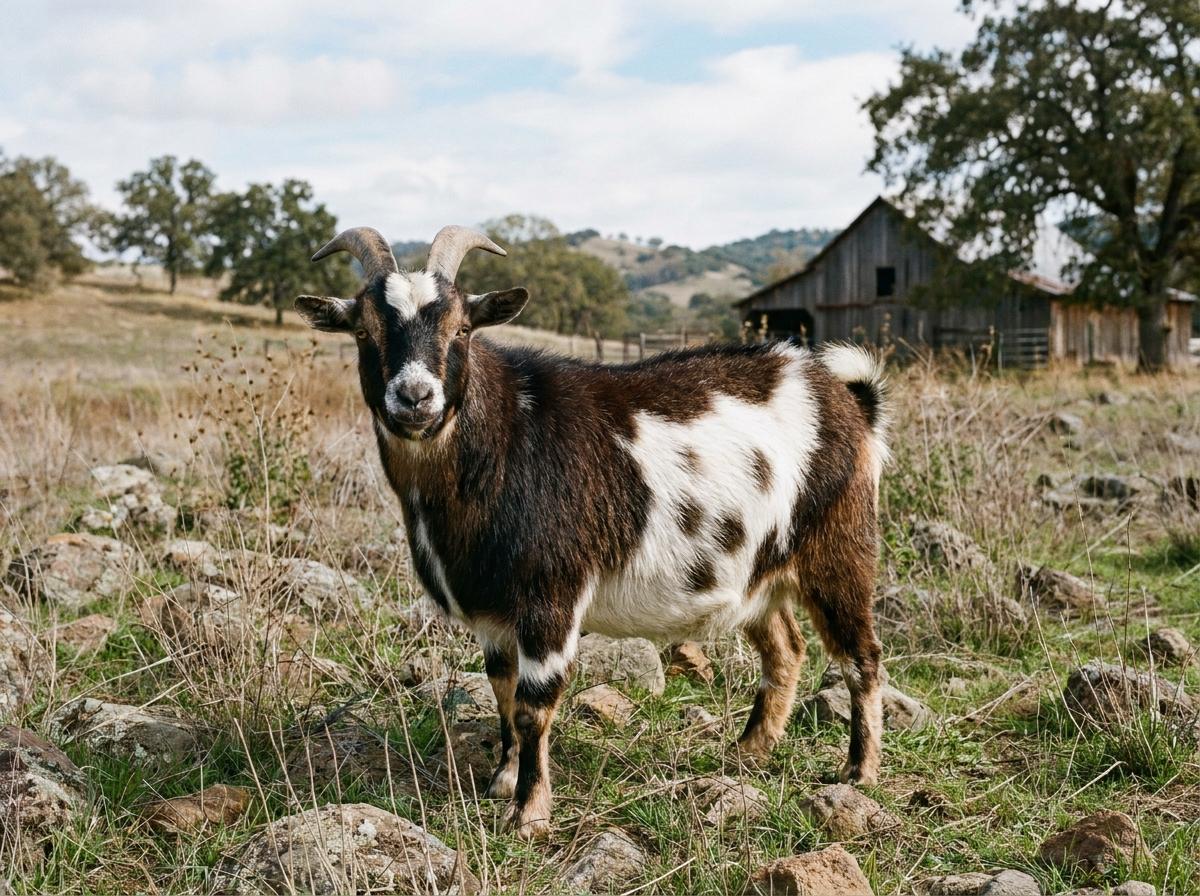
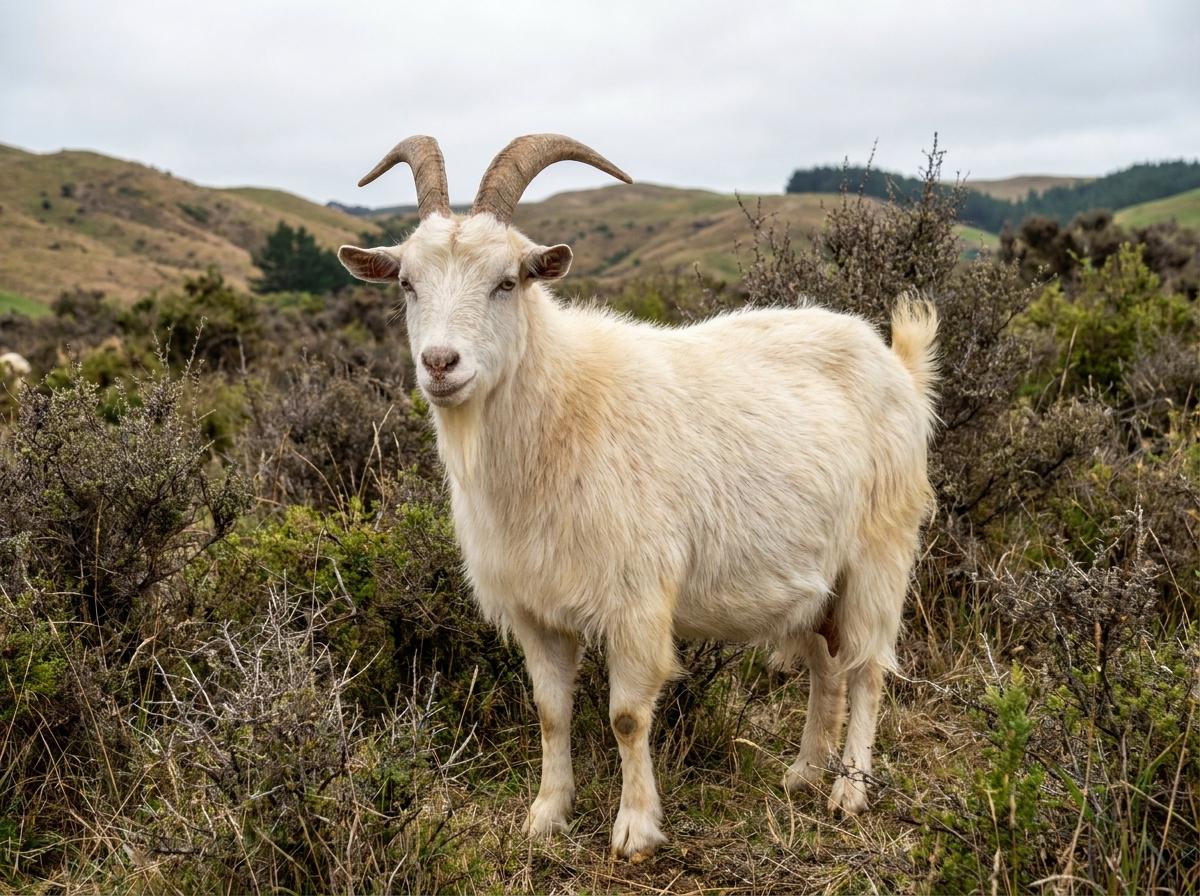
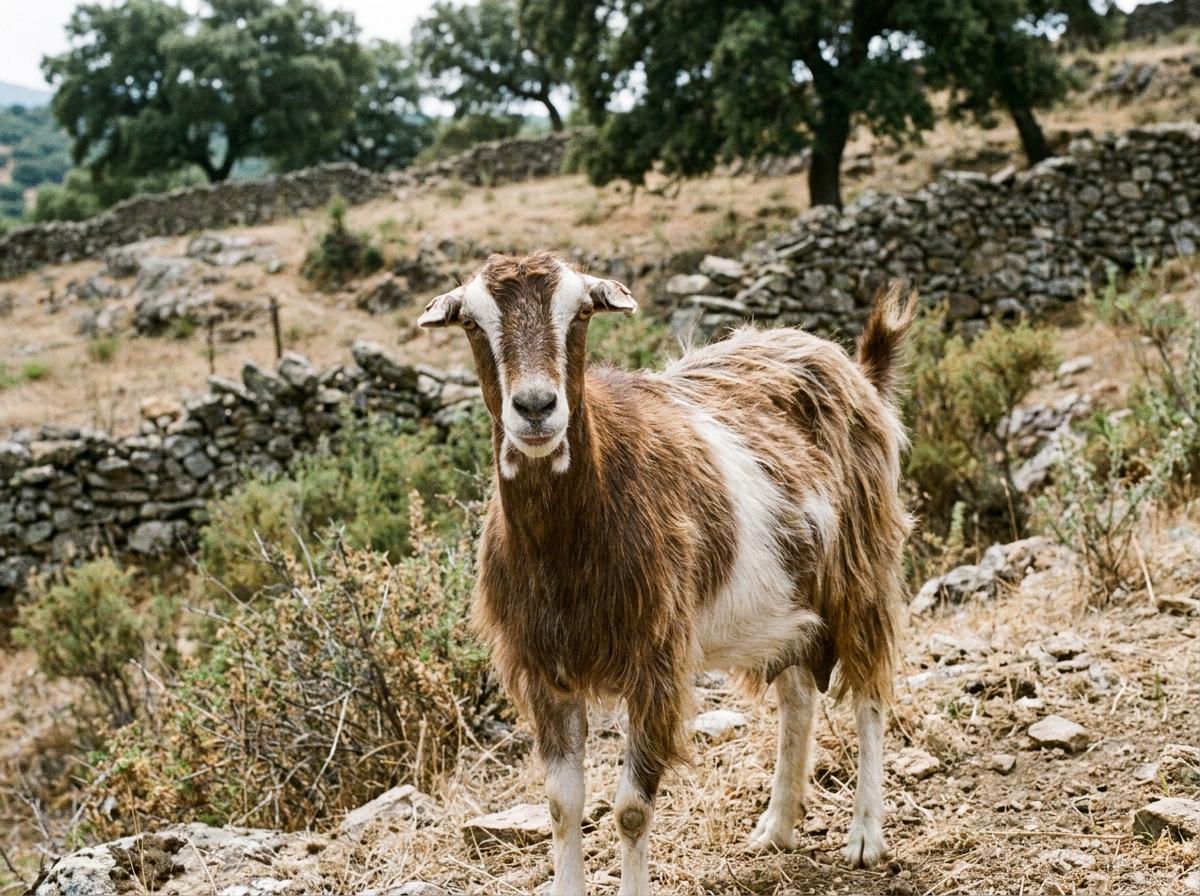
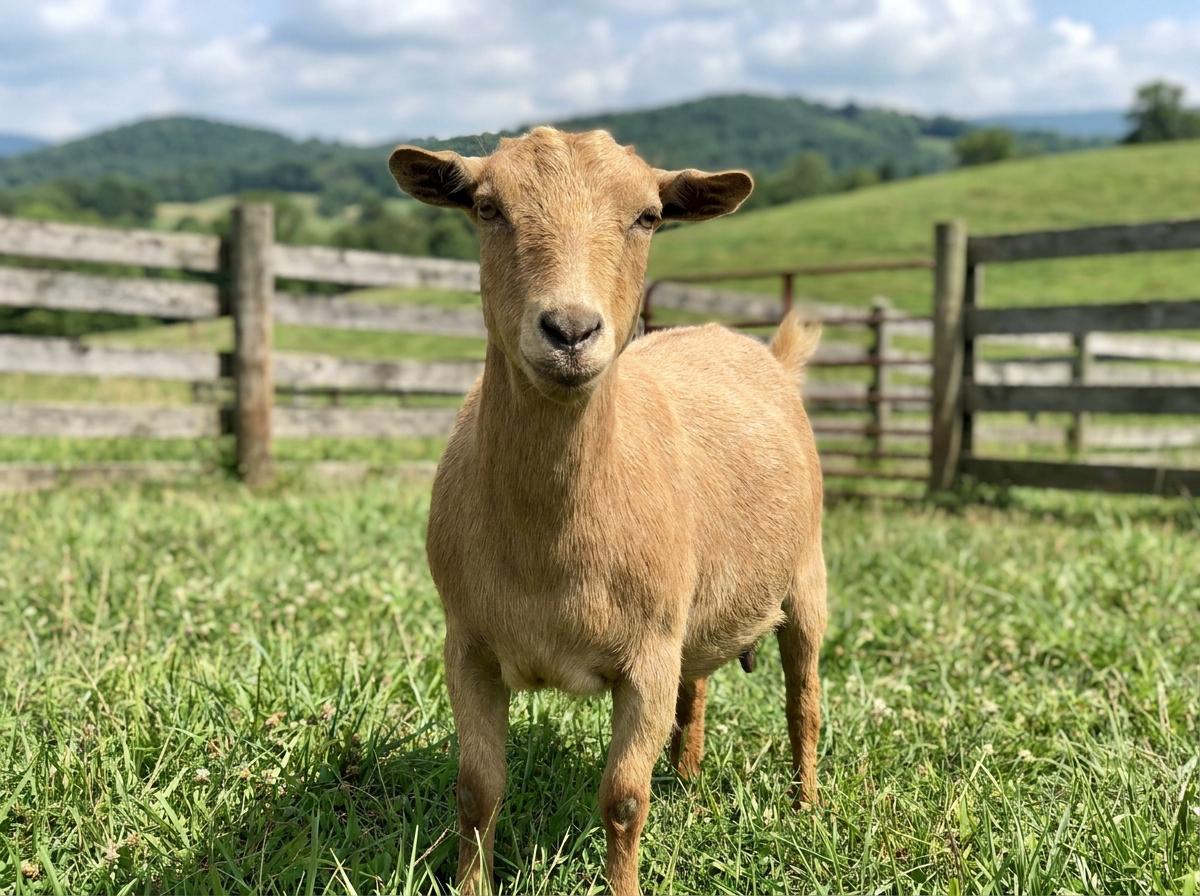
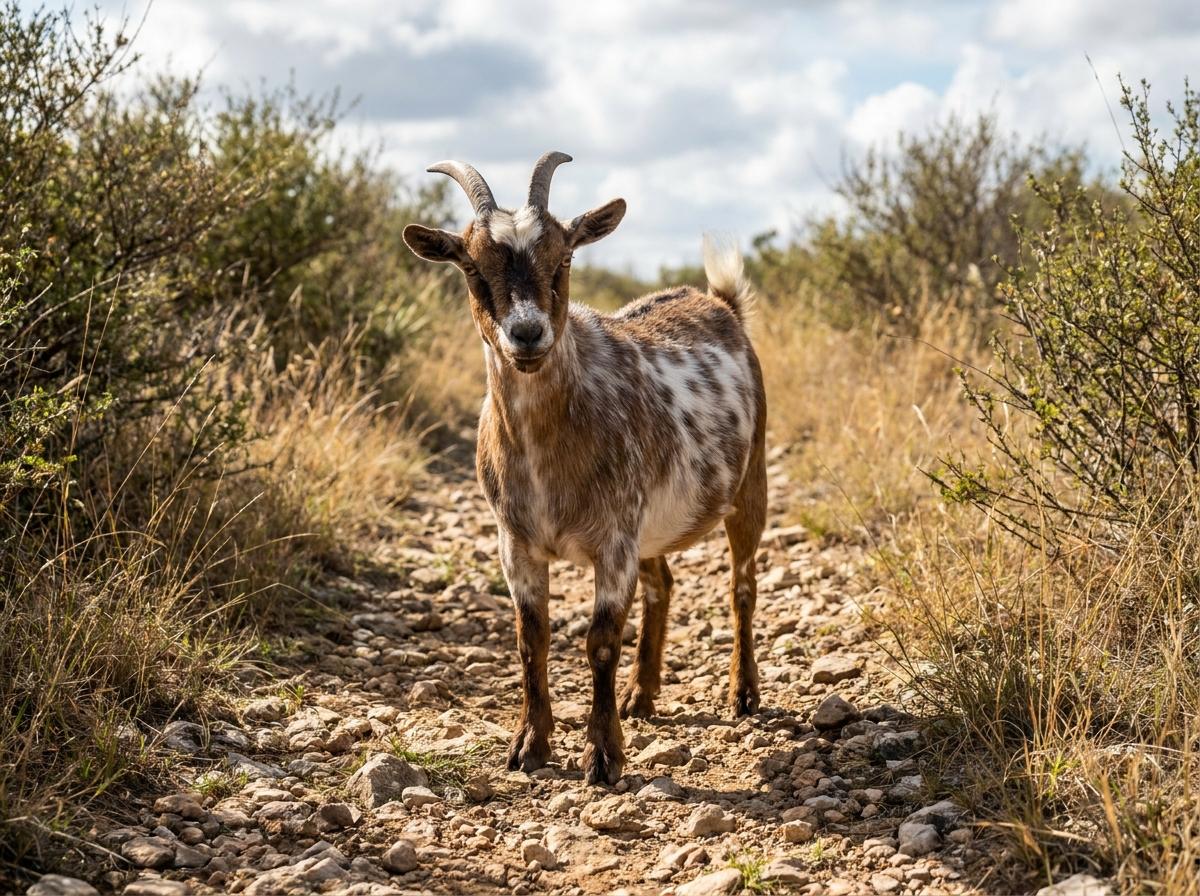
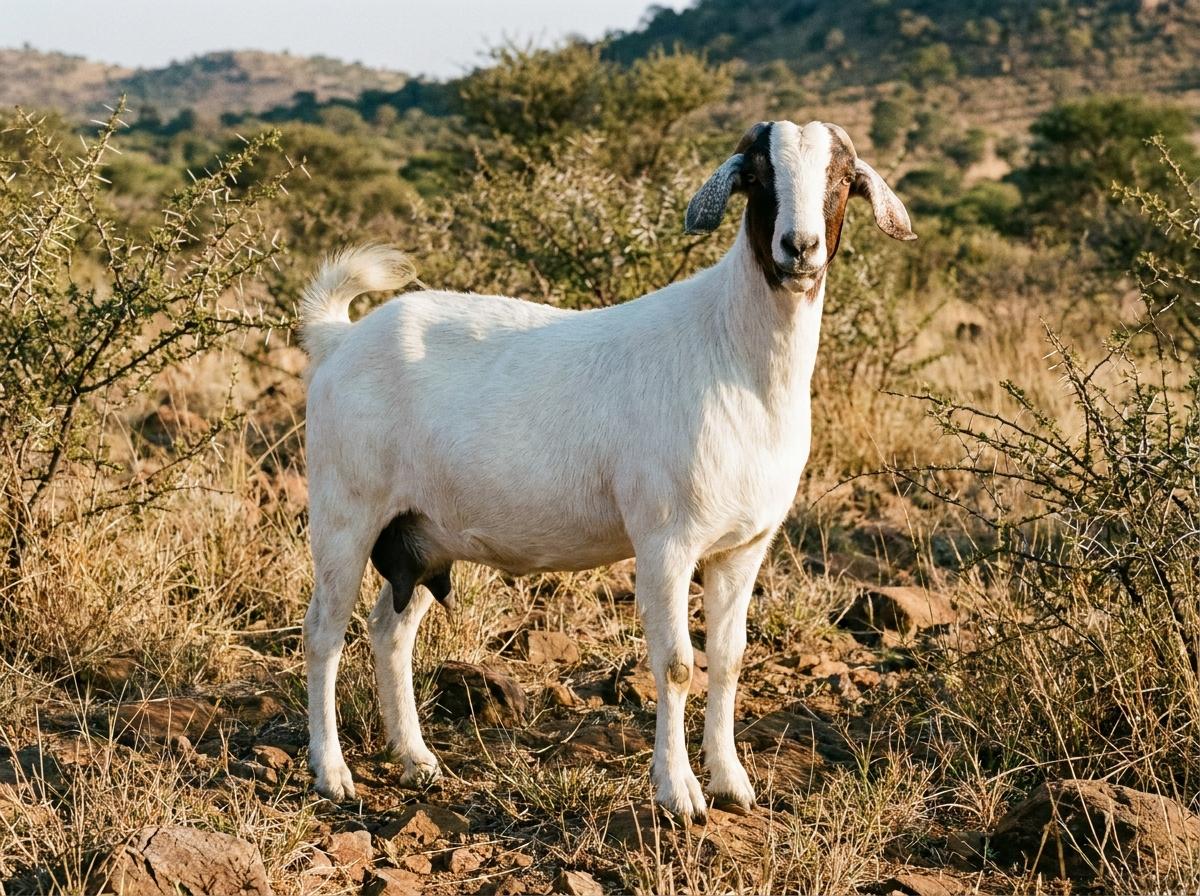
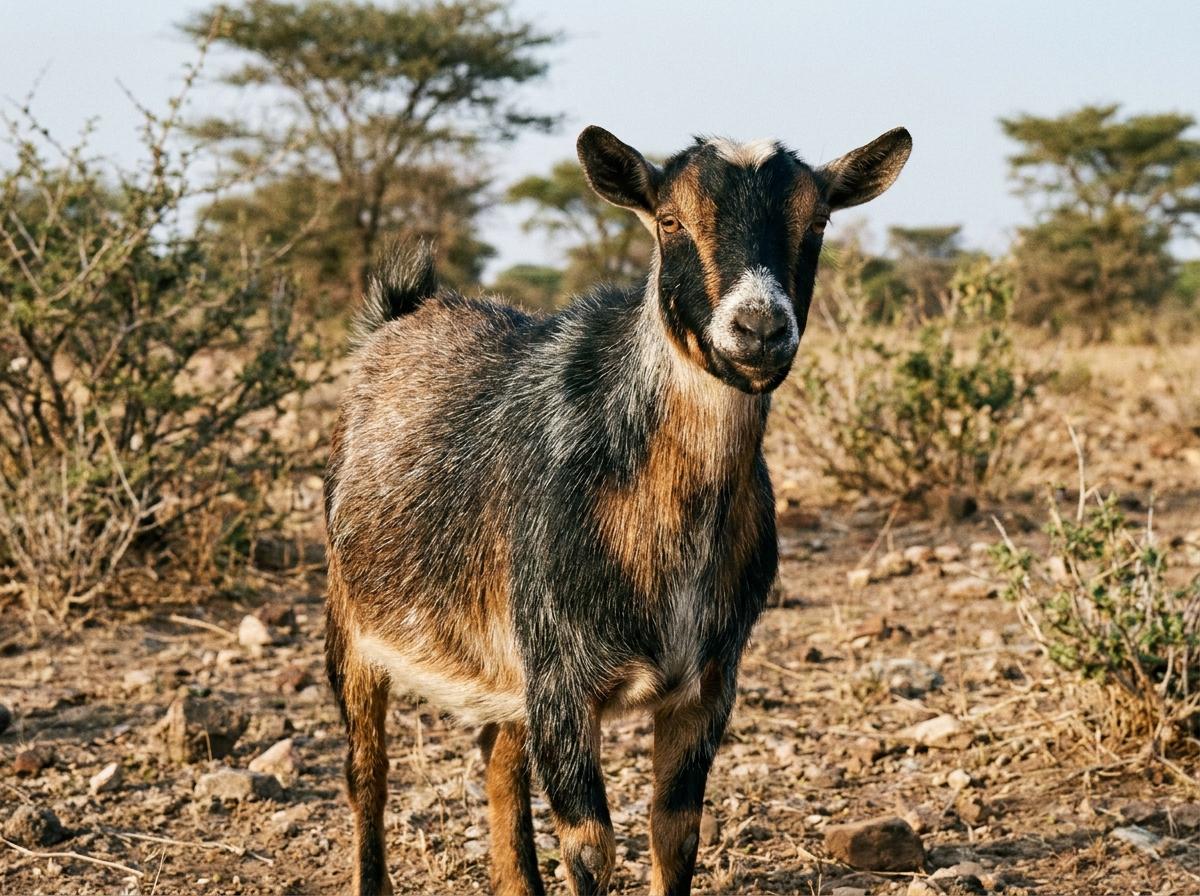
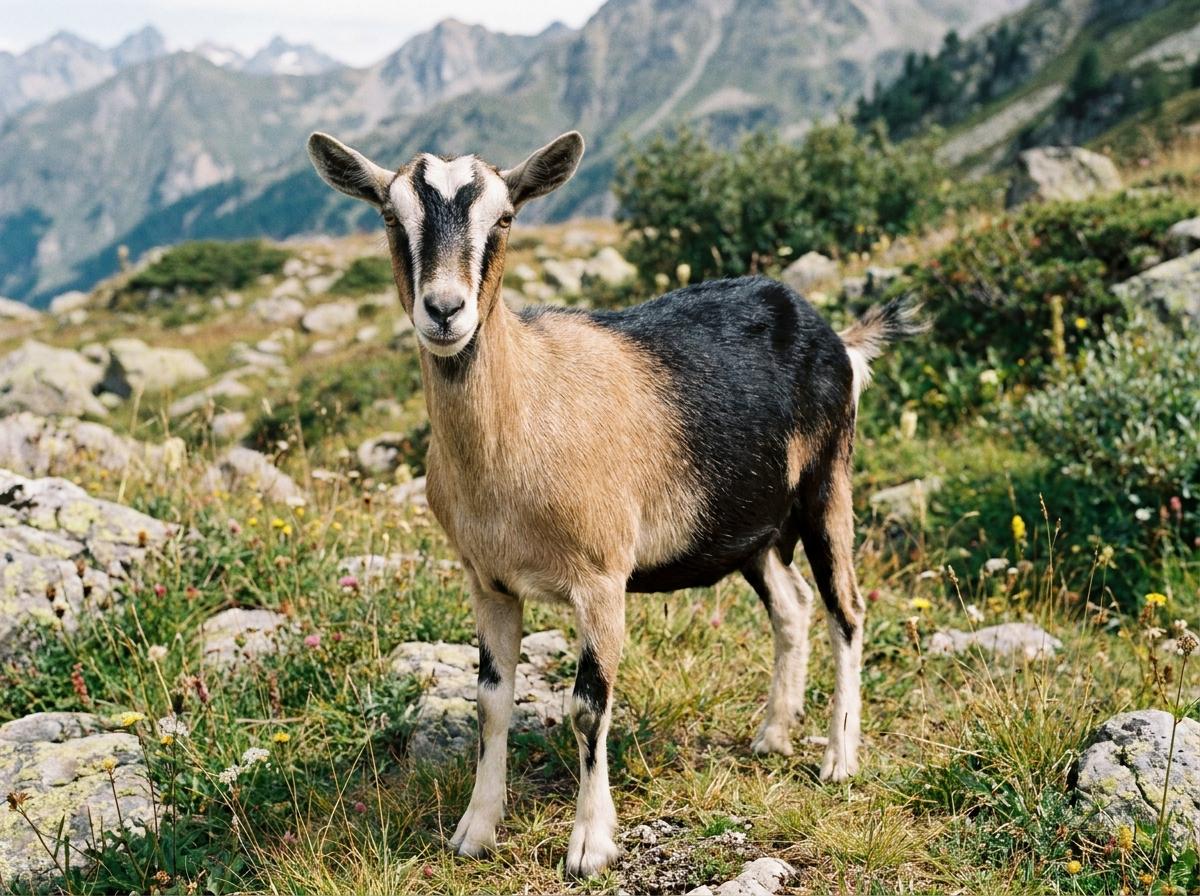
Colors: Belted, Black, Black and White, Brown, Brown and White, Buckskin, Chamoisee, Cou Blanc, Cou Clair, Cream, Fawn, Gold, Moonspotted, Pinto, Red, Red and White, Roan, Spotted, Sundgau, Swiss Marked, Tan, White