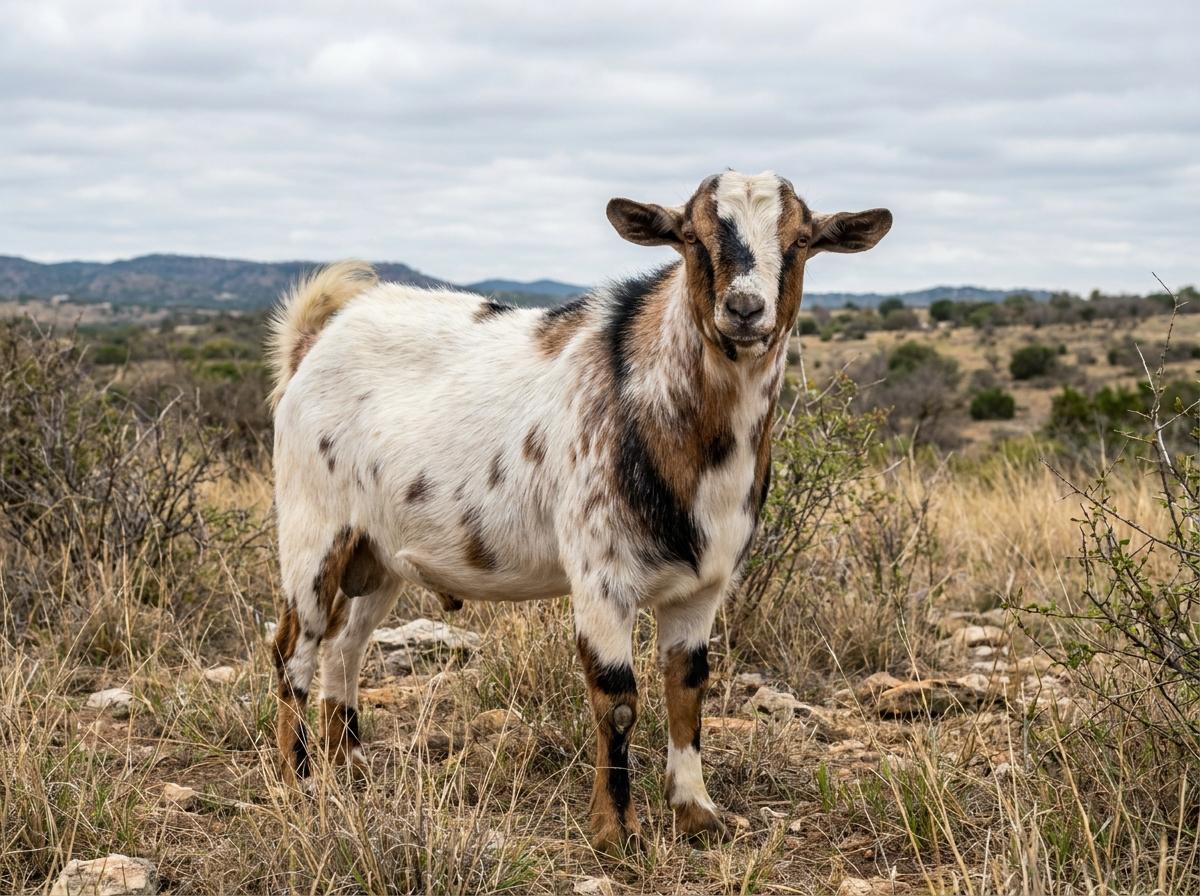
Commercial Crossbred
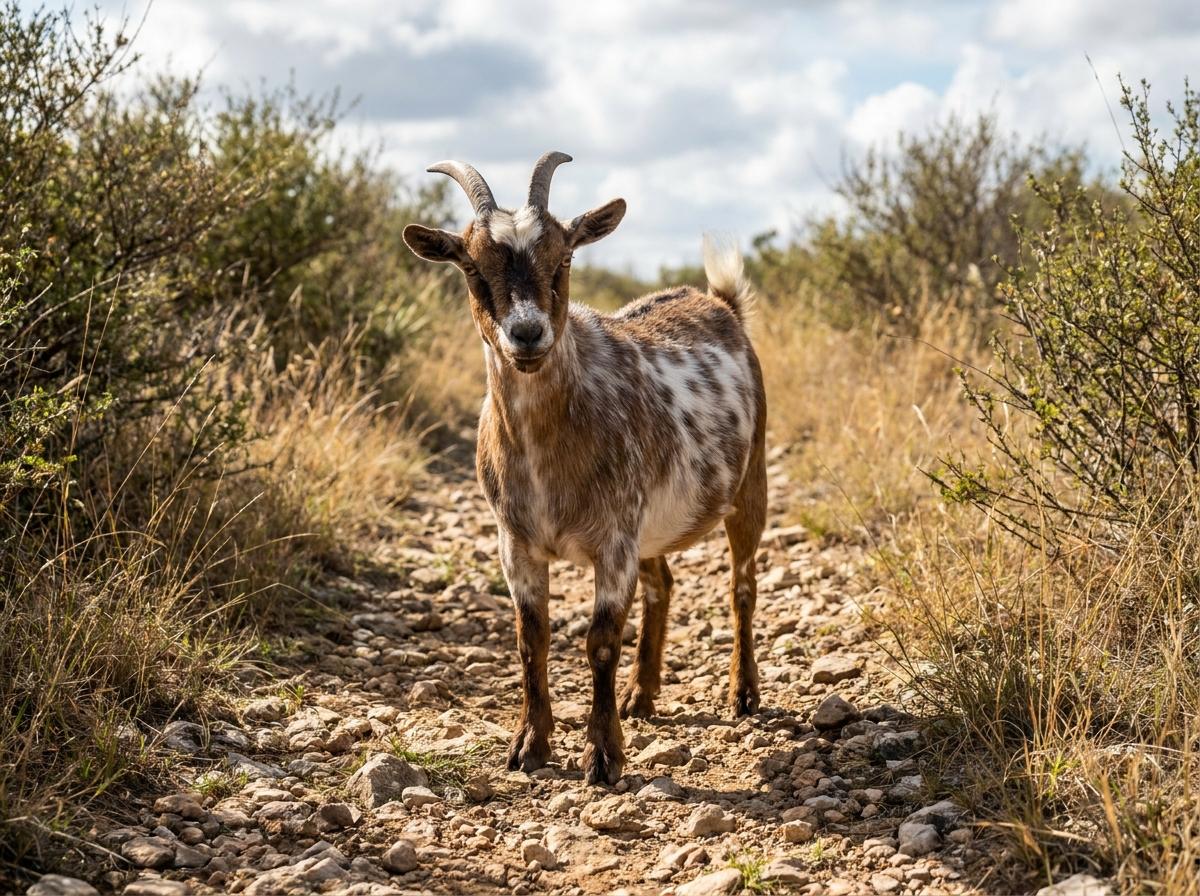
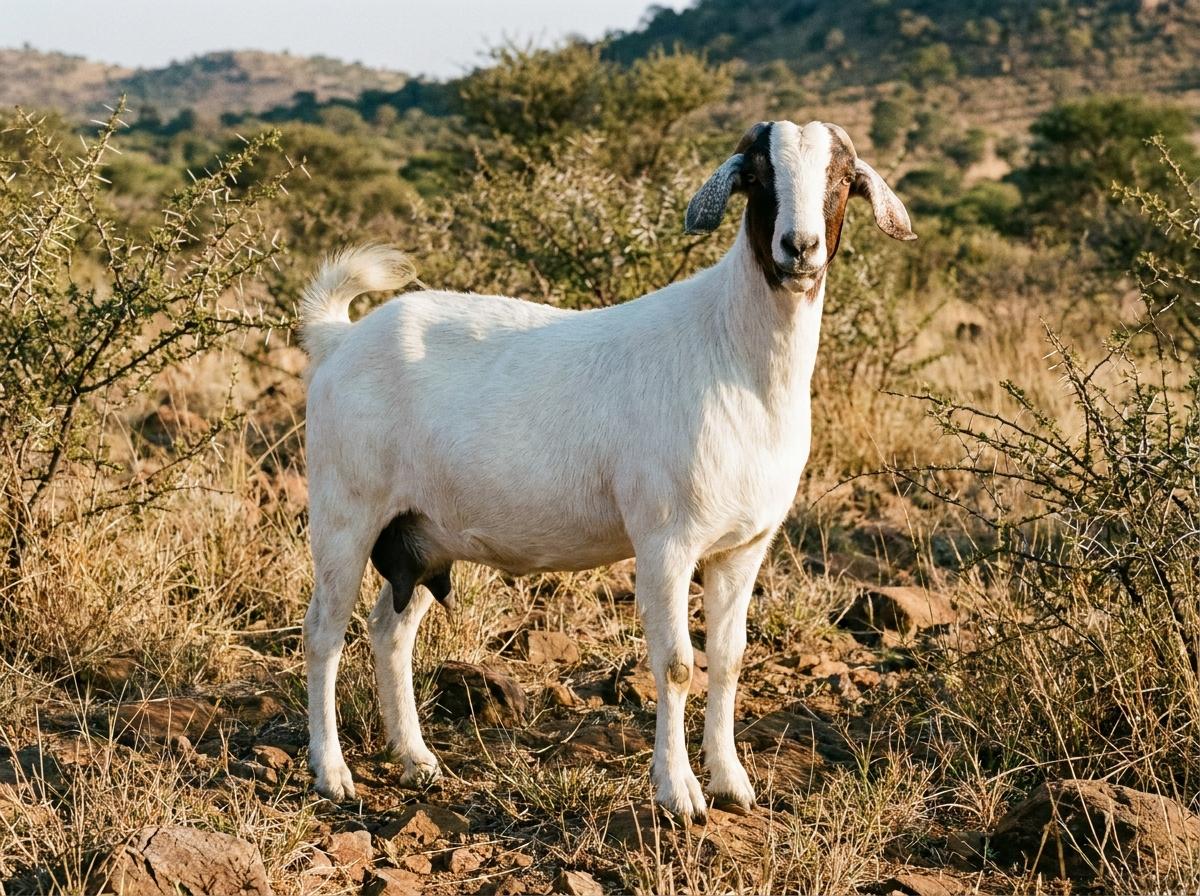
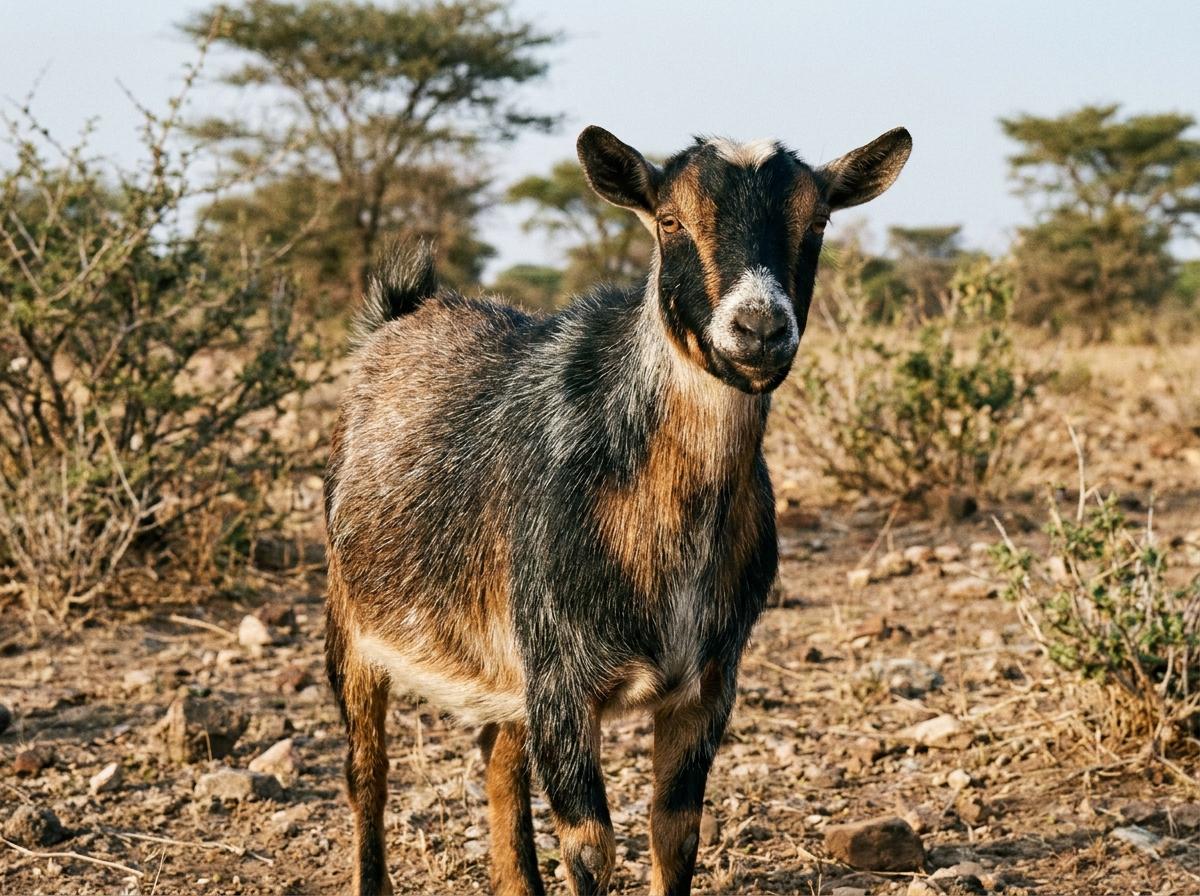
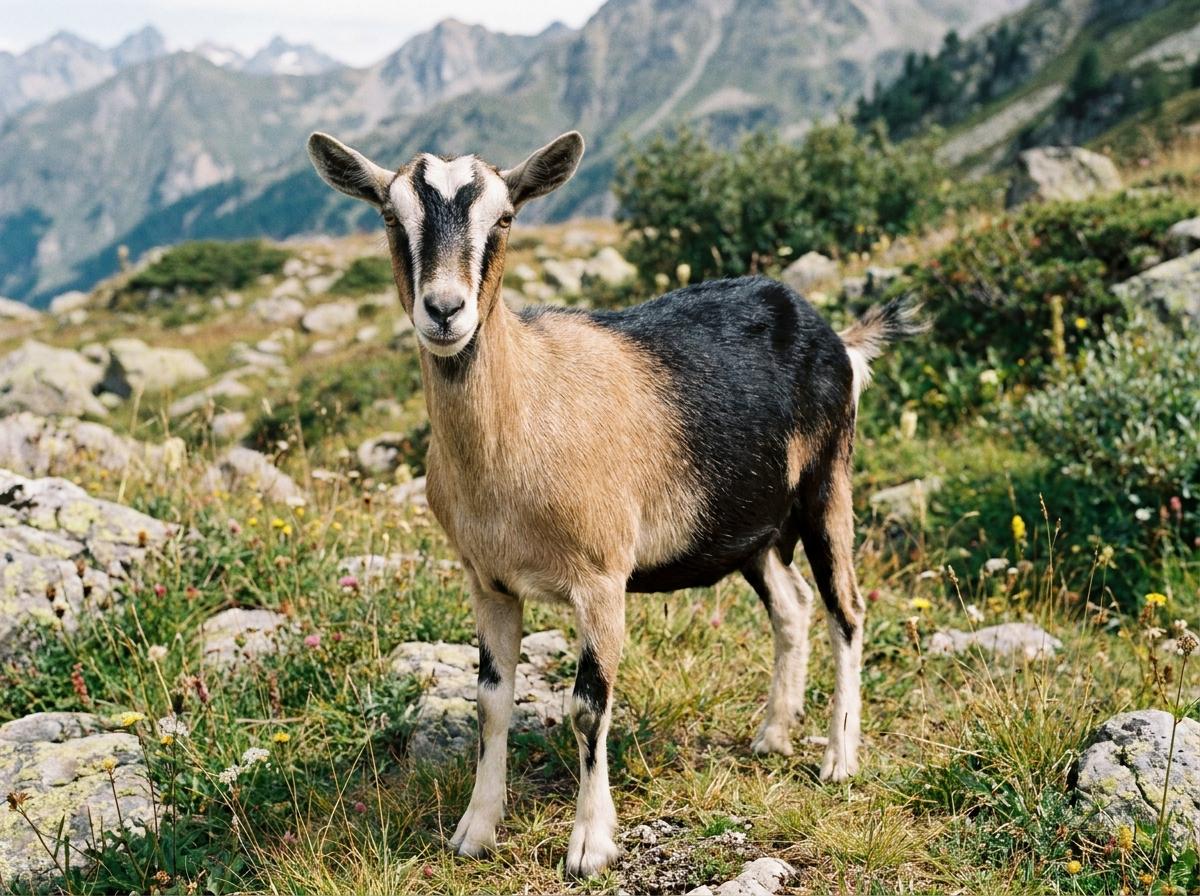
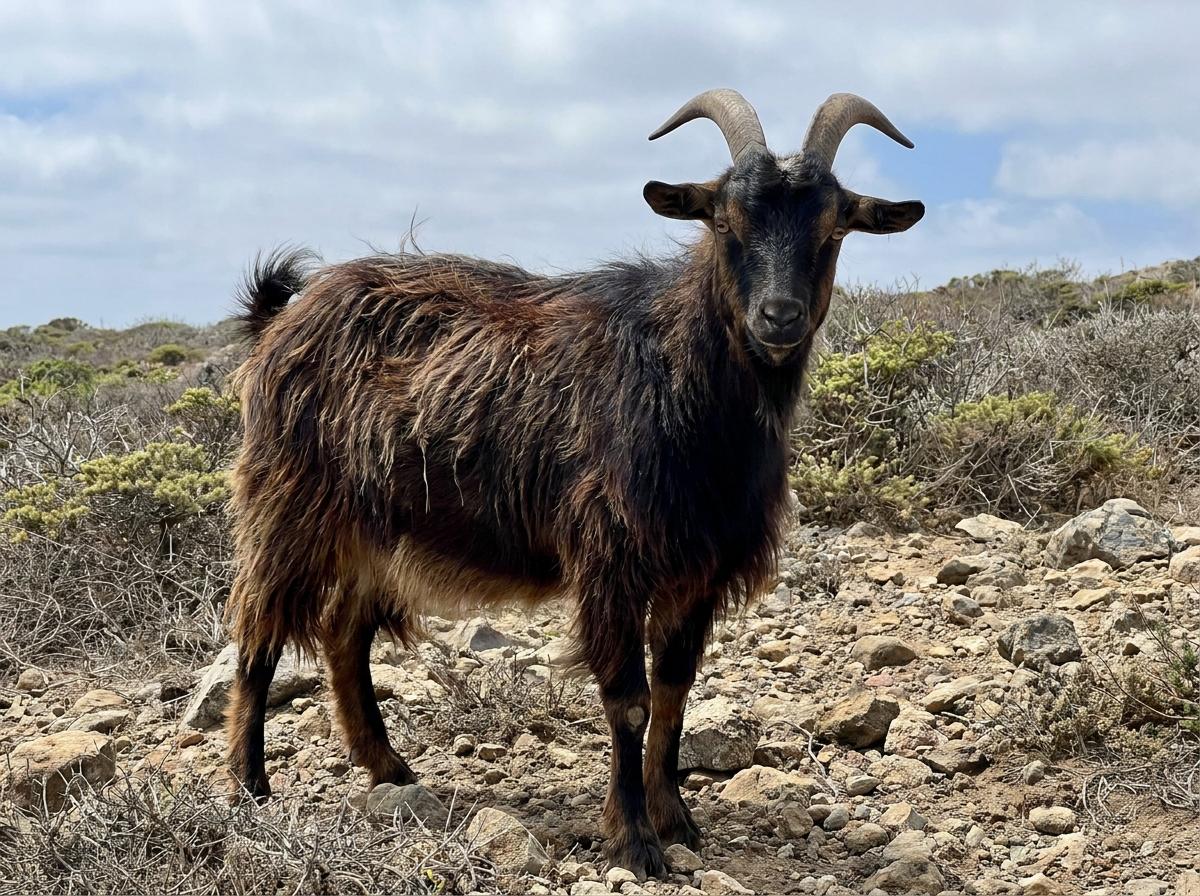
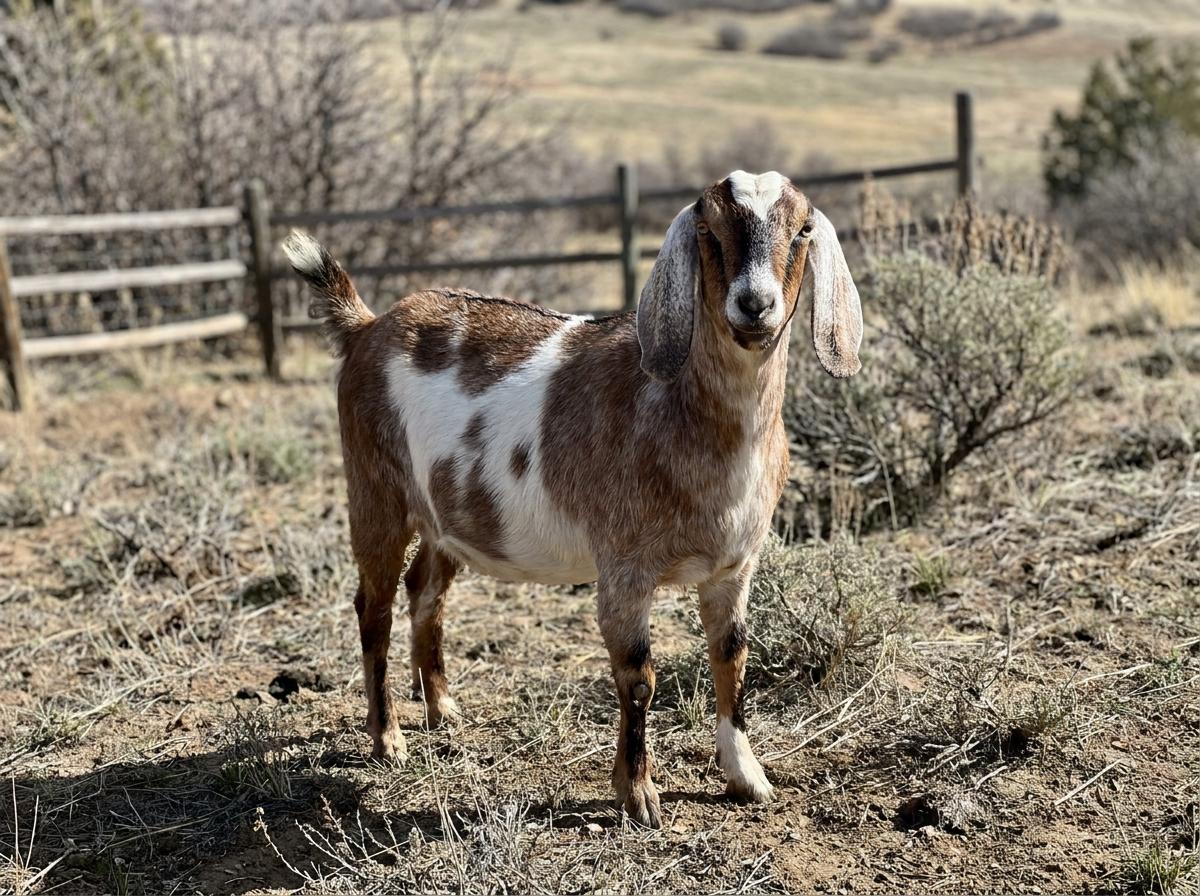
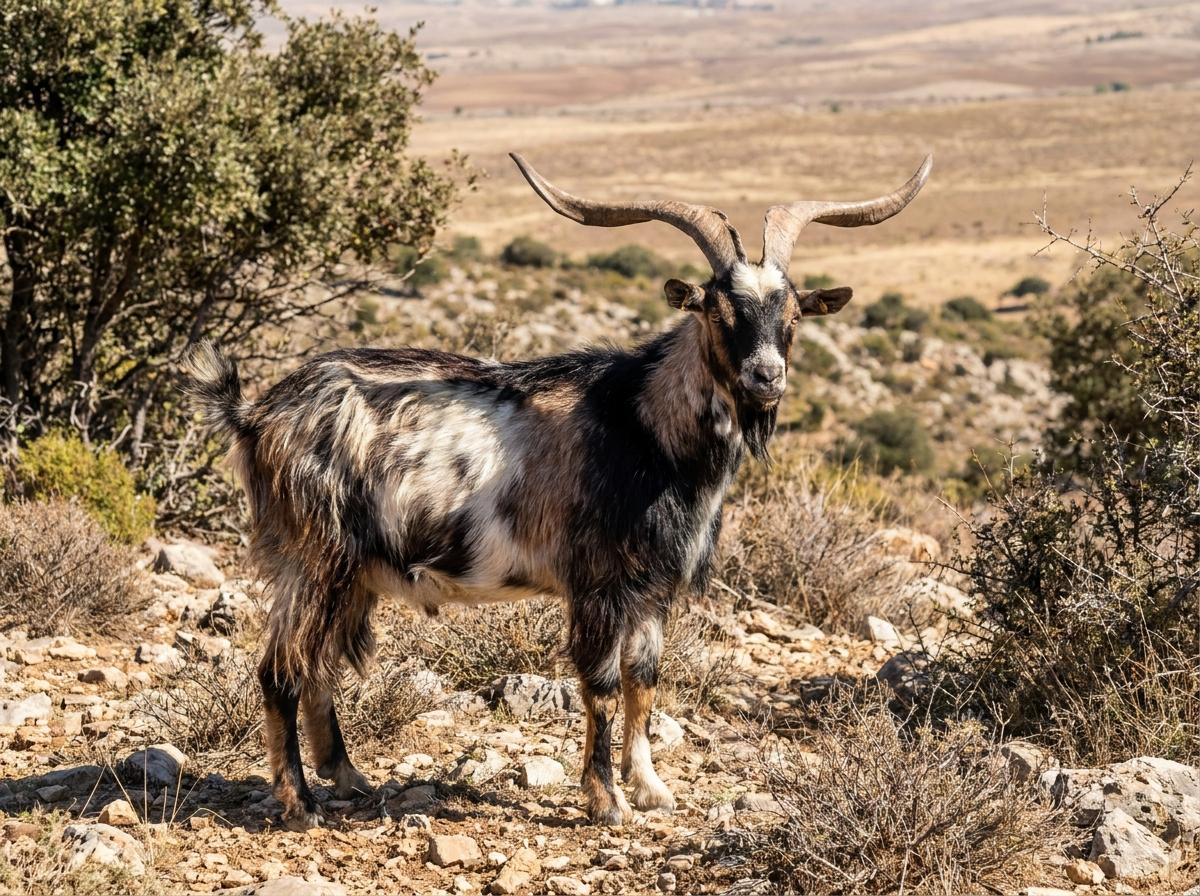
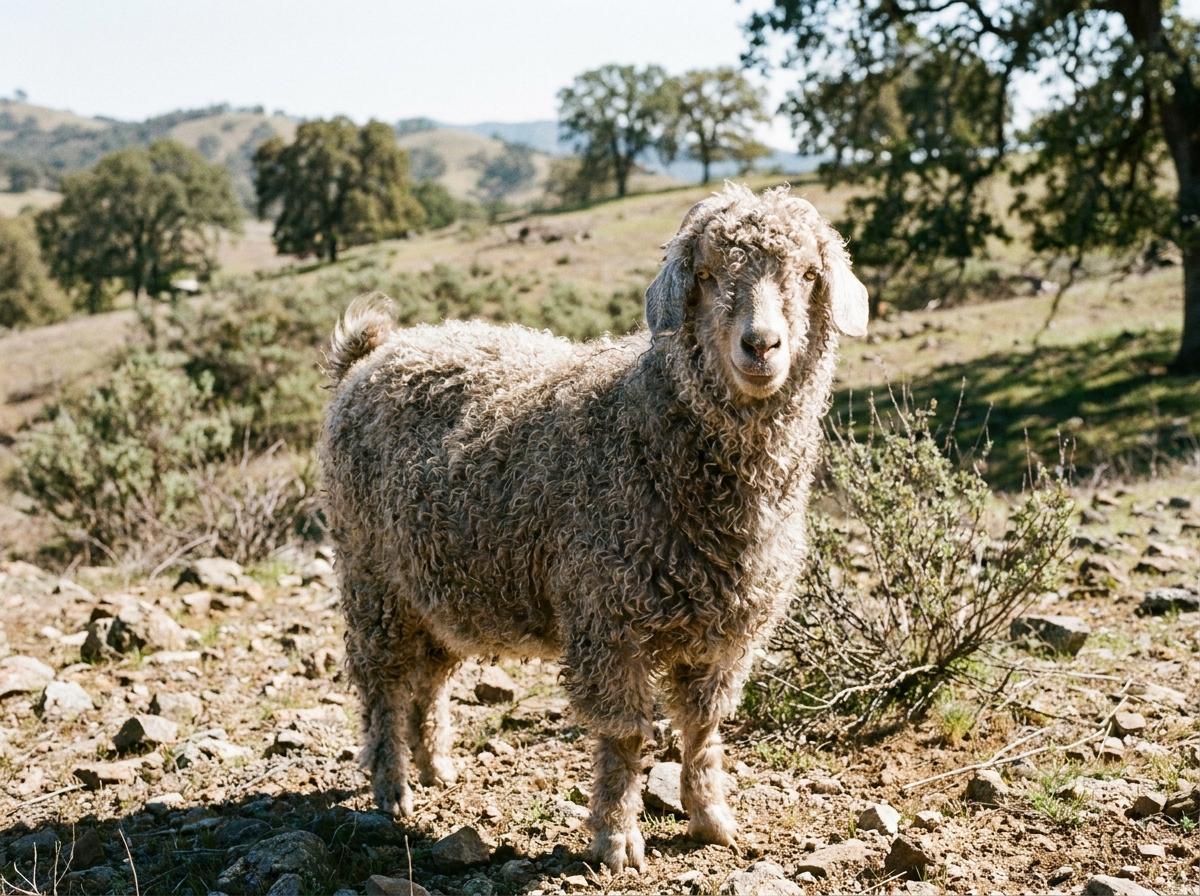
A commercial crossbred goat is not a breed in the traditional sense, but a planned or practical mix of goat genetics used for production. Crosses may combine meat breeds such as Boer or Kiko, dairy influence from Nubian or Alpine-type goats, hardy Spanish or brush goats, or local females adapted to a particular farm. The point is performance: growth, fertility, milk for kids, parasite tolerance, market weight, or survival under the system where the goats are raised.
Management should match the crossbreeding goal. Terminal meat kids, replacement does, brush-control herds, and small dairy crosses all need different selection pressure. Good records are especially helpful because color and appearance do not reveal which animals are producing the best results. Producers should track sire, dam, kidding rate, weaning weight, health treatments, and culling reasons. Crossbreeding can be very effective, but it works best when the farm keeps locally adapted females, uses bucks with a clear purpose, and avoids changing direction every season.
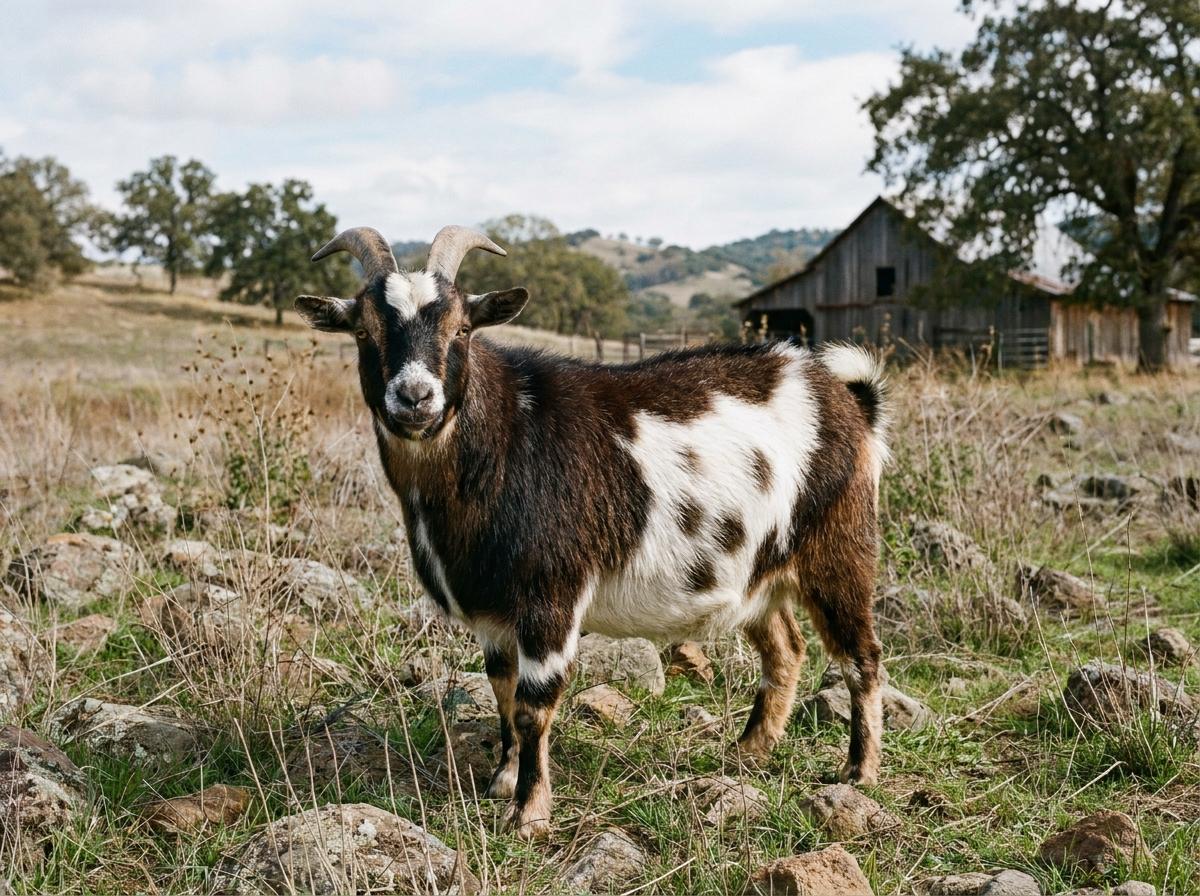
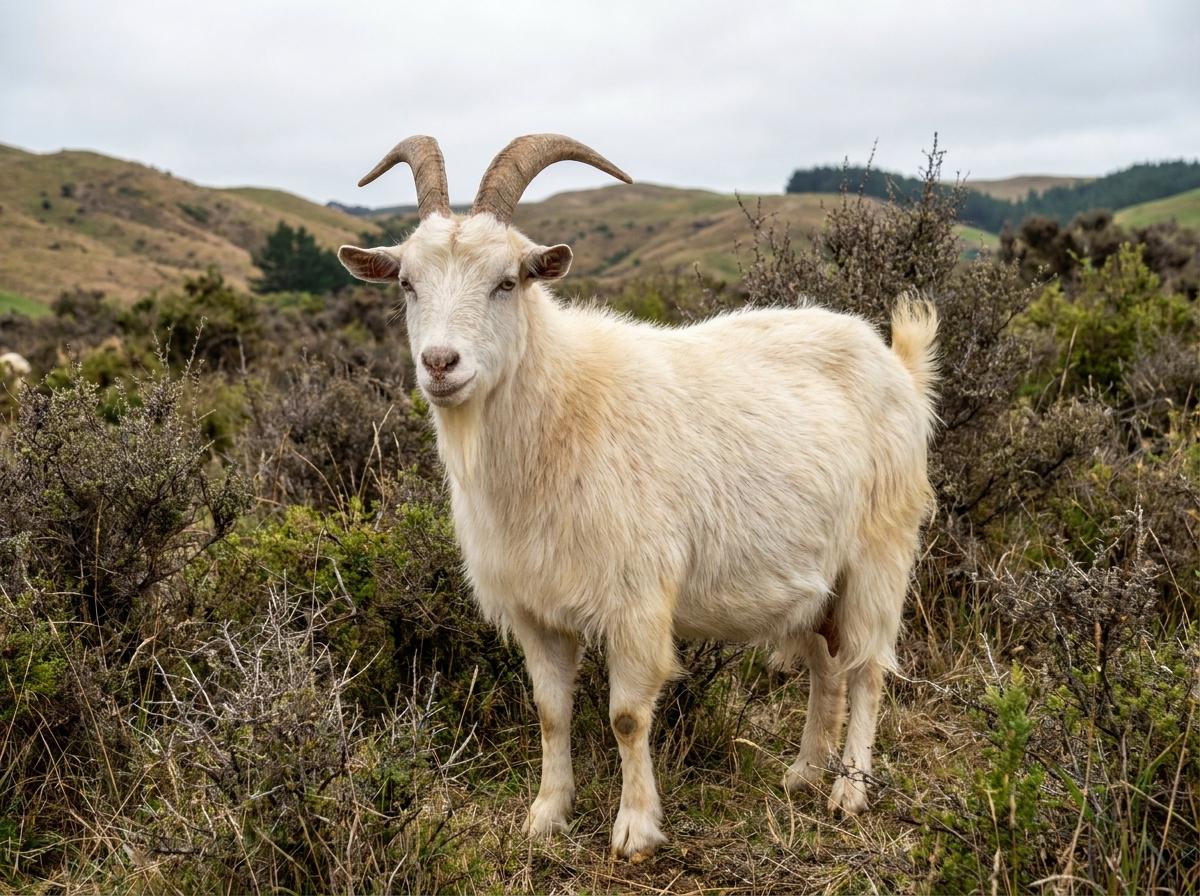
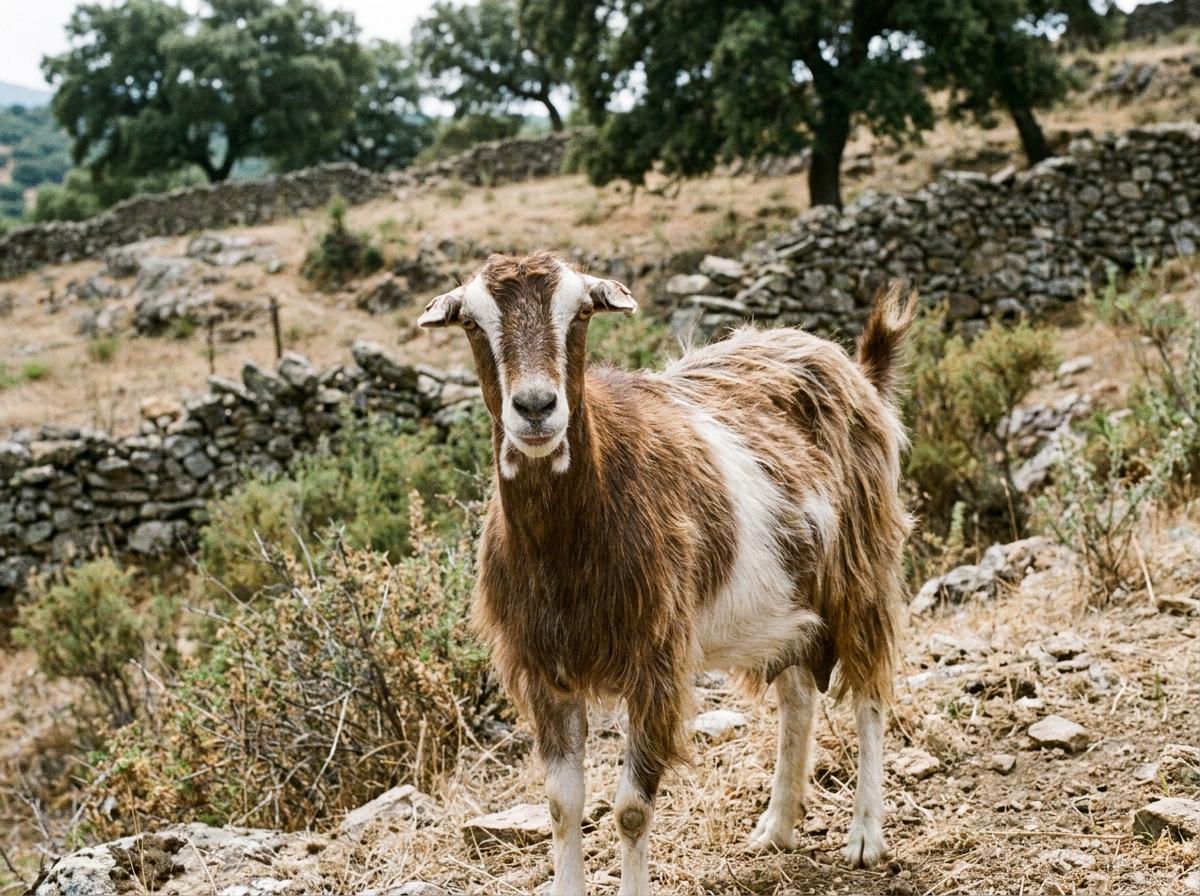
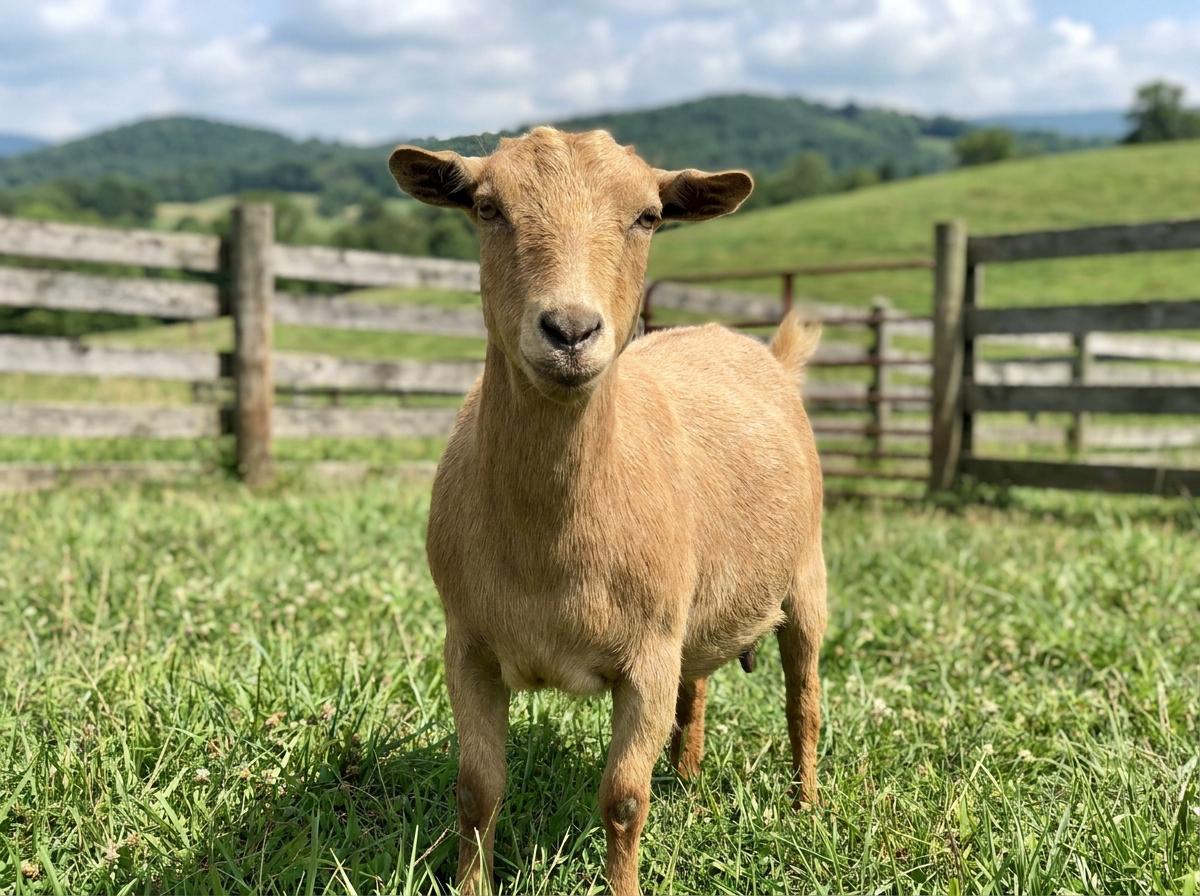
Colors: Black, Brown, White, Cream, Tan, Fawn, Gold, Red, Gray, Chamoisee, Buckskin, Cou Blanc, Cou Clair, Cou Noir, Sundgau, Swiss Marked, Moonspotted, Pinto, Spotted, Roan, Belted, Black and White, Brown and White, Red and White, White with Black Markings, White with Brown Markings