

Dairy Crosses
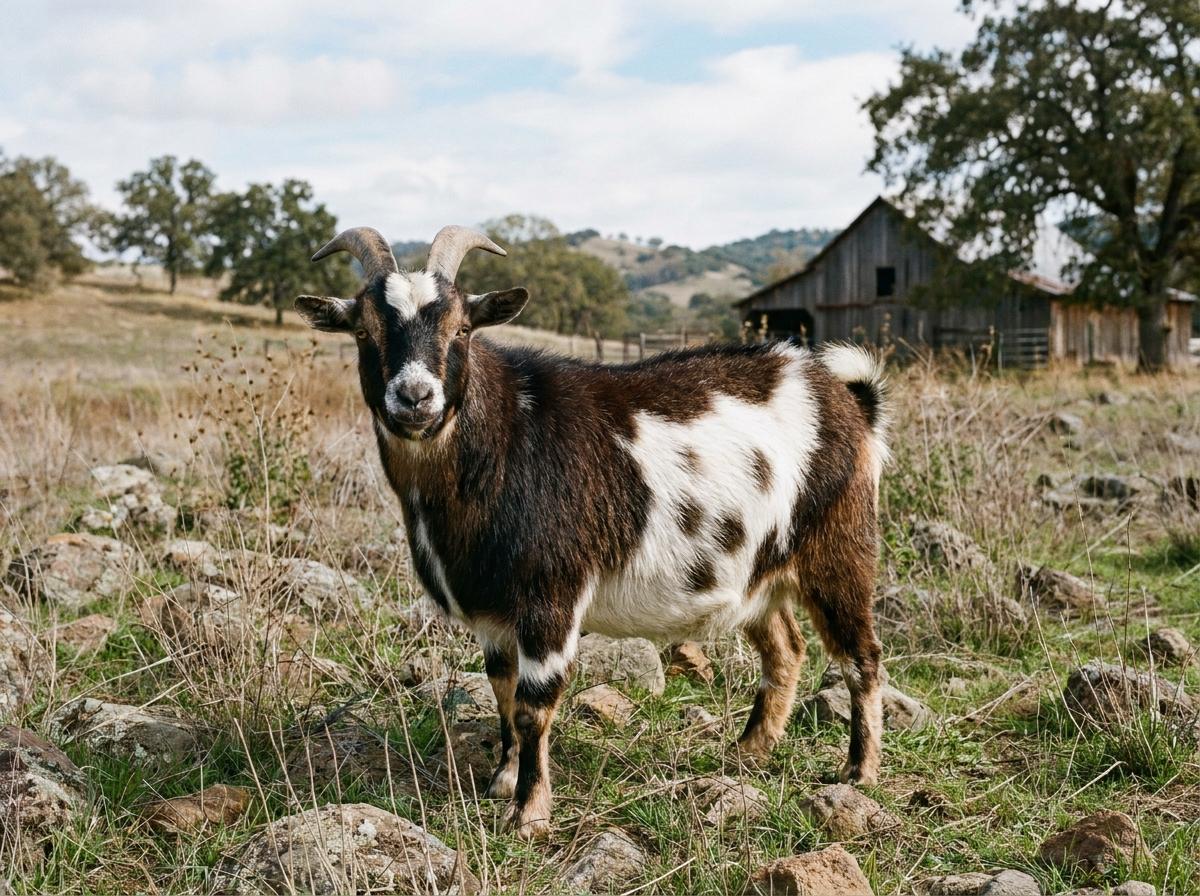
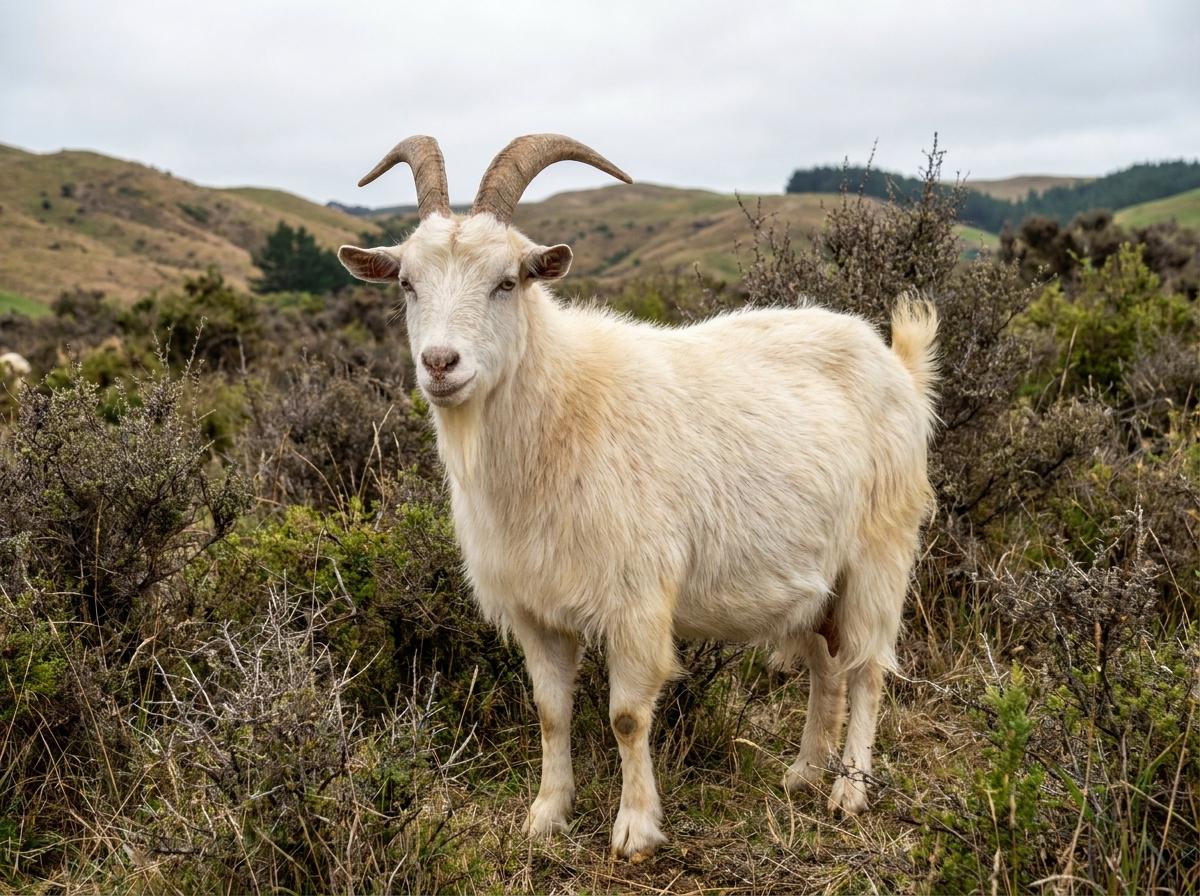
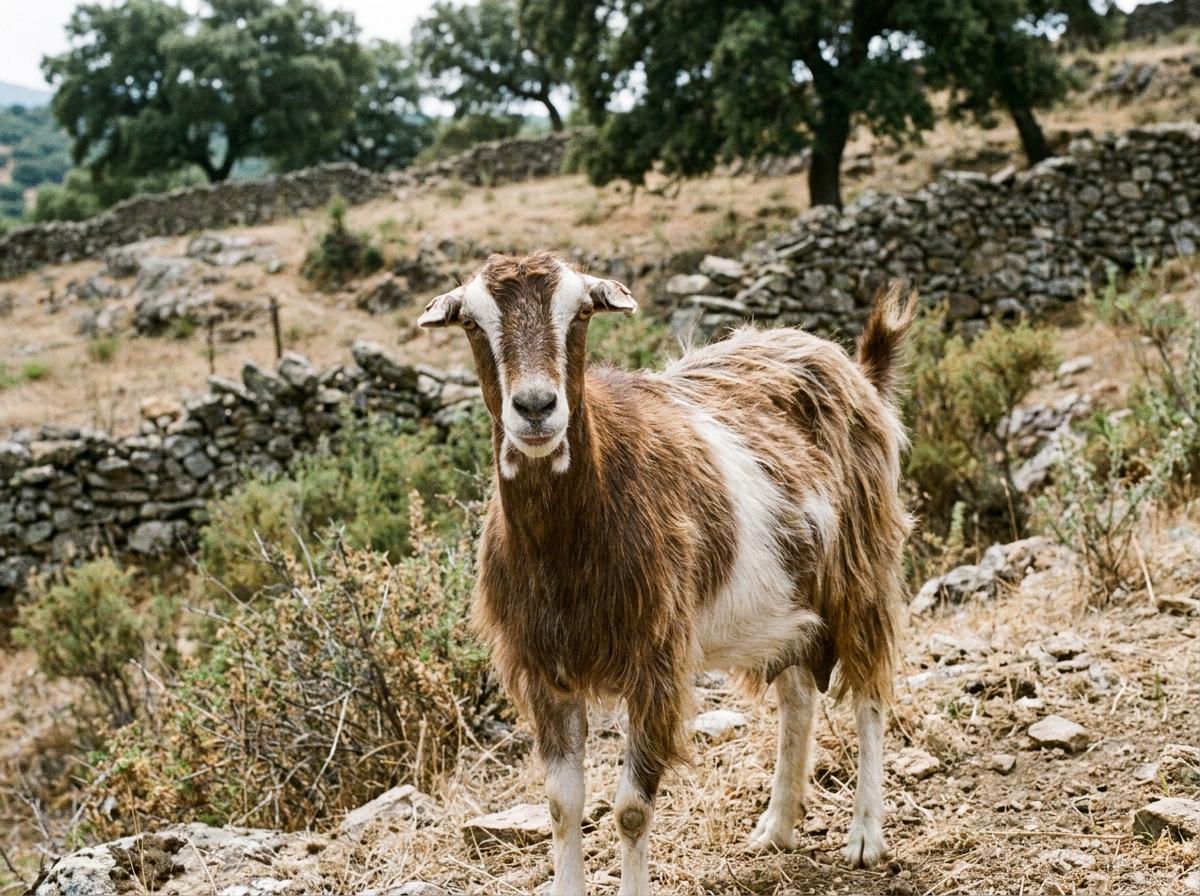
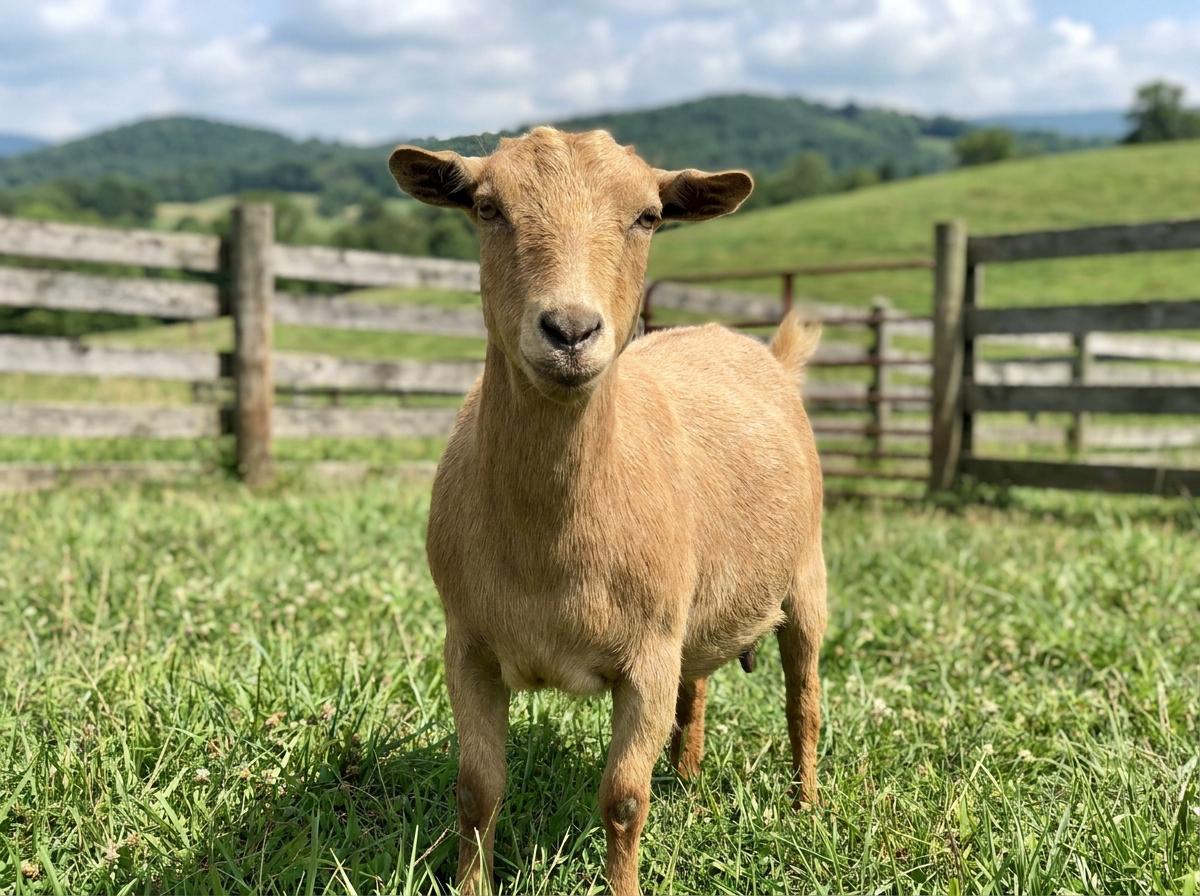
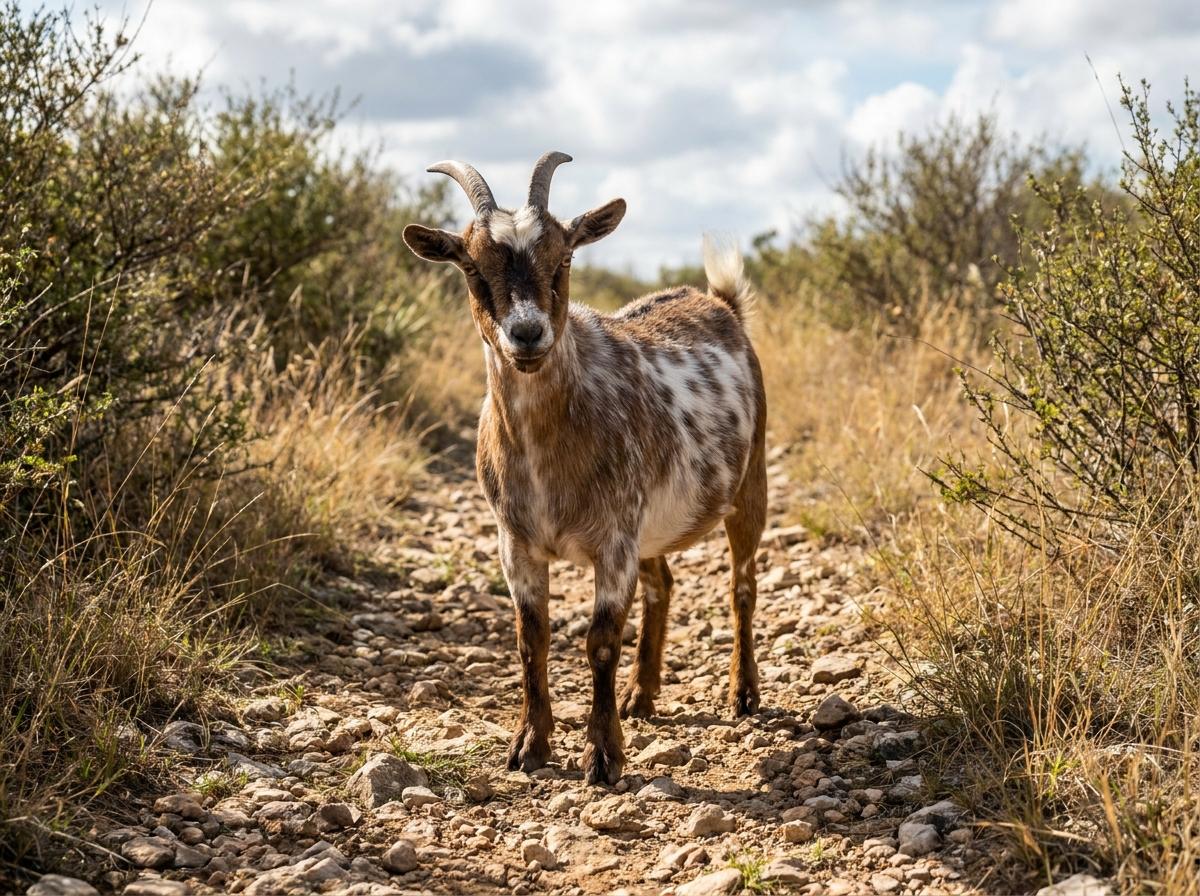
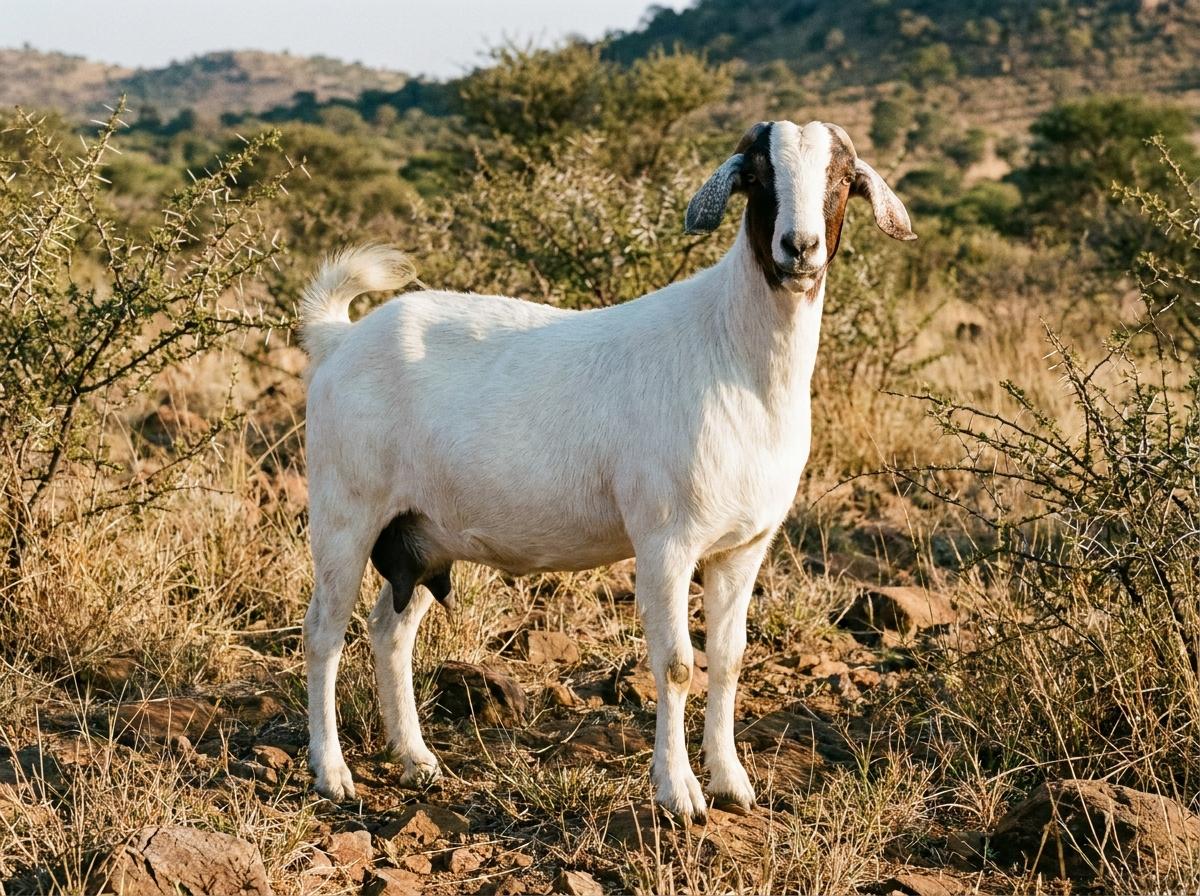
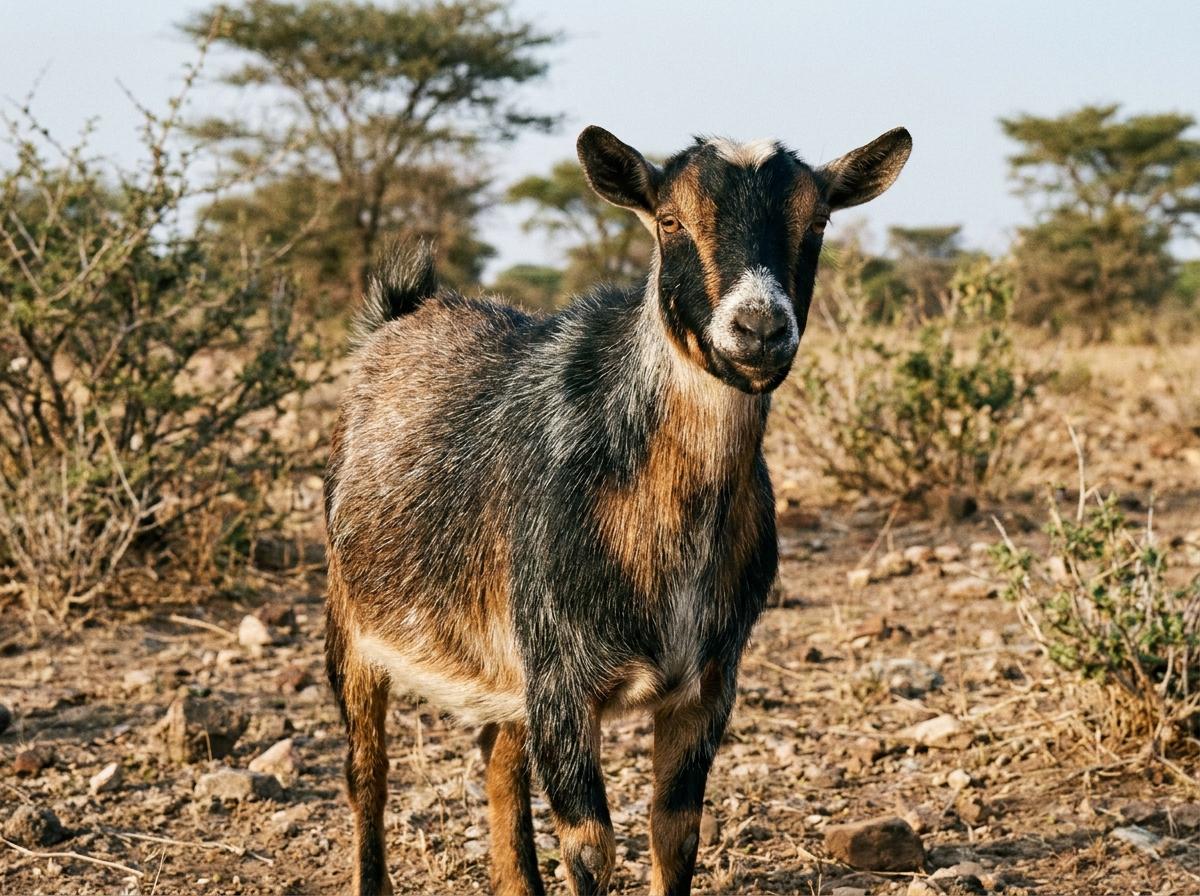
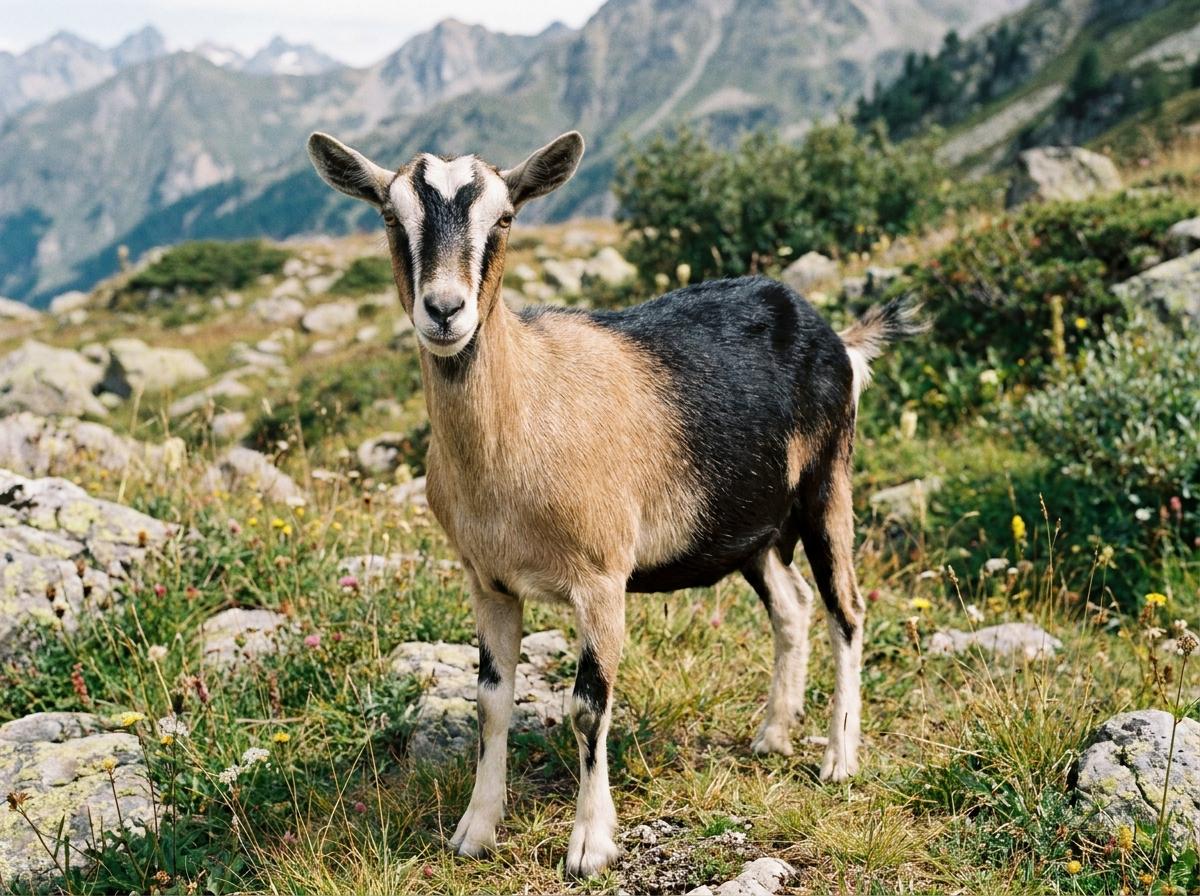
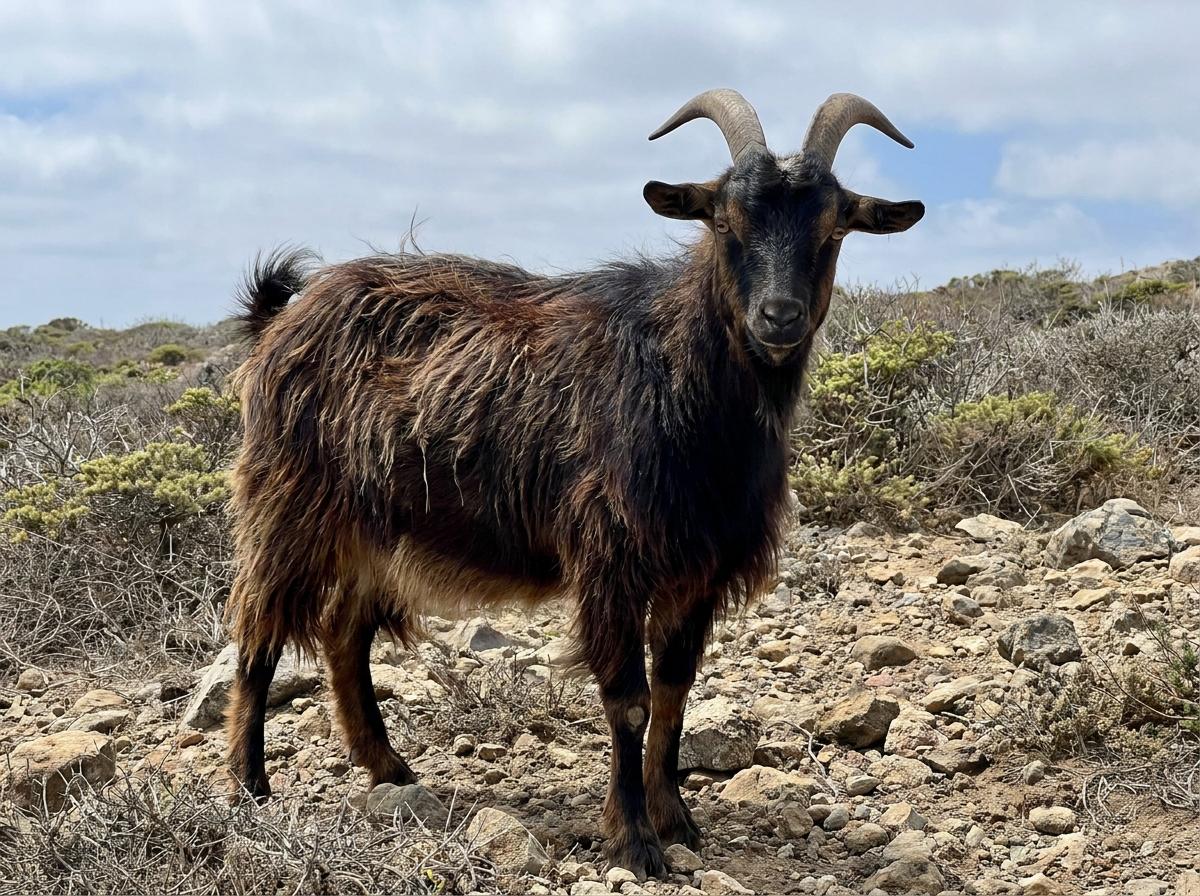
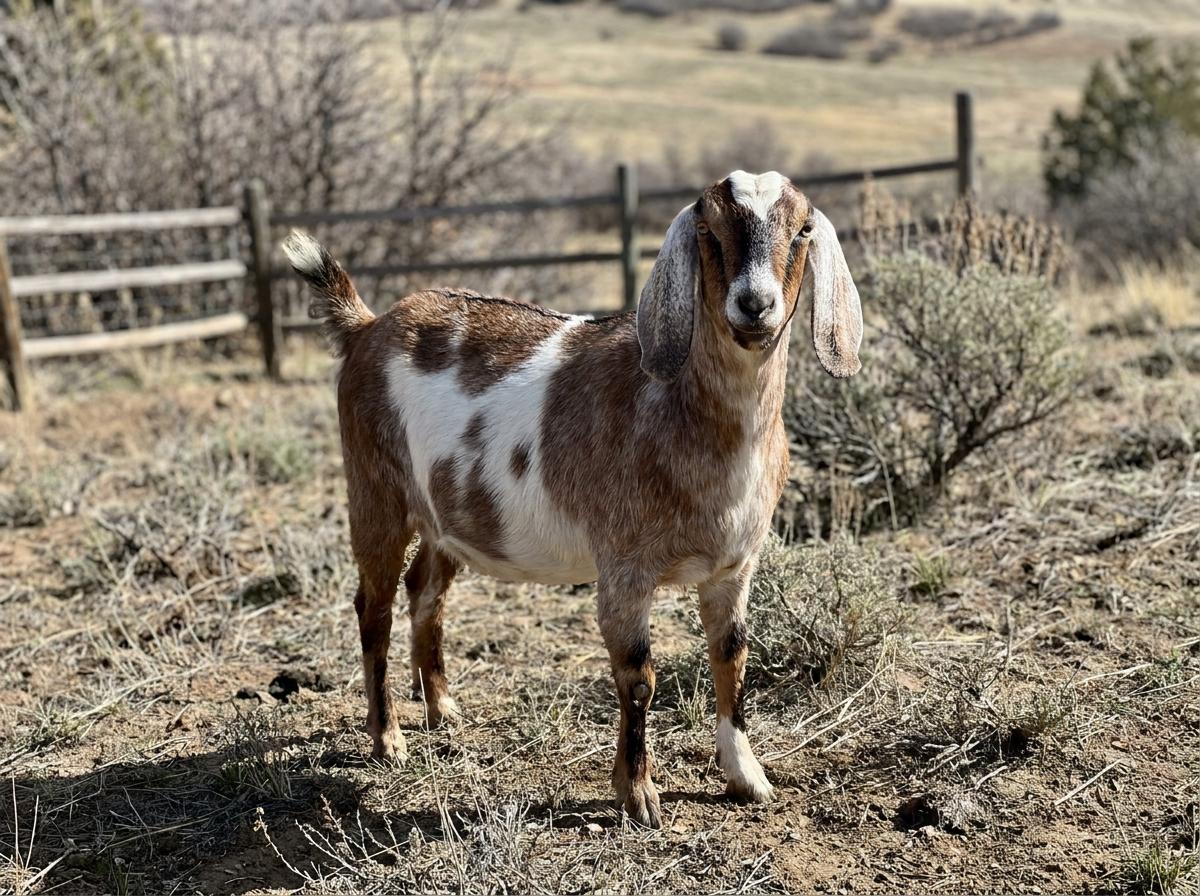
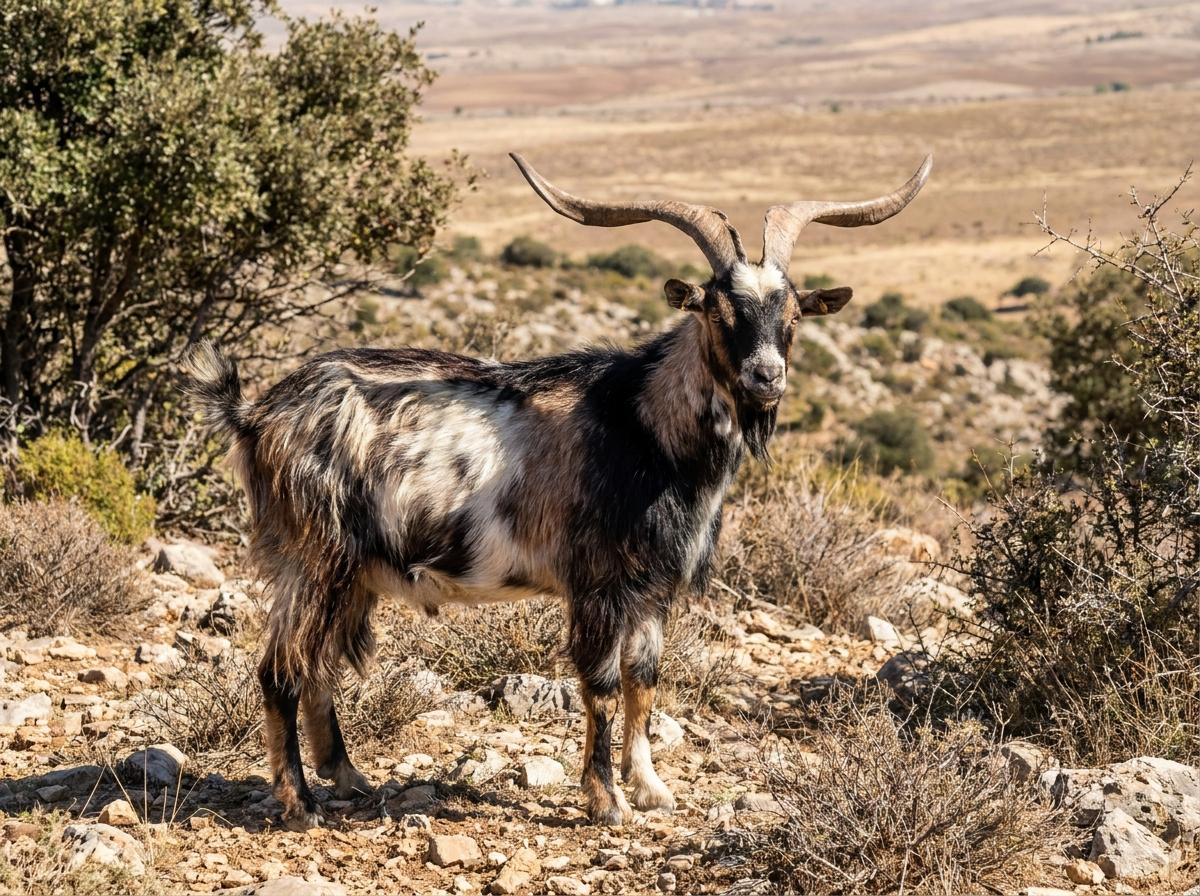
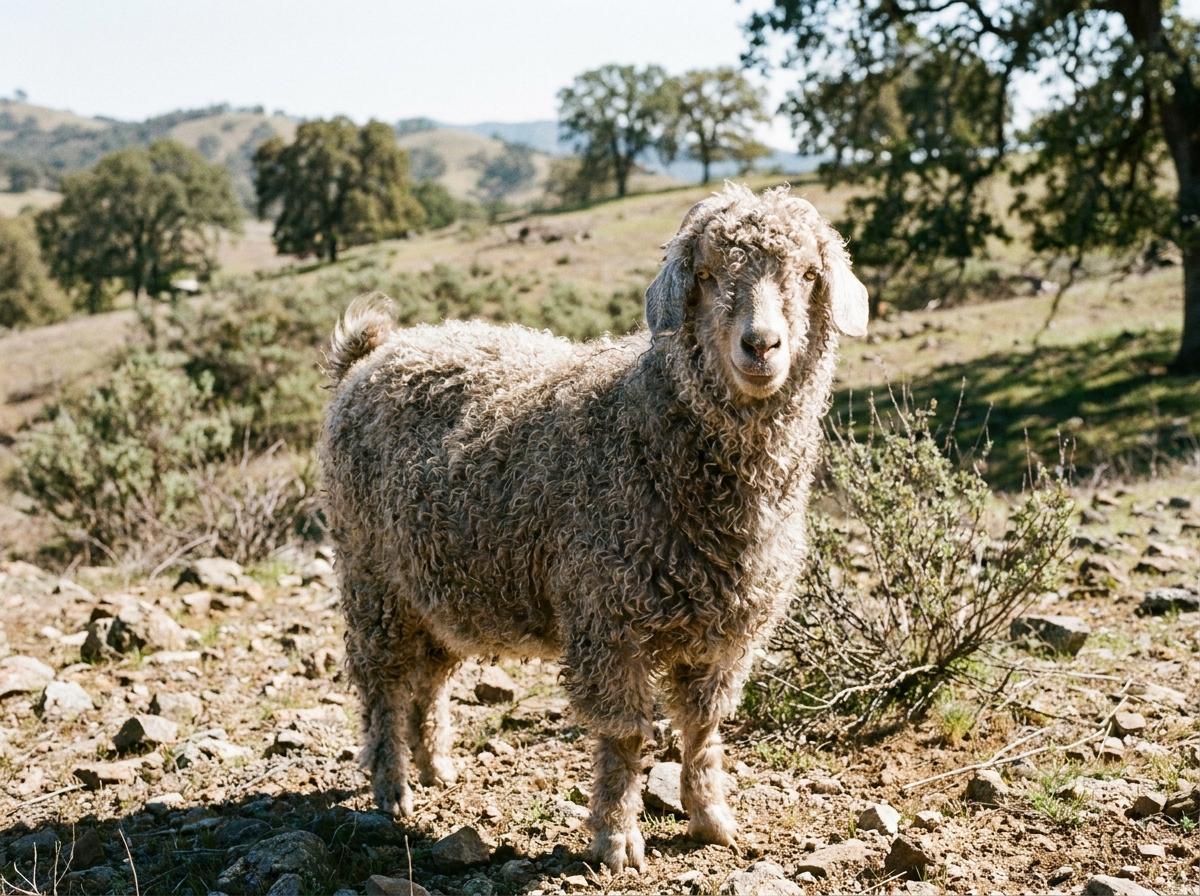
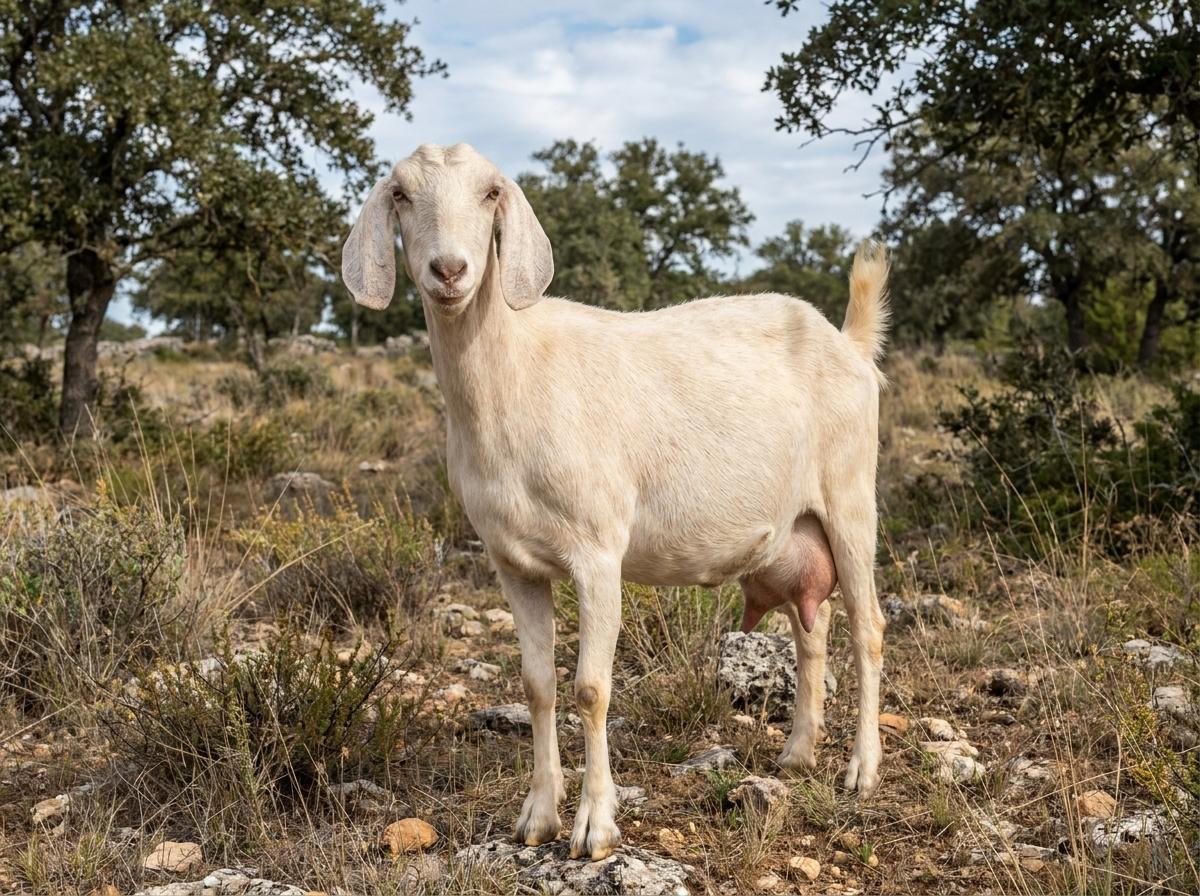
Dairy crosses are domestic goats produced by mating recognized dairy breeds or dairy-type grade animals instead of maintaining a single closed breed. A cross may combine Alpine, Saanen, Nubian, Toggenburg, LaMancha, Oberhasli, Nigerian Dwarf, or local milk-goat genetics, so size, ear set, coat color, butterfat, and seasonality can vary widely. Many are bred for practical milk in family herds, small dairies, and farmstead cheese operations, where udder quality and steady lactation matter more than matching a breed standard.
These goats are best evaluated individually: milk records, udder attachment, teat placement, feet, temperament, and kidding history tell more than the dairy cross label. Crossing can add vigor or combine useful traits, but it does not guarantee high production unless the sire and dam are selected well. Management is the same as for other dairy goats, with clean milking routines, balanced forage and concentrates during lactation, goat minerals, parasite control, and secure fencing. Buyers who need show papers or breed-specific registry status should confirm eligibility before purchase; many useful milkers are grade animals.
Colors: Belted, Black, Black and White, Brown, Brown and White, Buckskin, Chamoisee, Cou Blanc, Cou Clair, Cream, Fawn, Gold, Moonspotted, Pinto, Red, Red and White, Roan, Spotted, Sundgau, Swiss Marked, Tan, Various, White