

Dutch Landrace
The Dutch Landrace goat, known in the Netherlands as the Nederlandse landgeit, is an old native goat breed with a rugged, primitive look: medium sized and stocky, both sexes horned, long shaggy hair, and coats in almost any color except the striped Swiss pattern. It is one of Europe’s classic conservation-comeback stories. The breed very nearly vanished in the mid twentieth century, dropping to a single surviving pair by 1958, and was pulled back from the edge through careful crossbreeding and decades of managed breeding. Today it is kept mainly as a hardy heritage and landscape-grazing goat rather than a high-volume dairy animal. This page covers what the breed is, where it comes from, how to recognize it, what it is used for, and what to know before you try to find one, which outside the Netherlands is the hardest part.

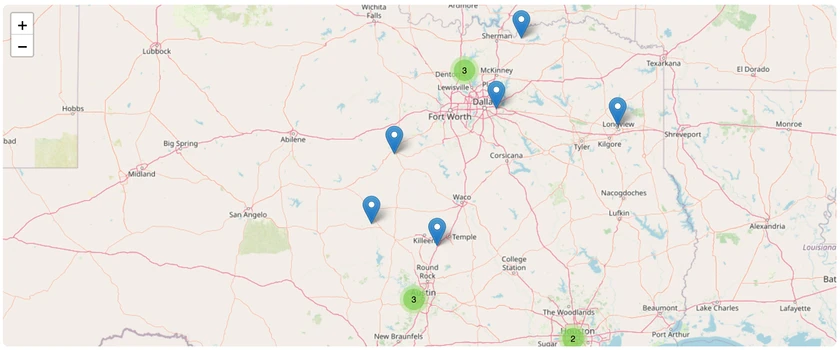
Browse listings, public profiles, breeders, or add your animal.
What is a Dutch Landrace goat?
The Dutch Landrace is the traditional native goat of the Netherlands. A landrace is a locally adapted breed shaped over centuries by its region and its keepers rather than by a formal, tightly controlled breeding program, and this goat fits that description well. It is a hardy, frugal, self-reliant animal that developed alongside Dutch smallholders and was kept for the practical mix a household goat once provided: milk, meat, and hides, plus a living lawnmower for rough ground.
According to the Oklahoma State University breeds database, the Dutch Landrace belongs to the Atlanto-Scandinavian or North Atlantic group of goats, a family of old northern European landraces that also includes the Old Irish, Old English, Finnish Landrace, Icelandic, and Chevre des Fosses goats. That places it among Europe’s primitive, unimproved goat types rather than the specialized commercial dairy breeds most people picture when they think of a milk goat.
If you are weighing this breed against other goats, the broader Creatures goat species page is a useful place to compare it with the mainstream dairy and meat breeds. The Dutch Landrace sits at the opposite end of that spectrum: it is a heritage animal valued for toughness, foraging ability, and conservation-grazing work, not for record milk yields.
Origin and history
The breed has been documented in the Netherlands since the seventeenth century and was a common sight on Dutch smallholdings into the early twentieth century. Its decline came not from disease or disaster but from agricultural fashion. As Dutch farmers modernized, large numbers of Swiss dairy goats, mainly Saanen and Toggenburg, were imported and crossed onto the local stock to raise milk production. The native goat was steadily bred out, and by the mid twentieth century the original Dutch Landrace had almost disappeared.
The low point is striking. By 1958, only a single pair of the goats was known to remain, and searches for more purebred animals were unsuccessful. Because the descendants of that pair would have been dangerously inbred, breeders made the deliberate decision to cross them with a number of unrelated goats and rebuild the population through careful selection back toward the original type. It is an honest detail worth stating plainly: the modern Dutch Landrace was reconstructed, and the exact ancestry of today’s population is not fully clean, which is why conservation geneticists have studied it closely.
That rescue worked. A national breed society, the Landelijke Fokkersclub Nederlandse Landgeiten, was established in 1982 to organize the recovery, keep a herdbook, and manage breeding. By 2020 the population had grown to roughly 2,000 does and 200 bucks. The Food and Agriculture Organization listed the breed as not at risk in one assessment, while other conservation records still treat it as a rare, closely managed breed, so the fair summary is that it has recovered substantially but remains a small, carefully stewarded population rather than a common commercial goat.
What a Dutch Landrace goat looks like
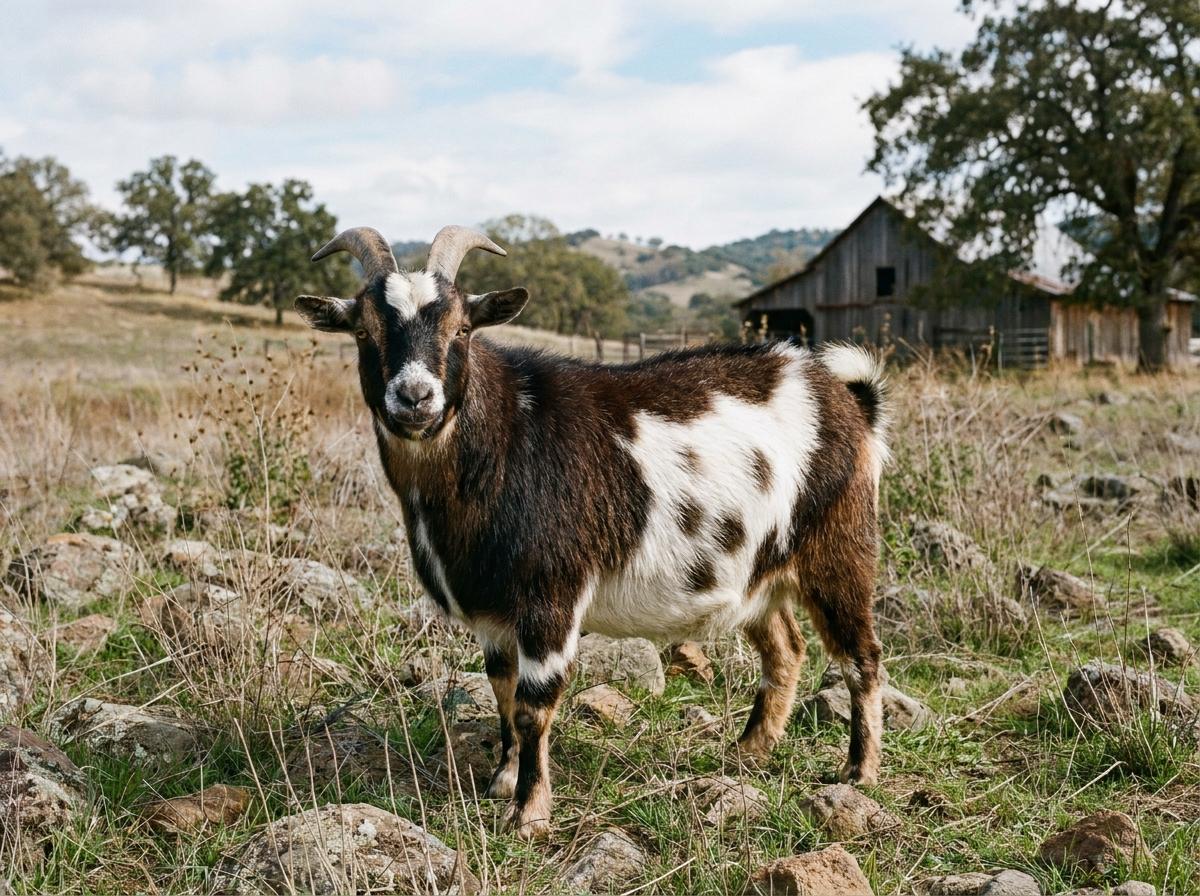
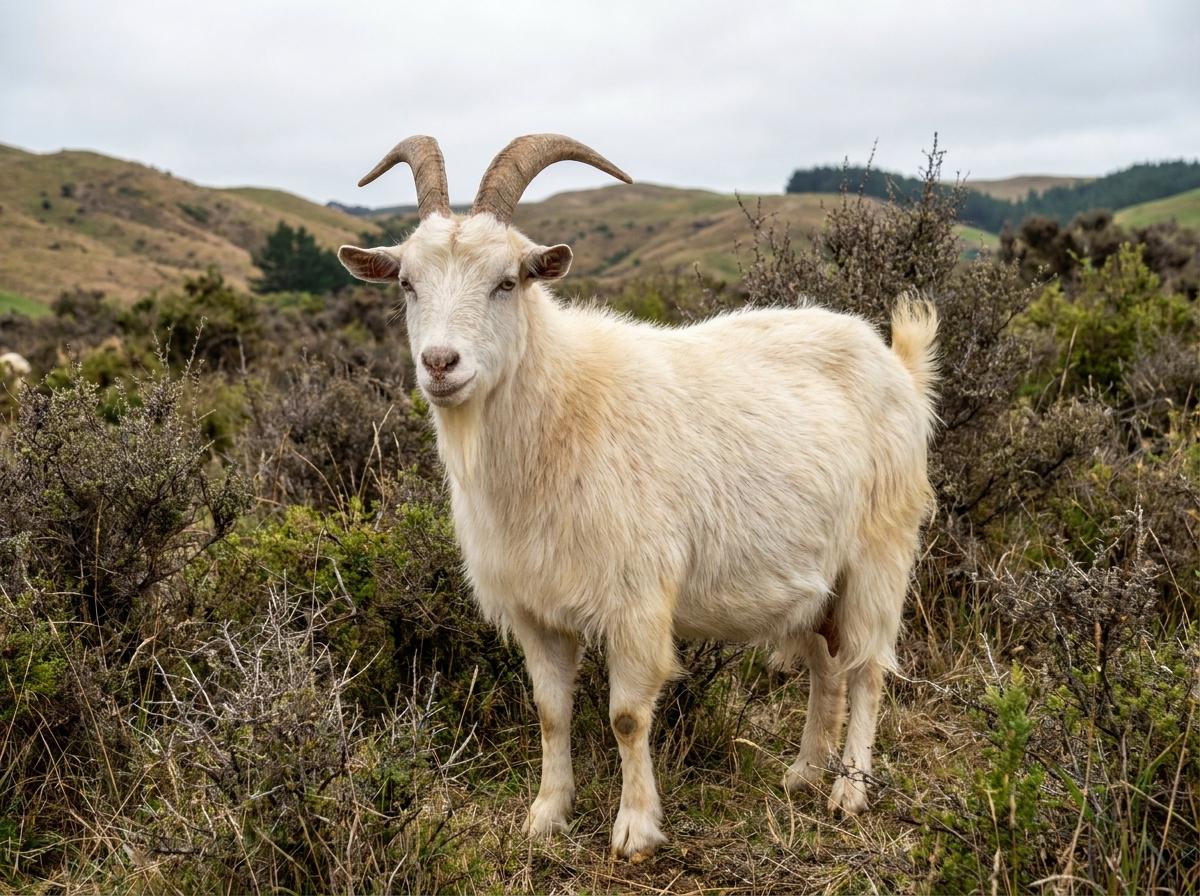
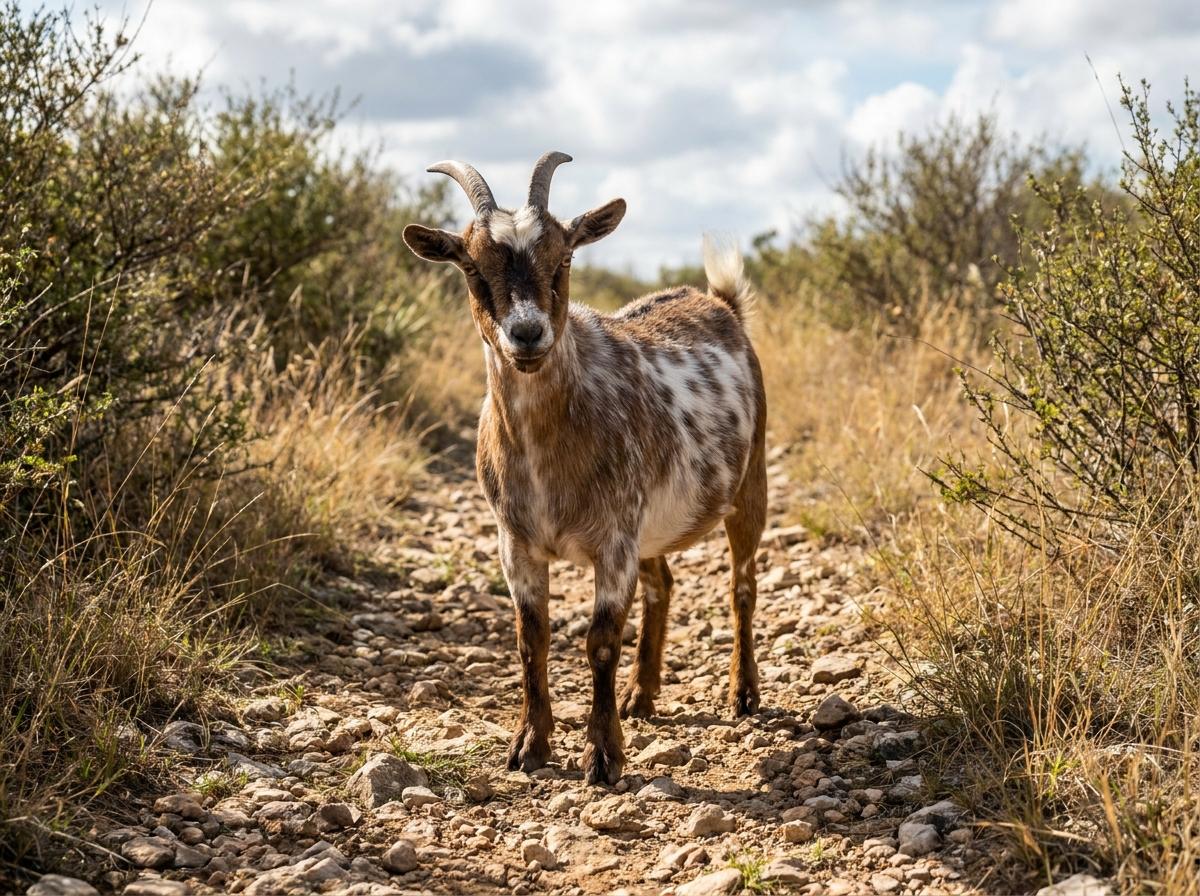
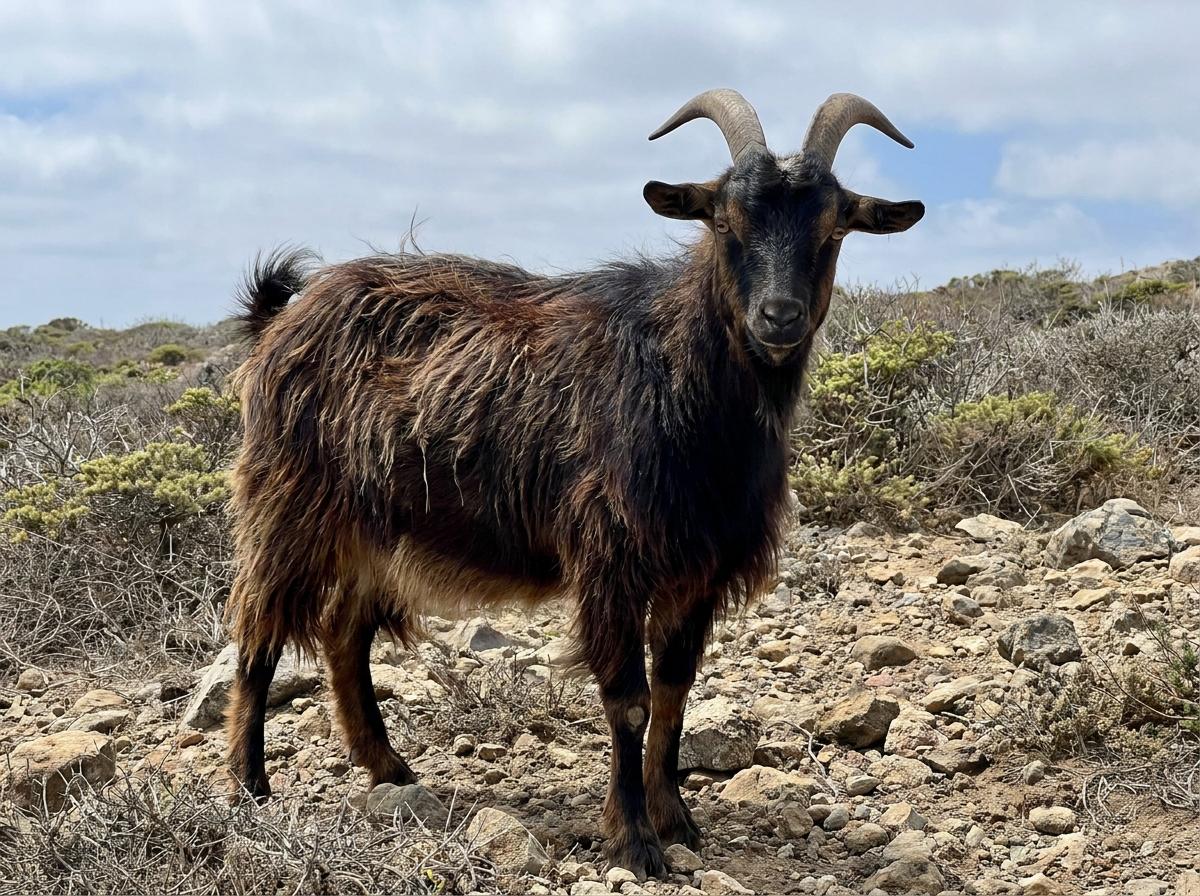
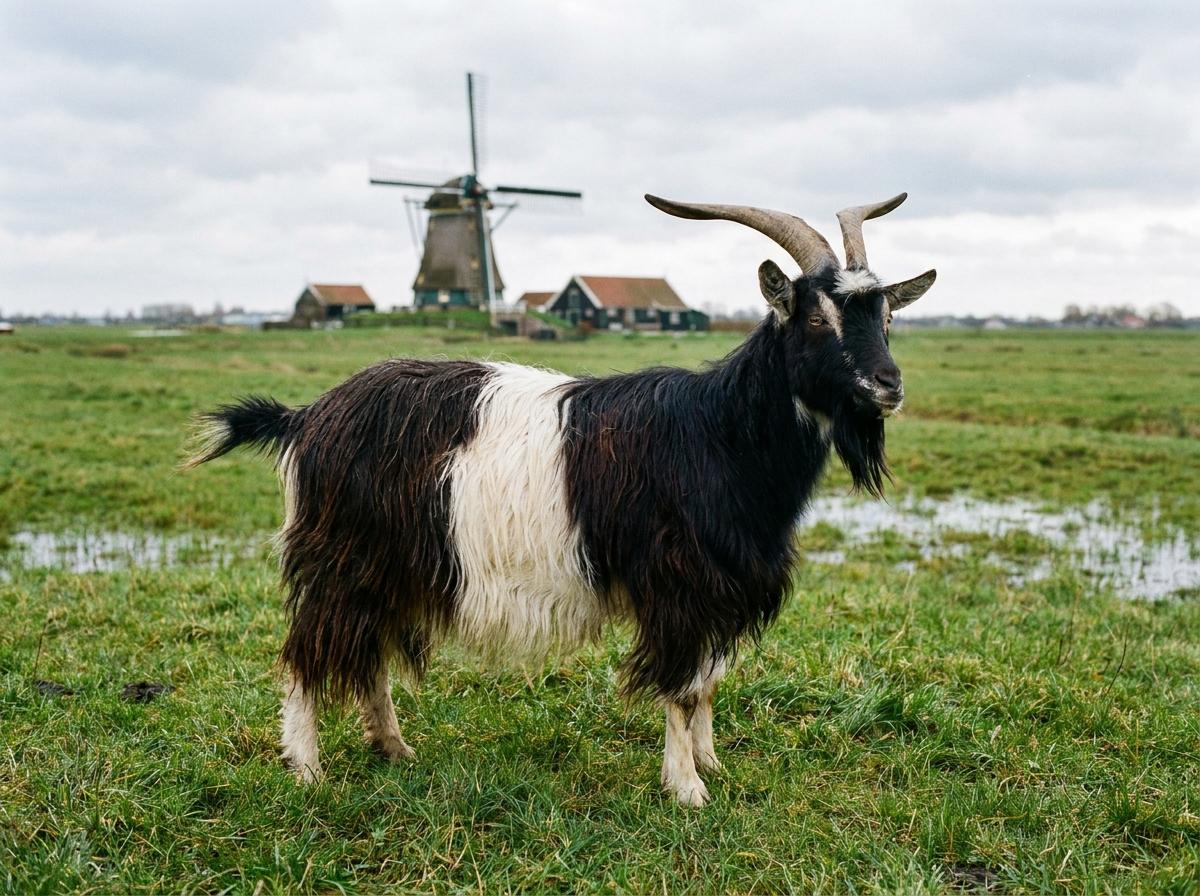
The Dutch Landrace has a deliberately old-fashioned, primitive appearance. It is a medium-sized, stocky goat with fairly short, sturdy legs, built for hardiness rather than dairy refinement.
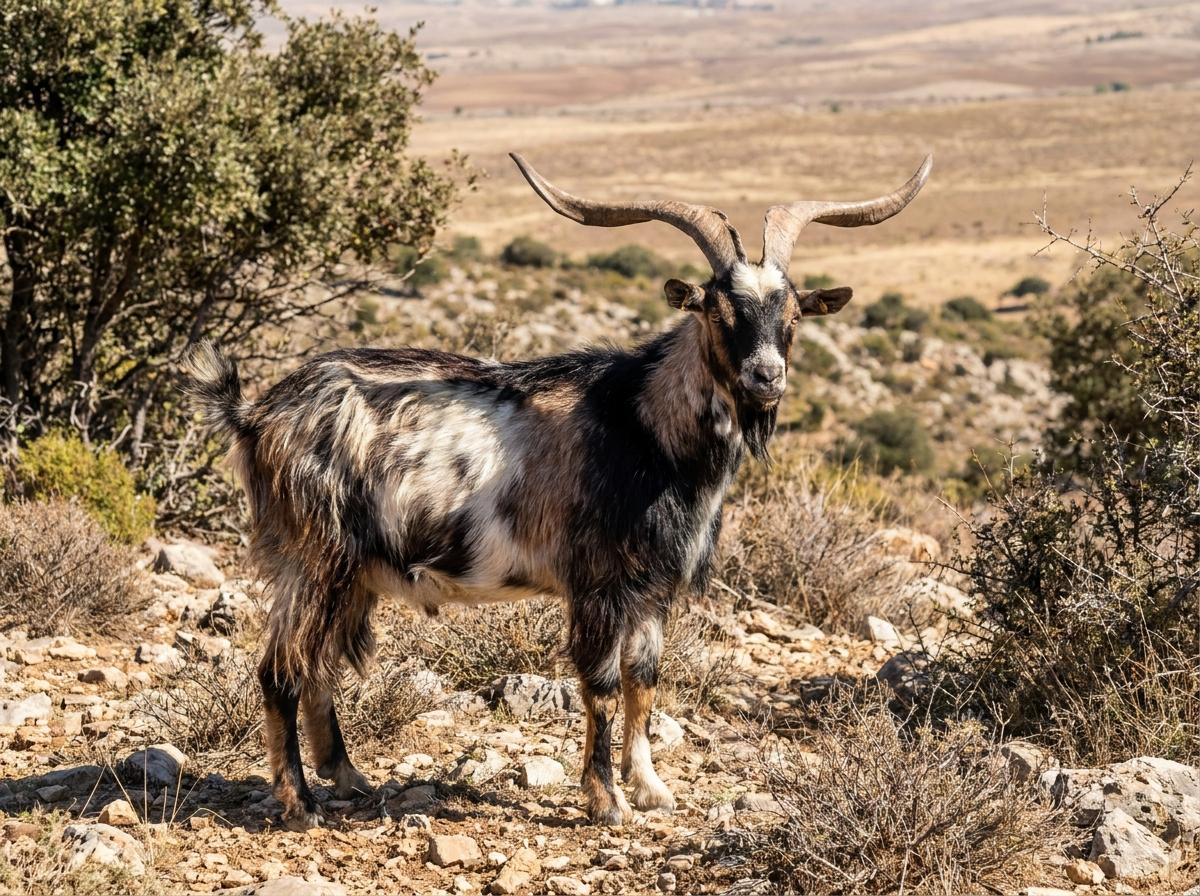
- Horns on both sexes. Unlike many modern dairy breeds, which are often polled or disbudded, Dutch Landrace goats are a horned breed, and both bucks and does carry horns. The horns are commonly lyre-shaped, scimitar-shaped, or twisted. On mature bucks they can be genuinely impressive, curving backward then outward with an upward twist and reaching up to around 100 cm in length in the largest animals.
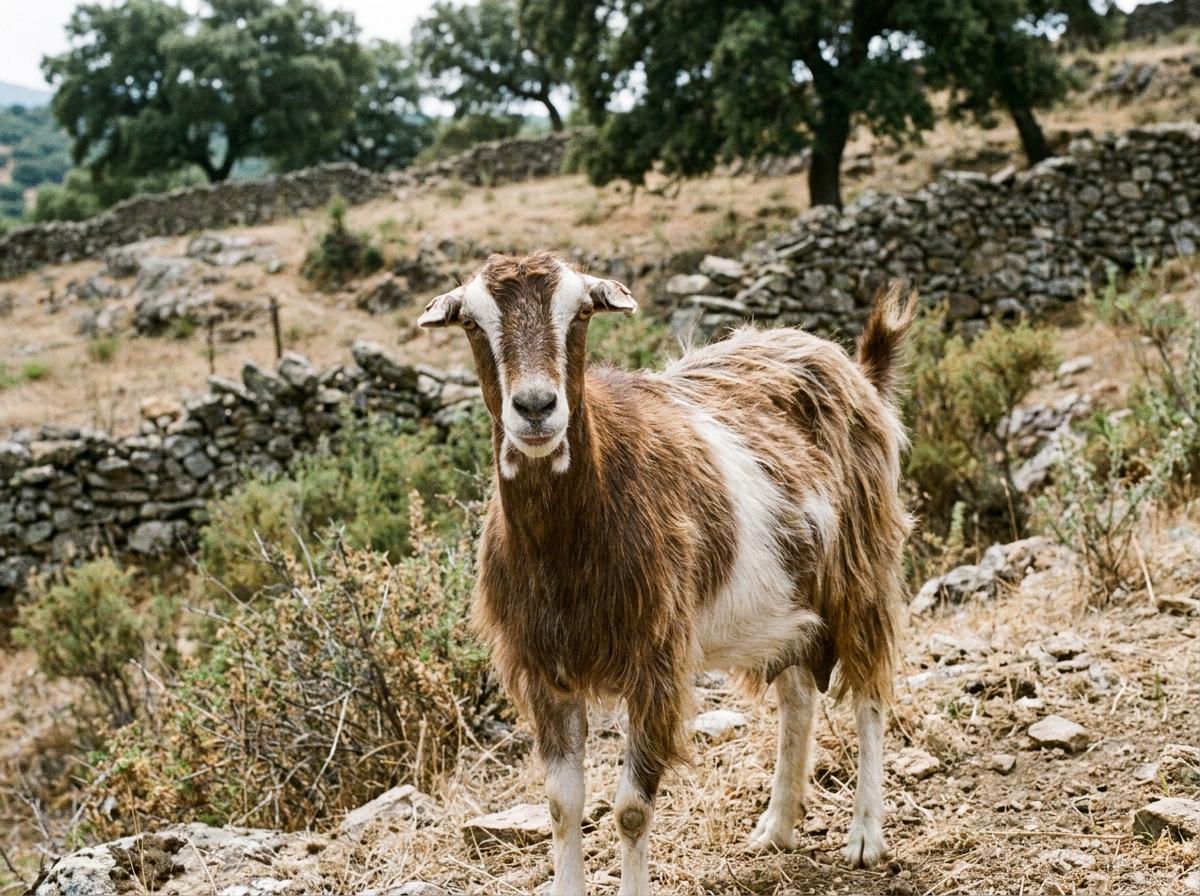
- Long, shaggy coat. The coat is typically long, rough, and shaggy, though it can be shorter. It tends to be longer and more dramatic on bucks, while does are often shorter-haired with longer fringes on the hind legs and along the back.
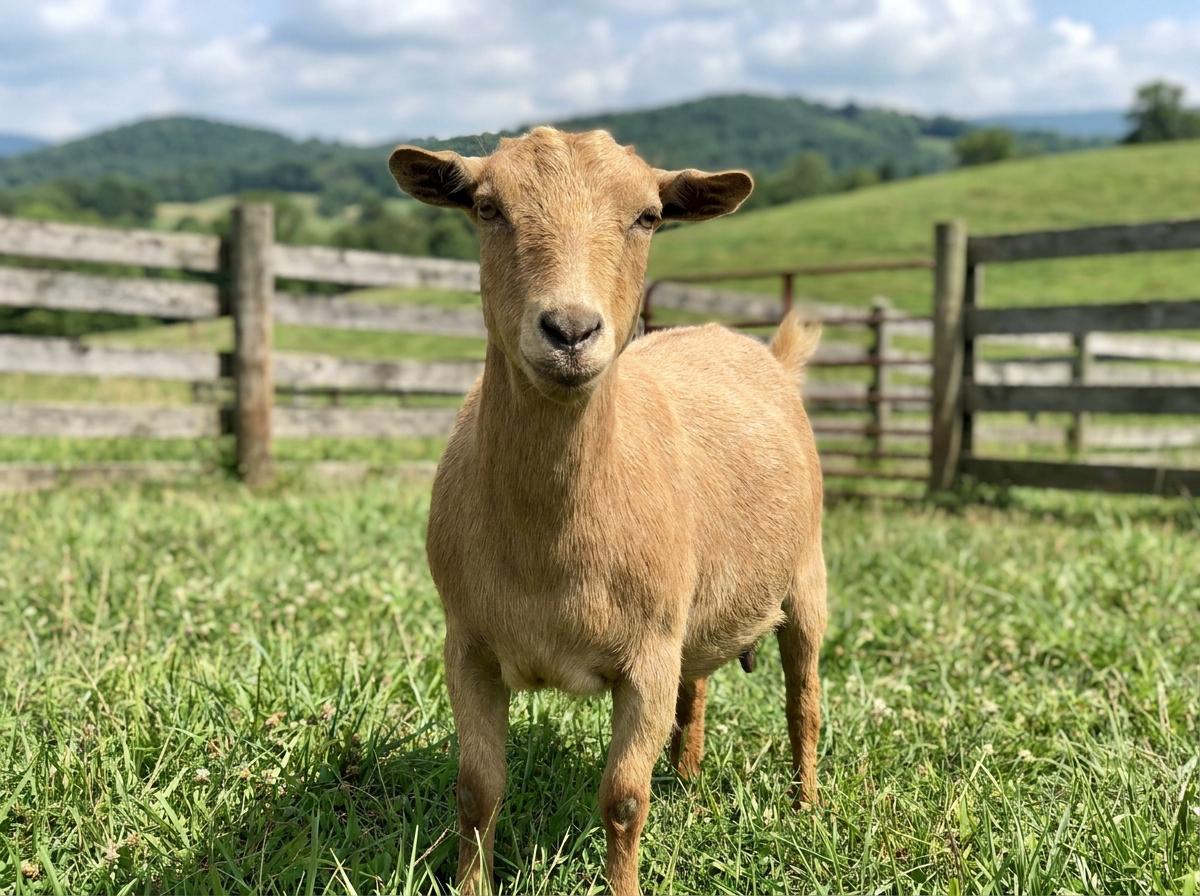
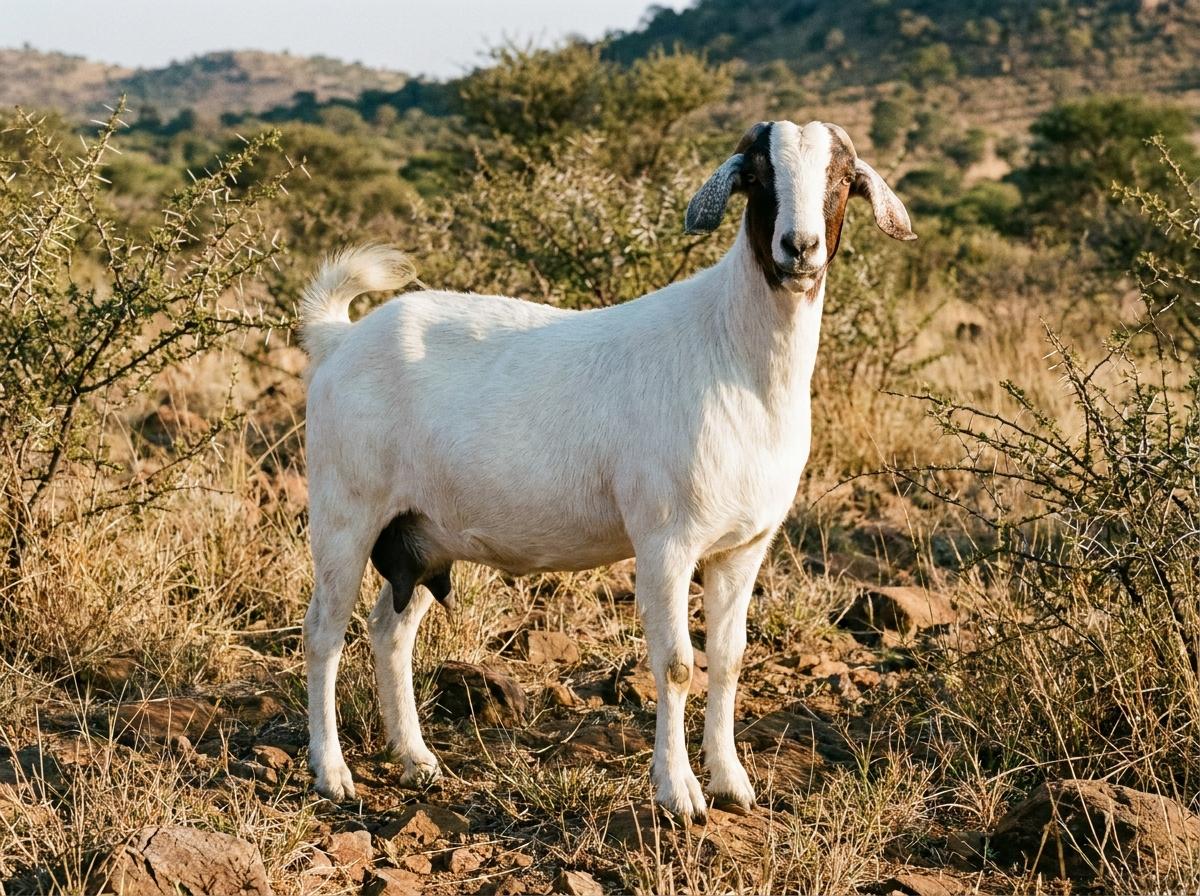
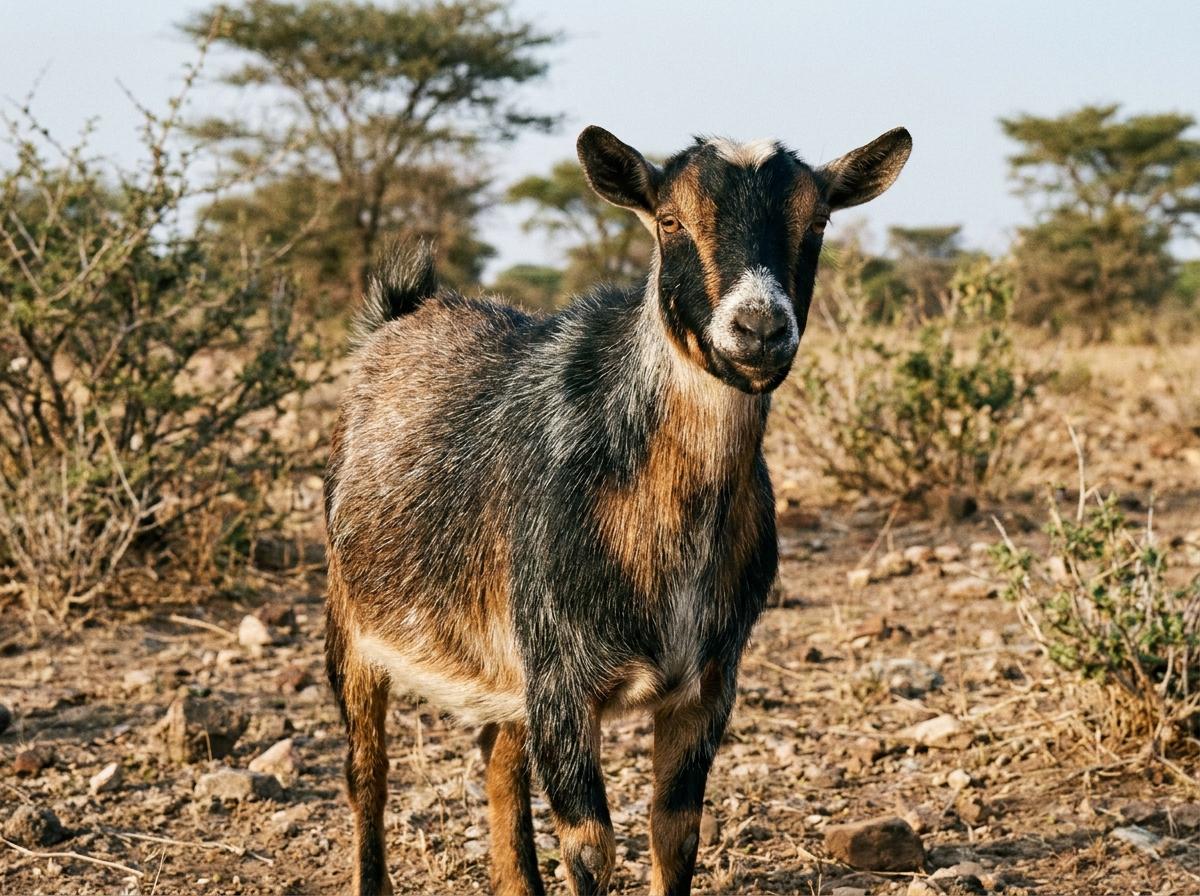
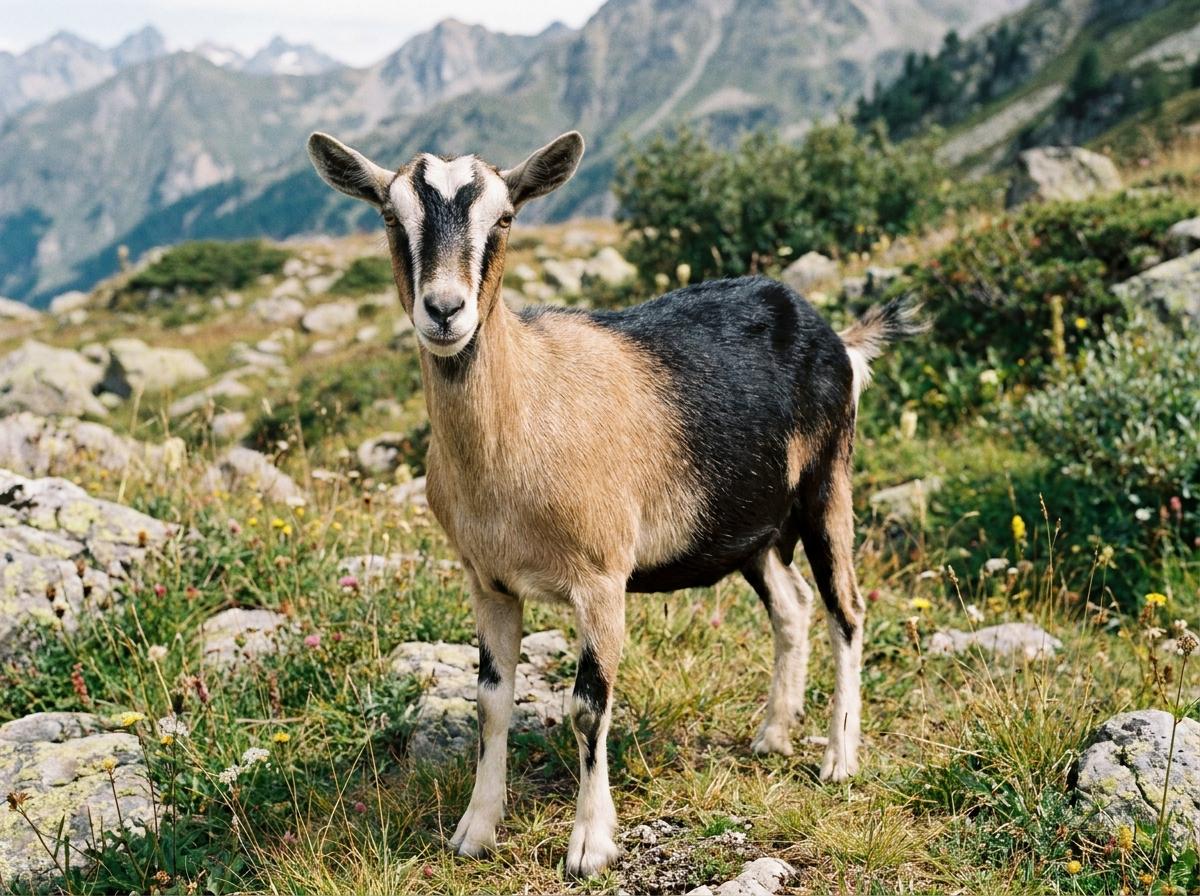
- A wide range of colors. This is one of the breed’s defining quirks. Almost any color is permitted, black, brown, grey, white, blue, or a mixed “wild” coloring, in solids or in pied (patched) patterns. The one hard rule is that a Dutch Landrace must not show the Swiss markings of a Toggenburg (the two pale facial stripes and light points on a dark body), because those signal exactly the crossbreeding that nearly erased the native goat.
- A bearded, rustic head. Both sexes typically carry a beard, adding to the breed’s rugged, heritage look.
Adult bucks stand around 79 cm at the withers and weigh roughly 75 kg (about 165 lb), while does stand near 67 cm and weigh about 60 kg (roughly 132 lb). That makes it a solid, medium-framed goat, smaller and blockier than a tall commercial Saanen.

Coat colors, and the Toggenburg rule
Because color is so open in this breed, the herdbook leans on one clear exclusion rather than a required pattern. A study of coat color inheritance in the Dutch Landrace, published through the breed society, recorded black, brown, and white appearing in roughly a third, a third, and around two thirds of goats respectively, with the three most common overall appearances being white, brown-and-white, and black-and-white. In other words, pied animals on a light ground are the everyday look, solids occur, and the palette is broad by design.
The prohibition on Swiss (Toggenburg-style) markings is the point that trips up newcomers. It is not an aesthetic preference. Since the Toggenburg was one of the very breeds crossed in during the twentieth-century decline, banning its signature pattern is a practical way to steer the recovered population away from that influence and back toward the native type. If you are learning to tell the breeds apart, our Toggenburg goat guide shows exactly the markings a Dutch Landrace is not allowed to display.
Conservation grazing and modern uses
The Dutch Landrace has found a genuinely modern job that suits its ancient constitution. Its biggest role today is conservation grazing: herds are used in Dutch nature reserves and managed landscapes to graze and browse rough vegetation, keeping heaths, dunes, and other open habitats from turning into scrub and woodland. The breed’s frugal appetite, agility, and willingness to eat coarse plants that pickier livestock refuse make it well suited to this work, and it aligns the goat’s survival with a clear ecological purpose.
That conservation role is central to why the breed still exists in useful numbers. Rather than competing with high-output commercial dairy goats on their own terms, the Dutch Landrace earns its keep doing something they cannot, thriving on marginal ground and managing wild landscapes. It is also kept as a hobby and heritage animal, on smallholdings, care farms, and educational farms, where its calm curiosity and hardiness are the draw. Small amounts of milk and meat still come from the breed, but production is a bonus rather than the reason most people keep it.

Milk, meat, and productivity
Here it pays to be honest, because the internet is full of confident milk figures for this breed that do not trace back to a strong source. The Dutch Landrace was historically a household milk-and-meat goat, but it was never selected for the yields of a specialist dairy breed. That is the whole reason it was pushed aside when Saanen and Toggenburg genetics arrived: those breeds simply out-milked it.
So the accurate framing is qualitative. A Dutch Landrace doe gives a modest amount of milk, enough for a family or a homestead, not the heavy lactations of a commercial dairy line. You will see specific per-lactation kilogram figures quoted on hobby and aggregator sites, but they are not well documented for this particular breed, so treat any precise number skeptically and do not buy the breed expecting dairy-goat output. If steady milk volume is your main goal, a purpose-bred dairy breed is the honest recommendation, and the Creatures goat species page is the place to compare those options.
Like most goats, the Dutch Landrace has a gestation of around five months and can raise one or more kids per kidding, but authoritative breed-specific litter-size and yield statistics are thin, so we will not manufacture precision the sources do not support. What is well established is the breed’s hardiness, fertility as a self-maintaining population, and suitability for low-input, extensive keeping.
Temperament
Keepers and breed descriptions consistently describe the Dutch Landrace as easy-going, self-sufficient, curious, and friendly, which fits an animal bred to look after itself on open ground. It is often chosen for care farms and educational settings for exactly that reason. As with any goat, individual temperament varies with handling, housing, and how much human contact the animals get, and intact horned bucks, especially in the breeding season, are a different proposition from does and wethers. We flag this as practitioner and breed-society observation rather than a formally studied trait, since the research on this breed centers on genetics and conservation rather than behavior.
Husbandry and care
The Dutch Landrace is a low-input, hardy goat, but low input is not no input. The basics of good goat management still apply, with a couple of breed-specific points worth planning around.
Fencing and space
This is an agile, athletic, horned goat that was selected to range over rough country, so secure, well-built fencing is non-negotiable. It likes and does best with plenty of space to roam, browse, and forage, which is part of why it excels at extensive conservation grazing rather than tight confinement.
Shelter and climate
The breed is well adapted to the damp, cool, changeable Dutch climate and is genuinely tough, but it still needs access to dry shelter from persistent wet weather. A simple, dry, draft-free shelter and sound footing protect condition and feet through wet spells. Do not read “hardy” as “needs nothing”; read it as “thrives outdoors given basic shelter and good ground.”
Feeding
Much of the breed’s appeal is that it does well on rough forage and browse that would not sustain a high-producing dairy goat. On good pasture and varied browse, a Dutch Landrace largely feeds itself, with supplementary hay when grazing is poor and appropriate goat minerals available. Because it is not pushing heavy milk, it does not need the intensive concentrate feeding a commercial dairy doe in full lactation does.
Health and horns
Routine goat health care applies: a parasite-control plan suited to your climate and grazing, regular hoof trimming, clean kidding, and the core vaccinations your veterinarian recommends for your region. The breed-specific note is the horns. Because both sexes are horned, plan handling facilities, feeders, and fencing with horns in mind to reduce the risk of animals getting caught, and factor horns into how you group and manage the herd. Keep clear records of kiddings, treatments, and health events so breeding and management decisions rest on evidence rather than memory. Defer all medical decisions to a veterinarian who can examine the animal.
Size, weight, and lifespan
To gather the figures in one place: bucks stand around 79 cm at the withers and weigh roughly 75 kg (about 165 lb); does stand near 67 cm and weigh about 60 kg (roughly 132 lb). There is no authoritative breed-specific lifespan figure published for the Dutch Landrace, so the sensible expectation is the general domestic-goat range of roughly 10 to 15 years with good care, treated as a guideline rather than a breed guarantee.
Cost and availability
Availability, not price, is the real story with this breed.
Inside the Netherlands, the Dutch Landrace is an established, organized breed with an active breed society and herdbook, and animals change hands within that network at prices that track age, sex, conformation to the standard, and breeding value, much like any managed heritage breed. There is no single reliable public price, and we will not invent one; expect it to behave like a rare heritage goat rather than a cheap commercial cull.
Outside the Netherlands, the practical reality is scarcity. The breed is concentrated in its home country, is uncommon elsewhere in Europe, and is effectively absent as a recognized, established population in North America. Live small-ruminant imports are tightly restricted on animal-health grounds, so fresh imported genetics are not something a casual buyer can simply order. If you are outside the Netherlands and set on this exact breed, be prepared for a long search, a very small pool of sources, and the need to verify carefully that an animal offered as a “Dutch Landrace” genuinely is one rather than a look-alike primitive or crossbred goat. Given that rarity, a saved listing alert (below) is often the most practical way to catch one if it ever appears near you.

Buying considerations
Because the modern breed was reconstructed and because look-alike primitive goats exist, buy on evidence and paperwork rather than on a rustic appearance alone.
- Verify the registration. For a genuine Dutch Landrace, the animal should trace to the breed society herdbook. Given the breed’s crossbred rescue history, documented pedigree and registration are what separate a true landgeit from a shaggy, horned goat that merely resembles one.
- Confirm it fits the standard. A correct Dutch Landrace is horned in both sexes, long-coated, and free of Swiss (Toggenburg) markings. An animal showing those pale Toggenburg stripes is a red flag for the exact crossbreeding the breed standard excludes.
- Match the goat to the job. This is a hardy conservation, hobby, and heritage goat, not a dairy machine. If you want it for landscape grazing, hardiness, and preservation, it is an excellent fit. If you want volume milk, choose a dairy breed instead.
- Plan for horns and space. Confirm your fencing, shelter, and handling setup suit an agile, horned, free-ranging goat before you buy.
- Ask for records. Kidding history, health treatments, and any production notes tell you more than looks, and a well-run heritage herd should be able to provide them.
You can browse current goat listings on the Creatures marketplace and look for breeders and farms in the Creatures directory. If you are drawn to old European landrace and heritage goats generally, it is also worth reading up on other rare types such as the Valais Blackneck goat and the heritage Damascus goat.
Frequently asked questions
Are Dutch Landrace goats good milk goats?
Not in the commercial sense. The breed was historically kept for milk, meat, and hides, but it was never selected for high yield, and it was actually displaced in the twentieth century by higher-producing Saanen and Toggenburg imports. Today a doe gives a modest, homestead-scale amount of milk. If dairy volume is your goal, choose a specialist dairy breed.
Do Dutch Landrace goats have horns?
Yes. It is a horned breed, and both bucks and does carry horns. The horns are commonly lyre-shaped, scimitar-shaped, or twisted, and large bucks can grow horns up to around 100 cm long.
What colors do Dutch Landrace goats come in?
Almost any color, including black, brown, grey, white, blue, and mixed “wild” coloring, in solids or pied patterns. The one exclusion is Swiss (Toggenburg-style) markings, which are not allowed because they indicate the crossbreeding that nearly wiped out the native breed.
Why did the Dutch Landrace almost go extinct?
It was bred out. As Dutch farming modernized, breeders imported Saanen and Toggenburg goats and crossed them onto the local stock for more milk, steadily replacing the native goat. By 1958 only one pair remained, and the breed was rebuilt from there through crossbreeding with unrelated goats and decades of managed selection.
What are Dutch Landrace goats used for today?
Mainly conservation grazing in nature reserves and managed landscapes, plus hobby, heritage, and educational keeping. Their hardiness, foraging ability, and calm curiosity suit that work far better than intensive milk production.
Can I buy a Dutch Landrace goat outside the Netherlands?
It is difficult. The breed is concentrated in the Netherlands, is uncommon elsewhere in Europe, and is effectively absent as an established population in North America, where live small-ruminant imports are tightly restricted. Expect a long search and verify any animal’s registration carefully.
Do this next on Creatures
Whether you are researching the breed, hoping to find genuine stock, or already keeping Dutch Landrace goats, Creatures is the records, marketplace, and directory layer to do it in one place.
Find stock. Browse Dutch Landrace goats on the marketplace and search trusted breeders and farms in the Creatures directory.
Get alerted. Genuine Dutch Landrace stock is rare outside the Netherlands, so set a free Dutch Landrace listing alert and we will tell you when one is posted. No account needed to start. See saving searches and using your watchlist.
Add your goat. Already keeping Dutch Landrace goats? Create a free animal profile in a few minutes, no account needed to start. The walkthrough is in adding an animal to Creatures.
Track health and kiddings. Track health and kidding records on Creatures. The record sheet opens for any visitor to look around, and you will need a free account to save what you enter. See adding a record for the full how-to.
List your farm. Run a herd or heritage farm? Create an organization profile so buyers searching for this rare breed can reach you. Read getting listed in the breeder directory and creating an organization and adding your team.
Sell with confidence. Planning to sell stock? Learn how seller payout works before you list.
If you keep a heritage goat herd, you can also compare the breed with other old landraces such as the Toggenburg, whose Swiss markings the Dutch Landrace standard specifically excludes.