


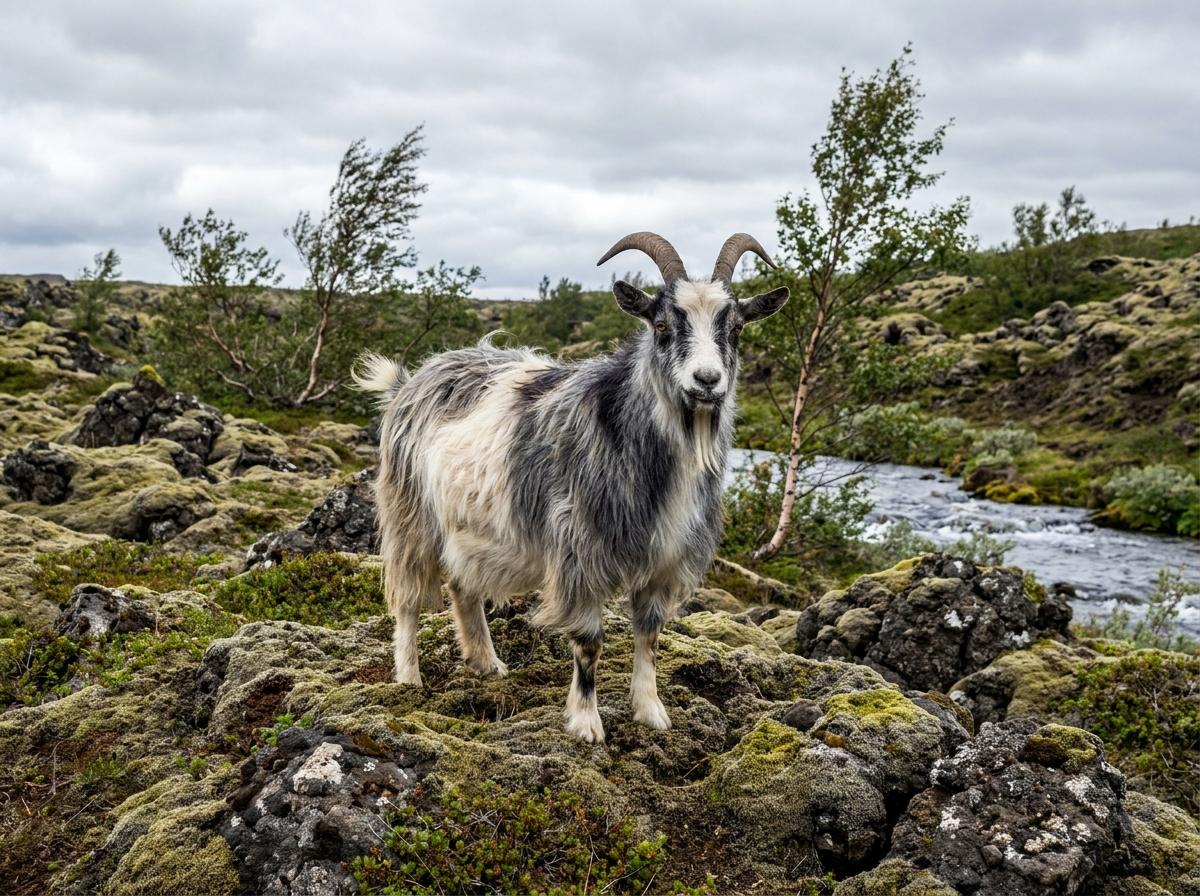
Icelandic
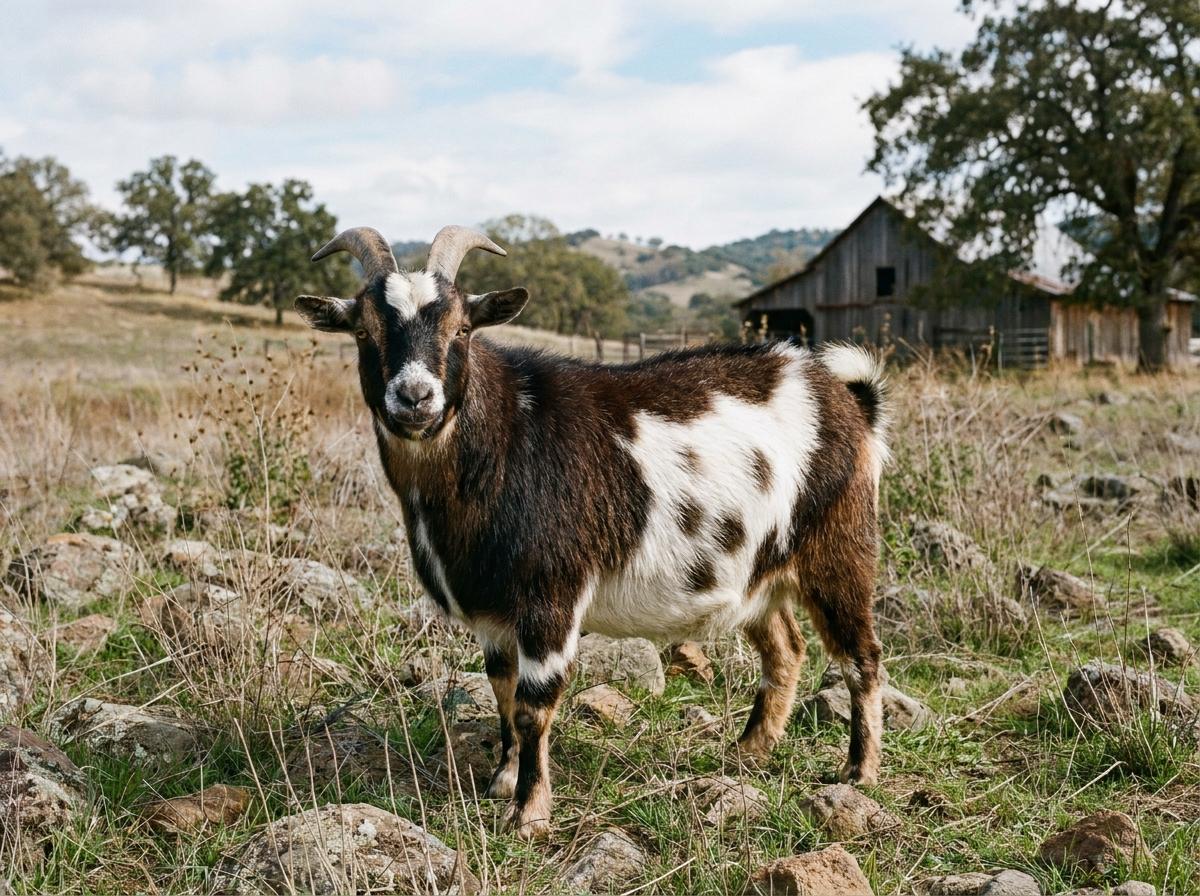
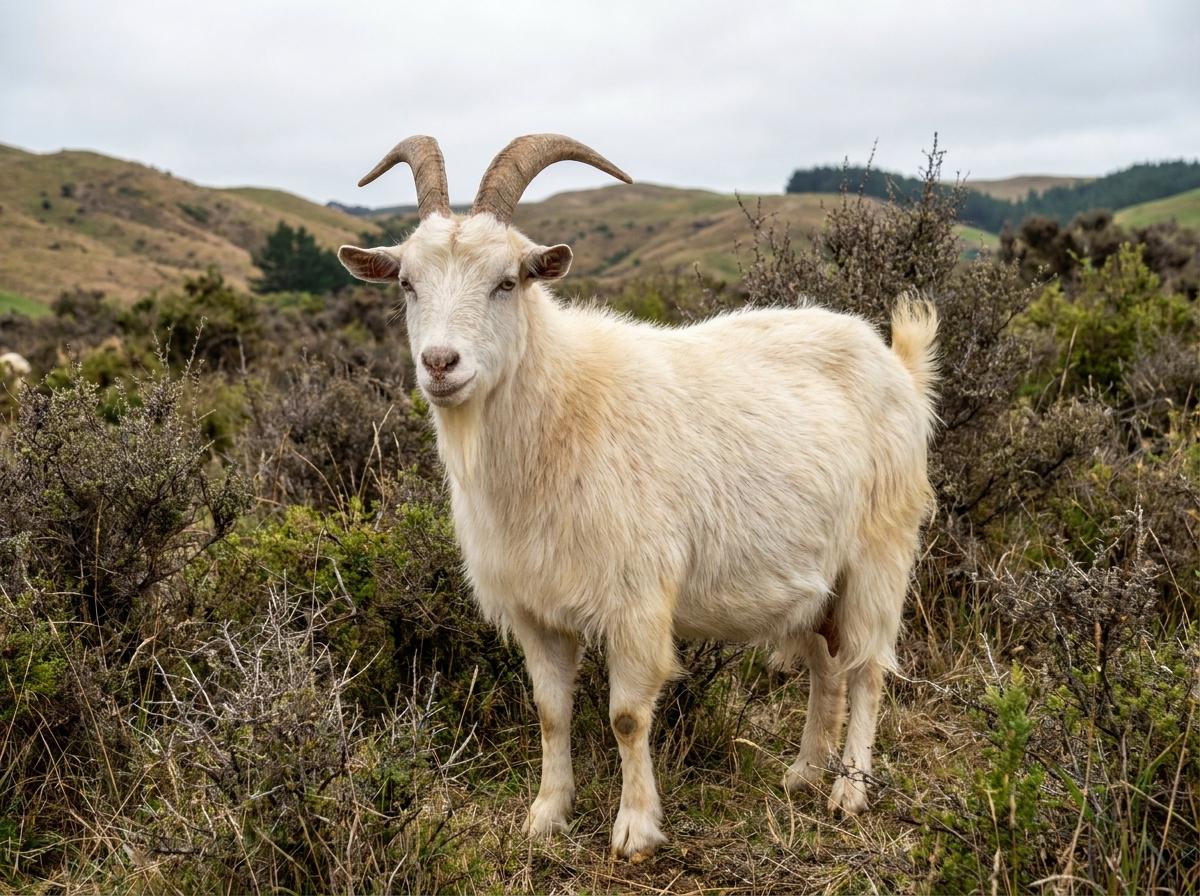
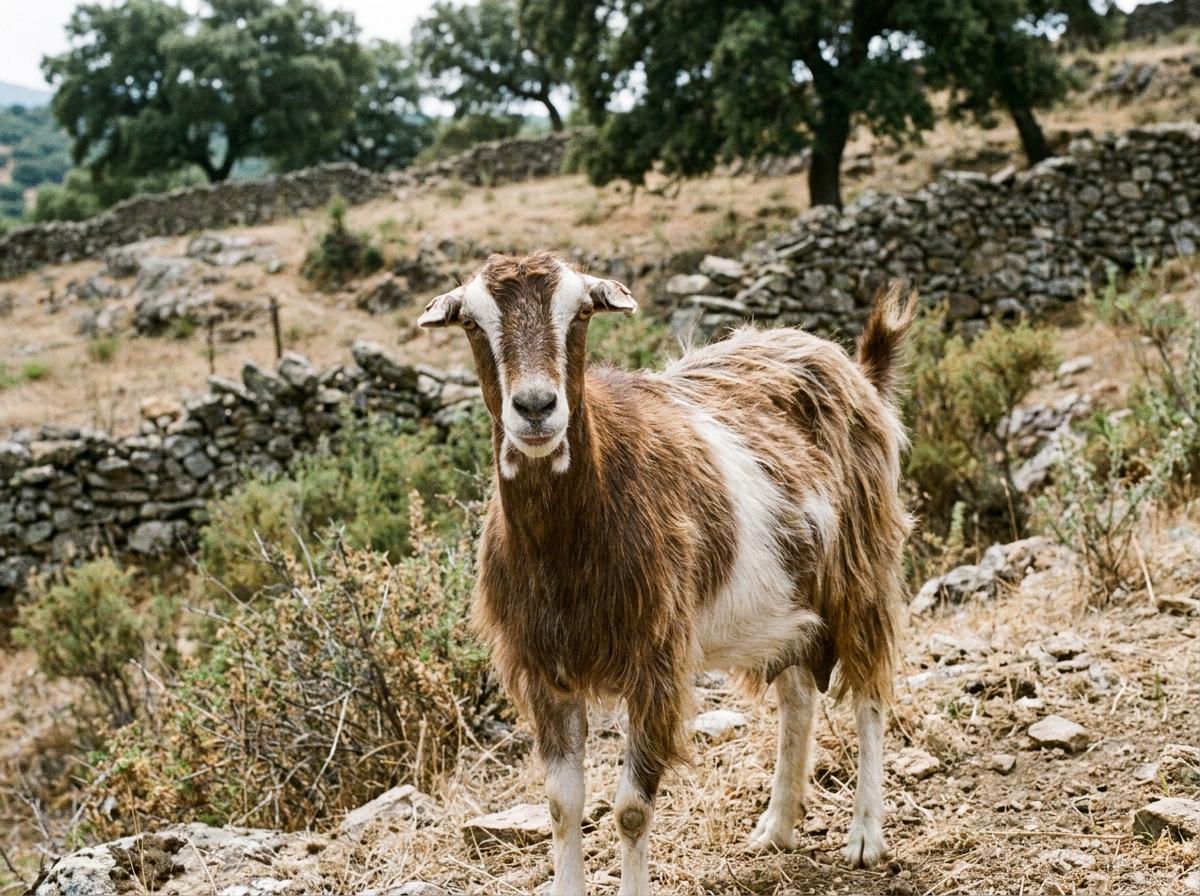
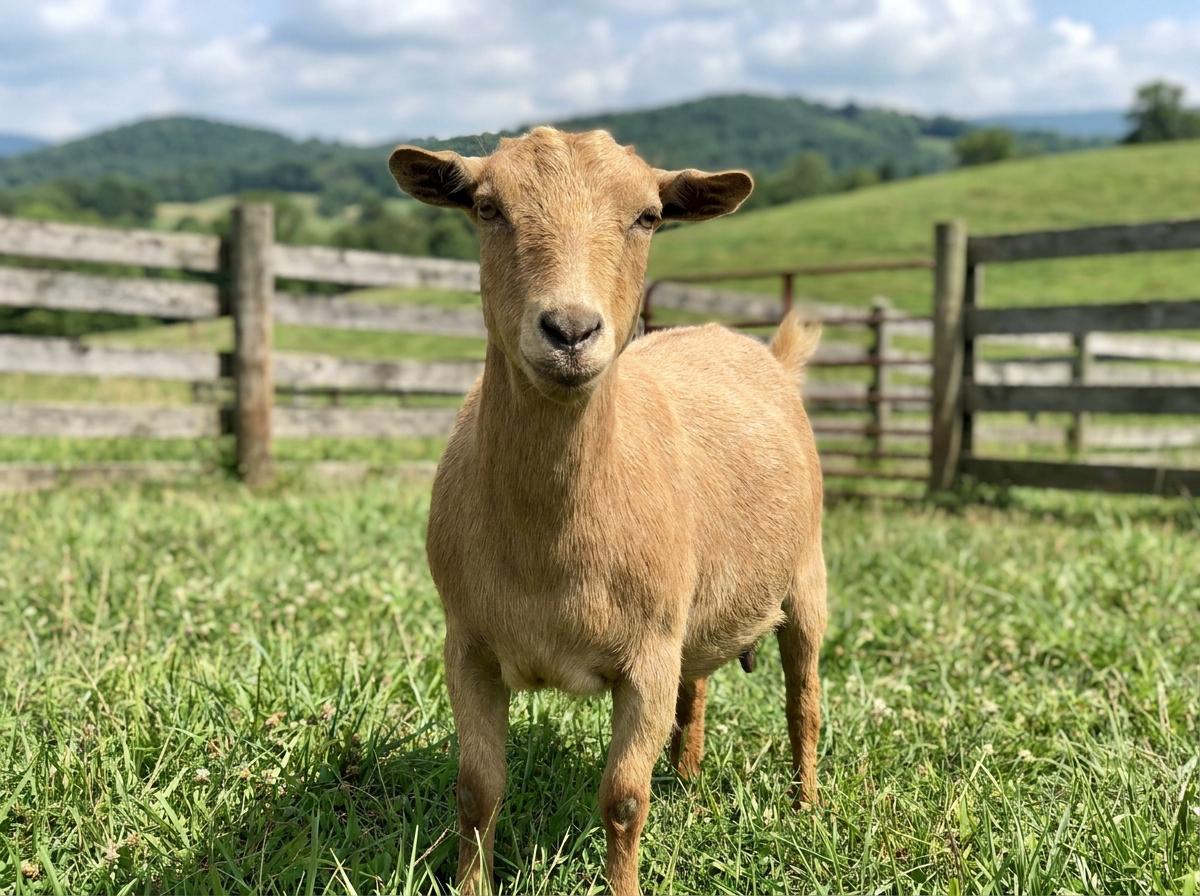
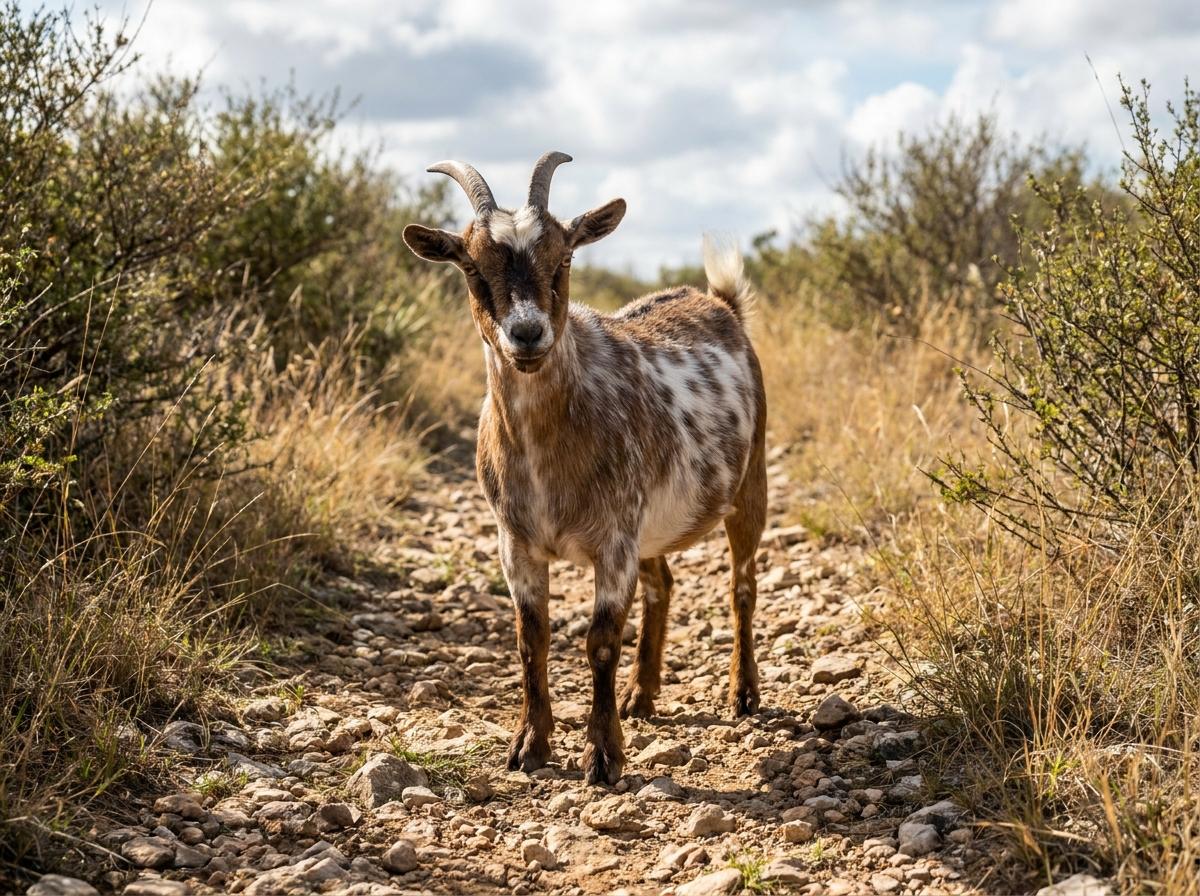
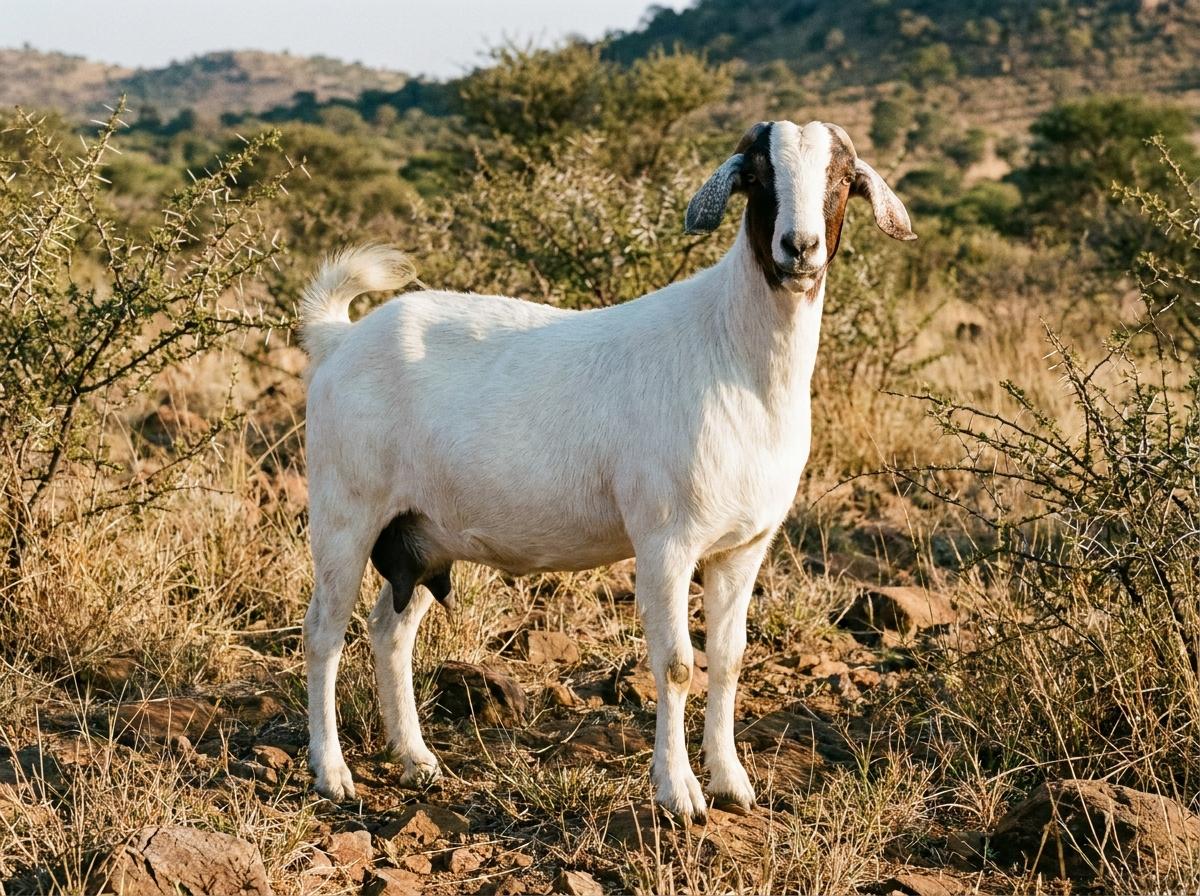
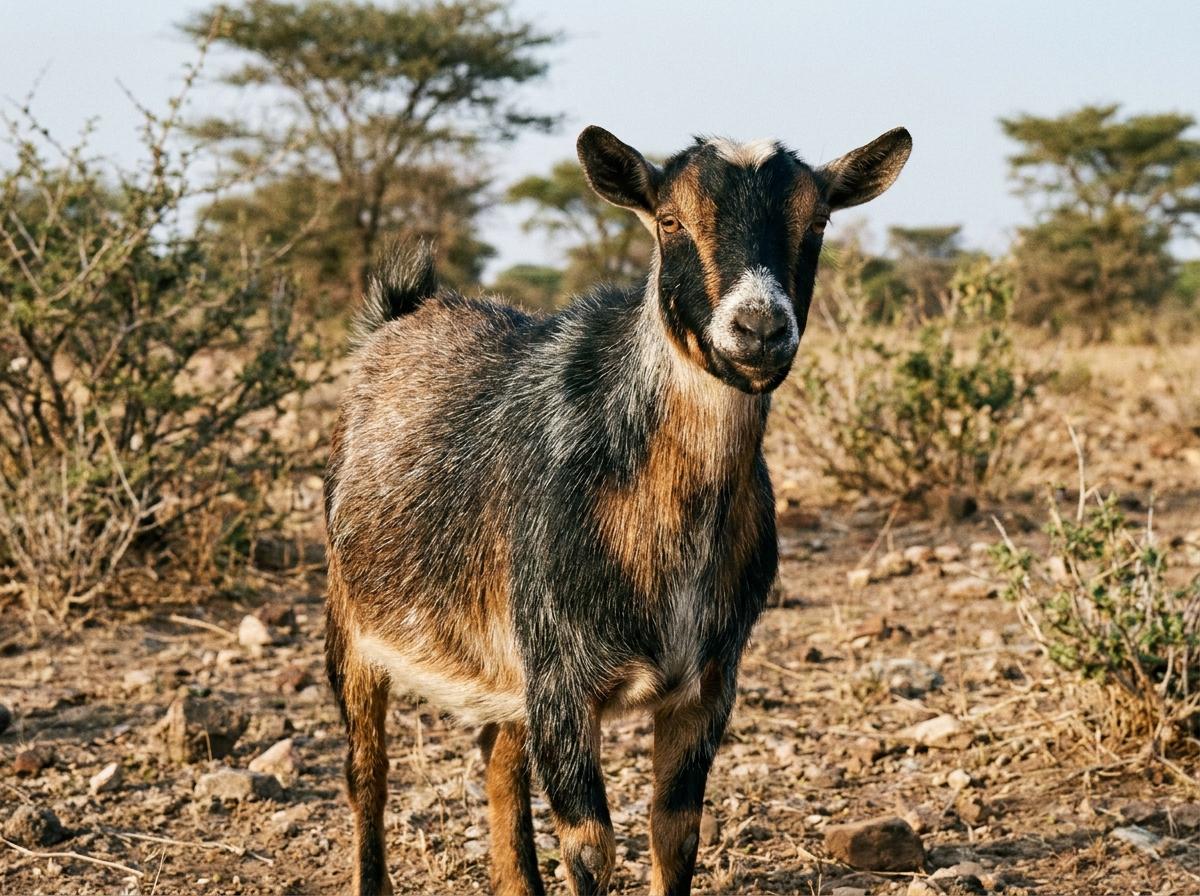
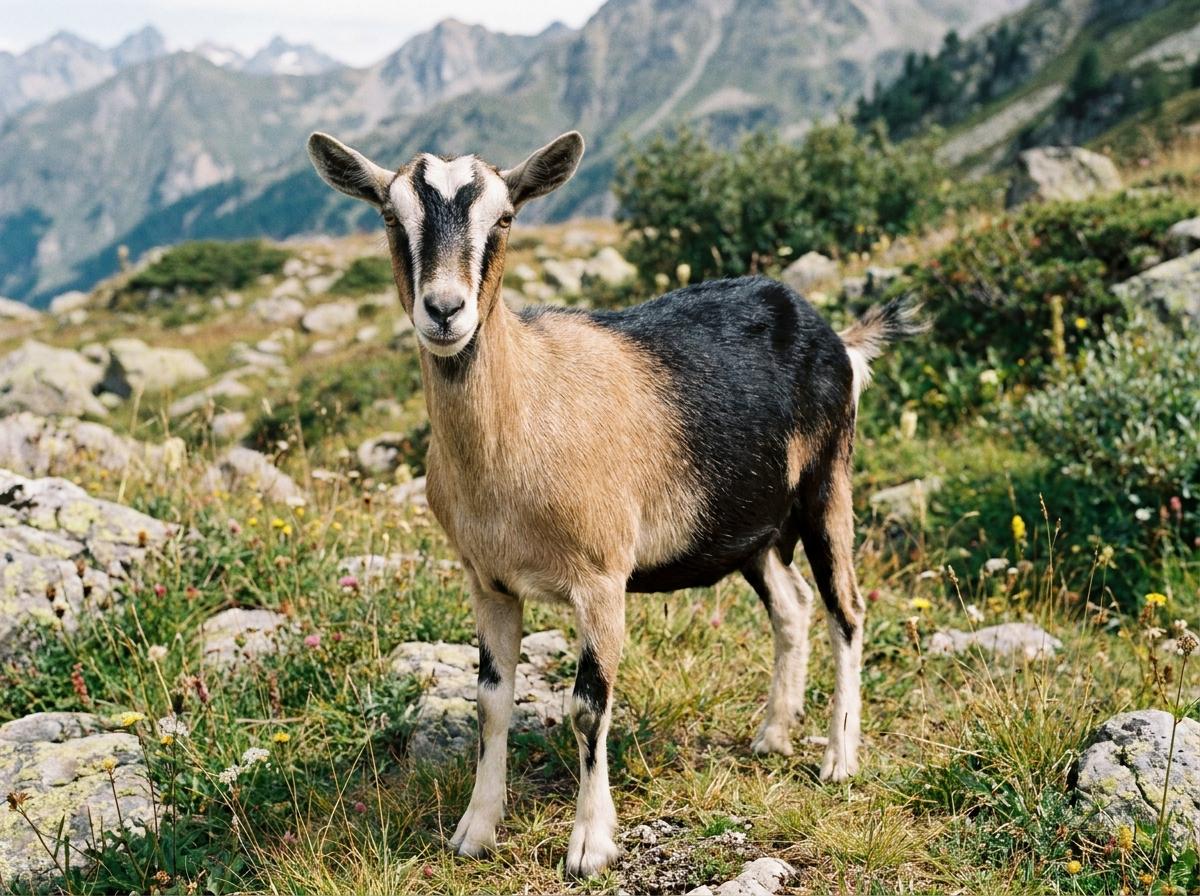
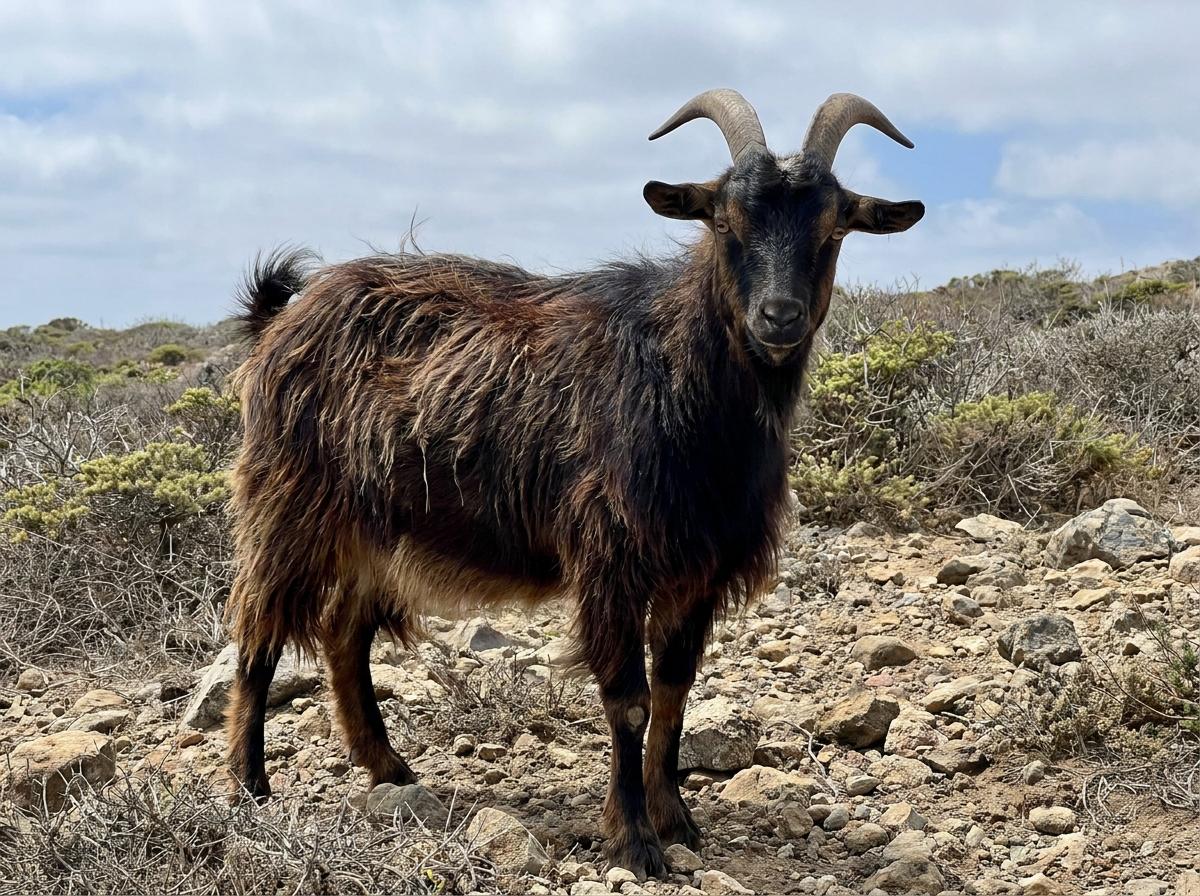
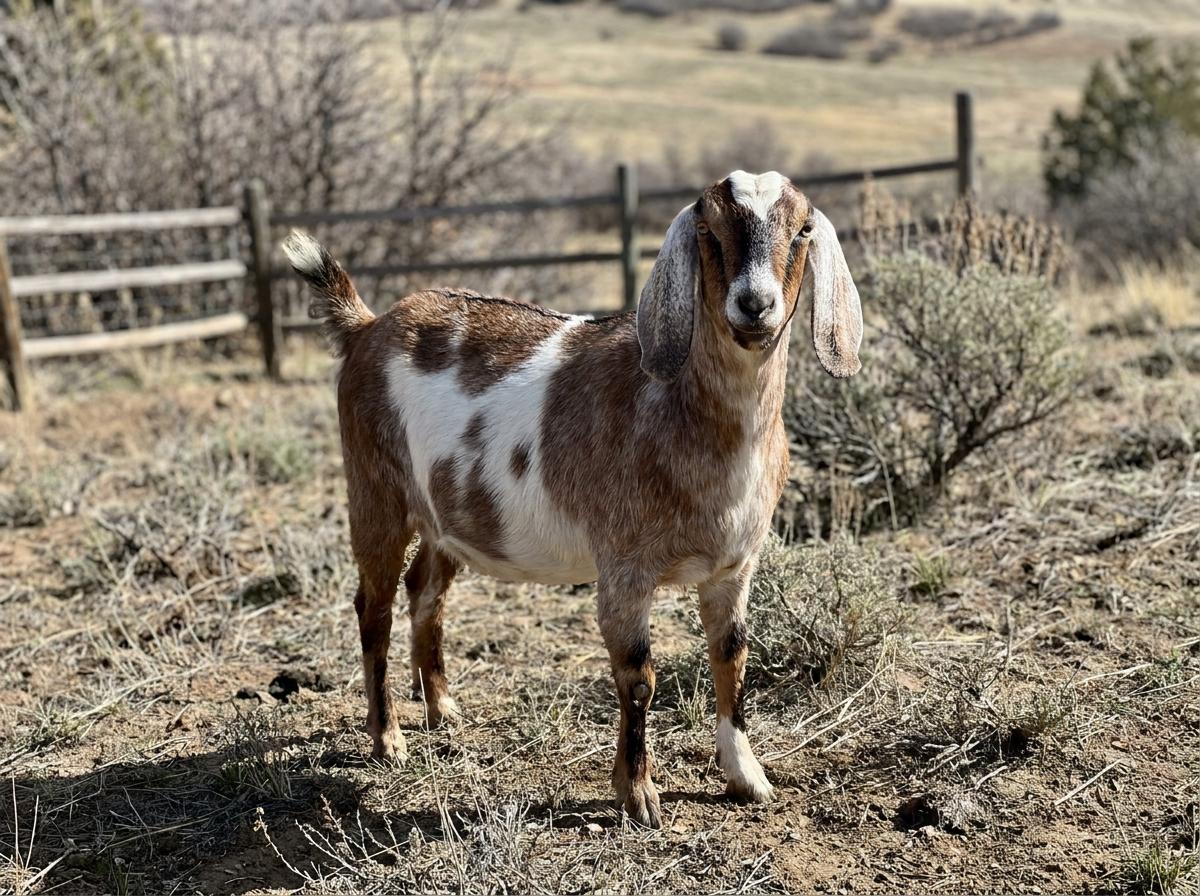
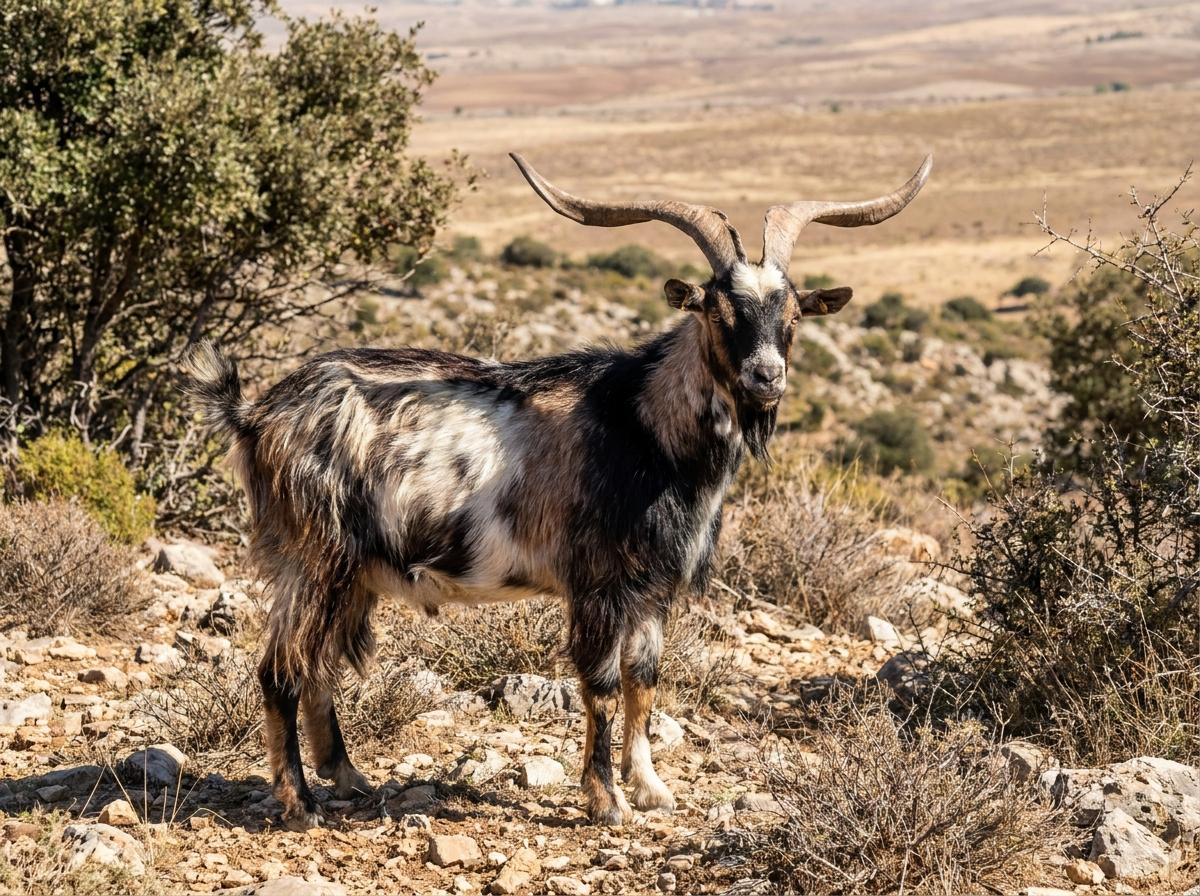
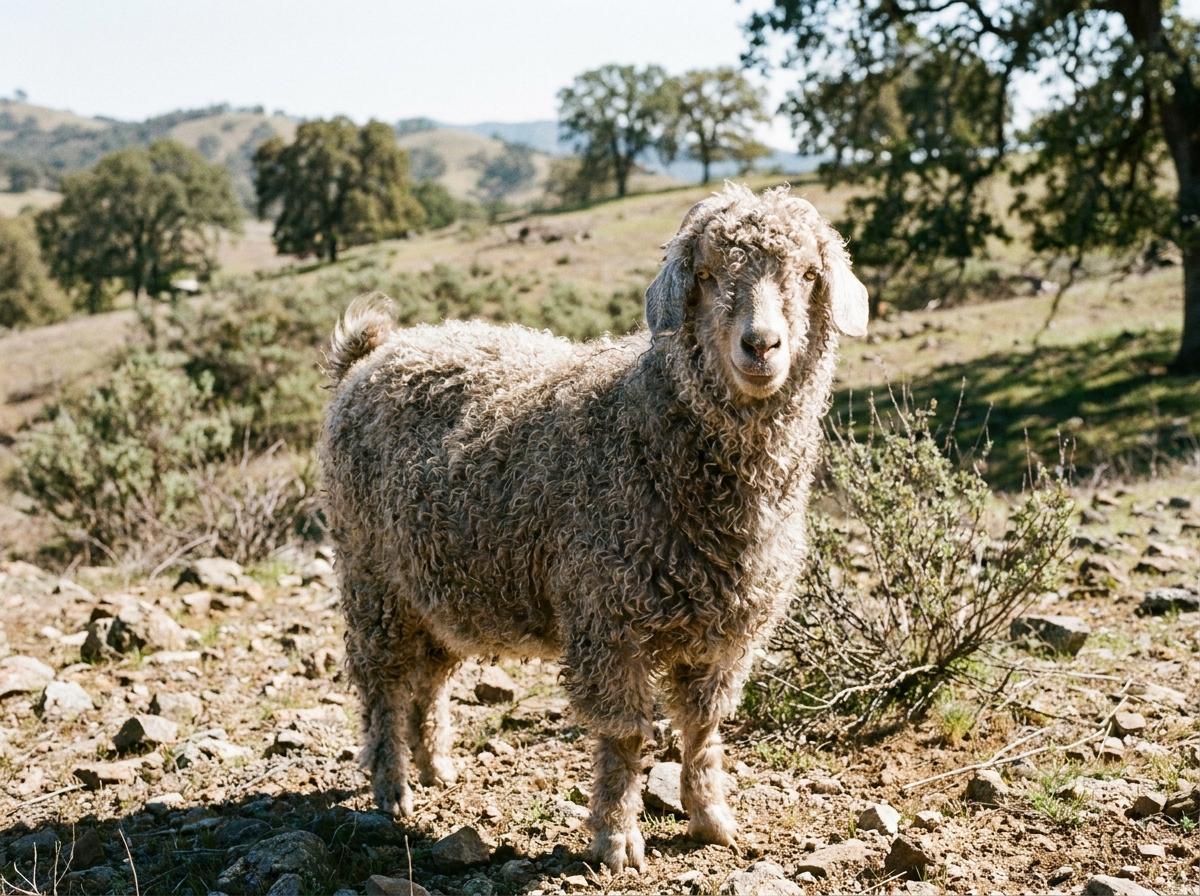
The Icelandic goat is Iceland's old native goat, descended from animals brought by Norse settlers and kept in relative isolation for more than a thousand years. It is a small, hardy landrace rather than a high-volume dairy breed. Individuals may be white, black, brown, gray, or pied, and both sexes often carry horns. A coarse outer coat and soft underdown help the goats handle Iceland's wind, cold, and short grazing season.
Today the breed is rare and managed as a genetic resource as much as a farm animal. Smallholders keep Icelandic goats for milk, meat, fiber, skins, conservation grazing, and cultural heritage, but breeding choices need to protect genetic diversity within a small population. They still require good hay through winter, dry shelter, minerals, and secure fencing; hardiness does not mean they thrive on neglect. Iceland's strict livestock-import environment also makes pure local lines especially significant.
Colors: Belted, Black, Black and White, Brown, Brown and White, Buckskin, Chamoisee, Cou Blanc, Cou Clair, Cream, Fawn, Gold, Moonspotted, Pinto, Red, Red and White, Roan, Spotted, Sundgau, Swiss Marked, Tan, White