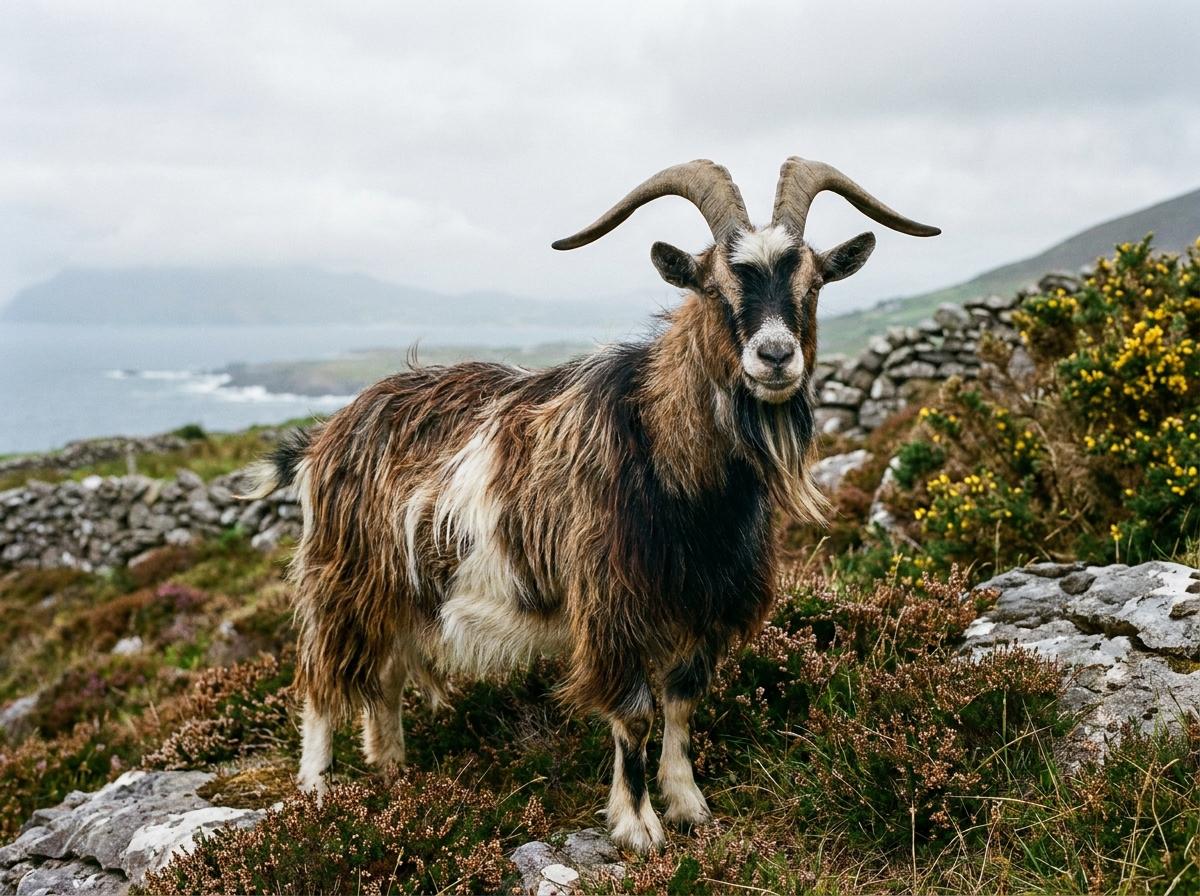
Irish Goat
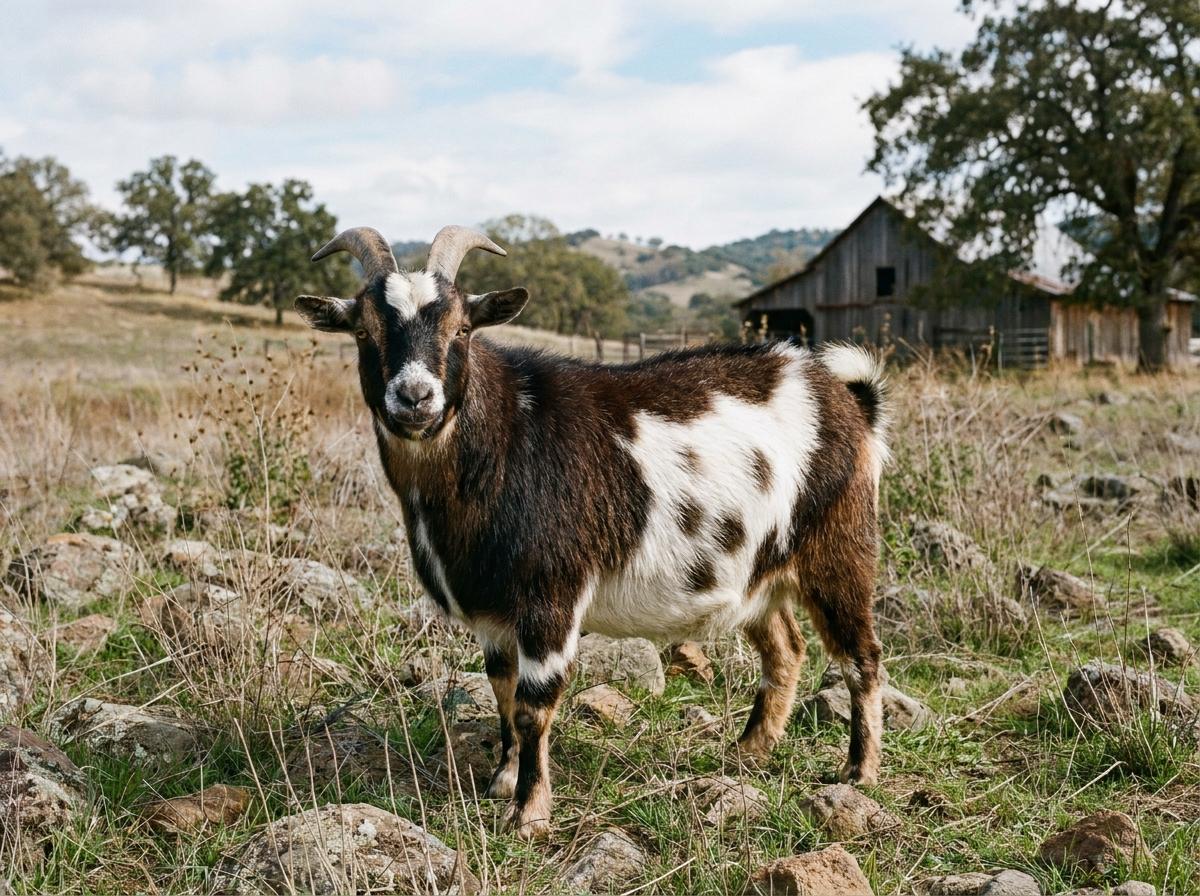
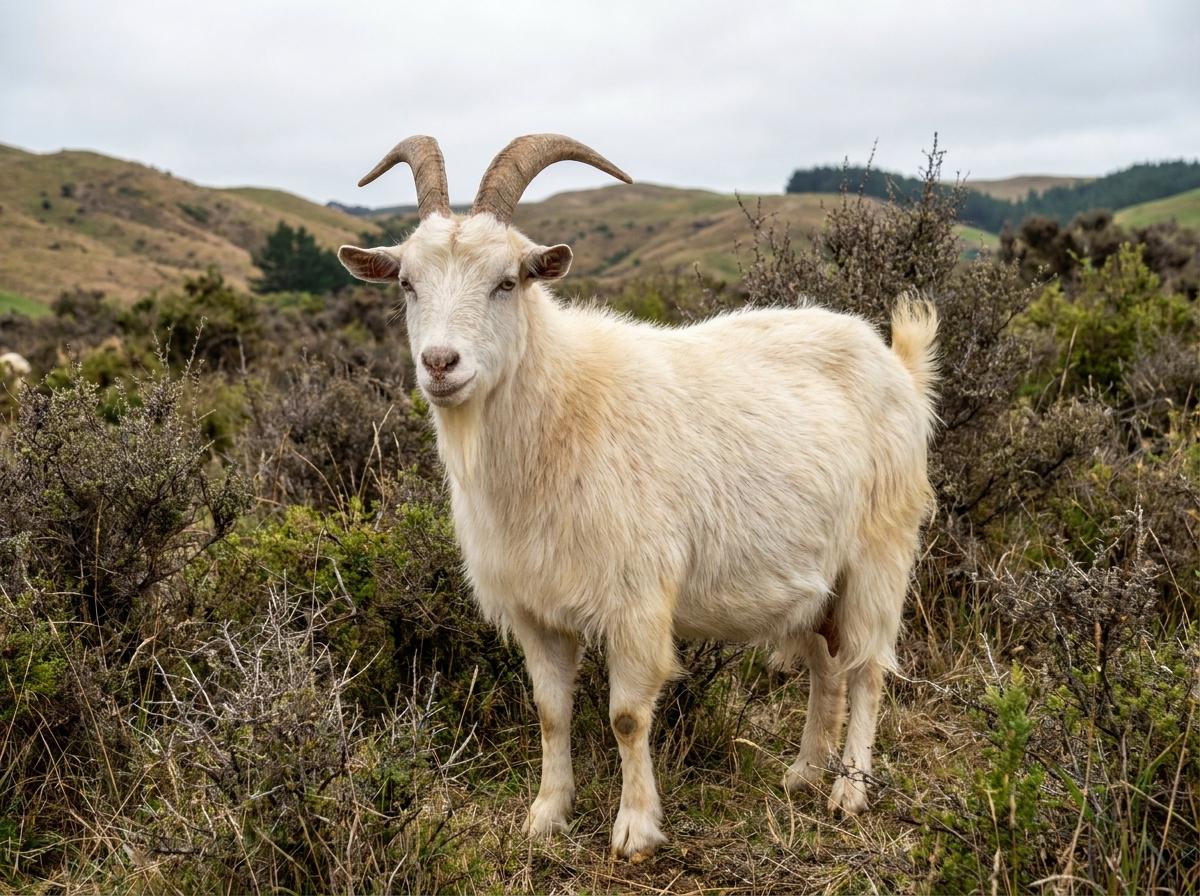
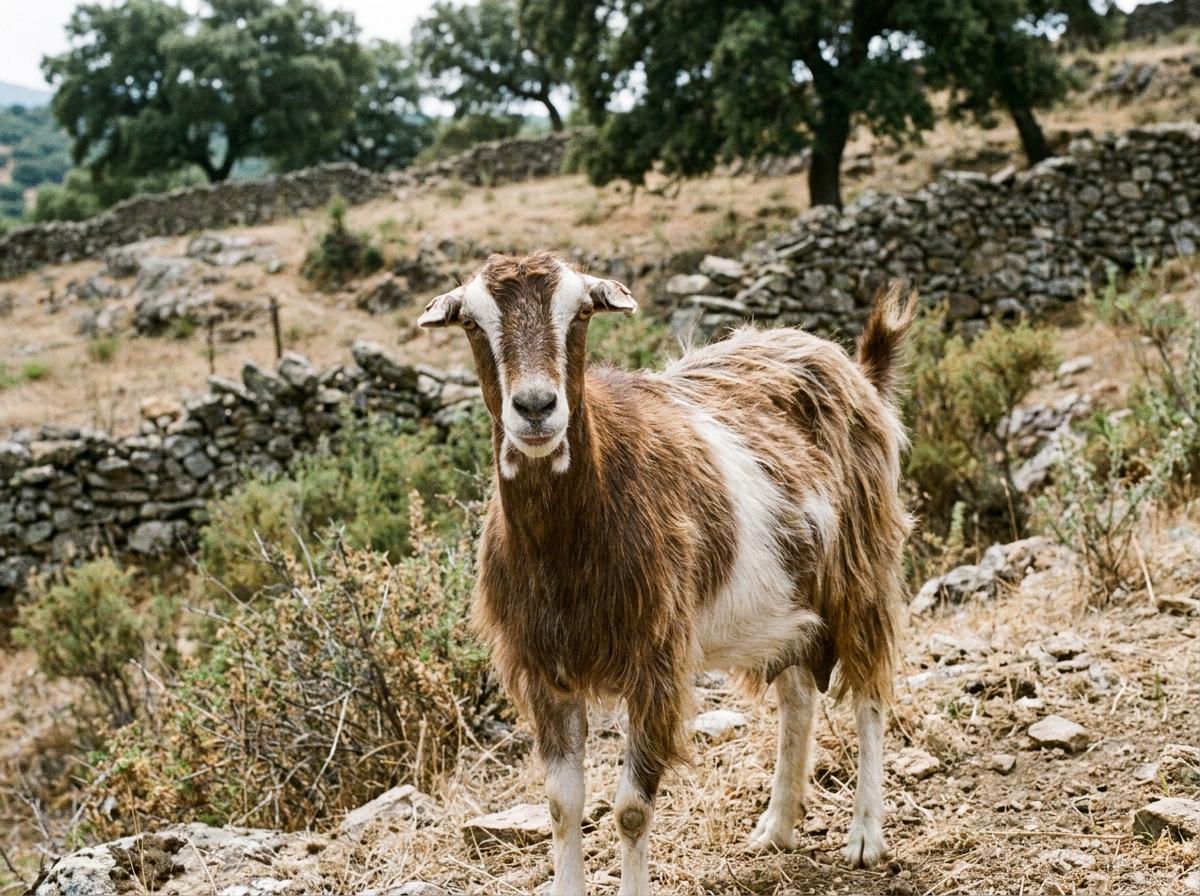
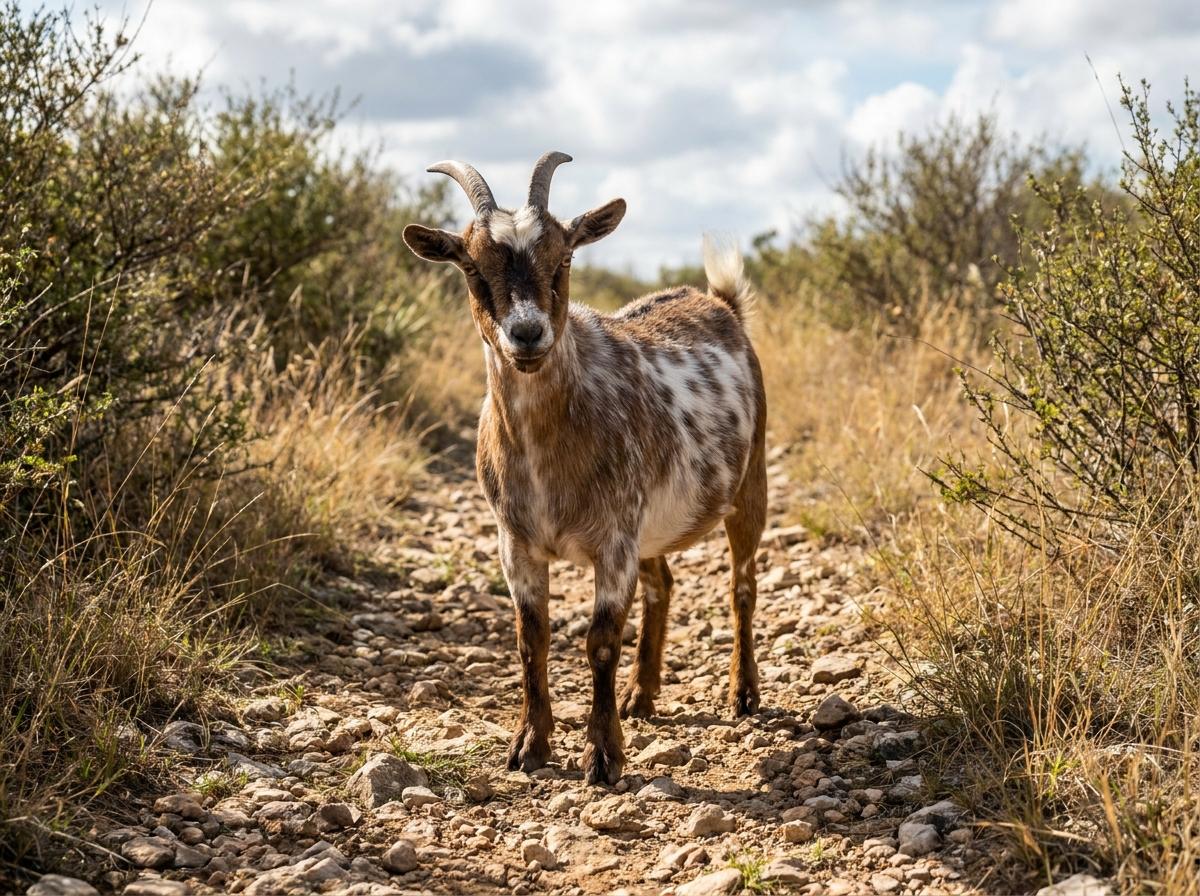
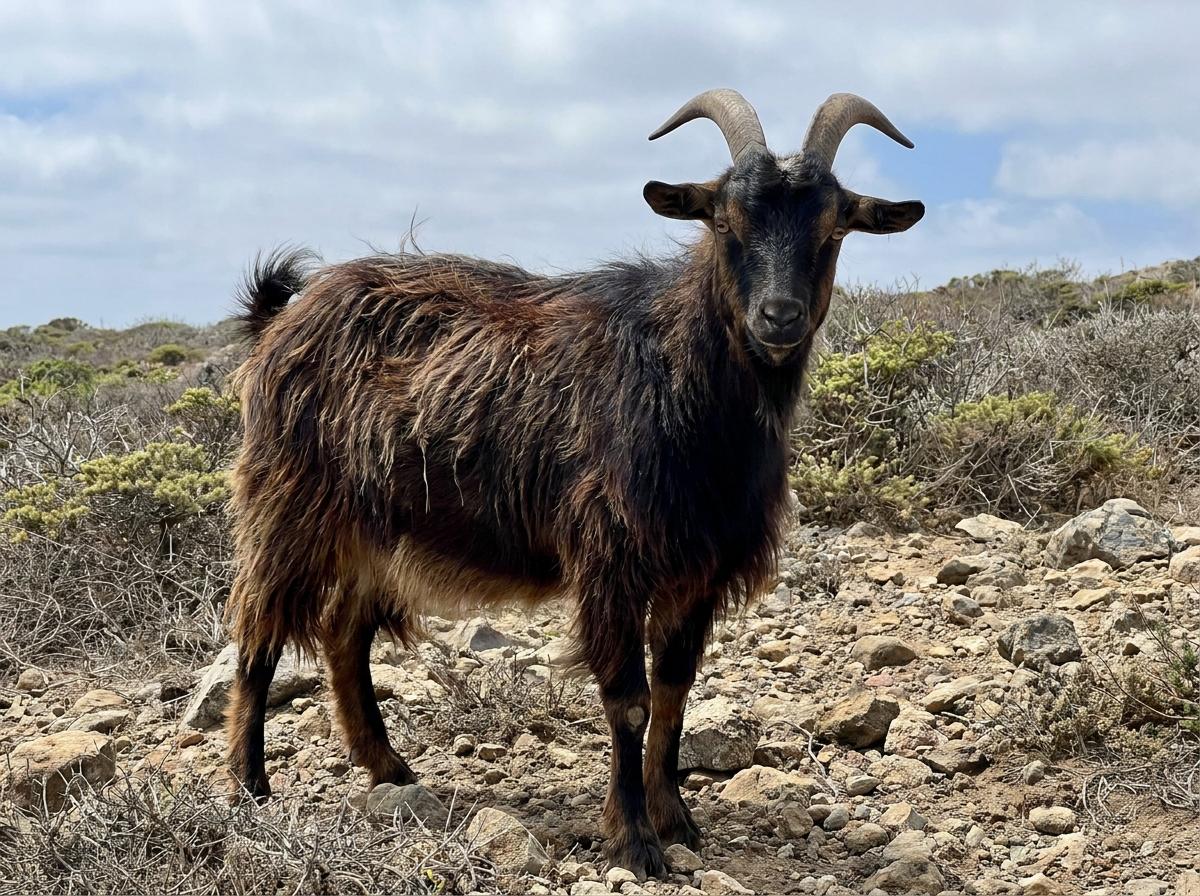
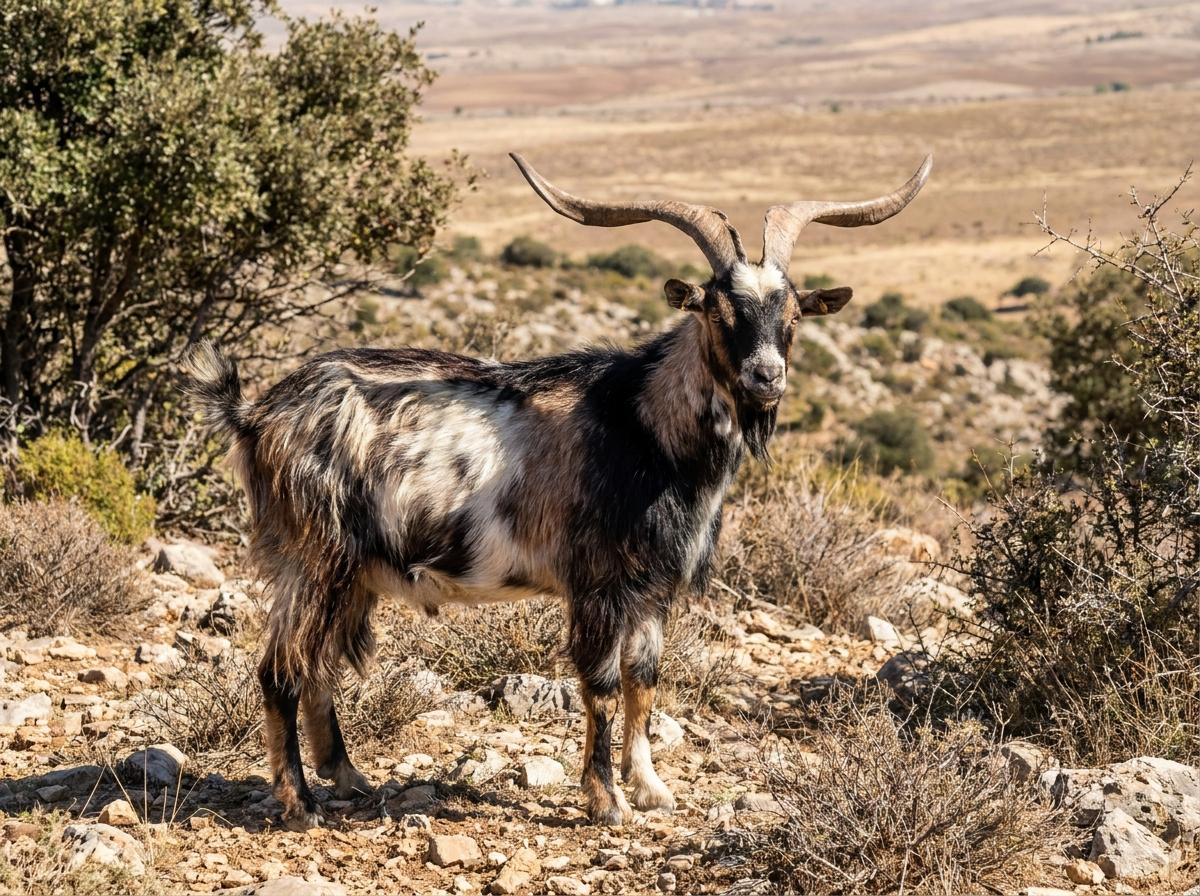
The Irish goat most often refers to the Old Irish Goat landrace, a hill and coastal type that predates the widespread use of modern imported dairy goats in Ireland. It is usually small to medium, long-coated, bearded, and strongly horned, with colors ranging from black and brown to grey, white, and broken patterns. Many surviving animals are associated with feral or semi-feral herds, so the boundary between landrace, conservation population, and mixed goat stock has to be handled carefully.
Traditional use centered on household milk, meat, hides, and the ability to live on rough grazing. Modern management often involves conservation herds, smallholdings, and controlled browsing projects where goats suppress scrub on mountain or island sites. They need sound fencing, shelter from persistent wet, and mineral support, especially where forage is poor. People preserving the old type usually avoid indiscriminate crossing with dairy breeds and select for feet, mothering, hardiness, and the primitive horned appearance.
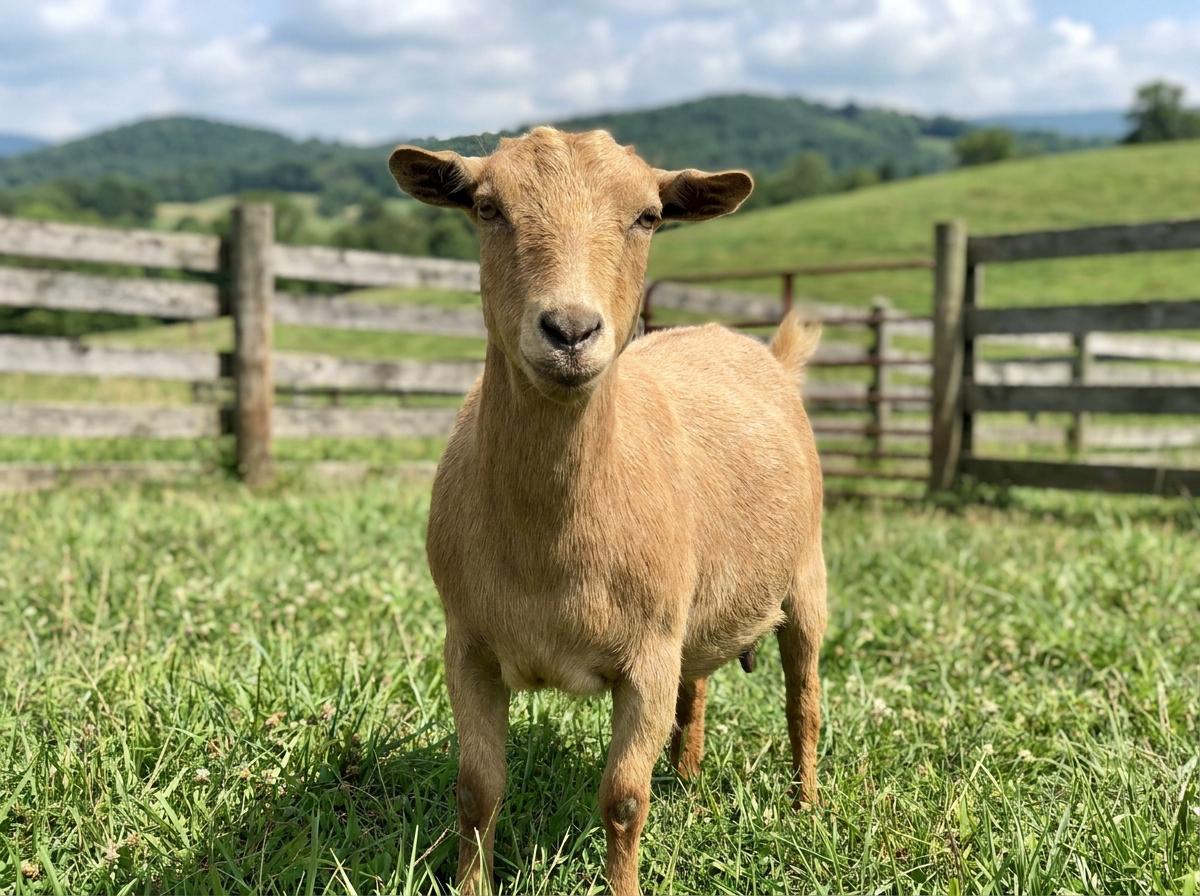
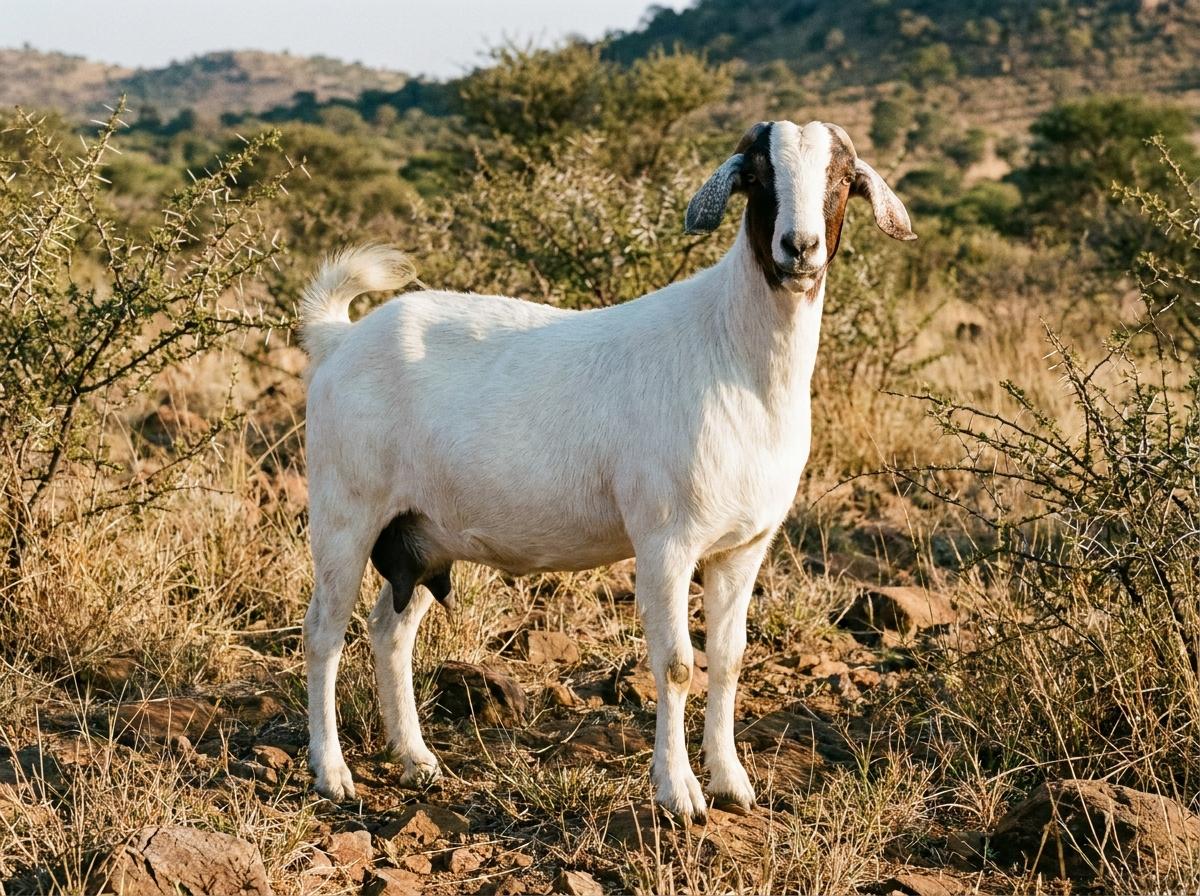
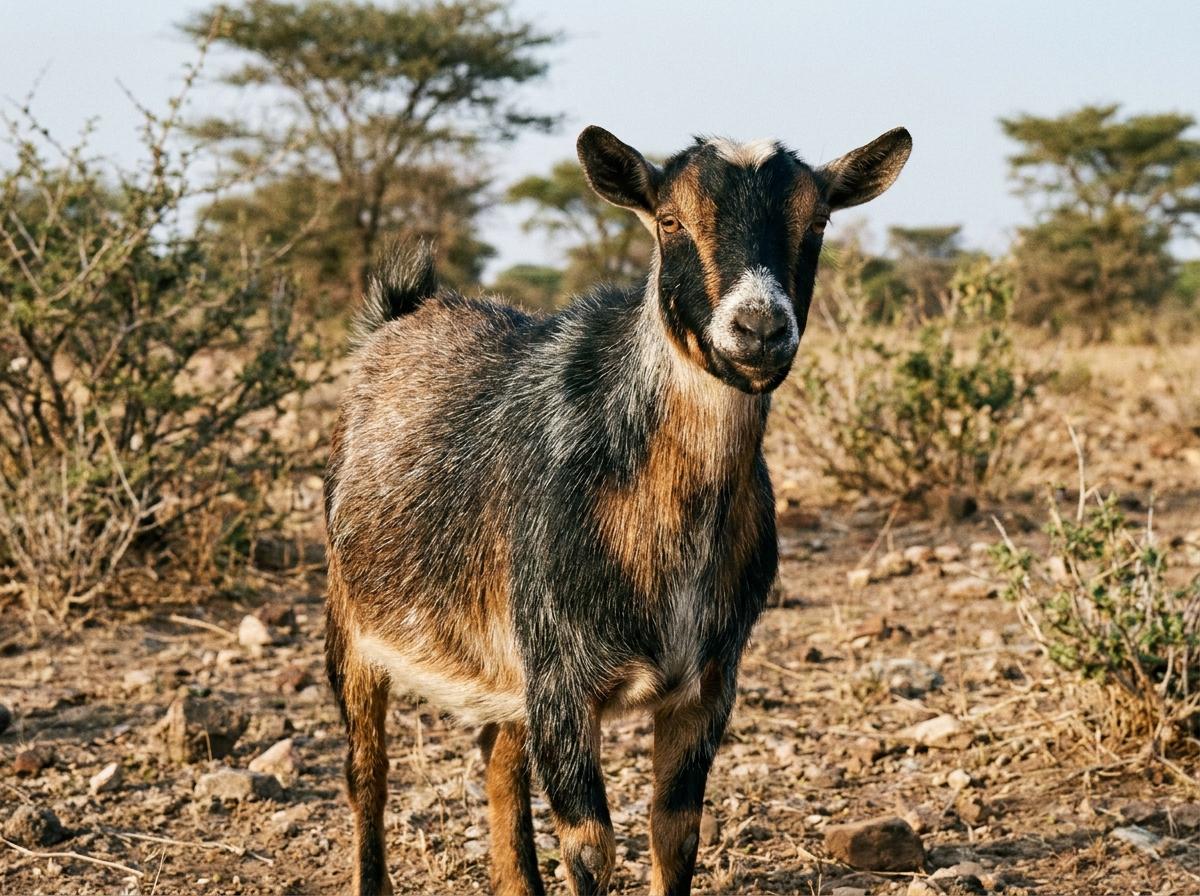
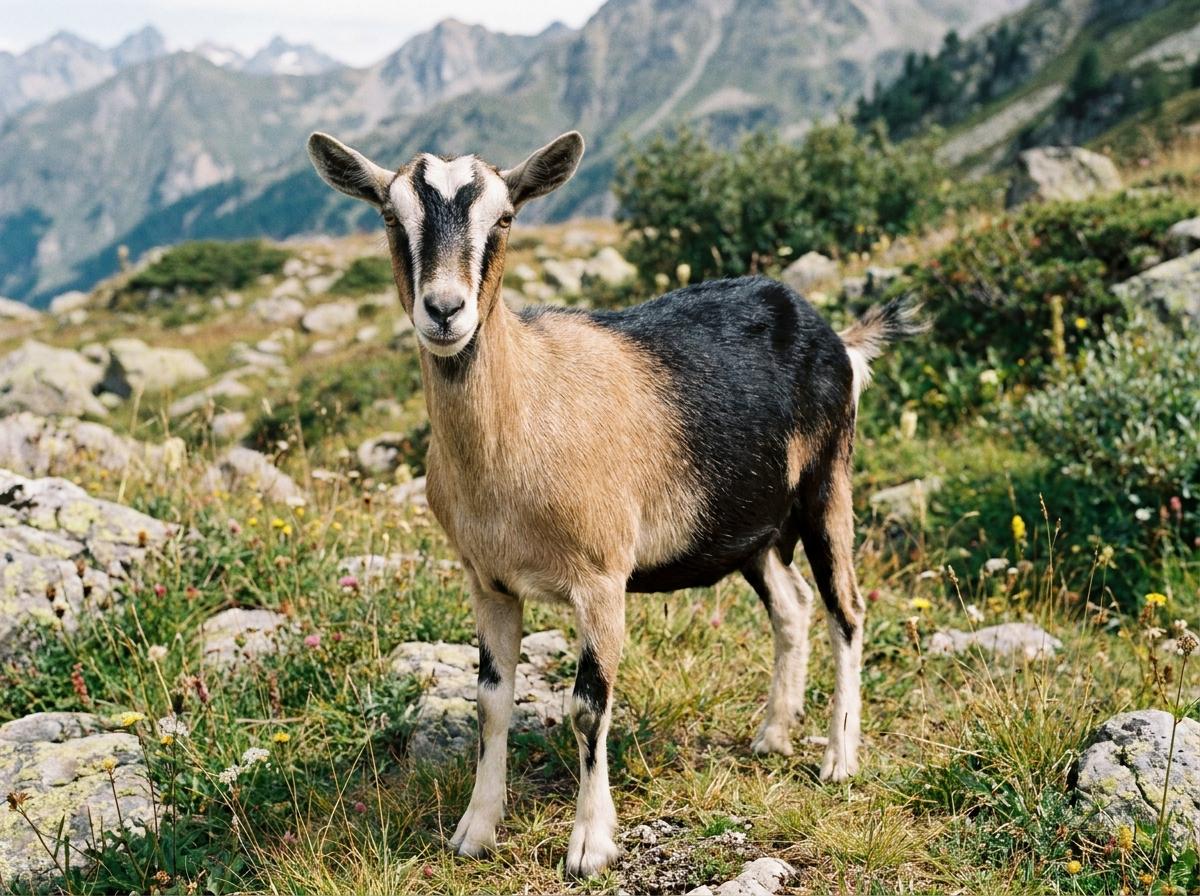
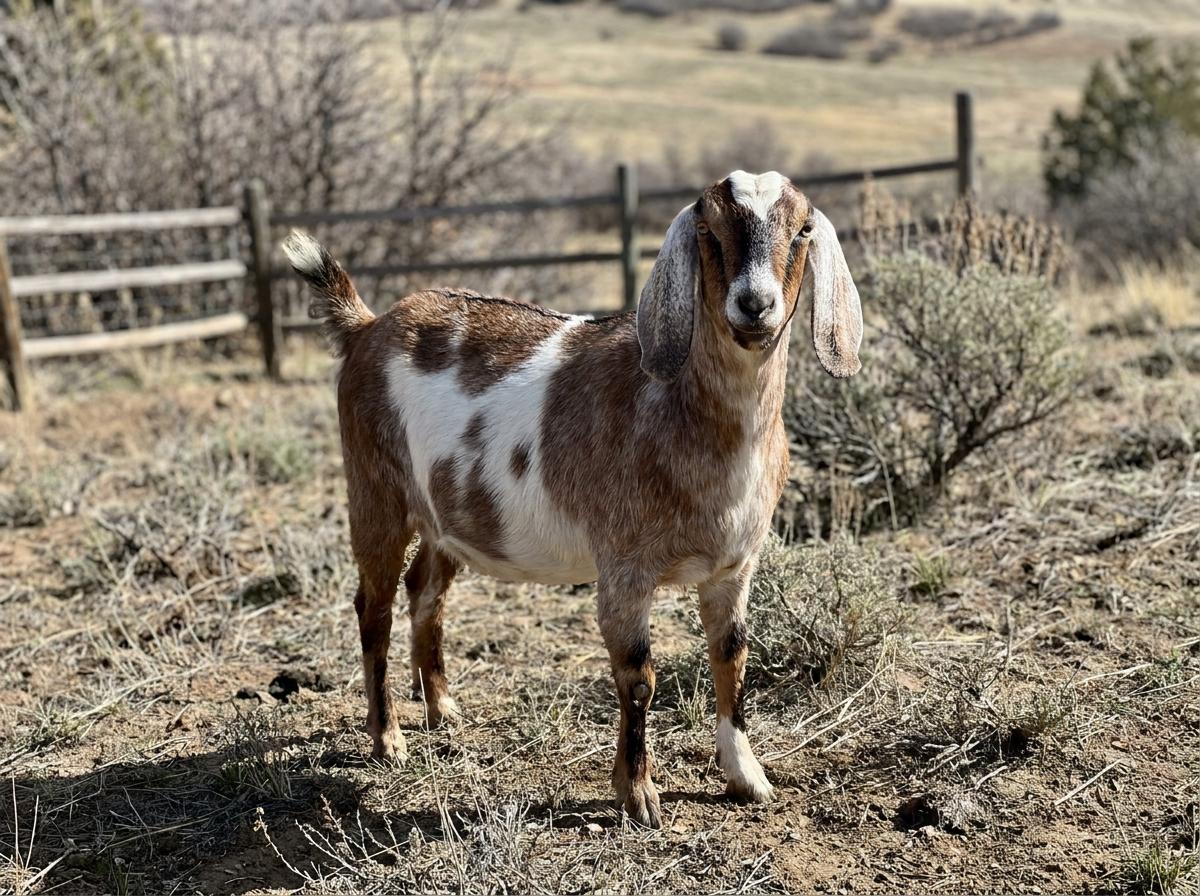
Colors: Belted, Black, Black and White, Broken Colored, Brown, Brown and White, Buckskin, Chamoisee, Cou Blanc, Cou Clair, Cream, Fawn, Gold, Mixed Pattern with White Points, Moonspotted, Multi-Colored with Black Base, Multi-Colored with White Base, Pinto, Red, Red and White, Roan, Solid Black, Solid Brown, Solid Red, Spotted, Sundgau, Swiss Marked, Tan, White