Majorera
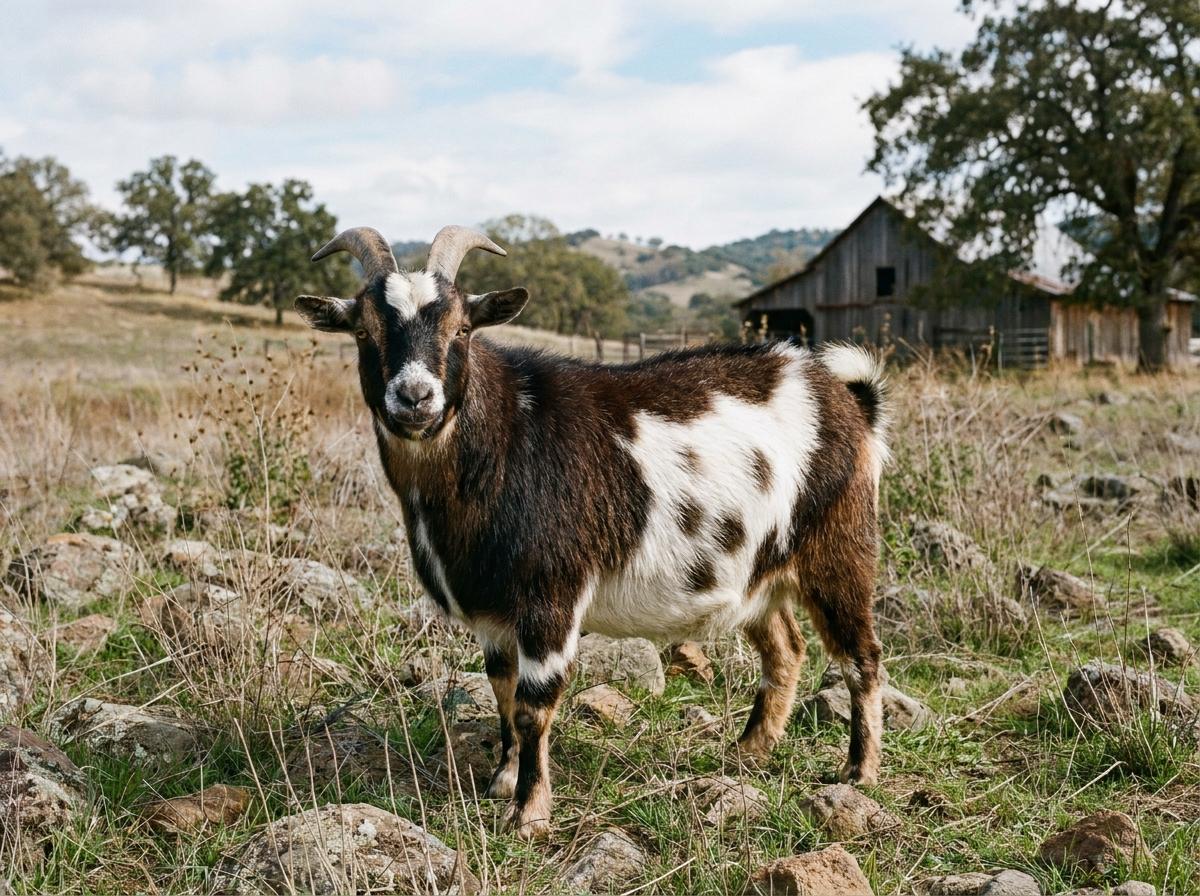
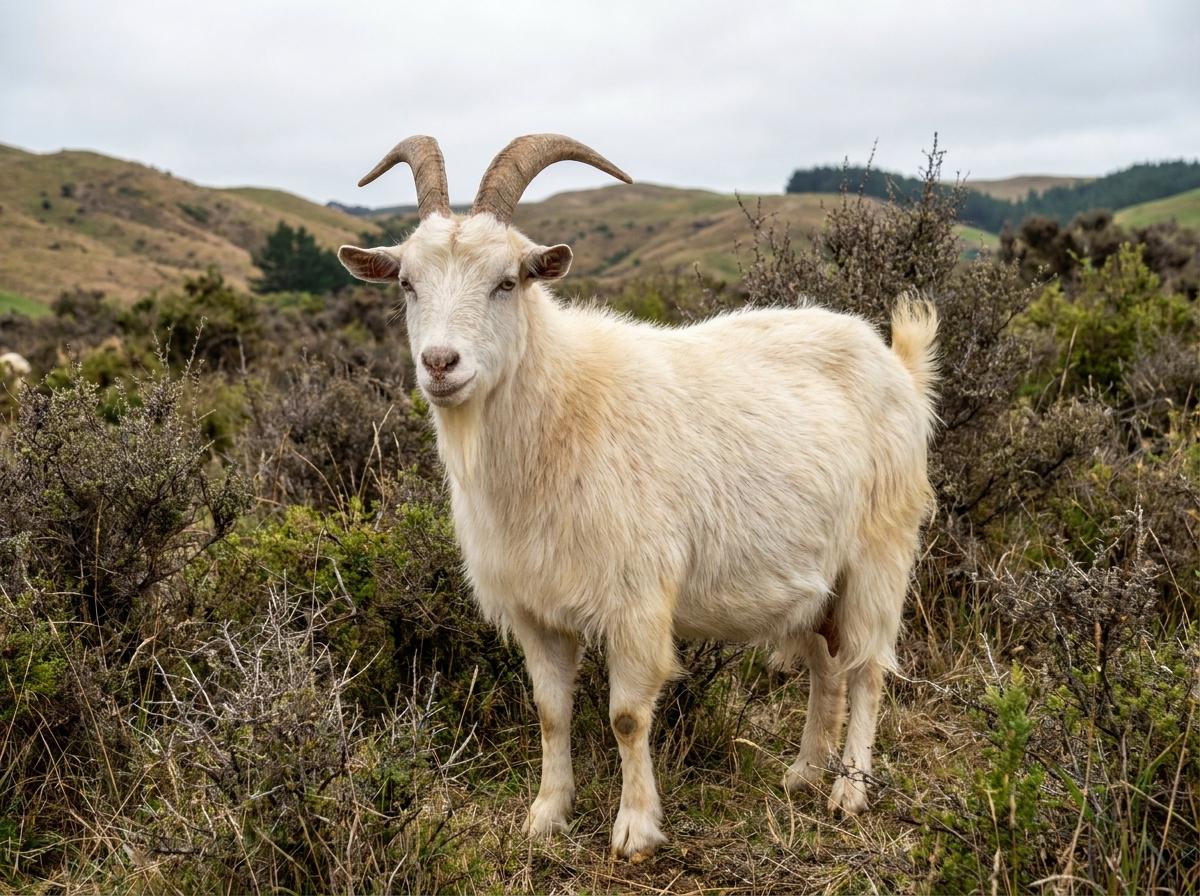
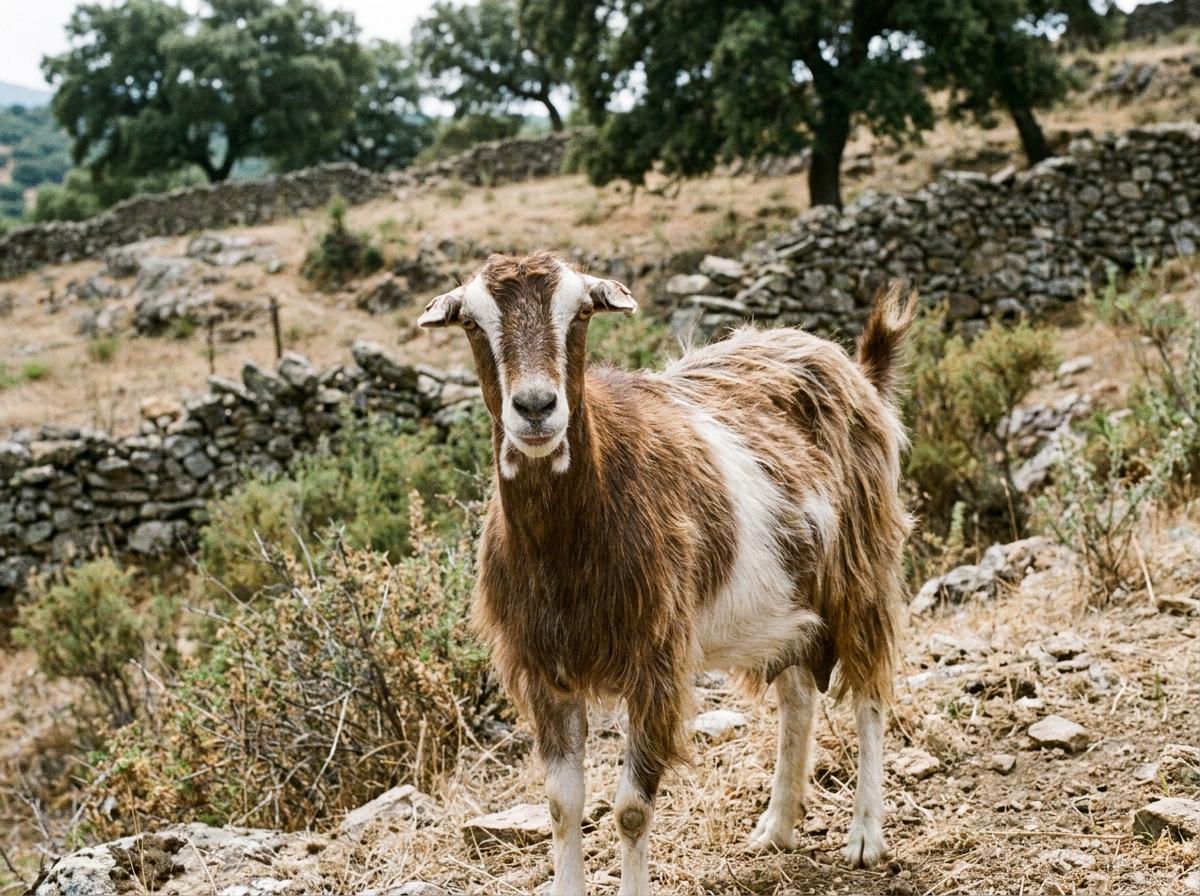
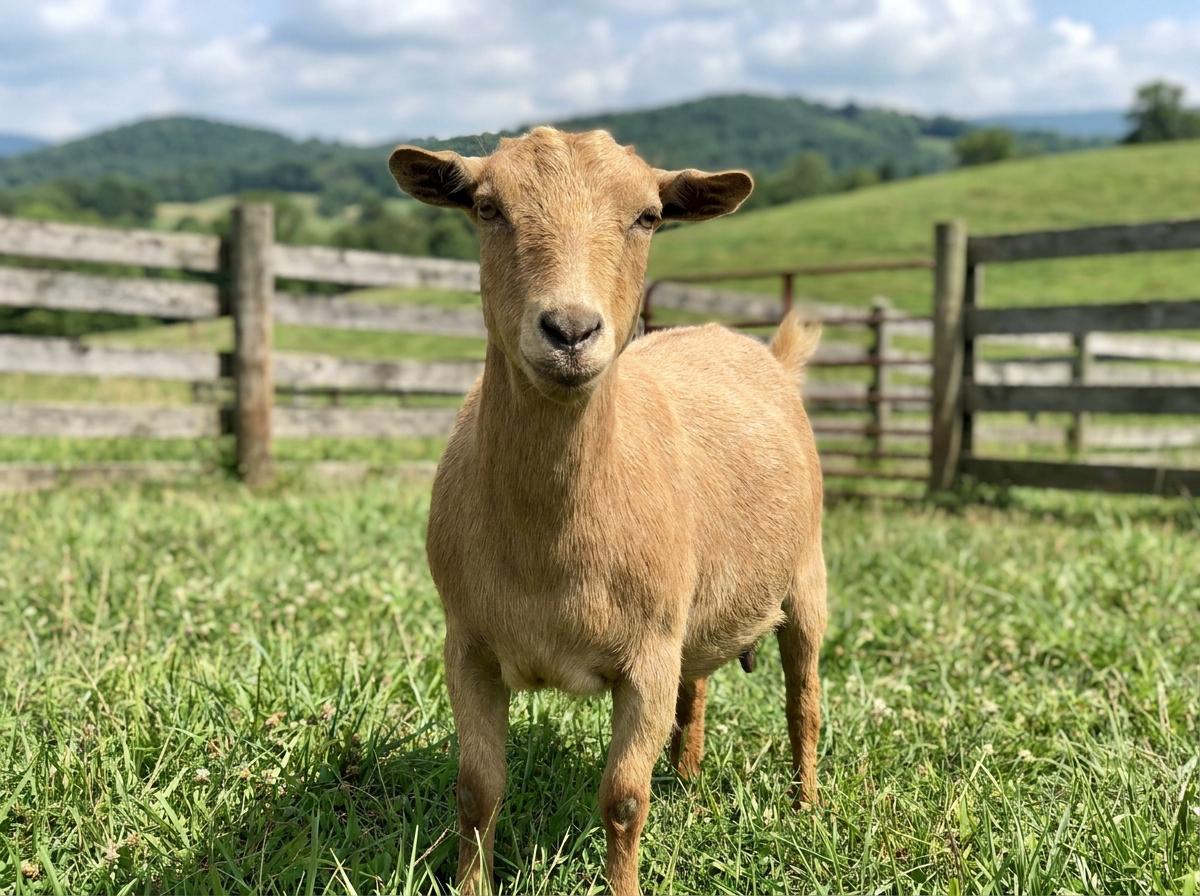
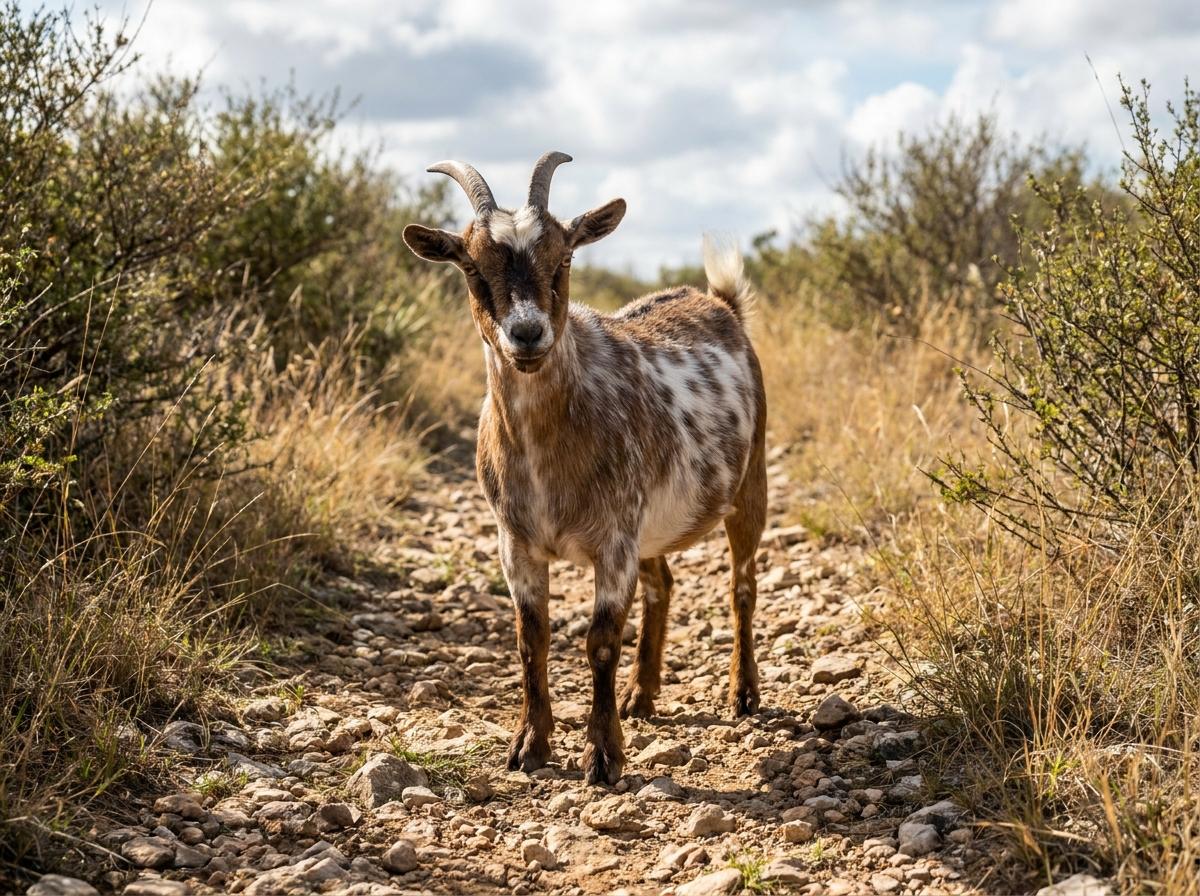
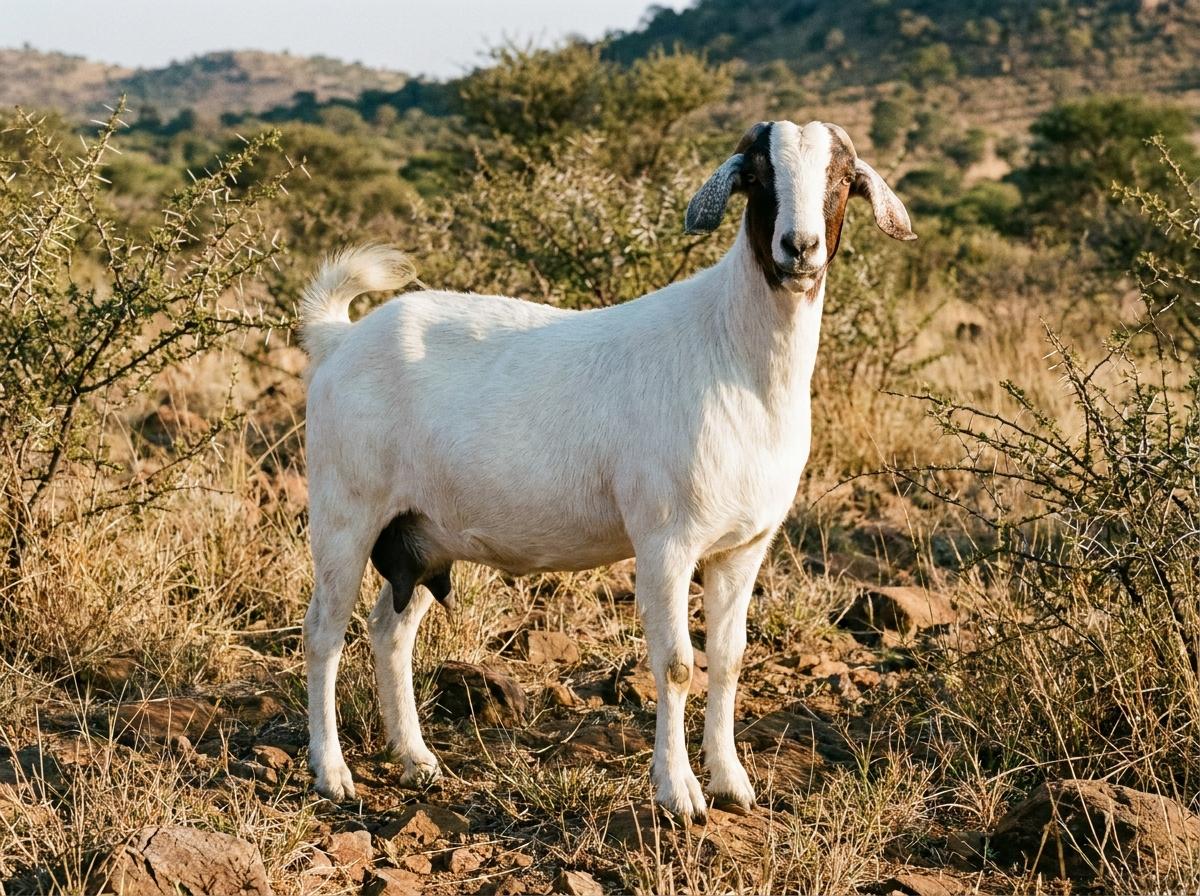
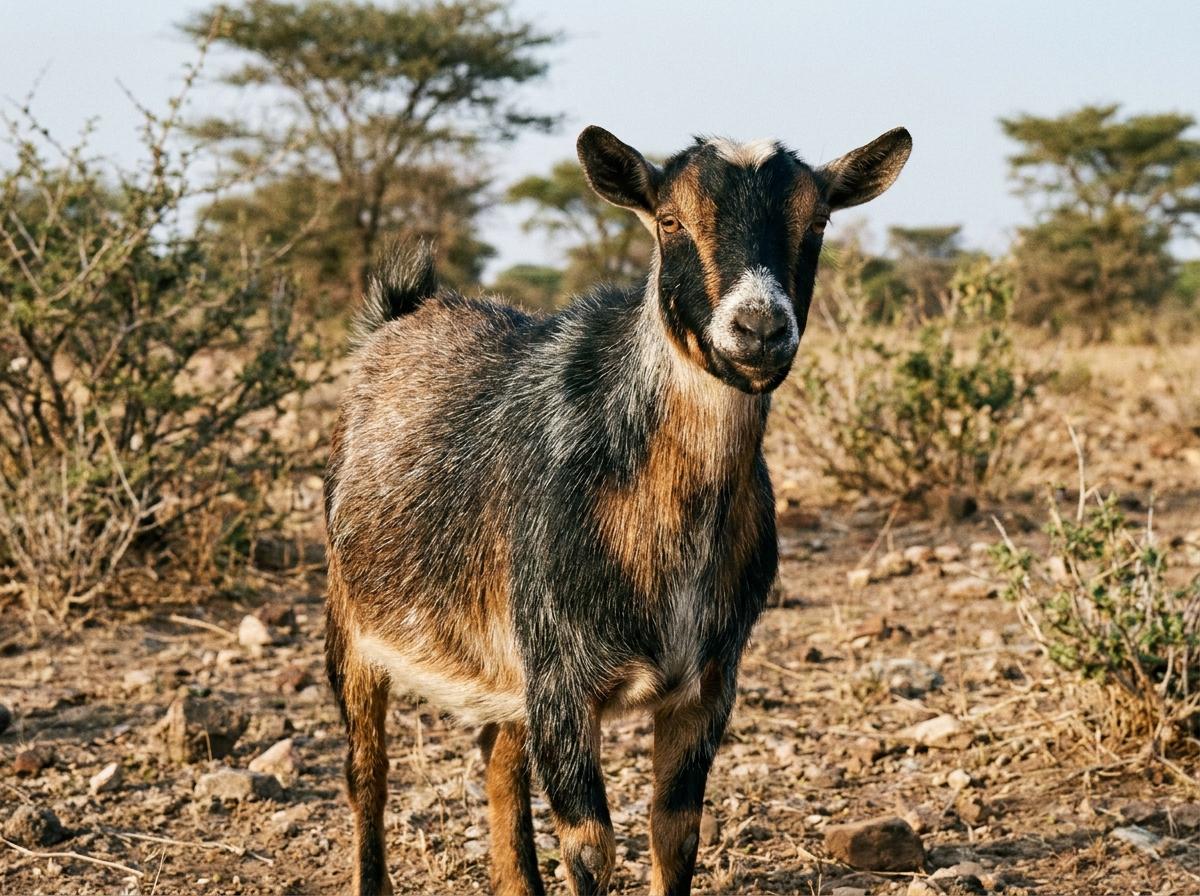
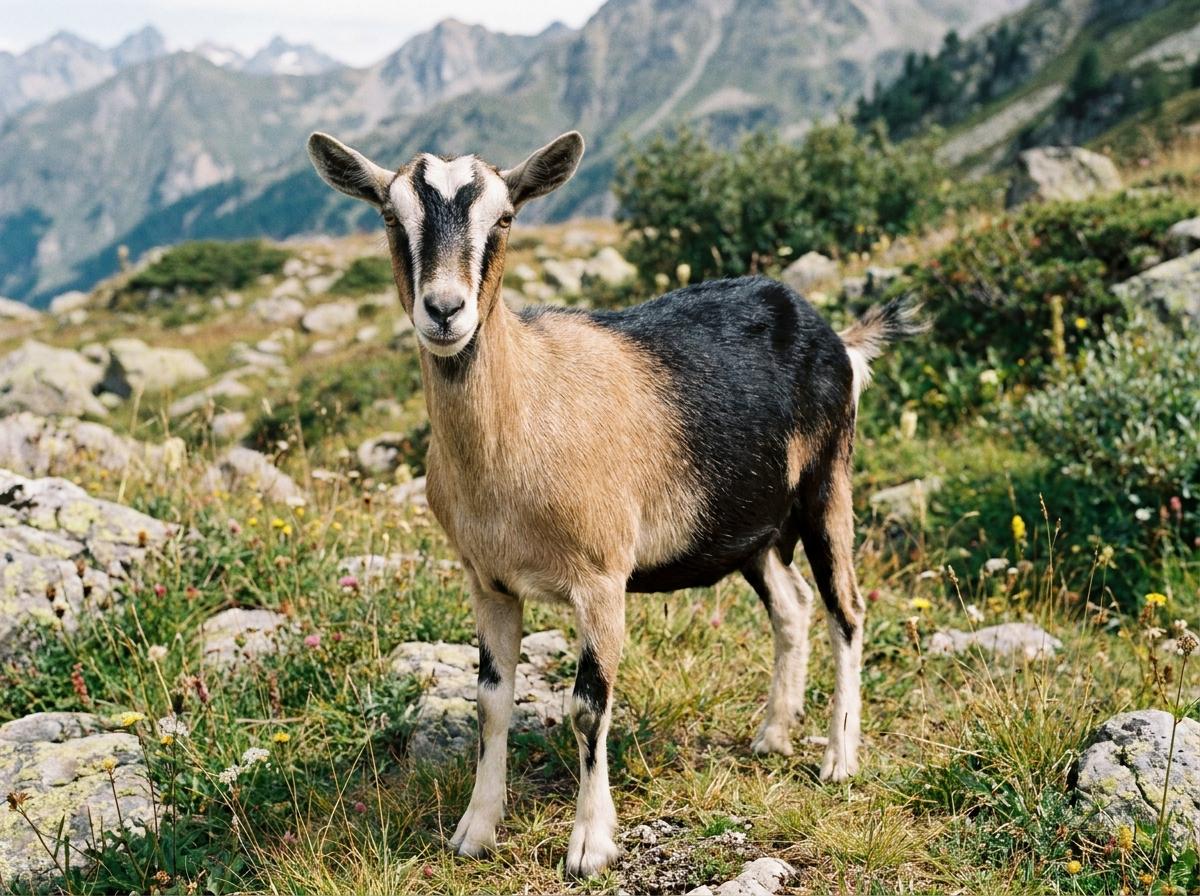
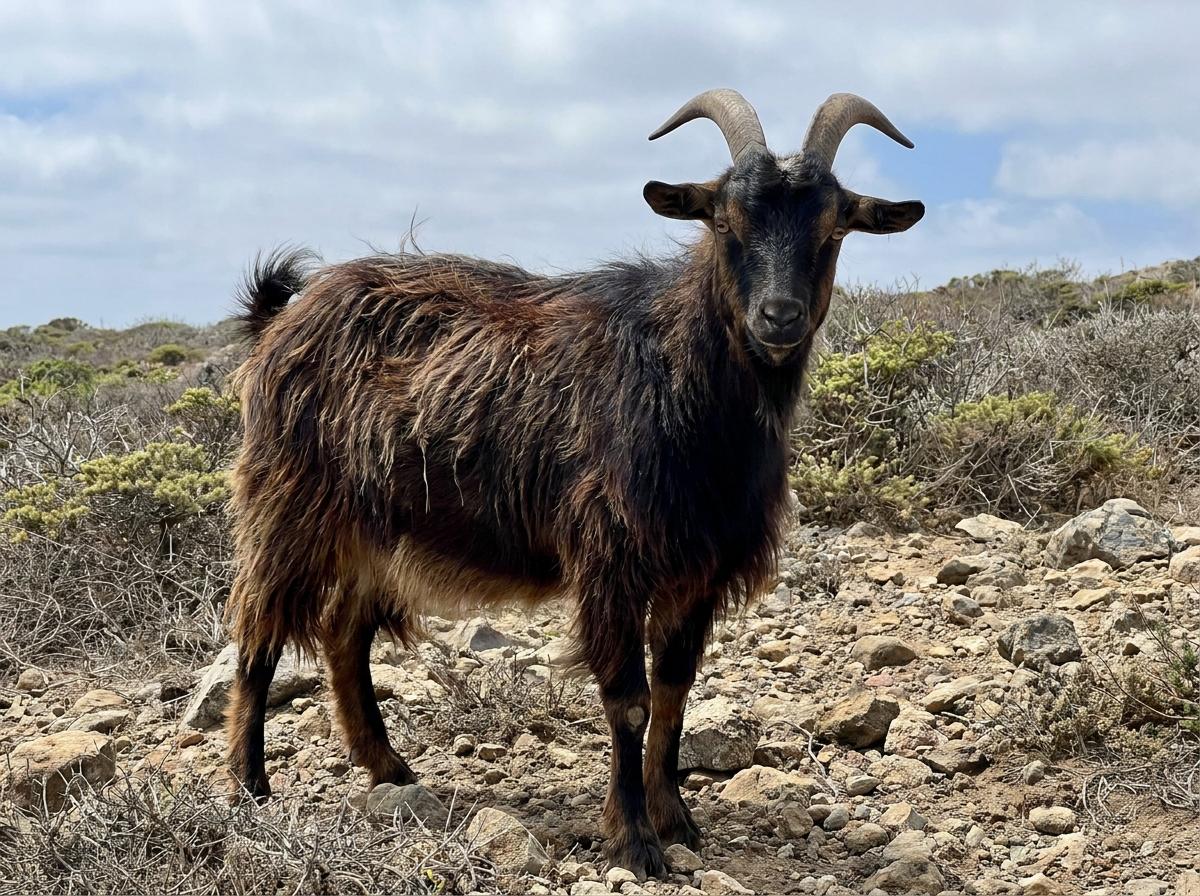
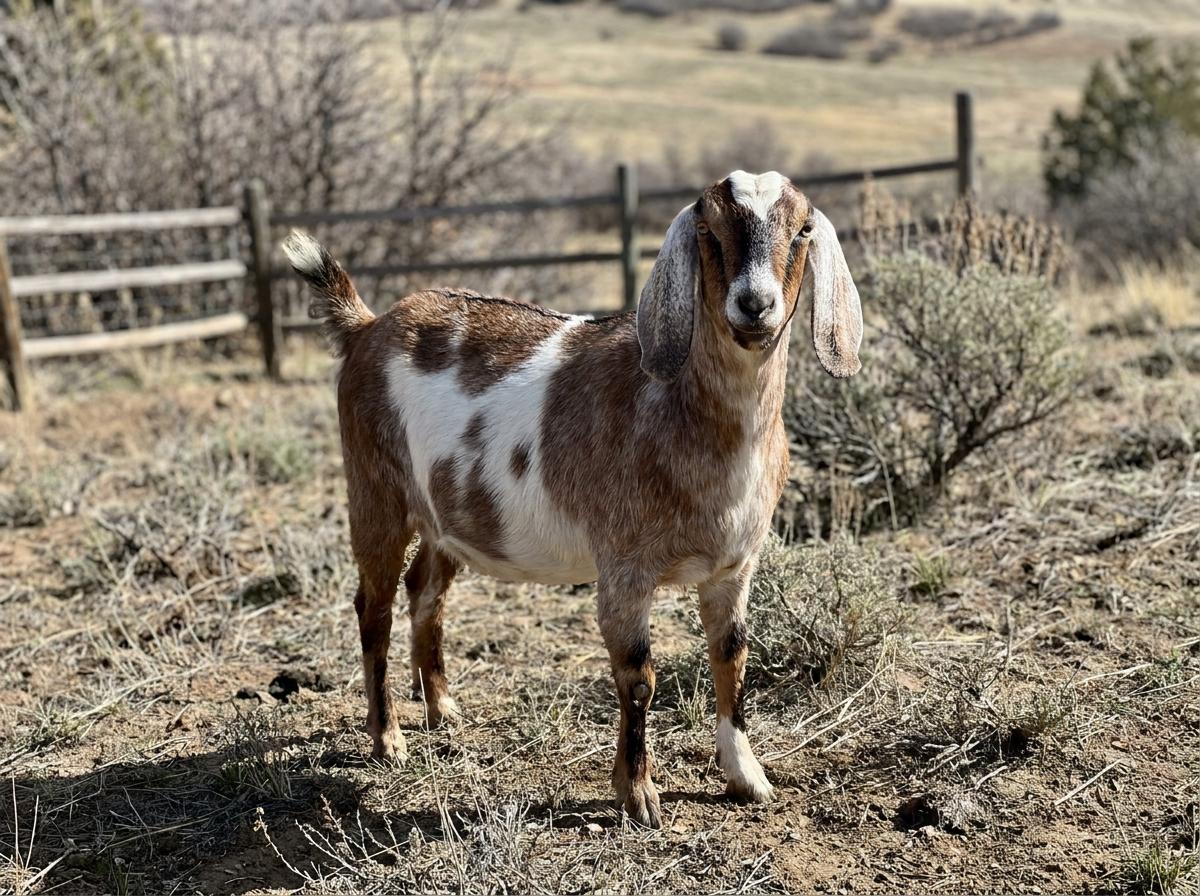
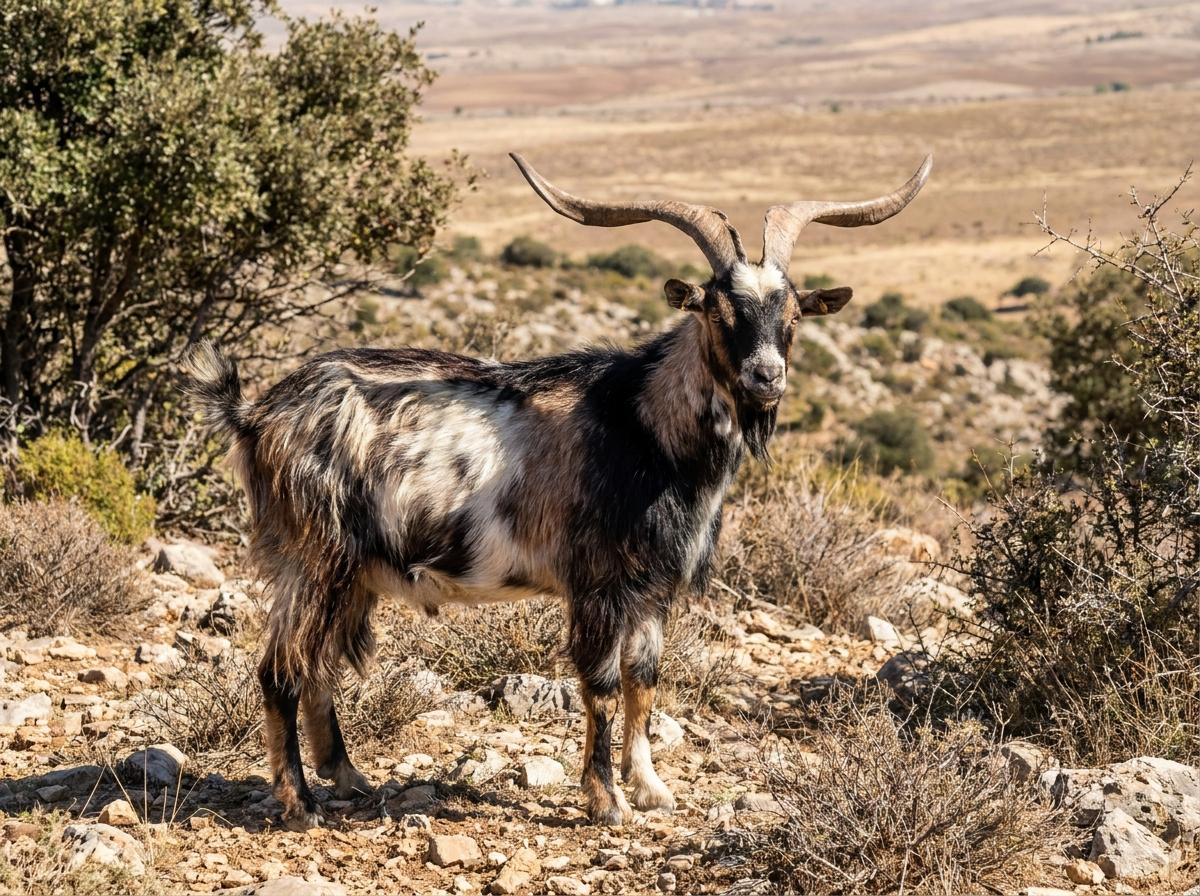
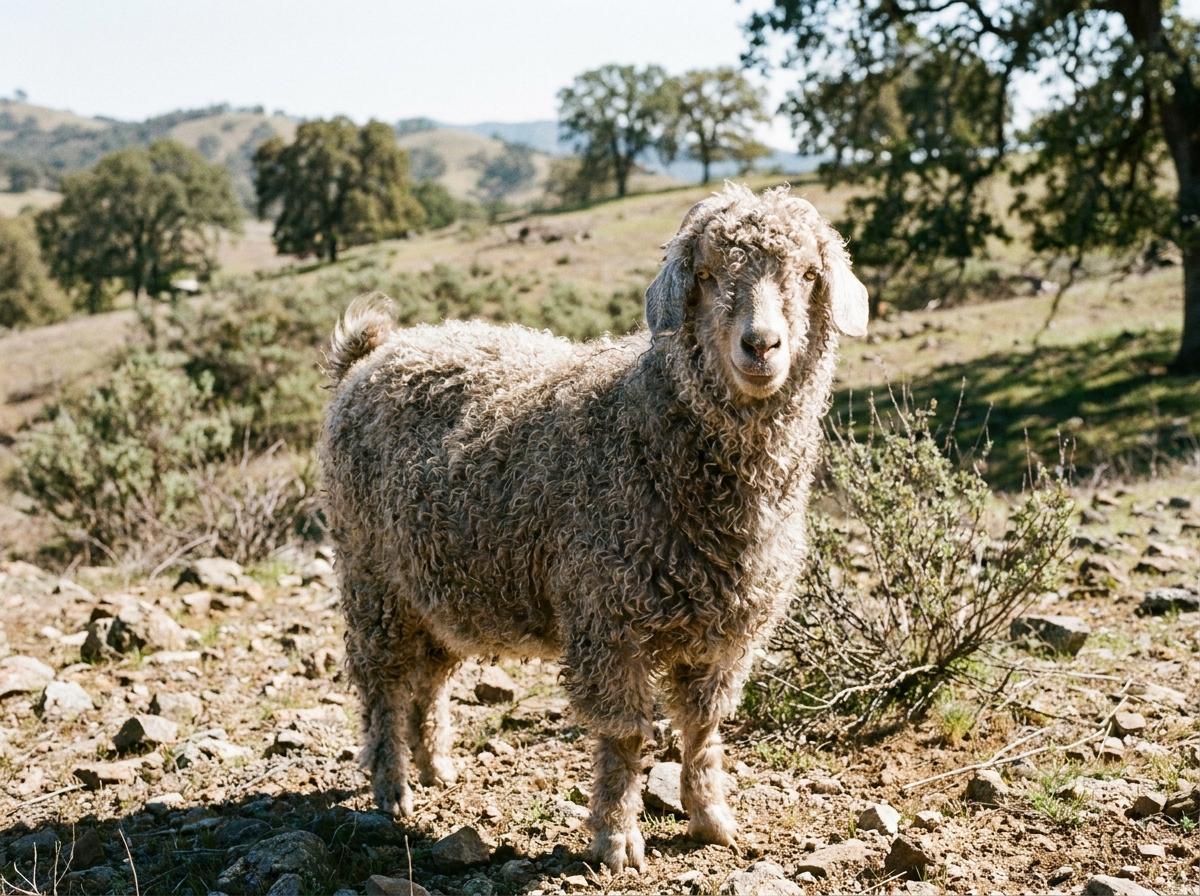
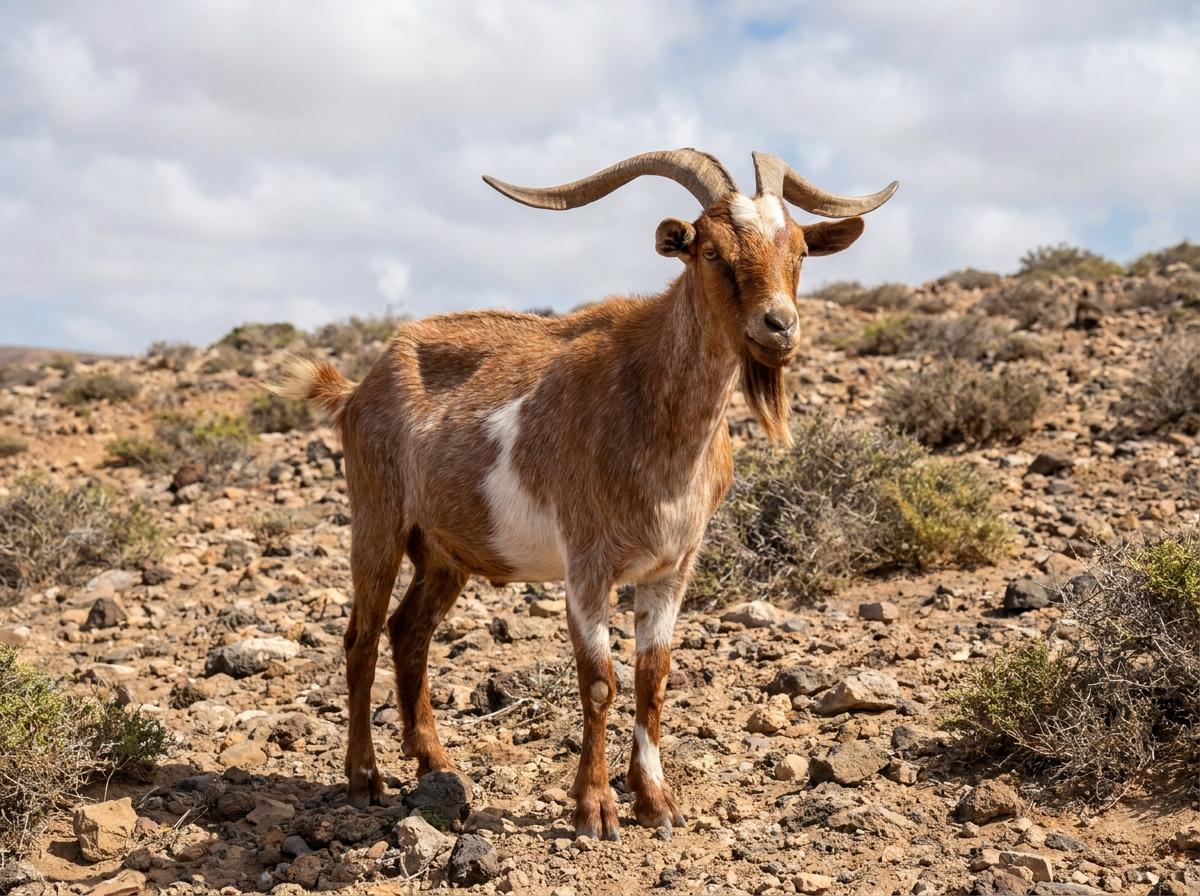
Majorera goats come from Fuerteventura in the Canary Islands, where they have long been shaped by dry wind, volcanic ground, and sparse browse. The breed is a dairy goat rather than a meat landrace, and its milk is closely tied to Majorero cheese production. Mature animals are medium to large, agile, and often carry varied coats in black, brown, cream, buckskin, chamoisee, pied, or belted patterns. Many have horns and short, practical coats. Compared with the smaller island populations around them, Majoreras are noted for productive udders and the ability to keep milking in hot, dry conditions when nutrition is managed.
Farms keep Majorera goats in semi-extensive herds that graze rough country during part of the day and receive hay, concentrates, or by-products to support lactation. Shade, reliable water, and mineral supplementation remain essential despite the breed's dryland background. Hoof wear can differ sharply between rocky range and bedded pens, so routine foot checks are useful. Buyers interested in cheesemaking should look for does from tested dairy families, not simply for a Canary Island label or a spotted coat.
Colors: Belted, Black, Black and White, Brown, Brown and White, Buckskin, Chamoisee, Cou Blanc, Cou Clair, Cream, Fawn, Gold, Moonspotted, Pinto, Red, Red and White, Roan, Spotted, Sundgau, Swiss Marked, Tan, White