

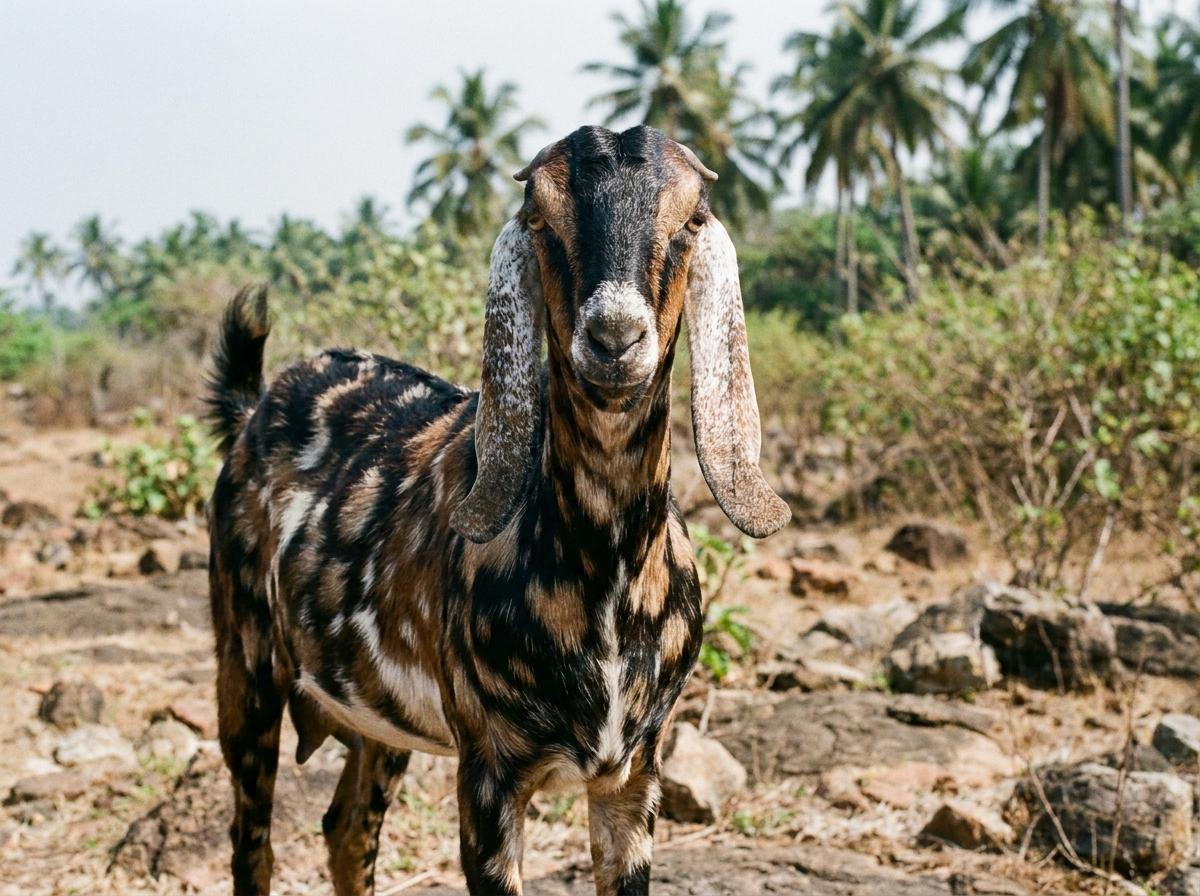
Malabari
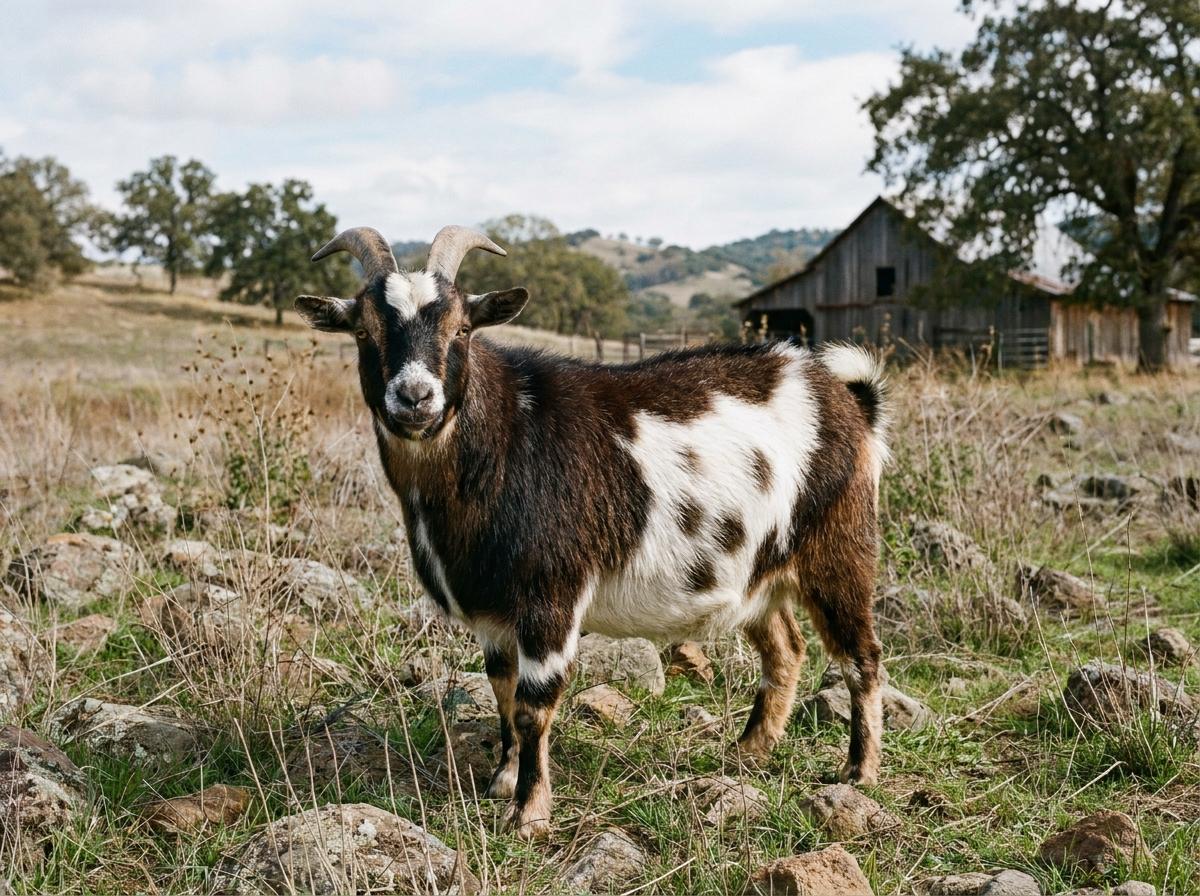
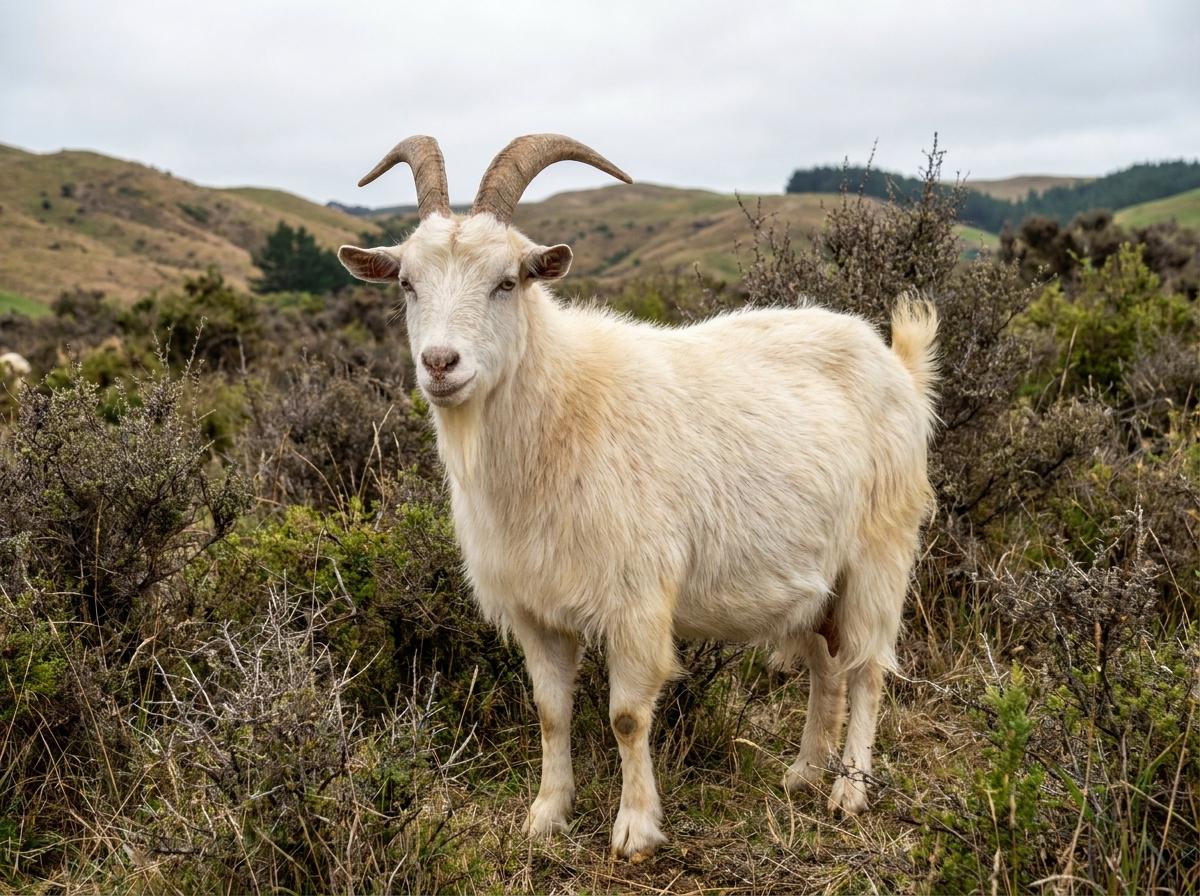
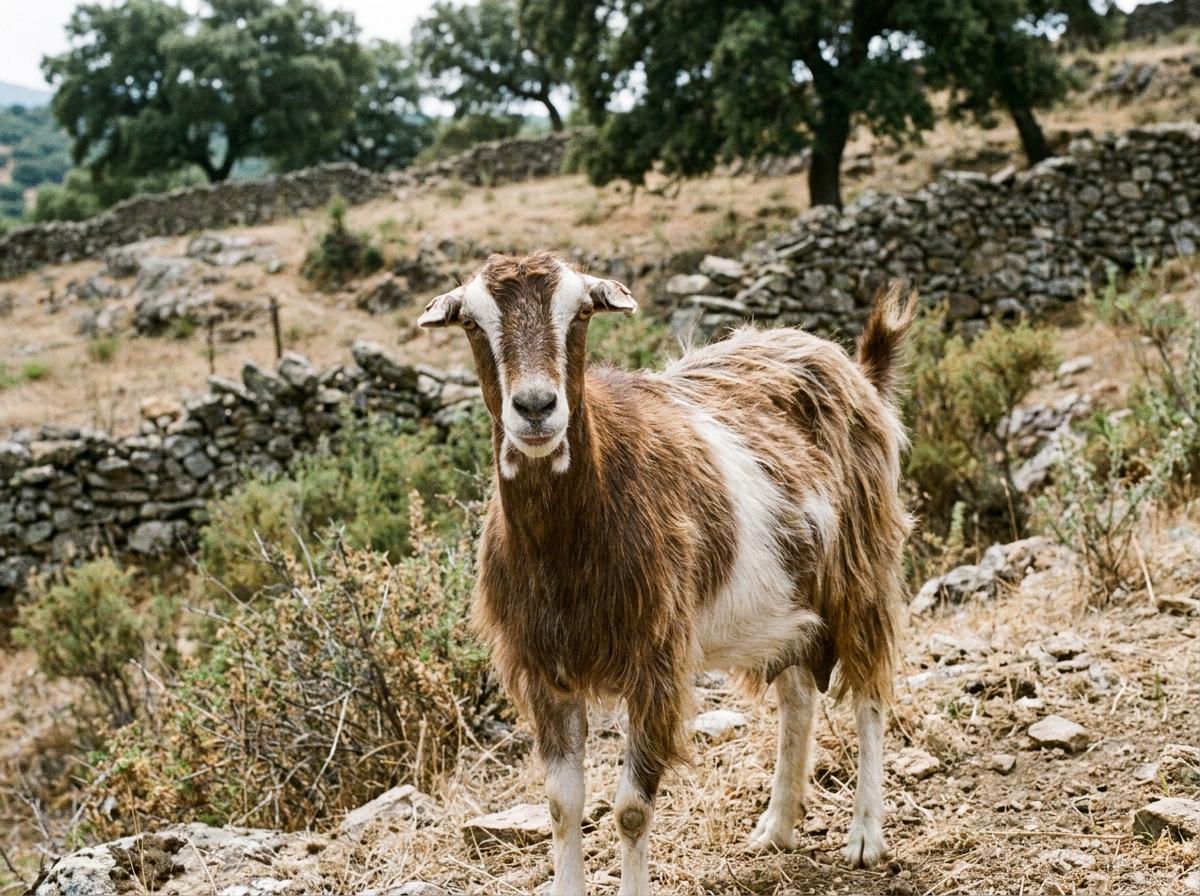
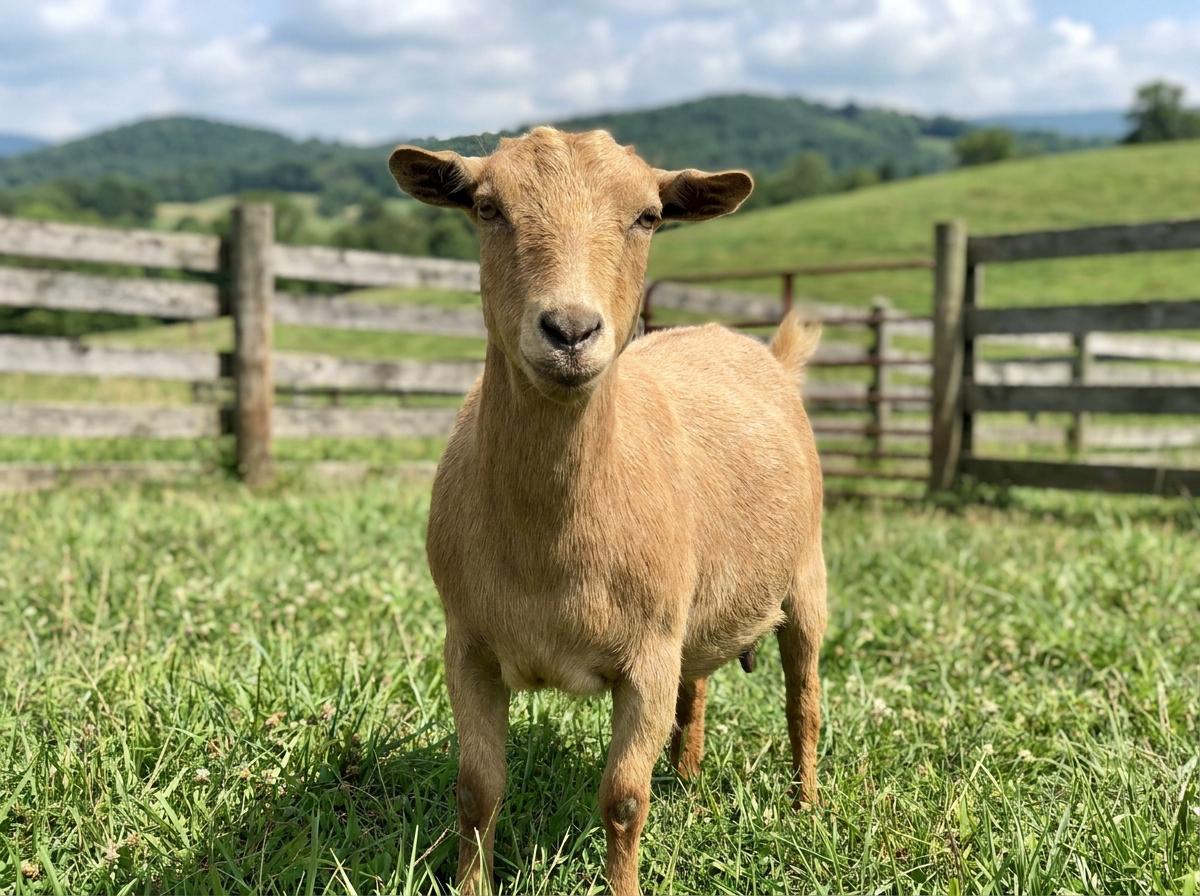
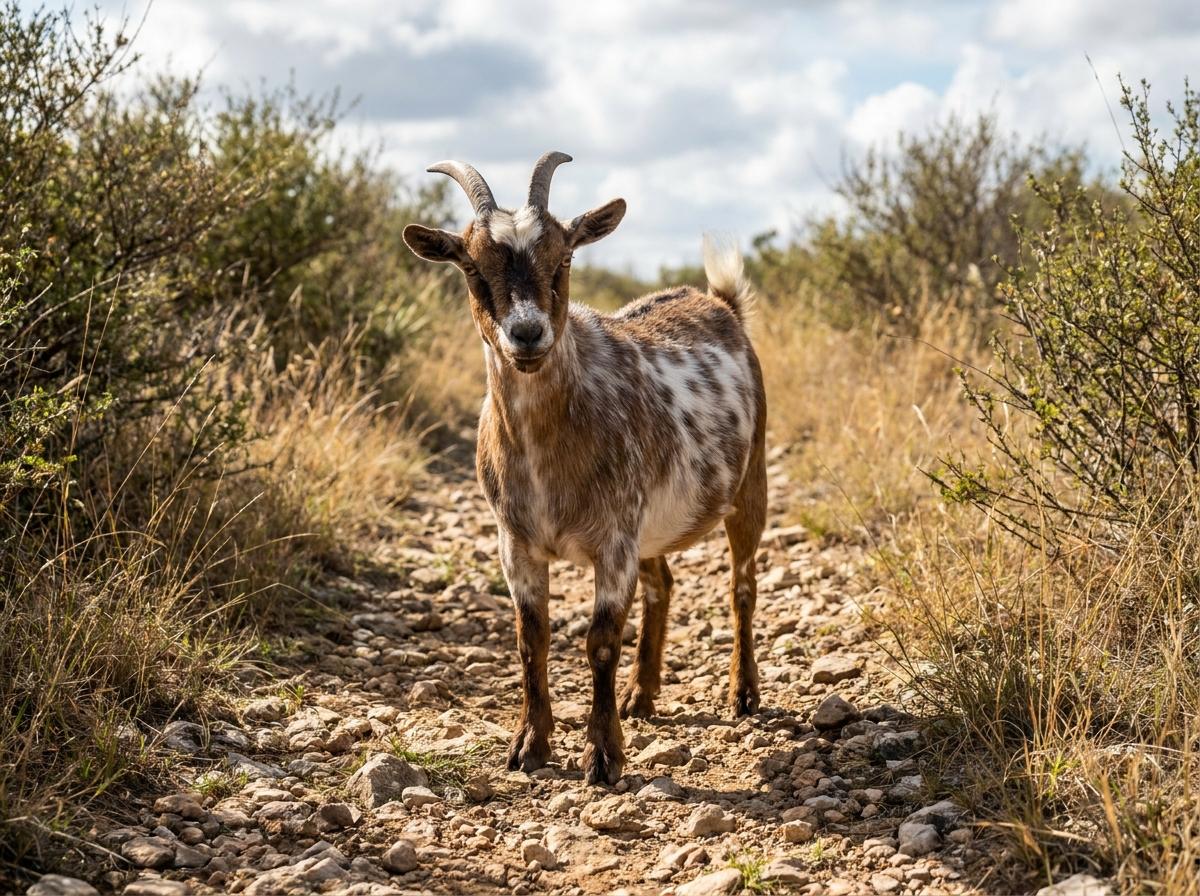
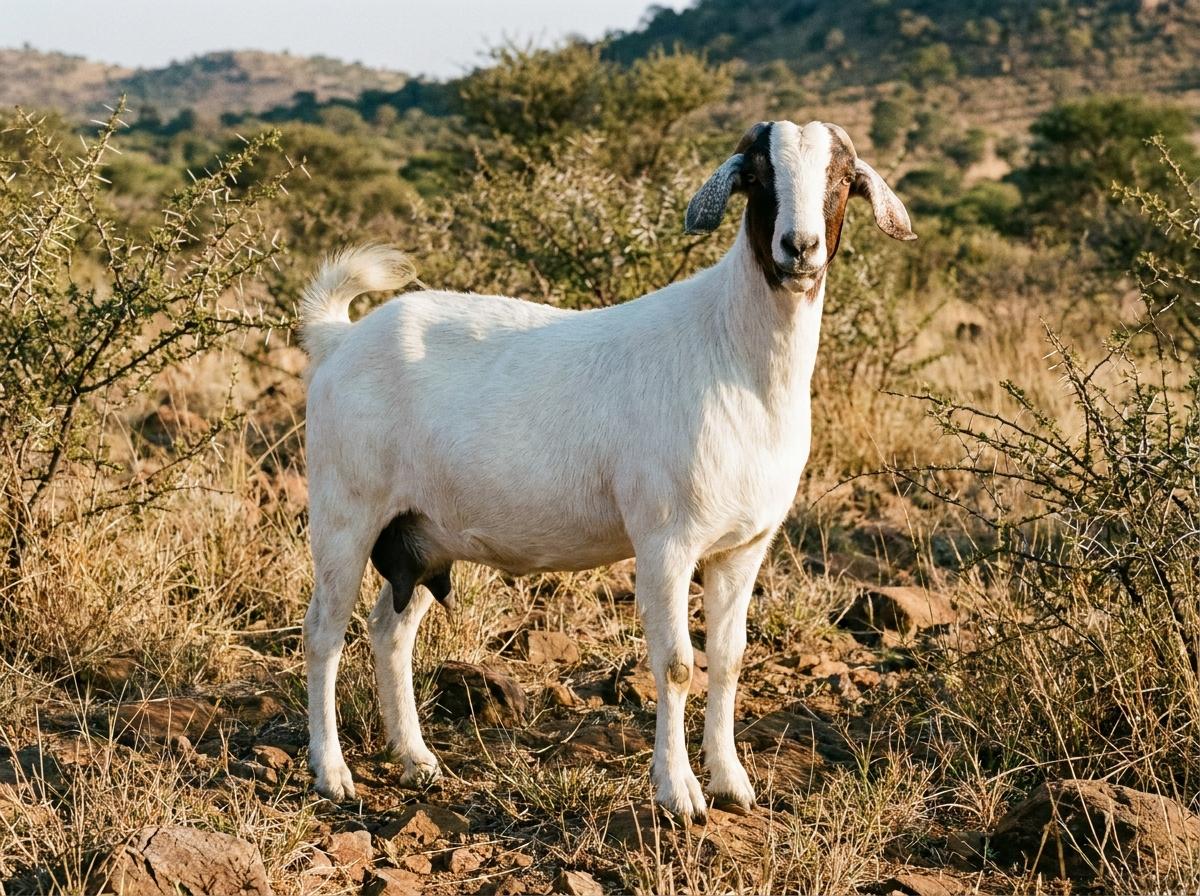
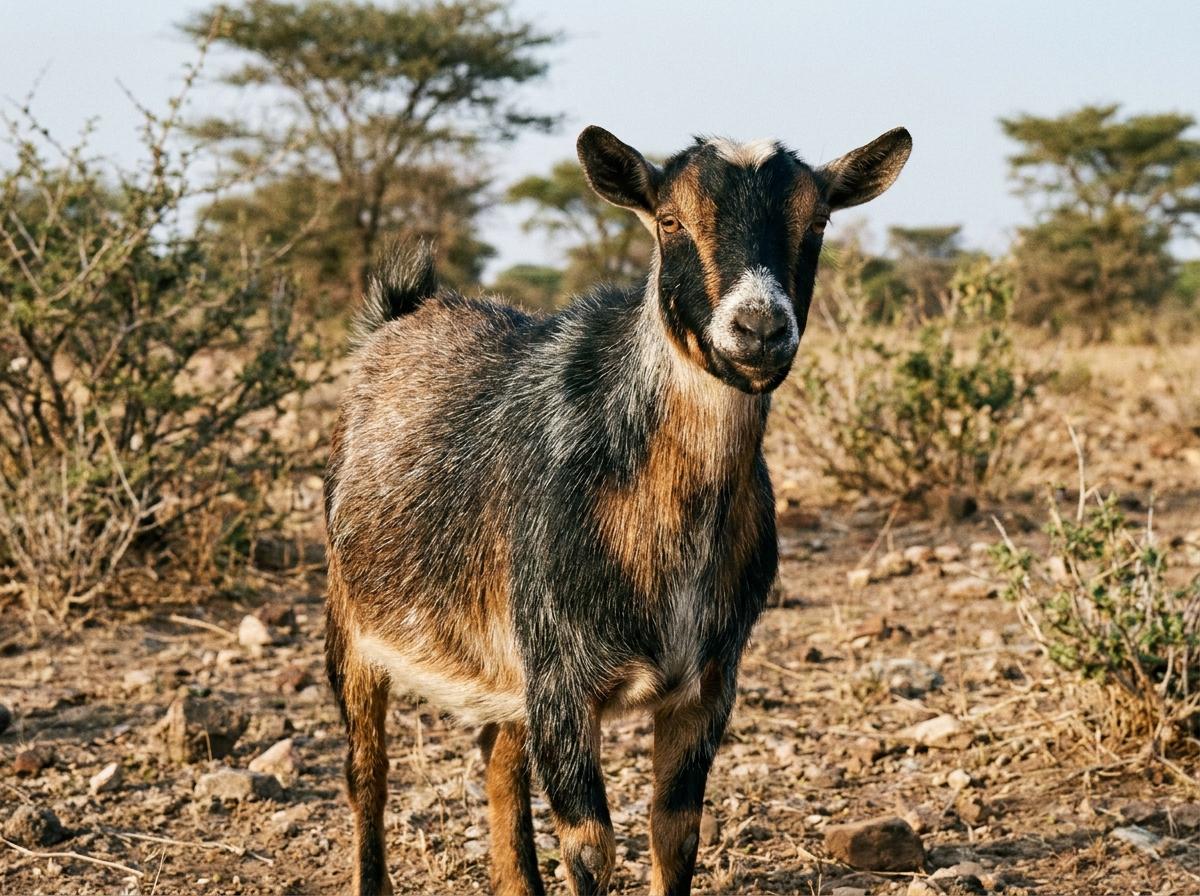
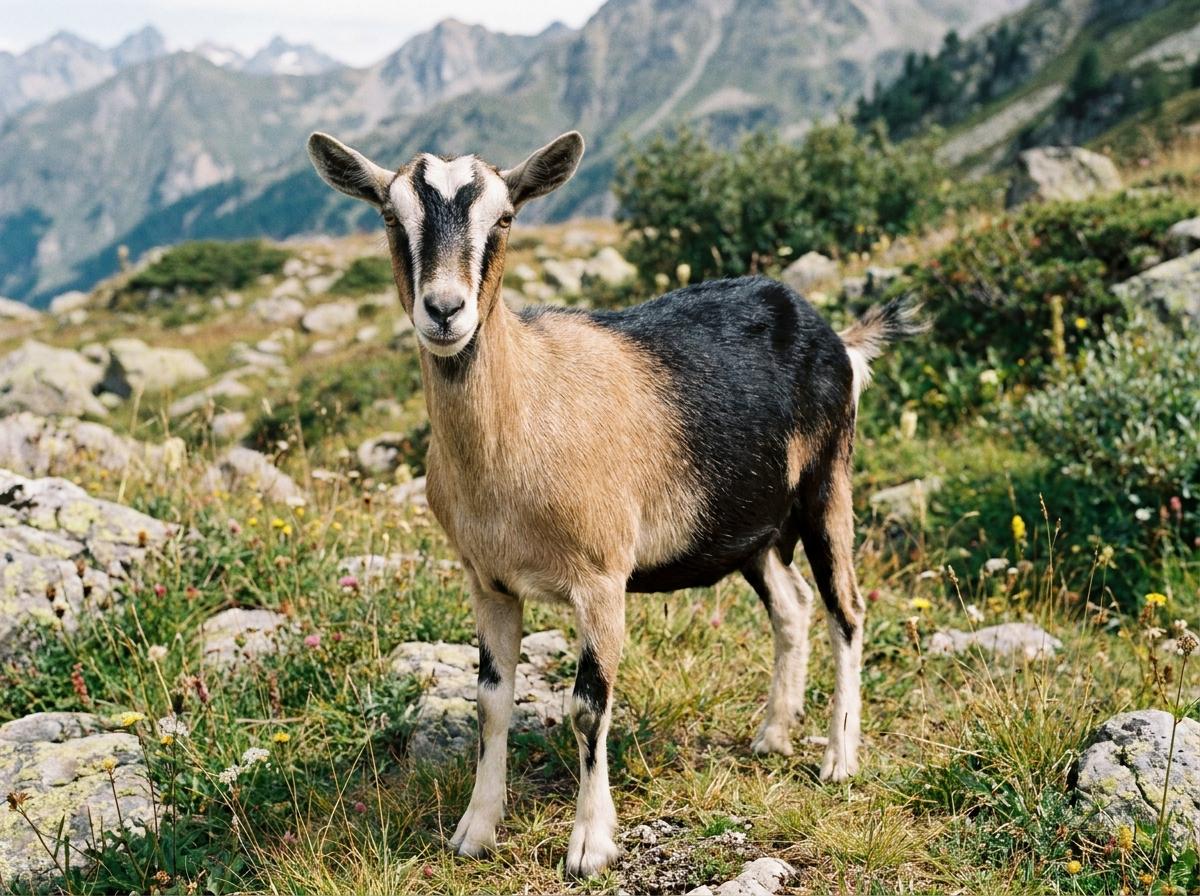
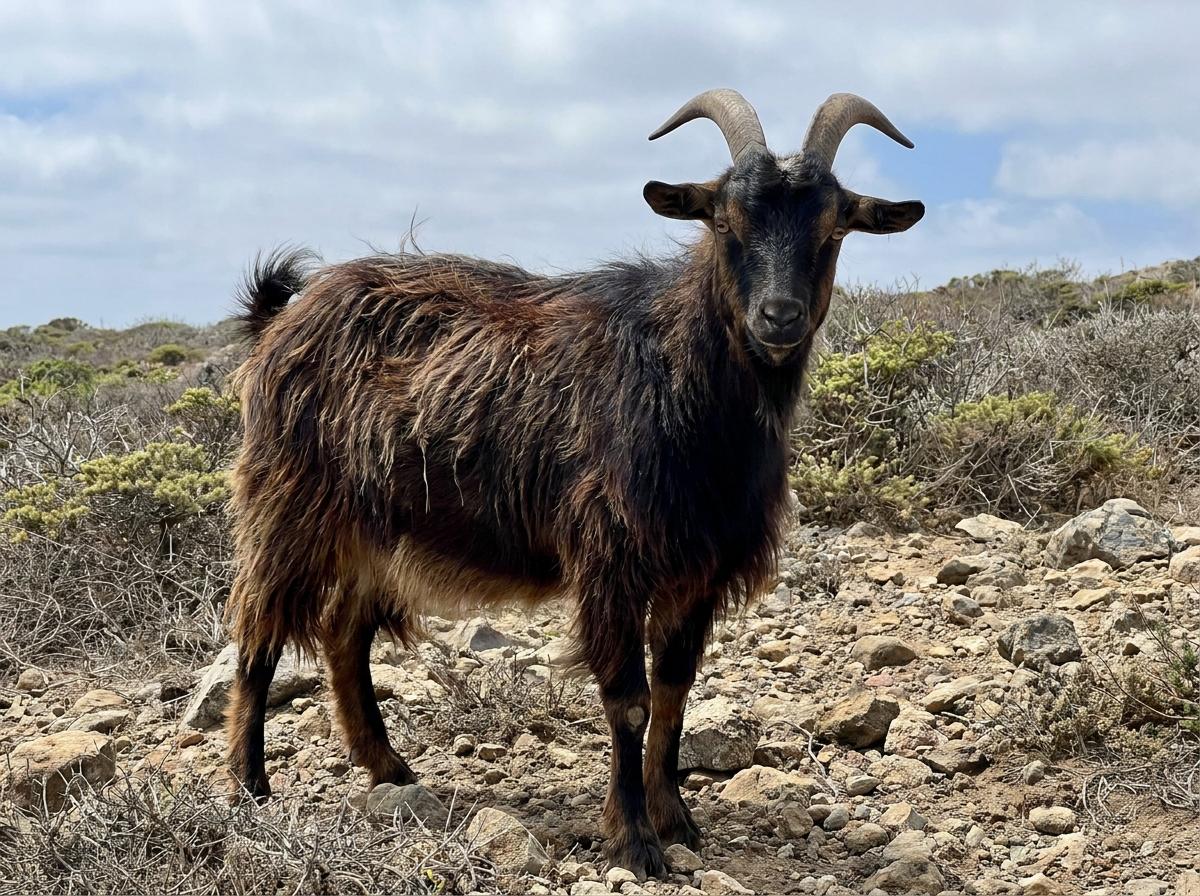
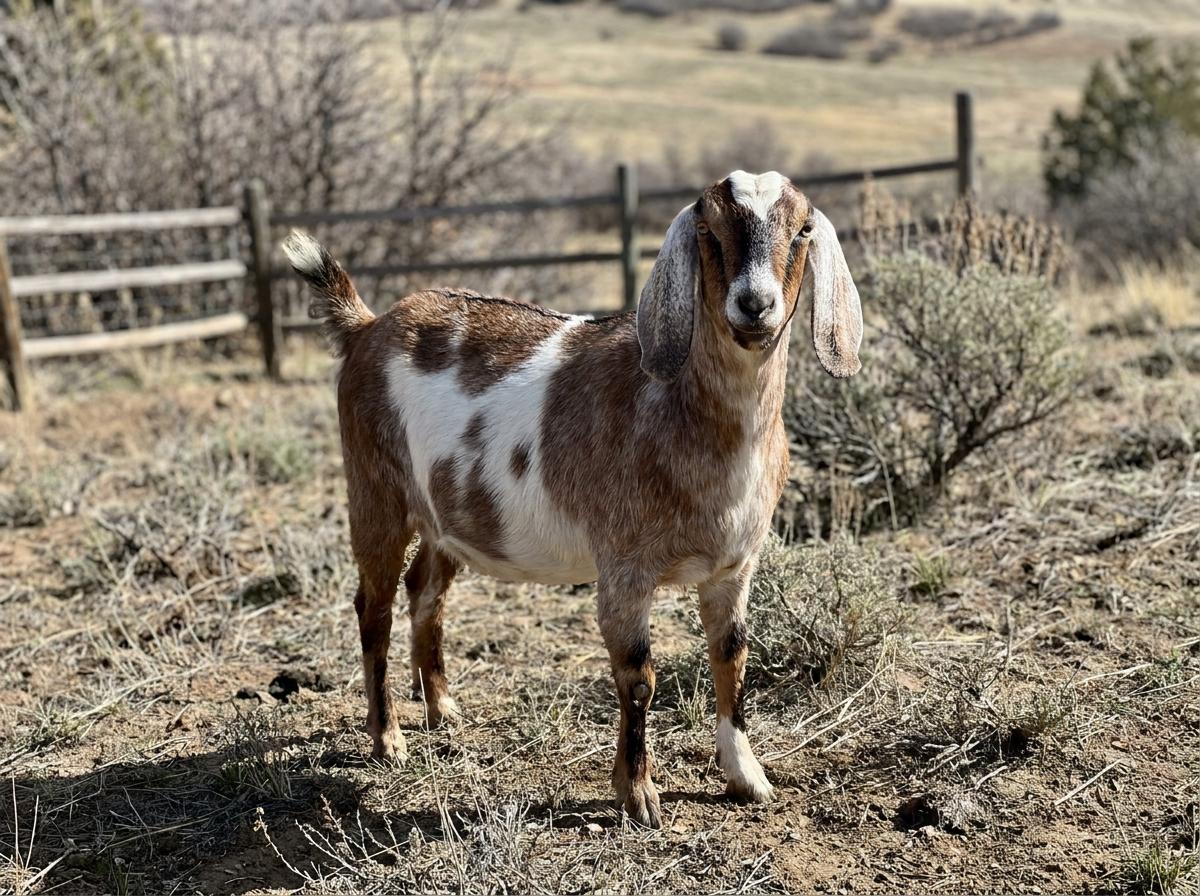
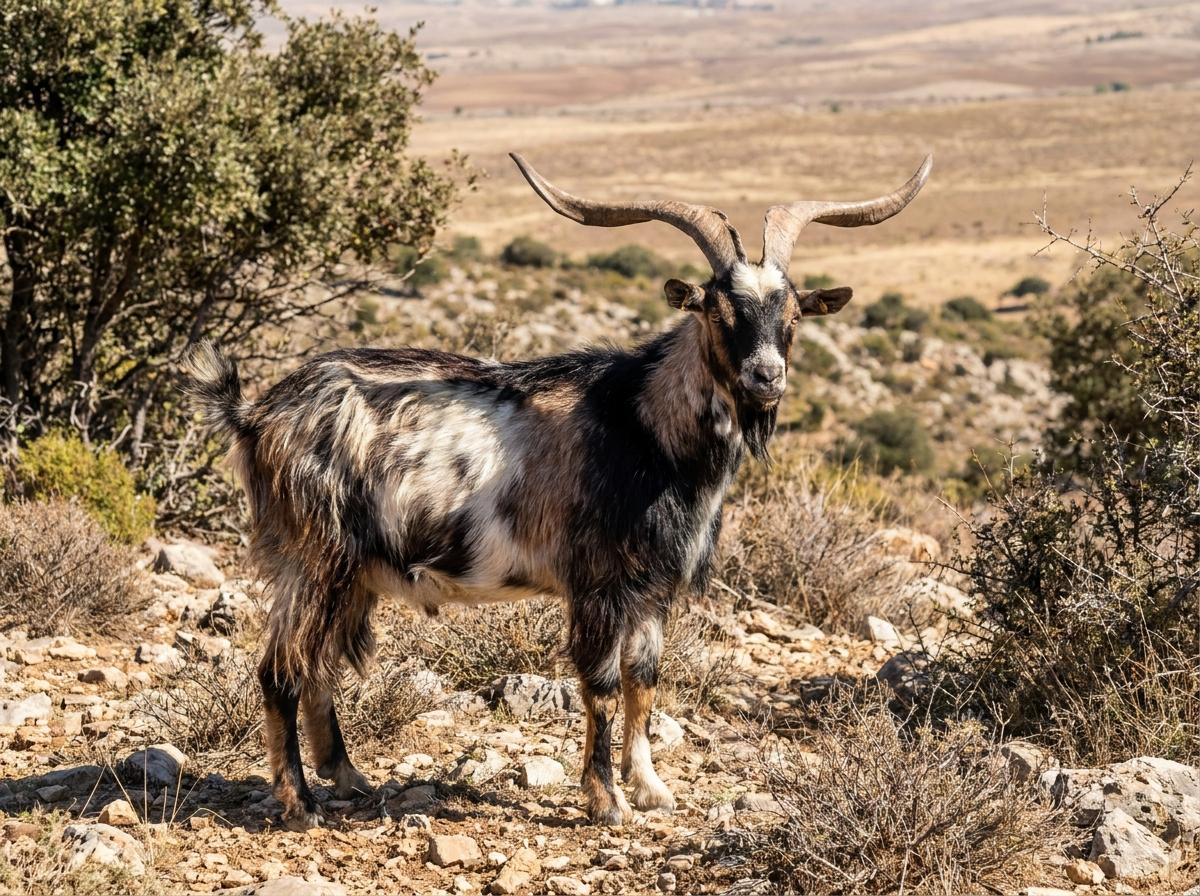
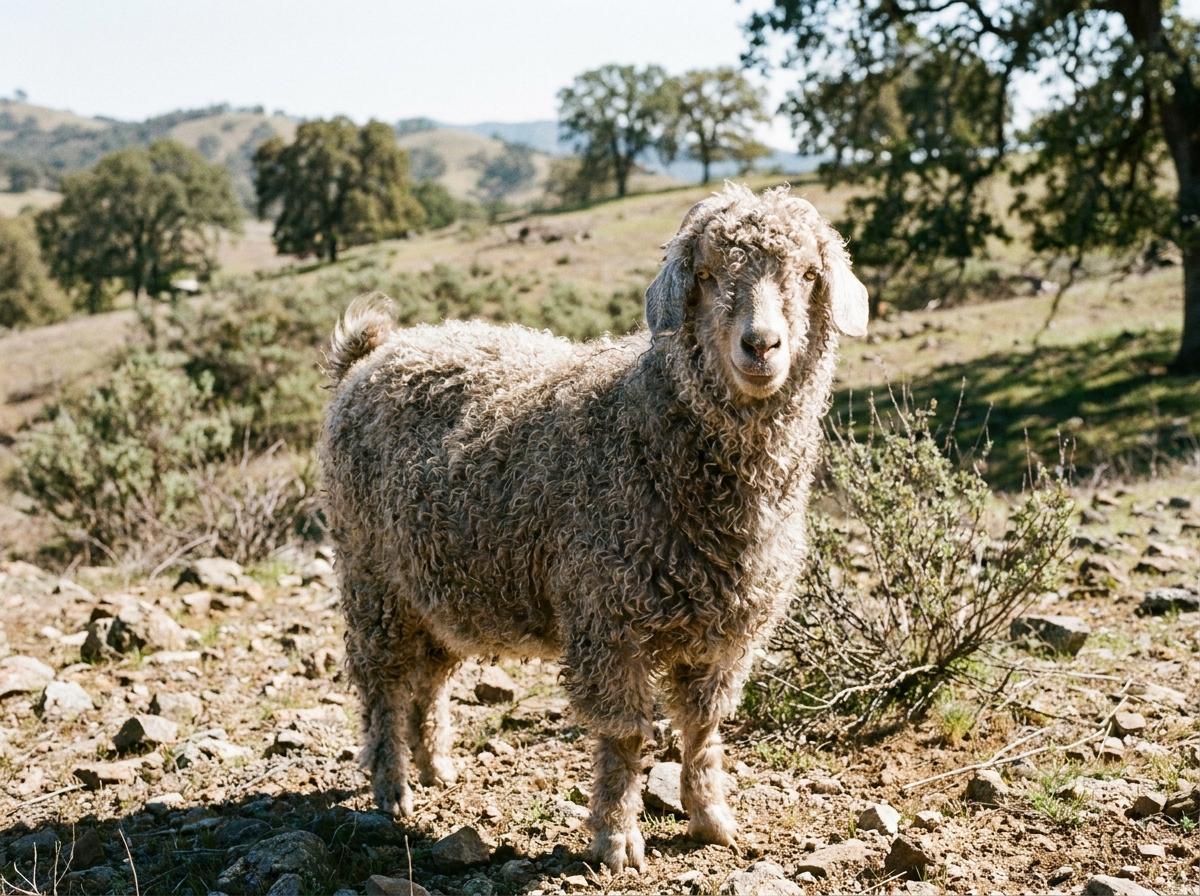
The Malabari goat is a South Indian breed from the Malabar Coast of Kerala, and the name is often used alongside Tellicherry in regional husbandry. It is a medium-sized, adaptable goat kept for both milk and meat, with no single coat color dominating the population. Black, brown, white, pied, buckskin, and chamoisee animals all occur, and many goats have medium to long ears, horns, and a plain working-goat build. One practical strength of Malabari stock is prolificacy; twins are common in managed herds, and the breed has been selected by smallholders for steady kid production as well as household milk.
In Kerala and neighboring areas, Malabari goats may be stall-fed, tethered, or allowed supervised grazing, often eating tree leaves, crop residues, grasses, and purchased concentrate during lactation. The humid tropical climate makes parasite control, dry flooring, and foot health especially important. Does should not be pushed into breeding before they have enough body size, because frequent kidding can drain animals kept on marginal feed. For buyers, the useful questions are local adaptation, kidding history, udder quality, and whether the herd has been crossed with Jamunapari, Boer, or other breeds.
Colors: Belted, Black, Black and White, Brown, Brown and White, Buckskin, Chamoisee, Cou Blanc, Cou Clair, Cream, Fawn, Gold, Moonspotted, Pinto, Red, Red and White, Roan, Spotted, Sundgau, Swiss Marked, Tan, White