

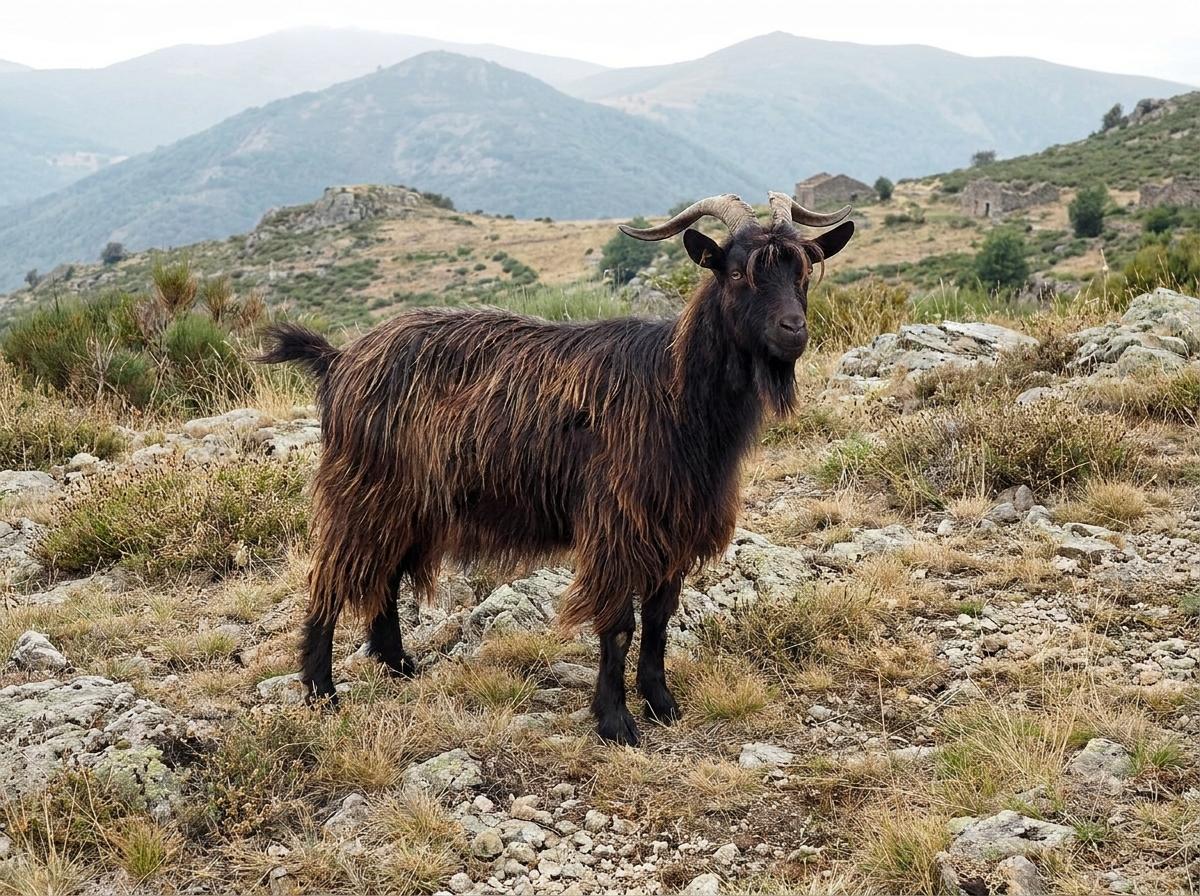
Massif Central
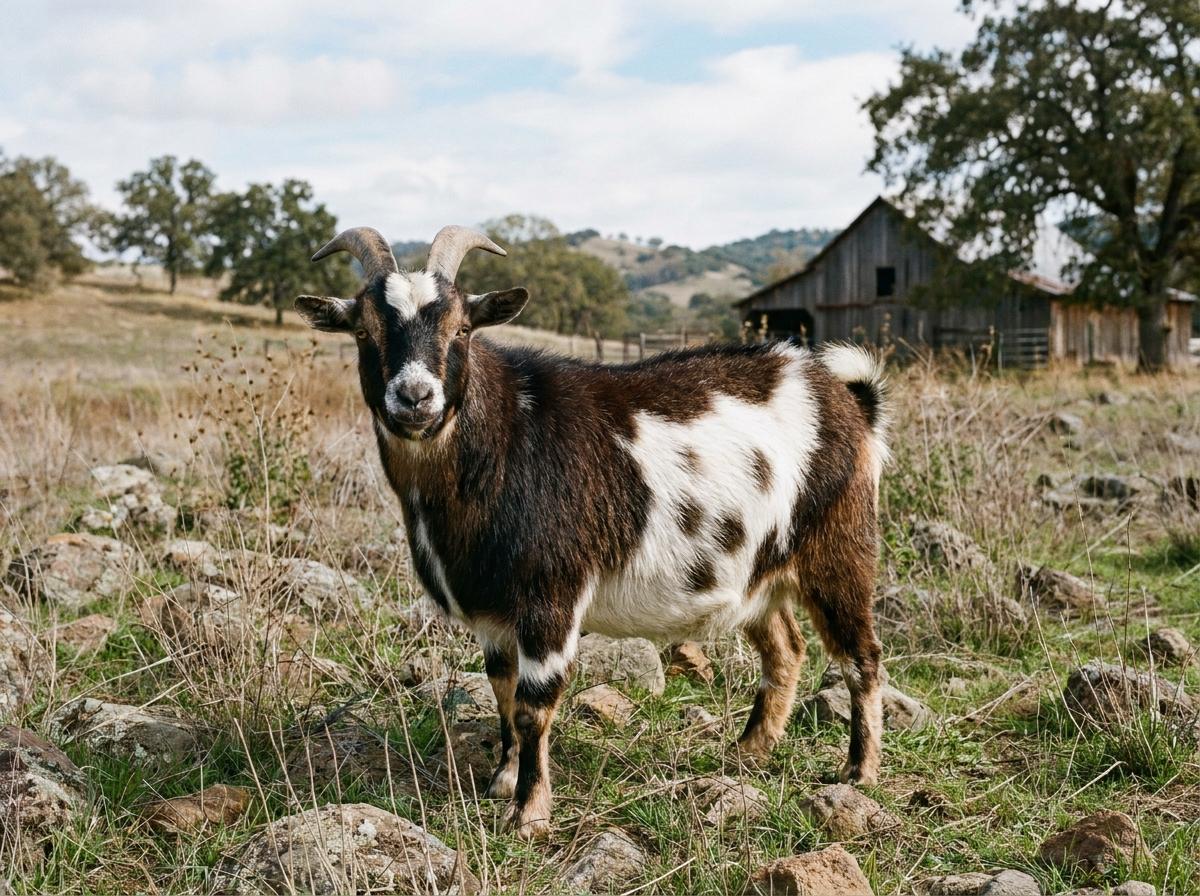
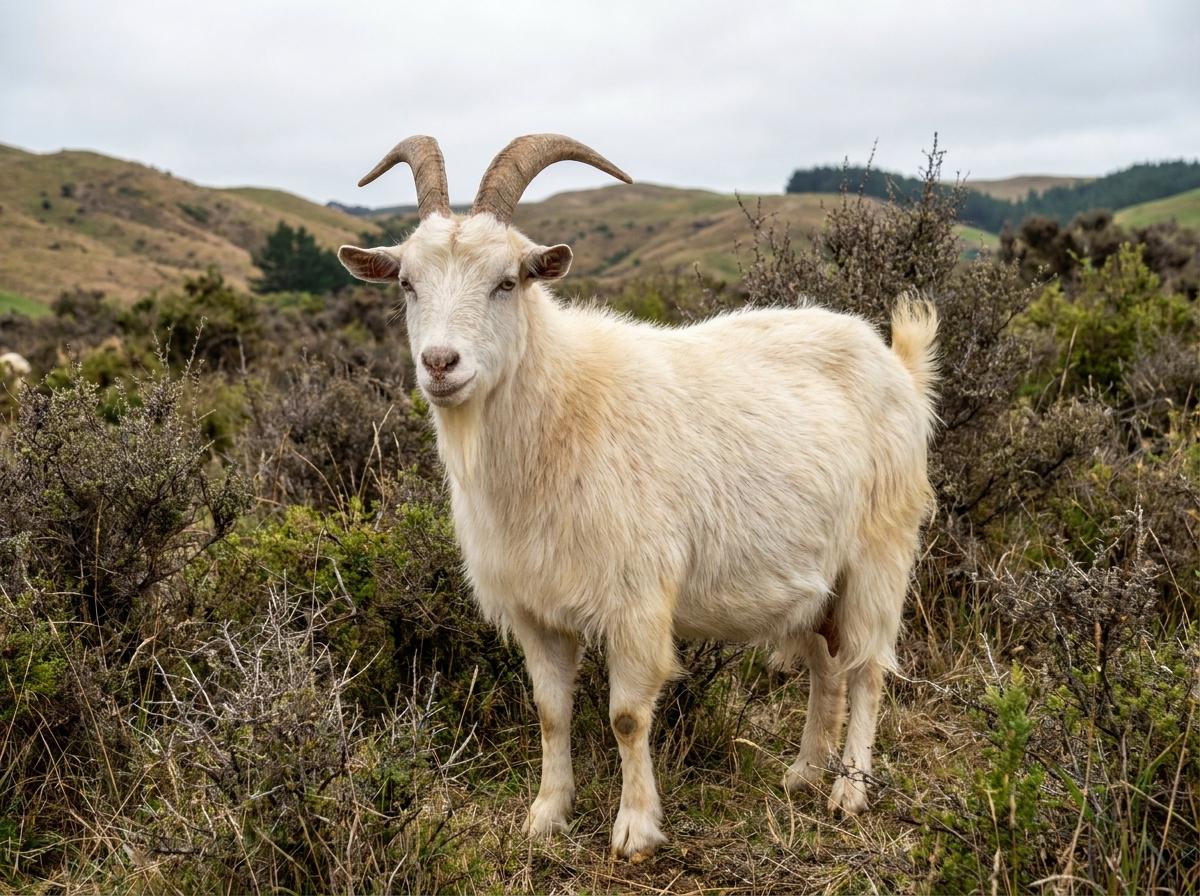
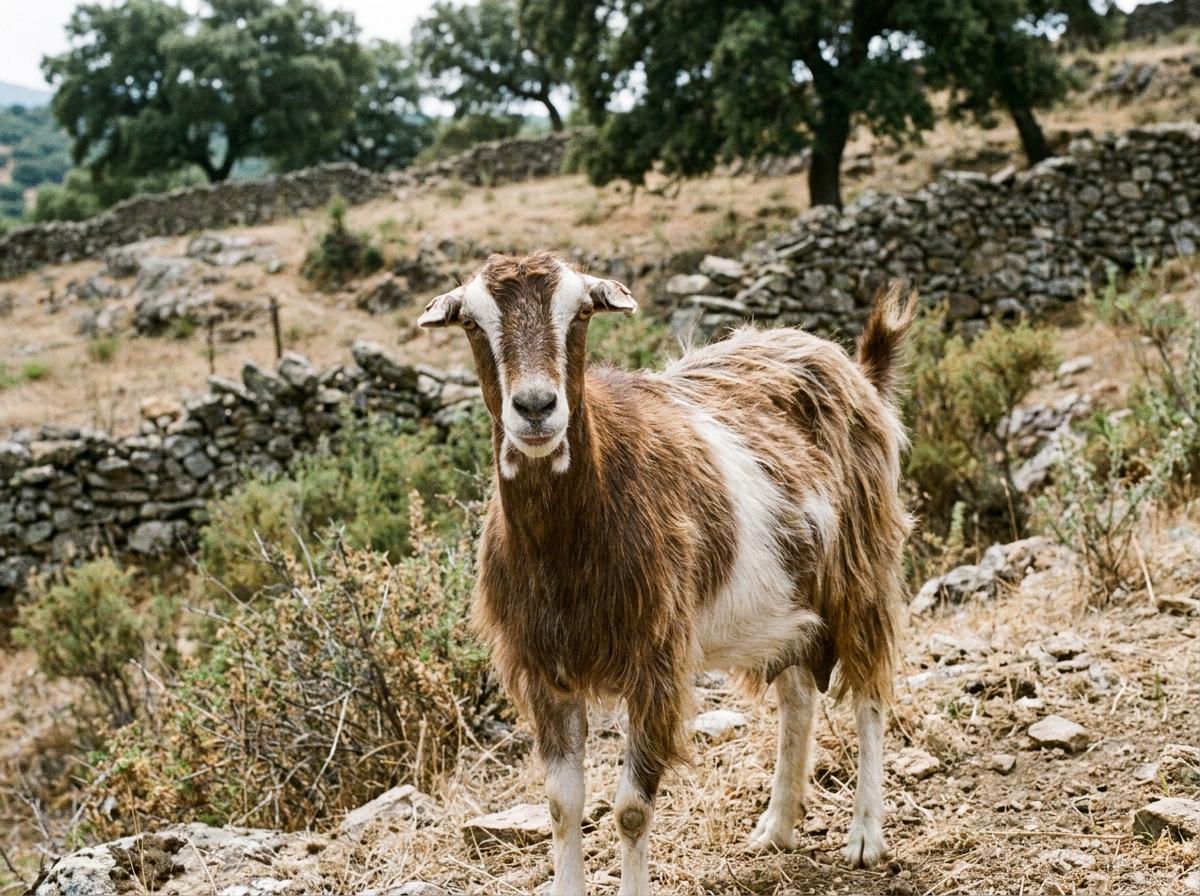
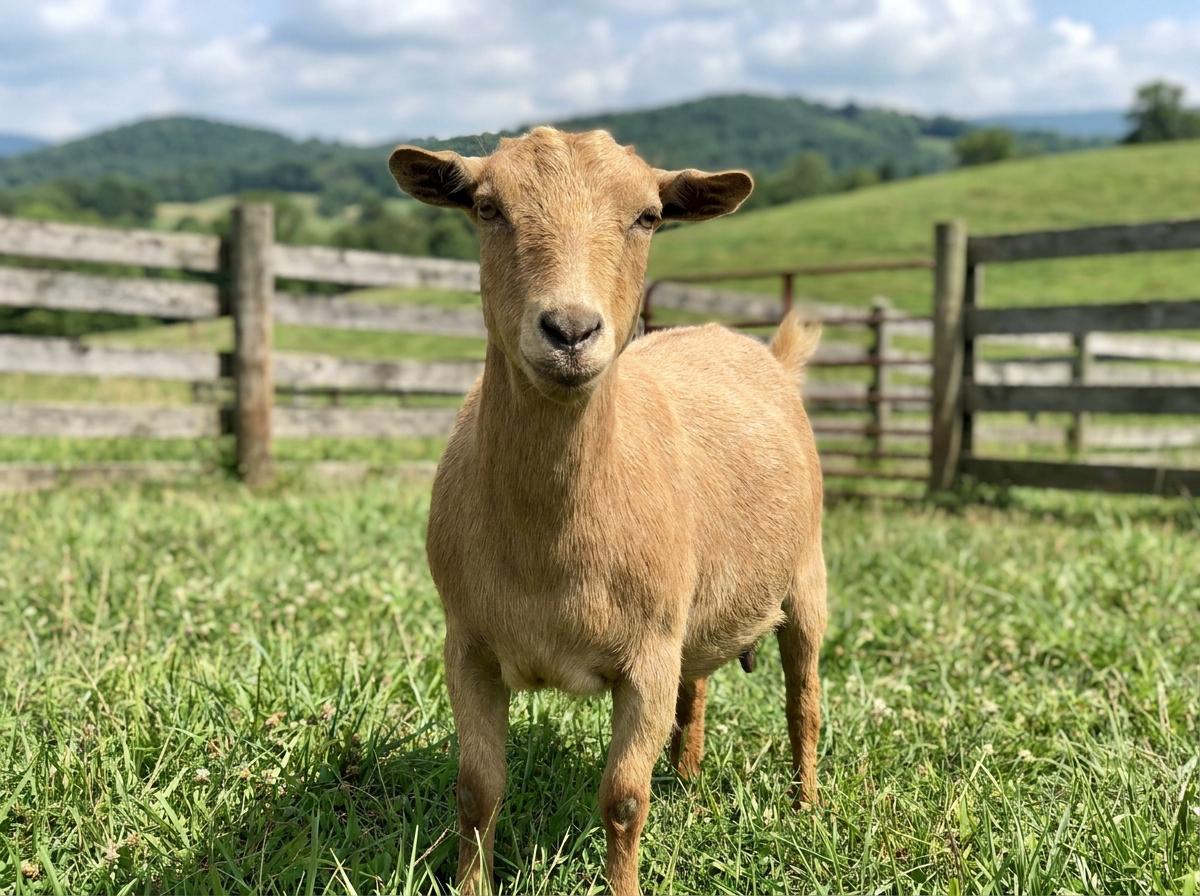
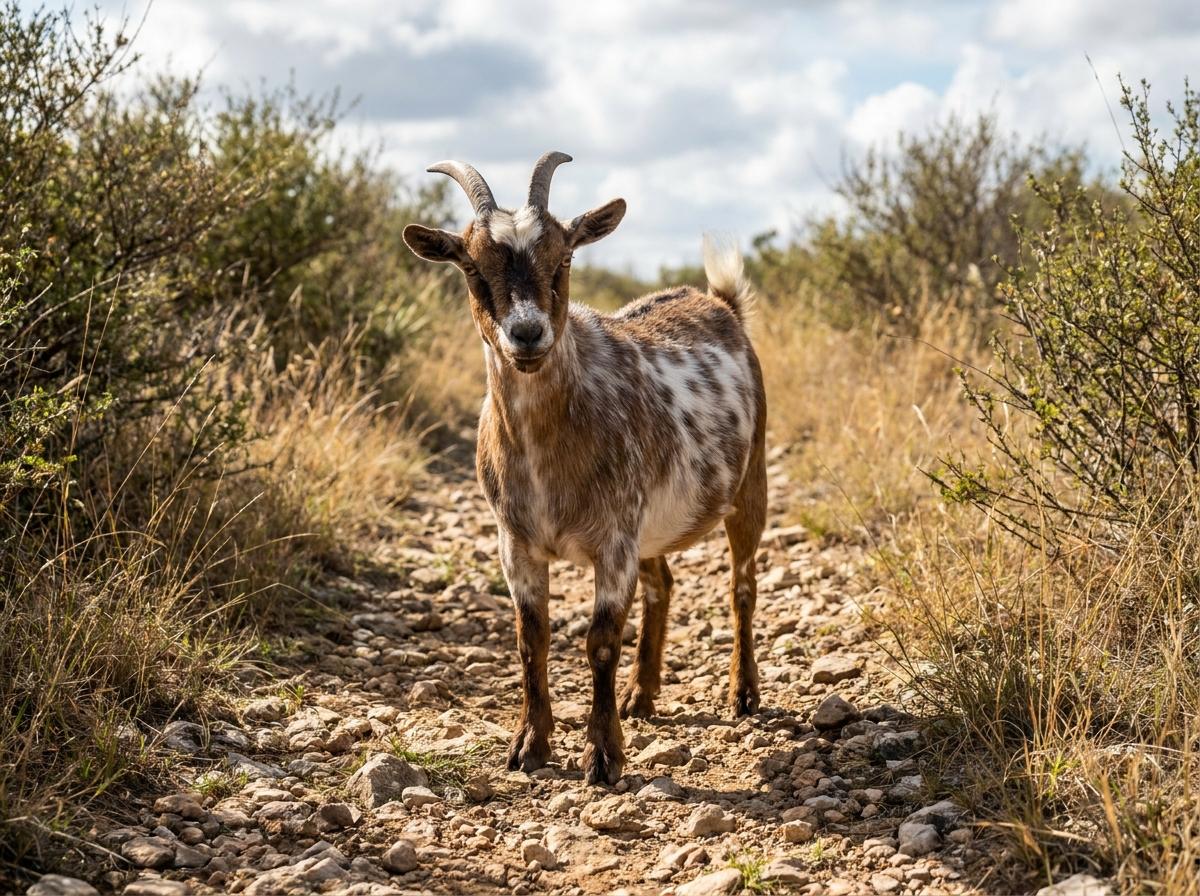
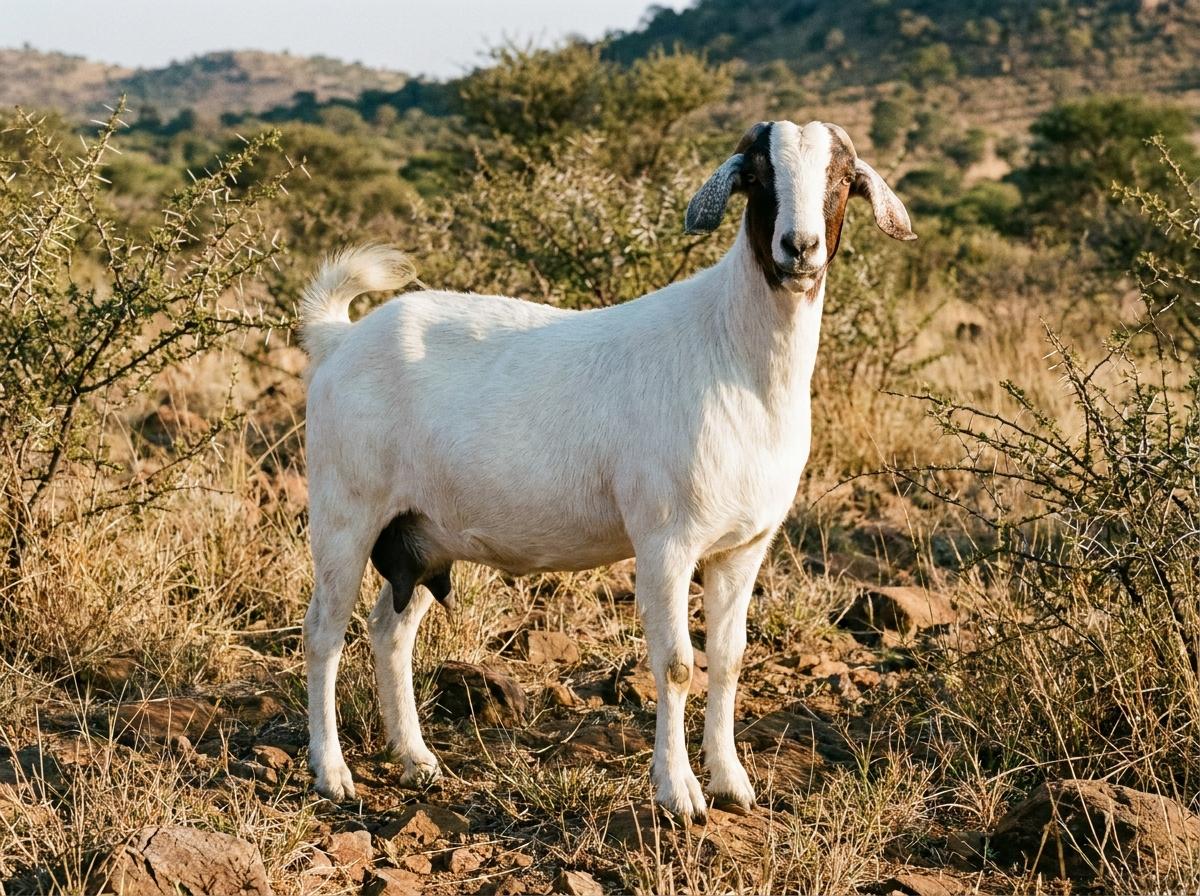
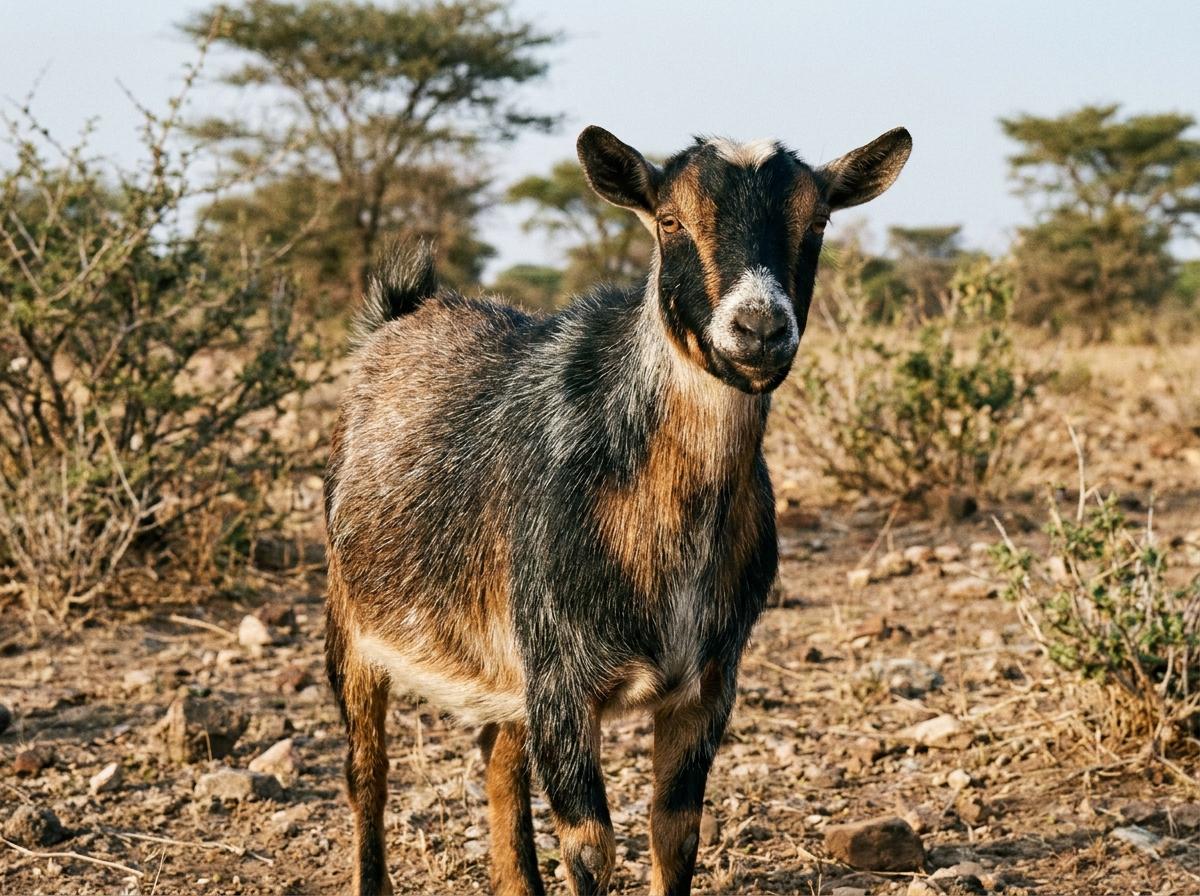
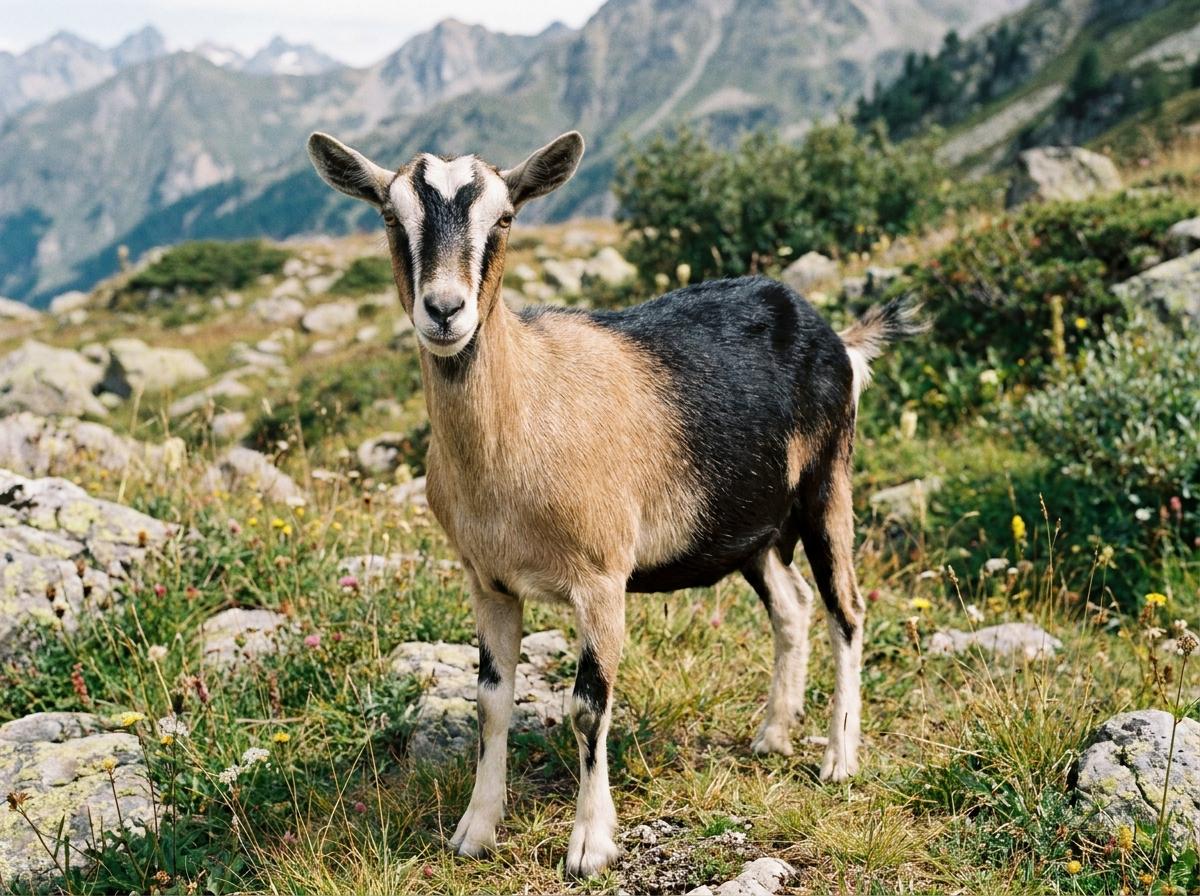
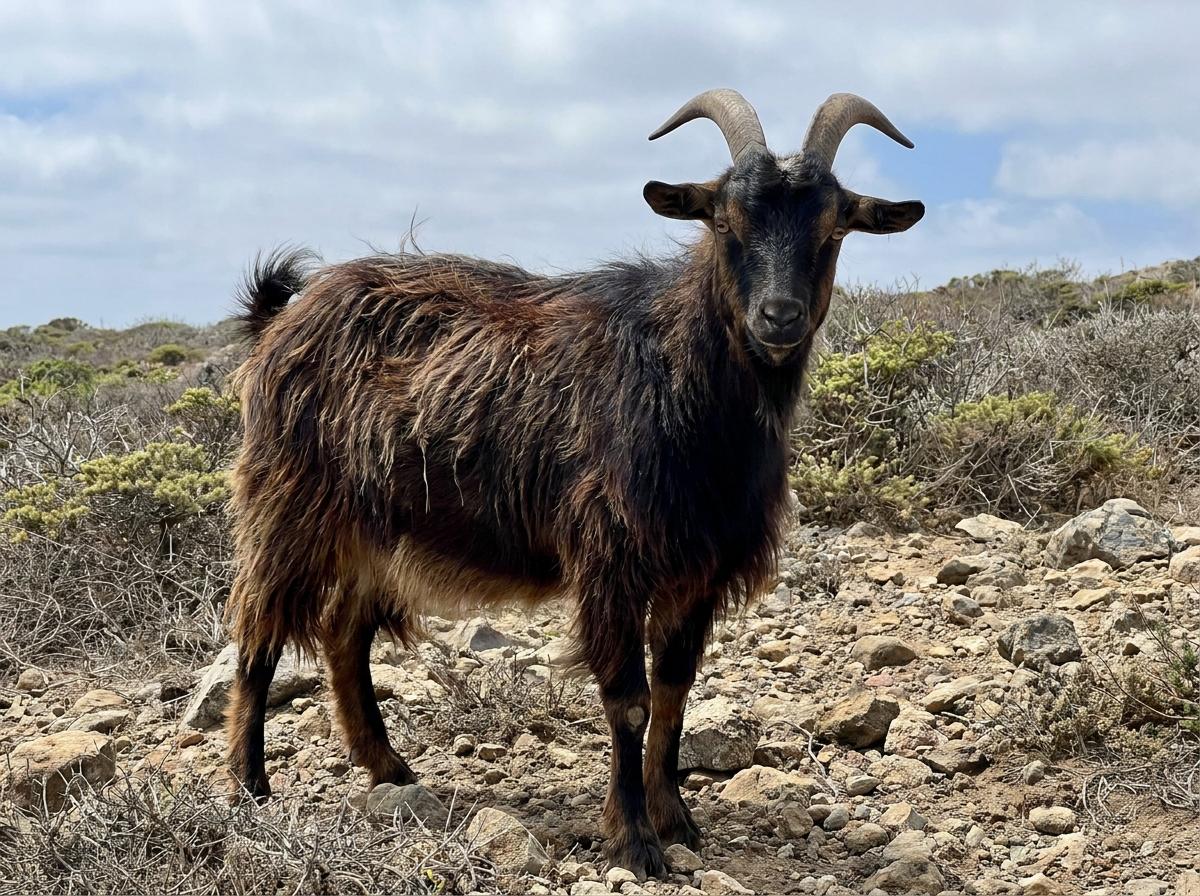
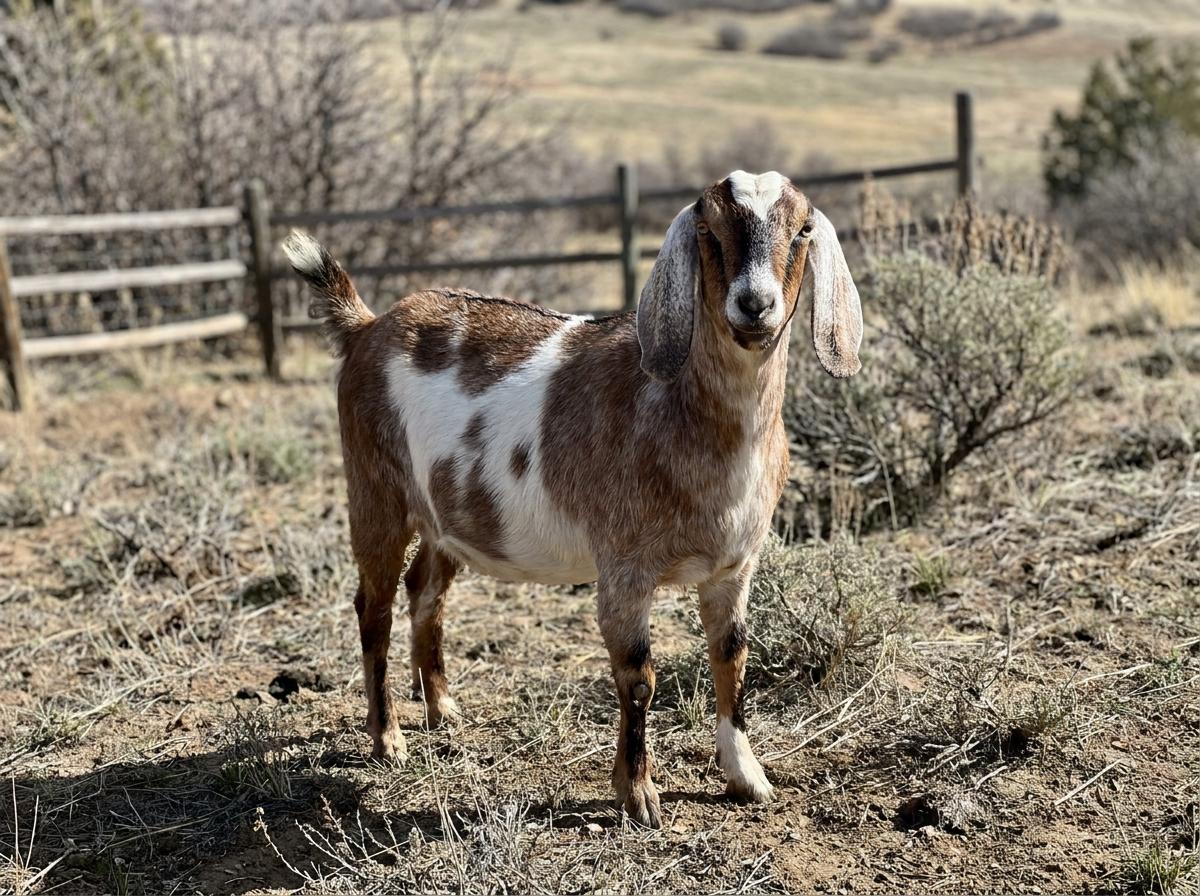
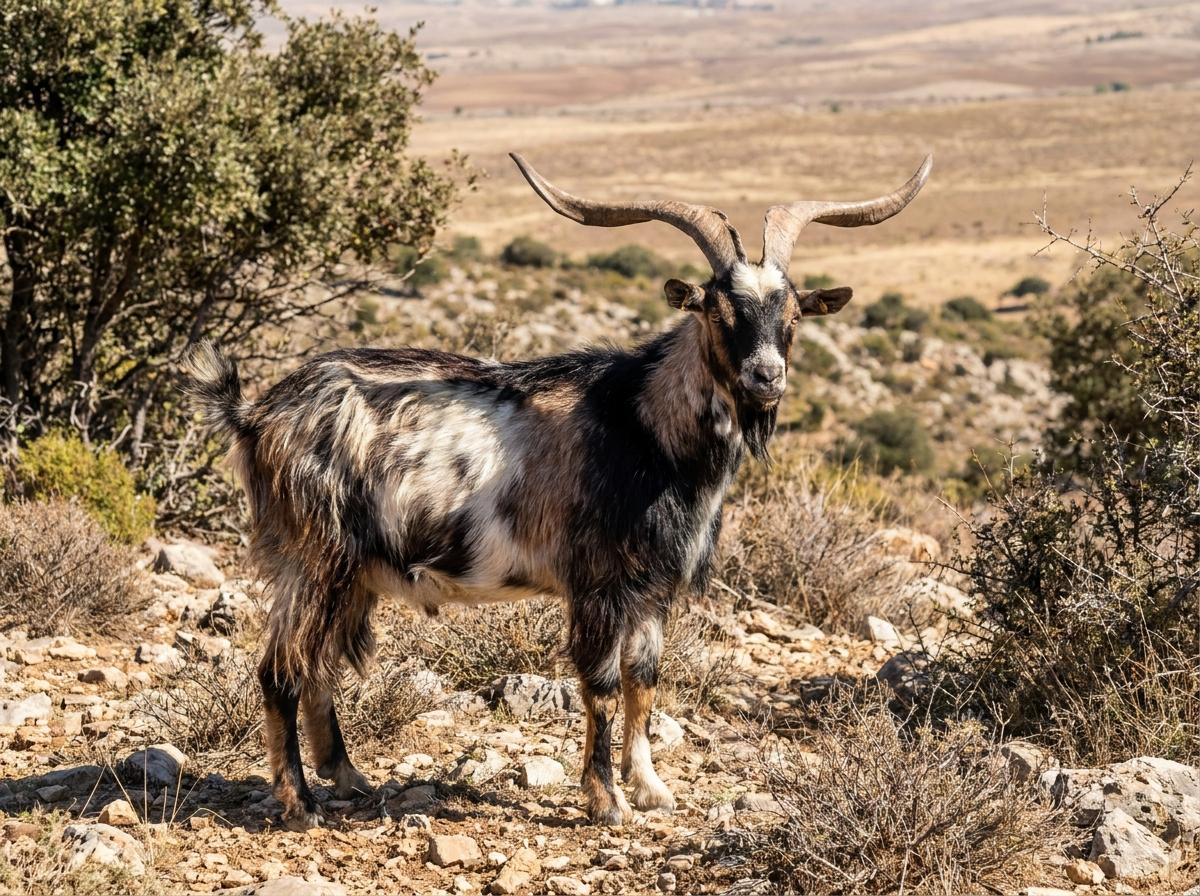
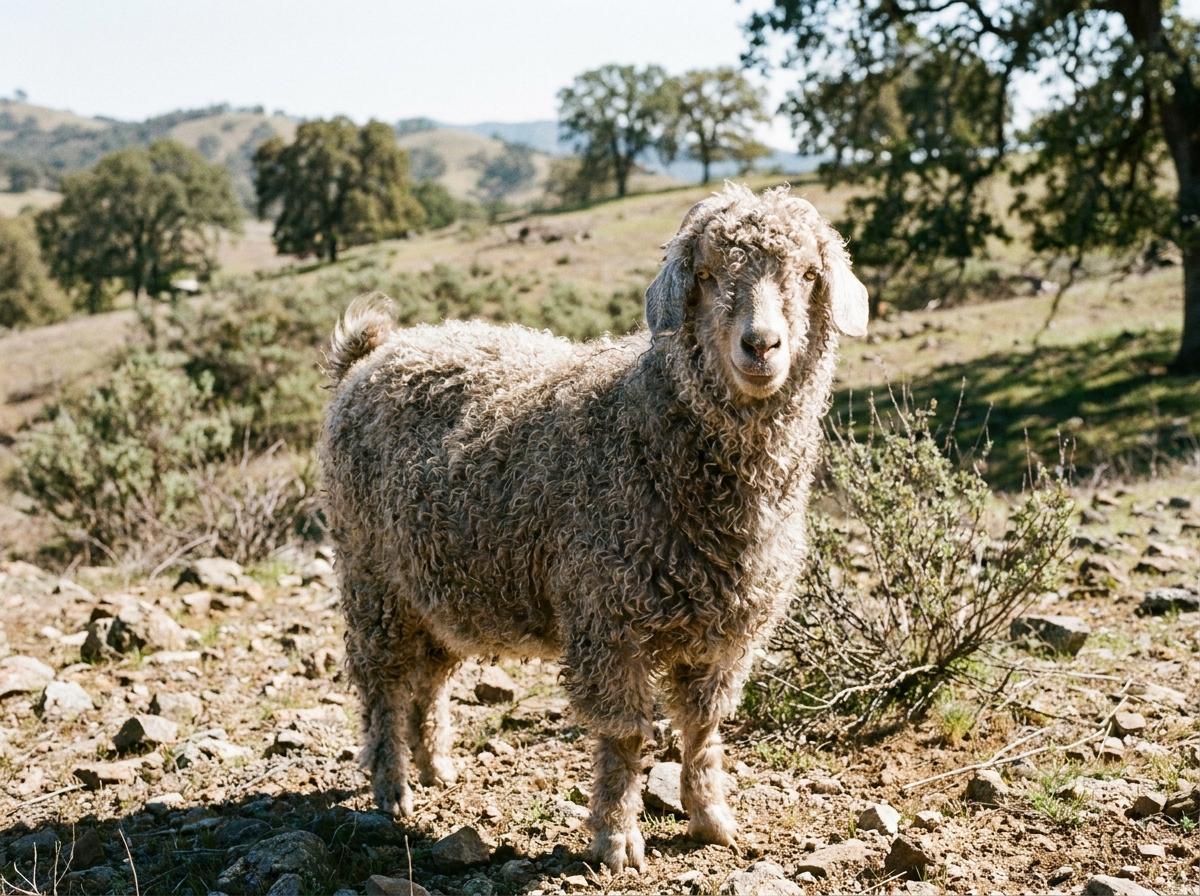
The Massif Central goat is a French regional landrace from the uplands of the Massif Central, a broad mountain and plateau area in south-central France. Rather than a tightly uniform modern dairy breed, it represents rustic local goats shaped by small farms, rough grazing, and mixed household use. Animals vary in color and markings, including black, brown, cream, chamoisee, pied, and belted patterns, and many have horns with a medium frame and a weather-resistant coat. The type is valued for hardiness and ability to use brushy pasture more than for standardized show points.
Today Massif Central goats are most often discussed in conservation, small dairy, and landscape-grazing contexts. Secure fencing and dry shelter come first, while wet pastures call for closer parasite and foot management. Kids also need protection from harsh weather and predators. Preservation-minded keepers look beyond color and keep sound feet, udders, fertility, and local adaptation in the breeding pool. Because numbers and definitions can vary by association or region, buyers should ask how the animals fit the recognized Massif Central type.
Colors: Belted, Black, Black and White, Brown, Brown and White, Buckskin, Chamoisee, Cou Blanc, Cou Clair, Cream, Fawn, Gold, Moonspotted, Pinto, Red, Red and White, Roan, Spotted, Sundgau, Swiss Marked, Tan, White