


Moxotó
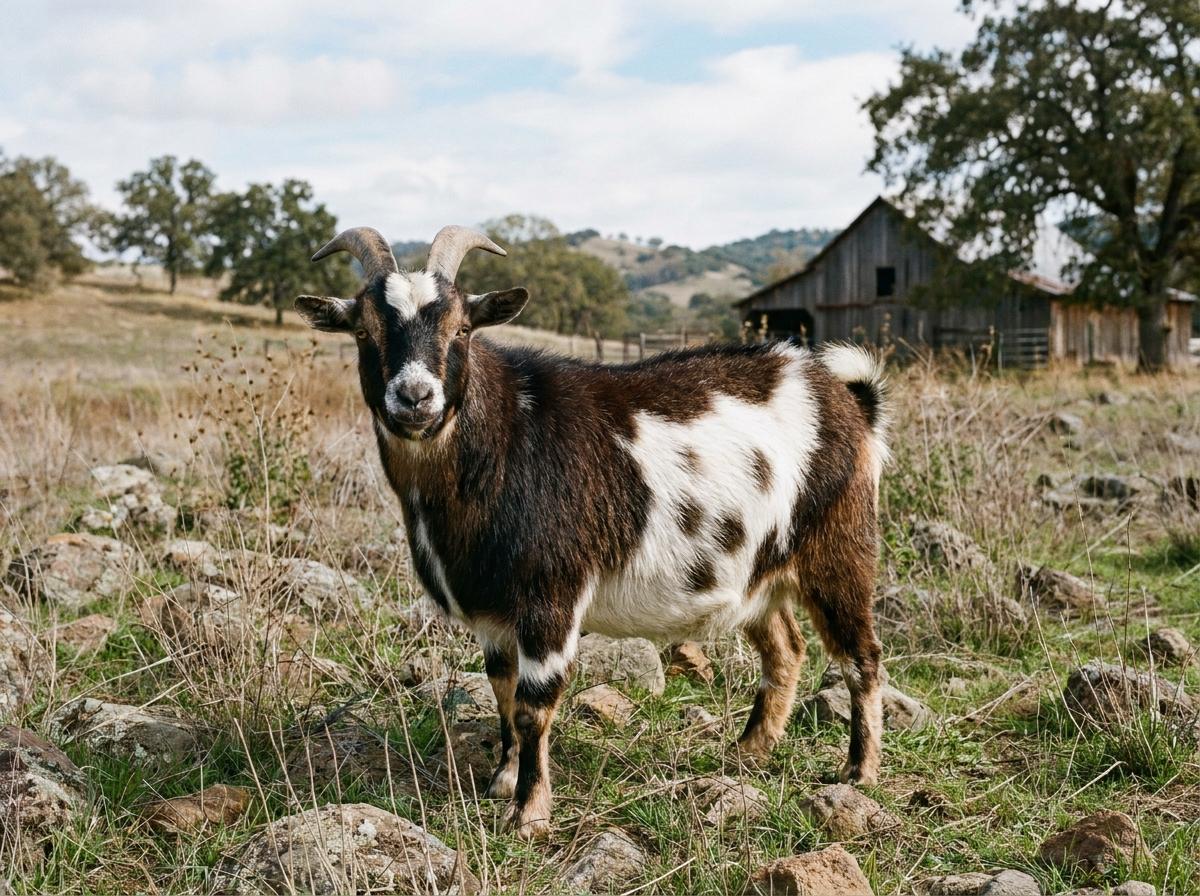
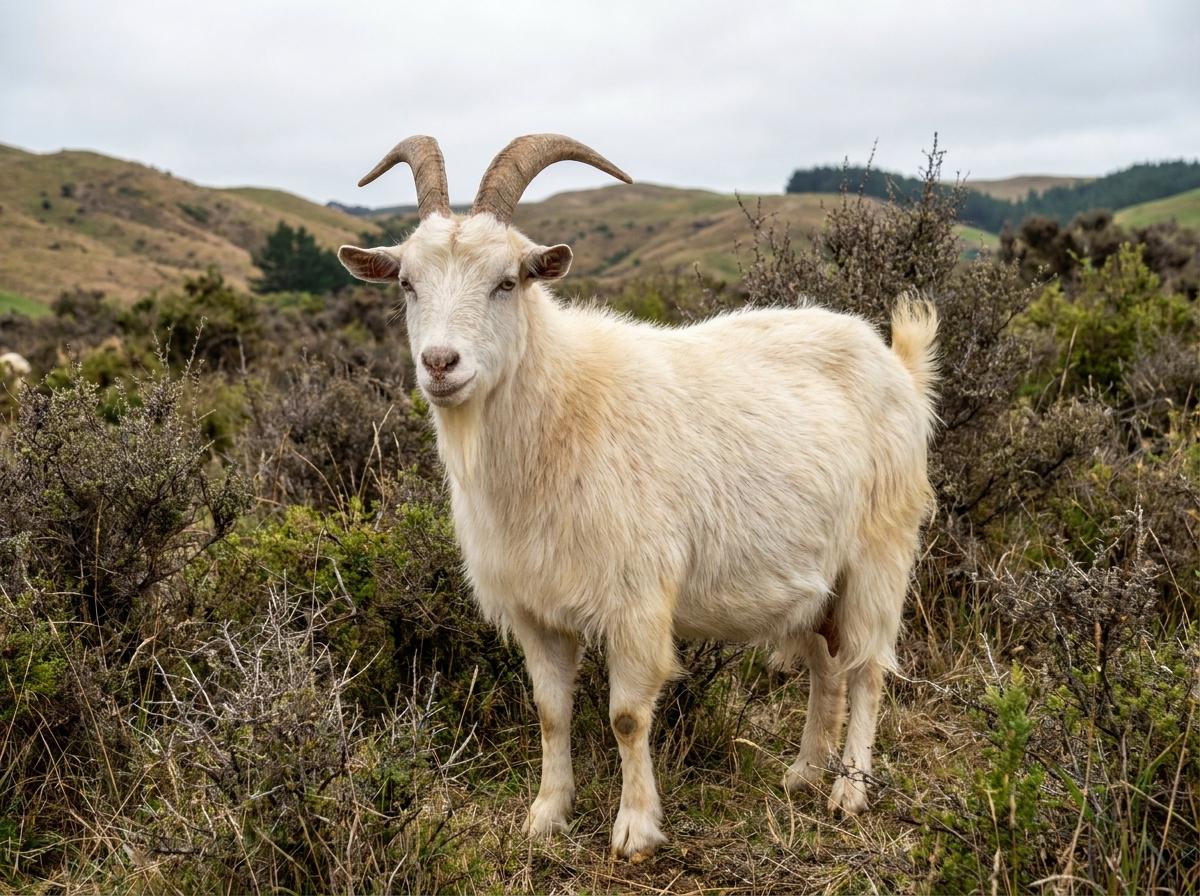
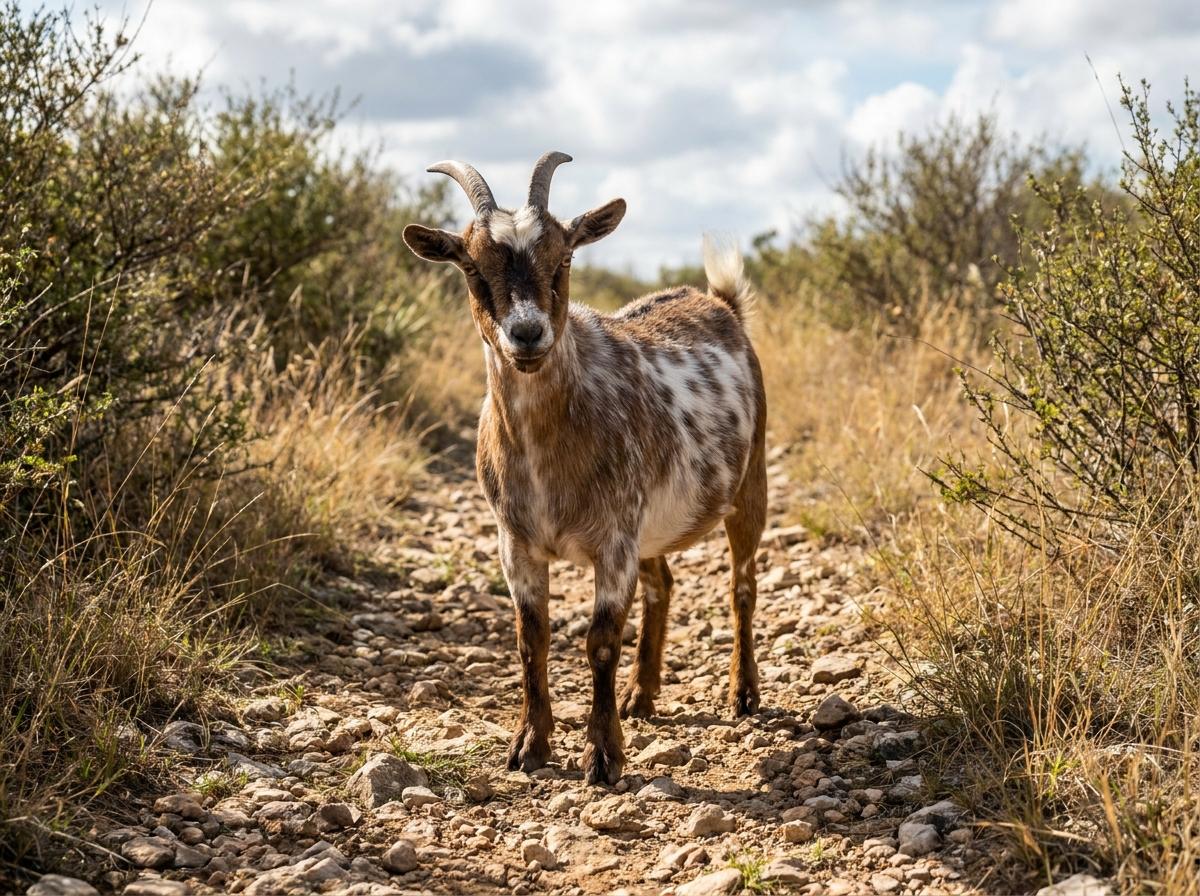
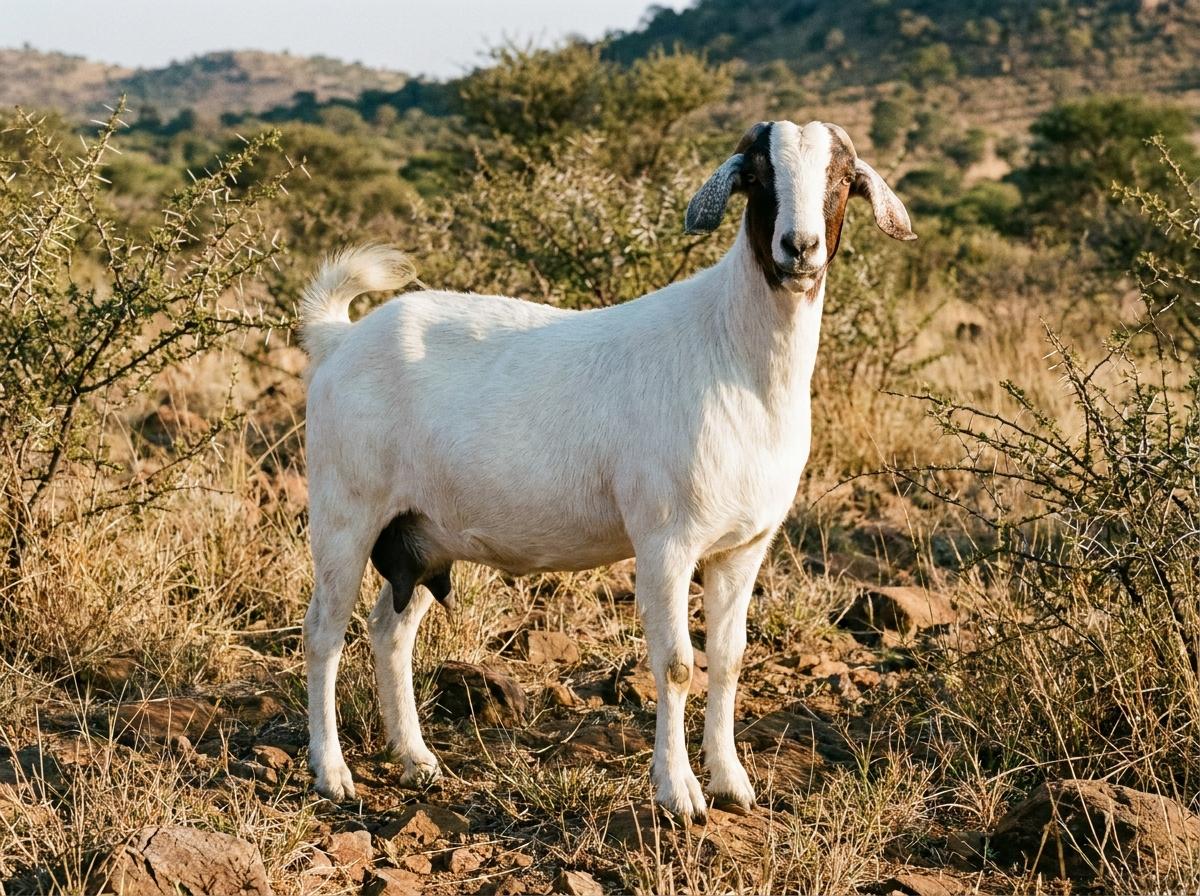
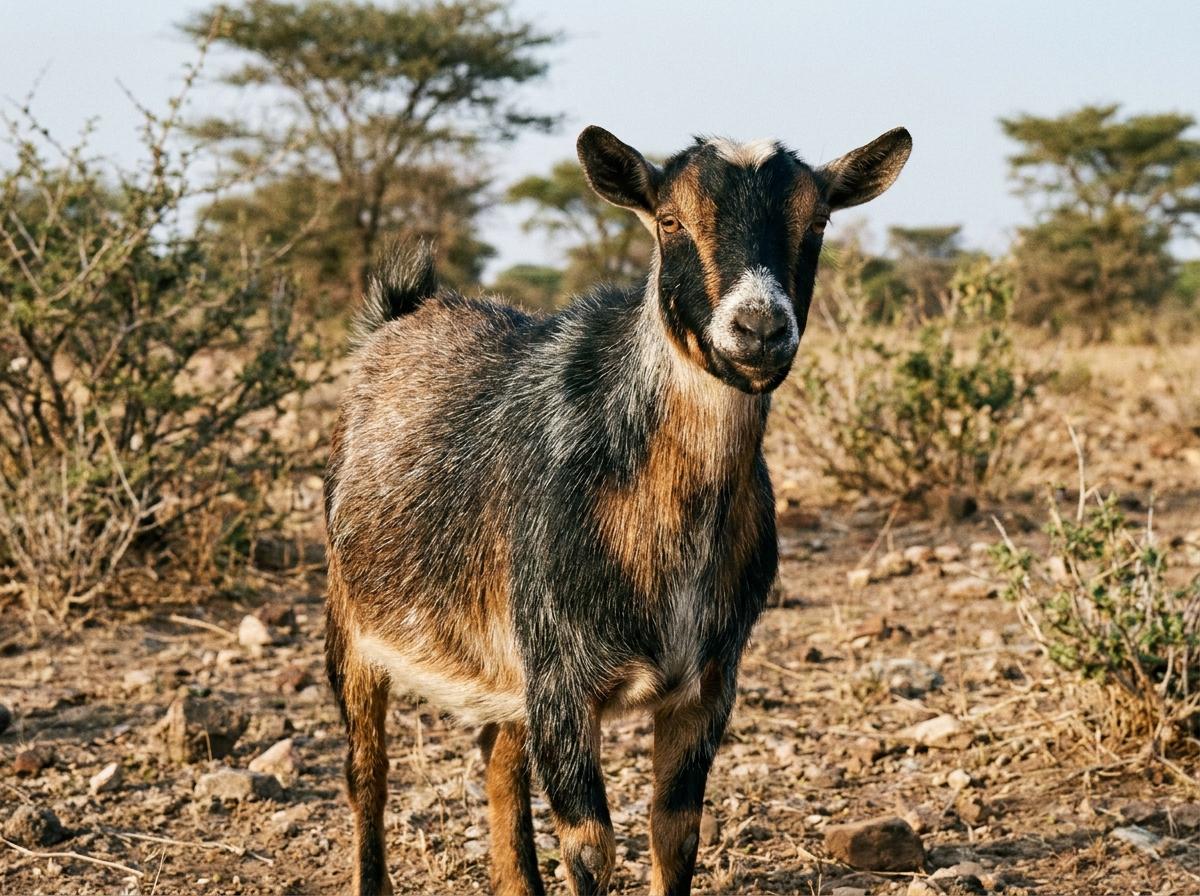
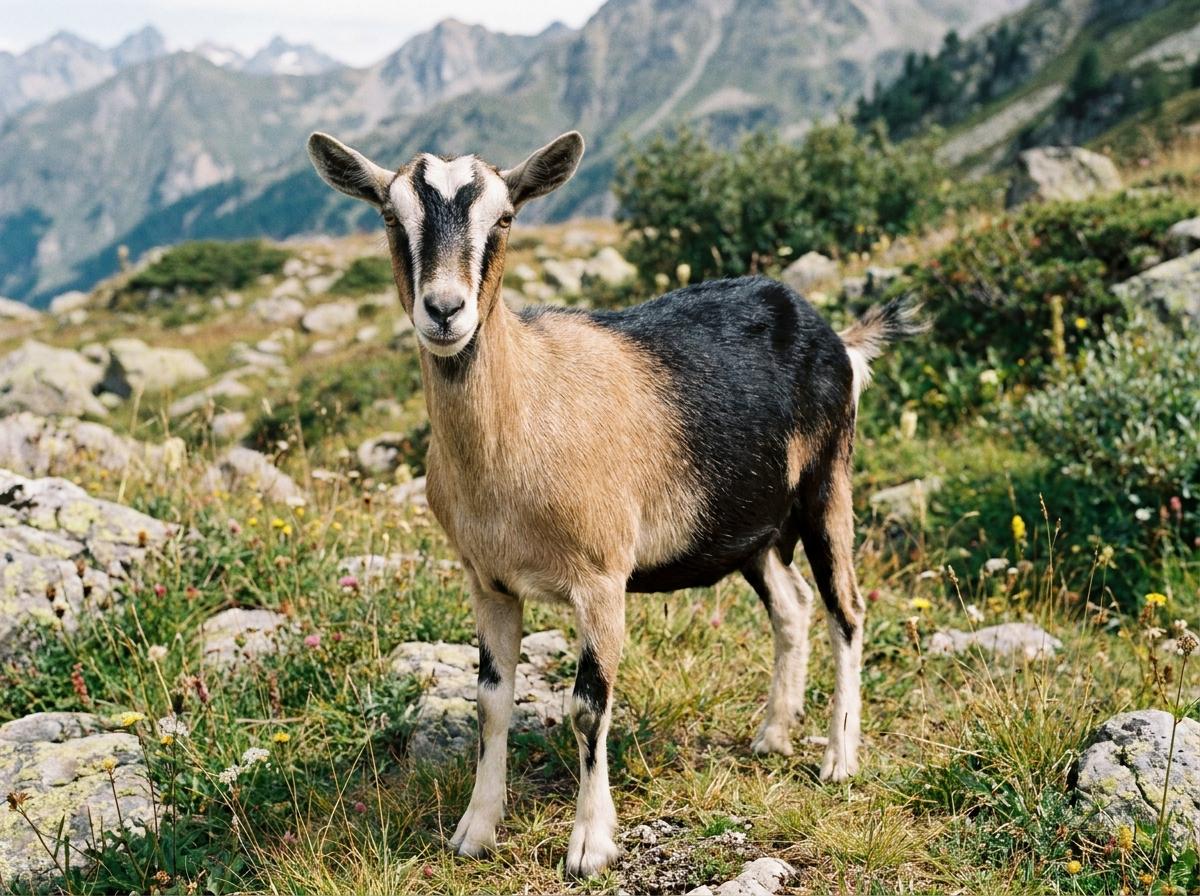
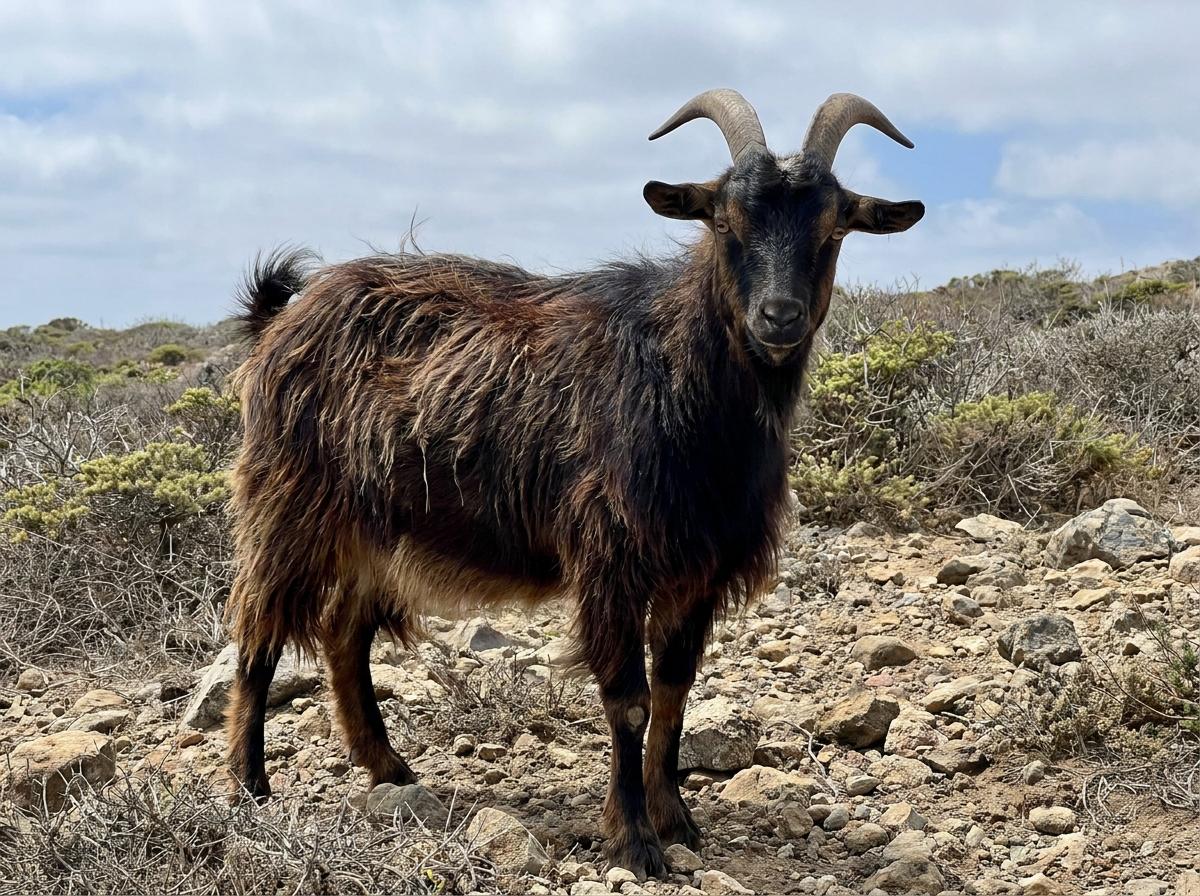
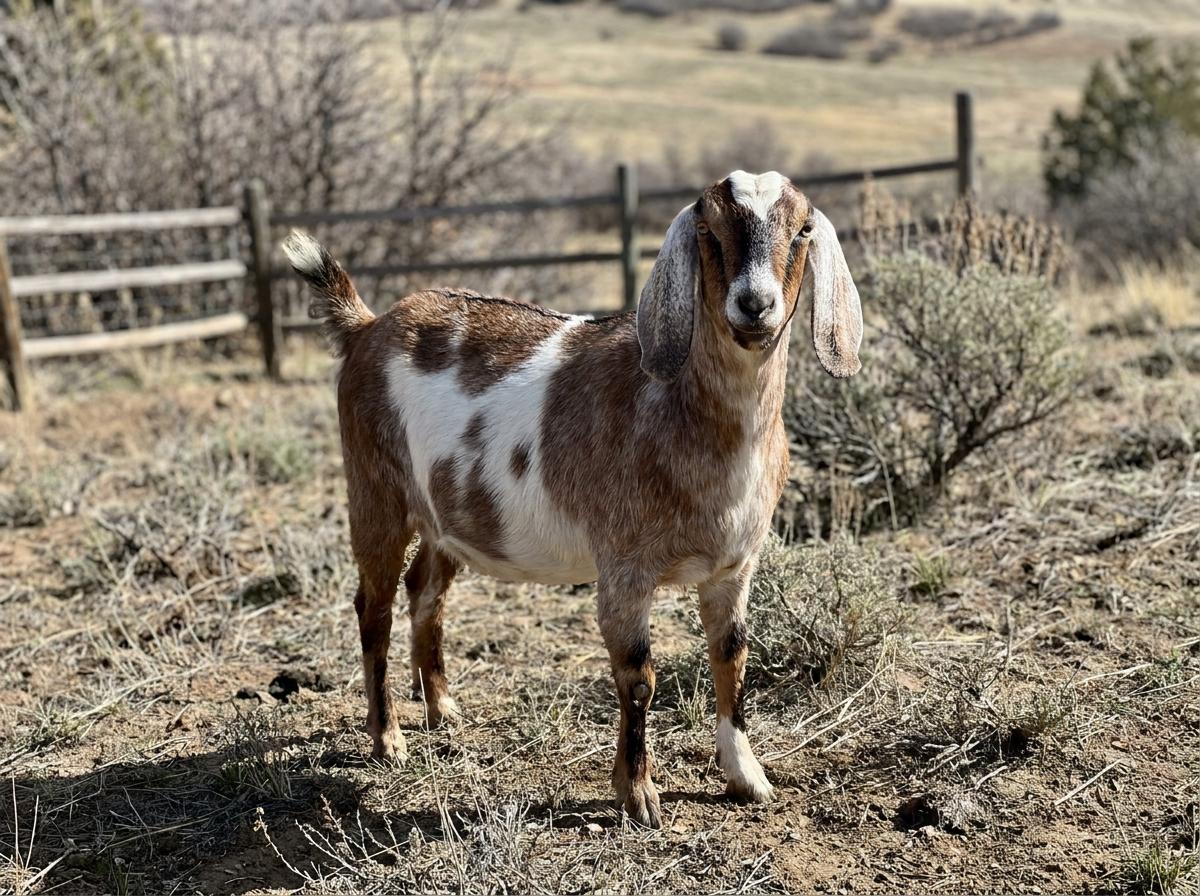
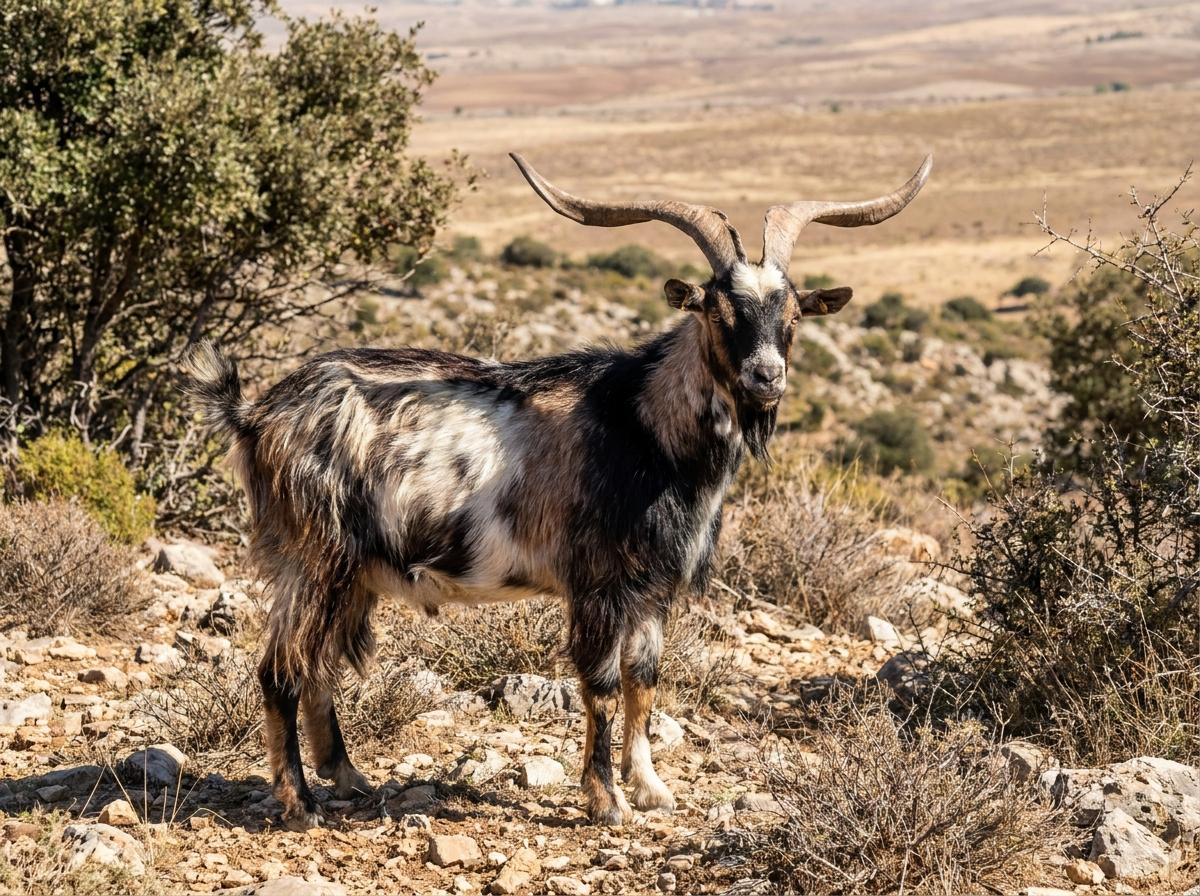
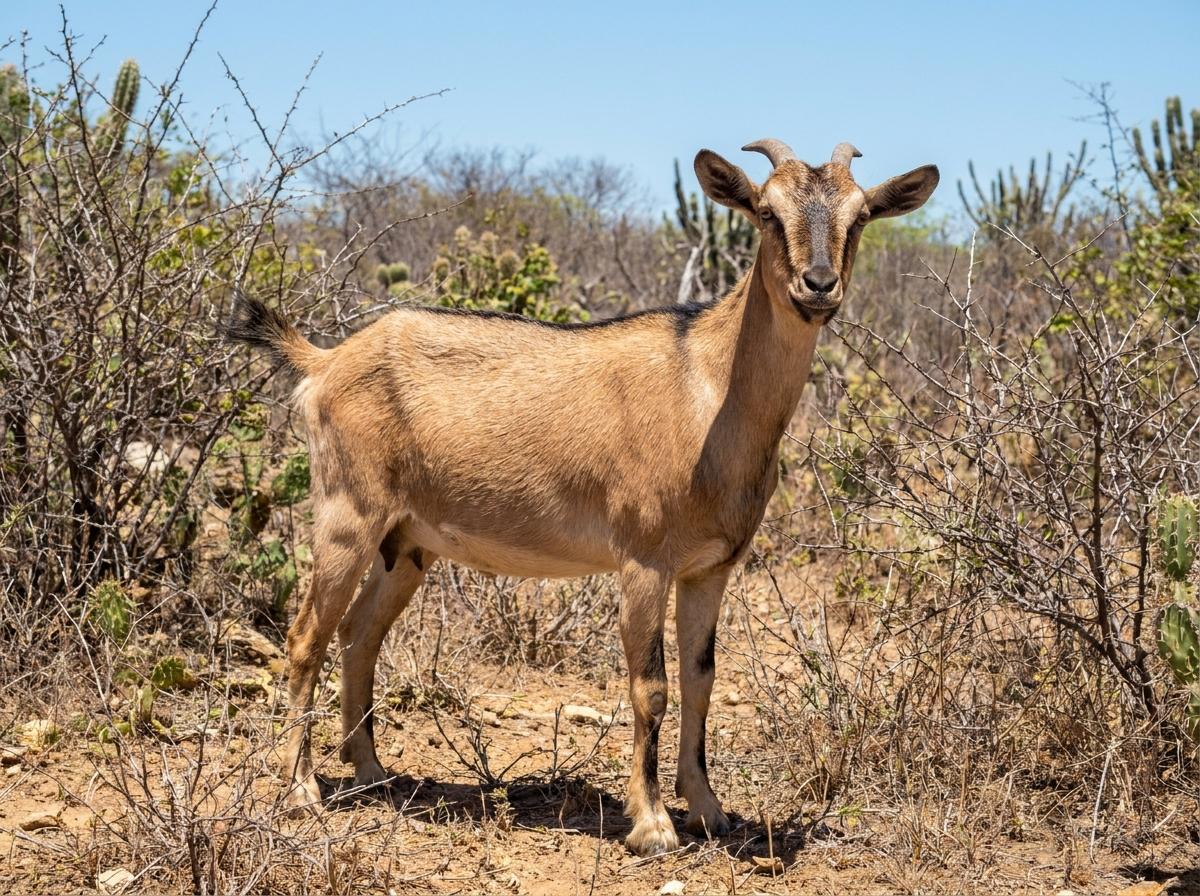
The Moxotó is a Brazilian goat landrace associated with the semi-arid Northeast, especially the Caatinga region and the Moxotó valley area. It is a small to medium, hardy Capra hircus type shaped by drought, sparse browse, and low-input family farming. Traditional animals are often light colored, commonly white or cream with darker markings such as a dorsal stripe, facial lines, belly, or legs, though local herds may vary. The breed is valued less for heavy production than for survival, fertility, mobility, and the ability to use thorny native vegetation.
Moxotó goats are managed mainly for meat, household milk, skins, and local genetic conservation. In their home region they may be kept in extensive or semi-extensive systems, walking long distances for browse and returning to simple night shelters. Good stewardship includes reliable water, kid protection, mineral supplementation when forage is poor, and avoidance of unnecessary crossbreeding where pure local lines are being conserved. Conservation farms and research programs treat Moxotó as part of Brazil's adapted livestock heritage, useful for studying heat tolerance, disease resistance, and production under dryland conditions.
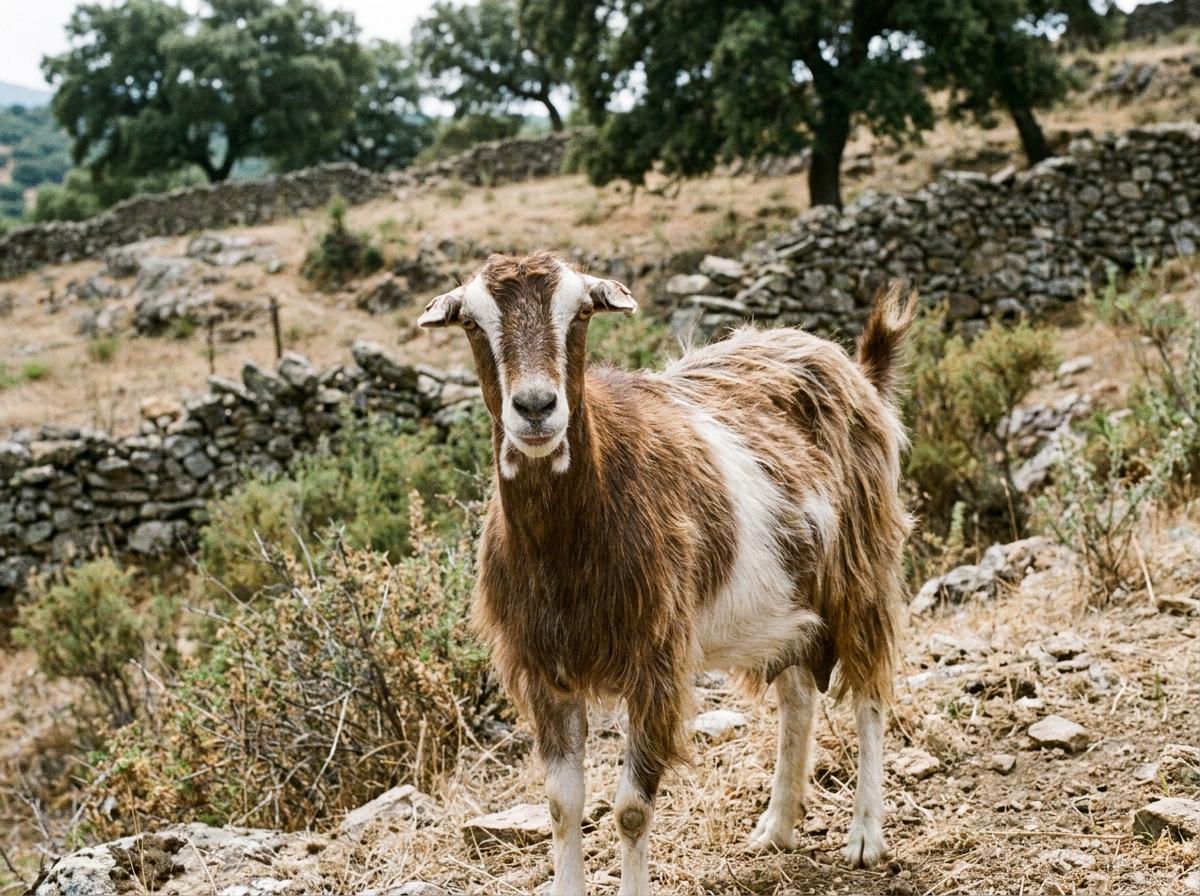
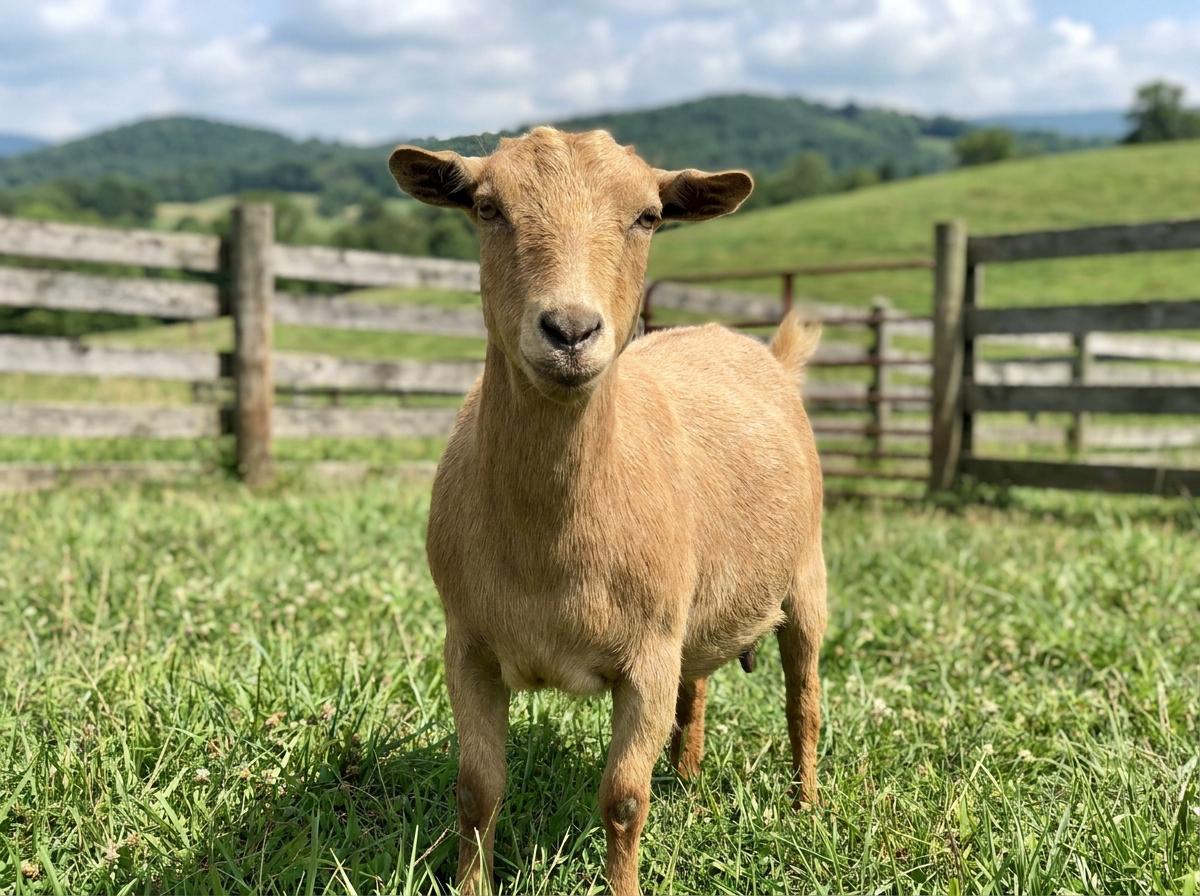
Colors: Belted, Black, Black and White, Brown, Brown and White, Buckskin, Chamoisee, Cou Blanc, Cou Clair, Cream, Fawn, Gold, Moonspotted, Pinto, Red, Red and White, Roan, Spotted, Sundgau, Swiss Marked, Tan, White