Pyrenean
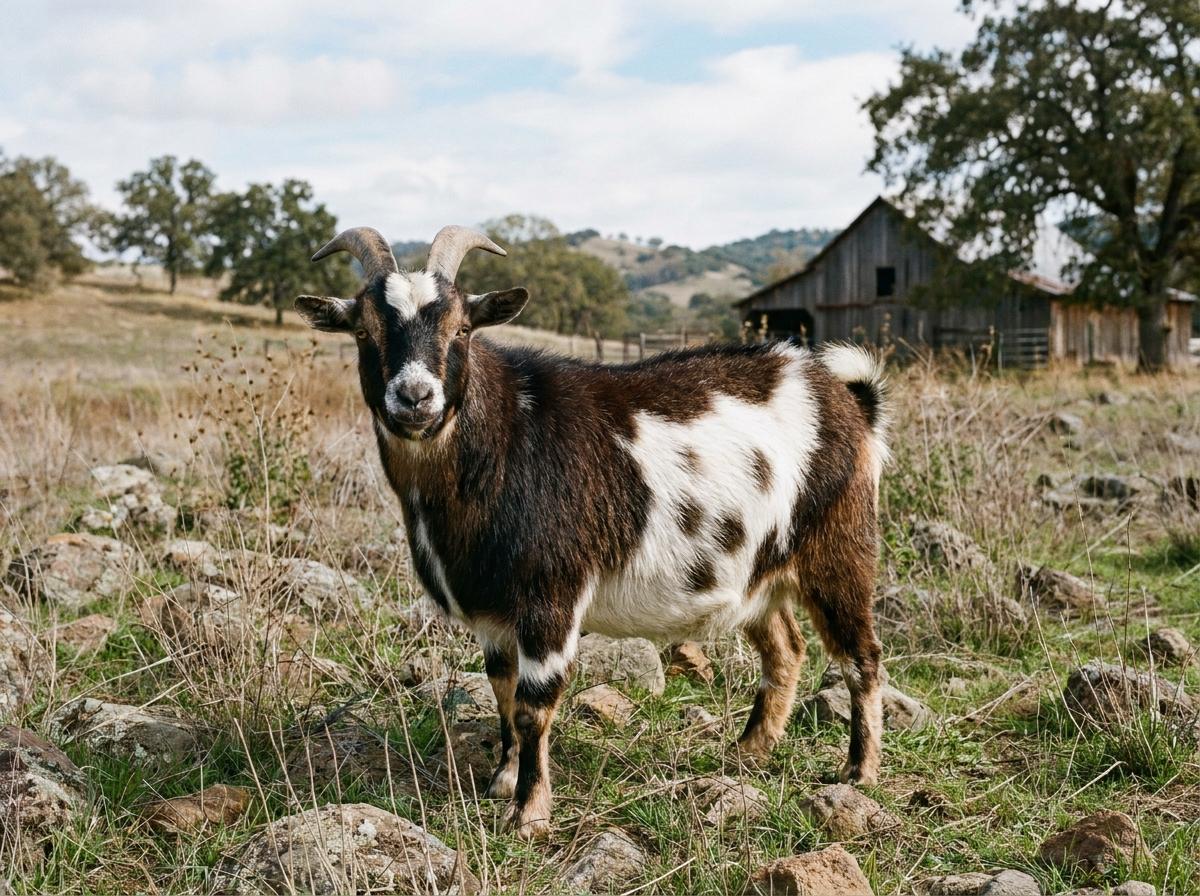
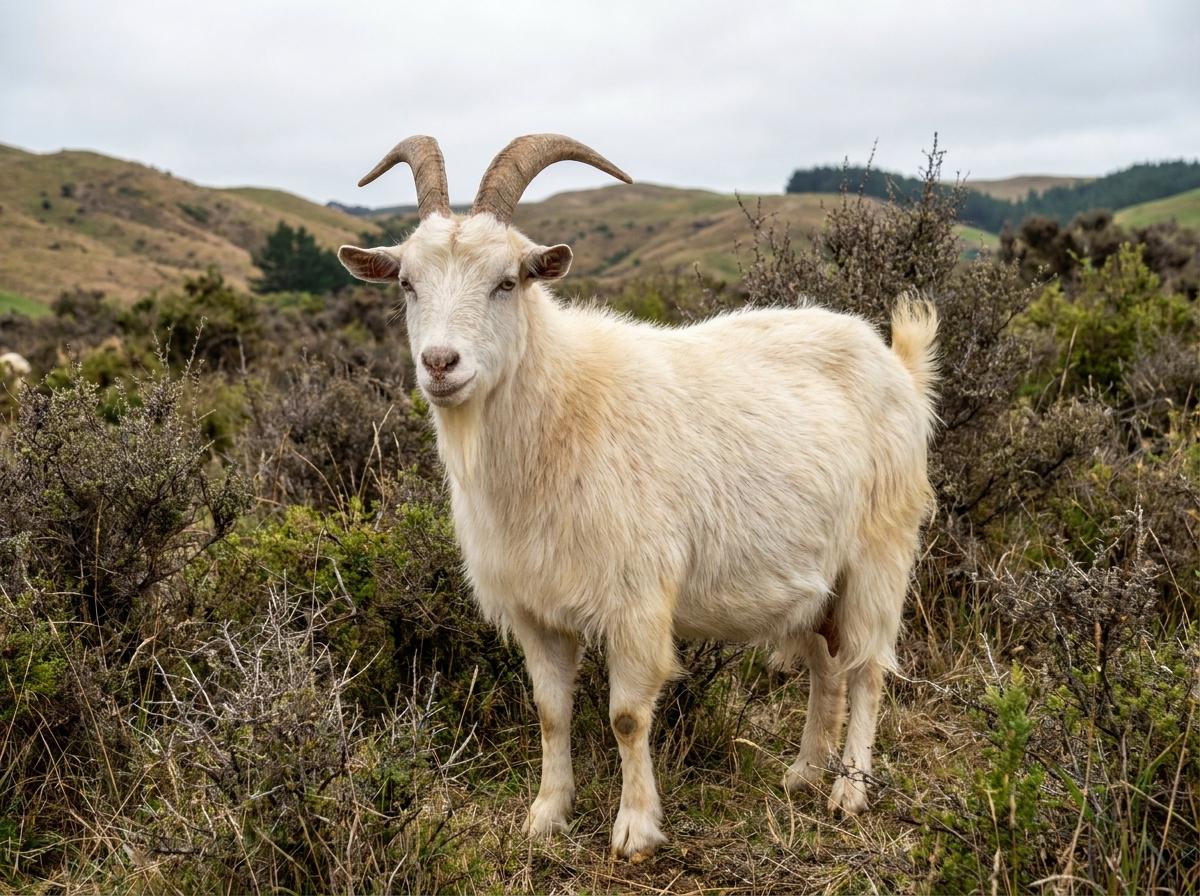
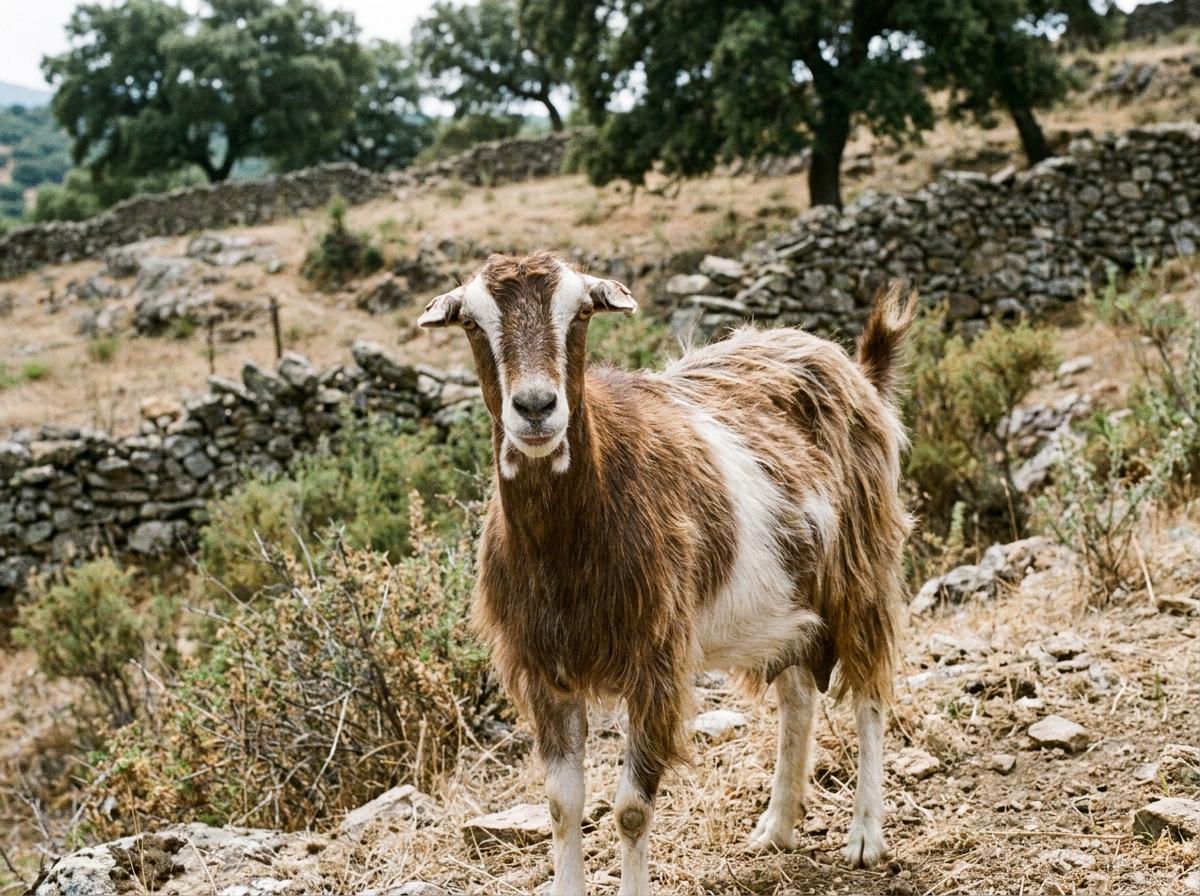
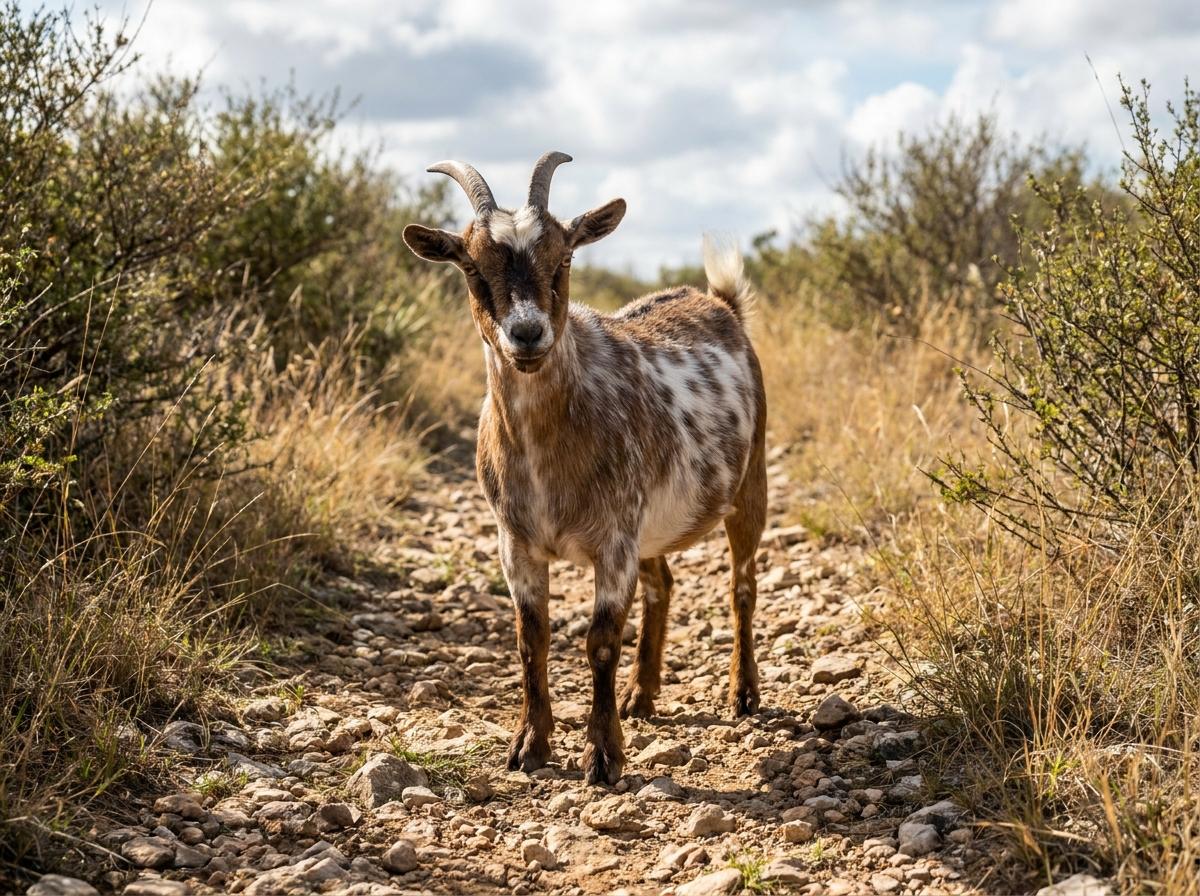
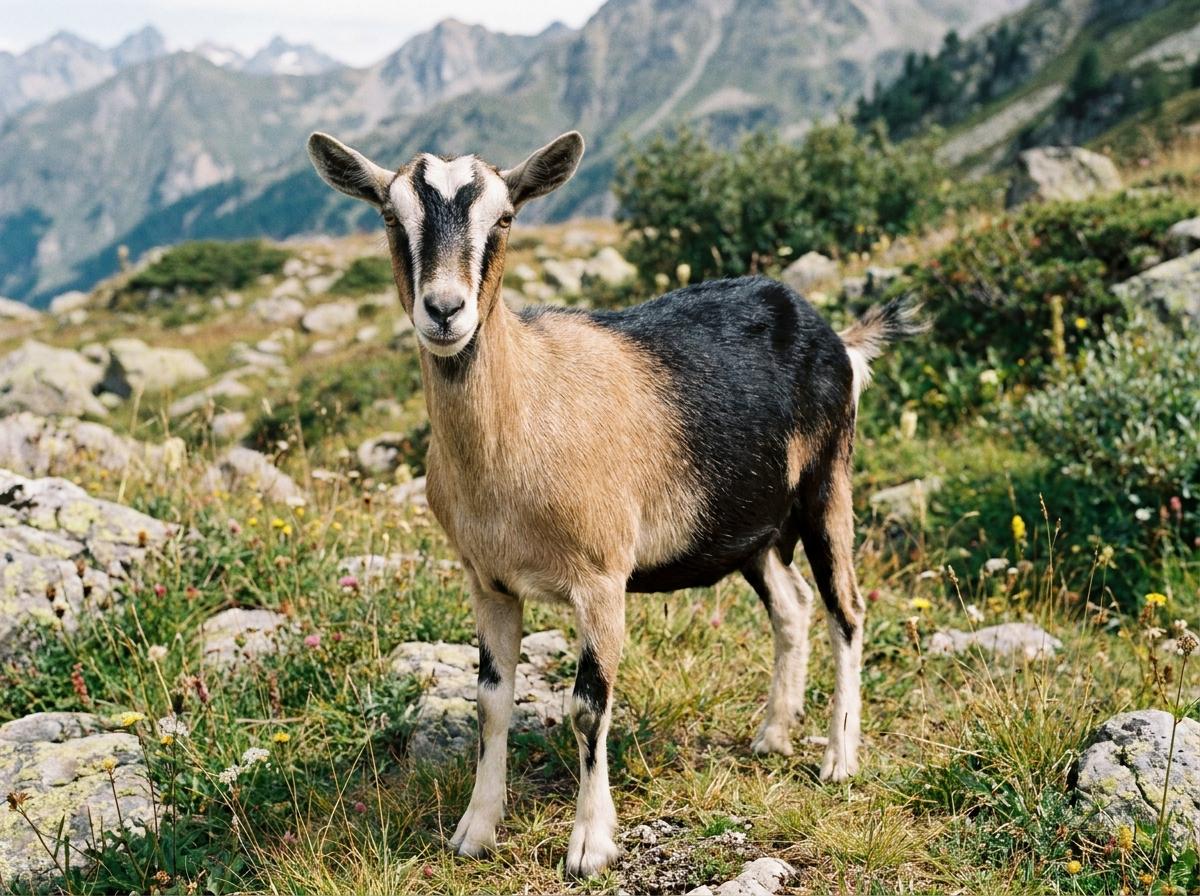
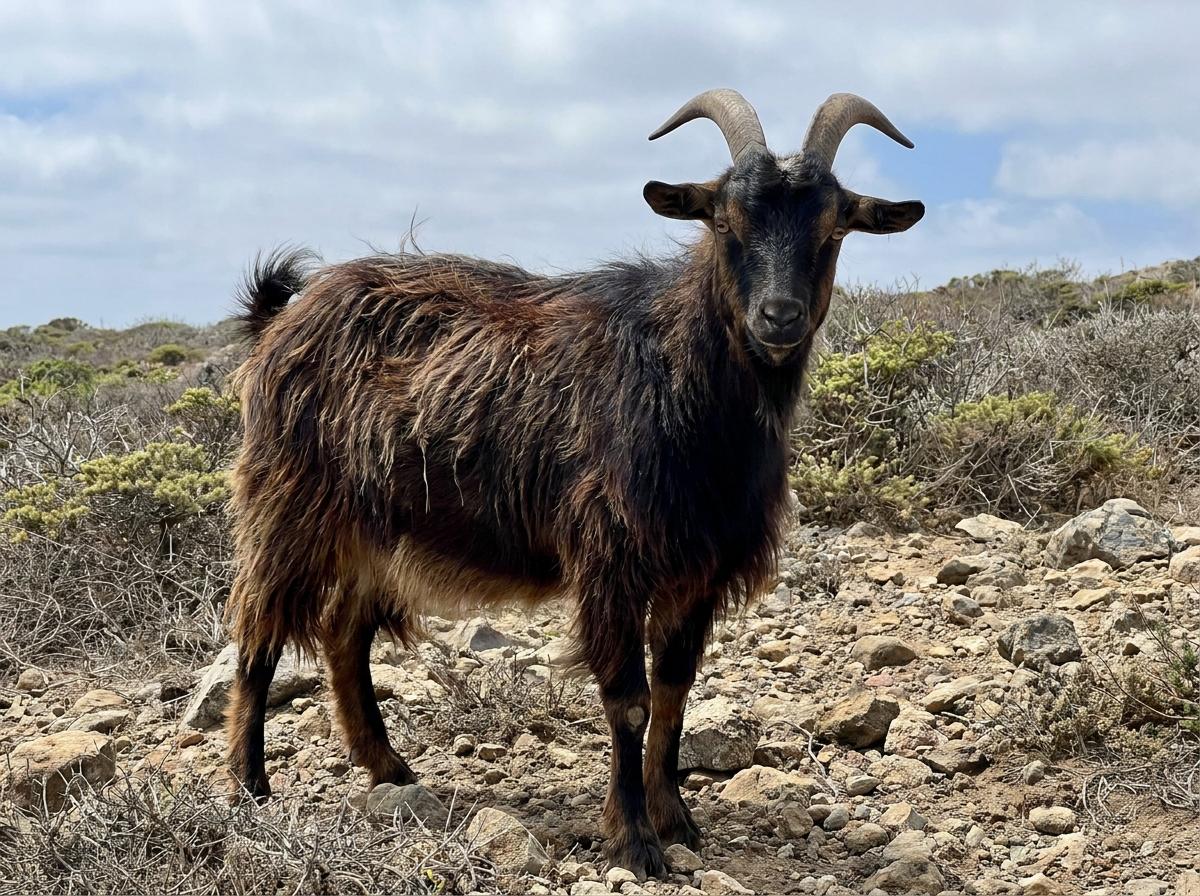
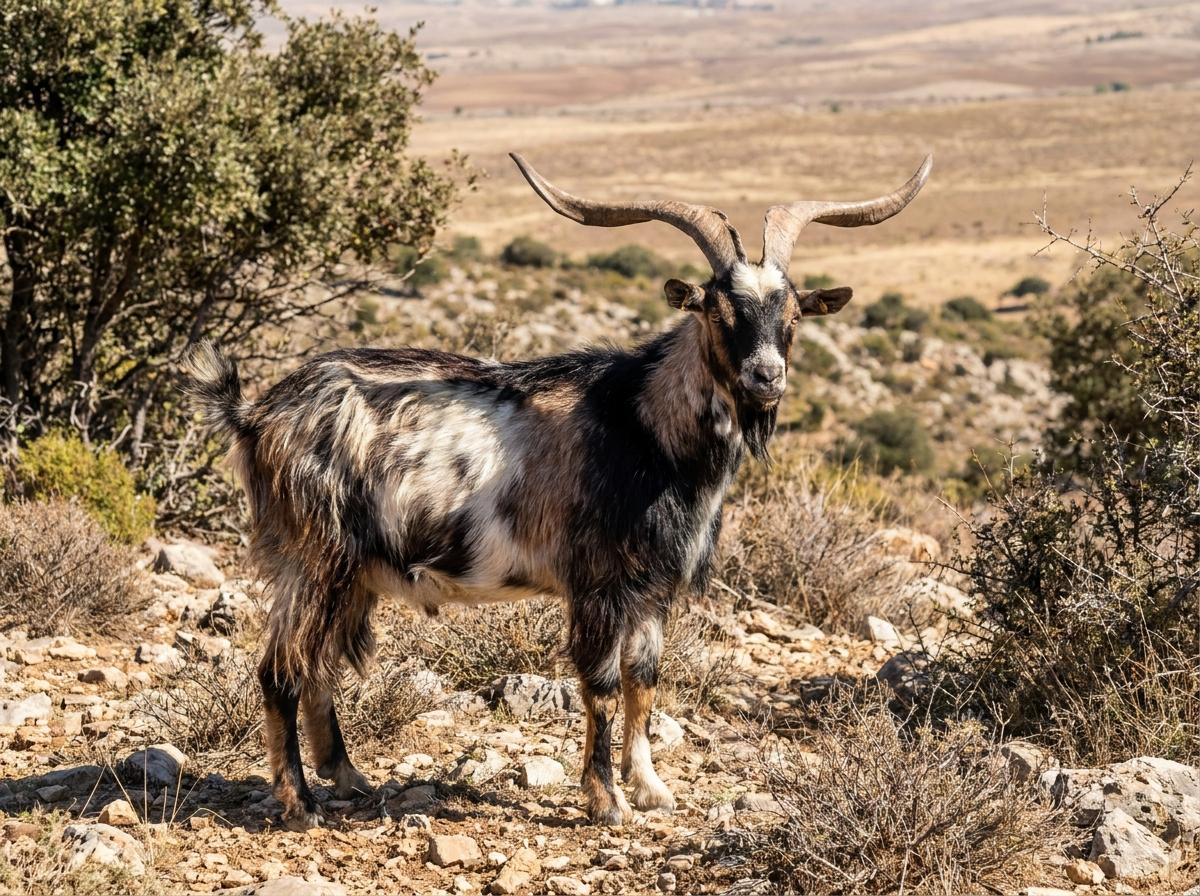
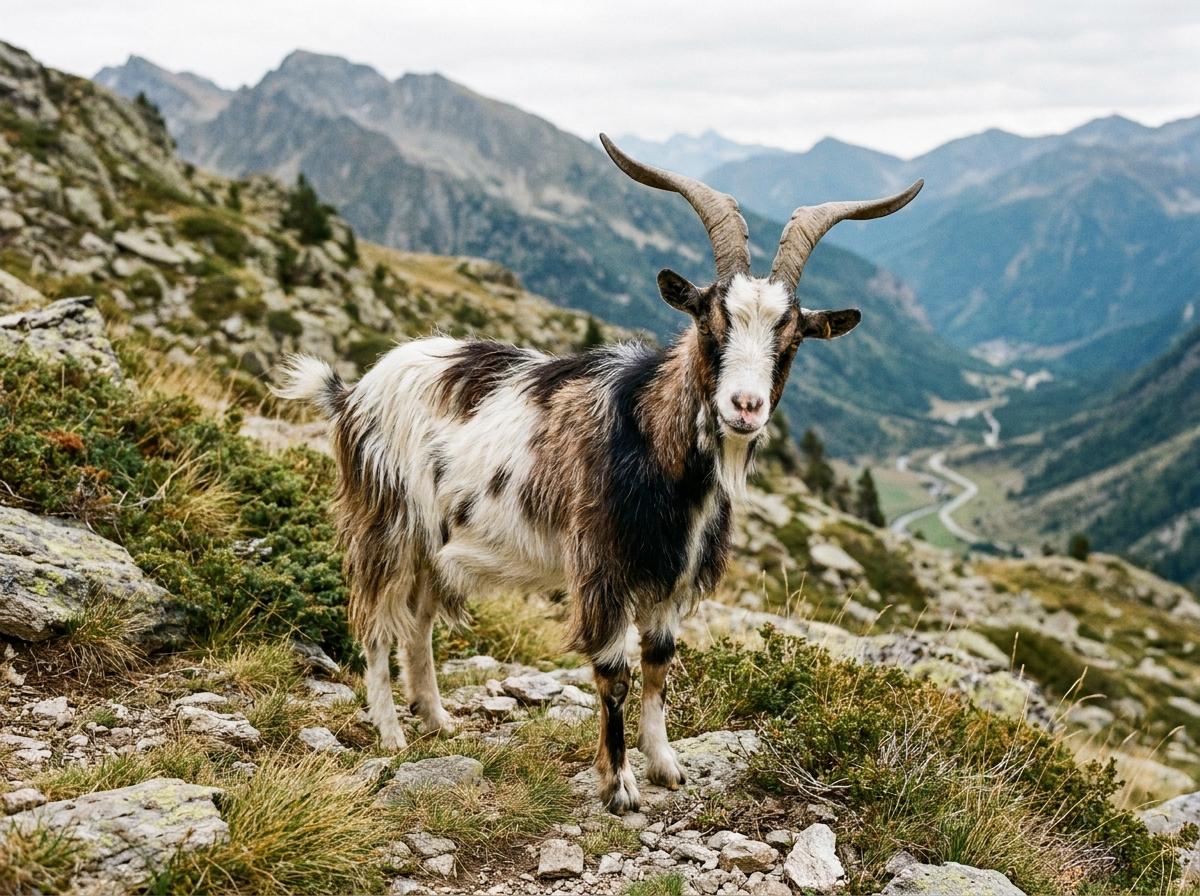
In the Pyrenees, the Pyrenean goat, or chevre des Pyrenees, developed as a traditional mountain goat of southwestern France, with related types historically found across nearby border regions. It is a landrace-type domestic goat rather than a highly standardized show breed, with variable coat colors, a weather-resistant hair coat, strong legs, and often prominent horns. Historically it supplied milk, kids, and brush control in transhumant or smallholder systems where goats moved across steep pastures and rough woodland edges.
Modern herds are often maintained for regional cheeses, meat kids, landscape grazing, and genetic conservation. The breed's value is its ability to use mixed browse and mountain pasture, but it still needs mineral supplementation, clean water, kid protection, and shelter from prolonged wet cold. Conservation-minded breeders avoid selecting only for one color or horn shape and instead keep functional traits such as udder attachment, feet, fertility, and adaptation to local forage. For buyers, local availability and herd health history are usually more important than a polished show pedigree.
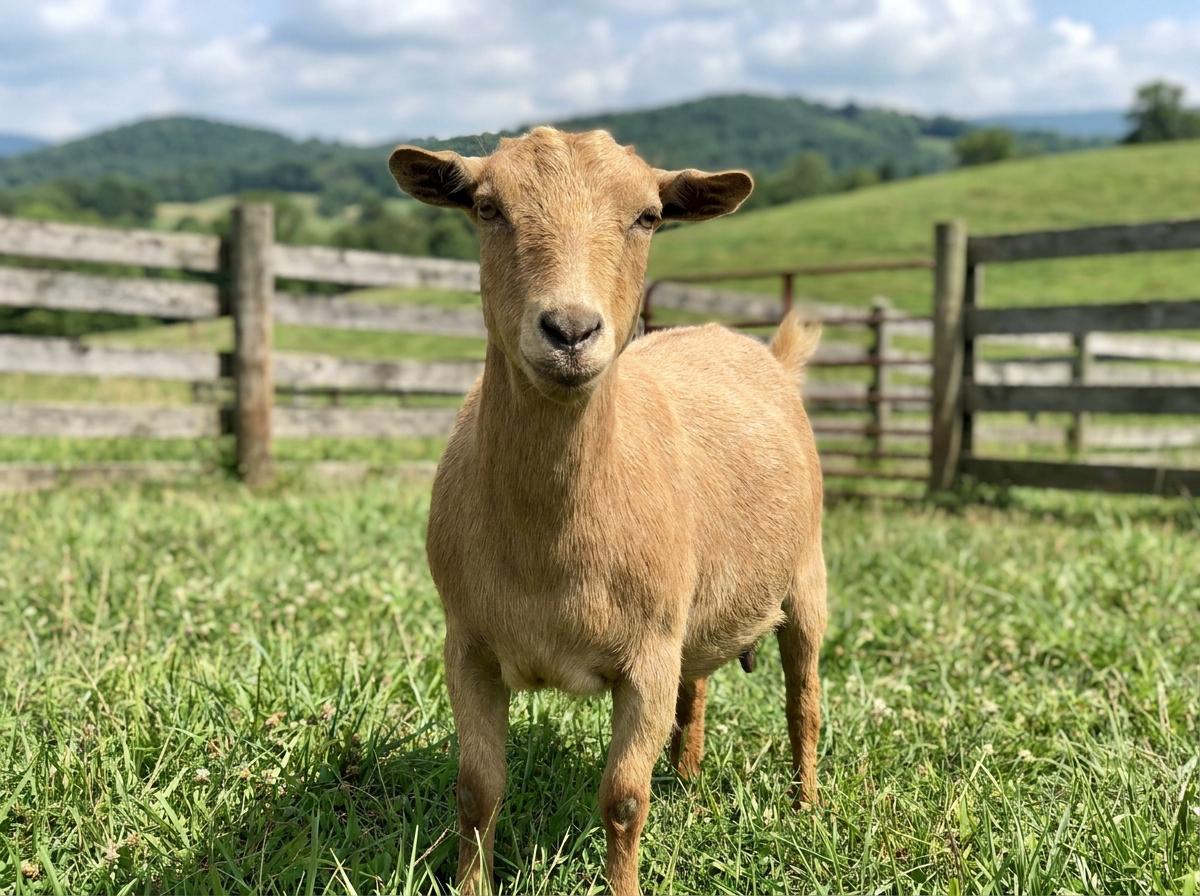
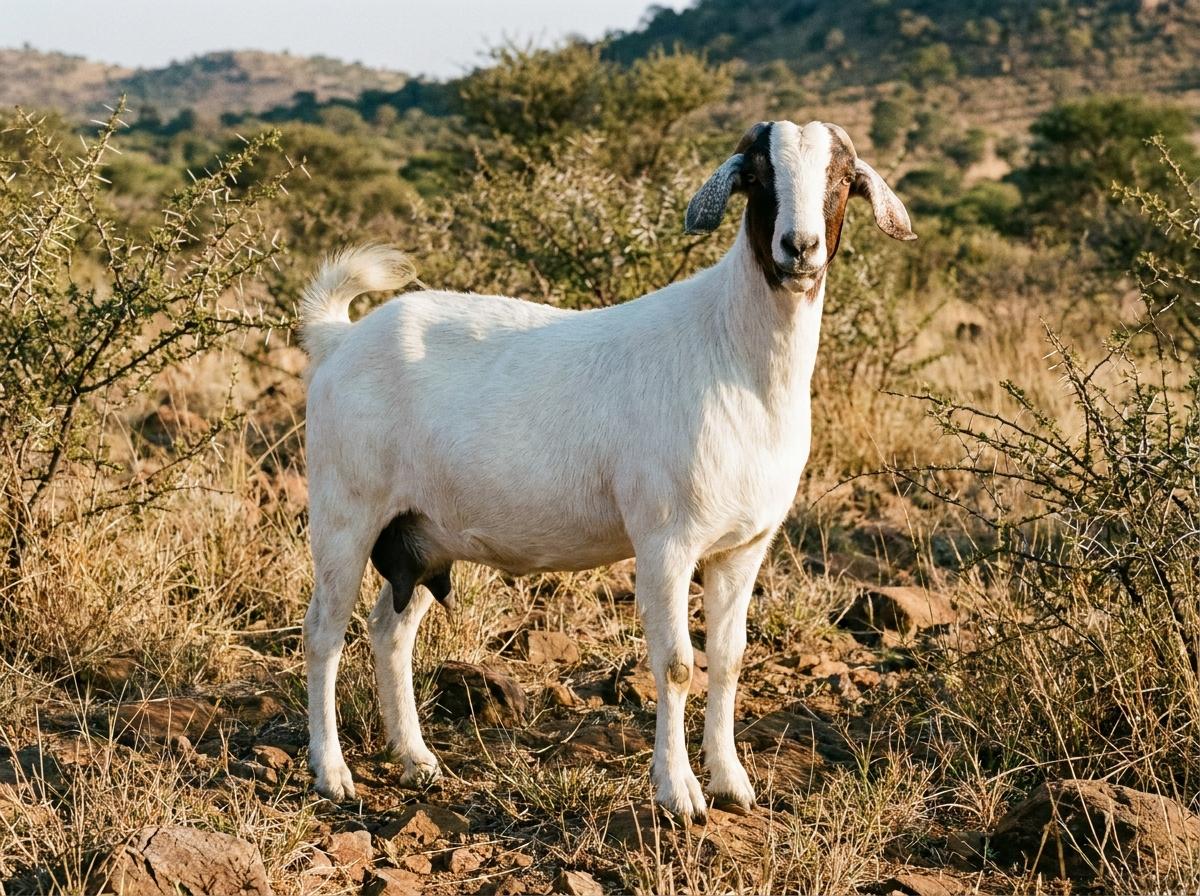
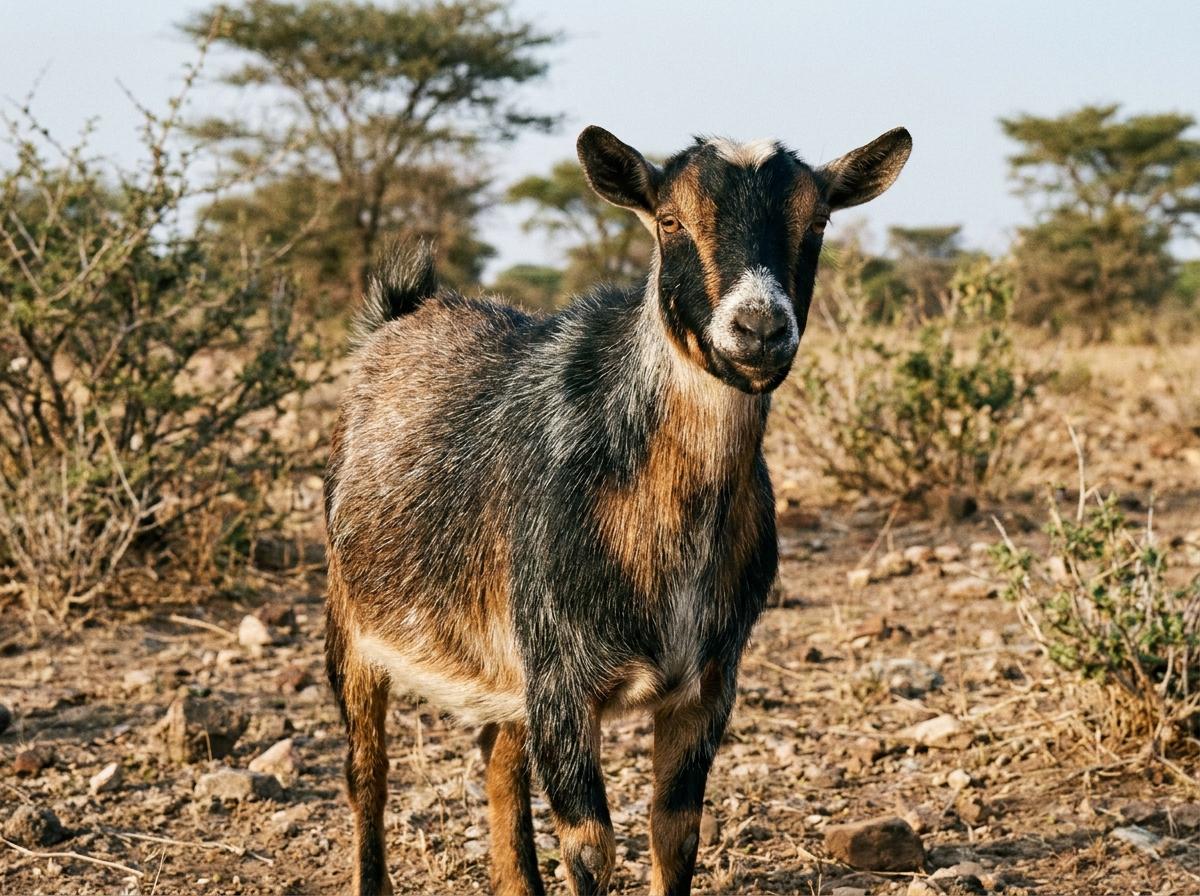
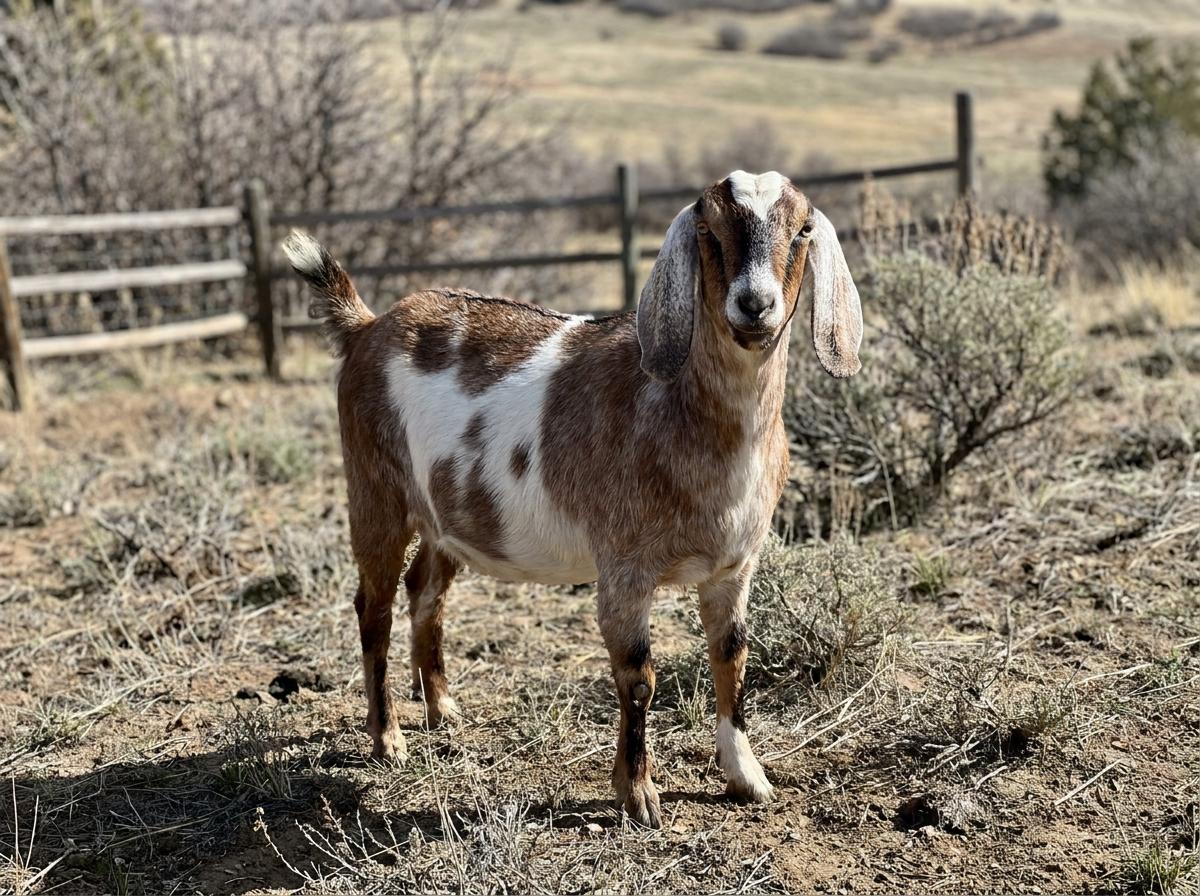
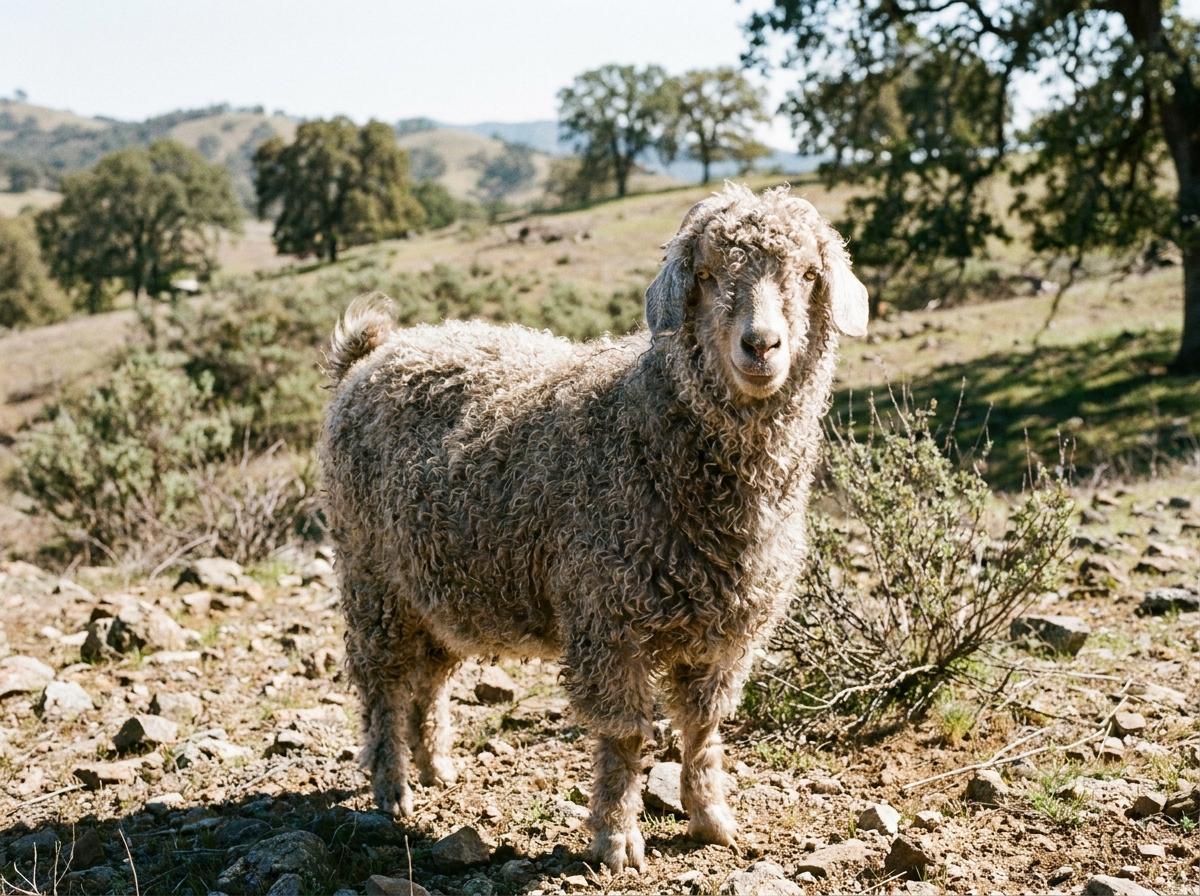
Colors: Belted, Black, Black and White, Brown, Brown and White, Buckskin, Chamoisee, Cou Blanc, Cou Clair, Cream, Fawn, Gold, Moonspotted, Pinto, Red, Red and White, Roan, Spotted, Sundgau, Swiss Marked, Tan, White