



Short-Eared Somali
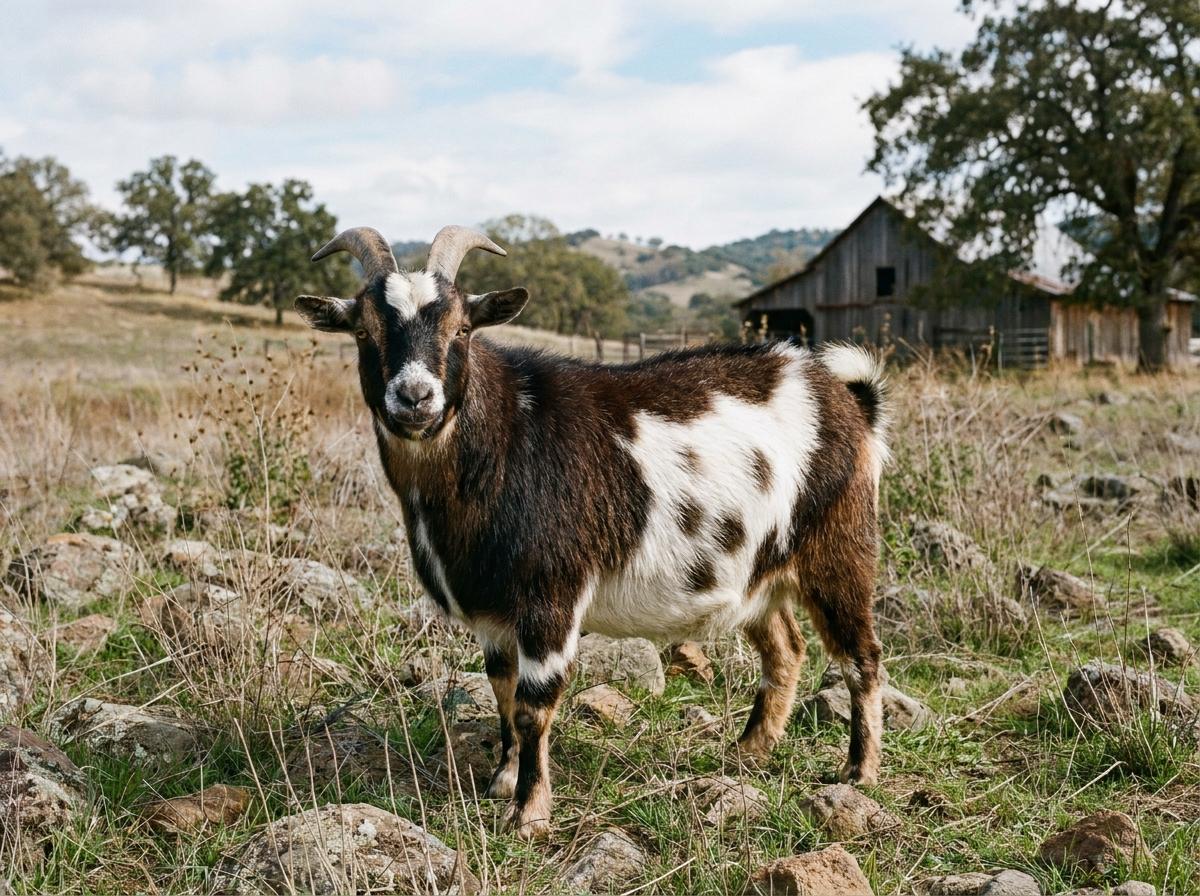
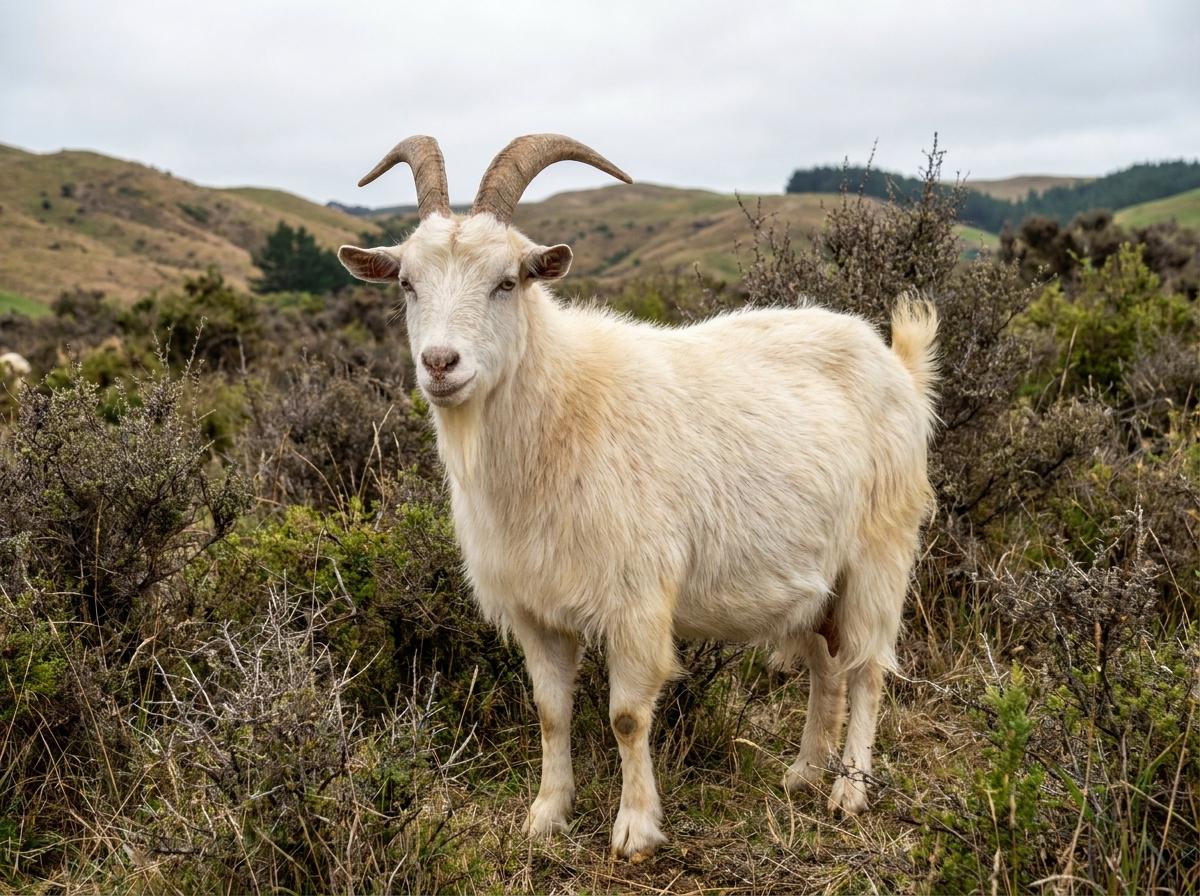
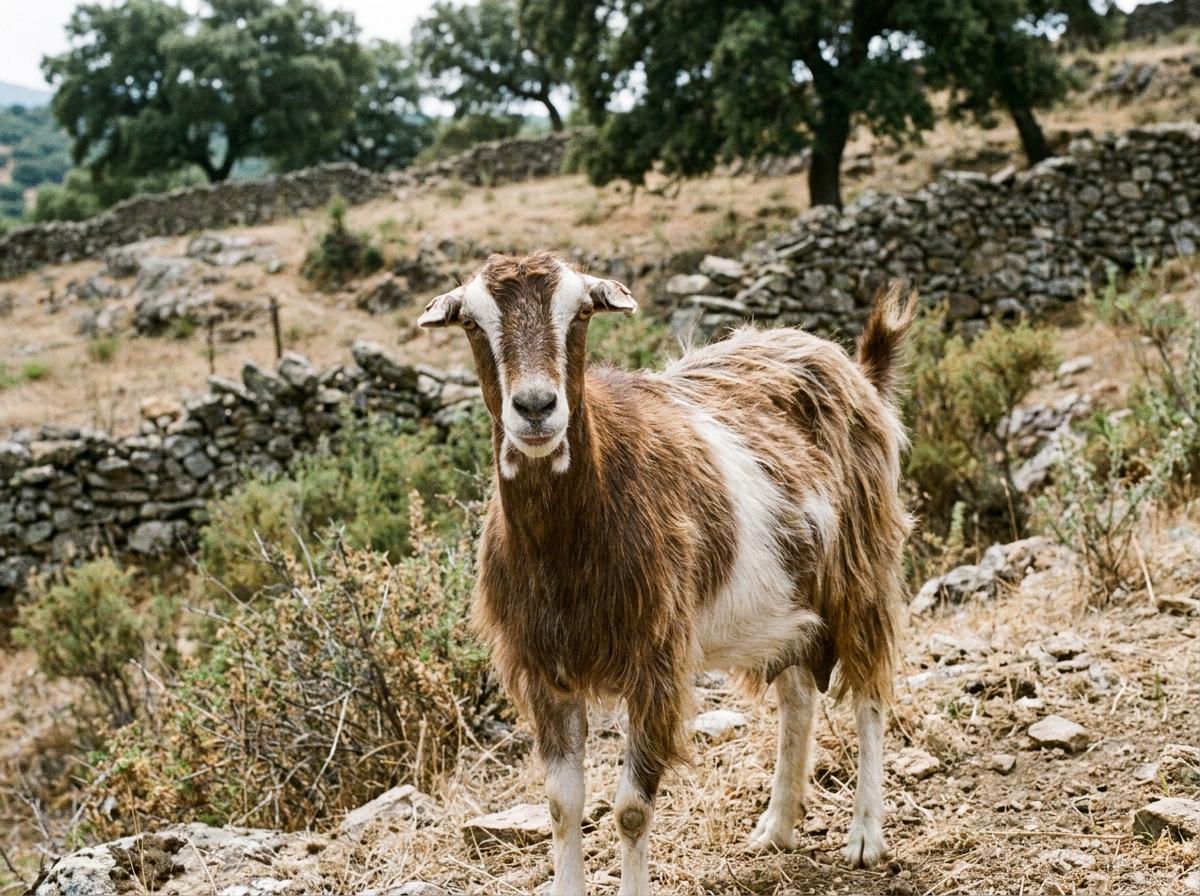
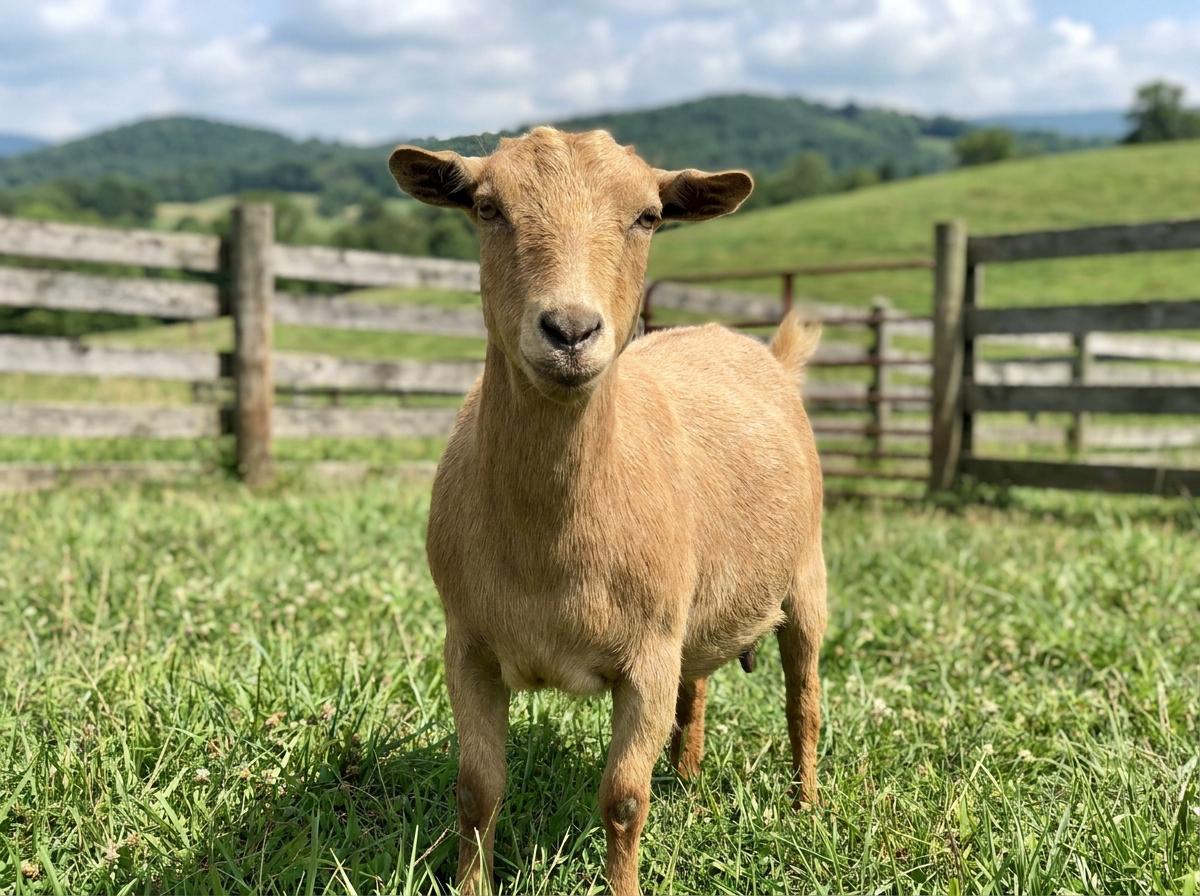
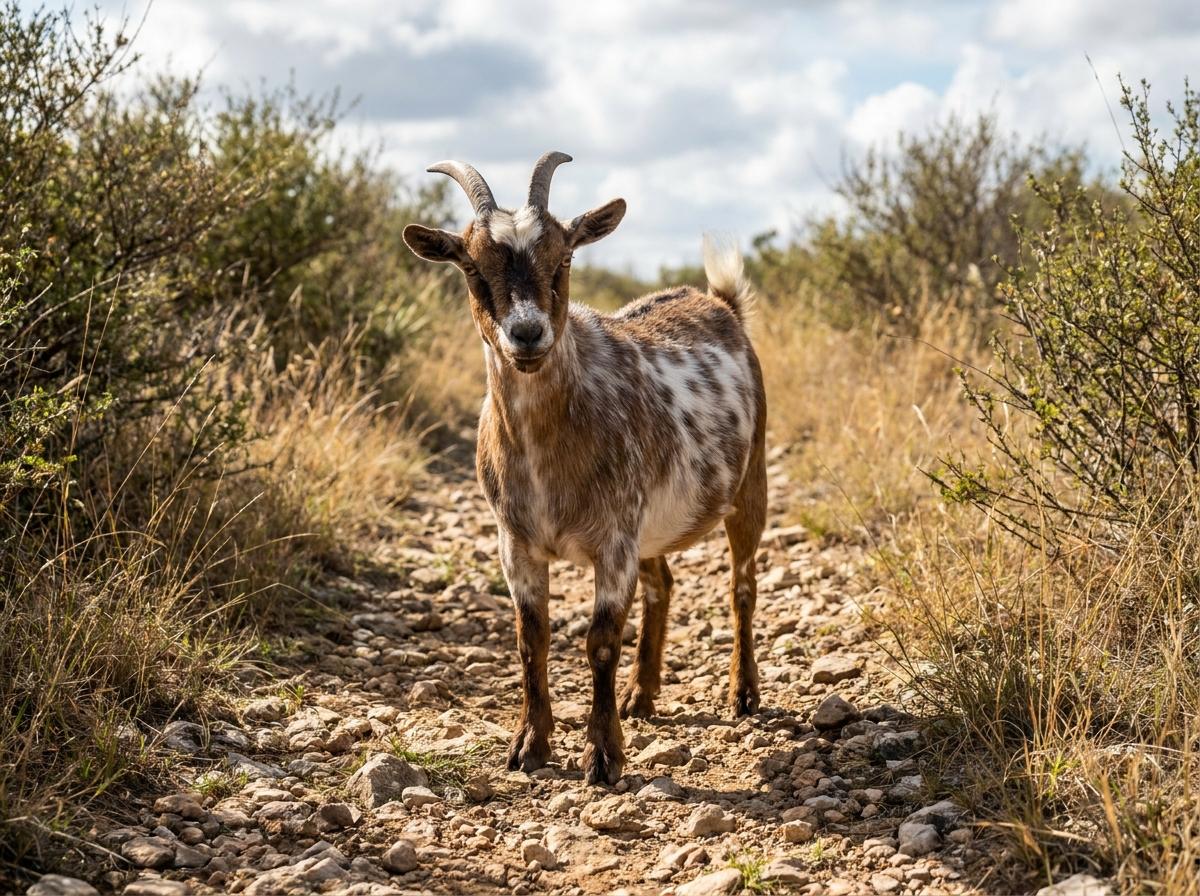
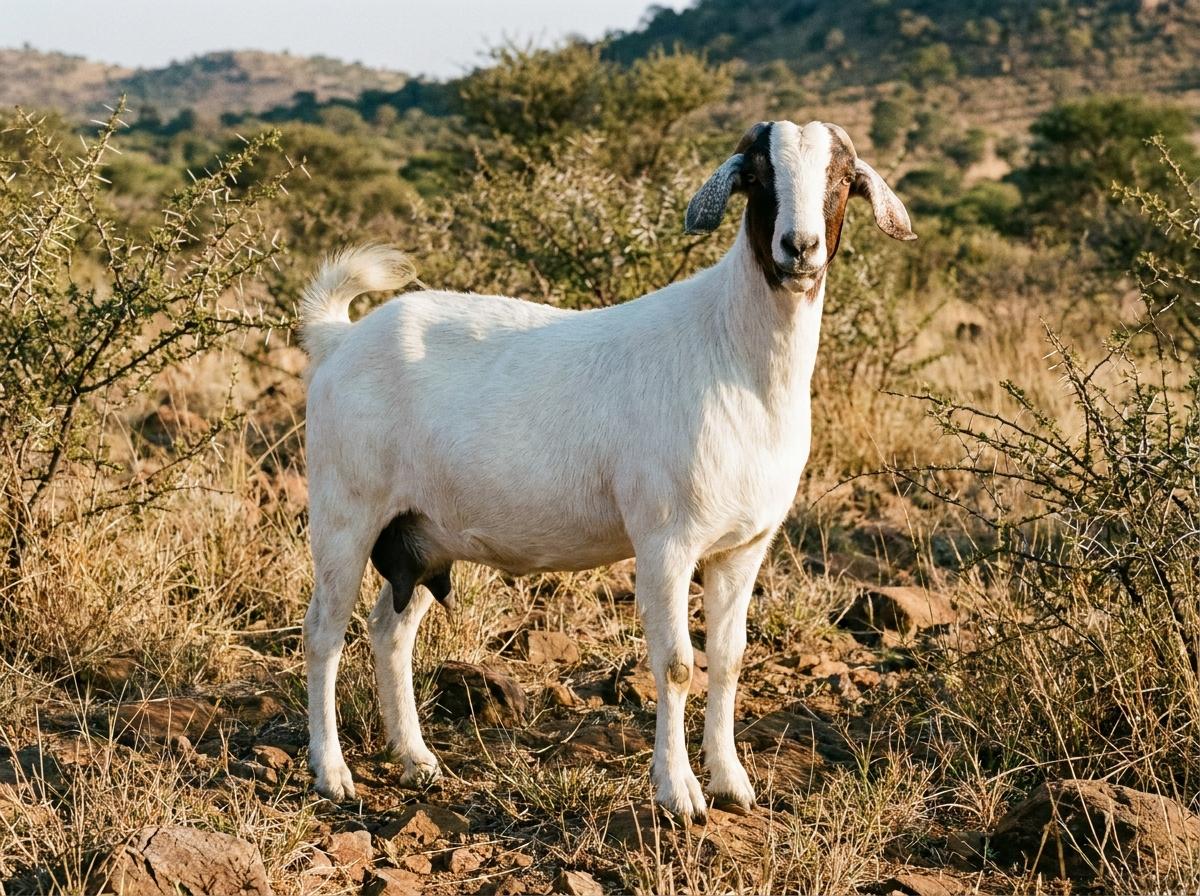
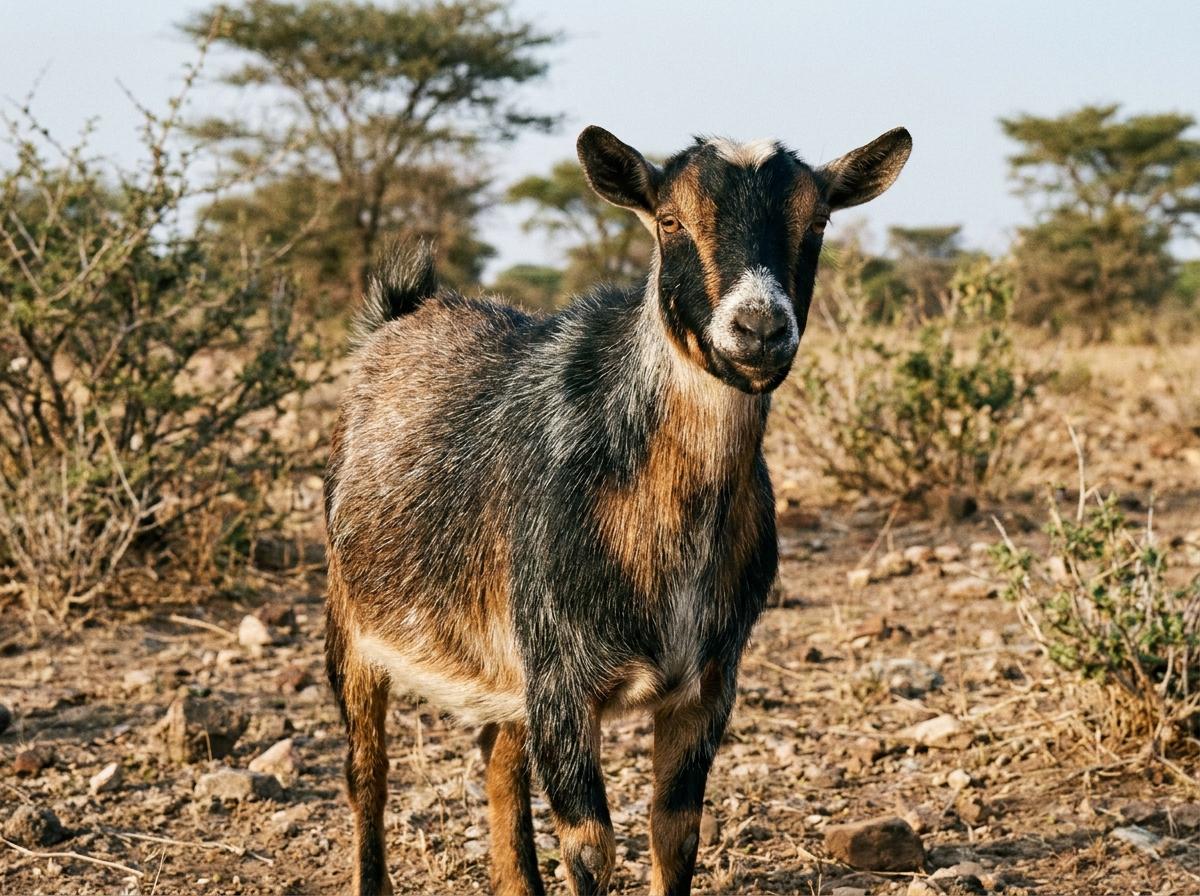
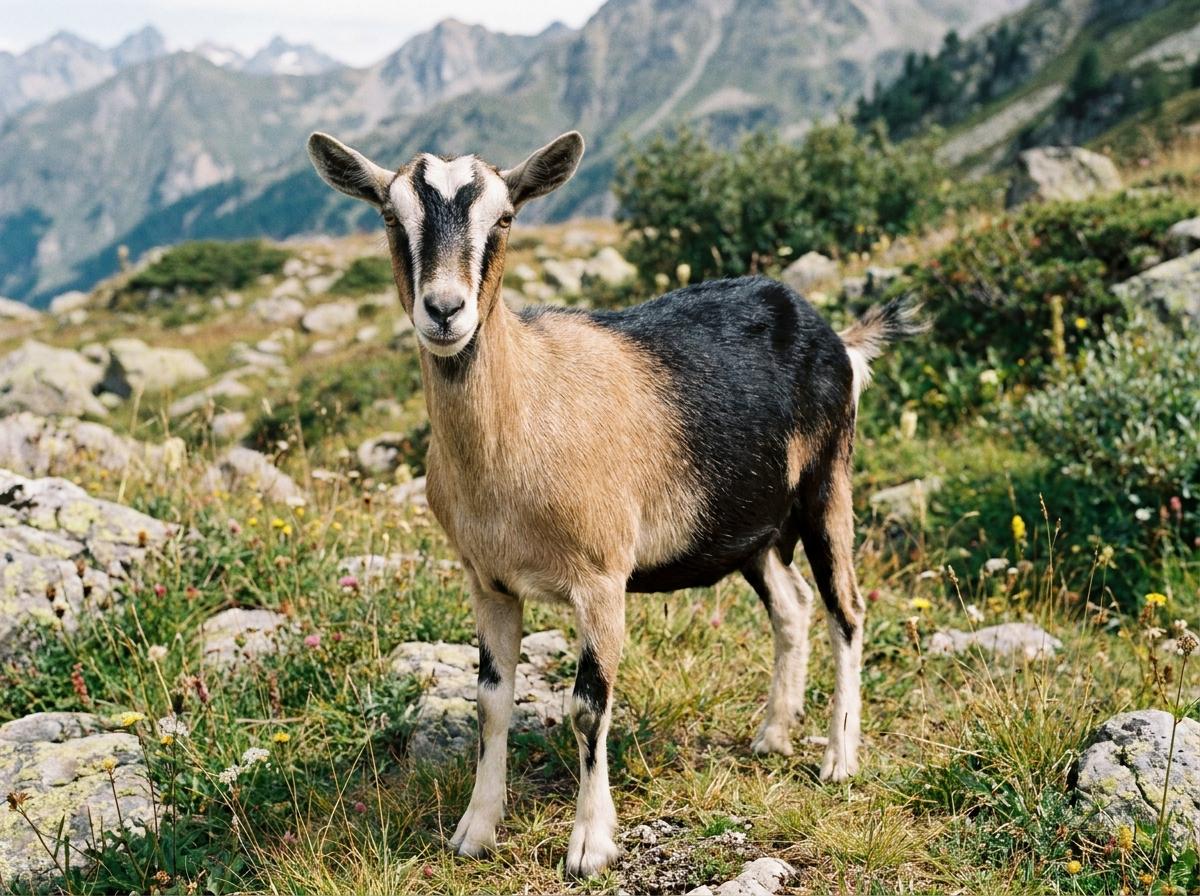
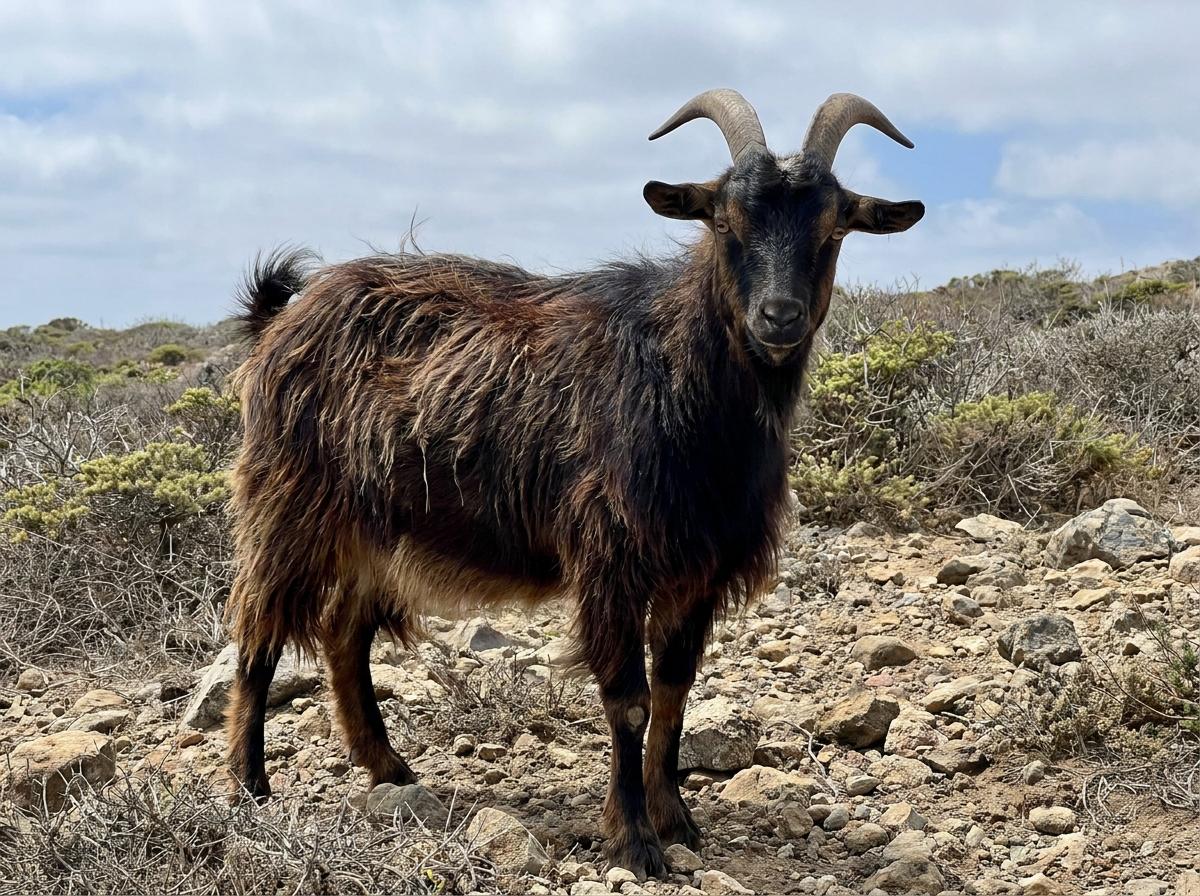
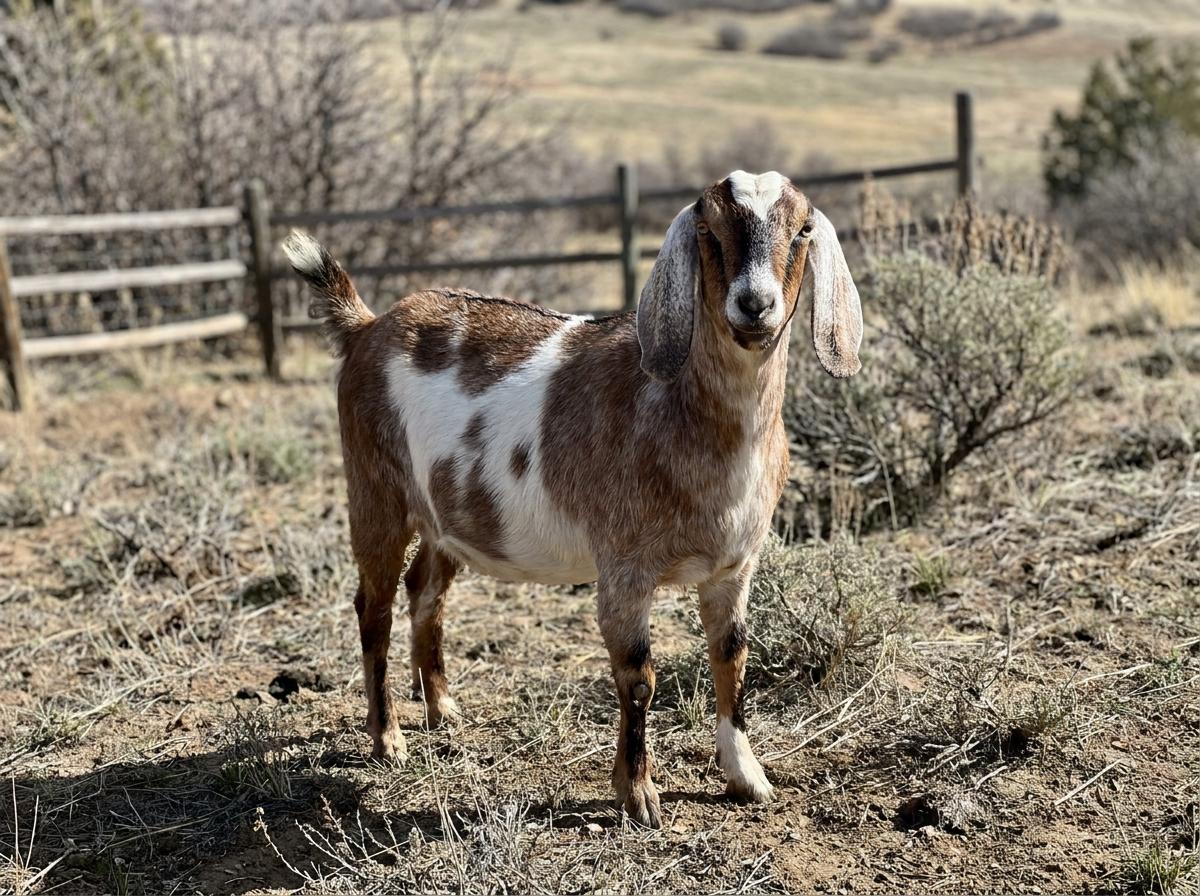
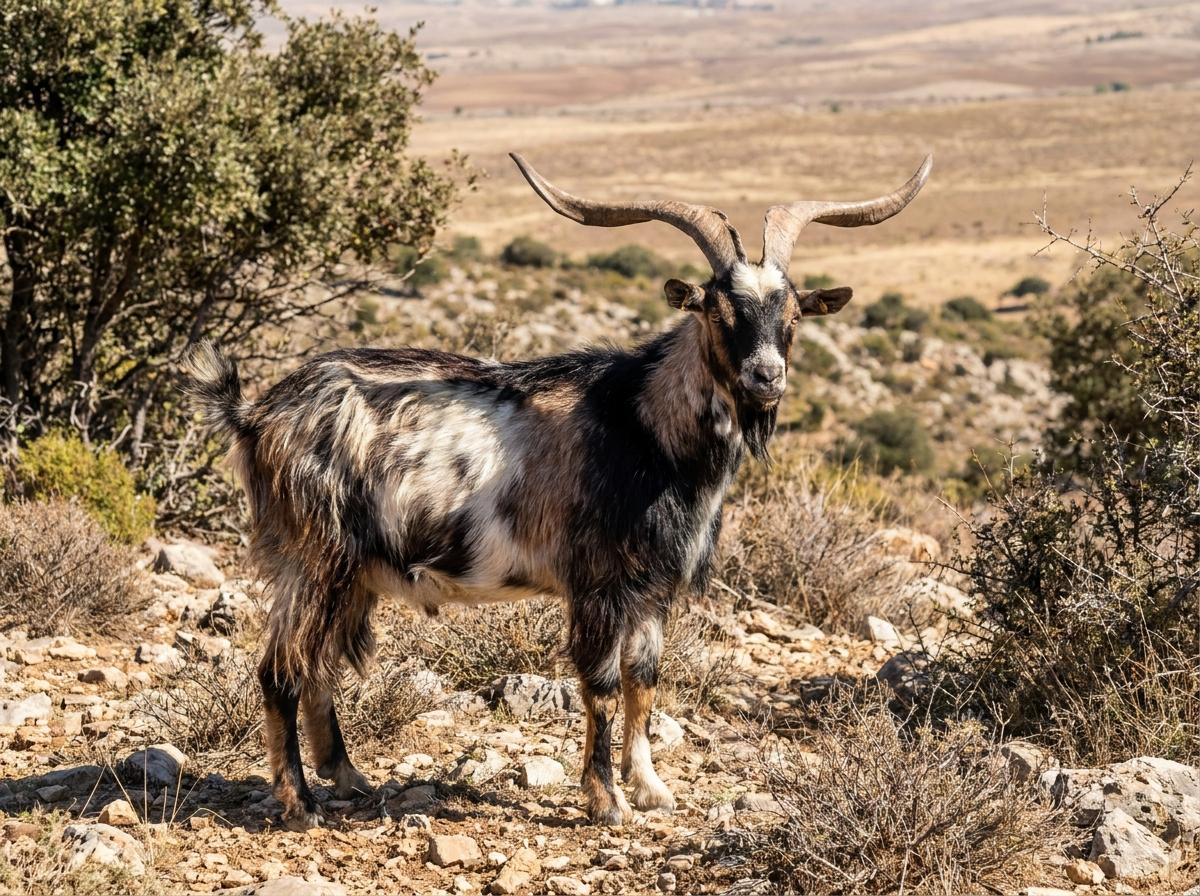
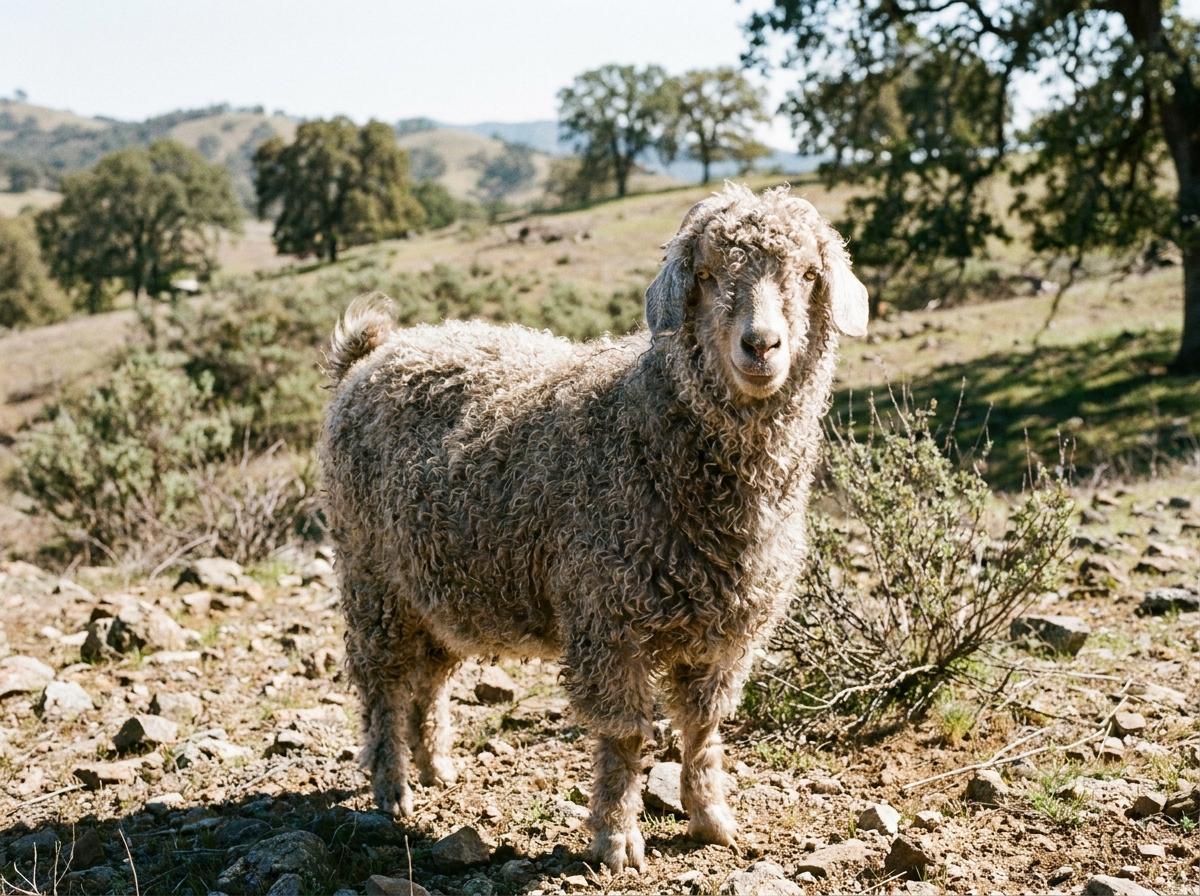
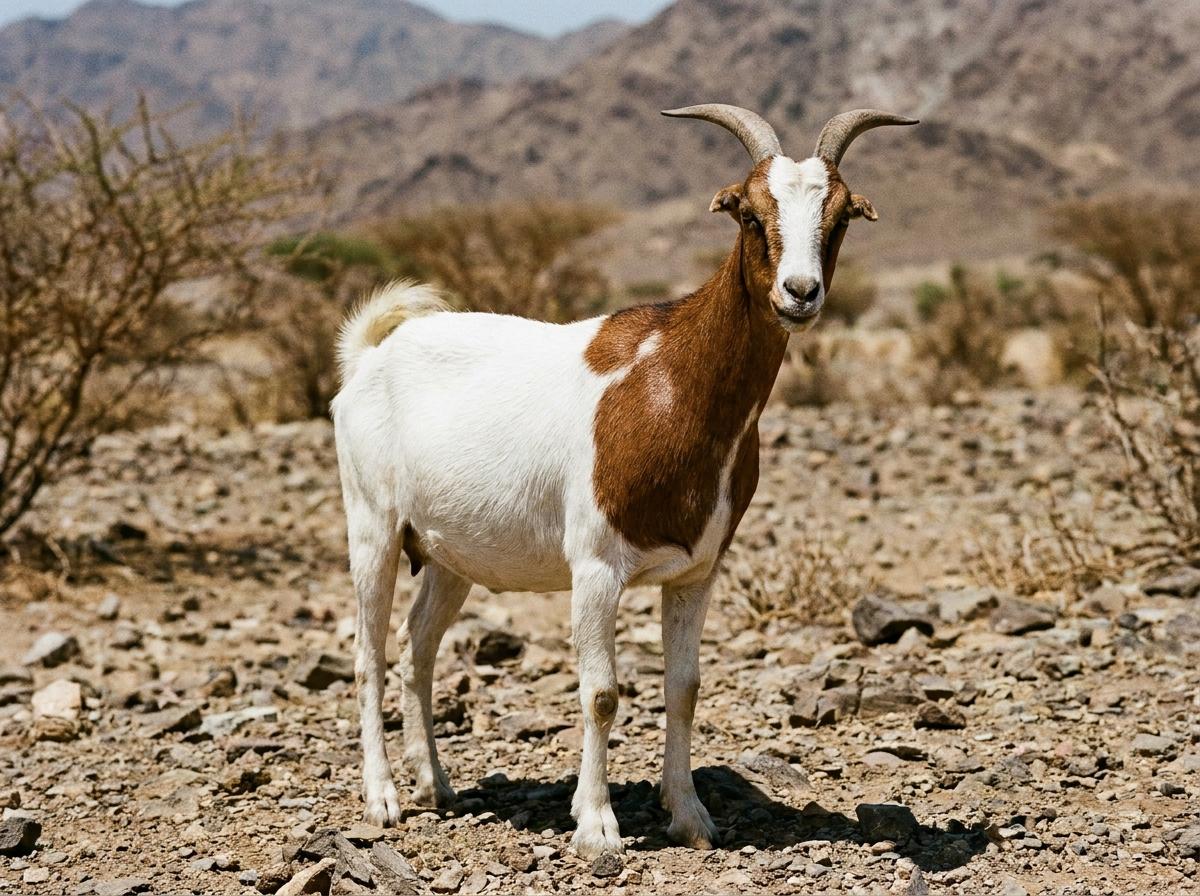
The short-eared Somali is an East African goat type associated with Somalia and neighboring dry regions of the Horn of Africa. It is usually treated as a local landrace or ecotype rather than a tightly standardized international breed. The goats are small to medium sized, heat tolerant, and named for their shorter ears compared with other Somali and Nubian-influenced goats. Coat color can vary widely, including white, brown, black, tan, and mixed patterns, reflecting practical pastoral selection rather than uniform appearance.
These goats are kept by pastoral and agropastoral households for milk, meat, and saleable kids under arid and semi-arid conditions. They are expected to walk, browse thorny vegetation, and cope with seasonal feed shortages, but they still benefit from shade, clean water, and protection during drought or kidding. In wetter climates, internal parasites and foot problems may be more limiting than heat. Conservation or development work with short-eared Somali goats usually focuses on preserving local adaptation, fertility, and household value rather than changing them into a high-input dairy or meat breed.
Colors: Belted, Black, Black and White, Brown, Brown and White, Buckskin, Chamoisee, Cou Blanc, Cou Clair, Cream, Fawn, Gold, Moonspotted, Pinto, Red, Red and White, Roan, Spotted, Sundgau, Swiss Marked, Tan, White