

Vietnamese H'Mong
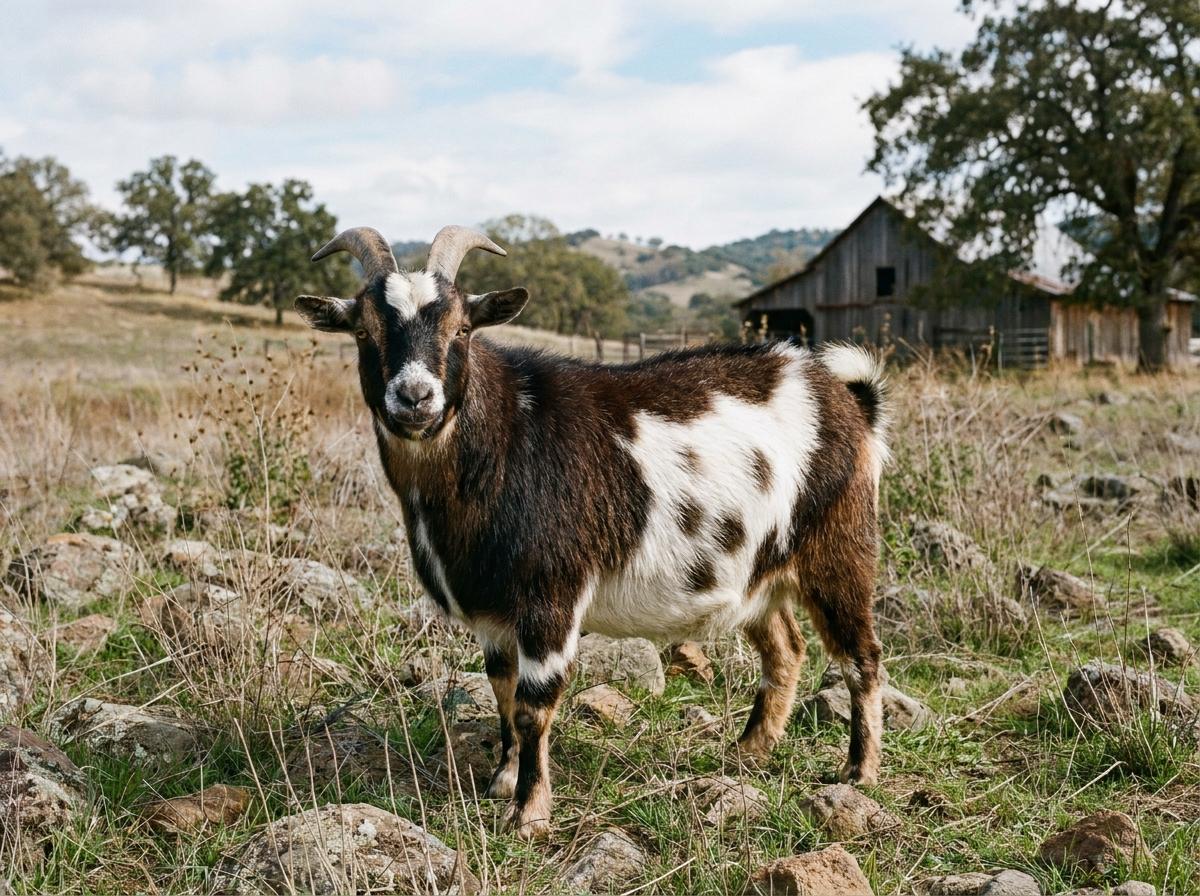
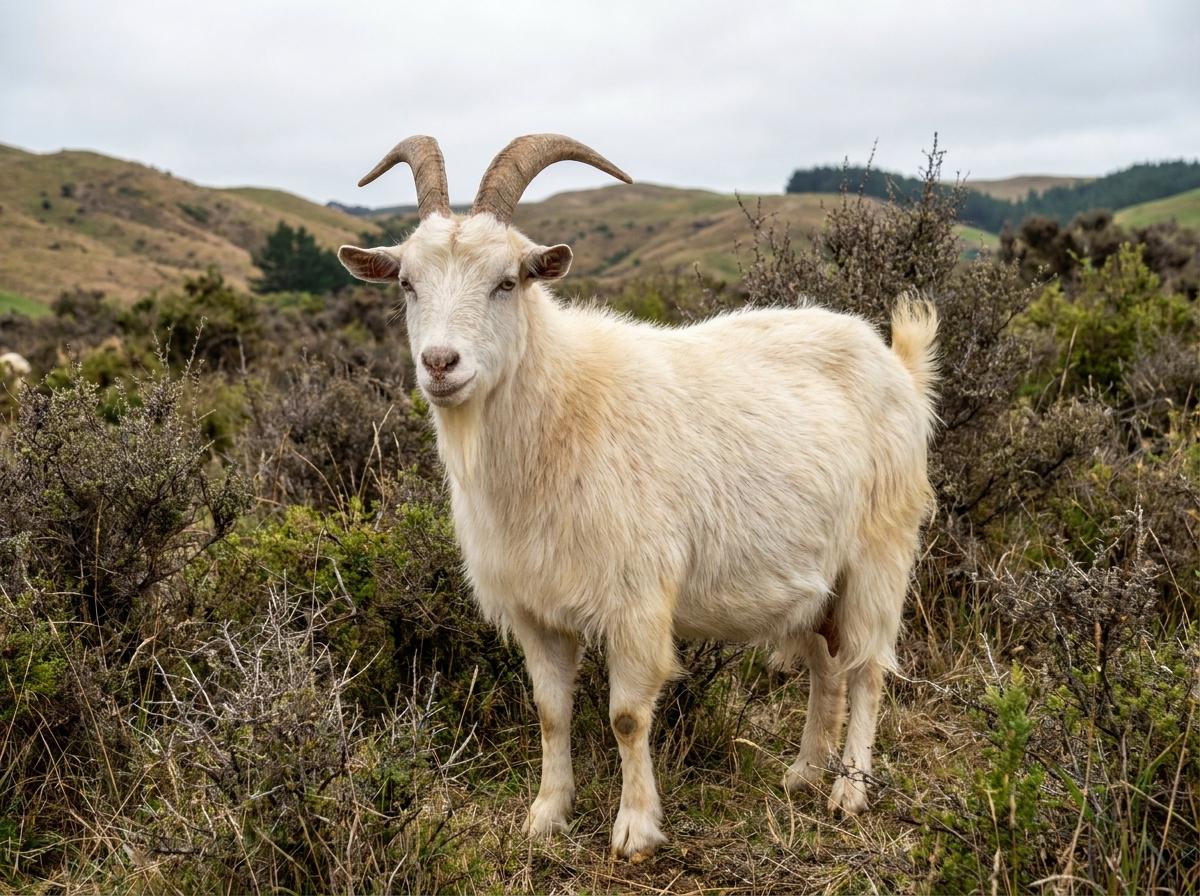
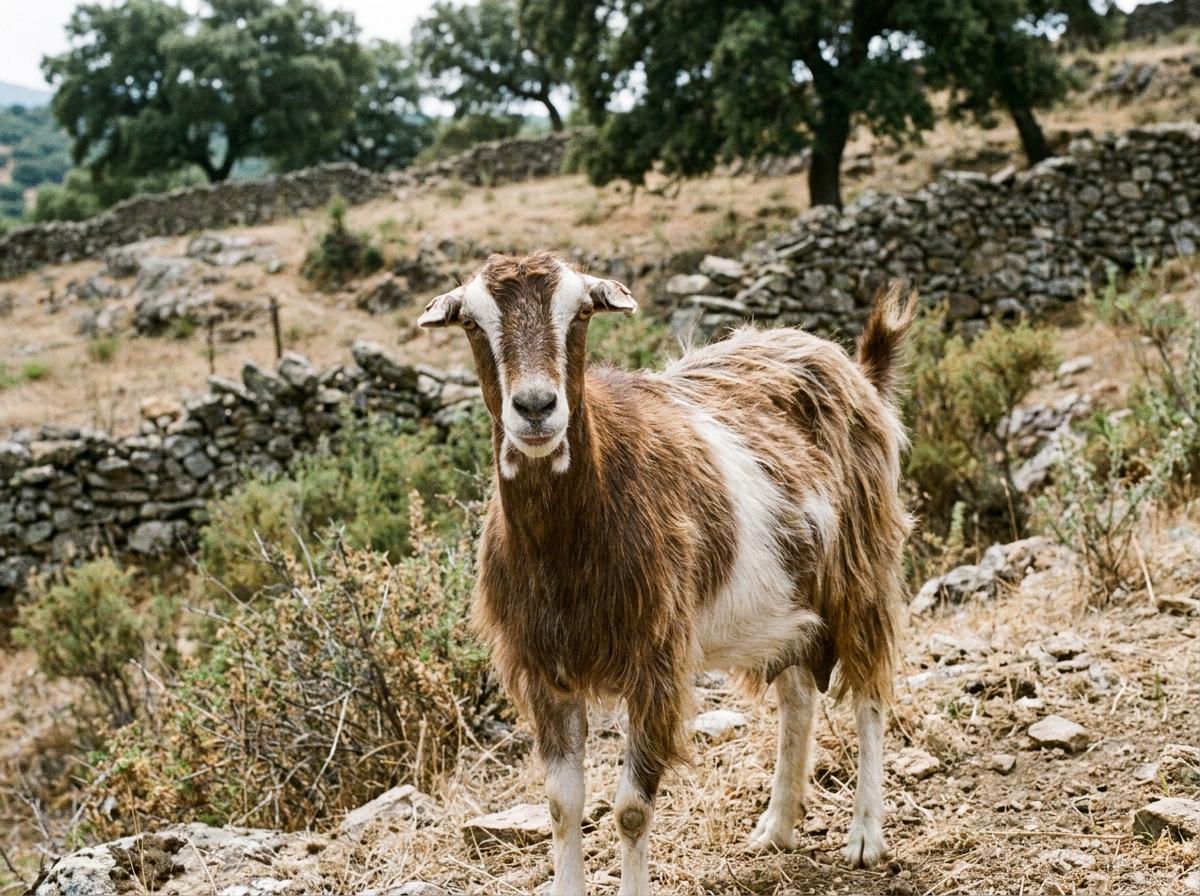
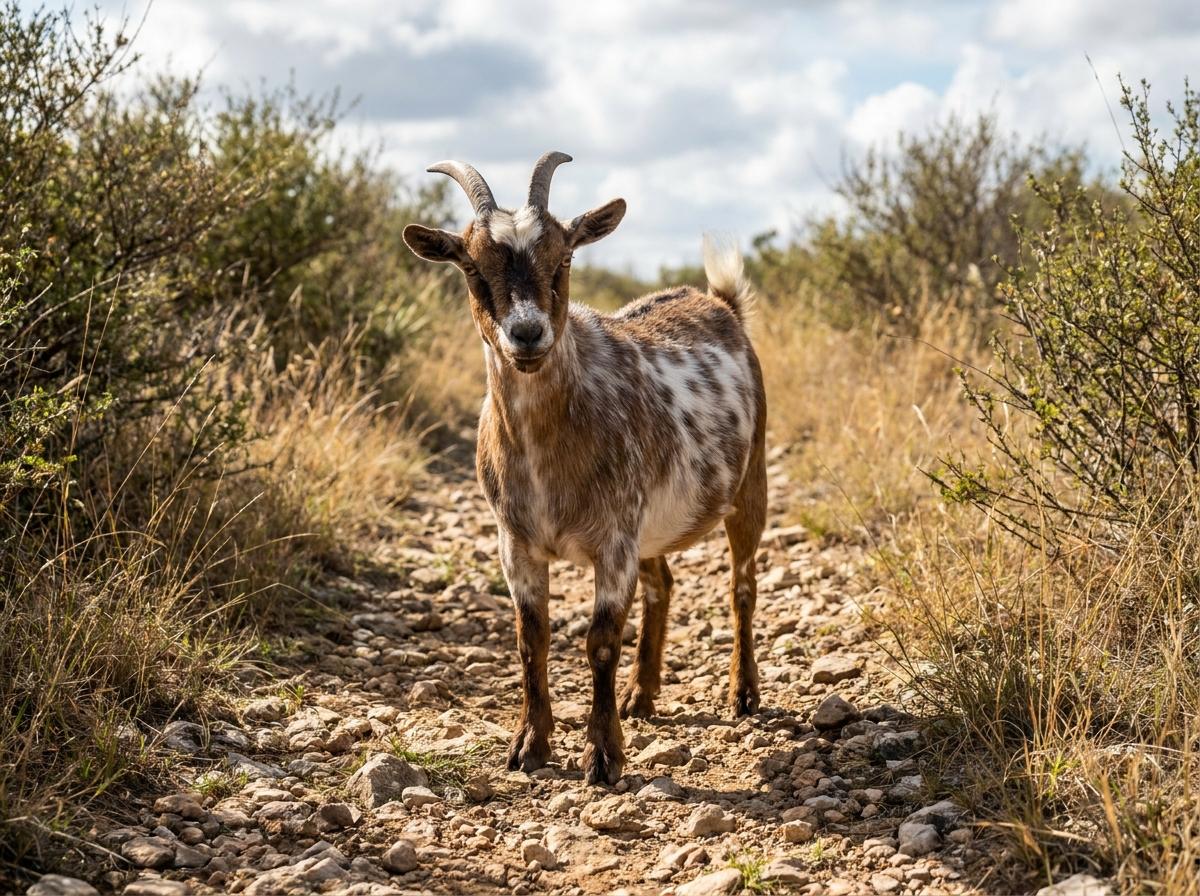
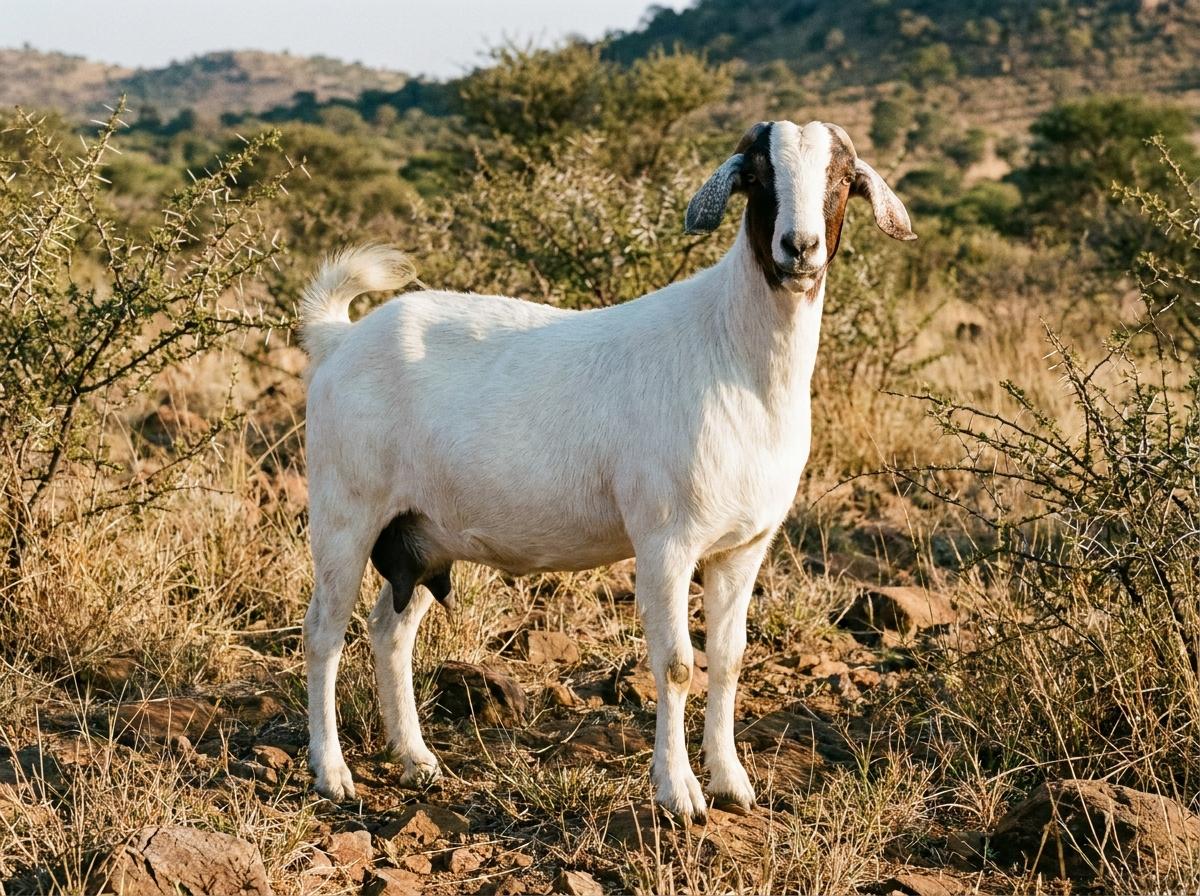
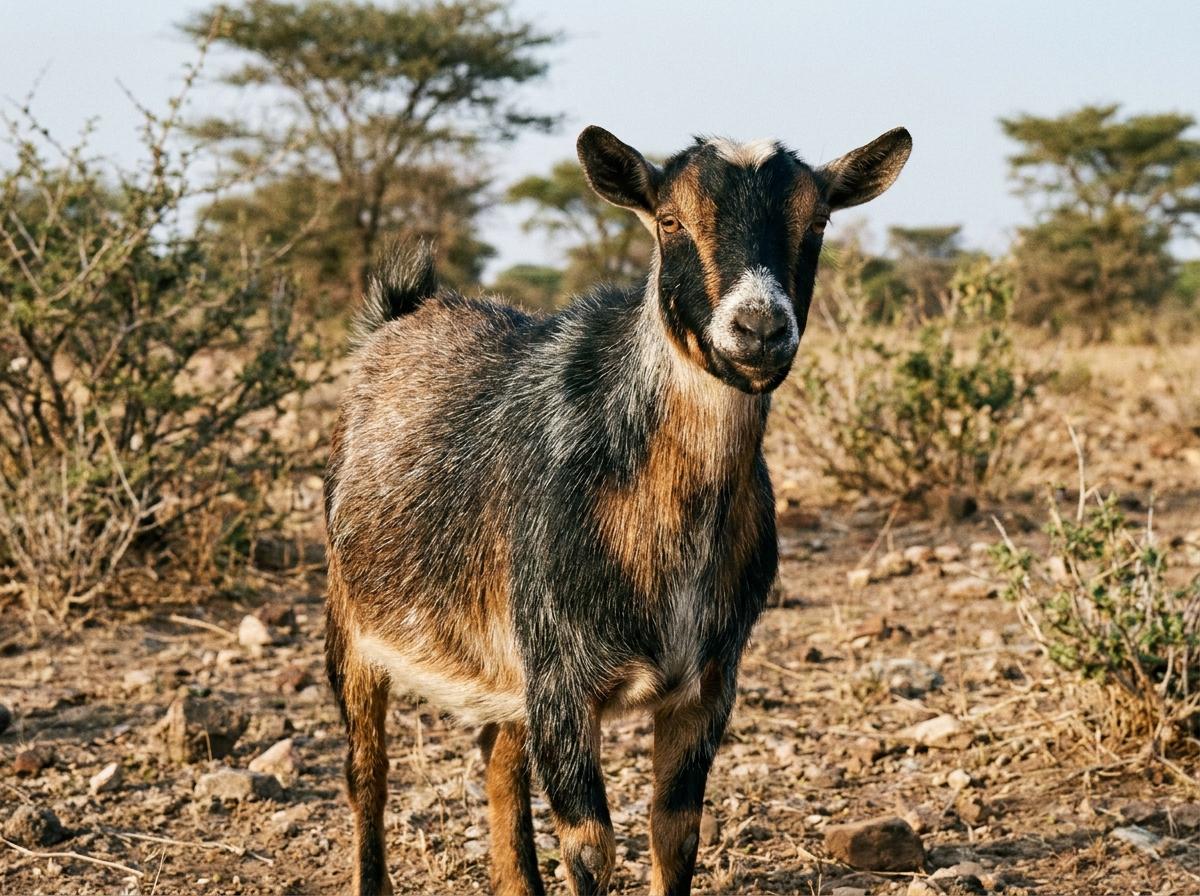
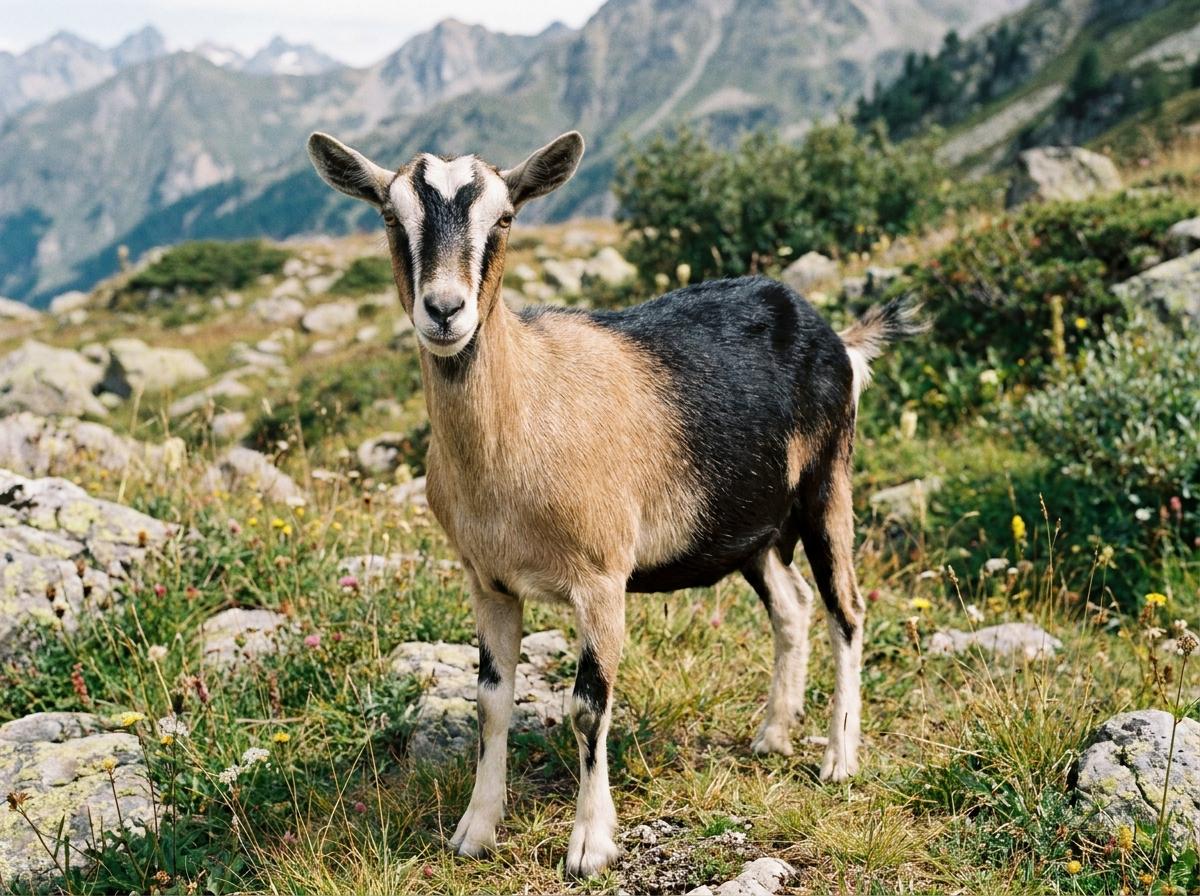
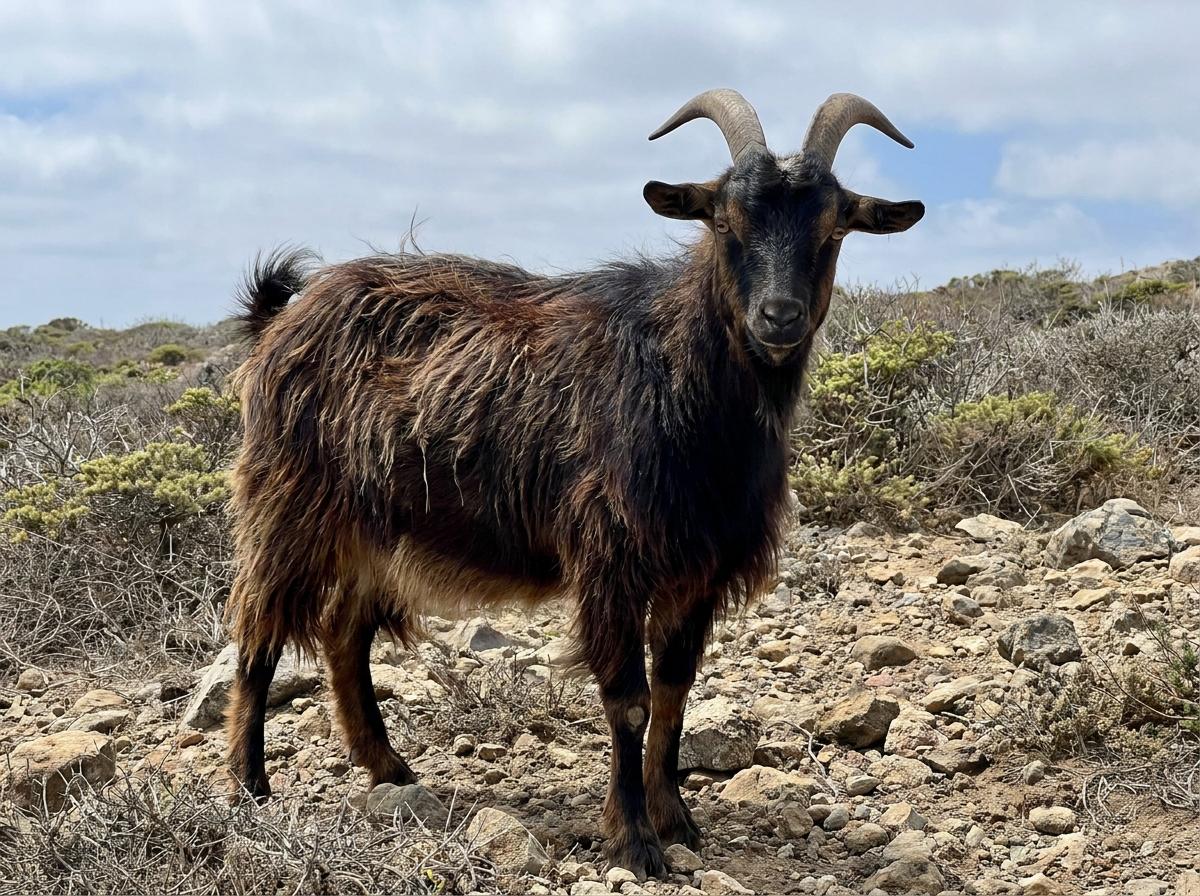
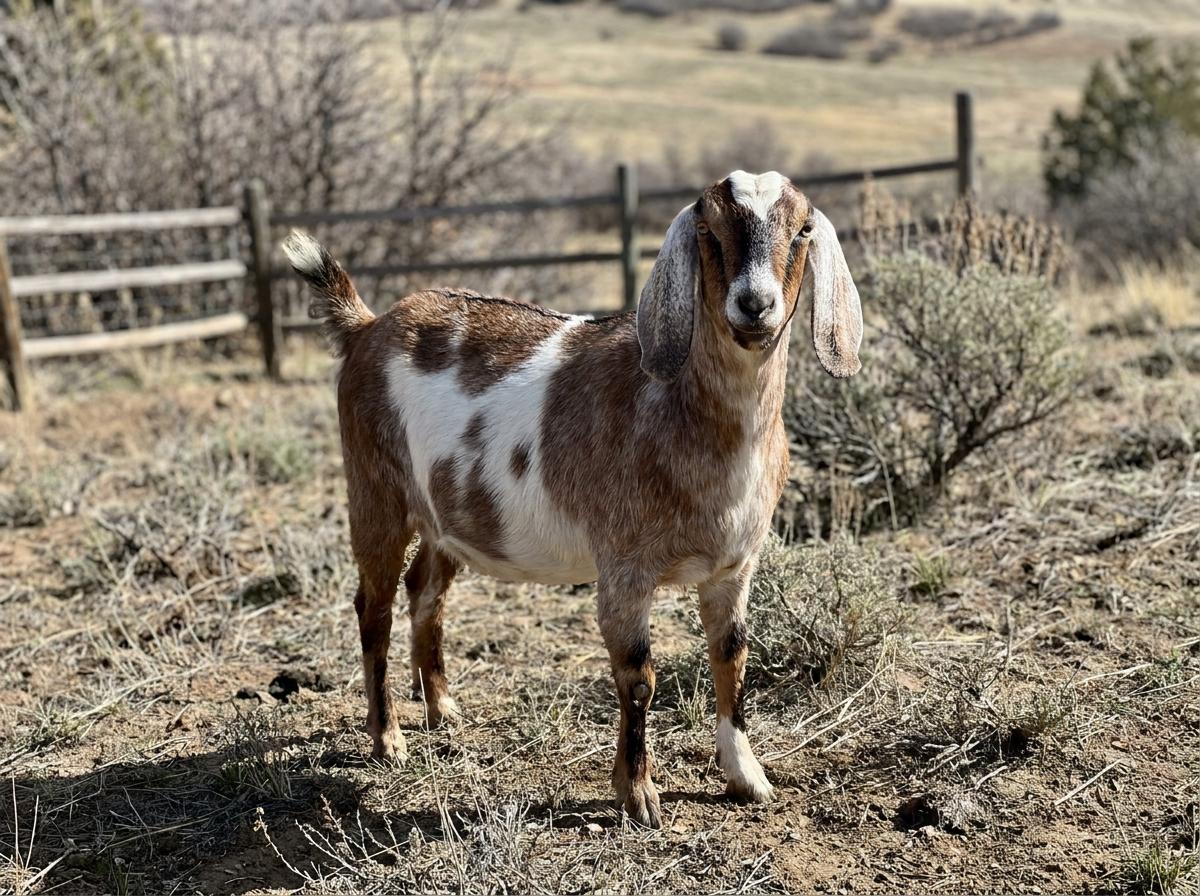
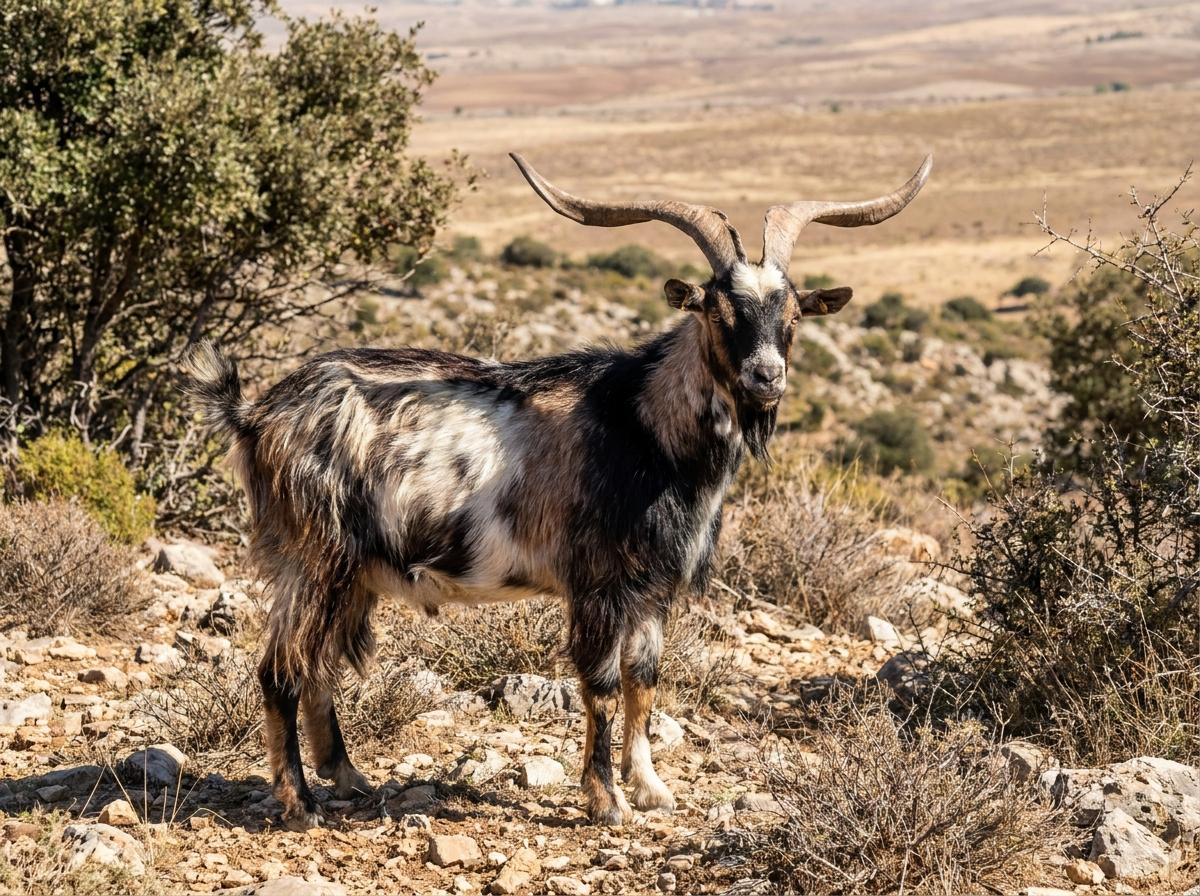
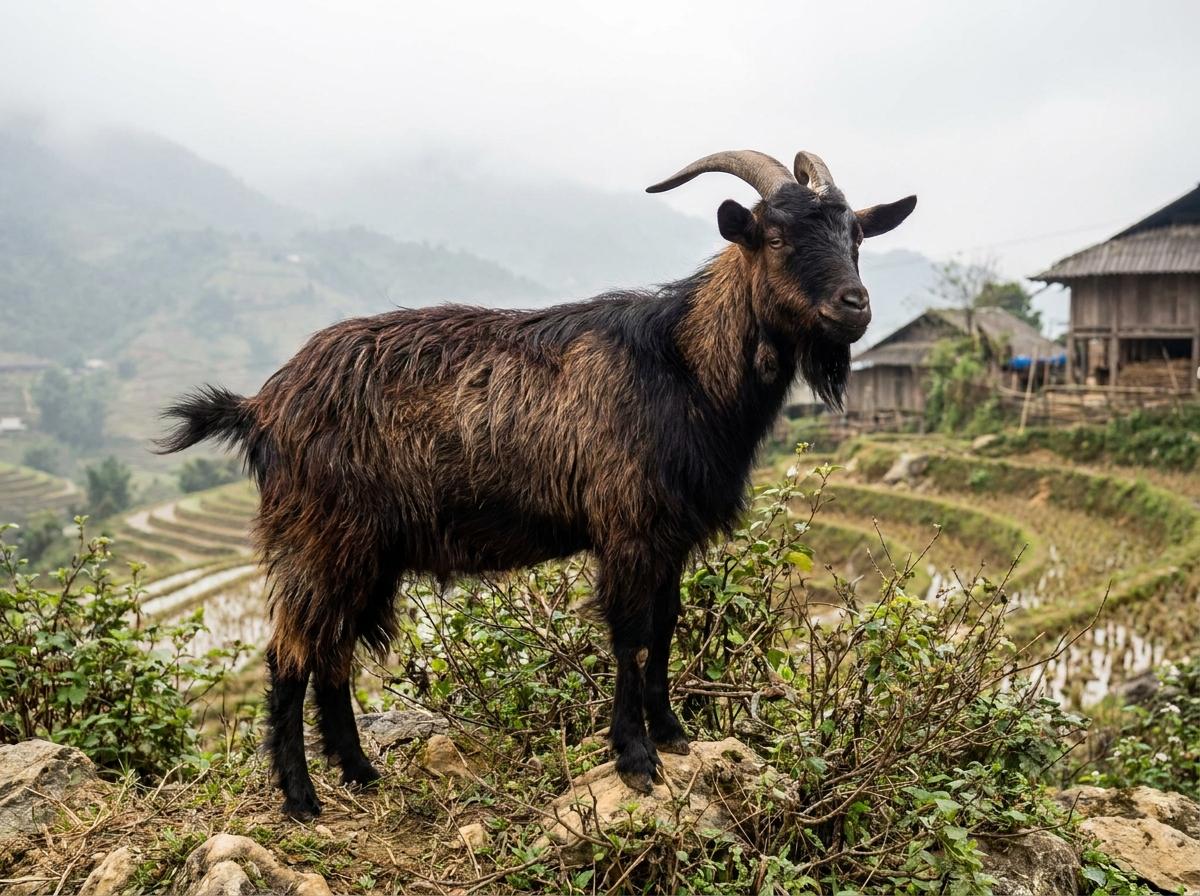
The Vietnamese H'mong goat is a local mountain goat type associated with H'mong communities in northern Vietnam. It is generally kept for meat and household income rather than as a standardized international dairy breed. Animals are small to medium, agile on steep ground, and may have black, brown, pied, or spotted coats with horns common in both sexes. As with many village goat populations, the name can describe a cultural and regional source as much as a closed pedigree, and crossing with other Vietnamese or improved goats may occur.
Typical management combines daytime browsing on hillsides, field edges, and tree leaves with night housing near the household. The humid mountain environment makes parasite control, dry bedding, and ventilation important, especially for kids penned through wet weather. Selection usually rewards growth, mothering ability, survival, and the ability to use rough forage. Buyers, development projects, or researchers should document the village or district of origin and any recent crossbreeding before treating Vietnamese H'mong goats as a uniform breed.
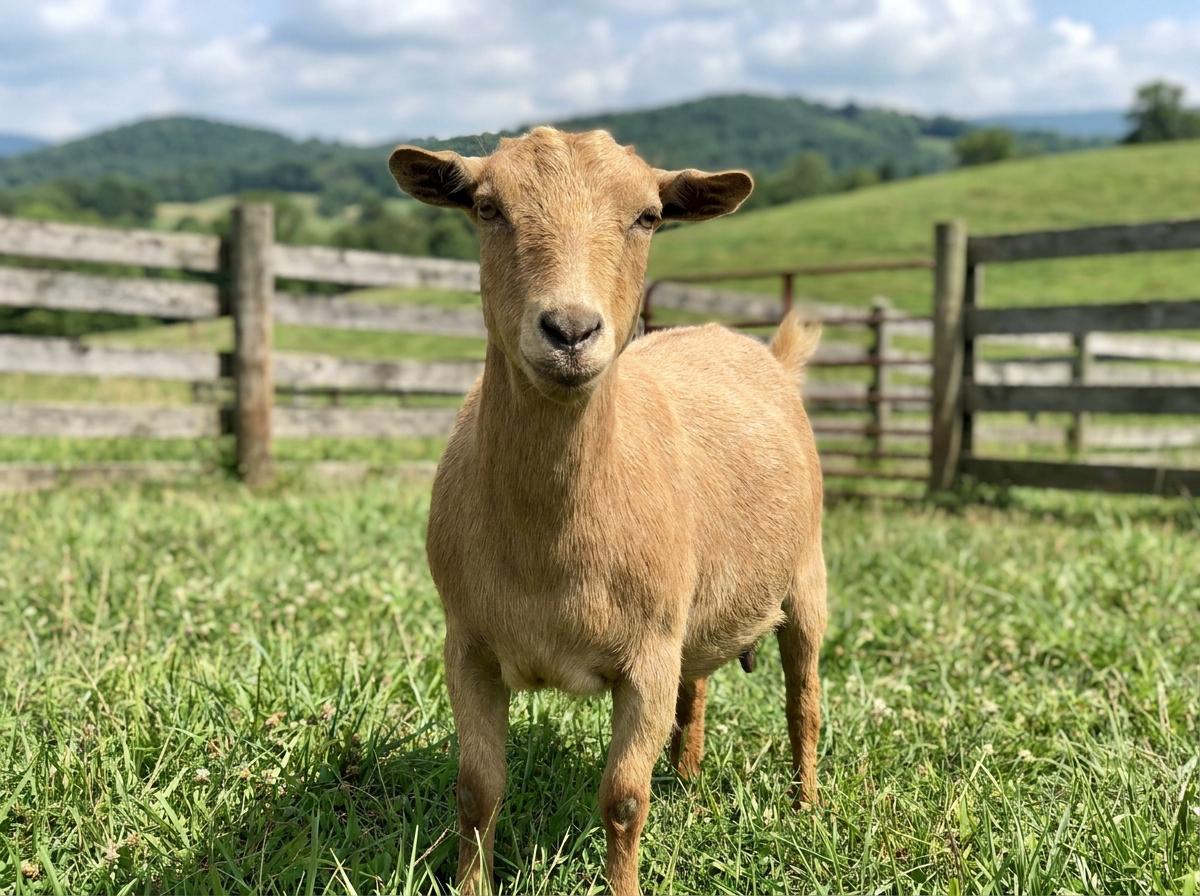
Colors: Belted, Black, Black and White, Black and White Spotted, Black with White Points, Brown, Brown and White, Brown and White Spotted, Brown with White Points, Buckskin, Chamoisee, Cou Blanc, Cou Clair, Cream, Fawn, Gold, Moonspotted, Pinto, Pure Black, Red, Red and White, Roan, Solid Brown, Spotted, Sundgau, Swiss Marked, Tan, White