



Where to Buy a Goat: Choosing a Breed, Vetting a Seller, and the Disease Tests to Ask About
Author: Elliott Garber, DVM
The honest answer to where to buy a goat is that the source matters far less than two questions you settle first: what kind of goat you actually need, and whether the seller can prove the animal is healthy. Goats are cheap to buy and expensive to keep sick, so the real cost of a bad purchase is not the price tag. It is the herd disease you carry home, the fence you did not build, and the single lonely goat that never settles because goats are herd animals and were never meant to live alone.
This guide walks through how to decide what goat fits you (meat, dairy, fiber, or the popular Nigerian Dwarf and myotonic “fainting” pet goats), where to find one responsibly, how to vet a seller, the three biosecurity diseases every goat buyer should ask about by name, how to read a healthy goat in person, the red flags that should end a deal, and the two things (companionship and fencing) you must sort out before you buy anything. Throughout, the practical way to browse sellers, compare them, and set an alert is the Creatures marketplace and breeder directory, which is where the funnel below points.
First decide what kind of goat you need
Goat is not one animal. The breed you choose shapes your fencing, your feed, your time, and whether you are happy in a year, so pick the job before you pick the seller.
- Dairy. If you want milk, the American Dairy Goat Association recognizes nine dairy breeds, including Alpine, LaMancha, Nubian, Saanen, Toggenburg, Oberhasli, and the miniature Nigerian Dwarf. Full-size dairy does mean daily milking and more feed. The Toggenburg and British Alpine are classic Swiss-type dairy breeds worth reading up on before you commit to a milking routine.
- Meat. The common meat breeds in the United States are Boer, Kiko, Spanish, and Myotonic. These are raised for growth and carcass, so you are buying for frame and thrift, not for a milk stand.
- Fiber. Angora and the crossbred Pygora and Nigora goats produce mohair or cashmere-like fiber and suit people who want to spin. Fiber goats need regular shearing or combing, which is real recurring work.
- Pet and small dairy. Pygmy and Nigerian Dwarf goats are the breeds most commonly kept as companion animals, because their small size makes them easy to handle for health checks and moving. Nigerian Dwarfs also give rich, high butterfat milk in a small package, which is why they are so popular on small properties. Myotonic goats, widely known as fainting goats, are the same animals sold as pets for their stiffening reaction, but they are a livestock meat breed at heart and still need the same care.
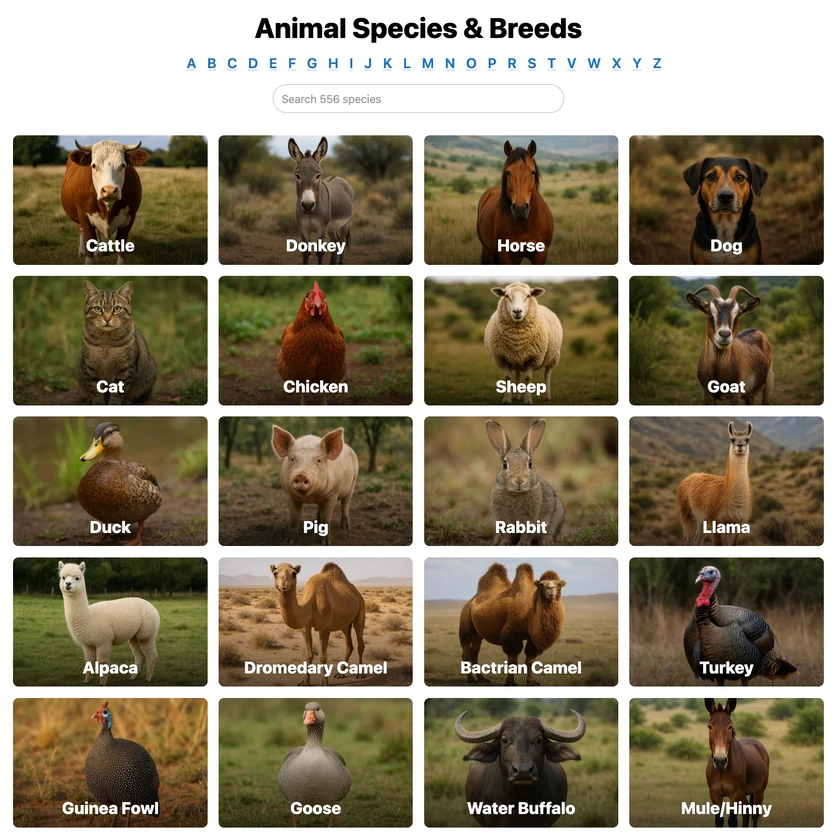
If you are drawn to something less common, the goat world is wide. Creatures has species guides for breeds like the Damascus, the Valais Blackneck, and the small dairy Mini Oberhasli, and you can browse the full Creatures goat species guide to compare temperament, size, and purpose before you narrow down. Deciding the breed first is what keeps you from buying the wrong goat because it happened to be for sale nearby.
Where to buy a goat responsibly
Once you know the job, there are three honest channels, and they trade information for convenience.
A reputable breeder or small farm
A dedicated breeder or a small farm that knows its herd is the best route for most buyers, because you can see the parents, the conditions, and the records. Reliable breeders and livestock dealers are usually transparent about their management practices and health records, and a good one will happily tell you their disease-testing status, deworming routine, and feeding system. This is also where you find goats raised as long-term companions, which matters more than people expect (goats bond with the animals they grew up with, so buying two that already know each other makes for a calmer start).
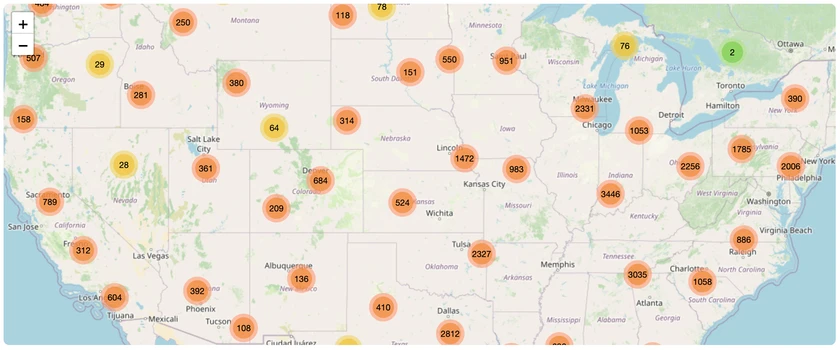
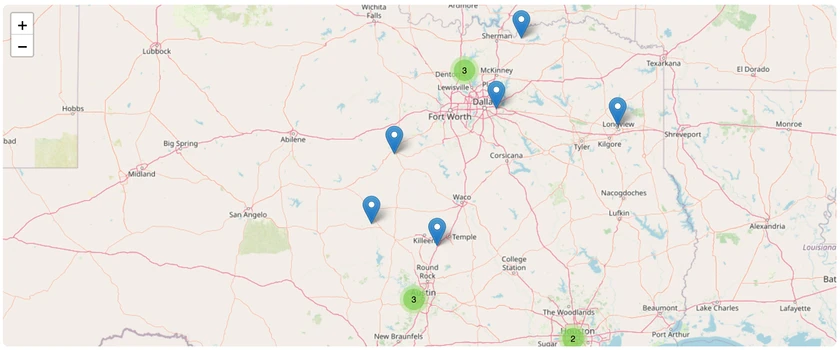
The trade-off is availability. The right breed, sex, and age may not be listed near you today, which is exactly what the Creatures save-search alert below is for. You can also browse people who list goats in the Creatures breeder directory and start a conversation before kids are even on the ground.
A rescue or rehoming
Adoption is a genuine and often overlooked option. Small-ruminant rescues and farm sanctuaries regularly take in goats whose owners underestimated the commitment, which is precisely the commitment this guide is about. You often get an adult with a known temperament and a fee that reflects rehoming rather than breeding. A good rescue can be candid about the animal’s history and, crucially, its health.
Auctions and sale barns, with real caution
Livestock auctions and sale barns are where goats are cheapest and where buying goes wrong most often. Sale-barn animals are frequently mixed from many herds with no shared health history, which is a fast way to bring home CAE, CL, Johne’s disease, foot rot, or a heavy parasite load. You usually cannot test, cannot ask the breeder questions, and cannot meet the animal calmly. Experienced keepers do buy at auction, but they do it with a trained eye, a strict quarantine plan, and a tolerance for risk that a first-time owner should not assume. If you are new, treat the sale barn as advanced mode, not the default.

The three diseases to ask about by name
This is the part most first-time goat buyers skip, and it is the part that separates a healthy start from years of trouble. There are three contagious diseases that every goat buyer should know by name and ask about before money changes hands. They are collectively the reason experienced keepers test before buying.
- CAE (caprine arthritis encephalitis). A viral disease that causes chronic arthritis, hard swollen knees, and a slow decline. It spreads readily within a herd, often through an infected doe’s milk to her kids.
- CL (caseous lymphadenitis). A bacterial disease that produces recurring abscesses at the lymph nodes. It is persistent in a herd and hard to clear once established.
- Johne’s disease. A slow, fatal wasting disease of the gut with no cure, caused by a bacterium that can shed silently for a long time before an animal looks sick.
The good news is that these are testable. Laboratories, including university diagnostic labs such as the Washington Animal Disease Diagnostic Laboratory at Washington State University, run a small-ruminant biosecurity panel that can screen for CAE, CL, and Johne’s from a single blood draw. Extension and veterinary guidance is consistent: test adult goats before you introduce them to a herd or take new ownership, because one untested addition can seed positives across a whole herd within a few years.
So the question to ask any seller is simple and specific: is this herd tested for CAE, CL, and Johne’s, and can I see the results? A seller who tests and shares results is showing you exactly the accountability you want. A seller who has never heard of the panel, or who waves the question away, has told you something important. One caution worth knowing: some CAE-infected goats can test negative for months while still carrying the virus, so a clean test on a young animal from an untested herd is reassuring but not a guarantee. Testing status of the whole herd, plus a quarantine period, is the stronger signal. None of this replaces a veterinarian, and any medical decision belongs to your vet.
How to vet a seller, whichever route you choose
The channel matters less than whether the person on the other end is accountable. A seller worth buying from will do most of the following, and a weak one resists all of it.
- Share disease-testing status. As above, CAE, CL, and Johne’s results for the herd, or at least an honest account of their testing practice.
- Let you visit and see the whole herd. How the other goats look tells you as much as the one you came for. A clean, uncrowded setup with healthy herdmates is a good sign.
- Answer management questions straight. Diet, deworming, vaccination, kidding, and hoof-care routines should all get direct answers, not deflection.
- Be honest about age, sex, and purpose. A good seller steers you toward the right animal for your goal, and will tell you if a goat is not suited to it.
- Sell you companionship, not a single goat. A seller who understands goats will expect you to take two, or ask what goats you already keep.
You can carry that same standard onto the Creatures marketplace. Message a seller, ask these questions in writing, and keep the conversation and any agreement in one place. The help article on making an offer on a listing walks through how offers and messages work so the terms are clear before money changes hands.
How to read a healthy goat in person
Bring this list to the meeting. A calm five-minute check catches most of what matters.
- Eyes. Bright and clear. Discharge, cloudiness, or redness can point to pink eye or other infection.
- Coat and skin. A shiny, full coat suggests good nutrition. A dull or rough coat can mean parasites or poor condition. Part the hair and look for tiny moving specks, the sign of lice or mites.
- Body condition. Run a hand along the spine and ribs. You want some flesh, not sharp bones and not an unhealthy pot belly. Very thin or very fat are both reasons to pause. A bottle-jaw swelling under the jaw can signal heavy parasites and anemia.
- Hooves and feet. Pick up the feet if you can. Trimmed hooves with no foul smell are good. A bad smell, or white patches and sores between the toes, points to foot rot or scald, and one case in a herd is a reason to walk away.
- Breathing and gait. Easy breathing, no persistent cough, and a smooth even walk. Swollen knees or stiffness can be an early sign of CAE.
- Disbudding and horns. Many pet and dairy goats are disbudded as kids so they cannot grow horns. Ask whether the goat is disbudded, horned, or polled, and make sure that matches your fencing and your plans.
- For a pet male, buy a wether. A castrated male (a wether) makes a calm, affordable, friendly pet. An intact buck is strong, smelly in season, and harder to manage, and is not what you want as a companion animal.
None of this replaces a veterinary exam. Whatever the source, line up a goat-capable veterinarian before you bring the animal home, plan a quarantine away from any goats you already keep, and defer any medical decision to that vet.
Red flags that should end a deal
Some signals are worth walking away over, even if the goat is cheap and cute.
- No disease testing and no interest in it. A seller who cannot discuss CAE, CL, and Johne’s is not managing biosecurity.
- Mixed, unknown auction stock sold as healthy. Animals pulled from many herds with no shared history carry the highest disease risk.
- A single goat pushed as fine to keep alone. It is not, and a seller who says otherwise does not understand the species.
- Sick herdmates. Runny eyes, coughing, diarrhea, limping, or abscesses on other goats mean the one you want has been exposed.
- Pressure and urgency. Being rushed to pay a deposit or take the goat today is a manipulation tactic, not a real constraint. Legitimate sellers expect questions and an in-person meeting.
- Shipping-only, cash-or-wire, photos only. Insisting you pay by irreversible methods for an animal you never meet in person is the classic scam pattern. Keeping the search, the messages, and the agreement on one platform protects you here.
Before you buy: companionship and fencing
Two realities catch more new goat owners than any disease, and both must be settled before the animal arrives.
Never buy just one goat. Goats are herd animals, and being alone is genuinely distressing for them. A lone goat is bored, stressed, noisy, and far more likely to escape. Plan for at least two from the start, ideally animals that already know each other. Two wethers are an easy, affordable, low-drama pair for a first-time owner.
Sort your fence first. Goats are famous escape artists that push, climb, and squeeze through any gap. Extension and fencing guidance points to woven wire fencing, commonly around 4 to 5 feet tall, with openings small enough that a goat cannot get its head through, because where the head goes the body follows. Barbed wire is a poor choice for goats. Space matters too: as a rough planning figure, one acre supports somewhere in the range of six to a dozen goats depending on forage and management. A good fence built before the goats arrive is cheaper and calmer than chasing loose goats after they do.

Frequently asked questions
Where is the best place to buy a goat?
For most first-time owners, a reputable breeder or a small farm that tests its herd and answers questions openly is the best route, because you can see the conditions, meet the parents, and get real health information. Rescues are excellent for a known-history adult. Auctions are cheapest but carry the highest disease risk and suit experienced buyers with a quarantine plan, not beginners.
What diseases should I ask about before buying a goat?
The big three are CAE (caprine arthritis encephalitis), CL (caseous lymphadenitis), and Johne’s disease. All three are contagious and hard to clear once in a herd, and all three can be screened from a single blood draw through a small-ruminant biosecurity panel. Ask the seller for the herd’s testing status in writing.
Can I keep just one goat?
No. Goats are herd animals and suffer when kept alone. Always plan for at least two, ideally companions that already know each other. Two wethers make an easy pair for a pet setup.
What is the best goat breed for a pet?
Pygmy and Nigerian Dwarf goats are the most common pet breeds because they are small and easy to handle, and the Nigerian Dwarf doubles as a small dairy goat. Myotonic (fainting) goats are also kept as pets. For any pet male, choose a wether rather than an intact buck.
What should I check when looking at a goat in person?
Clear eyes, a shiny full coat with no crawling parasites, good body condition over the ribs and spine, clean well-trimmed hooves with no foul smell, and easy breathing with a smooth gait. Look at the whole herd, not just your goat, and always follow up with a veterinary exam and a quarantine period.
Do this next on Creatures
Whether you are deciding on a breed, waiting for the right tested goat, or ready to bring a pair home, Creatures is the marketplace, directory, and records layer to do it in one place, so you can vet a seller instead of gambling on unknown stock.
Get alerted when the right goat is listed. The breed, sex, and age you want may not be near you today. Set a free goat listing alert and Creatures will tell you when a match is posted. No account needed to start, and you can learn more in saving searches and using your watchlist.
Browse what is available now. See current goats on the marketplace and search trusted breeders and farms in the Creatures directory. When you find one, the making an offer on a listing guide shows how to message the seller and agree terms in writing.
Add your goat. Already have one? Create a free animal profile in a few minutes. No account needed to start, and the walkthrough is in adding an animal to Creatures.
Track health from day one. With disease testing, deworming, and hoof care to stay on top of, records matter. Add a health record on Creatures. The record sheet opens for any visitor to look around, and a free account saves what you enter. See adding a record for the full how-to.
Breed or rescue goats? Create a breeder or rescue profile so people searching for a goat can find you, and see getting listed in the breeder directory. No account needed to start.