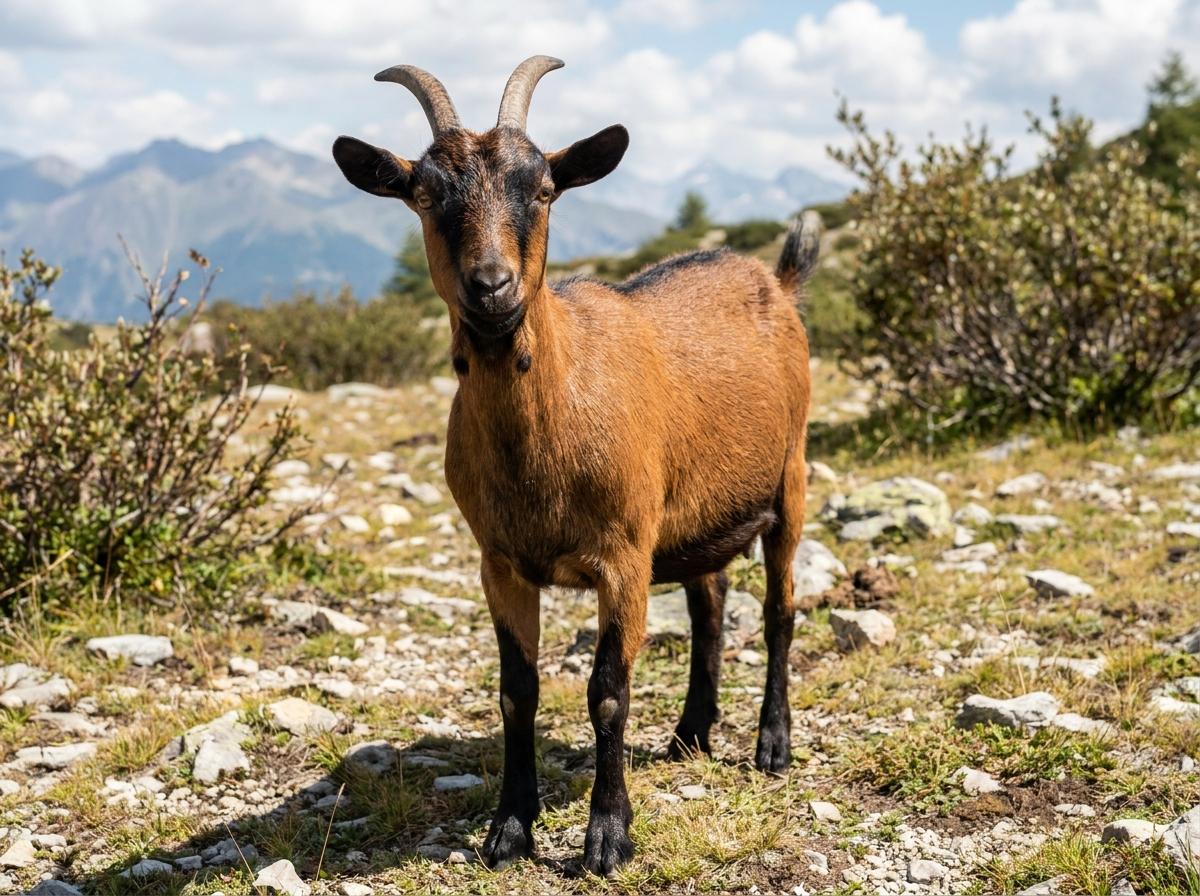
Mini Oberhasli
The Mini Oberhasli is a miniature dairy goat that packs the look and dairy character of the Swiss Oberhasli into a smaller, more homestead-friendly frame. It is made by crossing a standard Oberhasli with a Nigerian Dwarf and then breeding back toward the Oberhasli type at a reduced size, so a good one keeps the breed’s signature chamoisee coloring: a rich reddish-bay body with sharp black markings, small erect ears, and the alert, gentle temperament dairy keepers prize. If you want real goat milk from an animal you can lift, halter, and house in a modest paddock, this is one of the most sensible choices out there. Below you will find what the Mini Oberhasli is, where it comes from, how it looks, how much milk it gives, how it is registered, what it costs, and what to check before you buy one.

Browse listings, public profiles, breeders, or add your animal.
What is a Mini Oberhasli goat?
A Mini Oberhasli is a miniature dairy goat created by crossing a standard Oberhasli with a Nigerian Dwarf, then selecting the offspring back toward the Oberhasli type in a smaller body. The goal is a goat that looks and milks like an Oberhasli but stands closer to the size of the little Nigerian Dwarf, so it is easier to house, handle, and feed than a full-sized dairy goat.
The parent breeds explain almost everything about the result. The Oberhasli is a mid-sized Swiss dairy breed with a distinctive reddish-bay coat and black markings, recognized as its own breed by the American Dairy Goat Association (ADGA) in the late 1970s. The Nigerian Dwarf is a true miniature dairy goat of West African ancestry, small in frame but famous for sweet, high-butterfat milk. Cross the two and select carefully, and you get a compact dairy goat that keeps the Oberhasli color pattern and dairy character at a smaller scale. If you are still comparing breeds, the broader Creatures goat species page is a good place to weigh the Mini Oberhasli against other dairy and miniature goats.
It helps to be precise about the family tree. The Mini Oberhasli is not an ancient landrace or a naturally small wild goat. It is a deliberate composite, still being refined by breeders and registries in North America, and the name describes a type and a color pattern more than a closed, centuries-old breed. That is not a knock on it. It simply means you should judge an individual animal on its parentage, its papers, and its conformation rather than assume every goat sold as a “Mini Oberhasli” is the same thing.
Where the Mini Oberhasli comes from
To understand the Mini Oberhasli, start with the standard Oberhasli. That breed traces to the Chamois Colored goats of the Oberhasli district in the Bernese Oberland of central Switzerland. Swiss stock was imported to the United States and developed into a distinct registered breed, and ADGA accepted the Oberhasli as an official breed in the late 1970s. Its hallmark is the chamoisee color, a reddish-bay coat with a specific set of black markings, paired with erect ears and a straight or slightly dished face. For the fuller story of that Swiss parent breed and how the American Oberhasli relates to the original Chamois Coloured goat, see the Chamois Coloured goat breed guide.
The miniature version is a much more recent North American project. Miniature dairy goats as a category were built by crossing standard Swiss and other dairy breeds with the Nigerian Dwarf, then breeding forward to fix a smaller, dairy-typed animal that still resembles its full-sized parent breed. The Mini Oberhasli is the Oberhasli line of that effort. Rather than a single origin date, think of it as an ongoing breeding program run through registries that track how much standard versus Nigerian Dwarf blood an animal carries and how close it comes to the target type.

What a Mini Oberhasli looks like
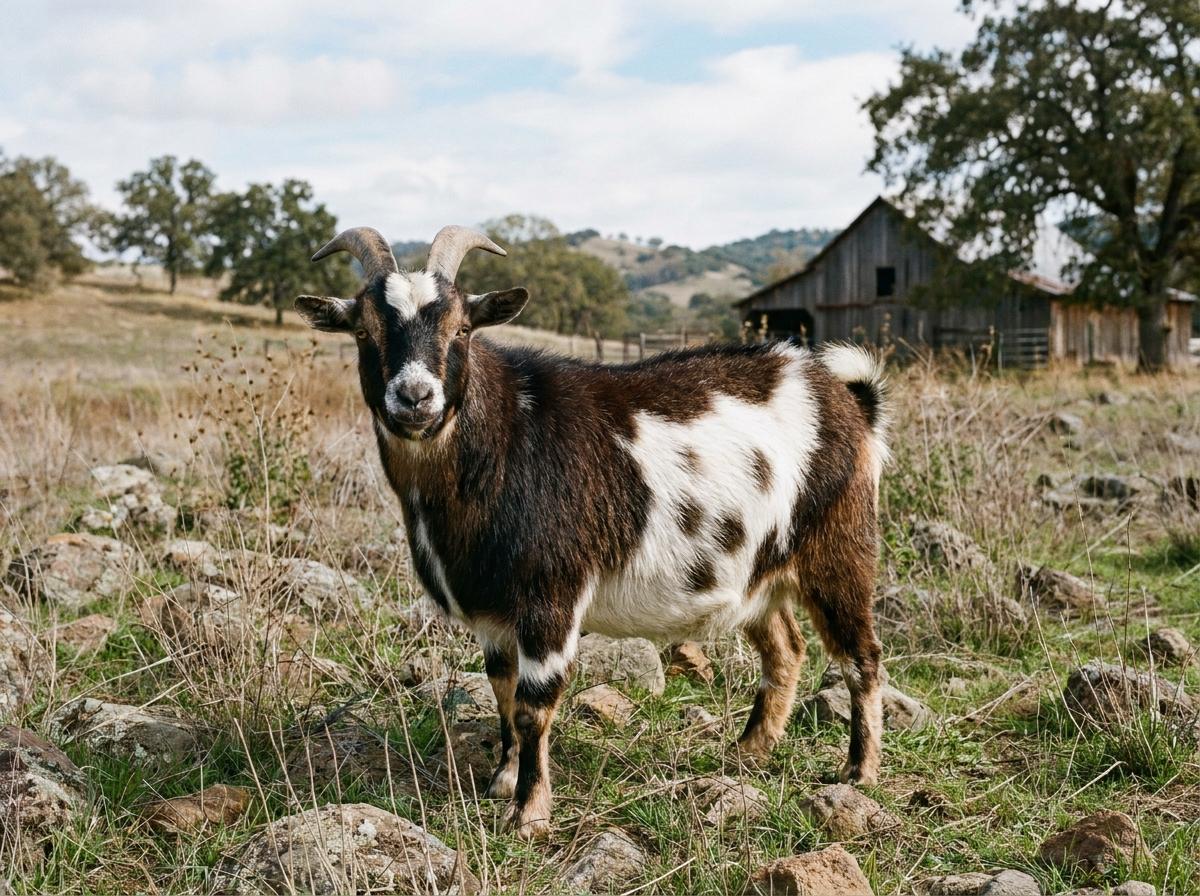
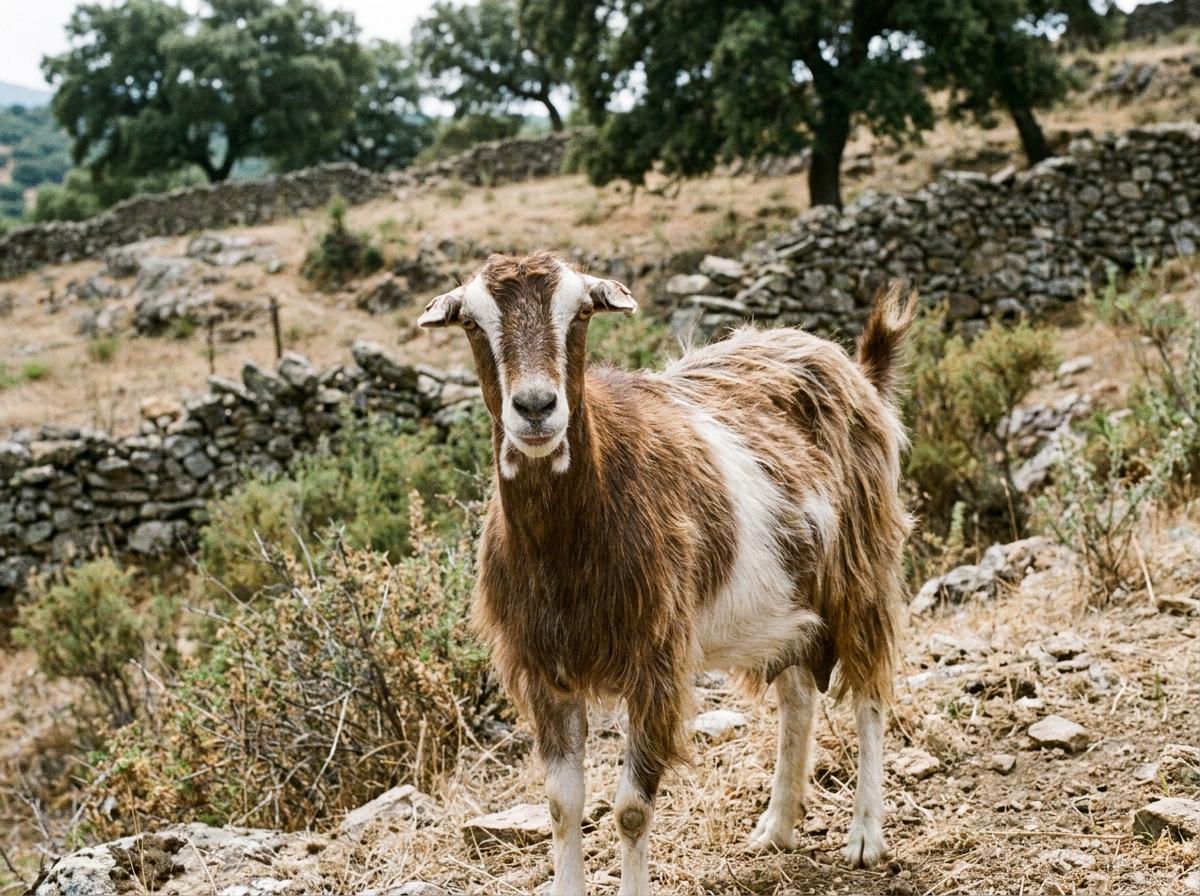
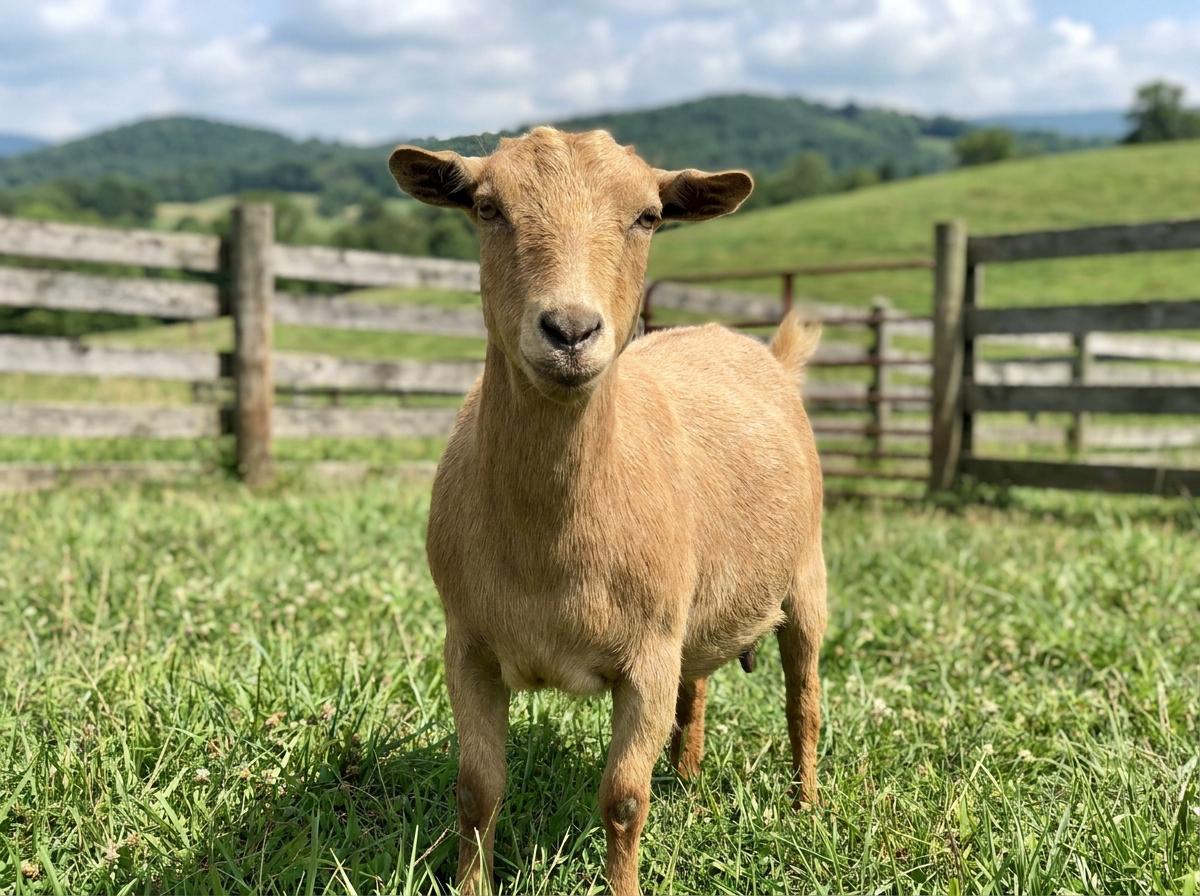
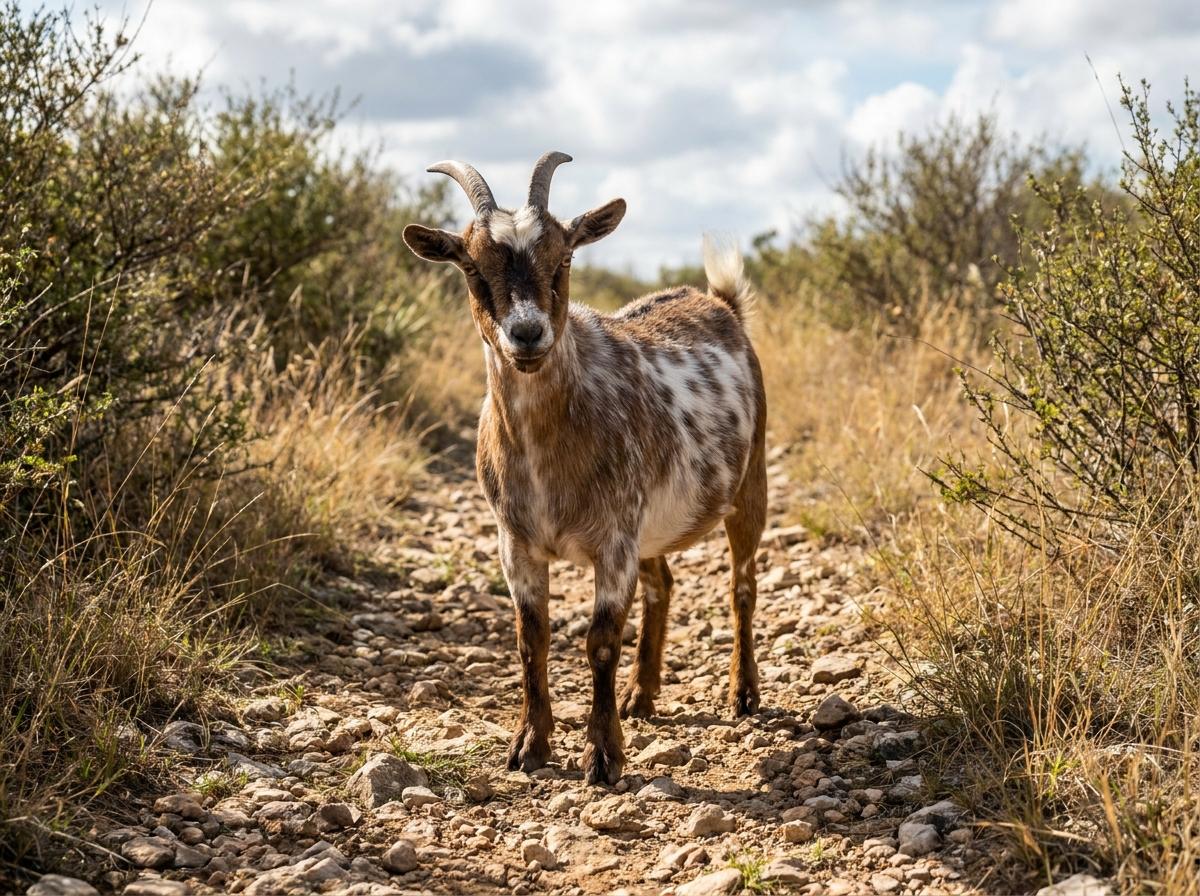
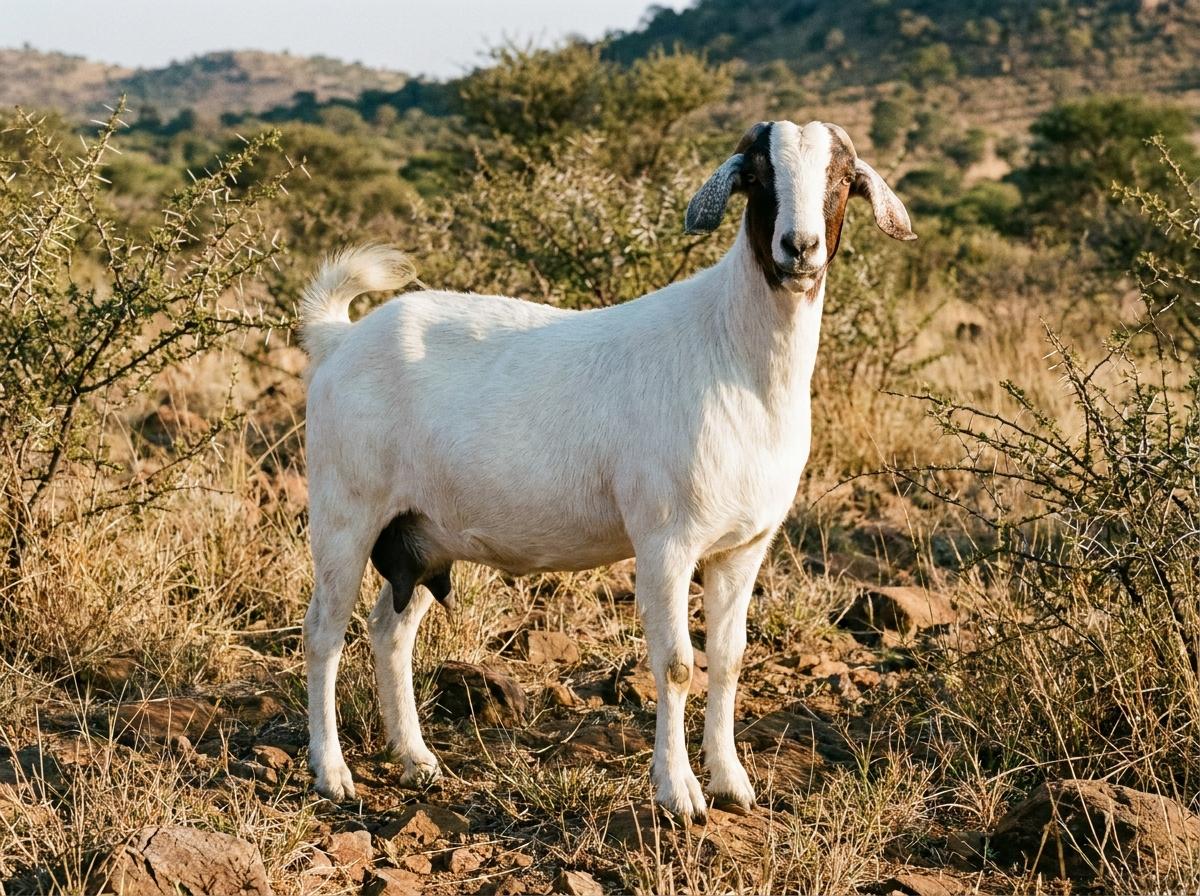
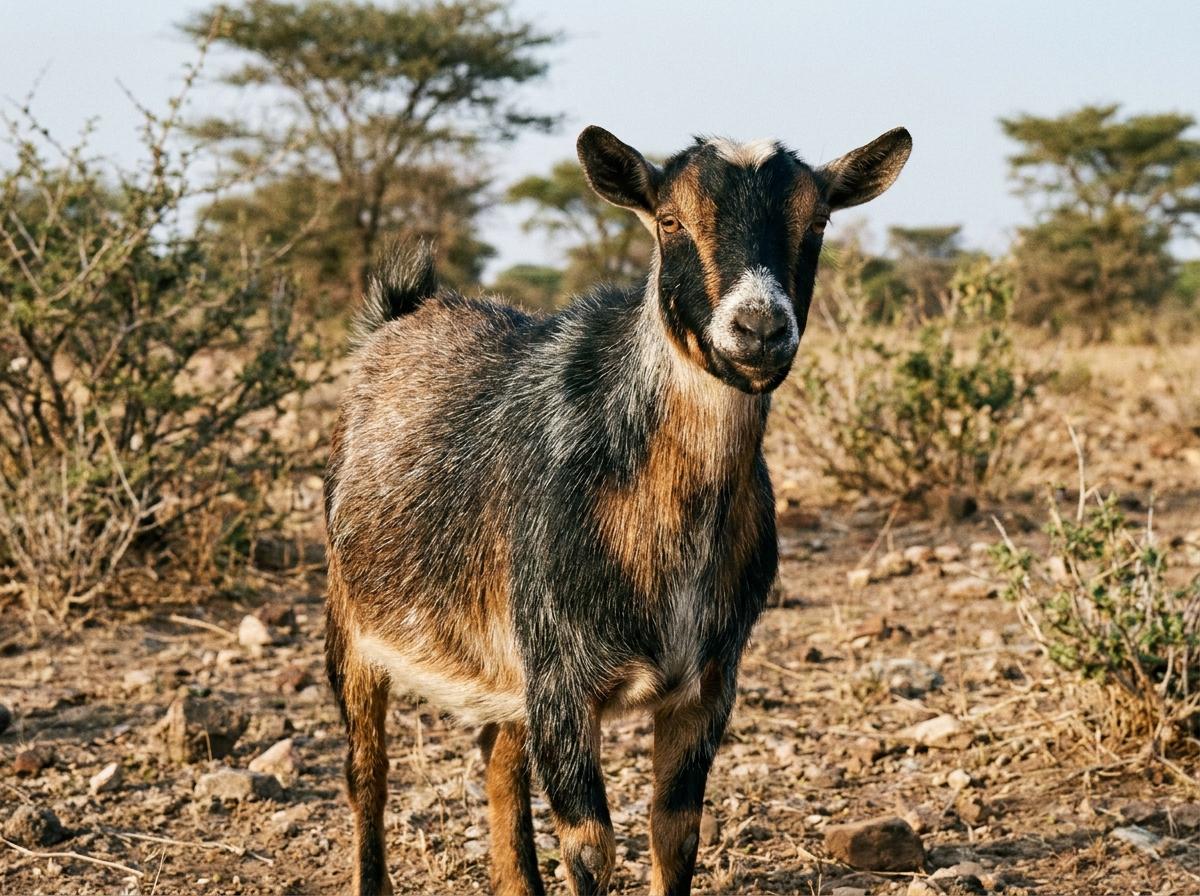
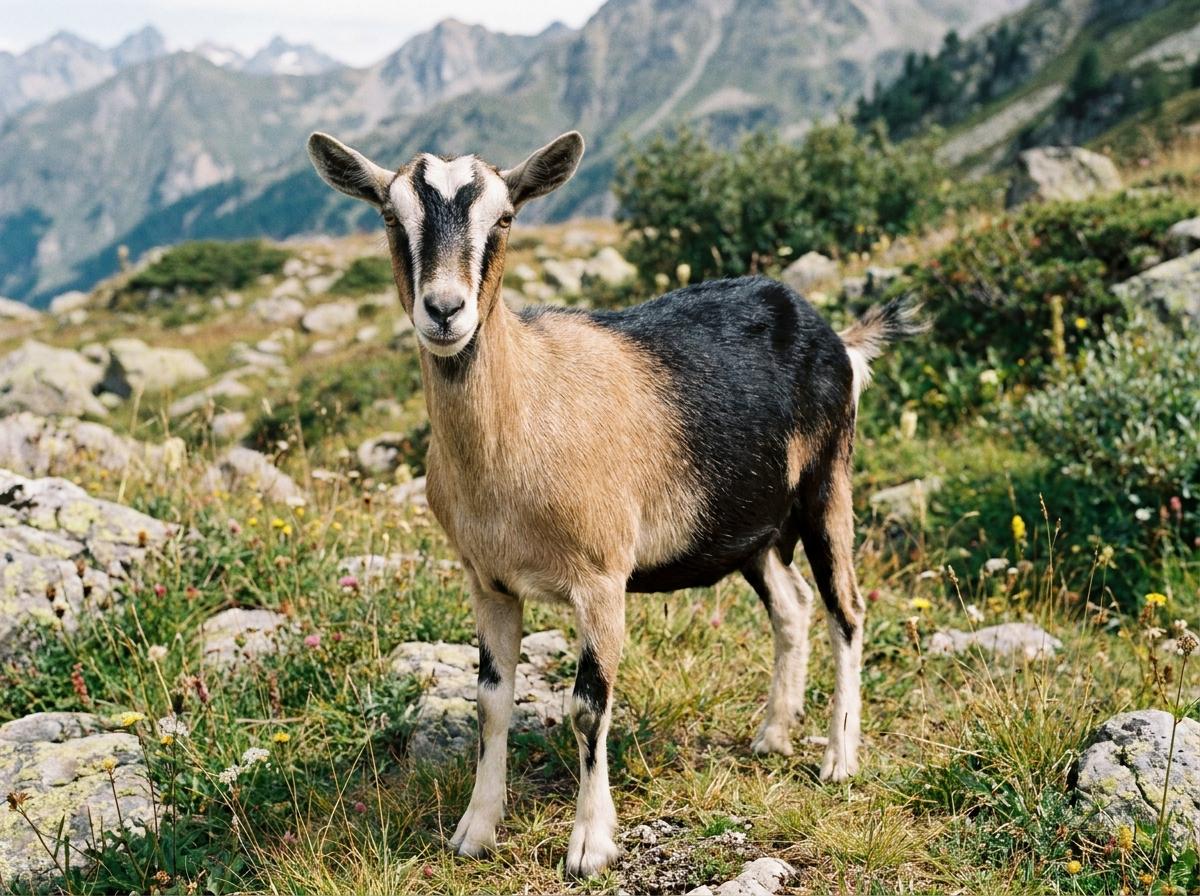
A well-bred Mini Oberhasli reads instantly as a small Oberhasli. The diagnostic features come straight from the standard breed, scaled down.
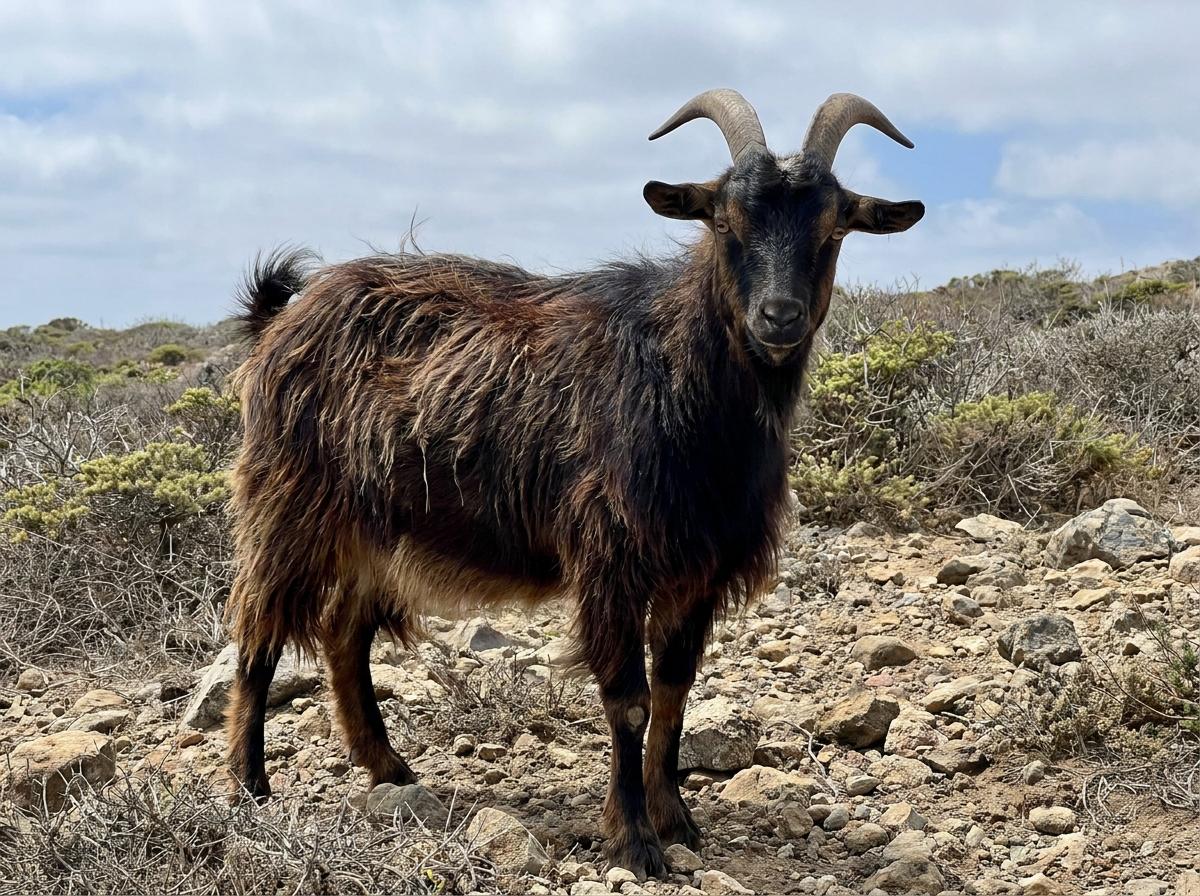
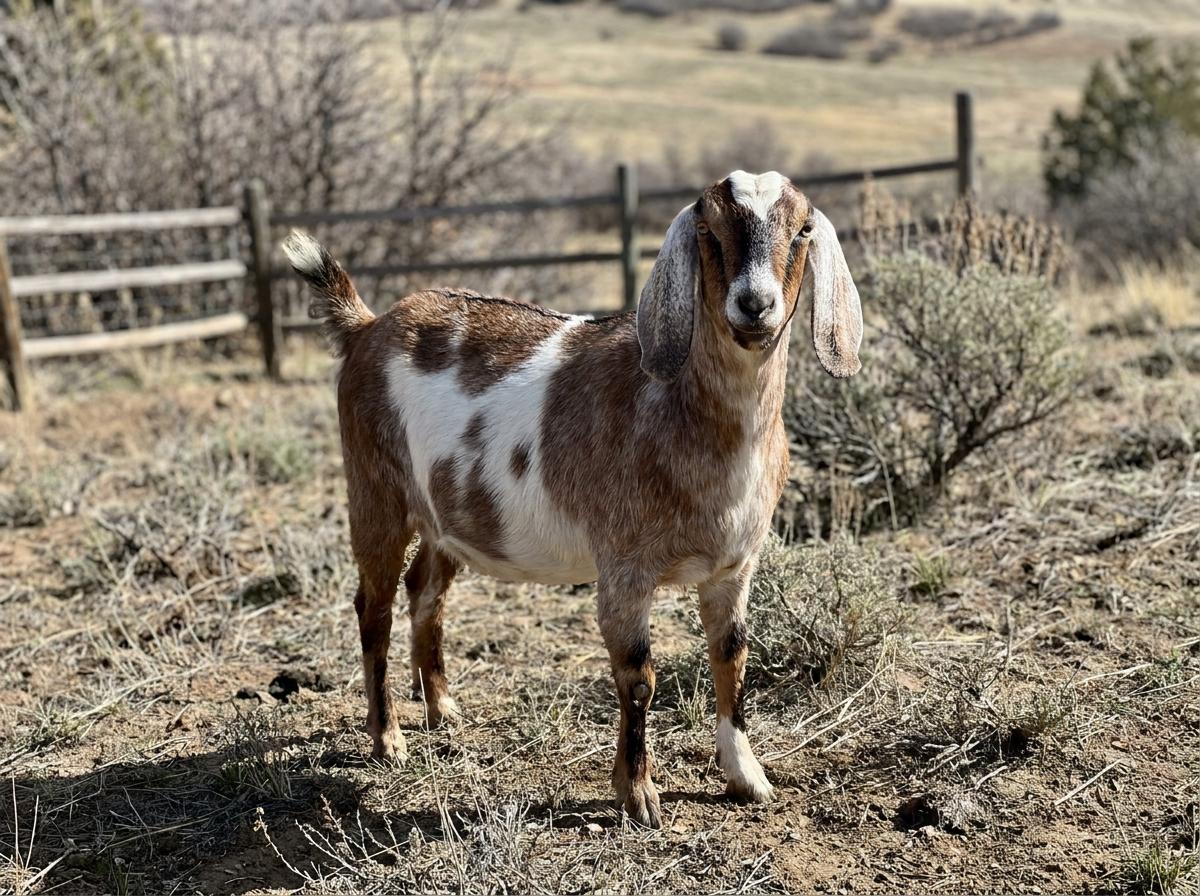
- Chamoisee color. The body is a rich reddish-bay, ranging from a lighter bay to a deep red bay, which is the most prized shade. This is the same chamoisee pattern used in the standard Oberhasli.
- Black markings. The reddish-bay body carries a defined set of black markings: two black stripes down the face from above the eyes to a black muzzle, a mostly black forehead, black ears, a black dorsal (mule) stripe along the spine, a black belly, and black legs below the knees and hocks. Those black points against the red body are the signature of the color.
- Small erect ears. The ears are small and stand upright, not pendulous or airplane-style, matching the Swiss dairy type.
- Straight or dished face. The profile is straight or slightly dished, never strongly convex.
- Compact dairy frame. The animal is clearly smaller than a standard Oberhasli but still shows dairy character: an angular, feminine doe with a functional udder rather than a stocky meat build.
On color rules, it is worth knowing that registries treat the sexes differently. Does may be solid black and still be registrable, but bucks generally must show the red bay chamoisee color to be registered. A solid red coat with no black markings is not the correct pattern. Always confirm the specific registry’s color requirements for the animal in front of you.
For size, the Miniature Dairy Goat Association (MDGA) breed standard caps mature height at 27 inches at the withers for does and 29 inches for bucks. In practice many adults land somewhere in the mid-20s of inches and roughly 65 to 120 pounds, noticeably smaller and lighter than a standard Oberhasli doe, which typically stands around 28 inches and weighs about 120 pounds, with bucks larger. The exact figure for any individual depends on its generation and how much Nigerian Dwarf size it carries.
How much milk does a Mini Oberhasli give?
Milk is the whole point of this goat, and the honest headline is that a Mini Oberhasli gives you real dairy output in a small package, but less than a full-sized Oberhasli.
A standard Oberhasli is a solid commercial milker. Good does commonly produce on the order of a gallon or more per day at peak, and the breed’s official lactation record recognized by The Livestock Conservancy is 4,665 pounds of milk in a year, which is an elite ceiling rather than a typical result. Scale that down for the miniature. A productive Mini Oberhasli doe often gives somewhere from a few pounds up to roughly a half gallon of milk per day in good lactation, with individual does and management making a big difference. Treat any single number you see as a rough guide, not a guarantee, because output depends on genetics, feeding, stage of lactation, and how consistently the doe is milked.
There is a quality angle too. The Nigerian Dwarf side of the family is known for milk that is high in butterfat and sweet, and Oberhasli milk is often described as fine and mild, sometimes called the goat milk that tastes closest to cow’s milk. A Mini Oberhasli tends to inherit a pleasant, creamy milk that suits home drinking, cheese, soap, and yogurt. If you want detailed, verified production data on an individual animal, ask the breeder for milk test records rather than relying on breed averages.

Registries and how a Mini Oberhasli is registered
Because the Mini Oberhasli is a composite still being refined, the registries matter, and they are worth understanding before you buy.
Two North American registries handle miniature dairy goats: the Miniature Dairy Goat Association (MDGA) and The Miniature Goat Registry (TMGR). Both recognize the Mini Oberhasli alongside the other miniature Swiss and dairy breeds such as Mini Alpine, Mini LaMancha, Mini Nubian, Mini Saanen, Mini Sable, Mini Toggenburg, and Mini Guernsey.
The basic recipe is consistent. A foundation, or first-generation, miniature dairy goat is the offspring of a registered standard dairy goat (here, an Oberhasli) and a registered purebred Nigerian Dwarf. From there, breeders cross forward through generations toward the target type. Registries use tiered herdbooks to track this. MDGA, for example, records animals in categories that run from Experimental through American and Purebred, and it advances an animal toward the higher books only when it meets requirements for the correct percentages of standard and Nigerian Dwarf blood, height, and breed character. A common rule is that neither parent breed should dominate too heavily, so a proper Mini Oberhasli is a balanced composite rather than a Nigerian Dwarf with a splash of Oberhasli or vice versa.
The practical takeaway for a buyer is simple. Ask which registry the animal is enrolled in, which herdbook and generation it sits in, and whether the parents are registered. Registration is not just a formality here. It is the paper trail that tells you the goat actually is a Mini Oberhasli built to a recognized standard, not just a random Oberhasli-cross-Nigerian mix being sold under a fancier name. Keeping those pedigree and registration details attached to the animal is exactly the kind of record you can store on a Creatures animal profile so it travels with the goat.
Temperament
Mini Oberhaslis are generally described by keepers as friendly, calm, and people-oriented, with the alert, gentle character called for in the breed standard. Both parent breeds contribute to that: Oberhaslis are known as quiet, sociable dairy goats, and Nigerian Dwarfs are popular family and homestead animals partly for their easygoing, affectionate nature. We flag this as the consistent practitioner and breed-standard description rather than a formally studied trait, and as always with goats, individual temperament varies with handling, socialization, and how much time the animal spends with people. Intact bucks in rut are a different proposition from does and wethers, and behave and smell accordingly.
That temperament, combined with the small size, is a big part of why the Mini Oberhasli appeals to families, first-time goat keepers, and 4-H and youth projects. A goat you can halter, lift when needed, and milk without wrestling a large animal is simply easier to live with.
Husbandry and care
A Mini Oberhasli is still a dairy goat, so it needs real management, but its smaller size lowers the barrier on space, feed, and handling. Defer all medical decisions to a veterinarian who can see the animal, and treat the notes below as the structure of good care rather than a substitute for professional advice.
Housing and space
Goats need dry, draft-free shelter, clean bedding, and secure fencing, and they are relentless escape artists, so fencing is not the place to cut corners. The upside of the miniature size is that a small group fits comfortably on a modest paddock or large backyard where a herd of standard dairy goats would not. Goats are herd animals and should never be kept singly, so plan for at least two. Sound, dry footing supports udder and foot health.
Feeding
A milking doe needs a balanced ration with enough energy and protein to support lactation, along with good forage or browse, constant access to clean water, and appropriate loose minerals. Because the Mini Oberhasli is smaller, it eats less than a full-sized dairy goat, which is part of the breed’s homestead appeal, but do not underfeed a lactating doe or you will lose condition and milk. Match the ration to the animal’s stage of life and production, and avoid sudden feed changes that can trigger digestive upset.
Breeding and kidding
Miniature dairy goats often carry the Nigerian Dwarf tendency to breed year-round rather than strictly seasonally, and does are typically prolific, frequently raising twins. Small does can and do kid successfully, but thoughtful buck selection matters so you do not breed for oversized kids, and any first-time breeder should have a veterinarian relationship and a plan for kidding season. Keep clear records of breedings, due dates, and kidding outcomes so you can make decisions on evidence.
Health
Routine goat health management applies: a parasite control plan suited to your climate and grazing, regular hoof trimming, clean milking and kidding hygiene, and the core vaccinations and testing your veterinarian recommends for your area. Keep organized records of milk output, treatments, hoof care, and reproductive events so culling and breeding decisions rest on data rather than memory. If you sell milk or milk products, check your local regulations first, since raw milk sales are restricted in many places.

Cost and where to find one
Miniature dairy goats have grown popular with homesteaders and small-acreage families, so Mini Oberhaslis are more available in North America than a rare imported breed would be, but they are still a specialty animal you buy from dedicated breeders rather than a livestock auction.
Prices vary widely with pedigree, registration, milk records, generation, and region, so there is no single reliable figure, and we will not invent one. As a general sense of the market, registered miniature dairy goats commonly sell for a few hundred dollars, with proven milking does, higher-generation animals with strong papers, and well-marked breeding stock costing more, and unregistered or pet-quality wethers usually costing less. The right way to price a specific goat is to weigh what you are actually getting: registration and generation, the parents’ records, the animal’s own conformation and udder, and its health status. Ask the breeder to spell those out.
Because the Mini Oberhasli is a color-specific composite, provenance is everything. You want to see registration papers, confirm the parent breeds and their registration, and understand which herdbook and generation the animal sits in. You can browse current Mini Oberhasli listings on the Creatures marketplace and look for breeders in the Creatures directory. For a broader look at how to shop for a goat safely, including questions to ask any seller, the guide to where to buy a goat walks through the whole process.
Buying considerations
Because “Mini Oberhasli” describes a type and a color pattern that is still being fixed, buy on evidence rather than on the label alone.
- Confirm registration and generation. Ask which registry (MDGA or TMGR), which herdbook, and which generation the animal is, and whether both parents are registered. This tells you it is a real Mini Oberhasli, not just an Oberhasli-Nigerian mix.
- Check the color pattern. A correct animal shows the chamoisee pattern: reddish-bay body with black dorsal stripe, black facial stripes, black belly, and black lower legs. Remember bucks generally must be red bay to register, while does may also be solid black.
- Ask for milk records. For a doe you intend to milk, production data and udder conformation matter far more than a pretty face. A dairy animal should come with real numbers.
- Look at feet, legs, and udder. Sound feet and legs and a well-attached udder determine how long a doe stays useful. Check them in person.
- Verify health status. Ask about the herd’s testing and health history and buy from keepers who manage their goats transparently.
- Plan for at least two. Goats are herd animals, so budget for a companion from the start.
Frequently asked questions
What is a Mini Oberhasli goat?
It is a miniature dairy goat made by crossing a standard Oberhasli with a Nigerian Dwarf and then breeding back toward the Oberhasli type at a smaller size. It keeps the Oberhasli’s reddish-bay chamoisee color and dairy character in a more compact, homestead-friendly body.
Is a Mini Oberhasli a real breed?
It is a recognized type of miniature dairy goat registered by the Miniature Dairy Goat Association (MDGA) and The Miniature Goat Registry (TMGR), but it is a relatively recent composite still being refined rather than an ancient closed breed. Judge each animal by its parentage, papers, and conformation.
How much milk does a Mini Oberhasli give?
Less than a full-sized Oberhasli but still a useful amount for a home dairy, often a few pounds up to roughly a half gallon a day in a good doe, depending on genetics, feeding, and management. Ask a breeder for an individual doe’s milk records rather than relying on averages.
How big does a Mini Oberhasli get?
The MDGA standard caps mature height at 27 inches at the withers for does and 29 inches for bucks, with weights commonly in the range of about 65 to 120 pounds. That is clearly smaller than a standard Oberhasli.
What colors are Mini Oberhaslis?
The correct color is chamoisee: a reddish-bay body with black markings, including a black dorsal stripe, black facial stripes, a black belly, and black lower legs. Does may also be solid black. A solid red coat without black markings is not the correct pattern, and bucks generally must be red bay to register.
Are Mini Oberhaslis good for beginners?
Yes, for many people. Their small size, gentle temperament, and manageable milk output make them a friendly choice for families, first-time goat keepers, and youth projects, provided you keep at least two, feed and house them properly, and build a relationship with a goat-savvy veterinarian.
Do this next on Creatures
Whether you are researching the Mini Oberhasli, hunting for a well-bred registered doe, or already milking your own, Creatures is the records, marketplace, and directory layer to do it in one place.
Find stock. Browse Mini Oberhaslis on the marketplace and search trusted breeders and farms in the Creatures directory. New here? Read the guide to where to buy a goat, and see saving searches and using your watchlist.
Get alerted. Registered Mini Oberhaslis come from specialty breeders and can sell fast, so set a free Mini Oberhasli listing alert and we will tell you when one is posted. No account needed to start.
Add your goat. Already keeping Mini Oberhaslis? Create a free animal profile in a few minutes, no account needed to start. The walkthrough is in adding an animal to Creatures.
Track milk, kidding, and health. Track milk and health records on Creatures. The record sheet opens for any visitor to look around, and you will need a free account to save what you enter. See adding a record for the full how-to.
List your herd. Breed Mini Oberhaslis? Create a free breeder or farm profile, no account needed to start, and get listed in the breeder directory so buyers can reach you. If you run your operation with others, read creating an organization and adding your team.
Sell with confidence. Planning to sell kids or stock? Learn how seller payout works before you list.