


Czech Goose
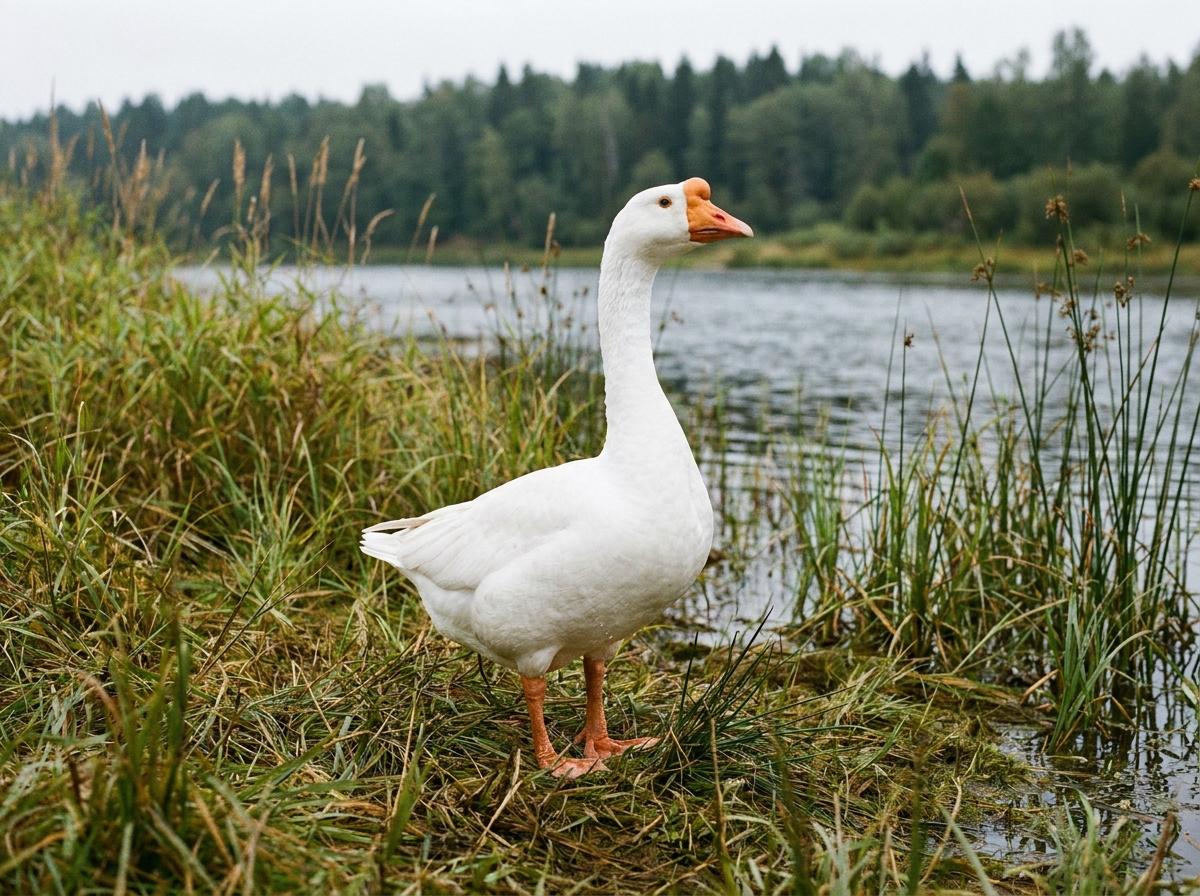
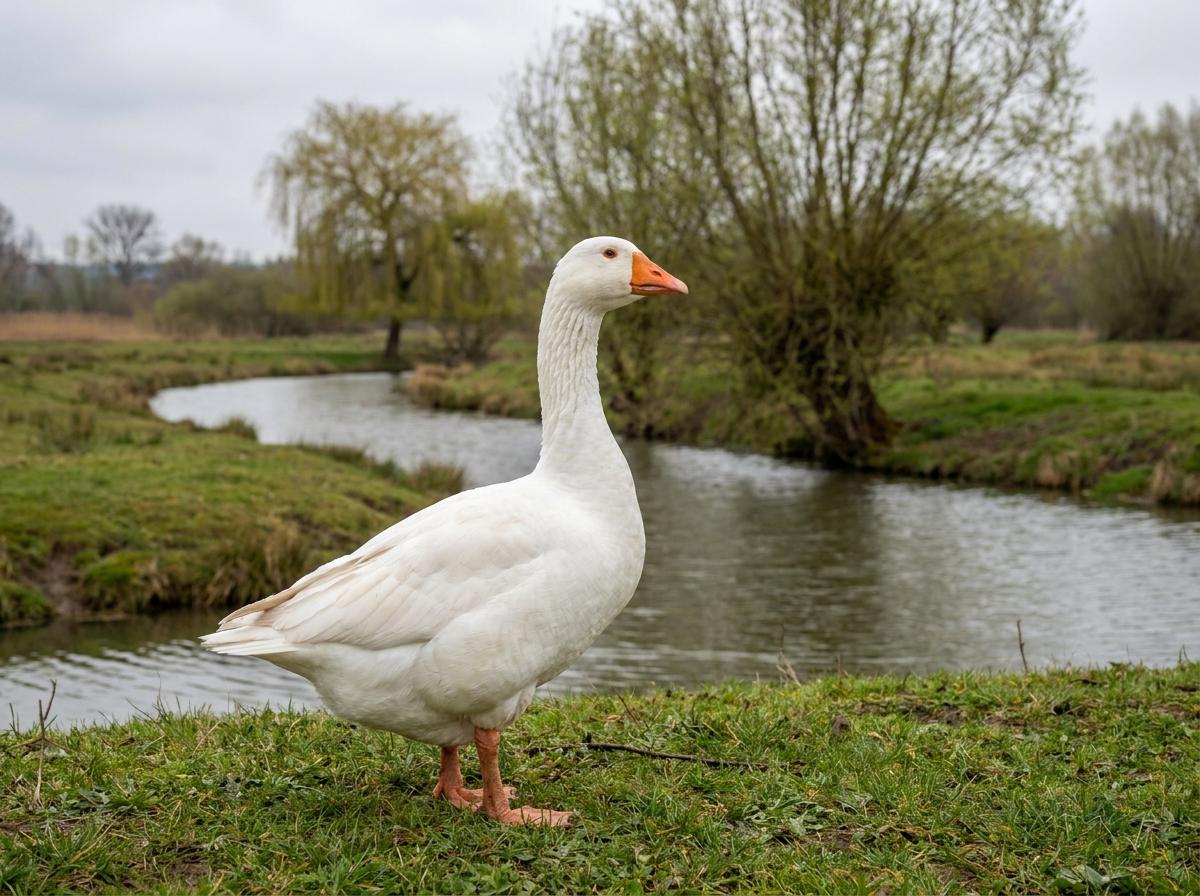
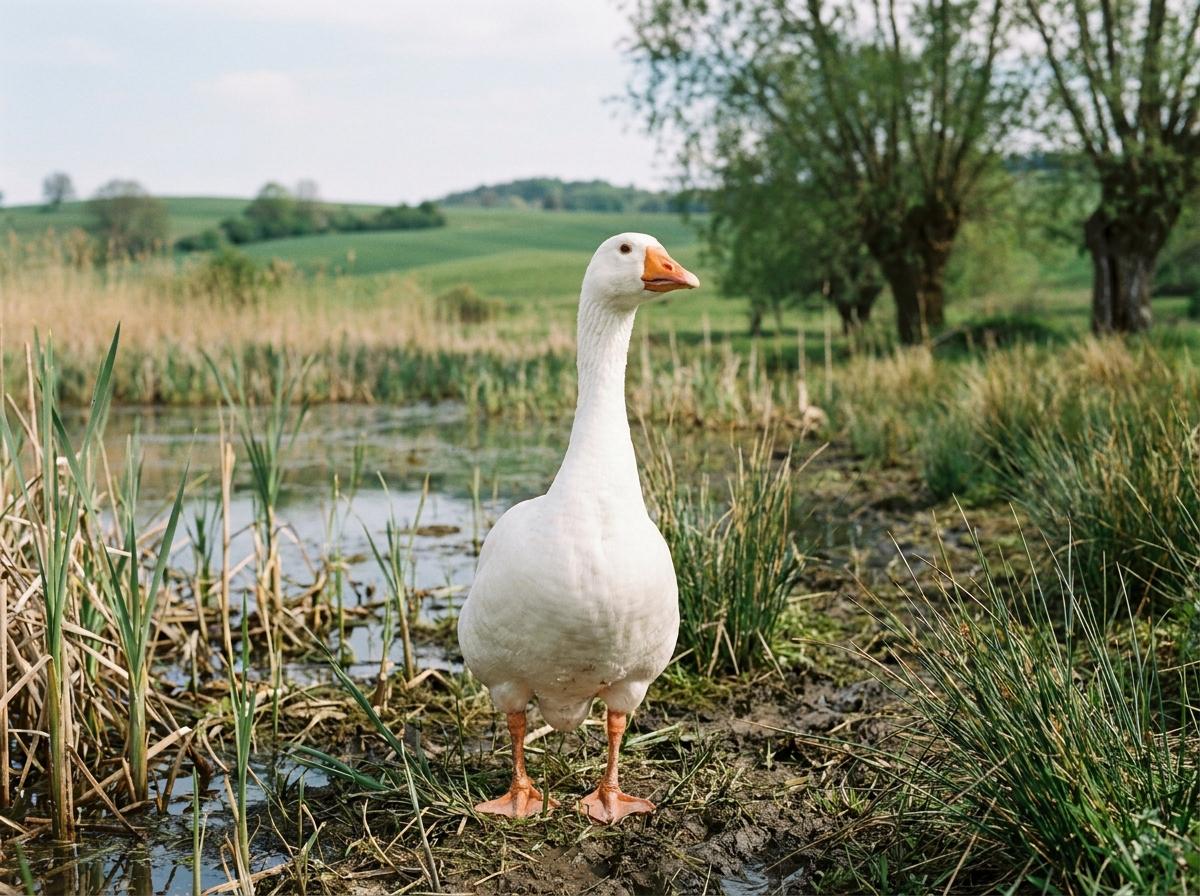
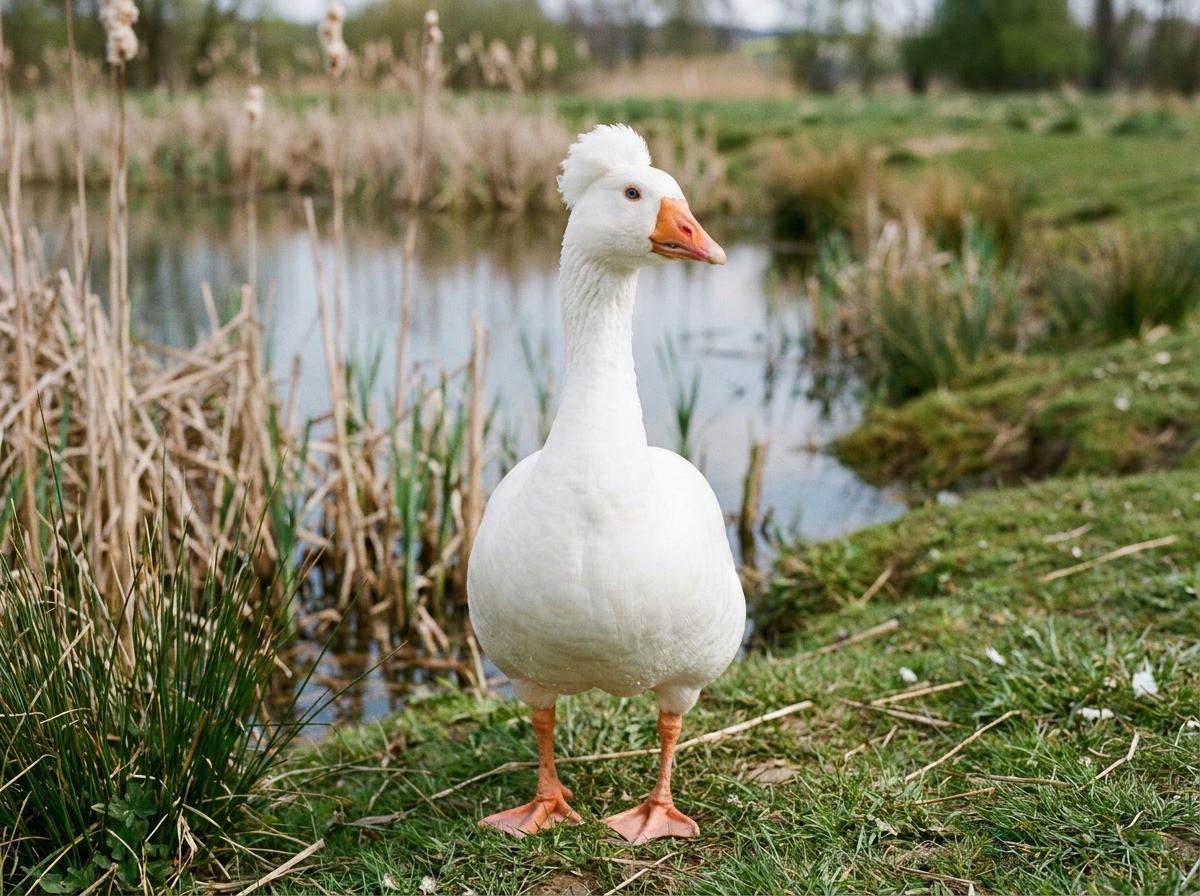
The Czech goose, or Česká husa, is a compact domestic goose from the Czech lands, especially old farm flocks of Bohemia and Moravia. It is usually associated with clean white plumage, an orange bill and legs, a neat head, and a lighter frame than the big table breeds. Farmers valued it as a grazing bird that could raise goslings on village pasture, supply household meat, and provide feathers without needing rich feed. Some families and conservation flocks also keep crested Czech geese, but the plain-headed white goose is the usual reference.
Management is best thought of as a small farm or heritage flock system: grass through the growing season, safe night housing, a dry resting area, and enough water for washing and mating. The breed's moderate size makes it easier to keep than an Embden or Toulouse, but ganders can be protective in spring. Buyers outside central Europe should ask about strain and purpose, since ordinary white farm geese may be sold under regional names. For conservation breeding, avoid heavy commercial crosses and select birds that keep the active, fertile, pasture-efficient character of the old Czech type.
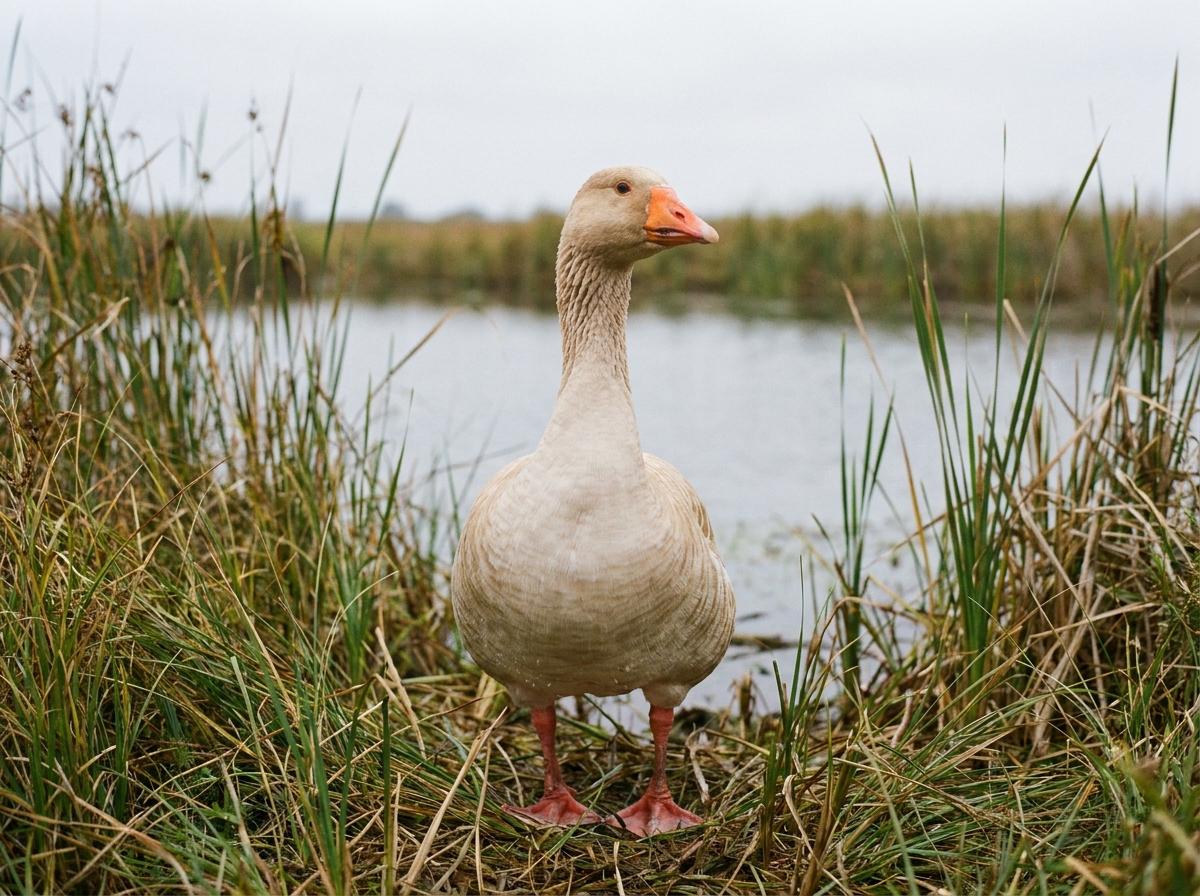
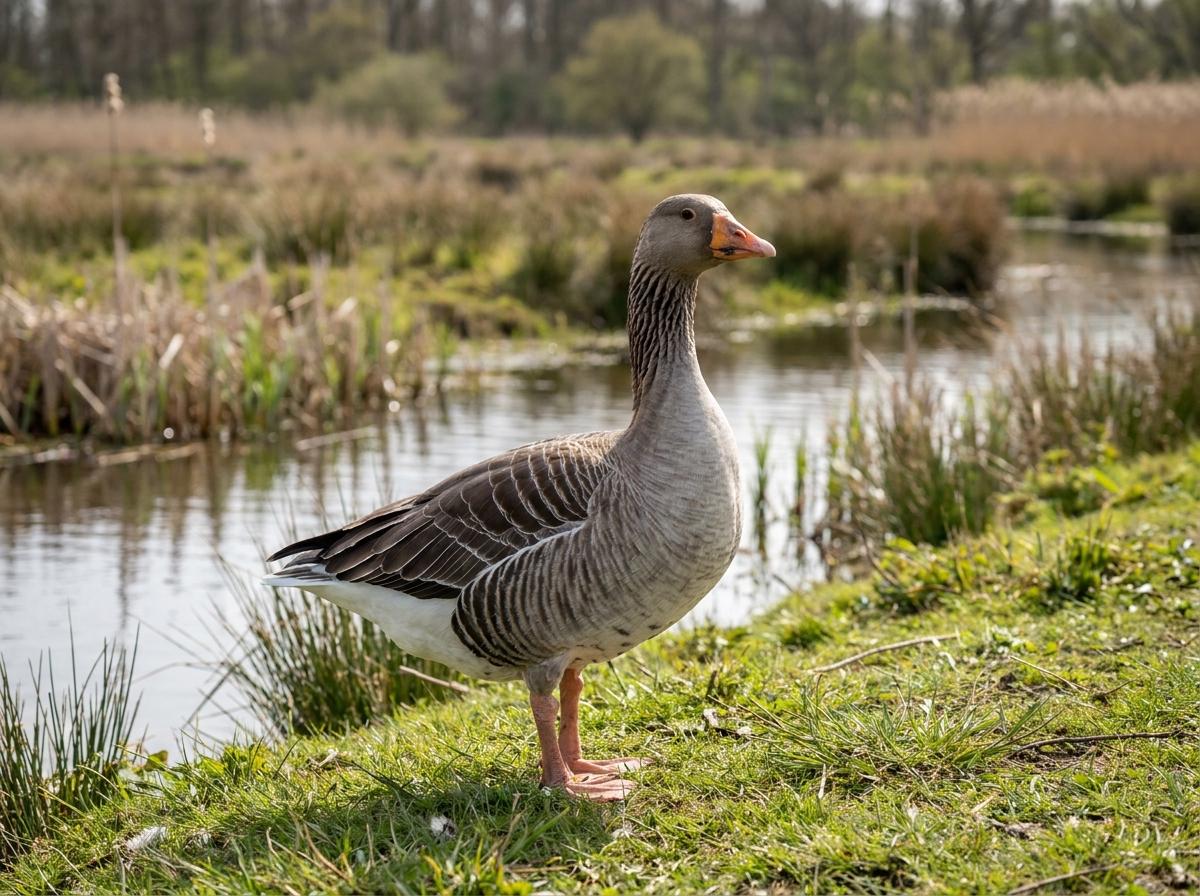
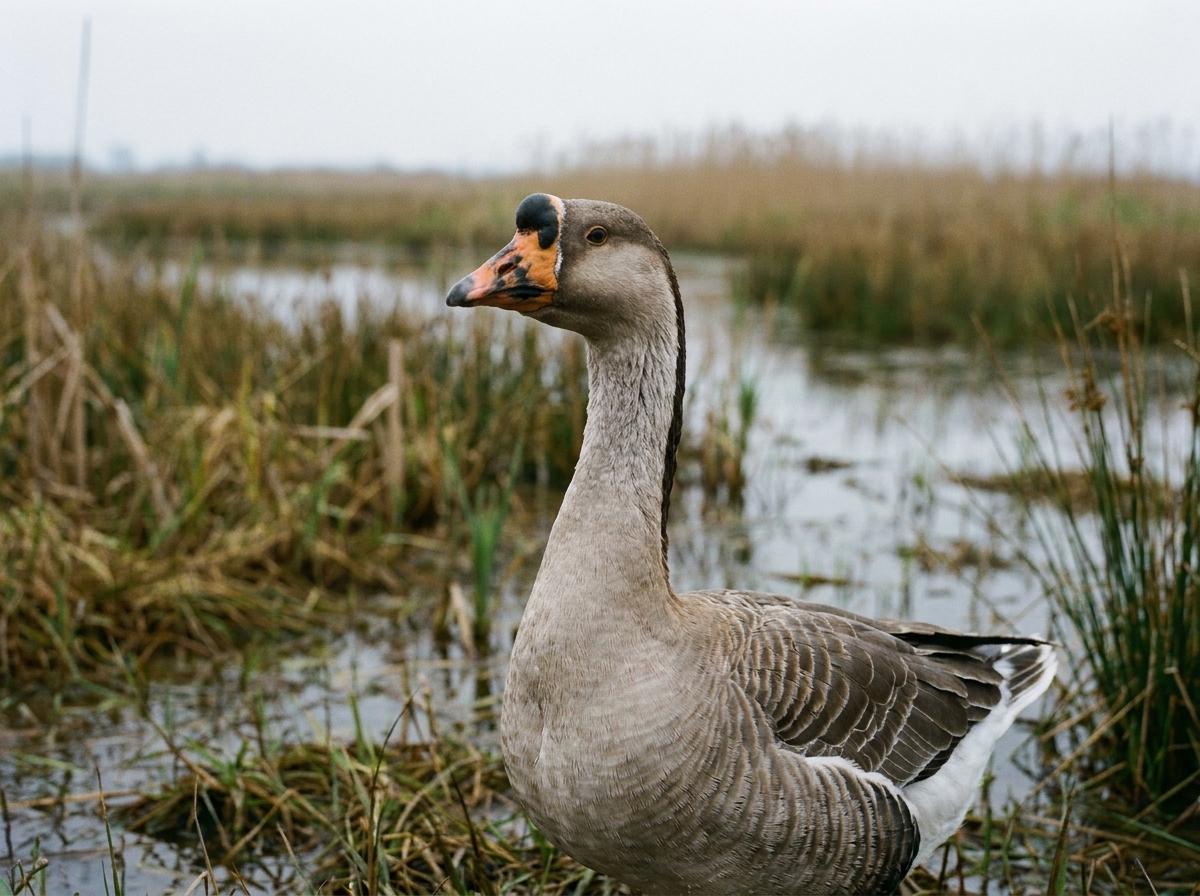
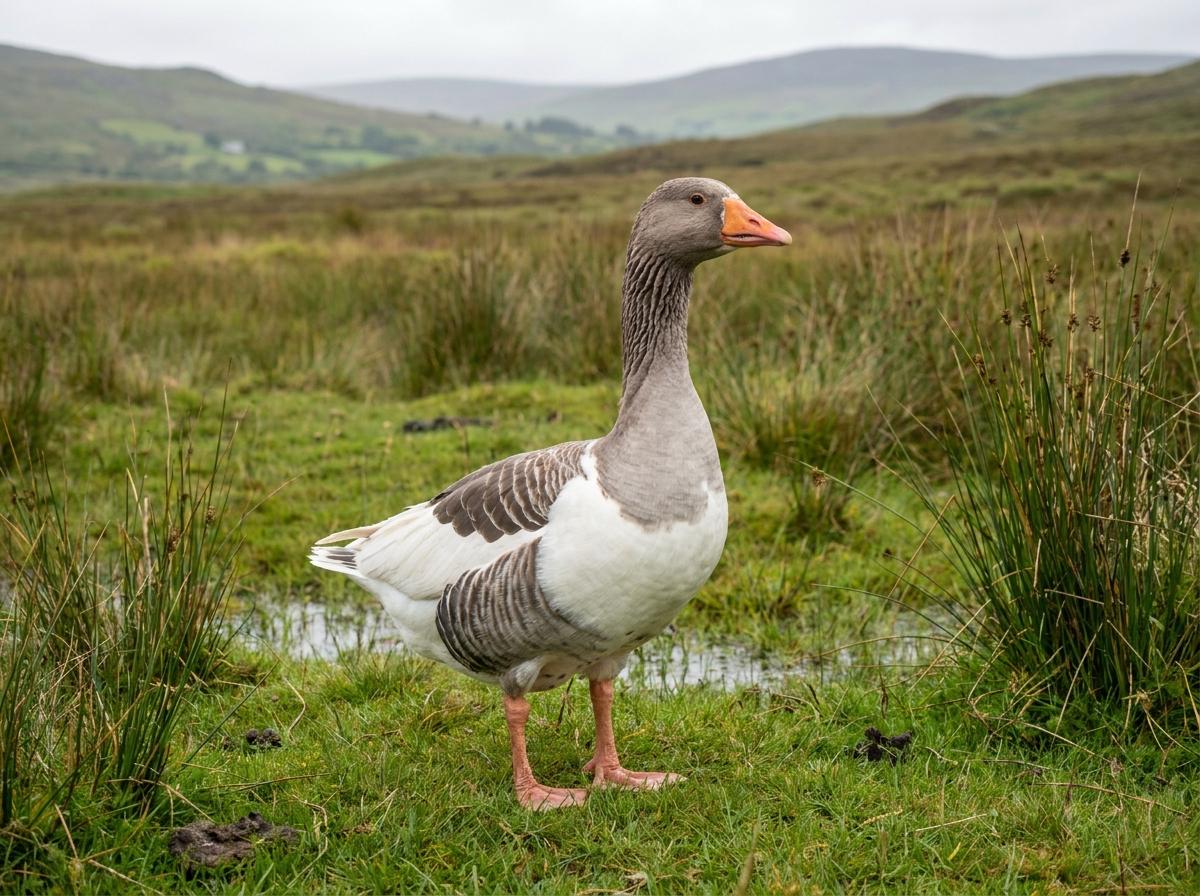
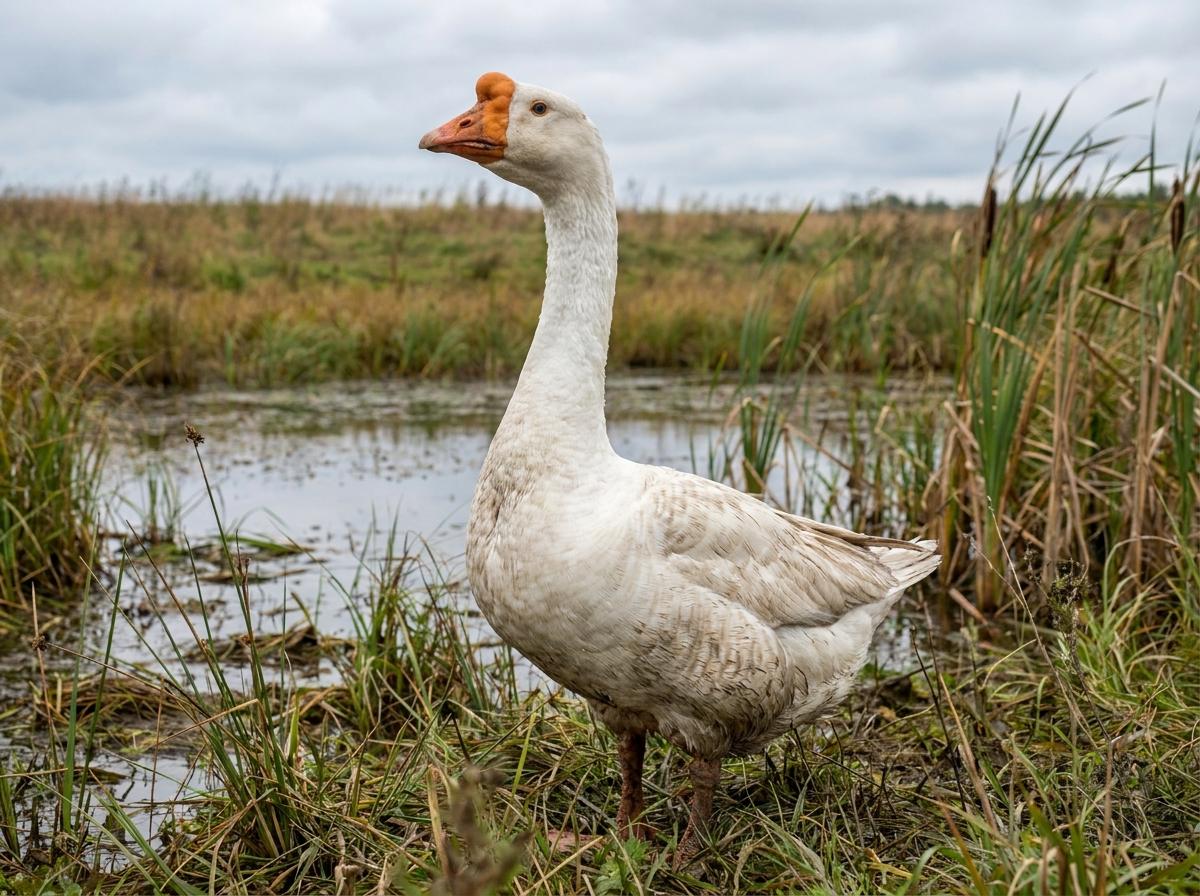
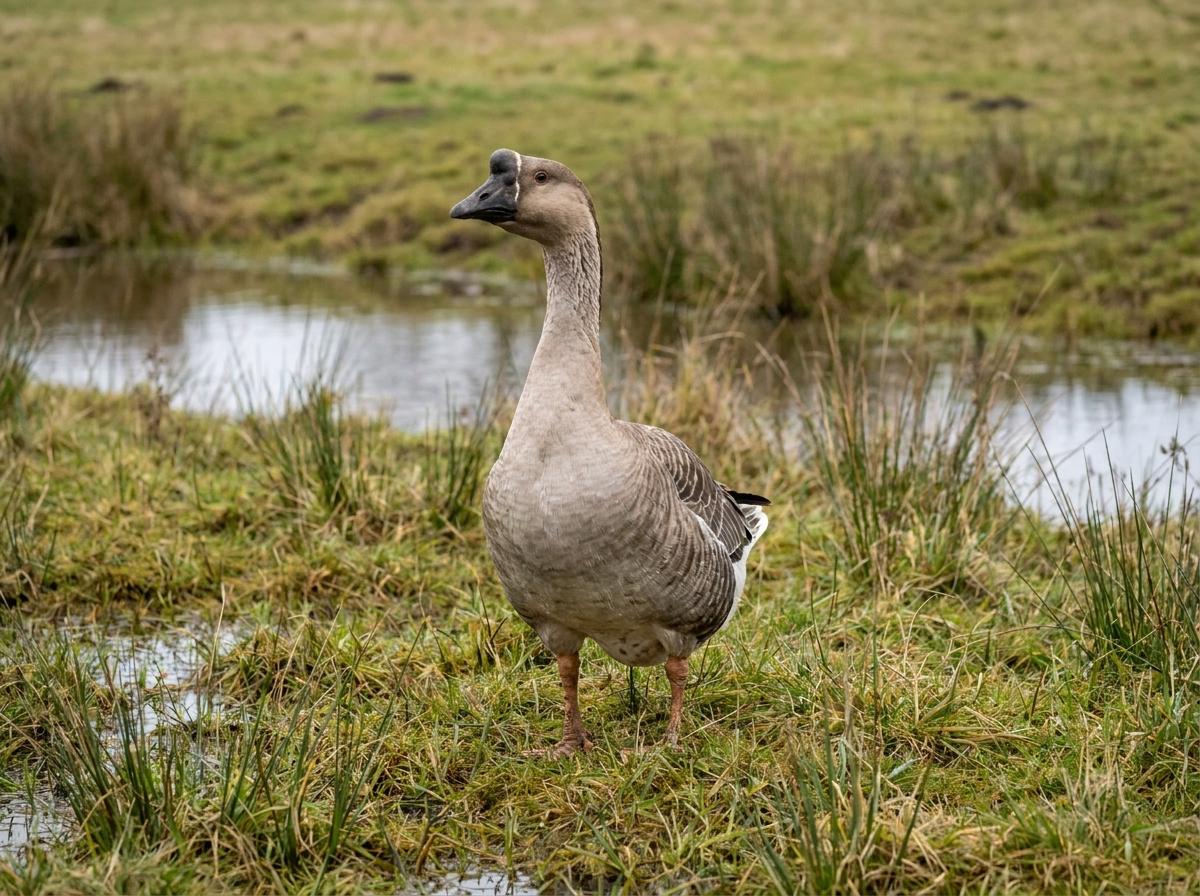
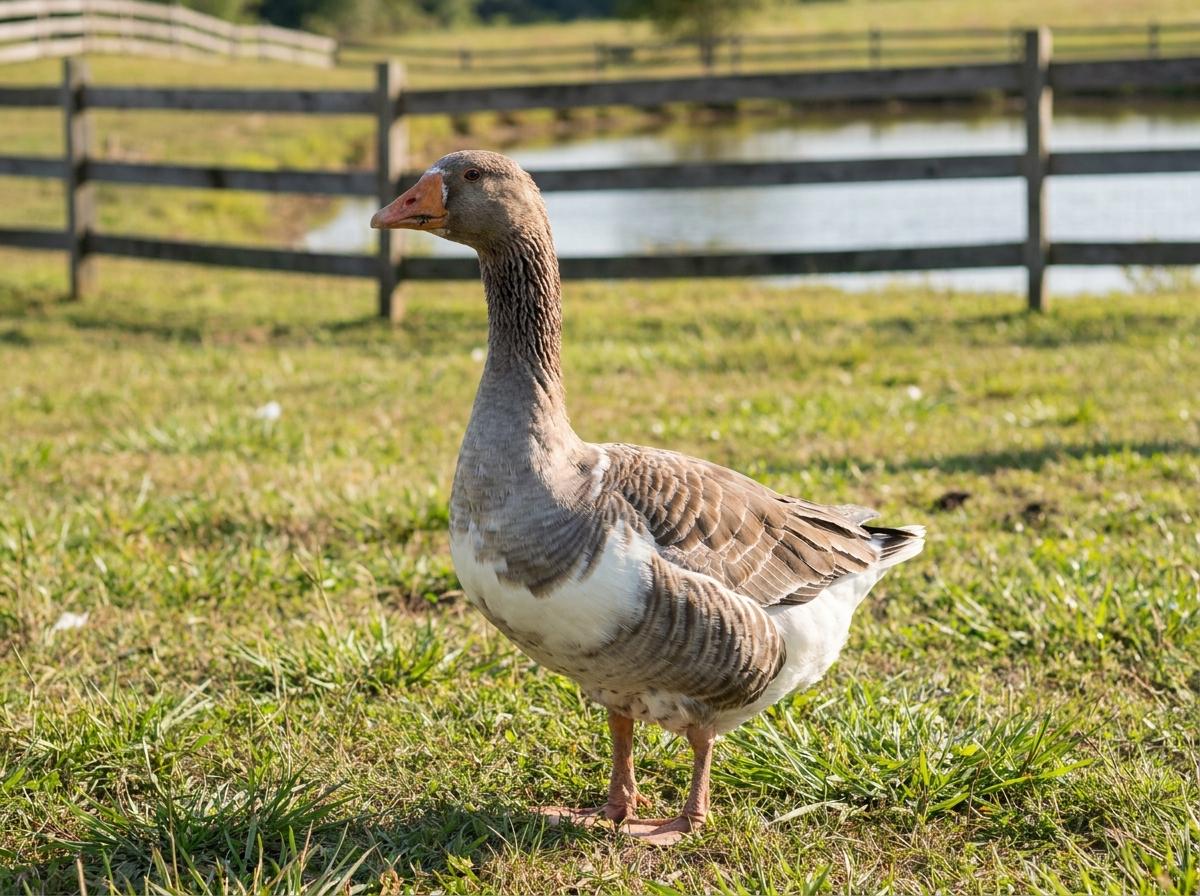
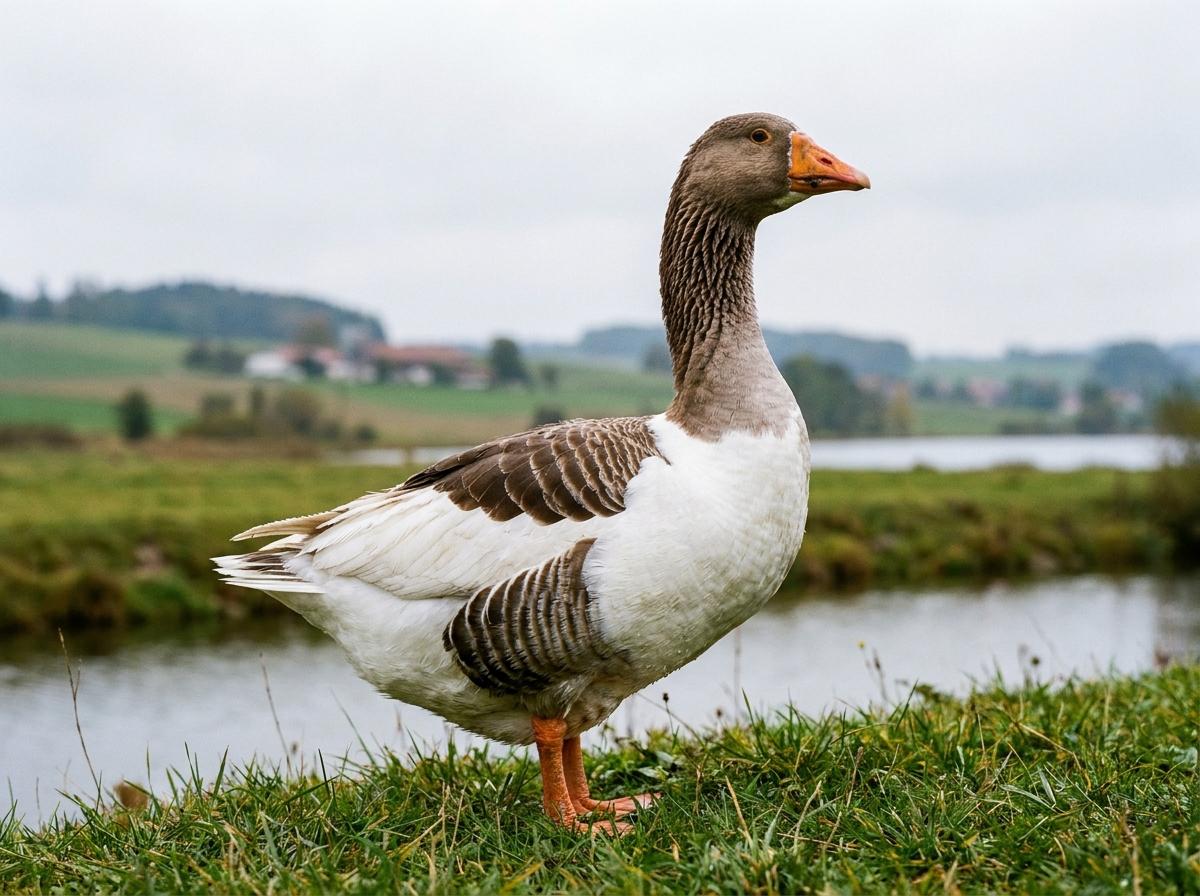
Colors: Blue, Brown, Brown and White, Buff, Buff and White, Gray, Gray and White, Grey, Lavender, Pied, Saddleback, Splash, Tufted, White