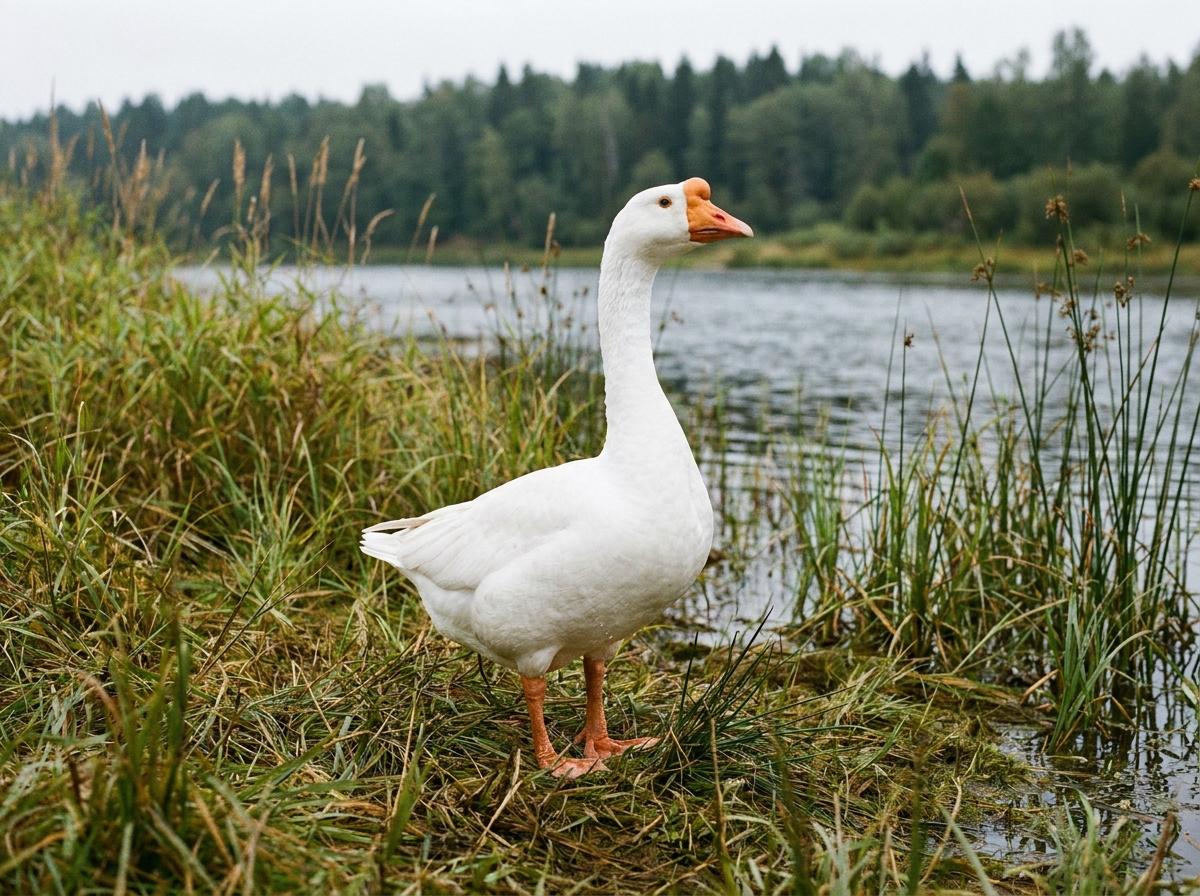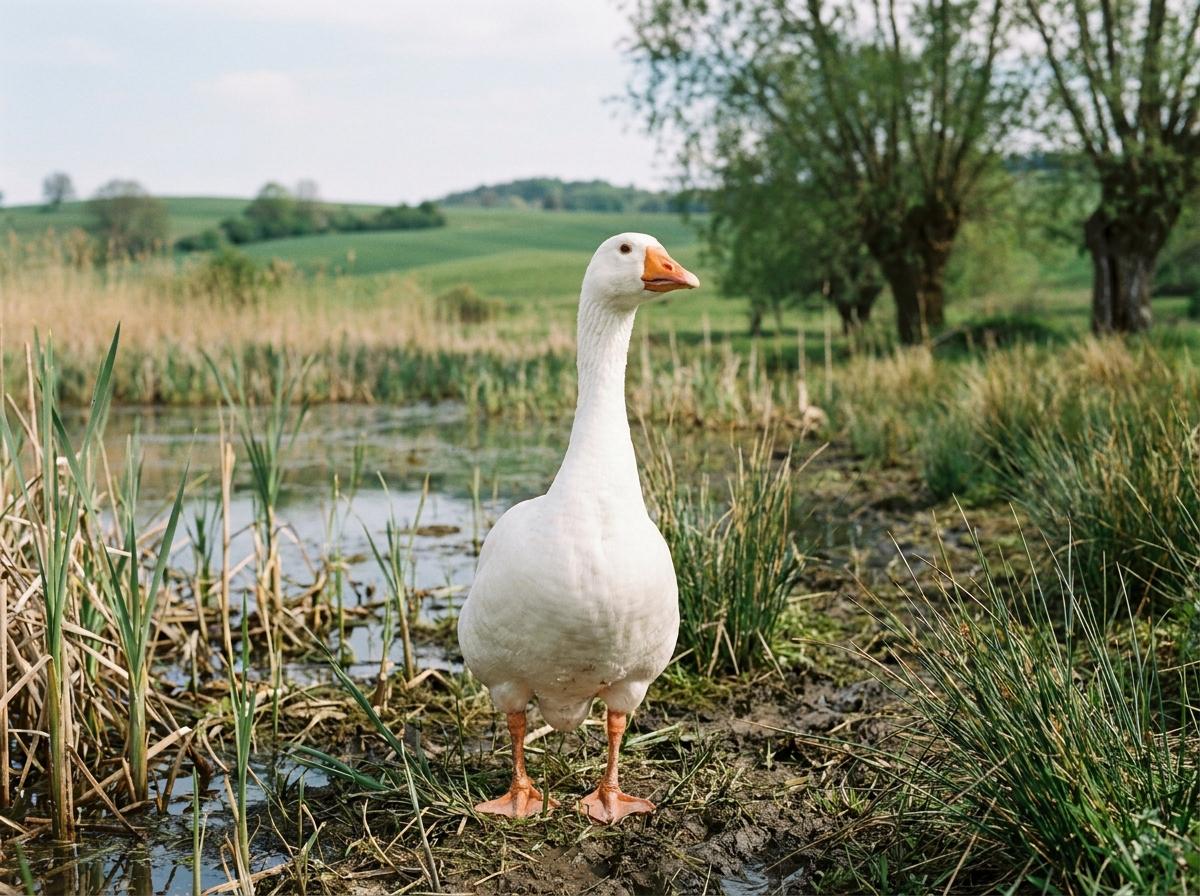




Rhineland Laying Goose
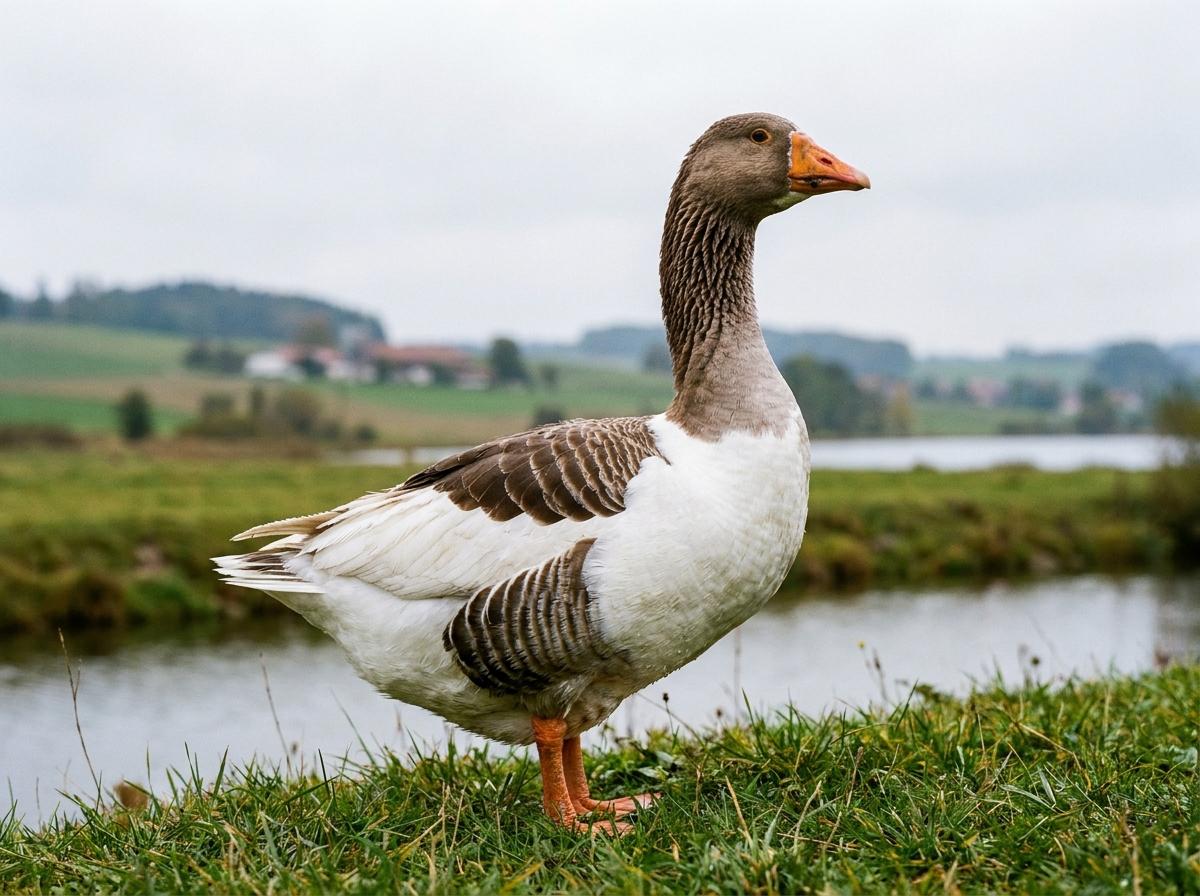
The Rhineland laying goose is a German production type whose name signals the purpose plainly: a domestic goose selected for better laying performance than many traditional meat-first breeds. It is usually described as a white goose of moderate frame, useful for producing hatching eggs, table goslings, and replacement breeding stock. While the name overlaps with Rhenish goose in some contexts, the laying emphasis helps distinguish birds kept for productive seasonal egg output.
Flocks need careful spring management because egg numbers only matter when fertility, shell quality, and gosling vigor are also maintained. Keepers should provide steady nutrition before the laying season, clean nest areas, and breeding groups that are not overloaded with too many females per gander. For small farms, the Rhineland laying goose can be a sensible choice when the goal is dependable propagation, but records of age, clutch size, fertility, and hatch results are more useful than color alone.
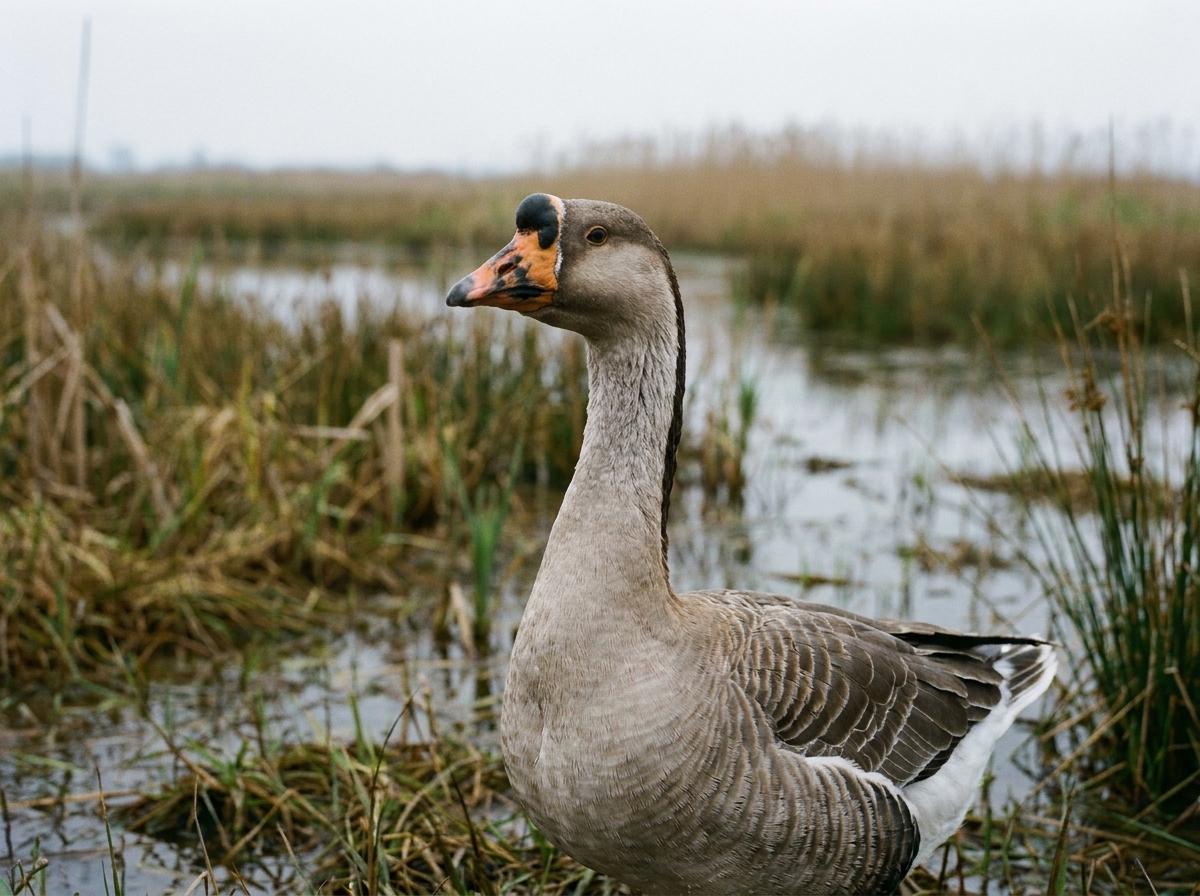
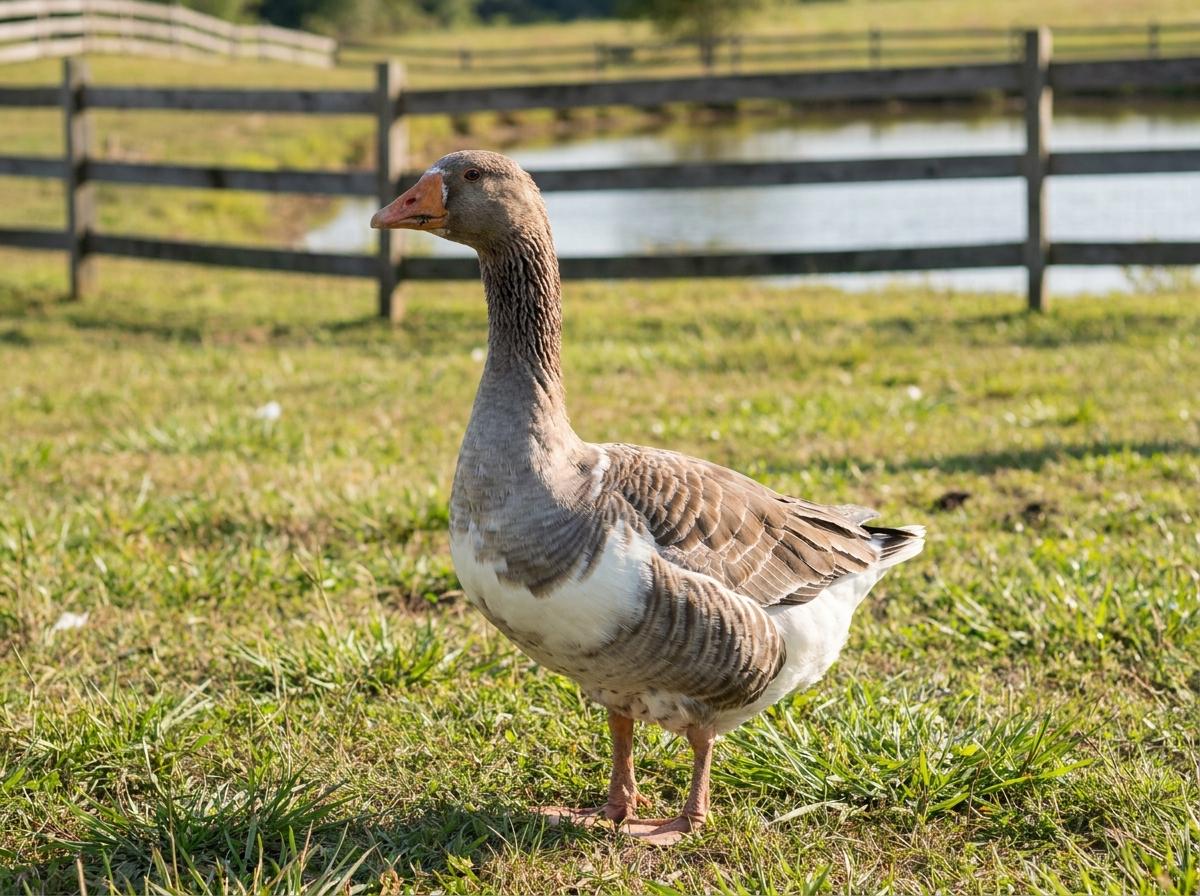
Colors: Blue, Brown, Brown and White, Buff, Buff and White, Gray, Gray and White, Grey, Lavender, Pied, Saddleback, Splash, Tufted, White