

Shetland Goose
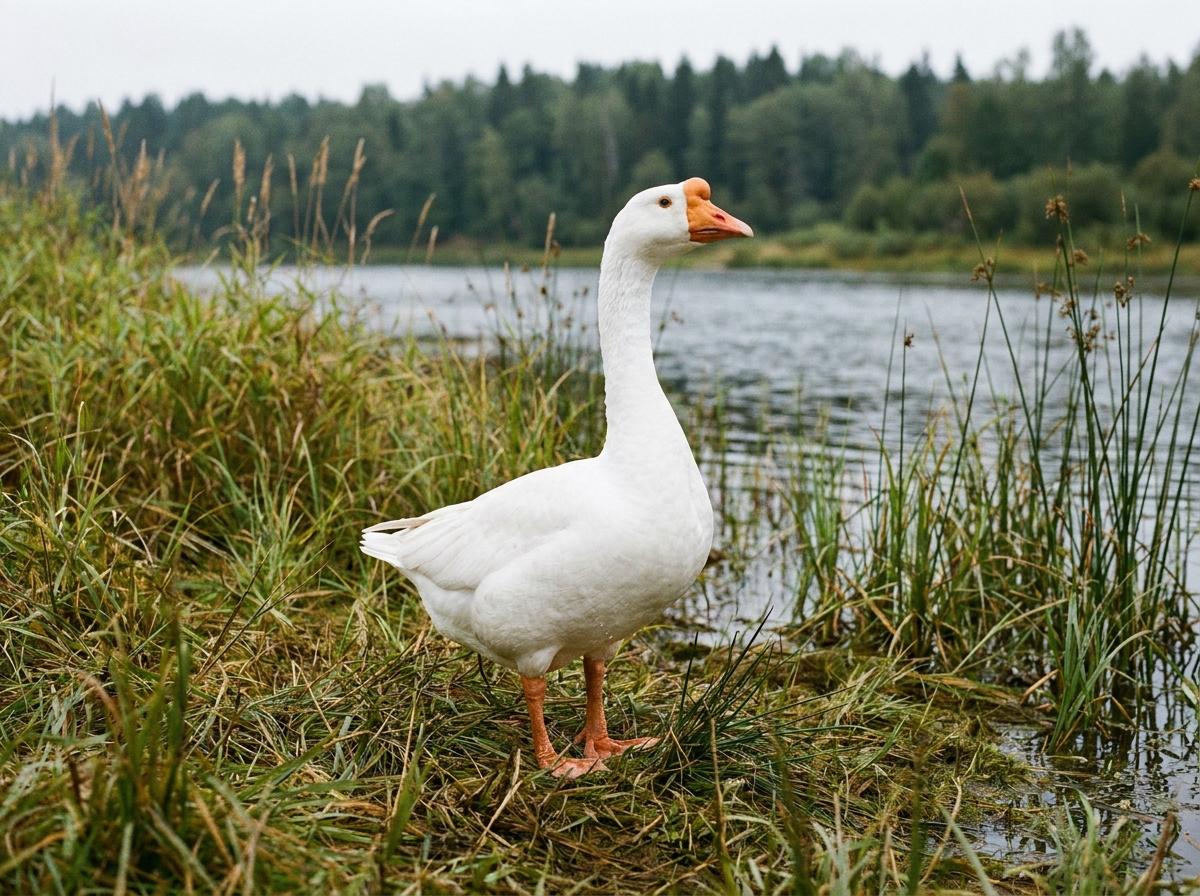
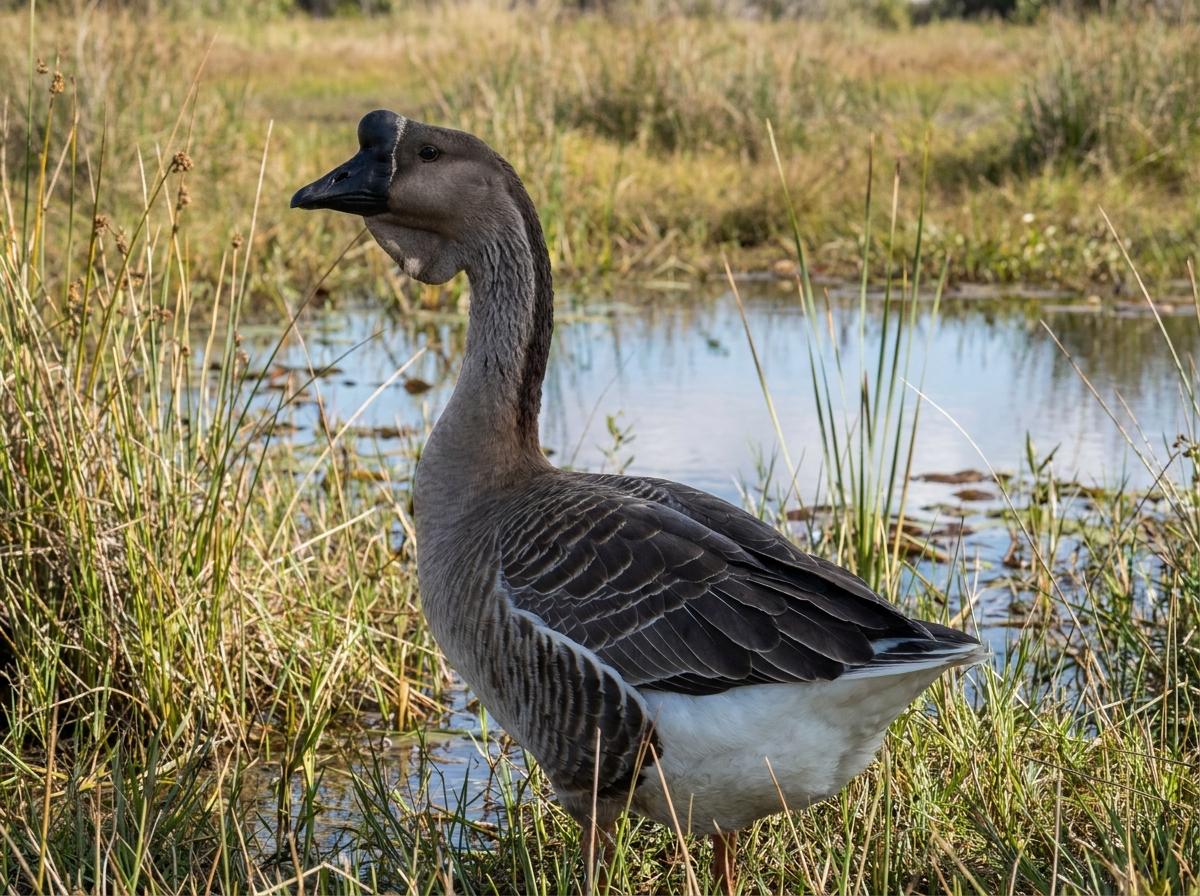
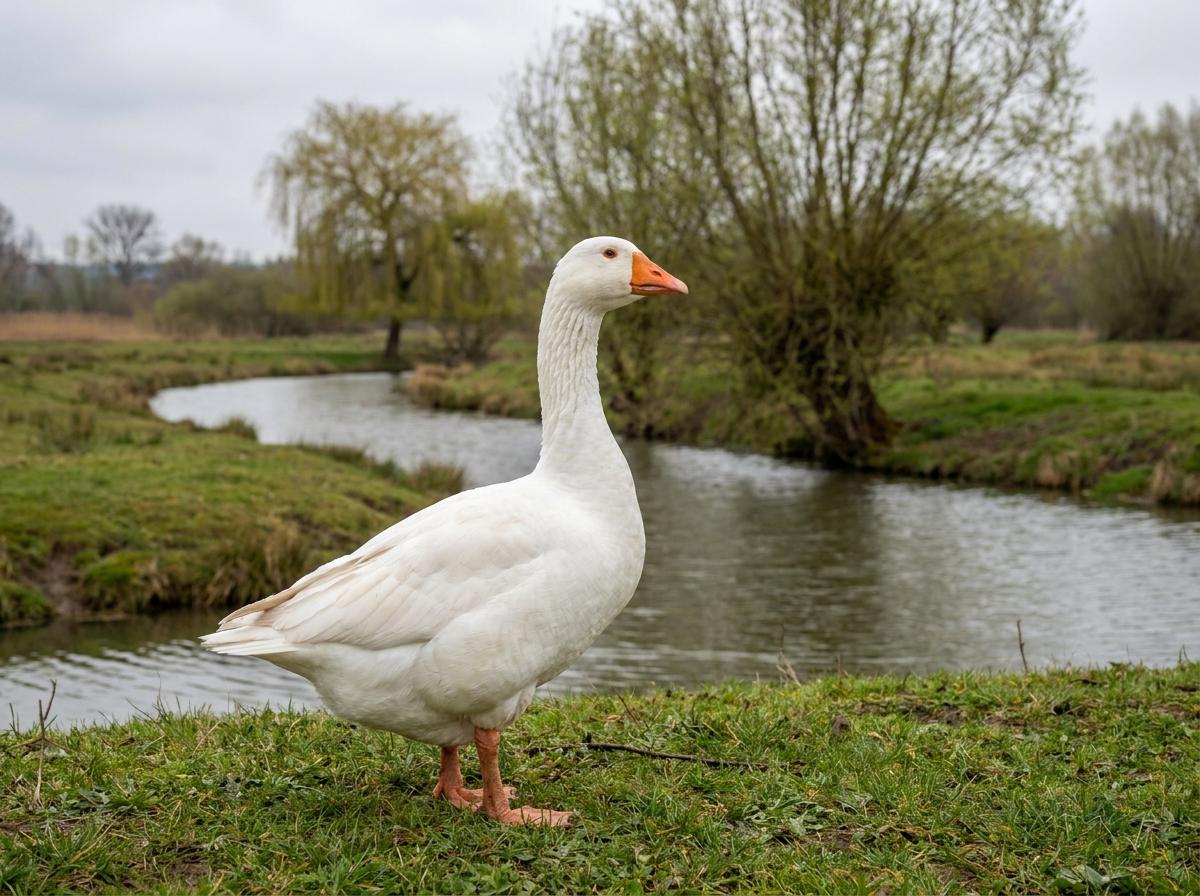
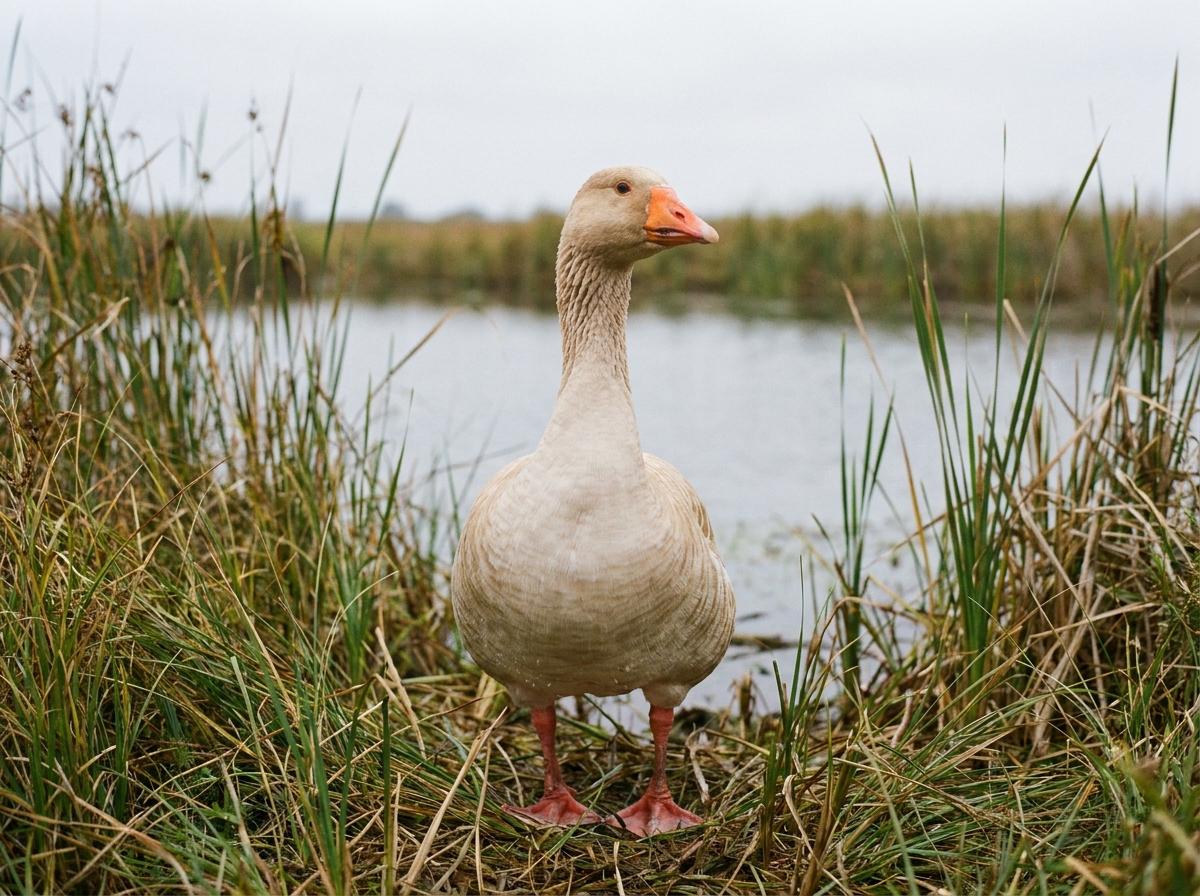
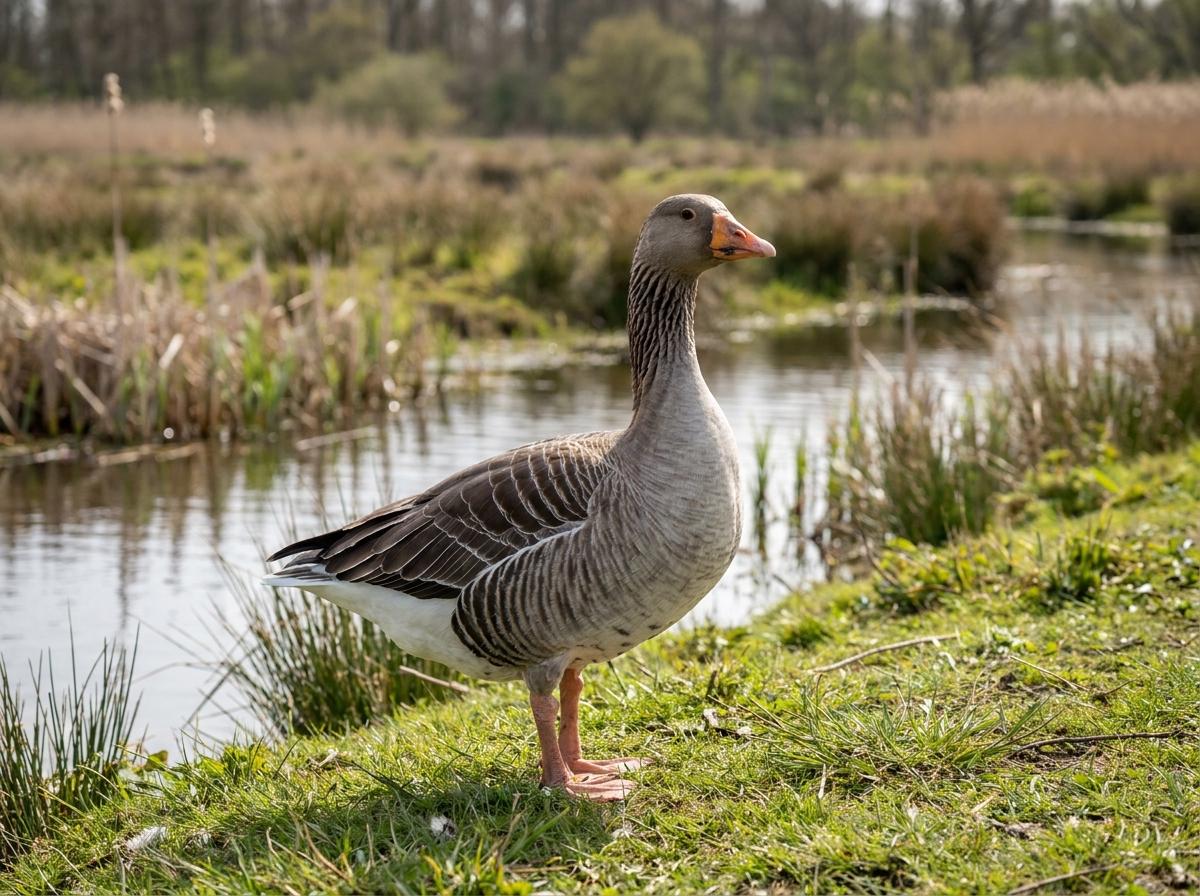
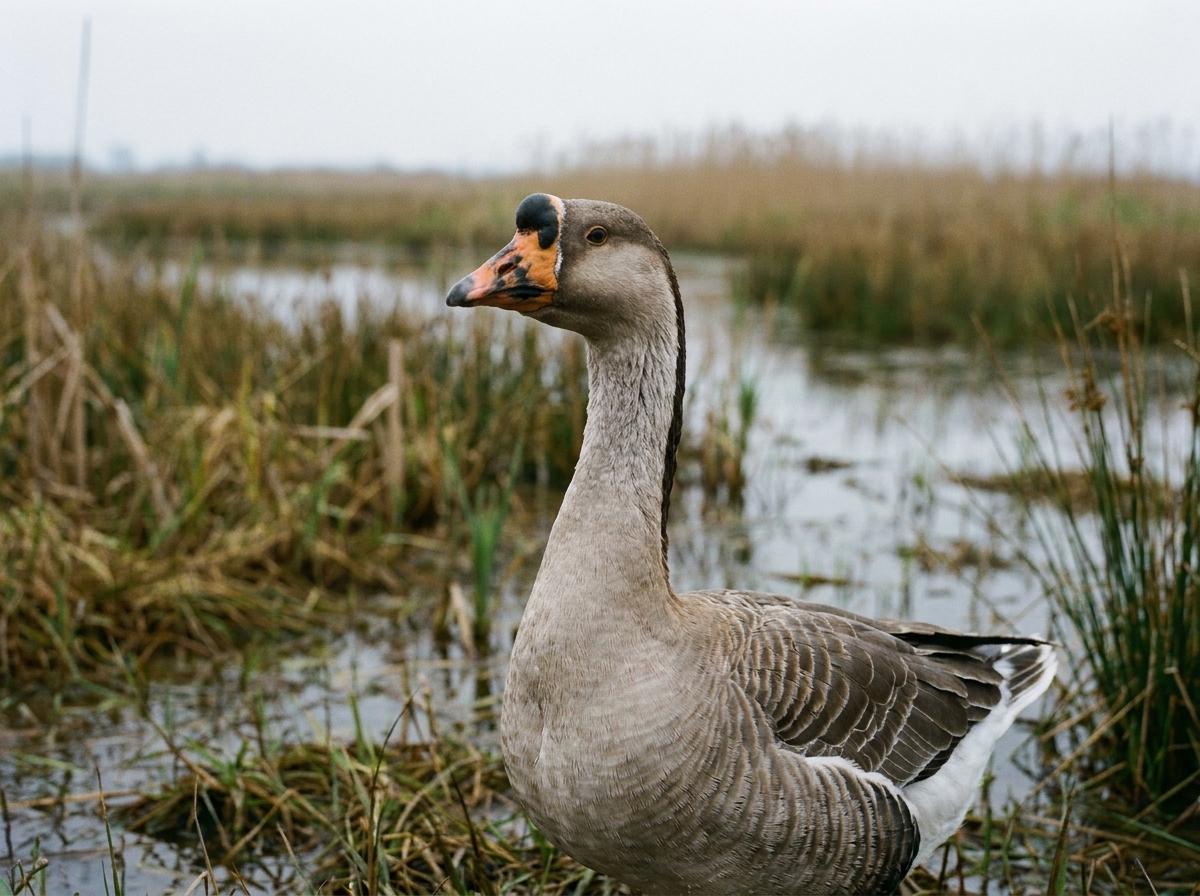
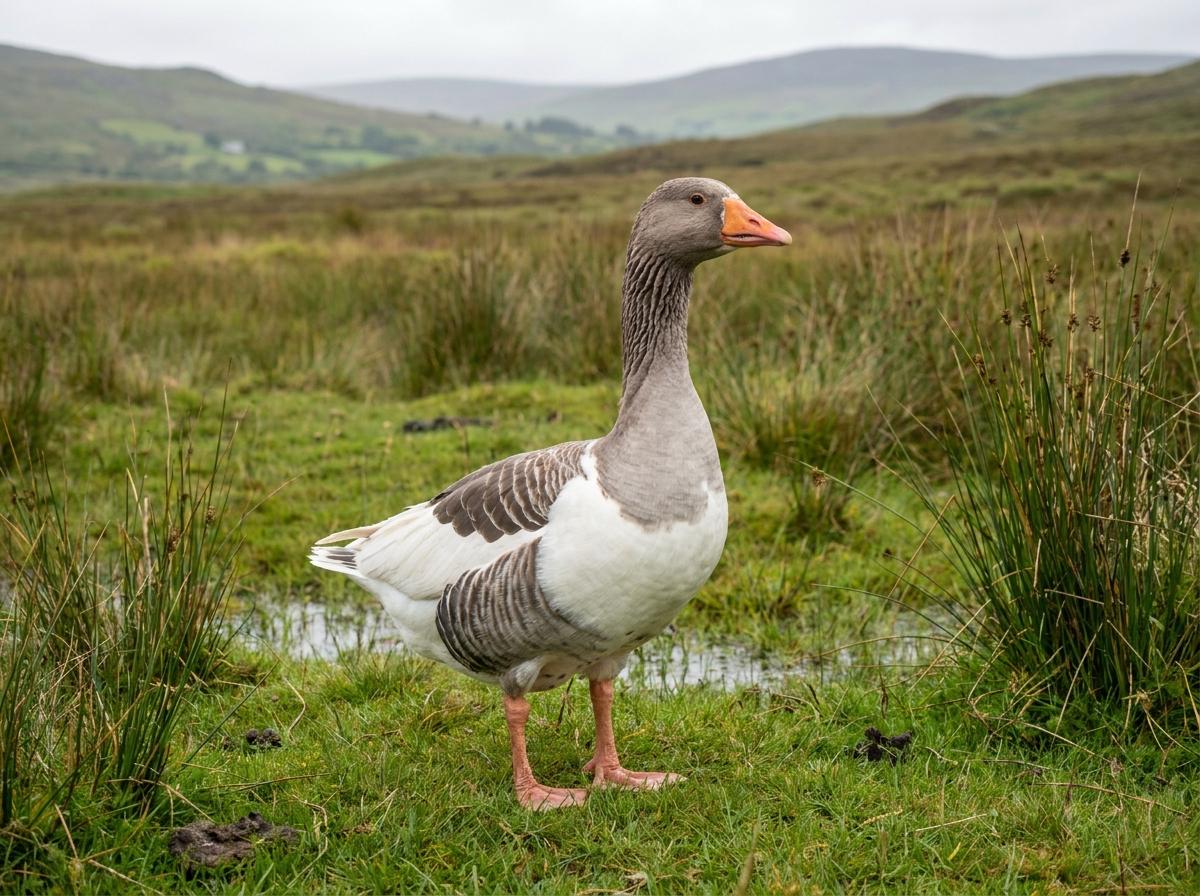
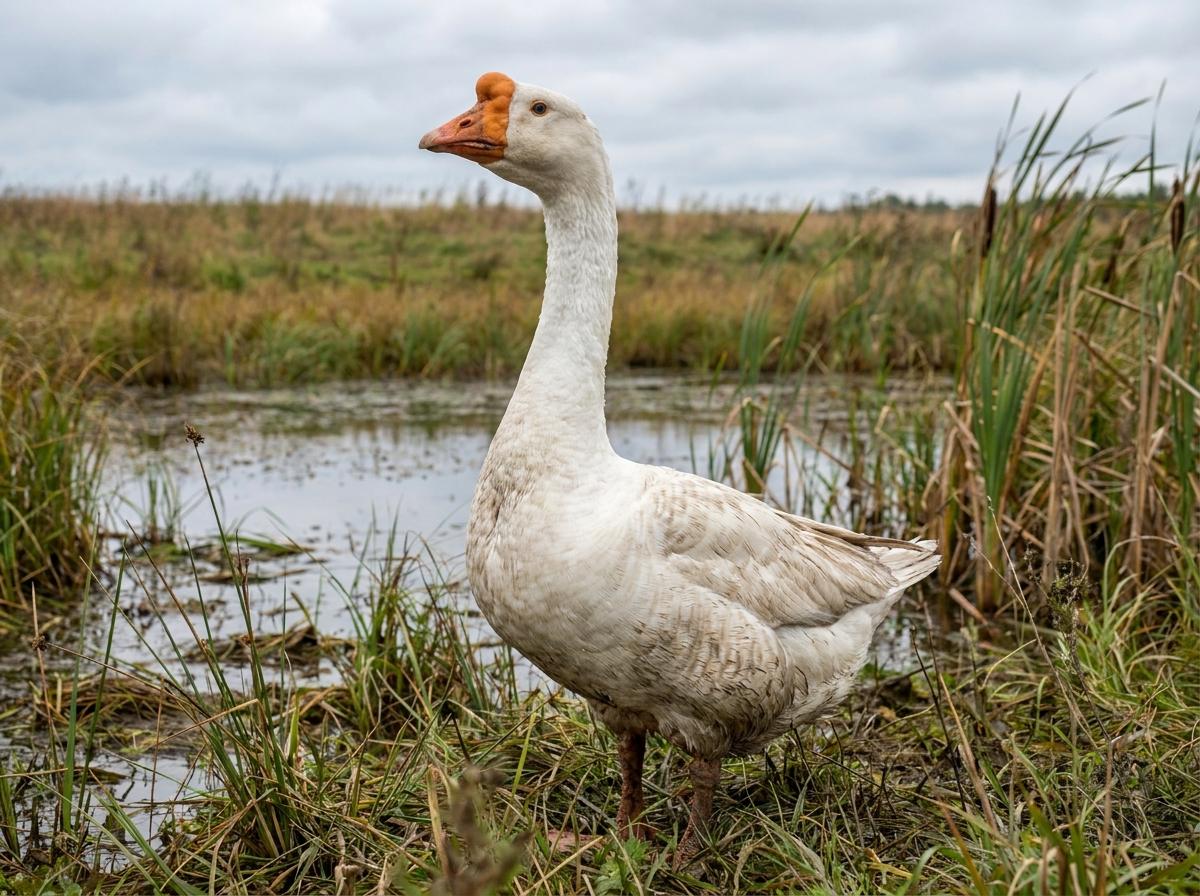
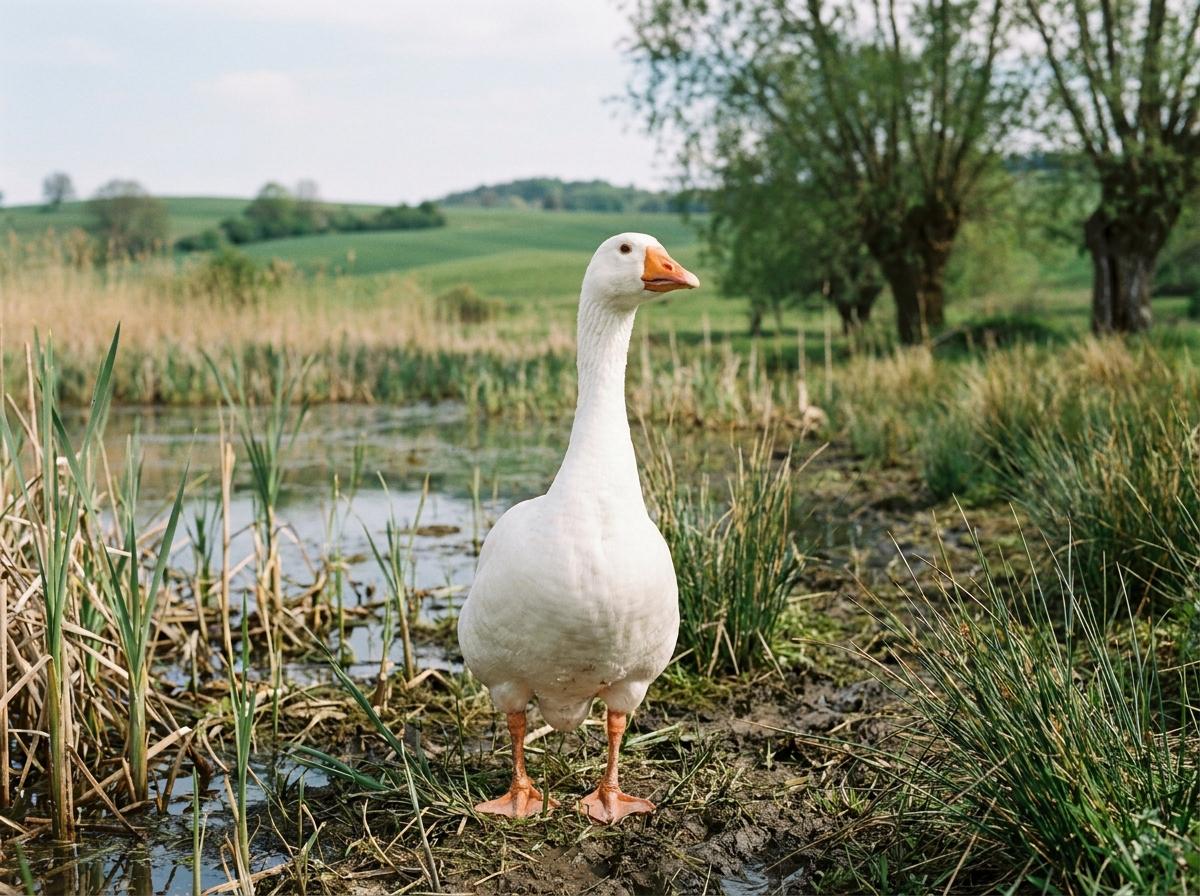
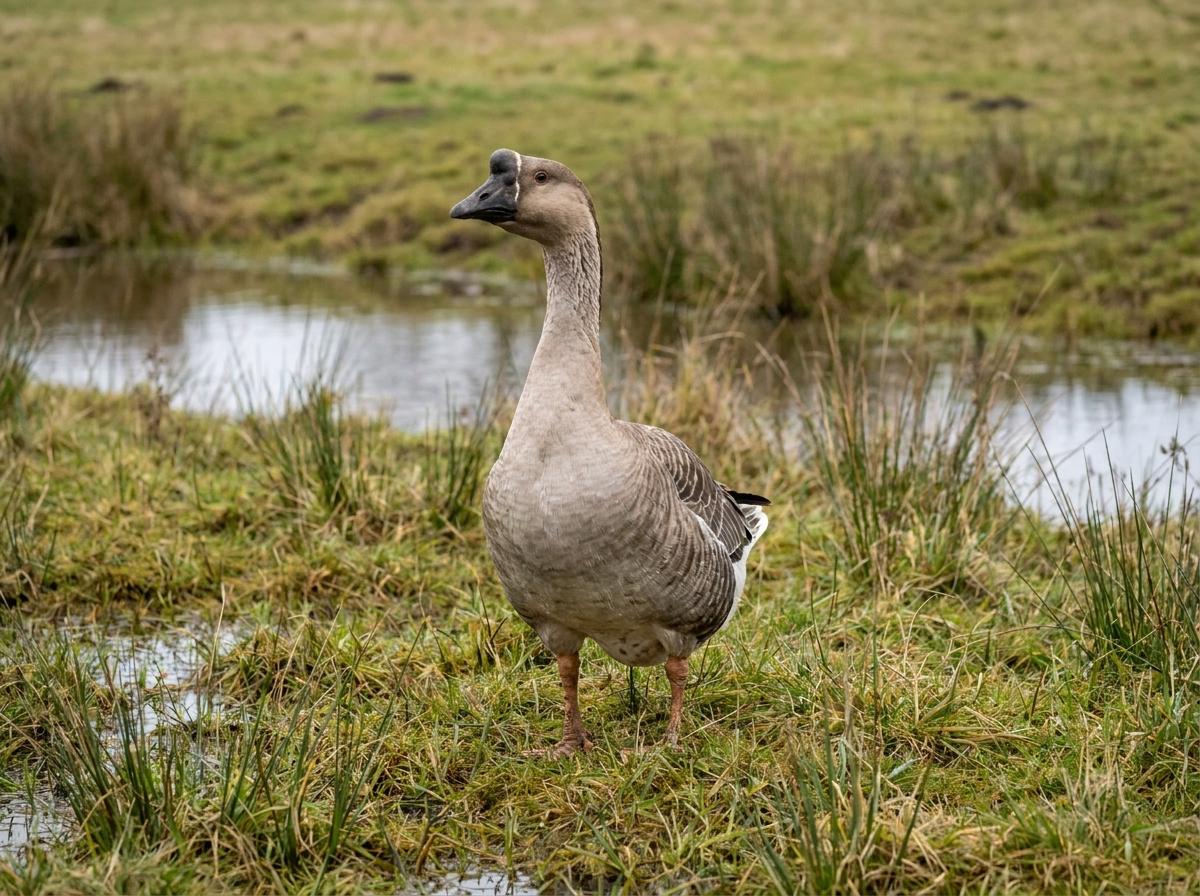
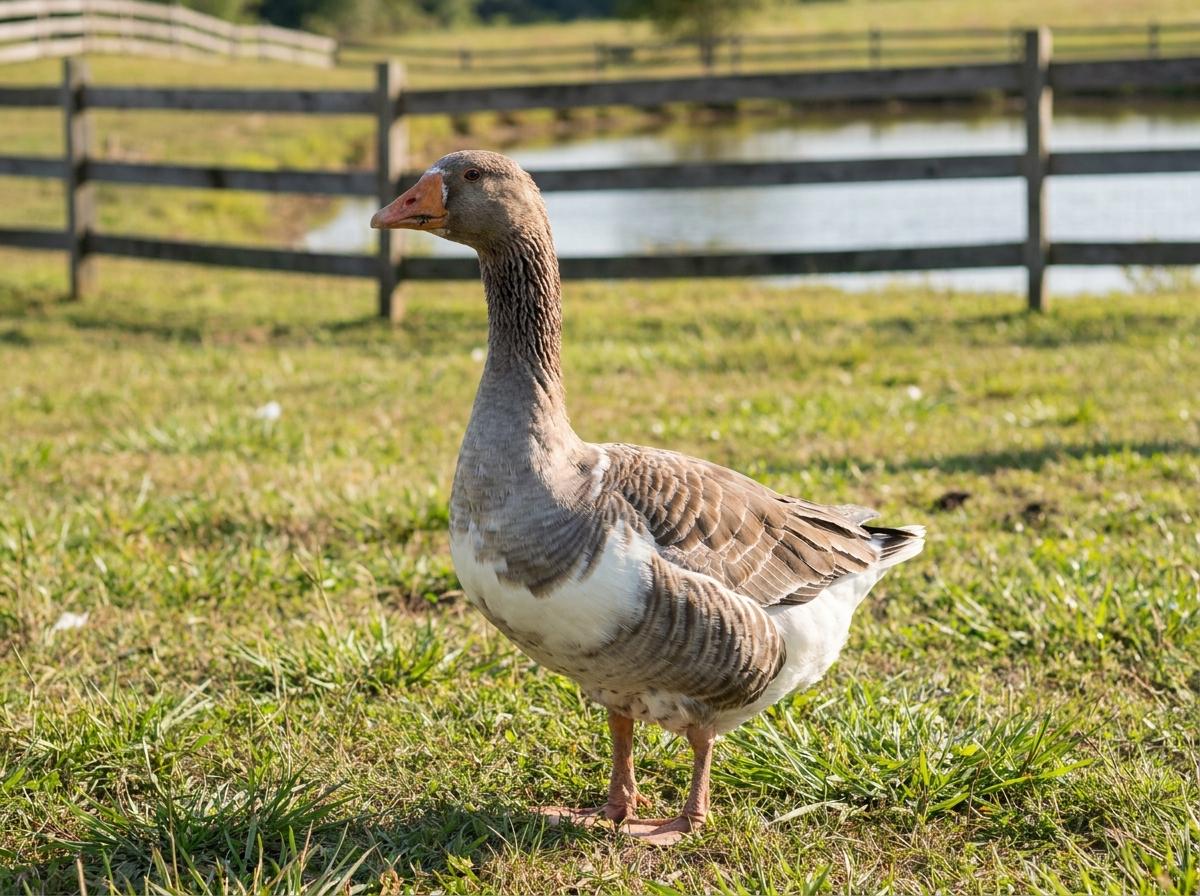
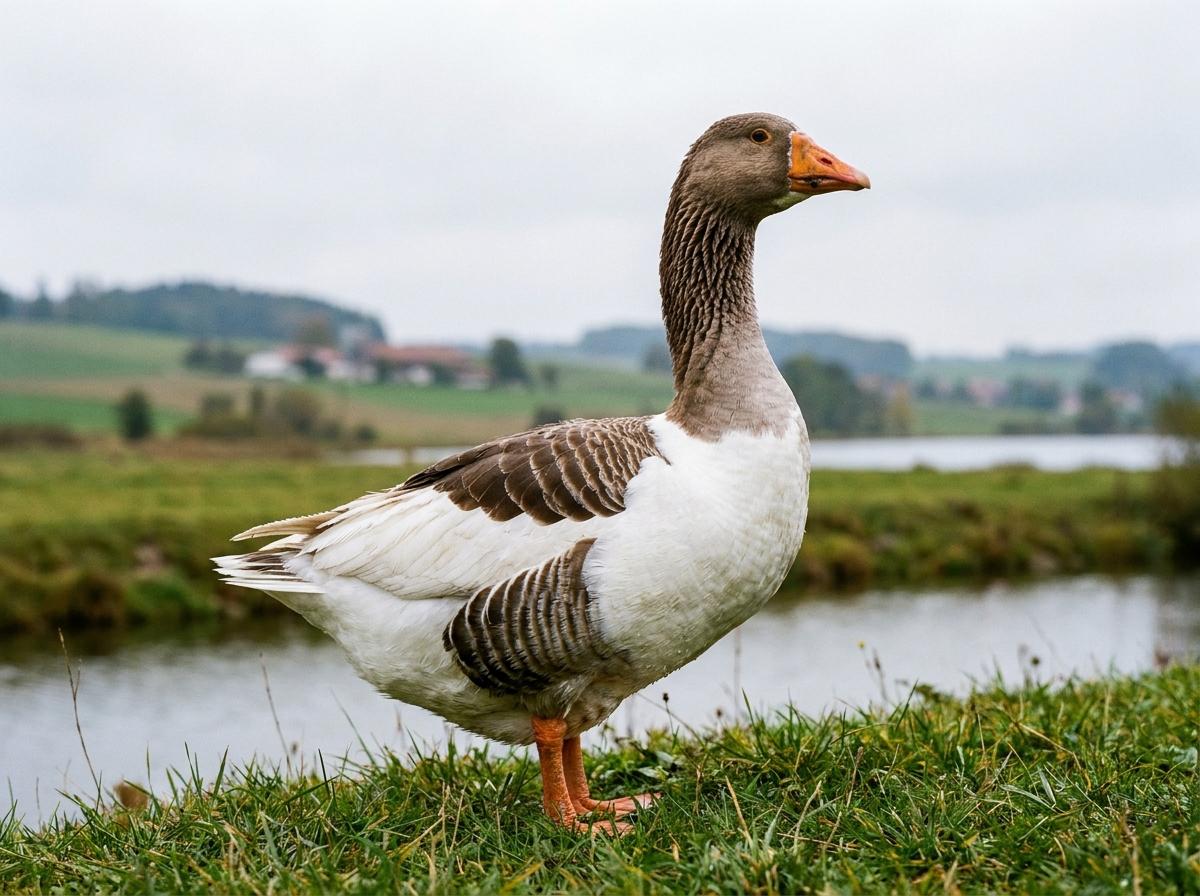
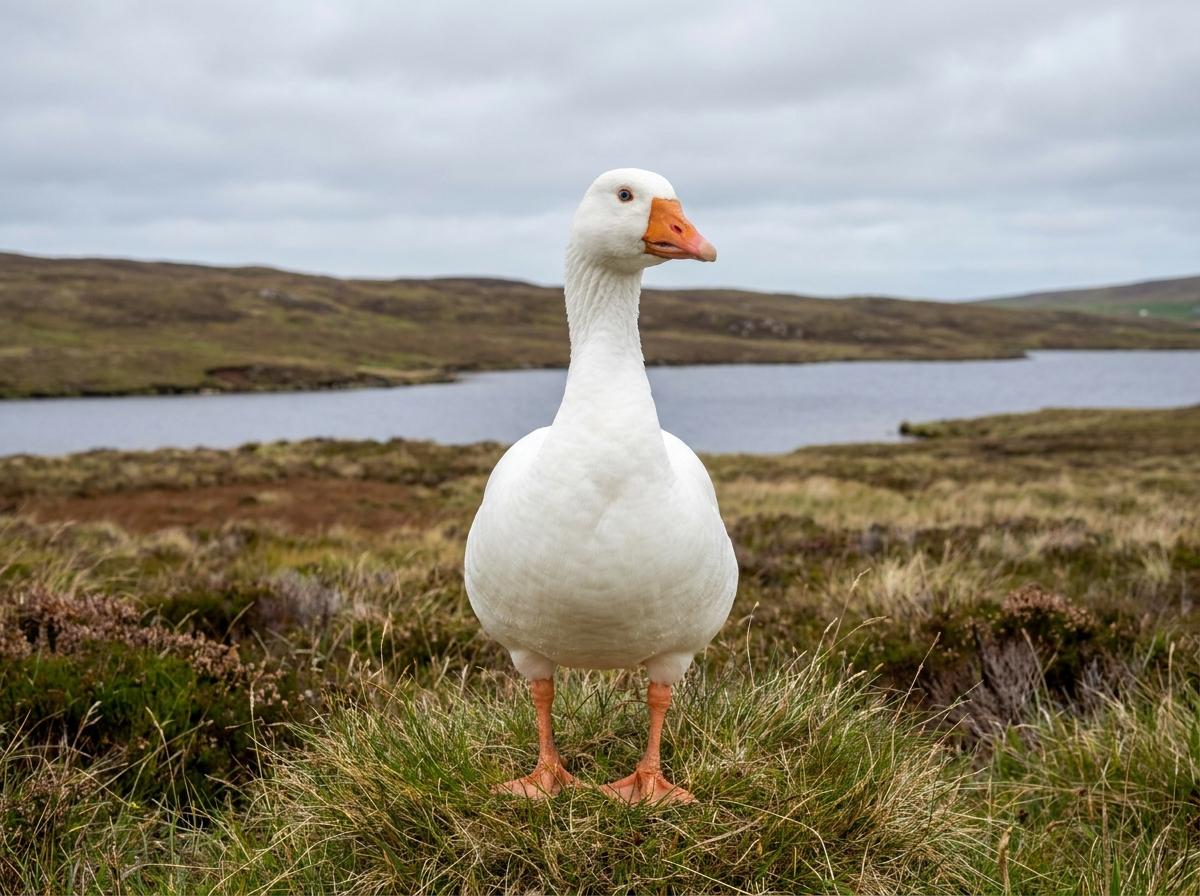
The Shetland goose is a small heritage goose from Scotland's Shetland Islands, where island farms favored birds that could graze rough ground, cope with wind and wet weather, and provide eggs and meat without heavy inputs. Many Shetland lines show sex-linked or strongly sex-associated plumage differences, with ganders often much lighter than females, although exact markings can vary. The breed is lighter than many table geese and belongs to a practical crofting tradition rather than a large commercial meat type.
Shetland geese suit keepers who want an active, thrifty goose for pasture, small farms, and conservation flocks. Their lighter frame can fit small acreages, but they are still alert waterfowl that need predator-secure night quarters, grazing space, clean water, and sensible handling during breeding season. Breeders should keep the island type clear, document hatch results, and avoid selecting only for novelty markings. Sound legs, grazing ability, fertility, and reliable seasonal breeding are the traits that keep the breed useful.
Colors: Blue, Brown, Brown and White, Buff, Buff and White, Gray, Gray and White, Grey, Lavender, Pied, Saddleback, Splash, Tufted, White