



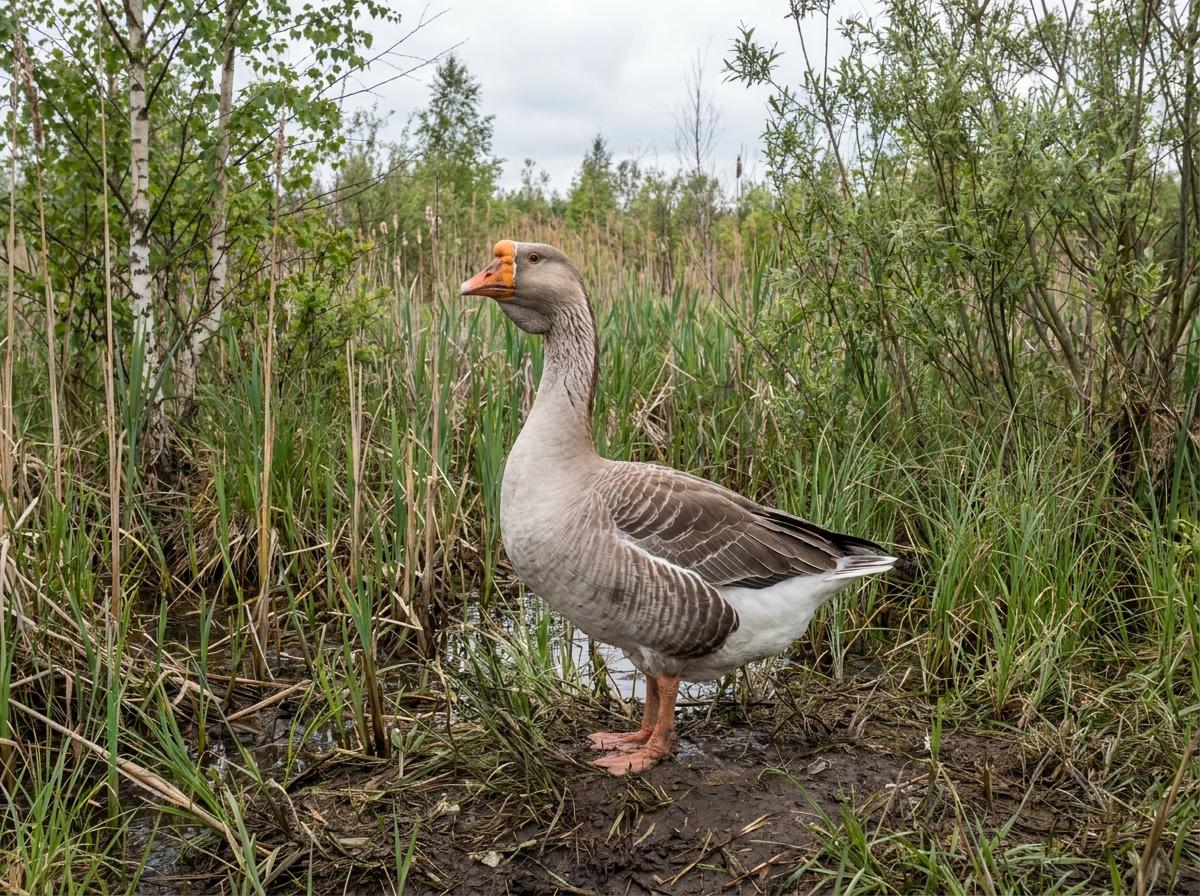
Tula Goose
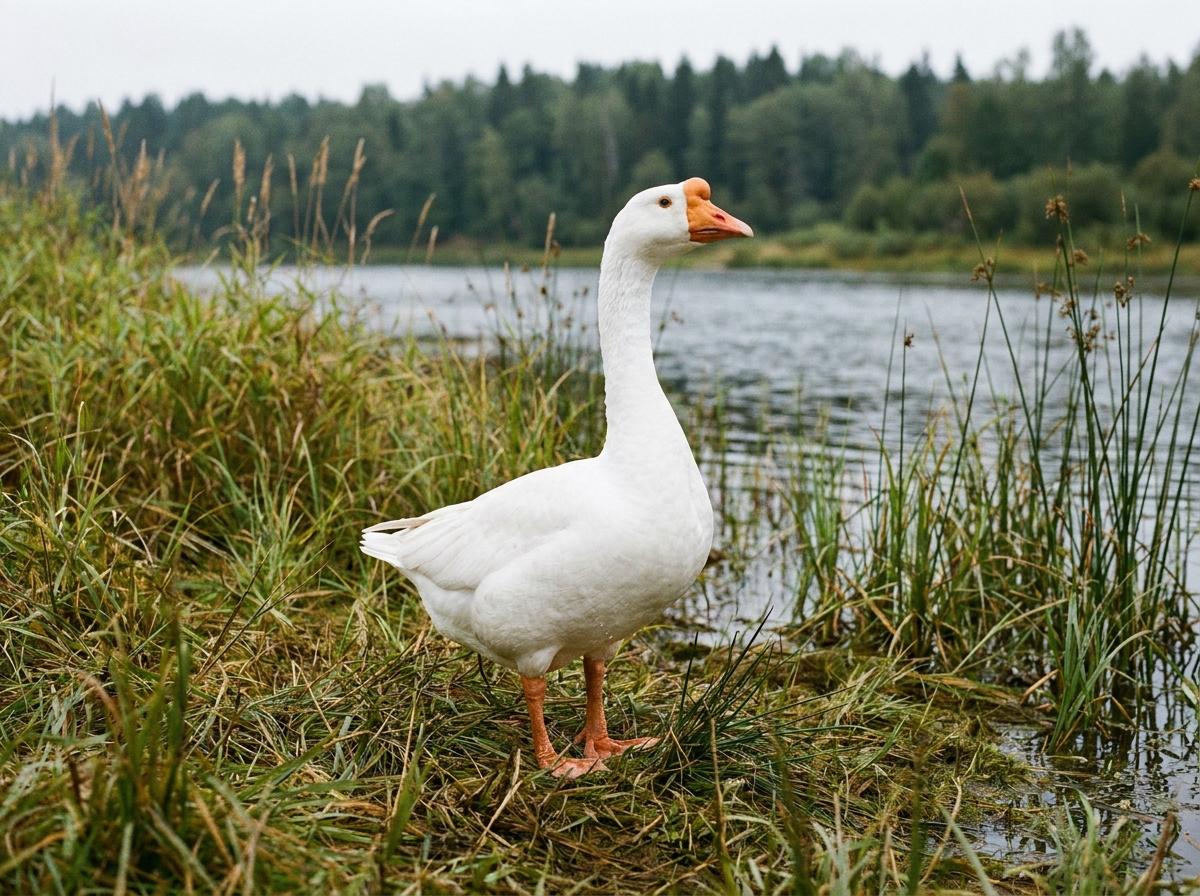
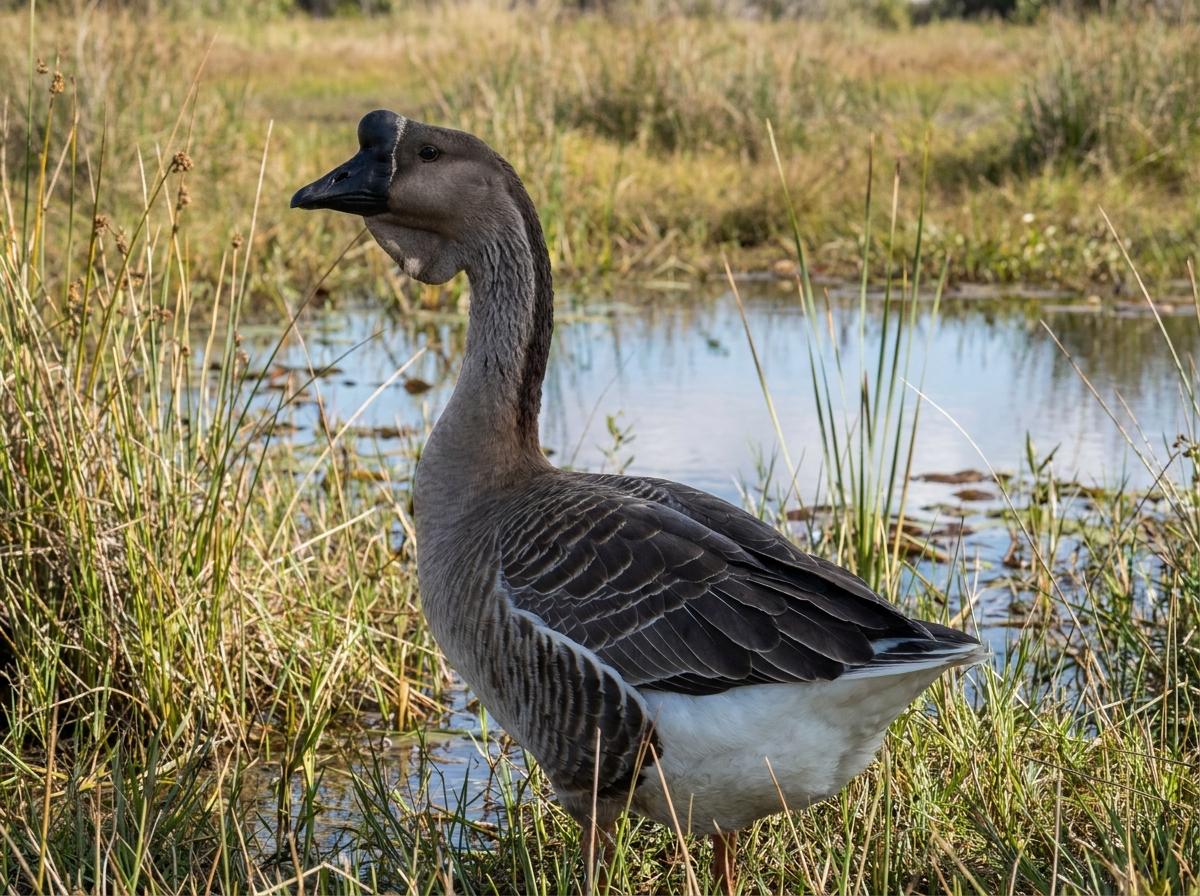
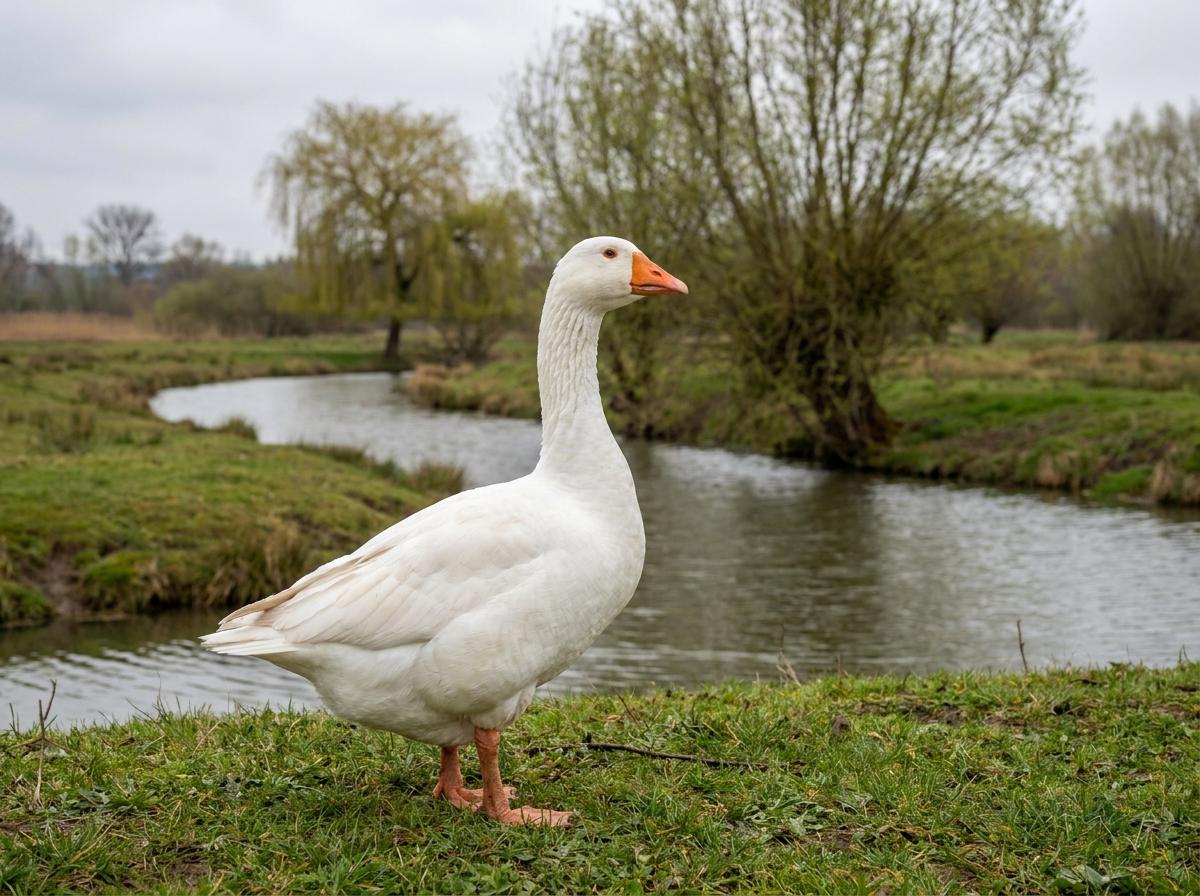
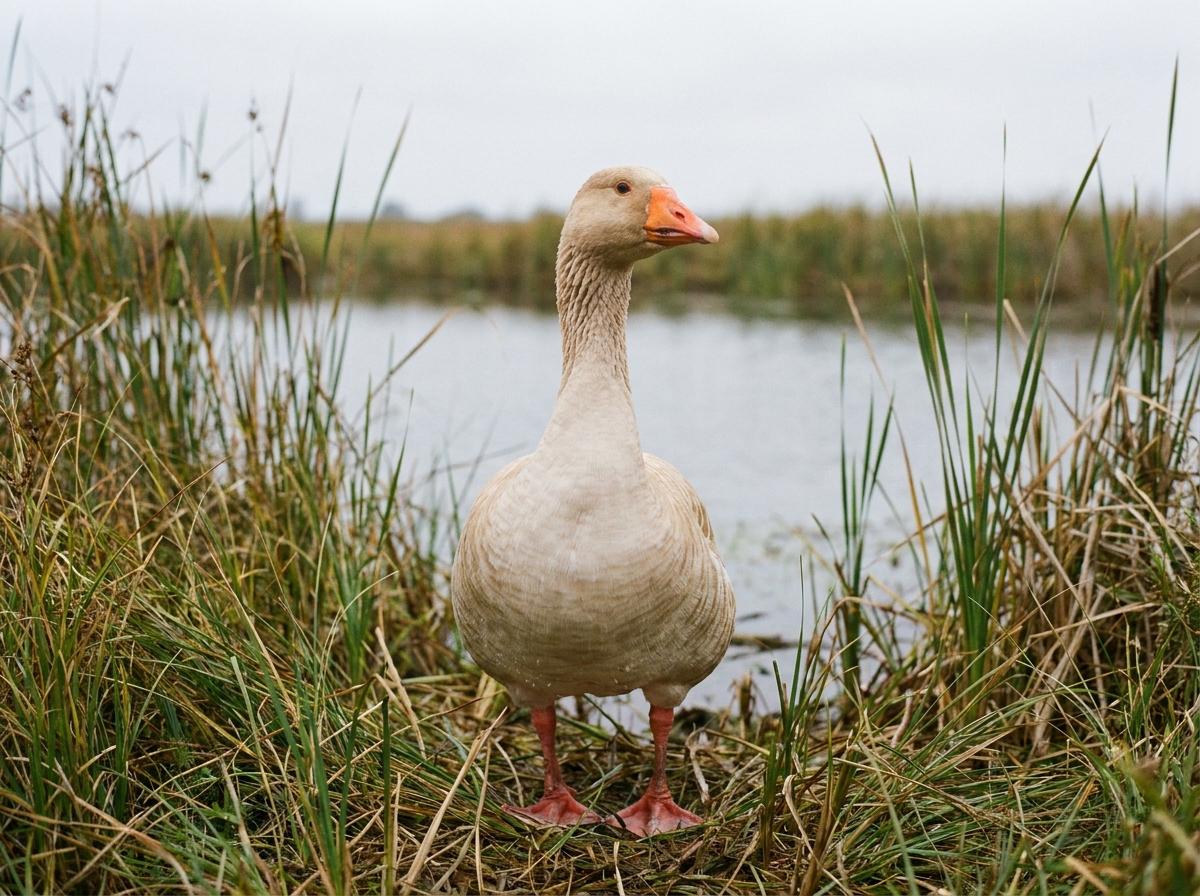
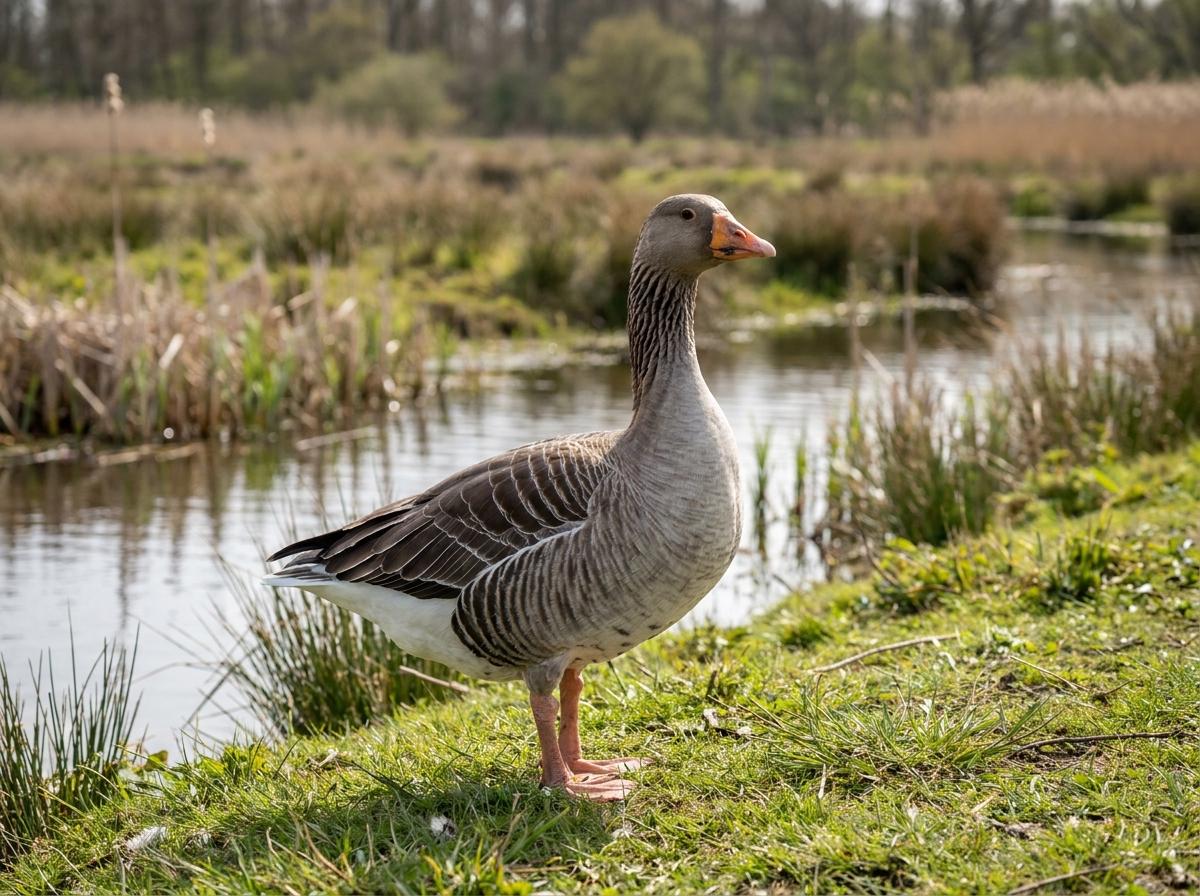
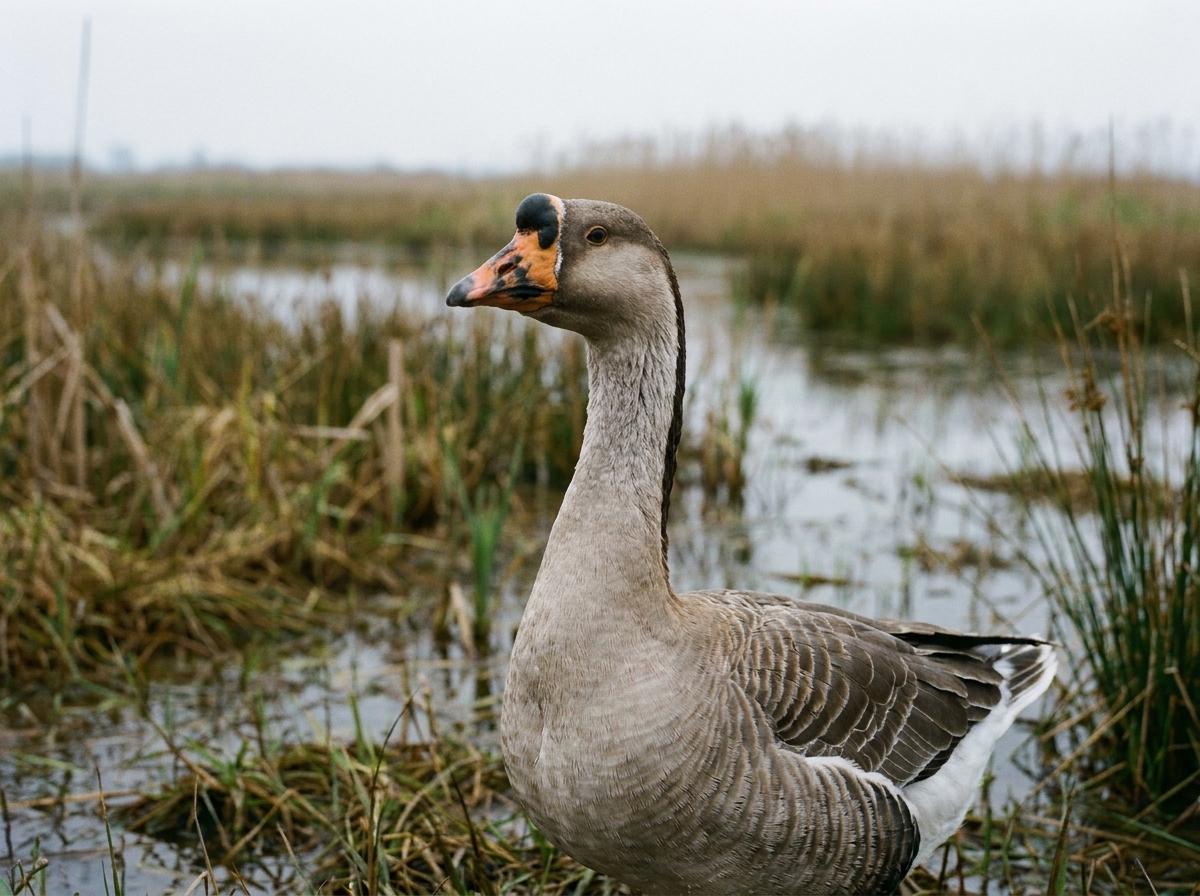
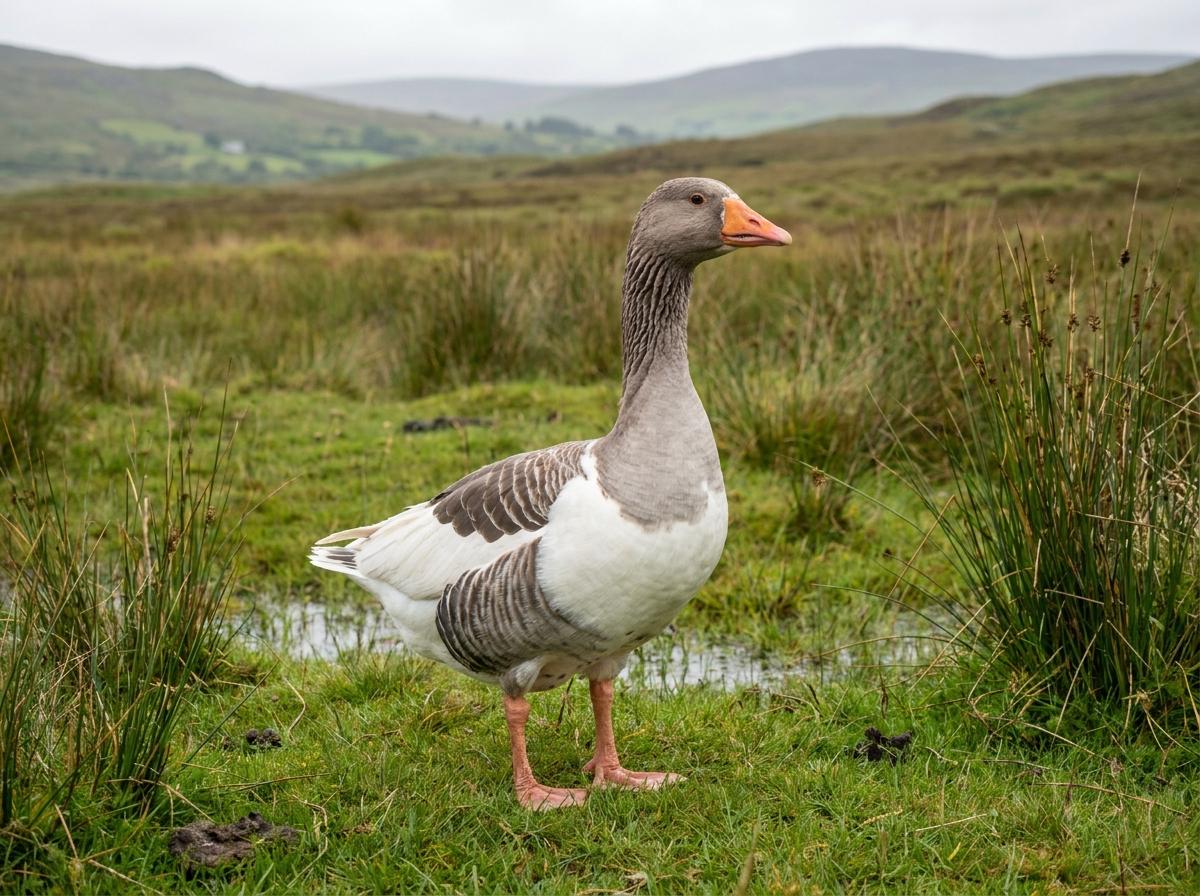
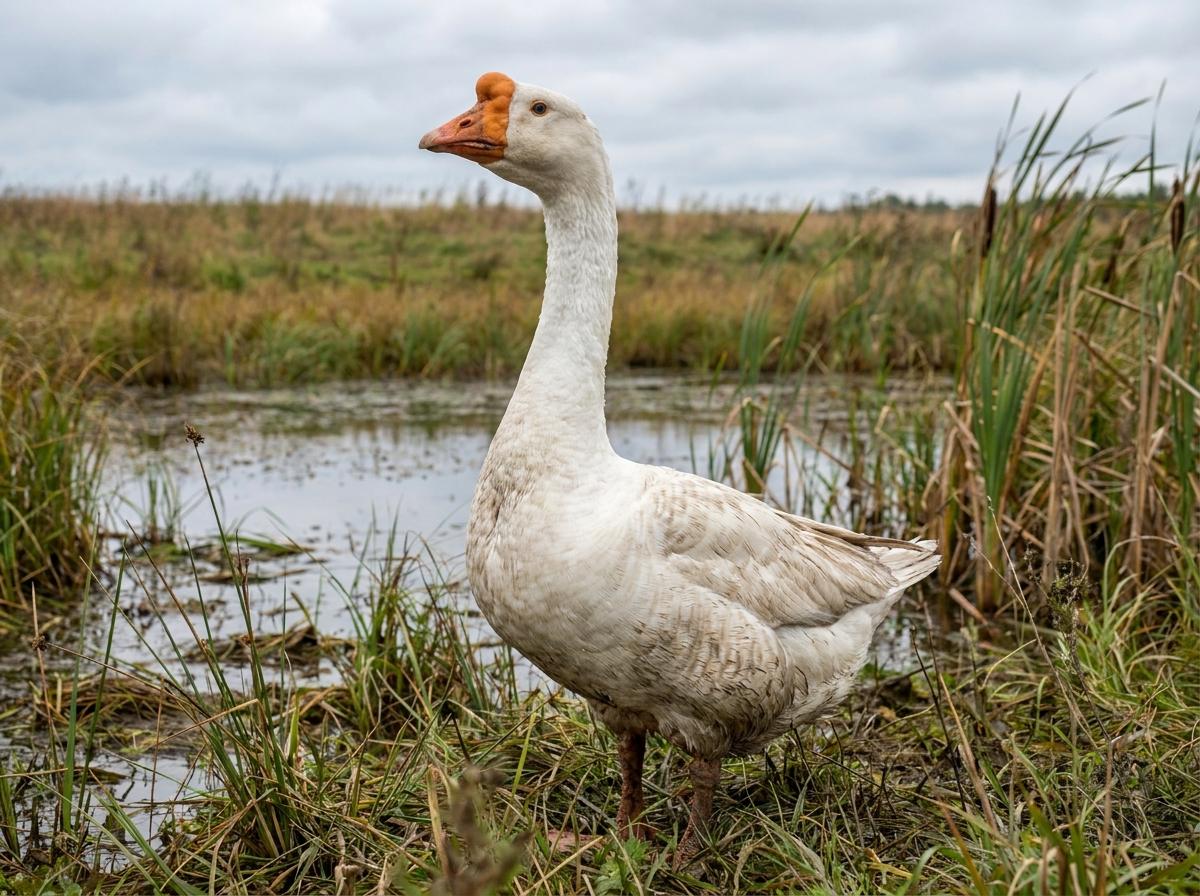
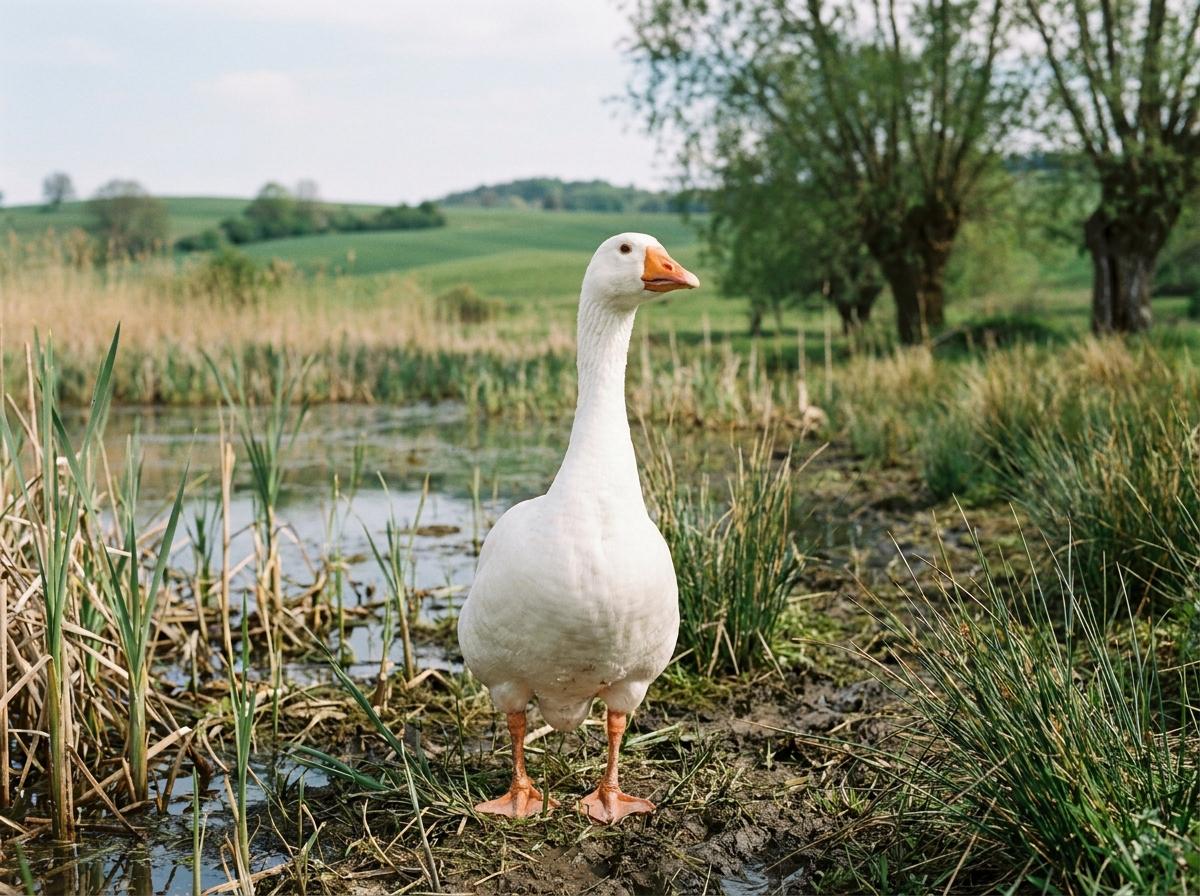
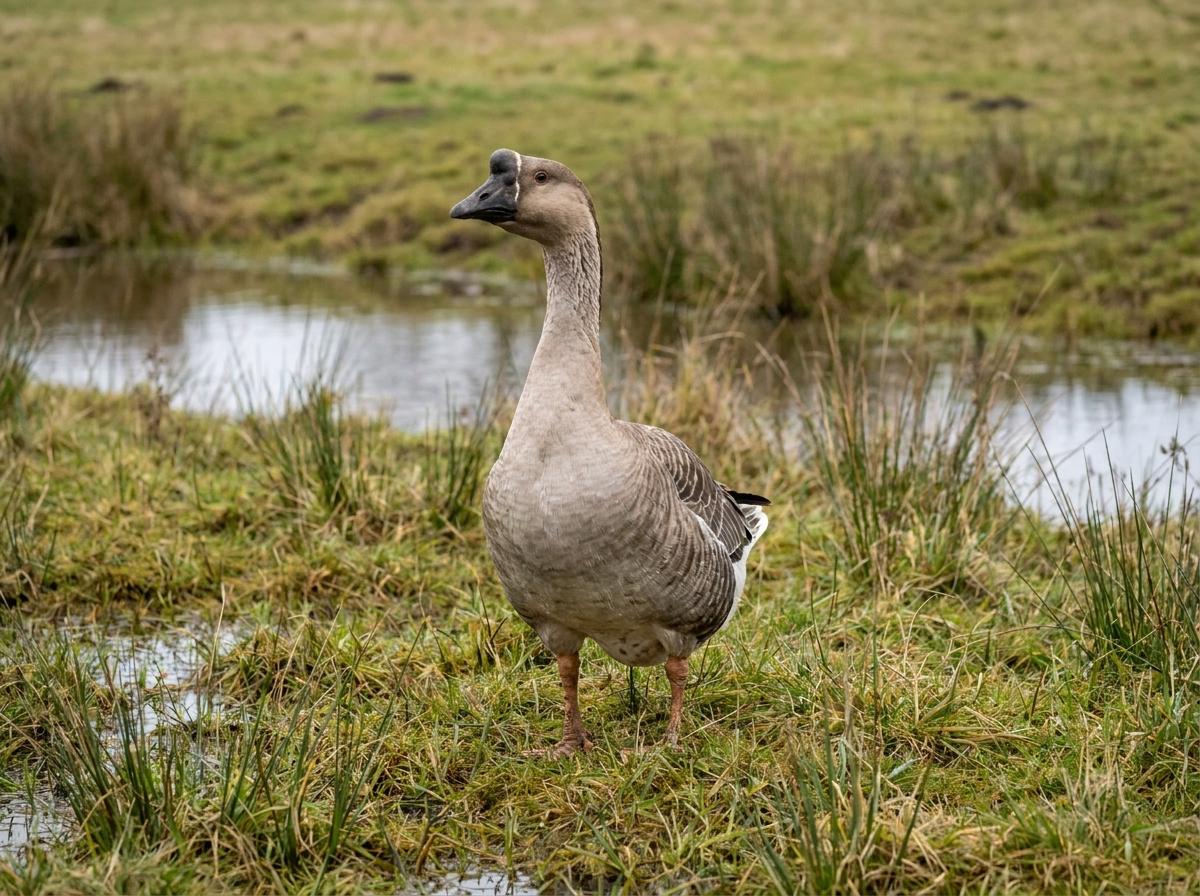
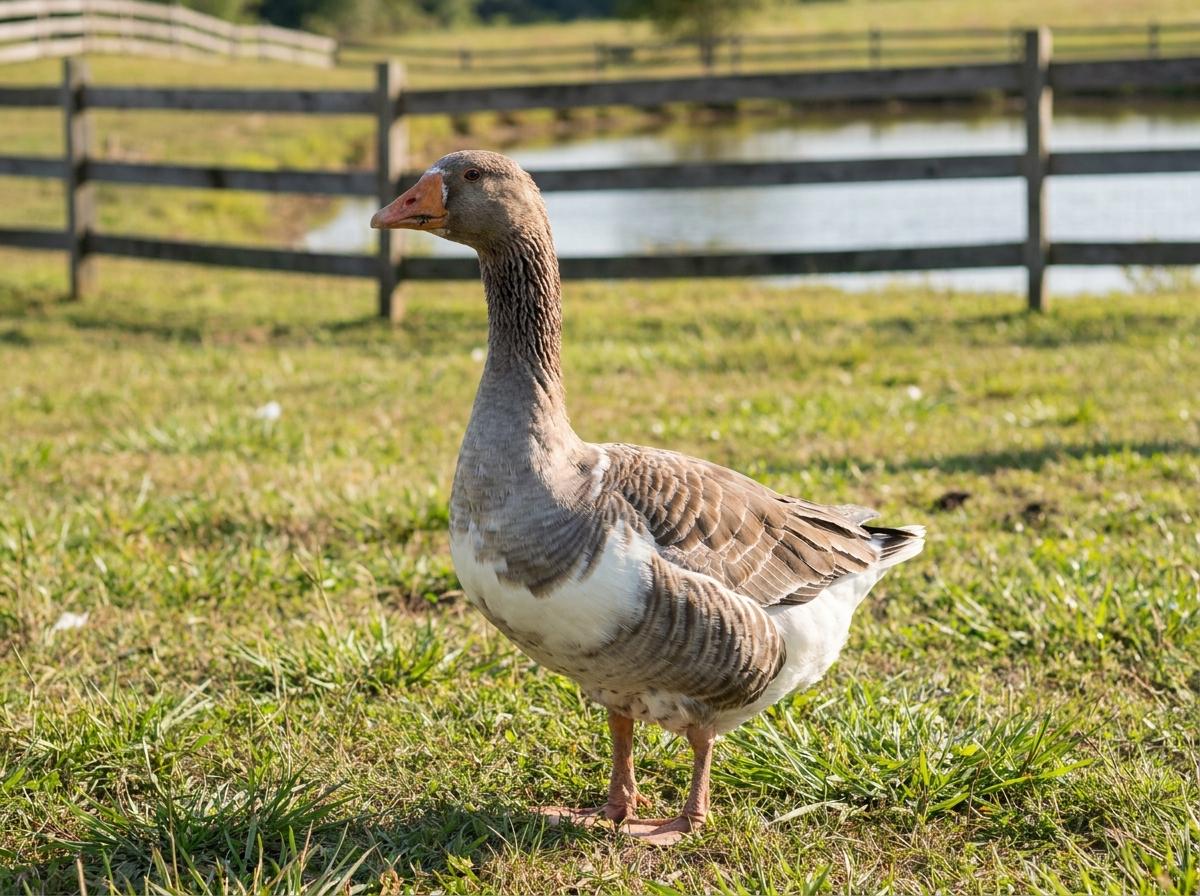
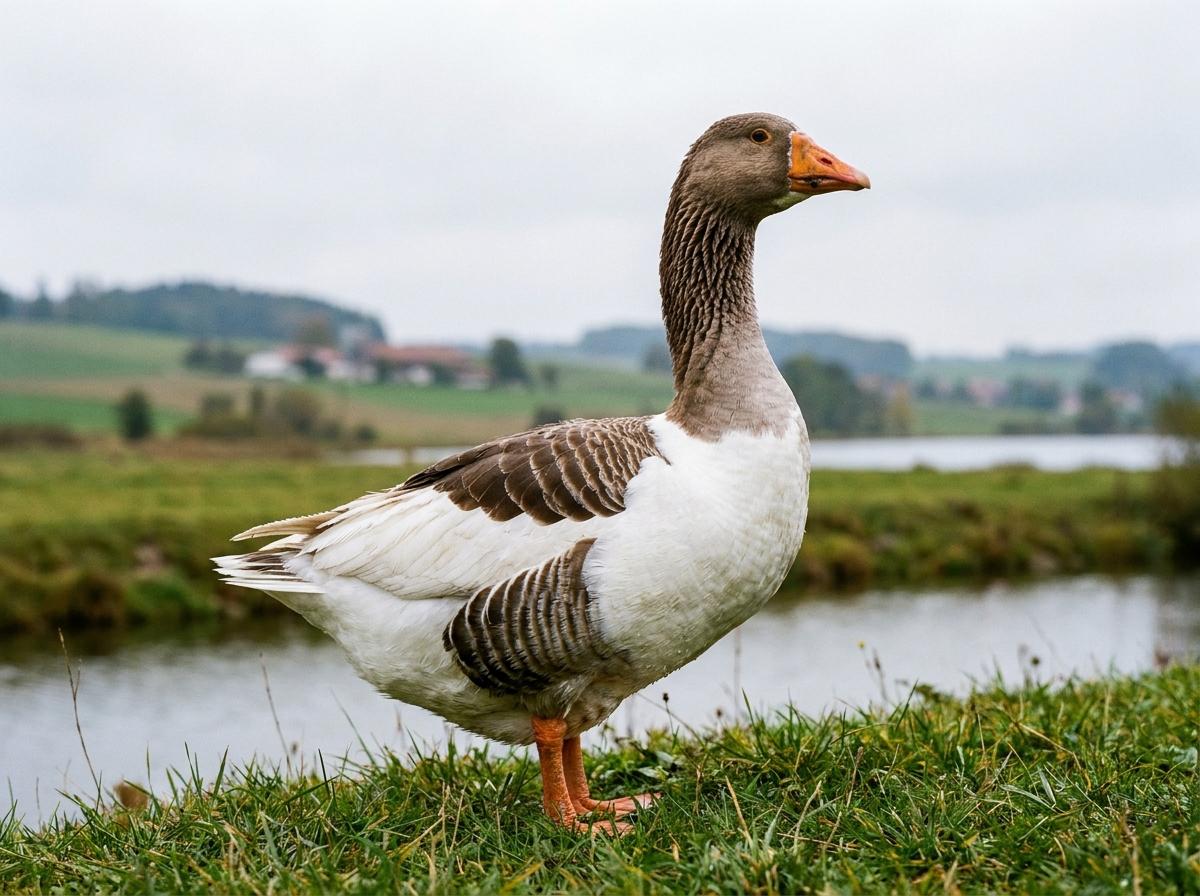
The Tula goose, usually called the Tula fighting goose or Tulskaya in Russian contexts, is an old domestic goose from the Tula region south of Moscow. It was selected less for large carcasses than for toughness, stance, and the combative display of ganders in traditional contests. Tula geese are generally compact and muscular, with a strong neck, broad chest, and a short thick bill. Russian descriptions recognize several bill shapes, including straighter and more steeply curved forms. Gray, clay-colored, and white birds occur, although type and head structure matter more than color.
Modern keeping is mainly about cultural preservation, exhibition, and maintaining rare bloodlines; organized fighting is restricted or unacceptable in many places. A Tula flock needs secure pens, good pasture, and careful separation during the breeding season, because ganders can be assertive with rivals and sometimes with people. They are cold-climate geese, but still need dry shelter and open water that does not leave them standing in mud. Breeders should select for sound legs, fertility, and manageable temperament as well as the traditional bill form, especially when birds are kept in mixed or public-facing collections.
Colors: Blue, Brown, Brown and White, Buff, Buff and White, Gray, Gray and White, Grey, Lavender, Pied, Saddleback, Splash, Tufted, White