Twente Goose
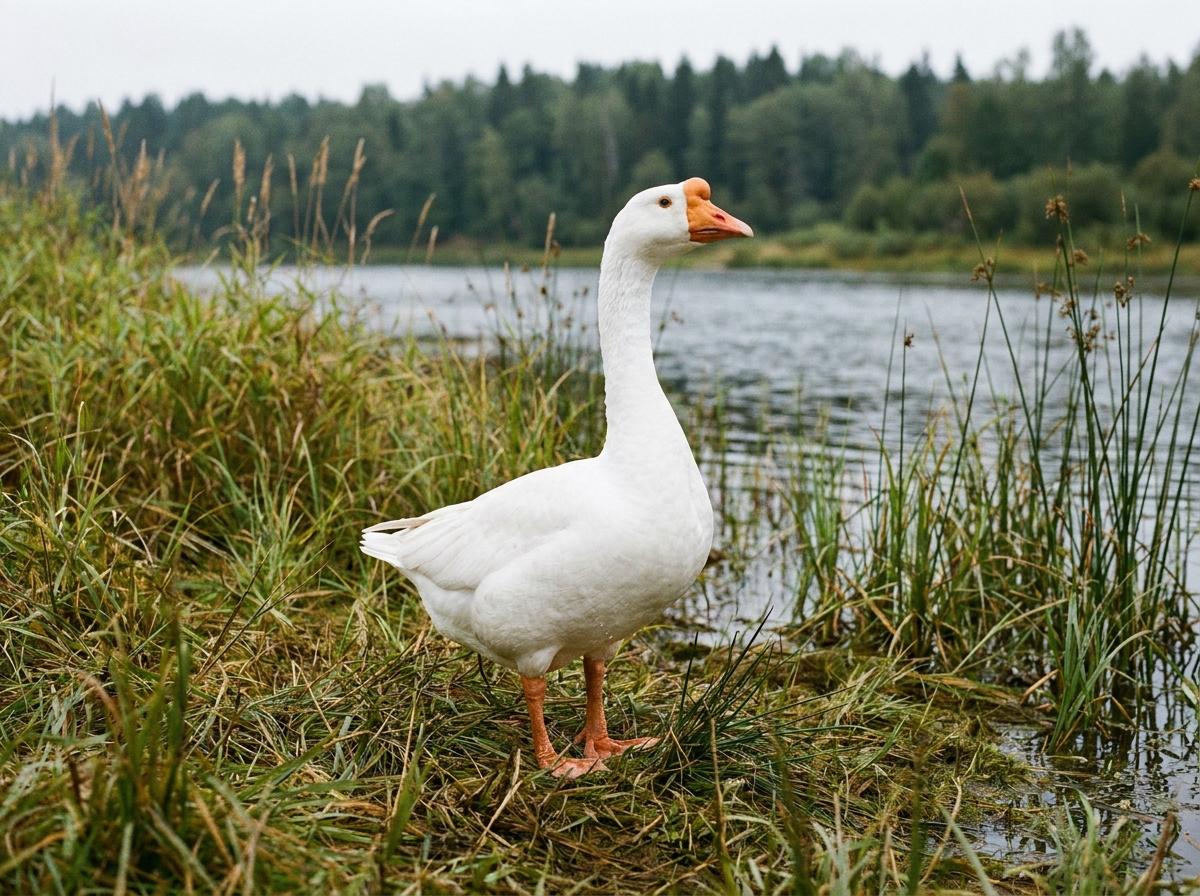
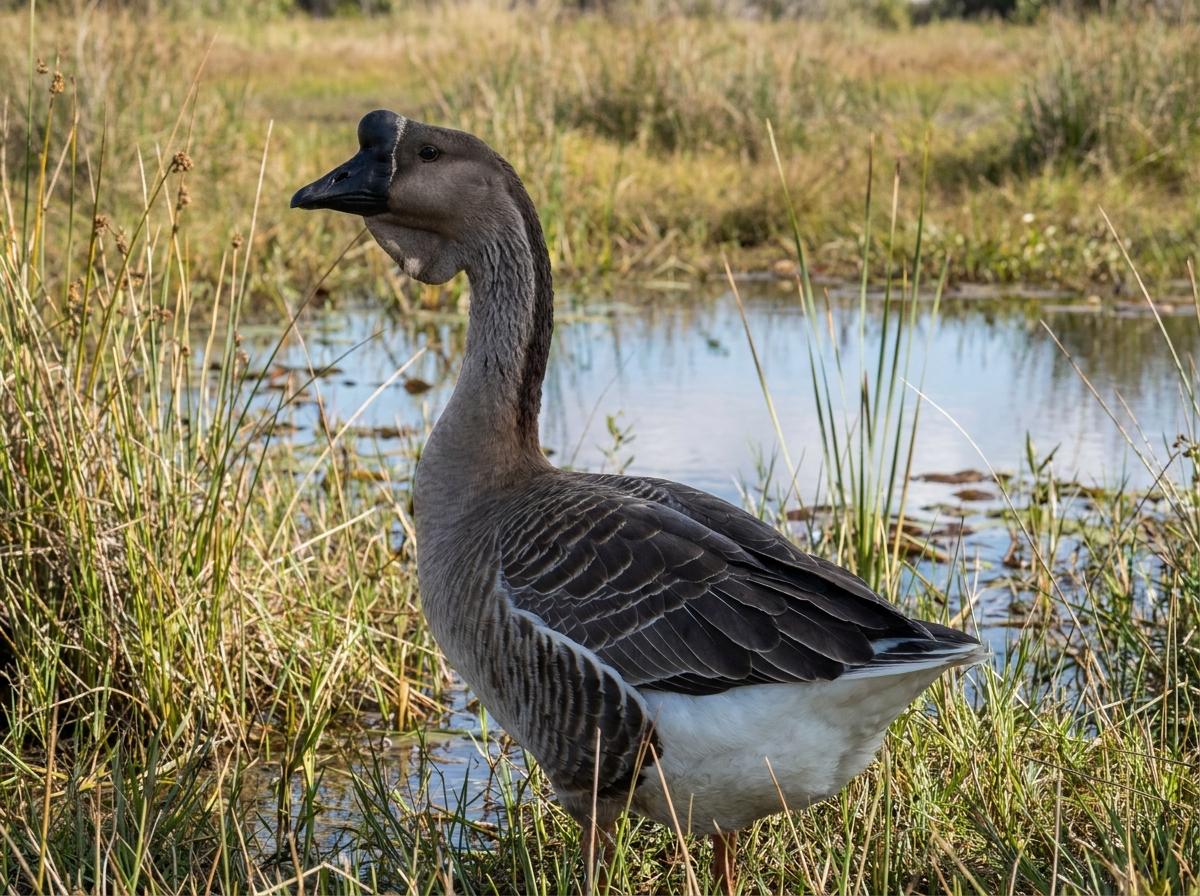
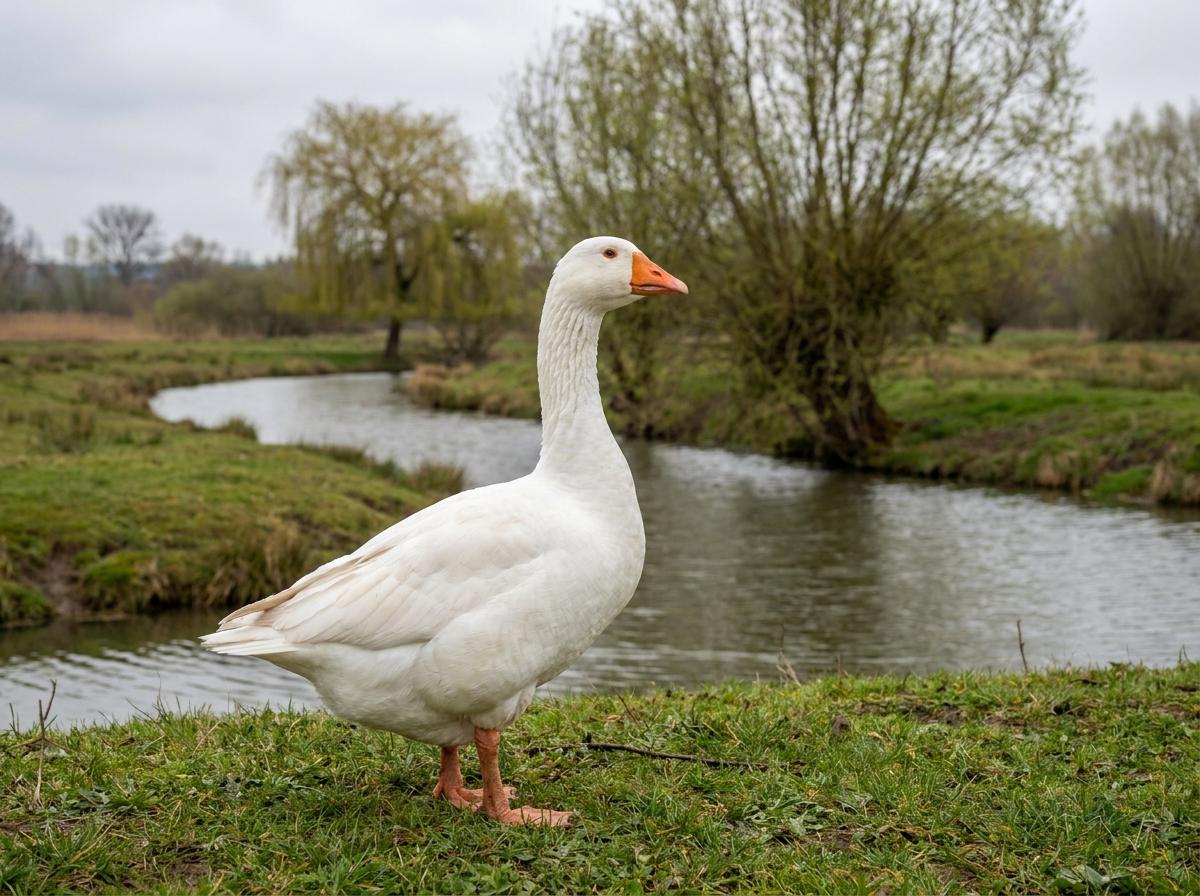
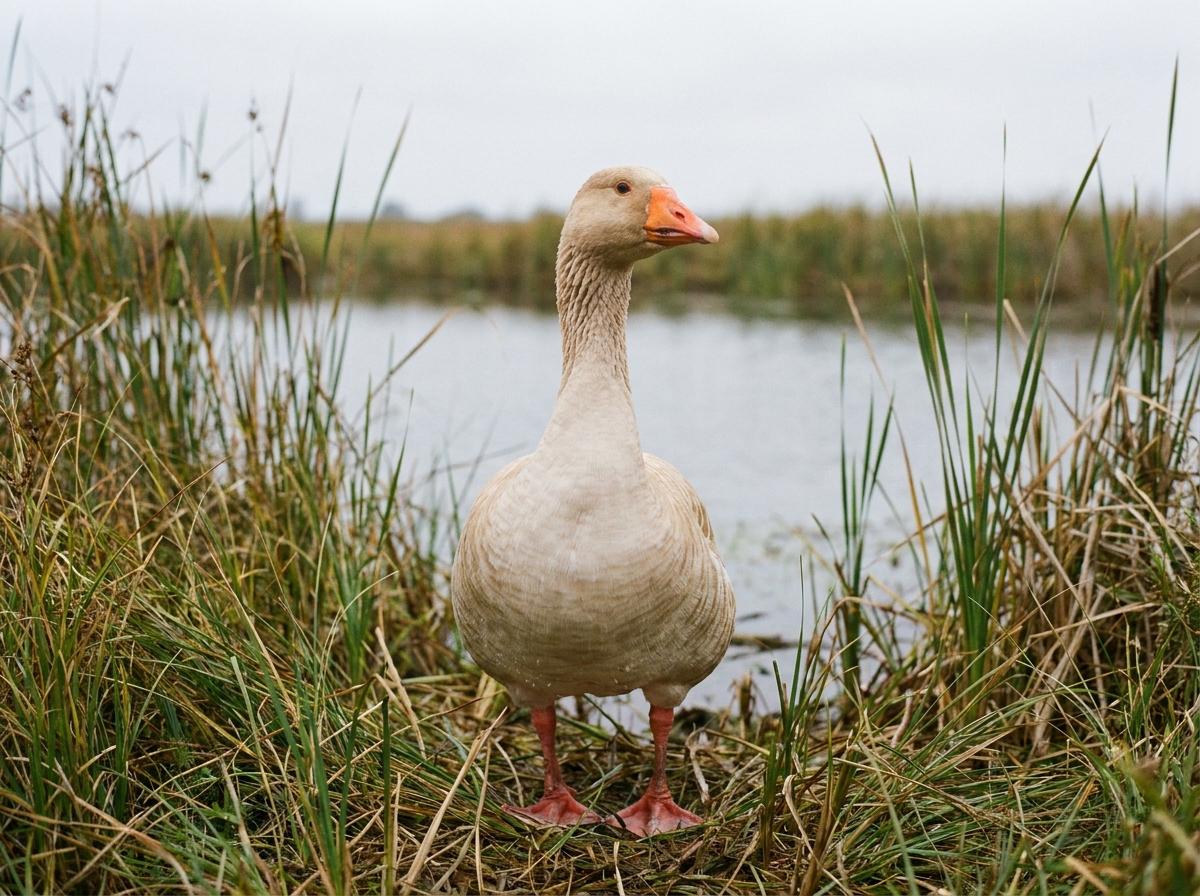
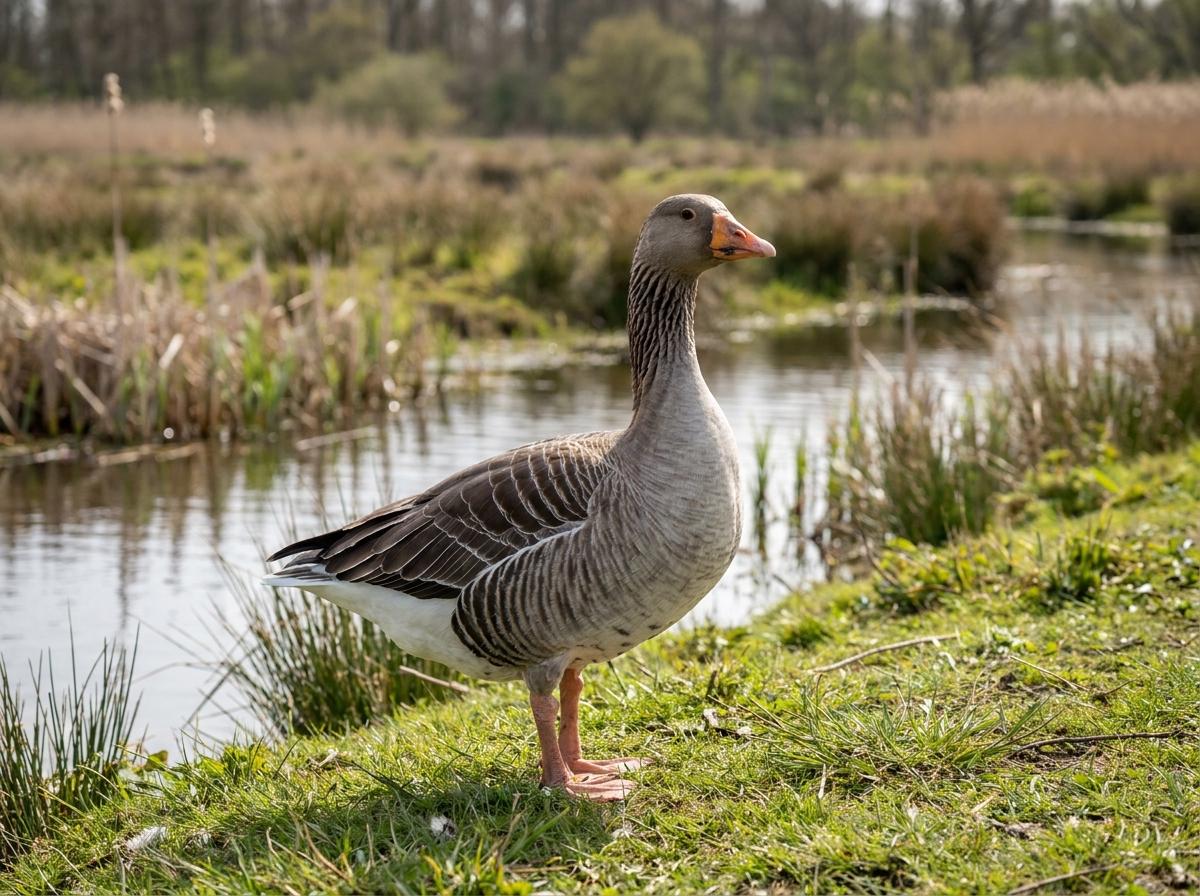
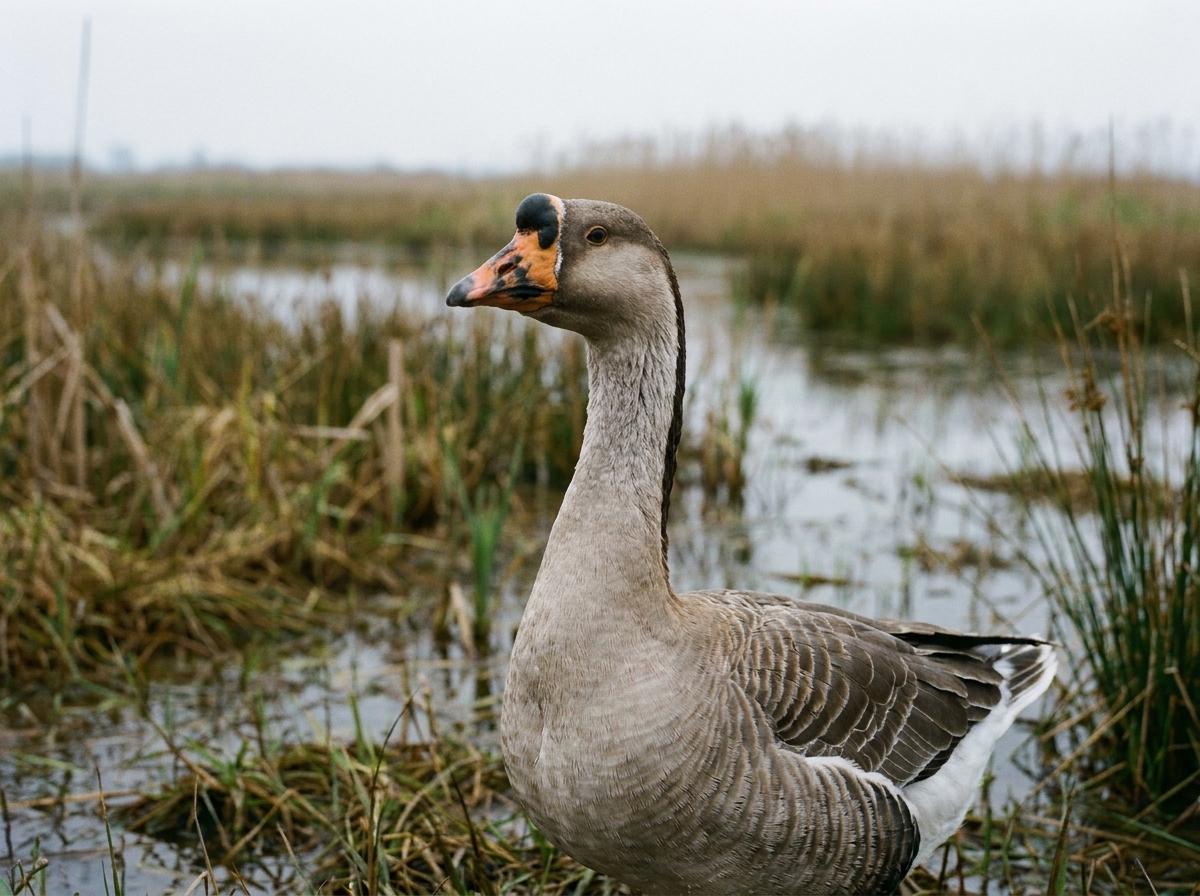
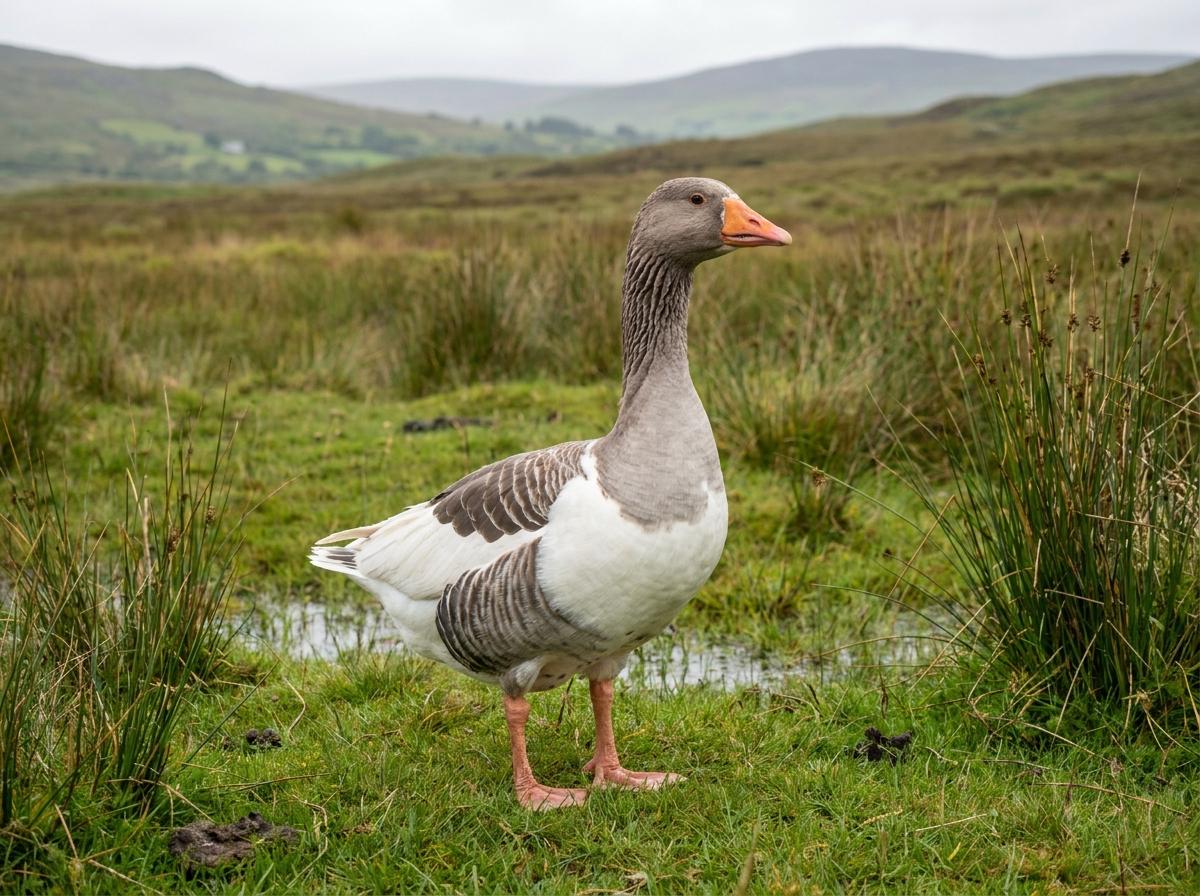
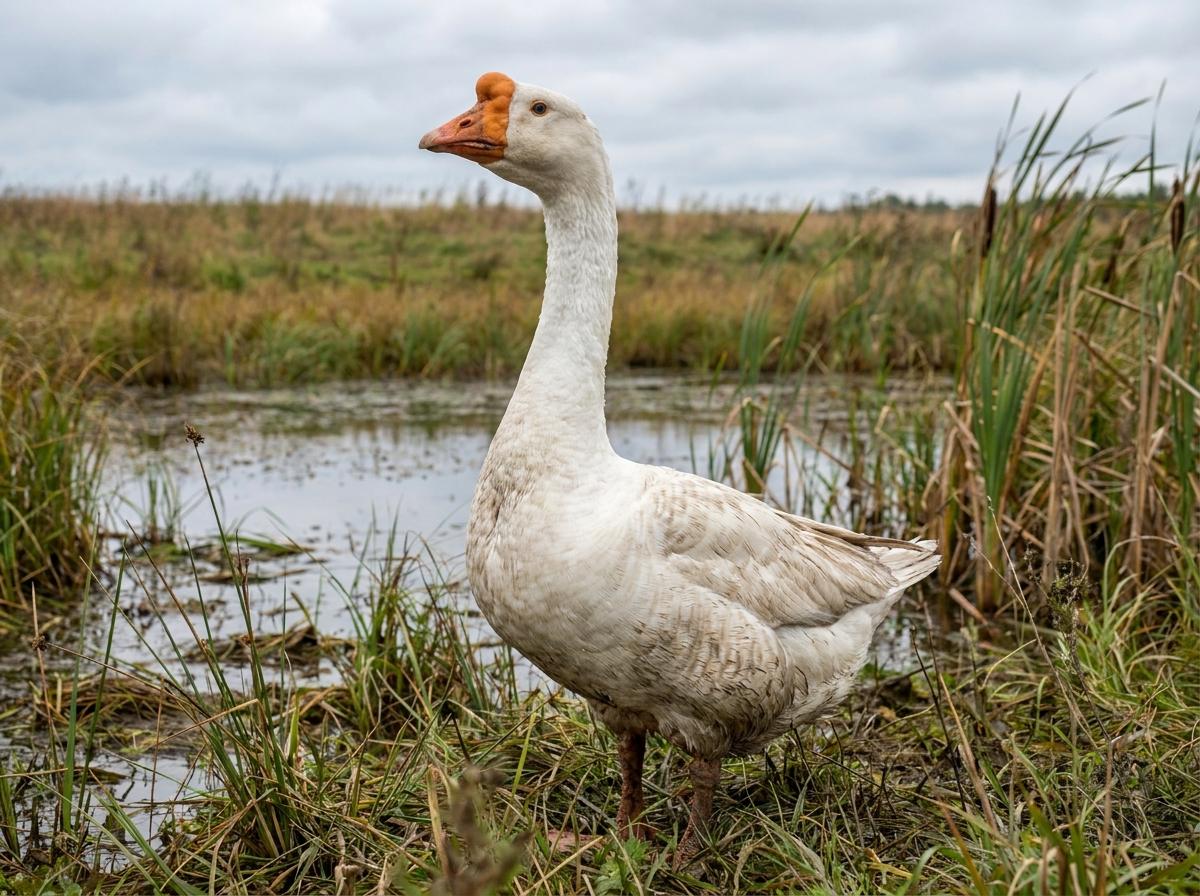
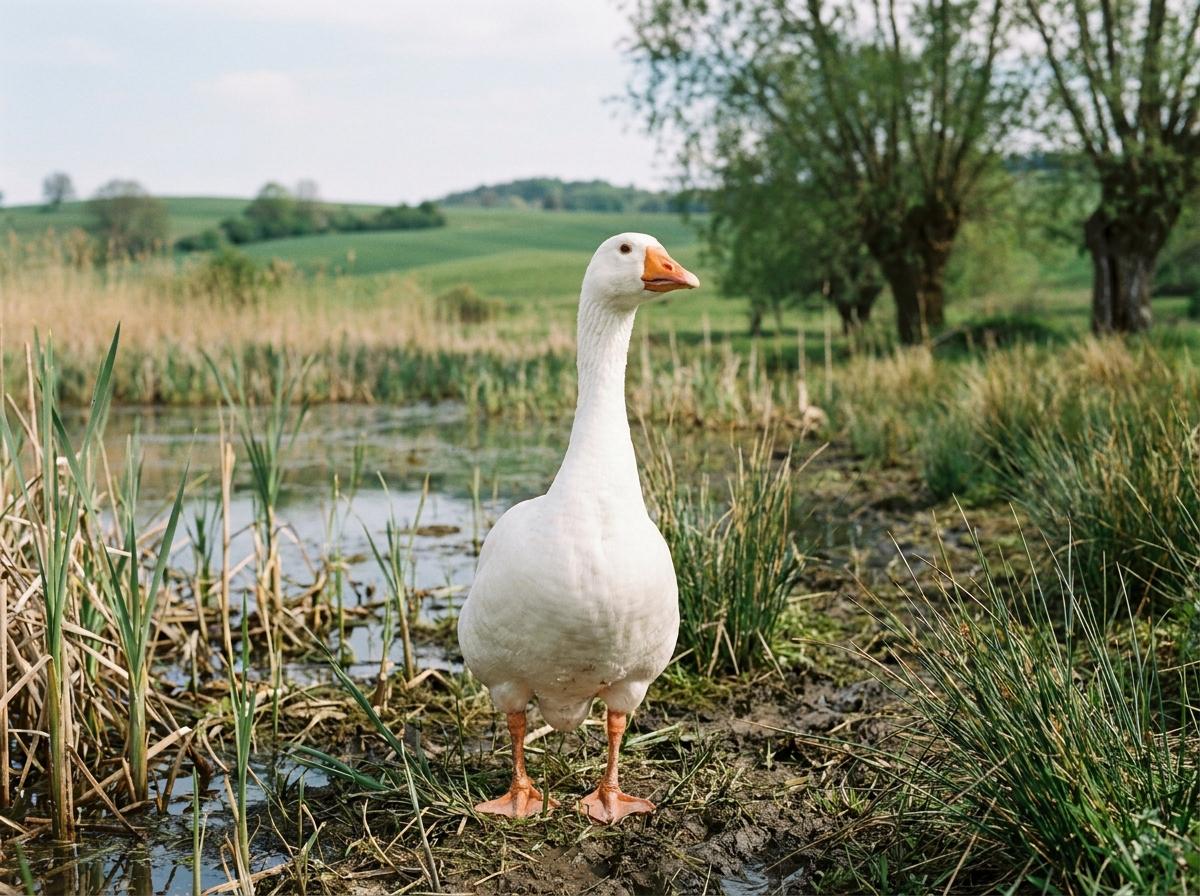
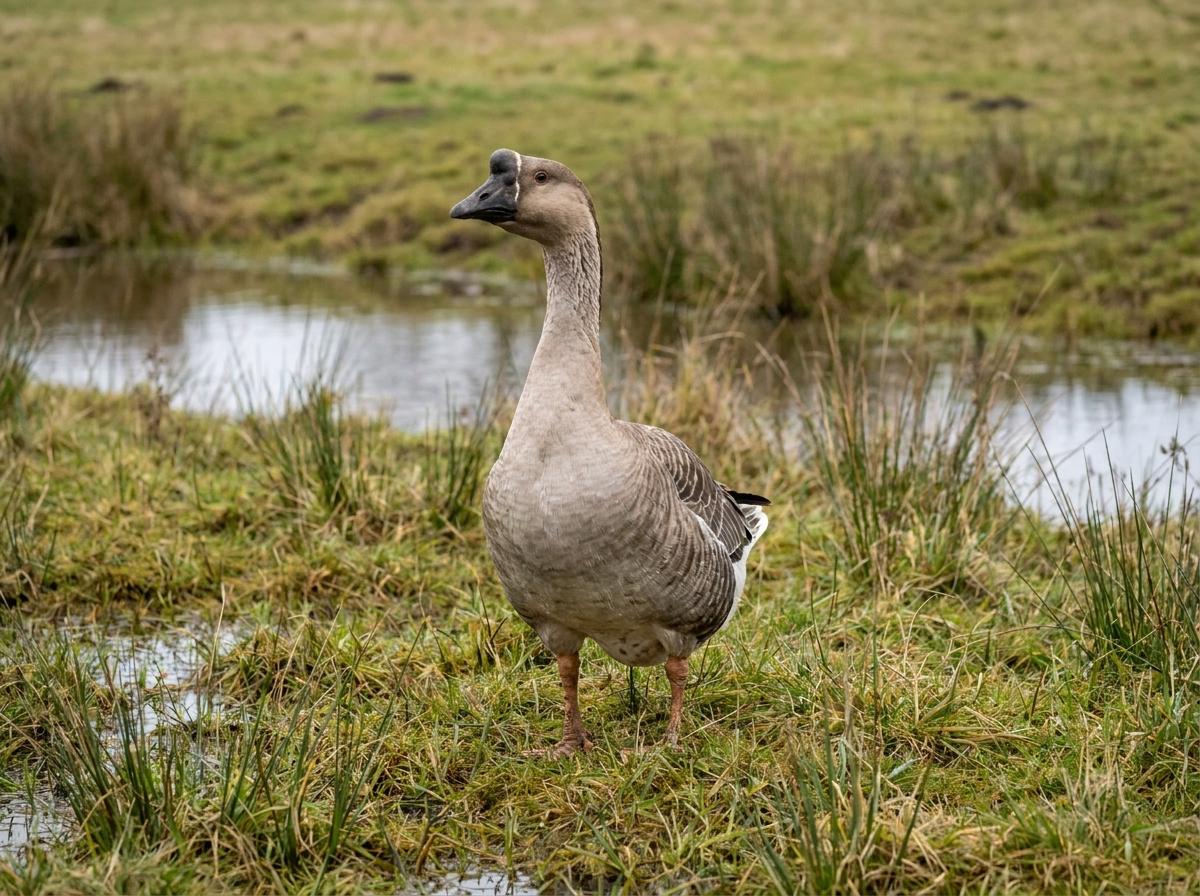
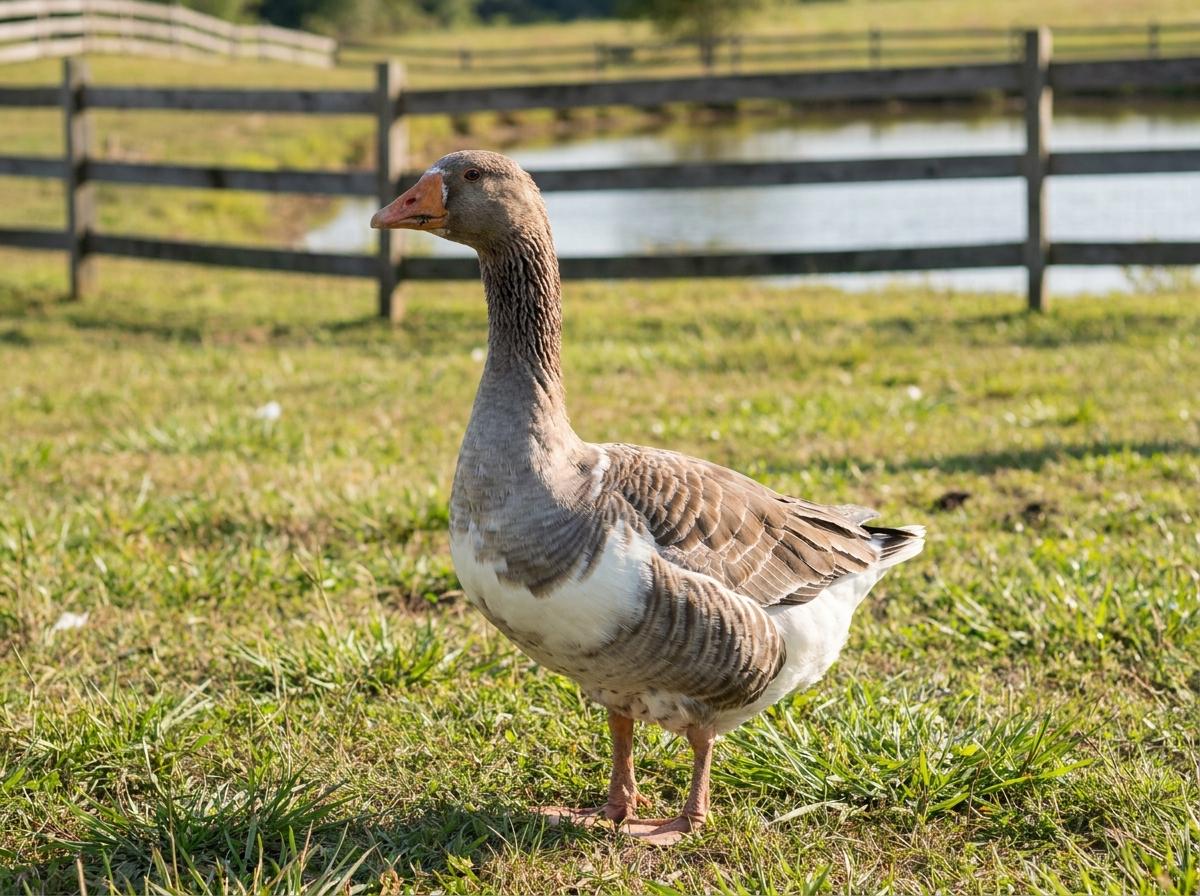
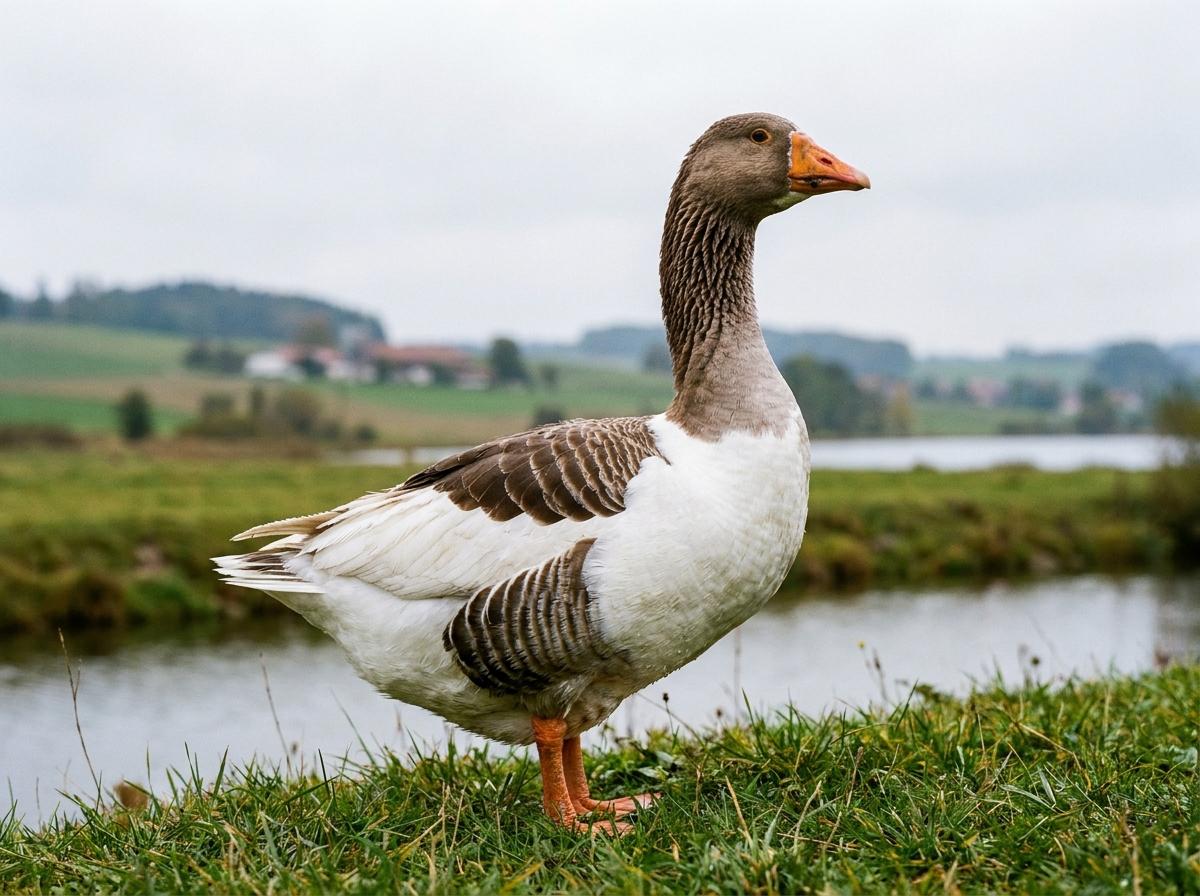
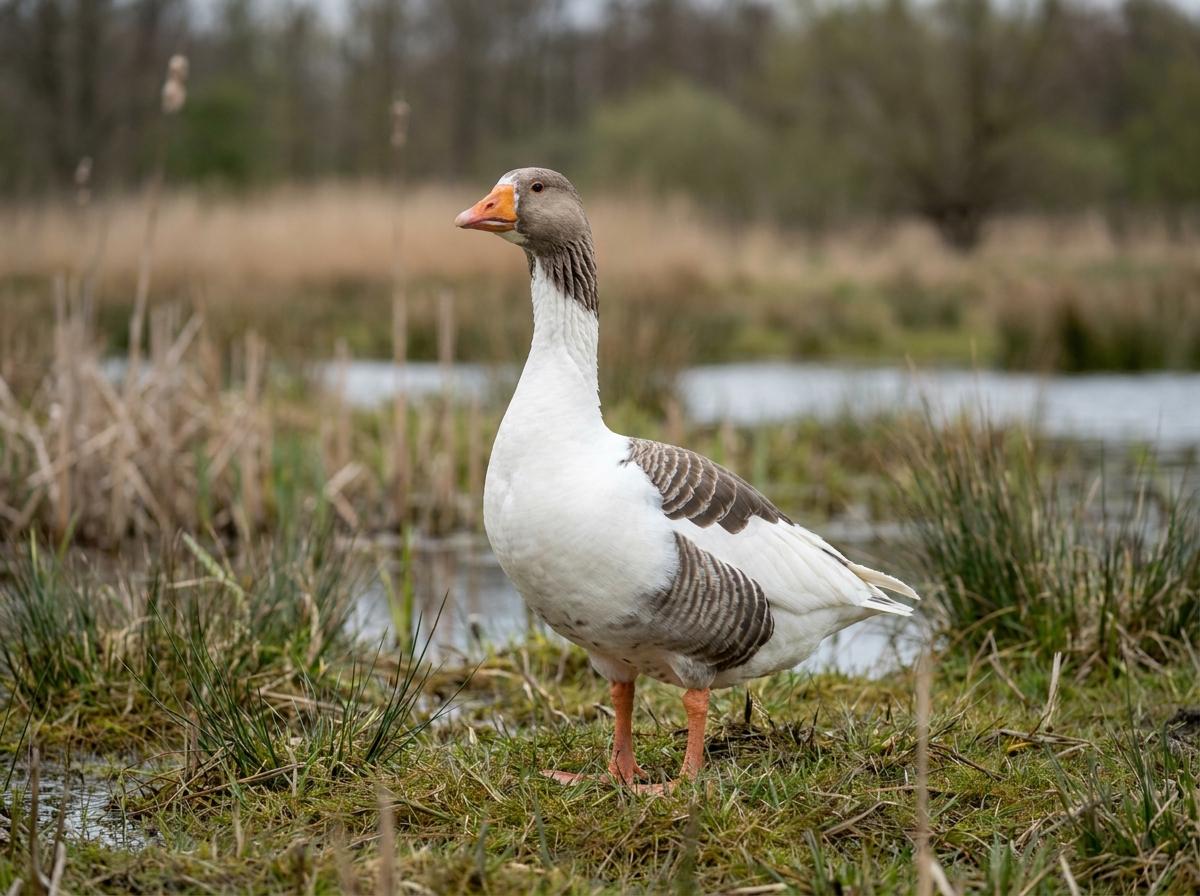
The Twente goose, or Twentse landgans, is a Dutch landrace from the Twente region of Overijssel in the eastern Netherlands. It developed as a small to medium farm goose for wet meadows, smallholdings, and village grazing rather than as a high-output industrial bird. Traditional Twente geese are often described as autosexing or partly sex-linked in color: ganders tend to be much paler or mostly white, while females retain more gray or saddleback markings. That feature, together with a neat landrace body and active foraging style, helps distinguish it from generic pied farm geese.
Conservation-minded keepers value the Twente goose because numbers have been limited and true breeding stock can be hard to find outside Dutch rare-breed circles. The birds suit grass-based management, with access to clean water, secure housing, and enough space to keep pairs from harassing each other in spring. Breeding work should preserve the sex-linked color pattern as well as fertility, vigor, and normal brooding ability. Anyone buying goslings should confirm parentage with the breeder, since mixed saddleback geese can resemble Twente birds at a casual glance.
Colors: Blue, Brown, Brown and White, Buff, Buff and White, Gray, Gray and White, Grey, Lavender, Pied, Saddleback, Splash, Tufted, White