



Greek Tortoise
Testudo graeca
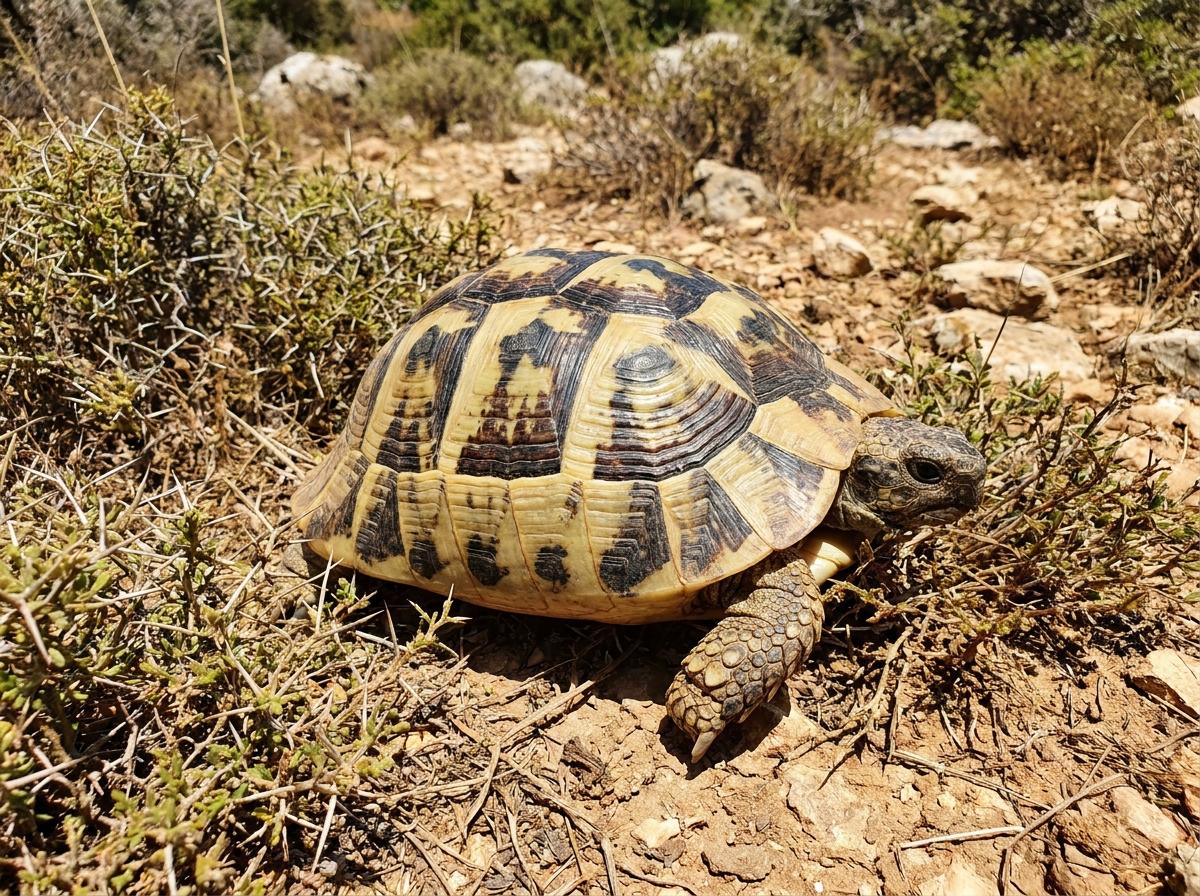
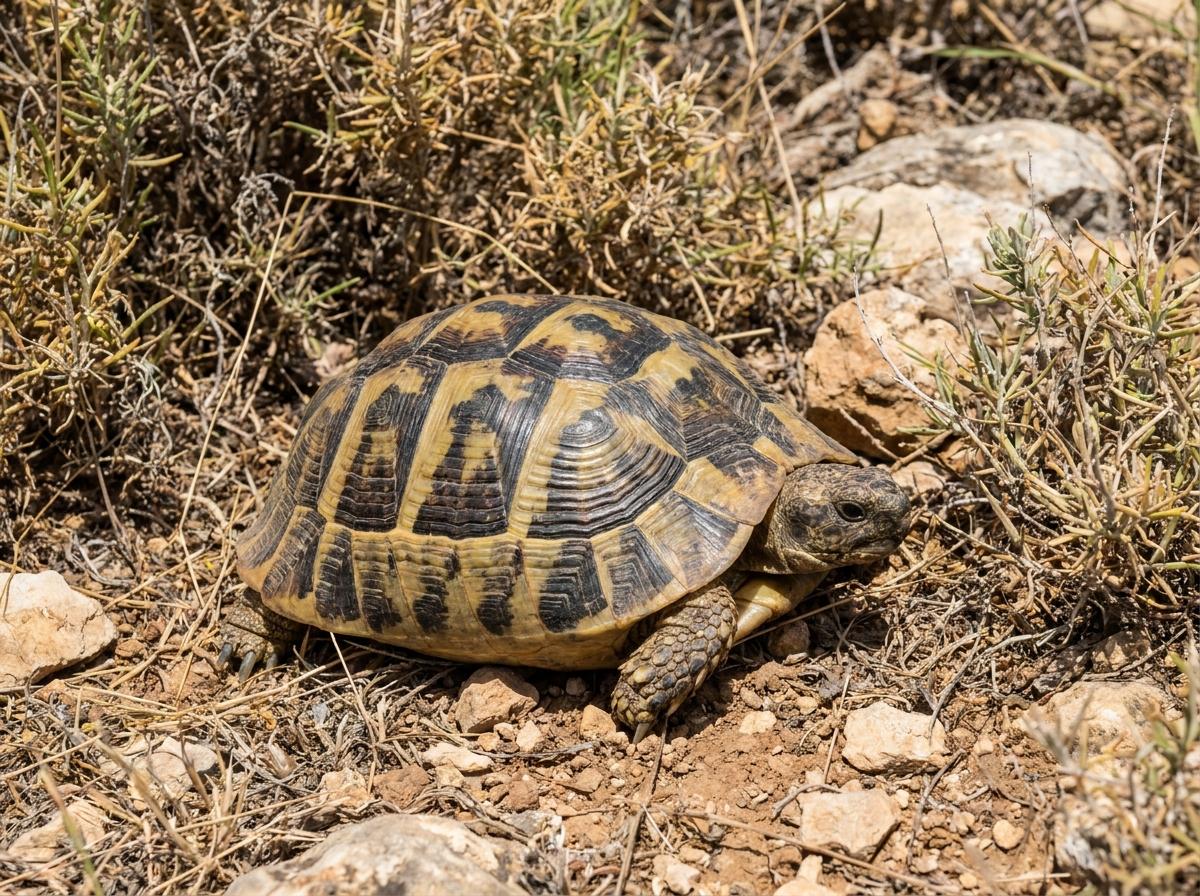
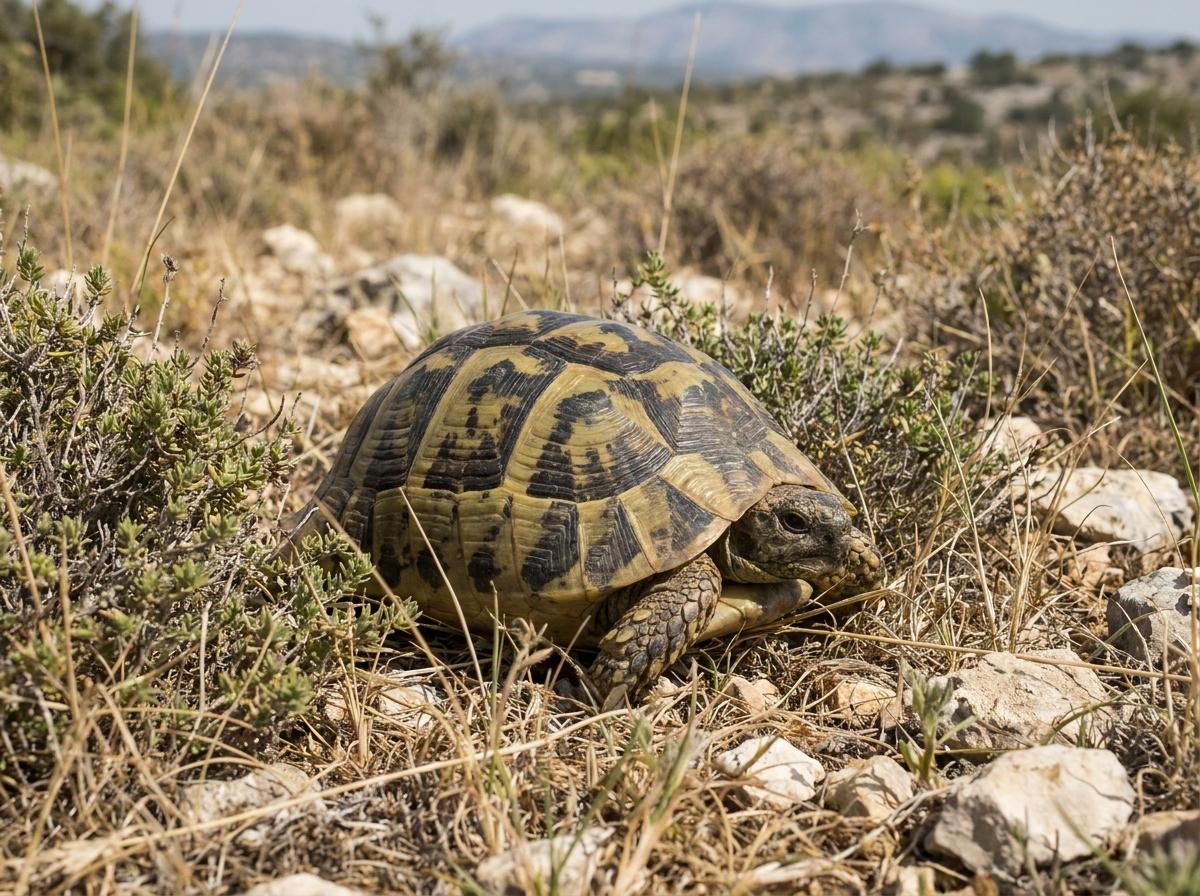
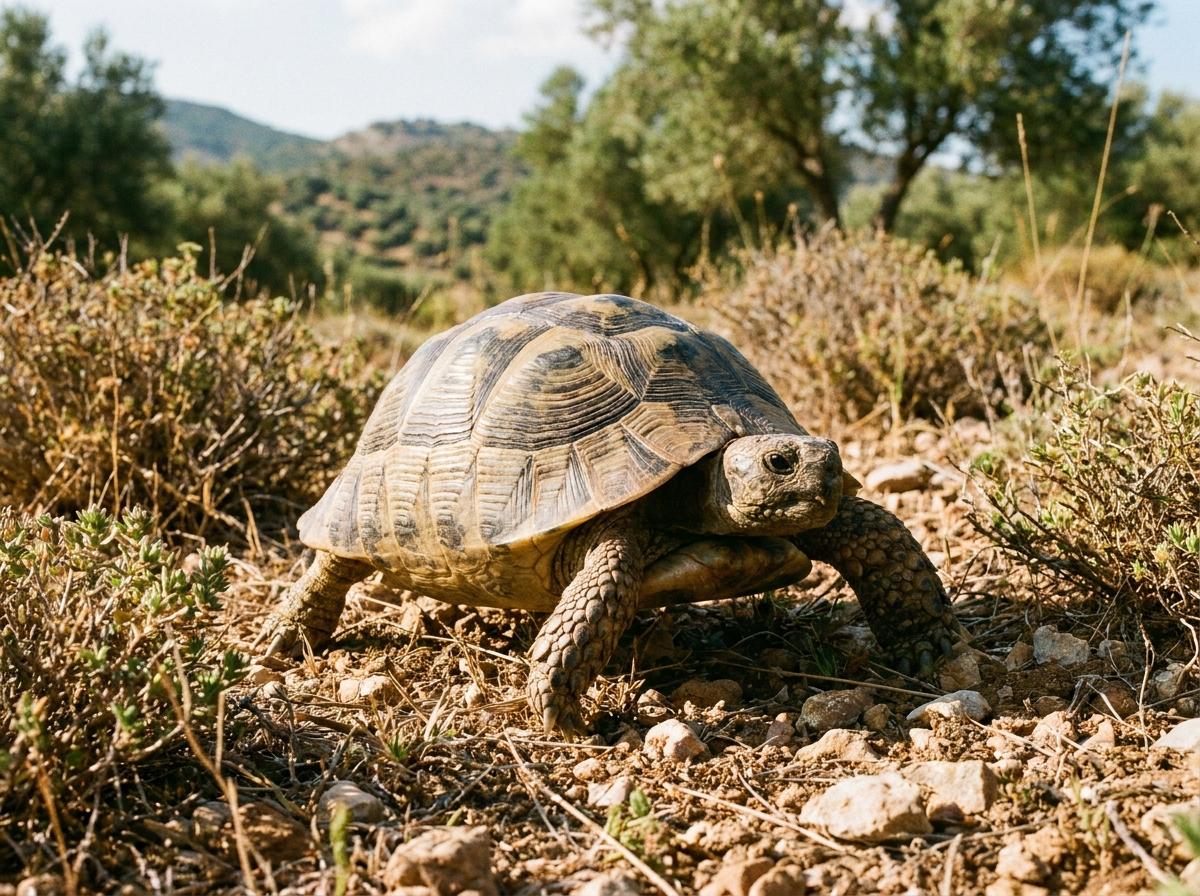
Greek tortoise, also called the spur-thighed tortoise, is a small to medium Testudo tortoise native across parts of southern Europe, North Africa, the Middle East, and western Asia. Its common name is often linked to shell markings that suggest Greek mosaic patterns, while the spur-thighed name comes from the small tubercles on the thighs. Testudo graeca includes many regional forms that vary in adult size, shell color, and winter dormancy habits, so locality matters more than the simple pet-store label.
As a kept reptile, the Greek tortoise does best when captive-bred and matched to a climate or indoor setup that suits its origin. Outdoor pens need sun and shade, with dry retreats and predator protection. Barriers must prevent digging escapes; indoor housing requires strong lighting, heat gradients, and ultraviolet exposure. A high-fiber diet of weeds, grasses, and leafy greens is safer than fruit or rich protein. Buyers should expect decades of care and should ask about legal paperwork, health history, and whether the animal is a true Greek tortoise rather than a mixed or mislabeled Mediterranean tortoise.