



Azteca
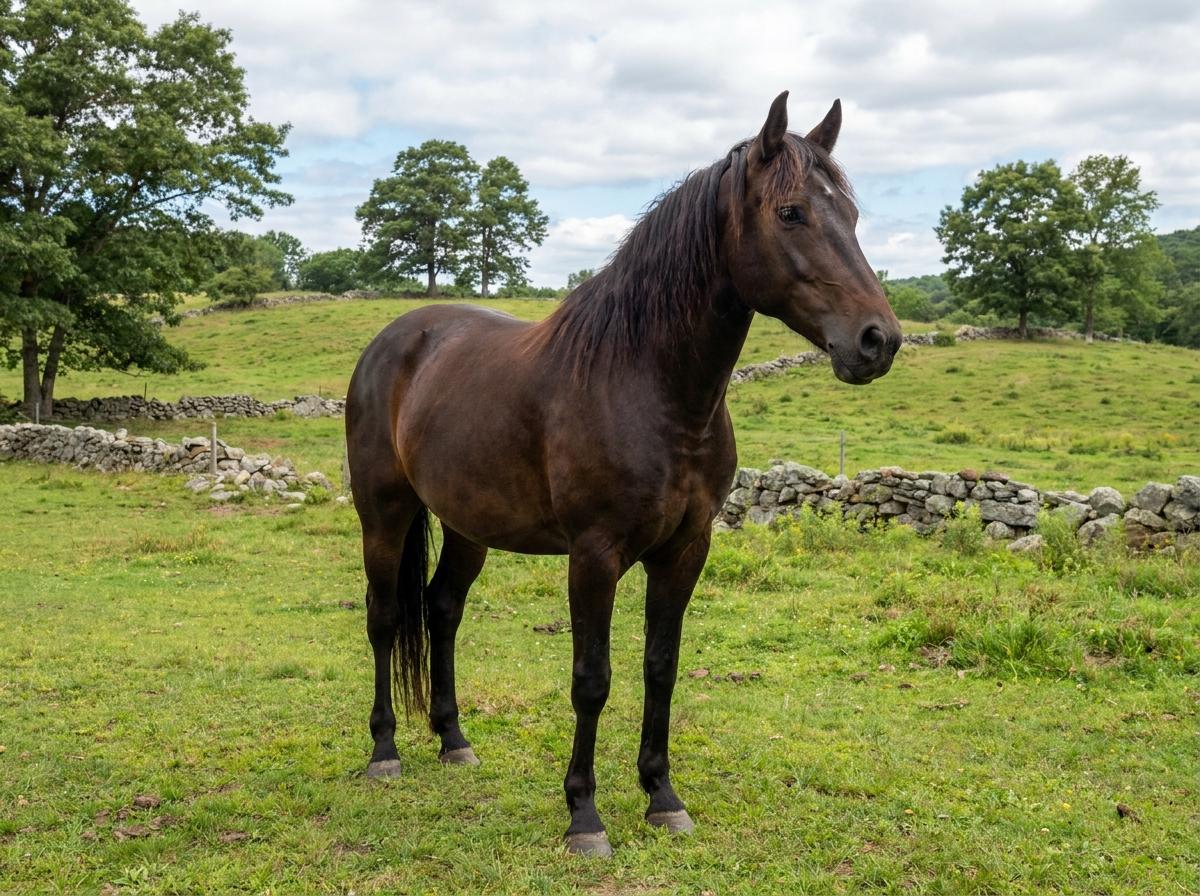
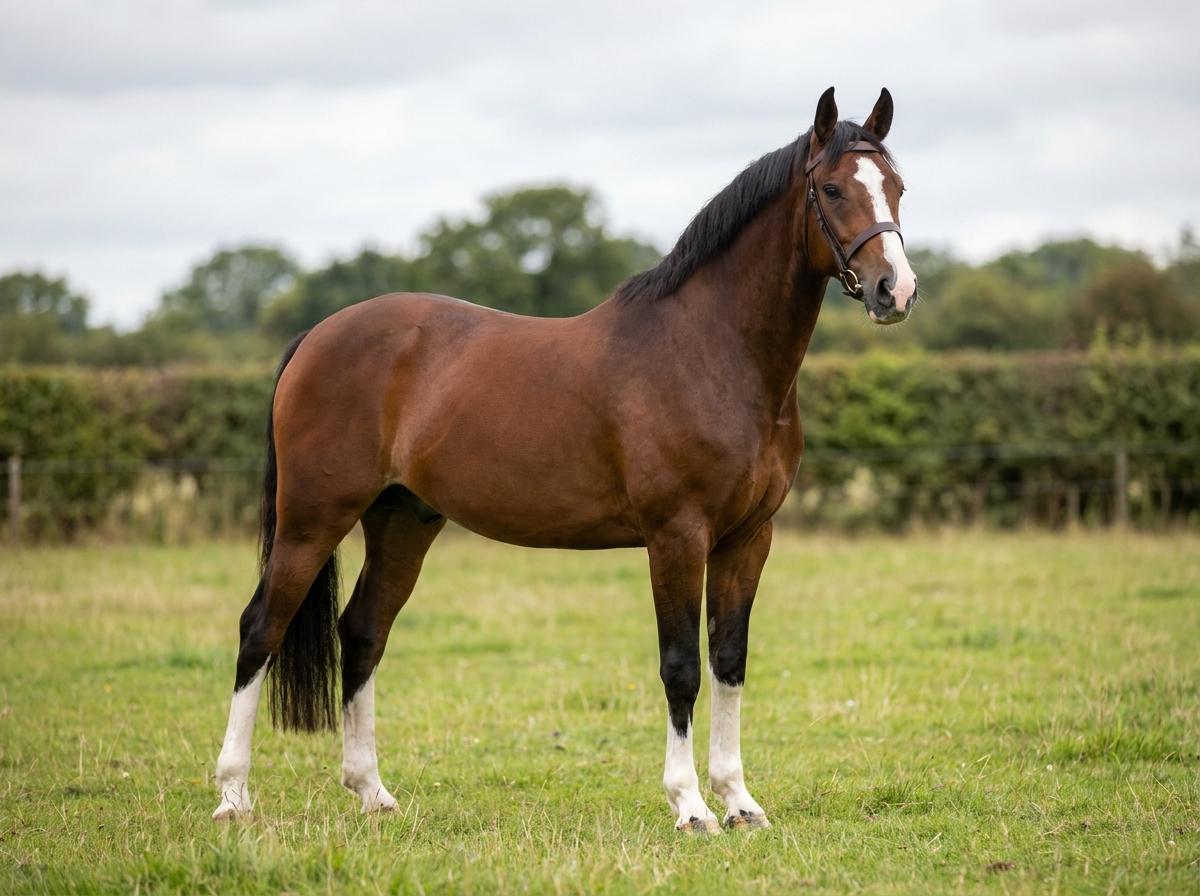
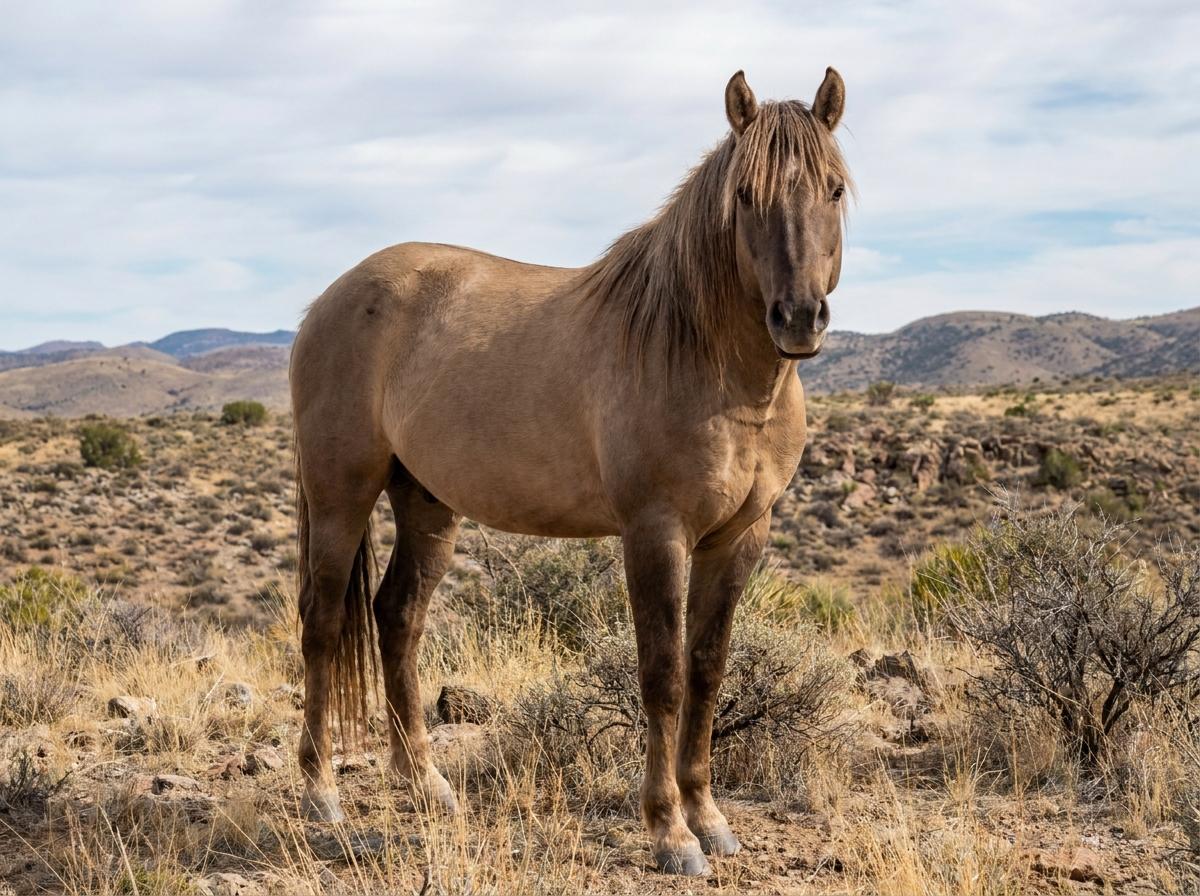
The Azteca is a Mexican riding horse developed in the twentieth century from Andalusian or Pura Raza Espanola horses, American Quarter Horses, and in some programs Criollo influence. It was designed for the needs of Mexican horsemanship, especially charro work, ranch riding, reining-type maneuvers, and versatile saddle use. The typical Azteca has a strong hindquarter, arched neck, expressive but manageable movement, and enough agility for cattle work. Registry rules vary between Mexico and other countries, so the exact permitted ancestry can differ.
Training matters more than the romantic appeal of the cross. Aztecas are often sensitive, athletic horses that do best with clear handling, steady schooling, and work that channels both Iberian collection and stock-horse quickness. They need ordinary sport-horse care: balanced feed, regular hoof and dental work, correctly fitted tack, and conditioning before demanding maneuvers. Buyers should distinguish registered Aztecas from casual Andalusian-Quarter Horse crosses, since papers, percentages, temperament, and the quality of the individual horse can vary widely.
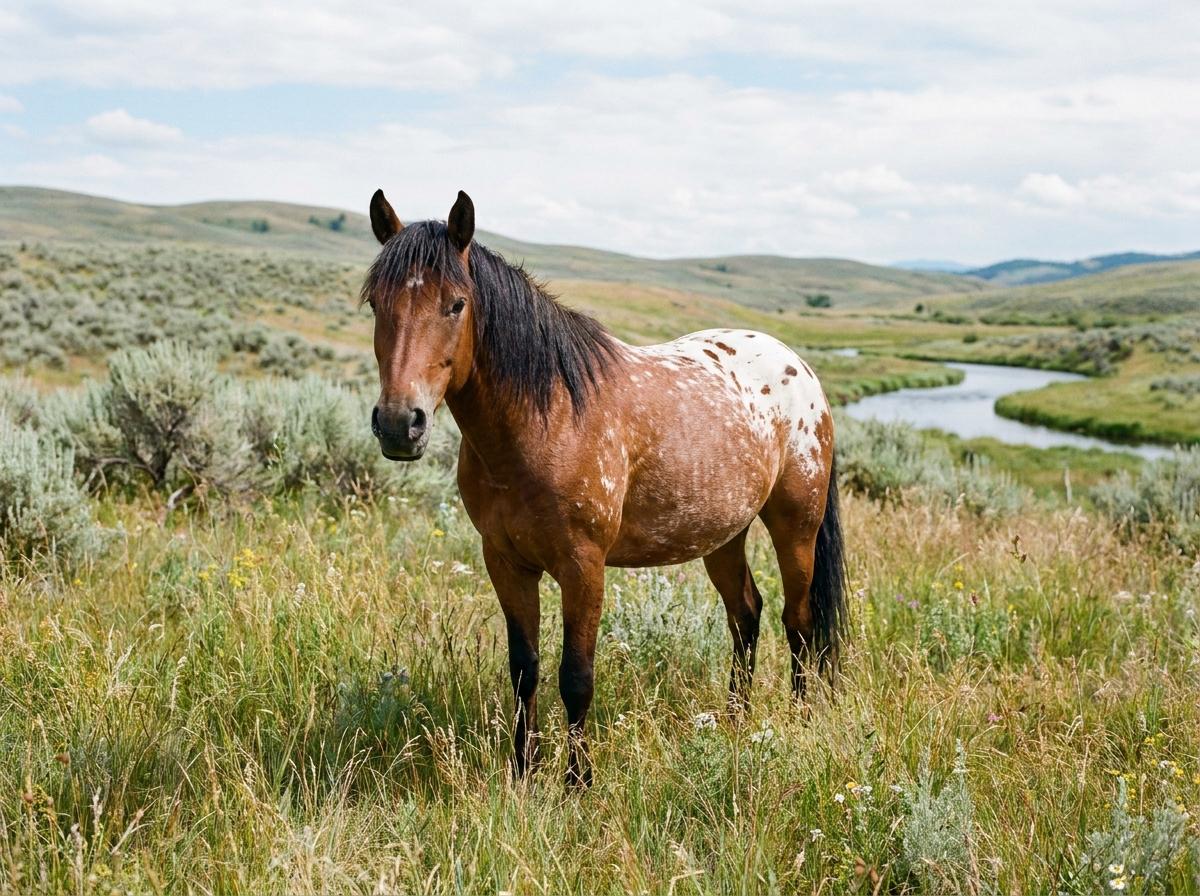
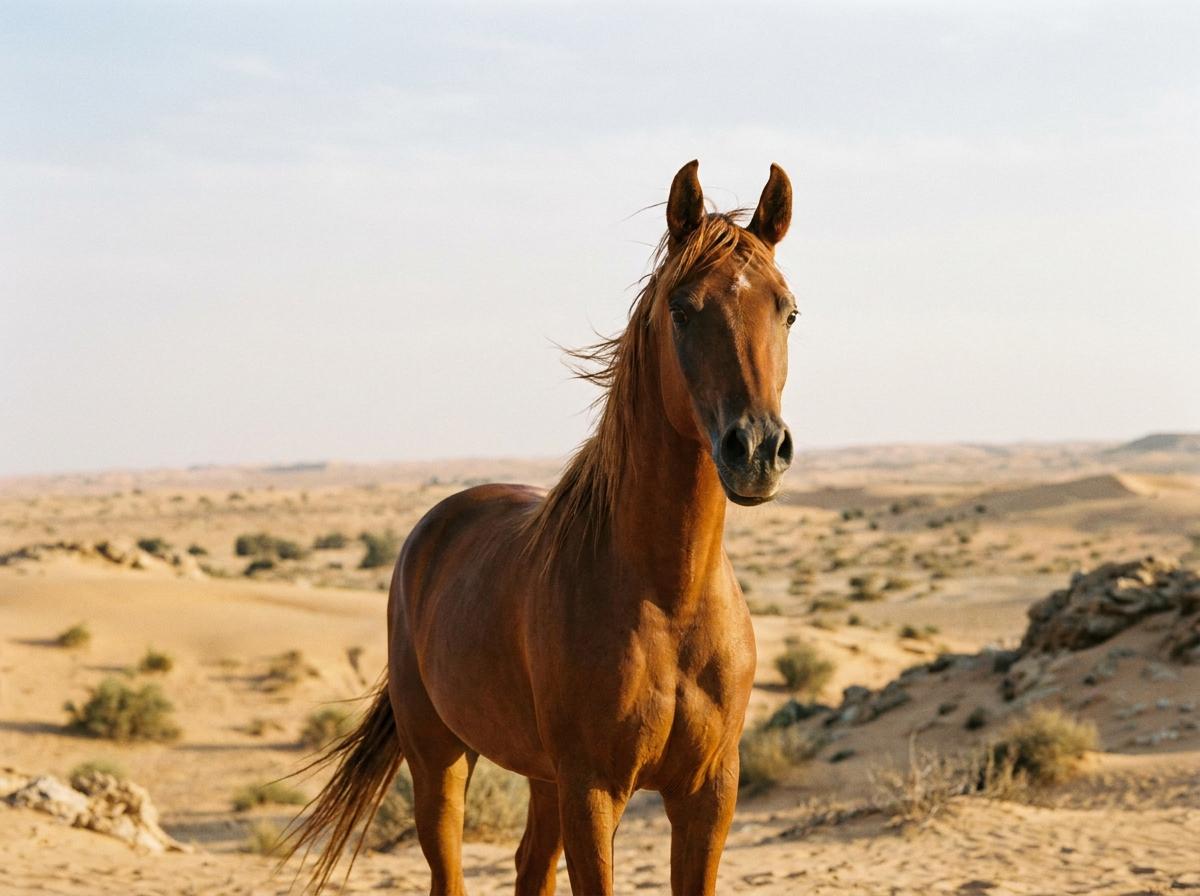
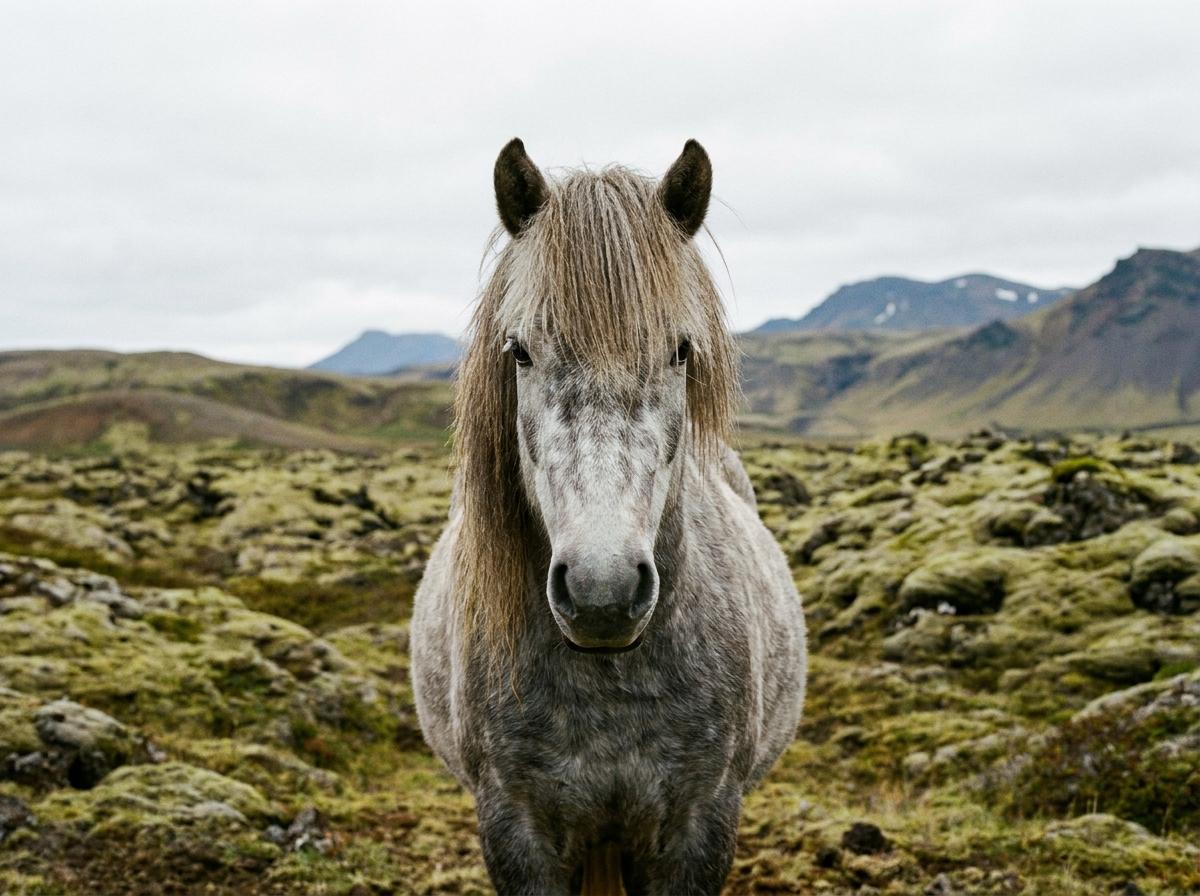
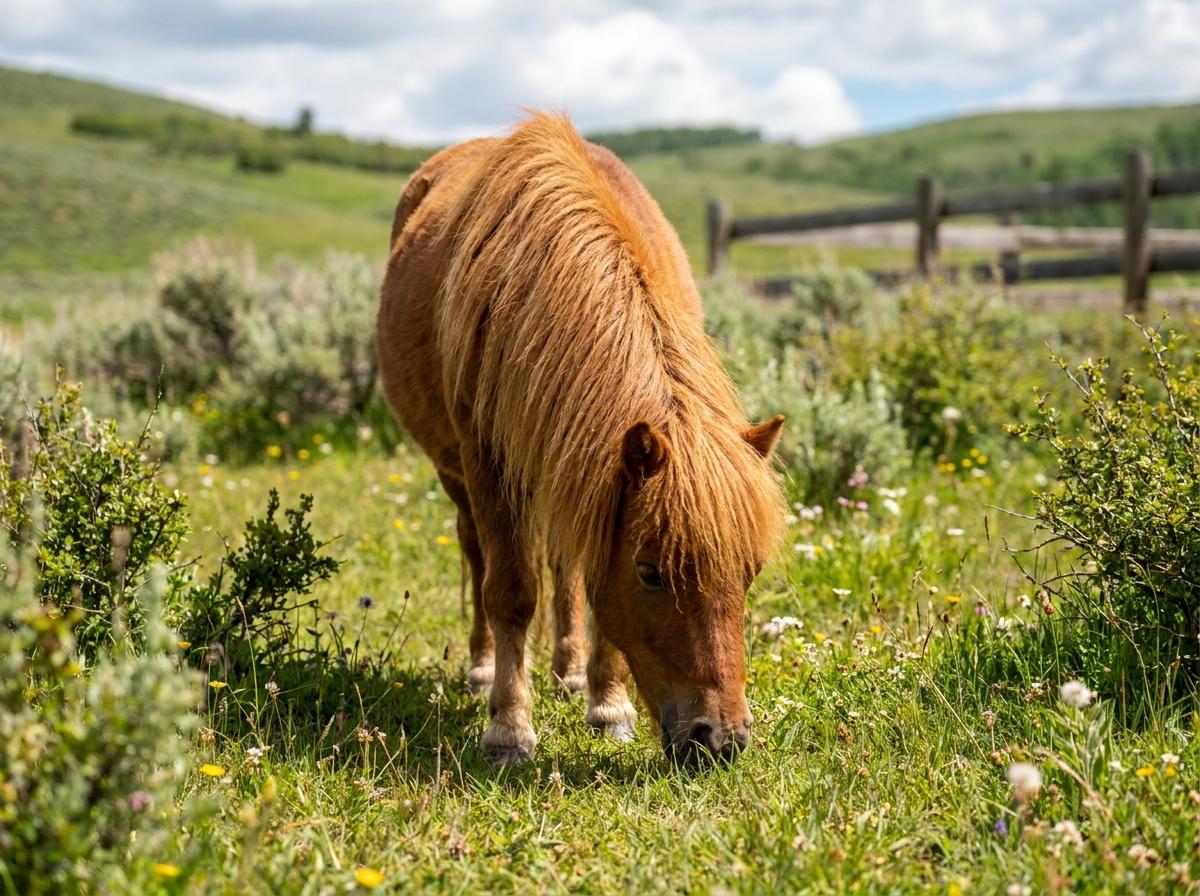
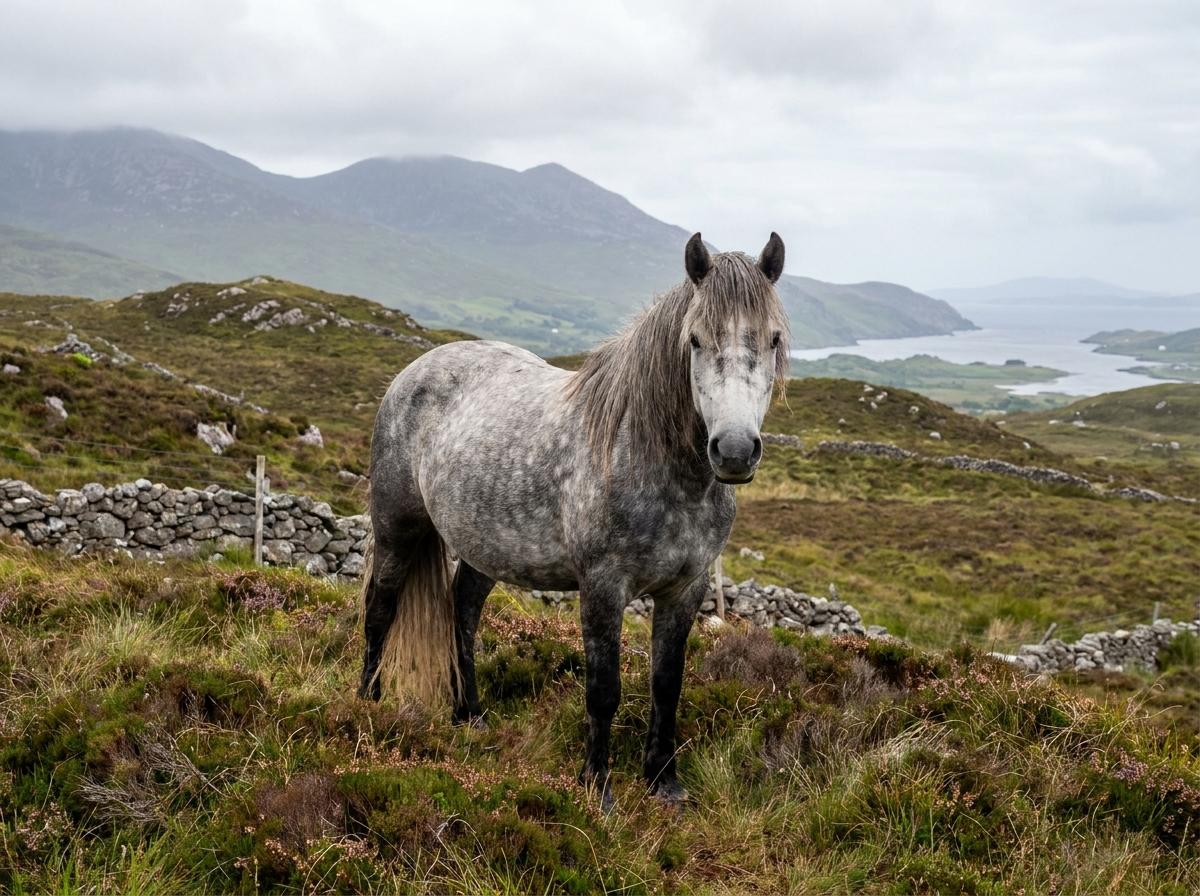
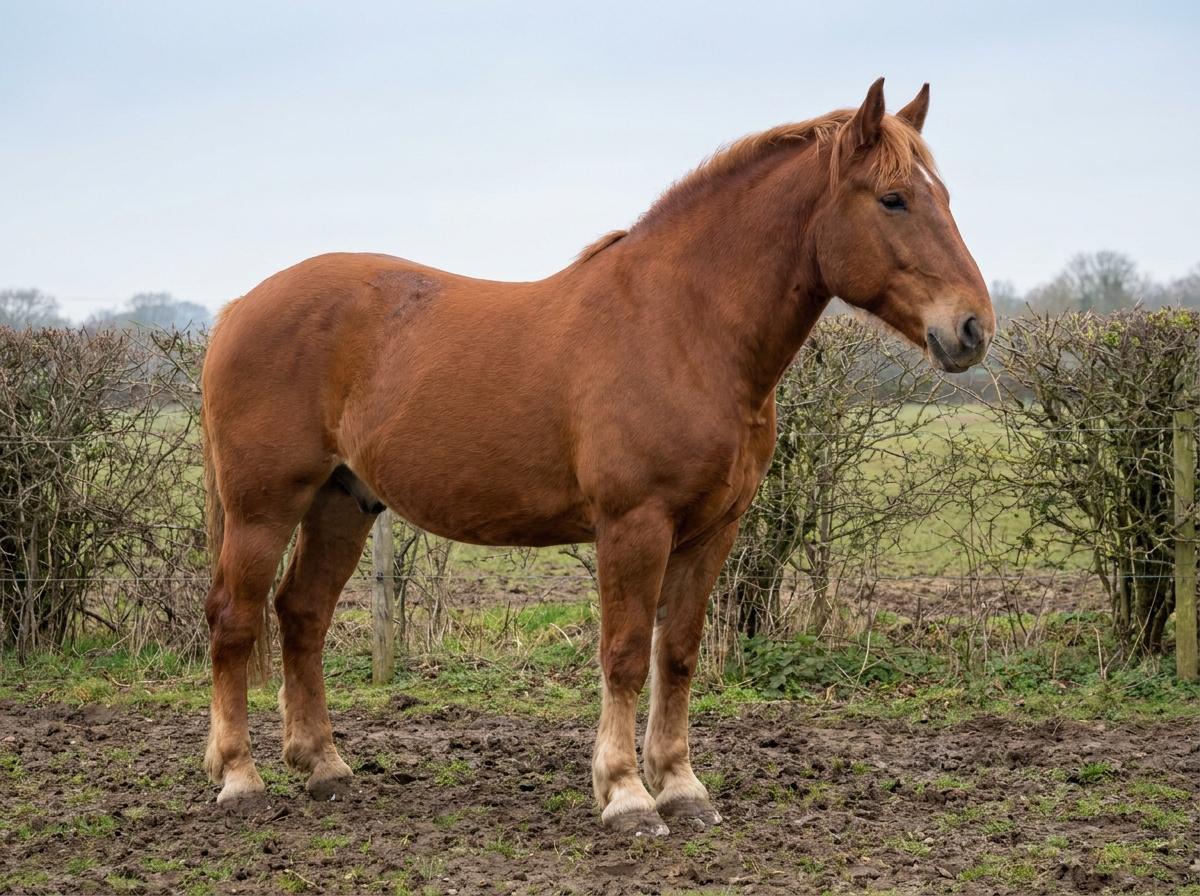
Colors: Amber Champagne, Bay, Bay Dun, Bay Roan, Black, Blanket Appaloosa, Blue Roan, Brown, Buckskin, Champagne, Chestnut, Classic Champagne, Cremello, Dun, Dun Roan, Fewspot Appaloosa, Flaxen Chestnut, Frame Overo, Gold Champagne, Gray, Grulla, Grullo, Leopard Appaloosa, Liver Chestnut, Overo, Palomino, Perlino, Piebald, Pinto, Rabicano, Red Dun, Red Roan, Roan, Sabino, Seal Bay, Silver Dapple, Skewbald, Smoky Black, Smoky Cream, Snowcap Appaloosa, Sorrel, Splash White, Tobiano, Tovero, Varnish Roan, White