

Baise Horse
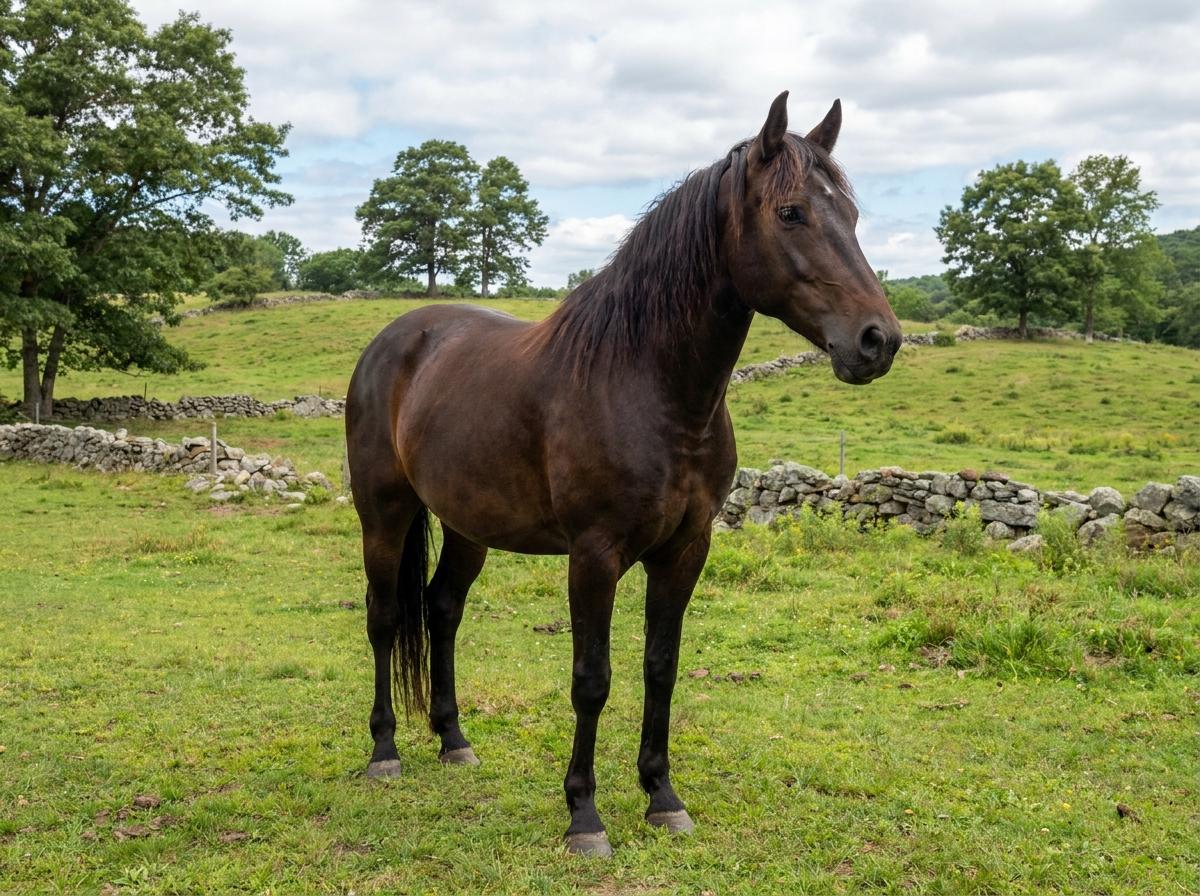
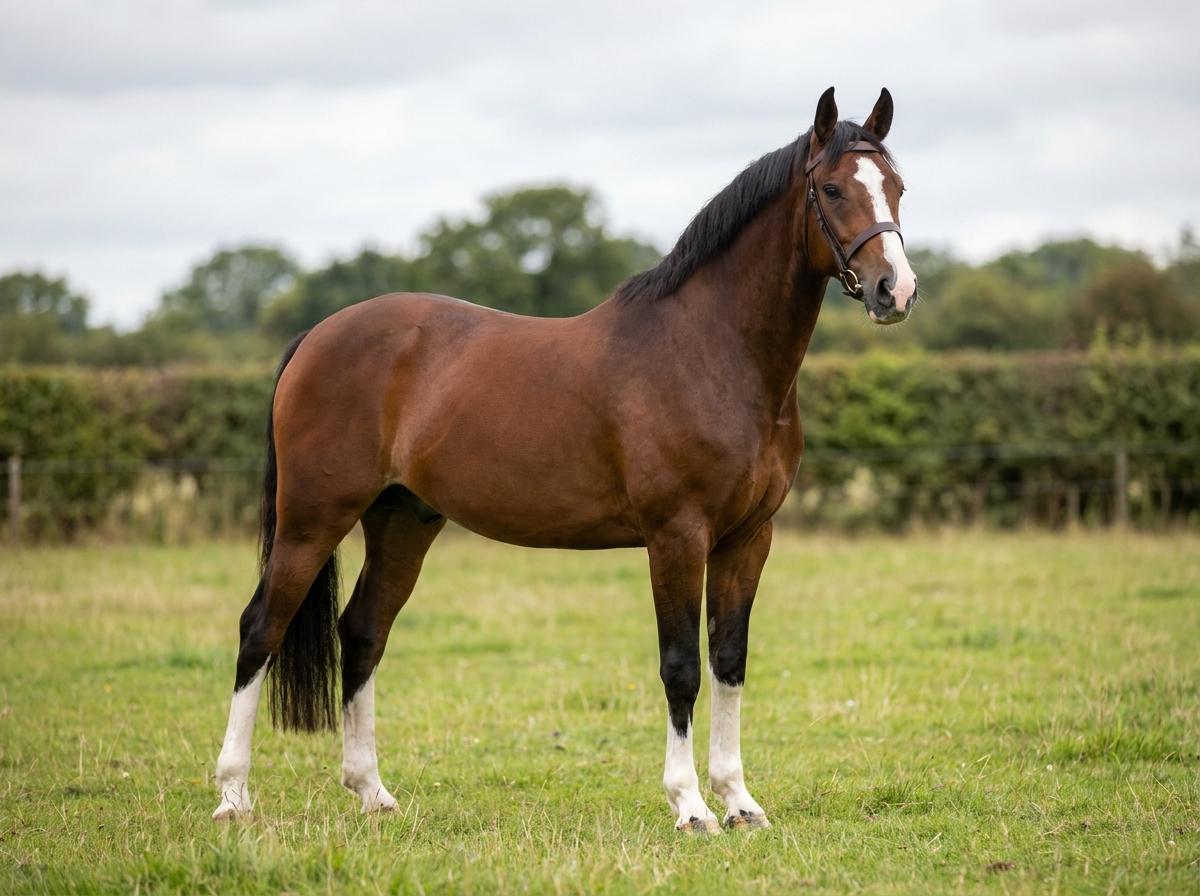
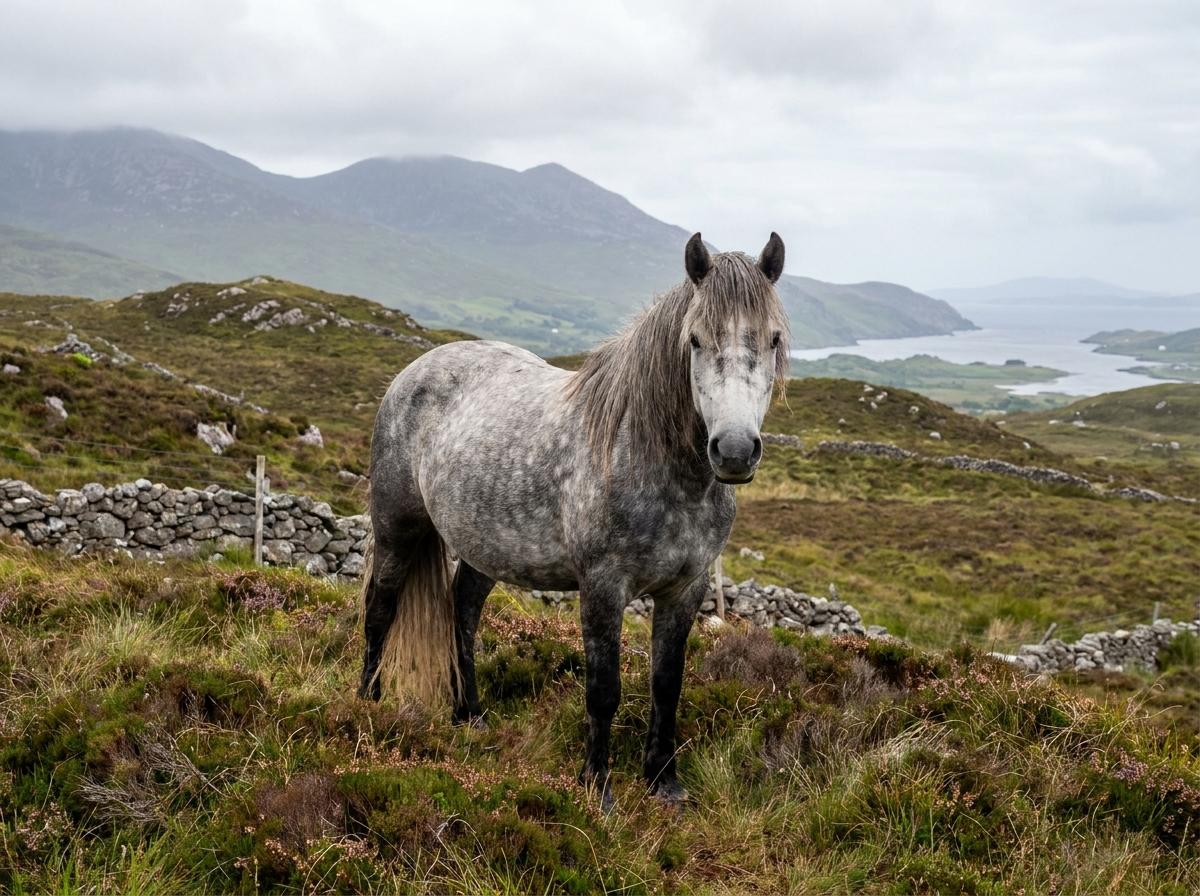
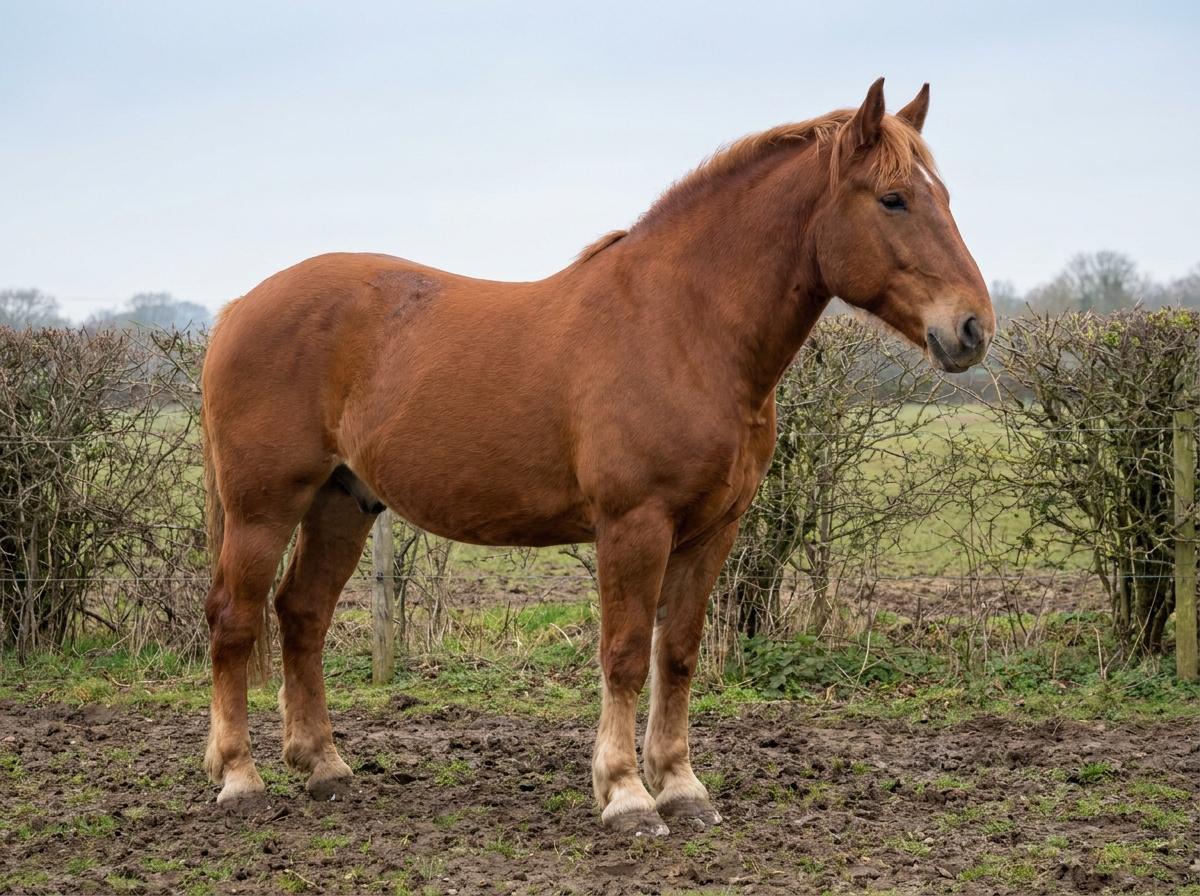
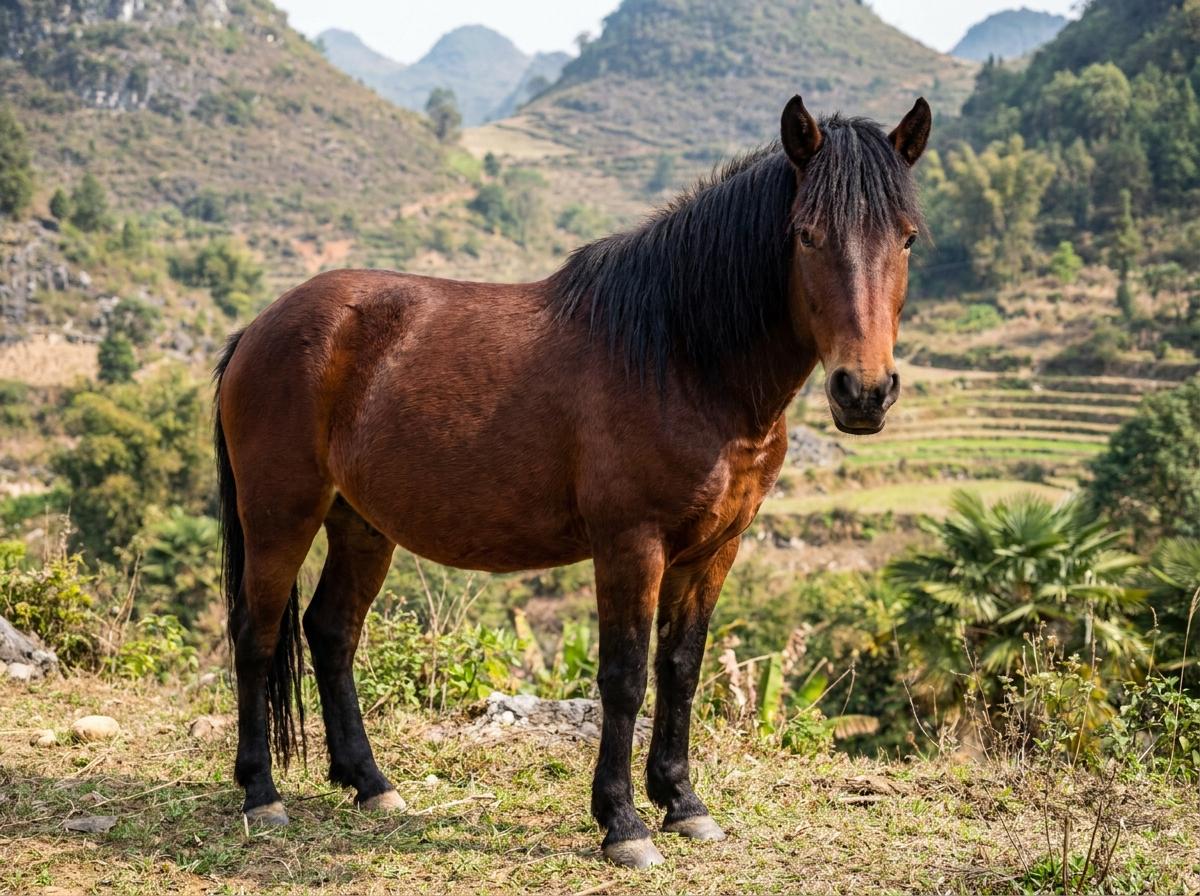
The Baise horse, sometimes written Bose horse, is a native horse from the Baise area of Guangxi in southern China. It belongs to the small mountain and hill-horse tradition of southwest China, where compact size, sure feet, and hardiness were more useful than height. The breed is adapted to humid subtropical conditions, karst terrain, narrow paths, and modest forage. Baise horses have been used by local communities for riding, packing, light draft, and transport between villages and fields.
Modern use is limited compared with the past, but the Baise horse remains important as a local genetic resource. Practical management emphasizes parasite control in warm wet climates, hoof care on both rocky and muddy ground, and enough work or turnout to keep a small horse fit. They are not normally selected for modern sport-horse performance, so buyers should assess training and purpose realistically. Conservation efforts benefit from keeping functional local mares, documenting breeding animals, and avoiding unnecessary replacement by larger crossbreds.
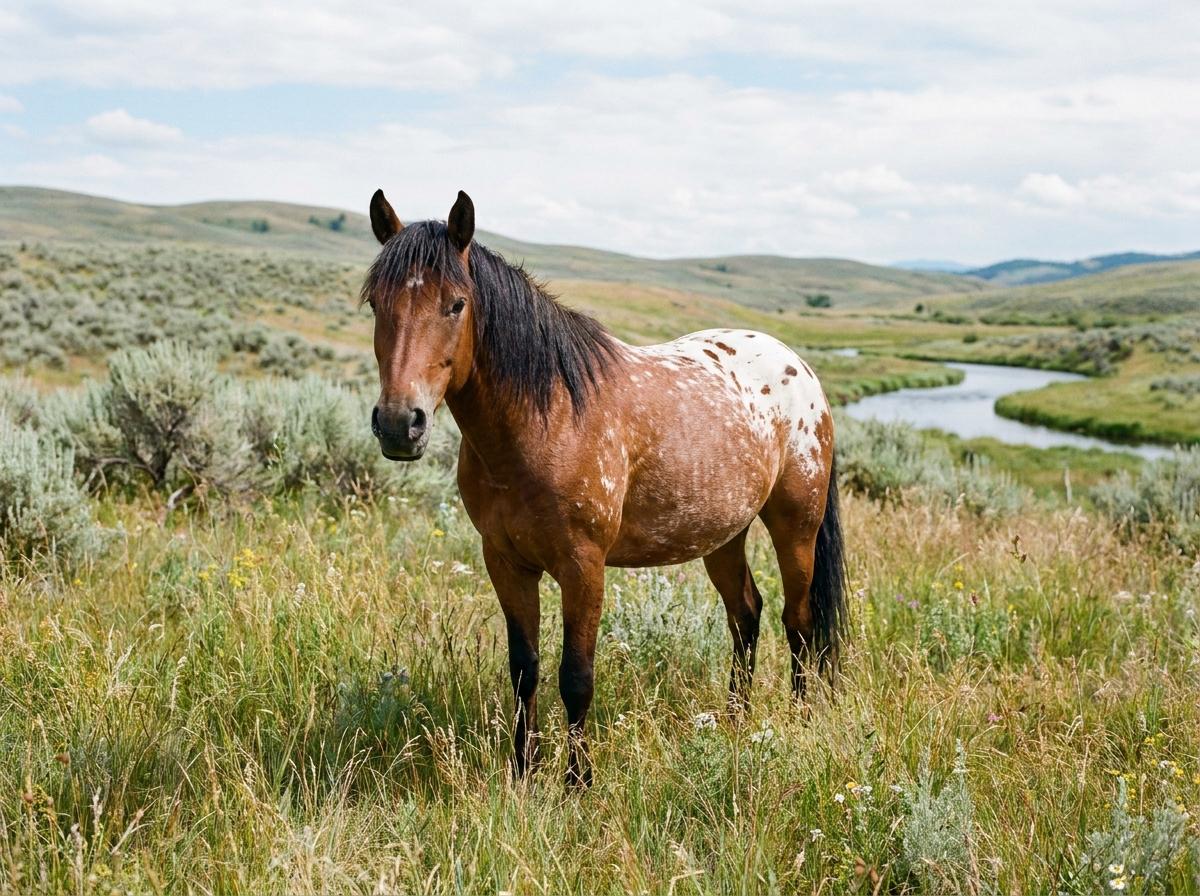
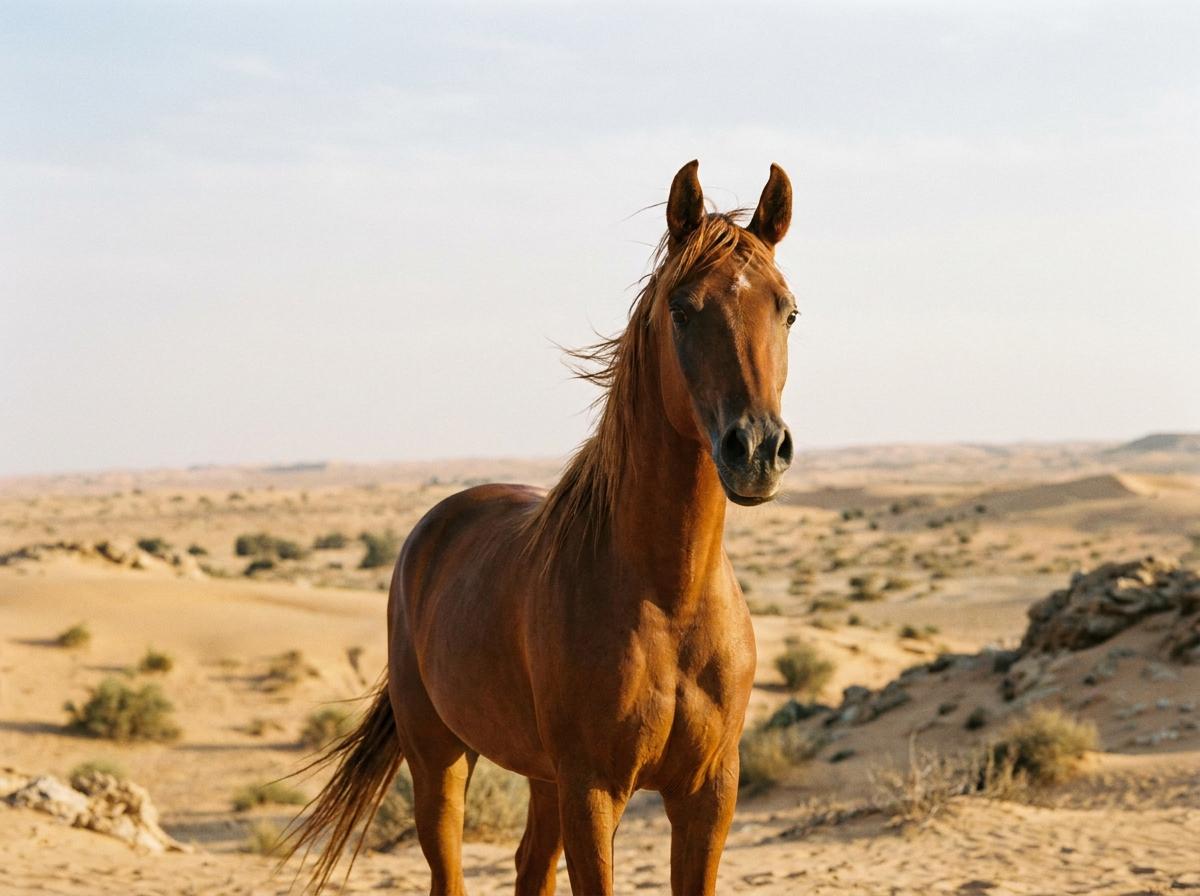
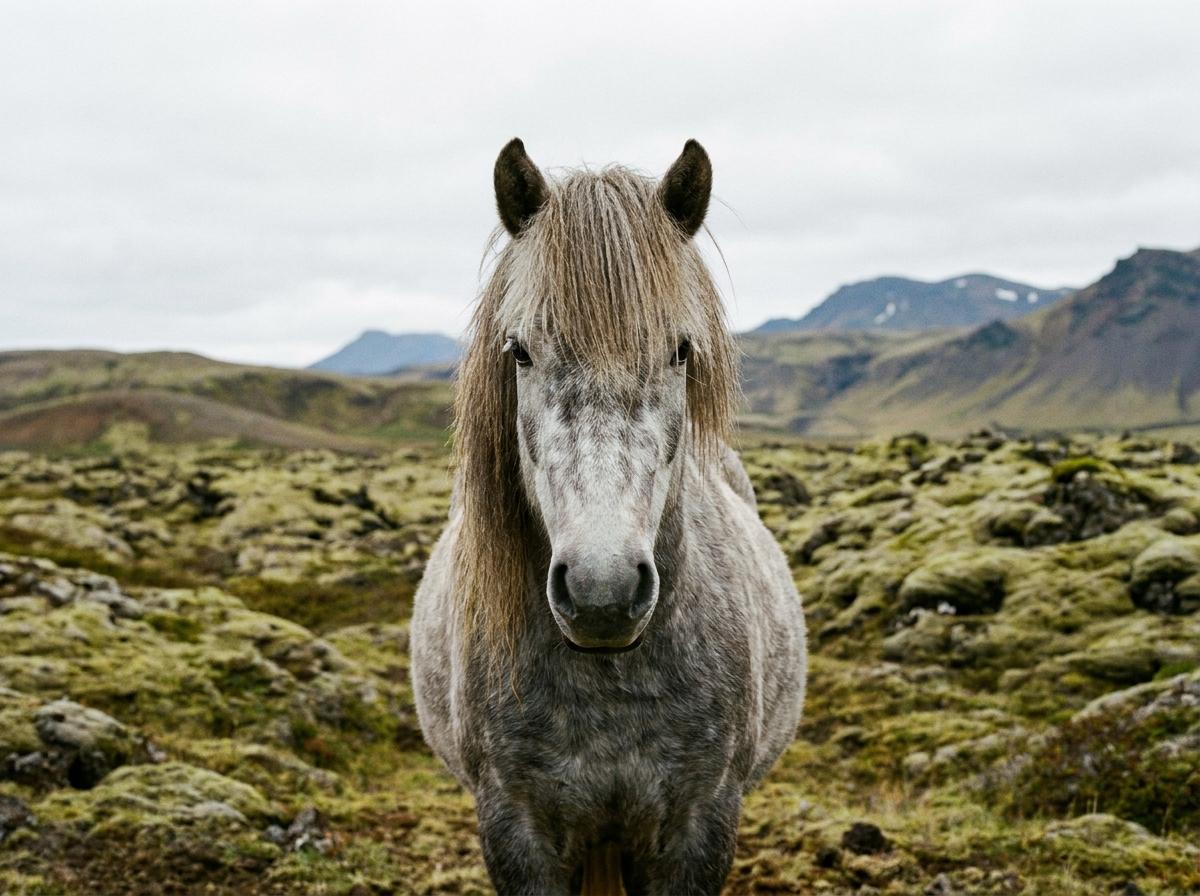
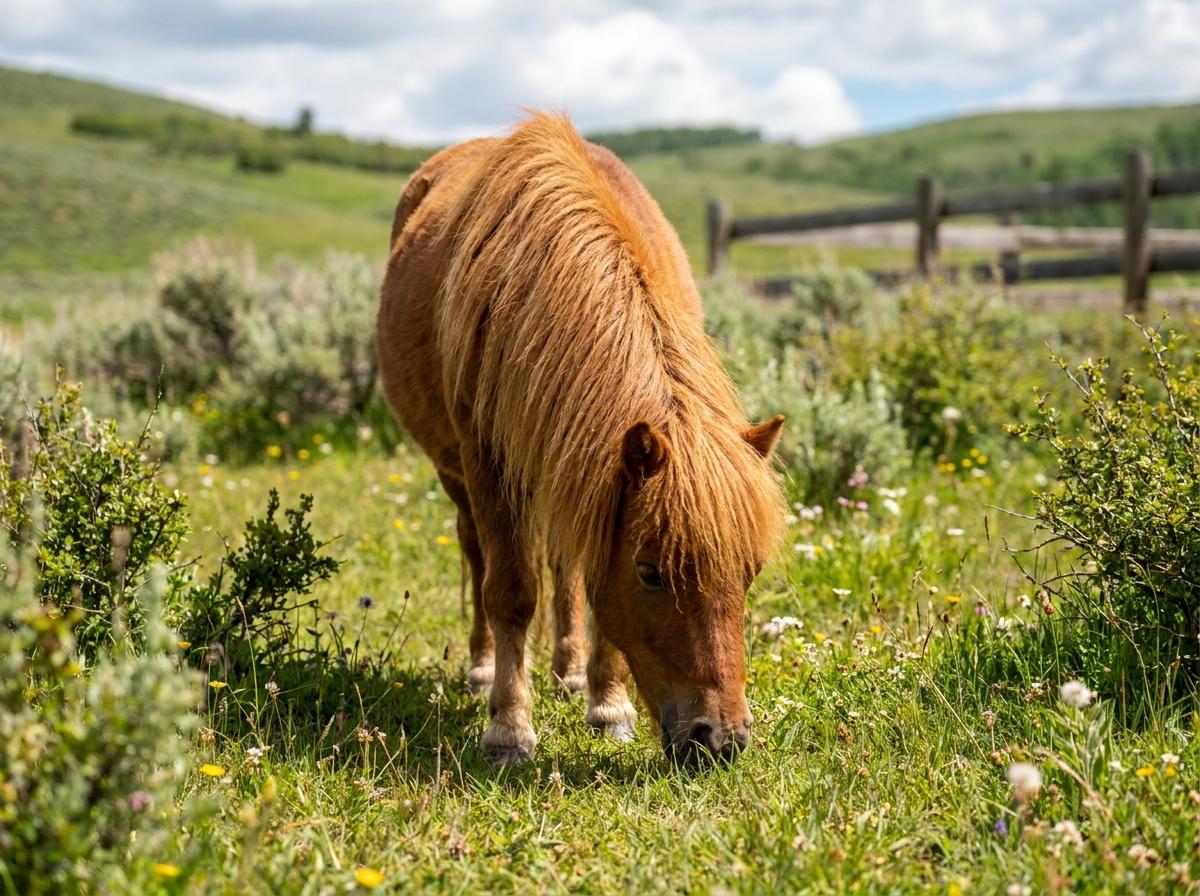
Colors: Amber Champagne, Bay, Bay Dun, Bay Roan, Black, Blanket Appaloosa, Blue Roan, Brown, Buckskin, Champagne, Chestnut, Classic Champagne, Cremello, Dun, Dun Roan, Fewspot Appaloosa, Flaxen Chestnut, Frame Overo, Gold Champagne, Gray, Grey, Grullo, Leopard Appaloosa, Liver Chestnut, Overo, Palomino, Perlino, Piebald, Pinto, Rabicano, Red Dun, Red Roan, Roan, Sabino, Seal Bay, Silver Dapple, Skewbald, Smoky Black, Smoky Cream, Snowcap Appaloosa, Sorrel, Splash White, Tobiano, Tovero, Varnish Roan, White