

Bale
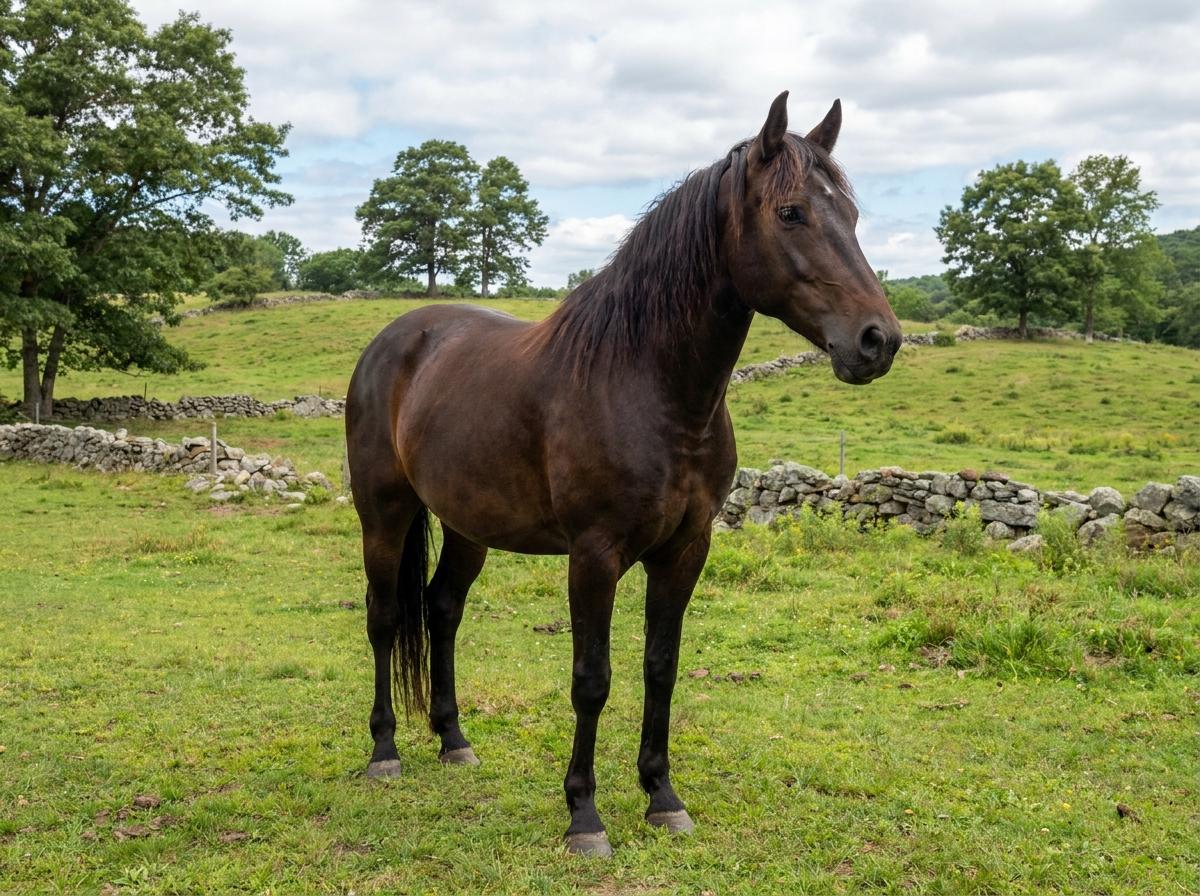
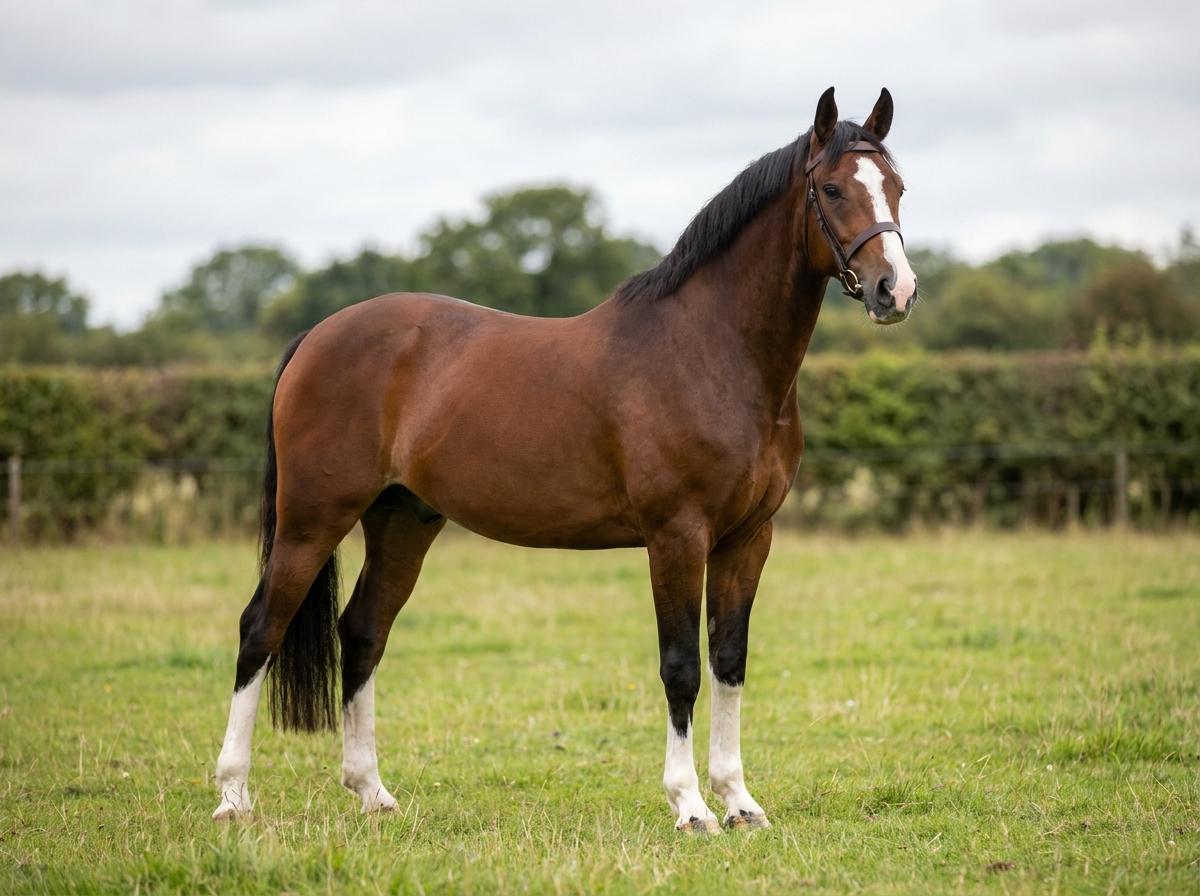
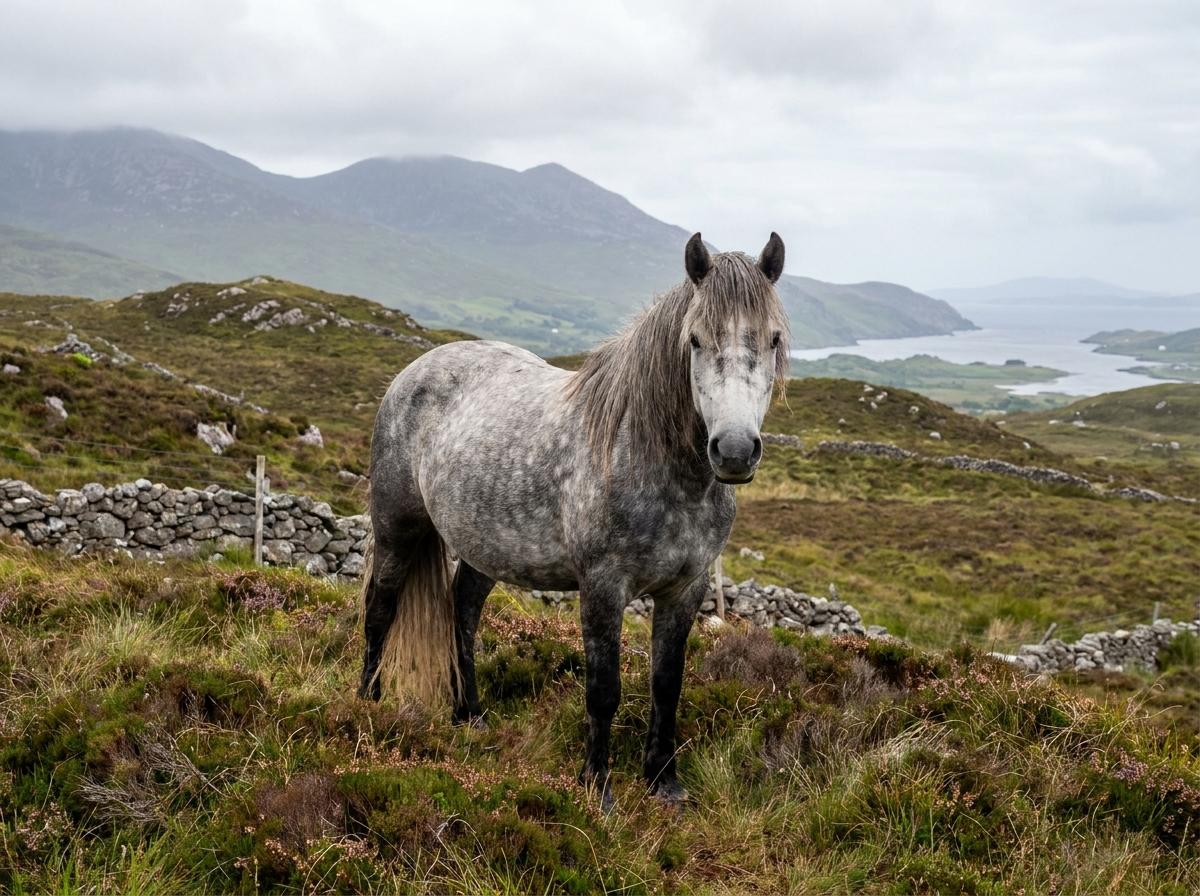
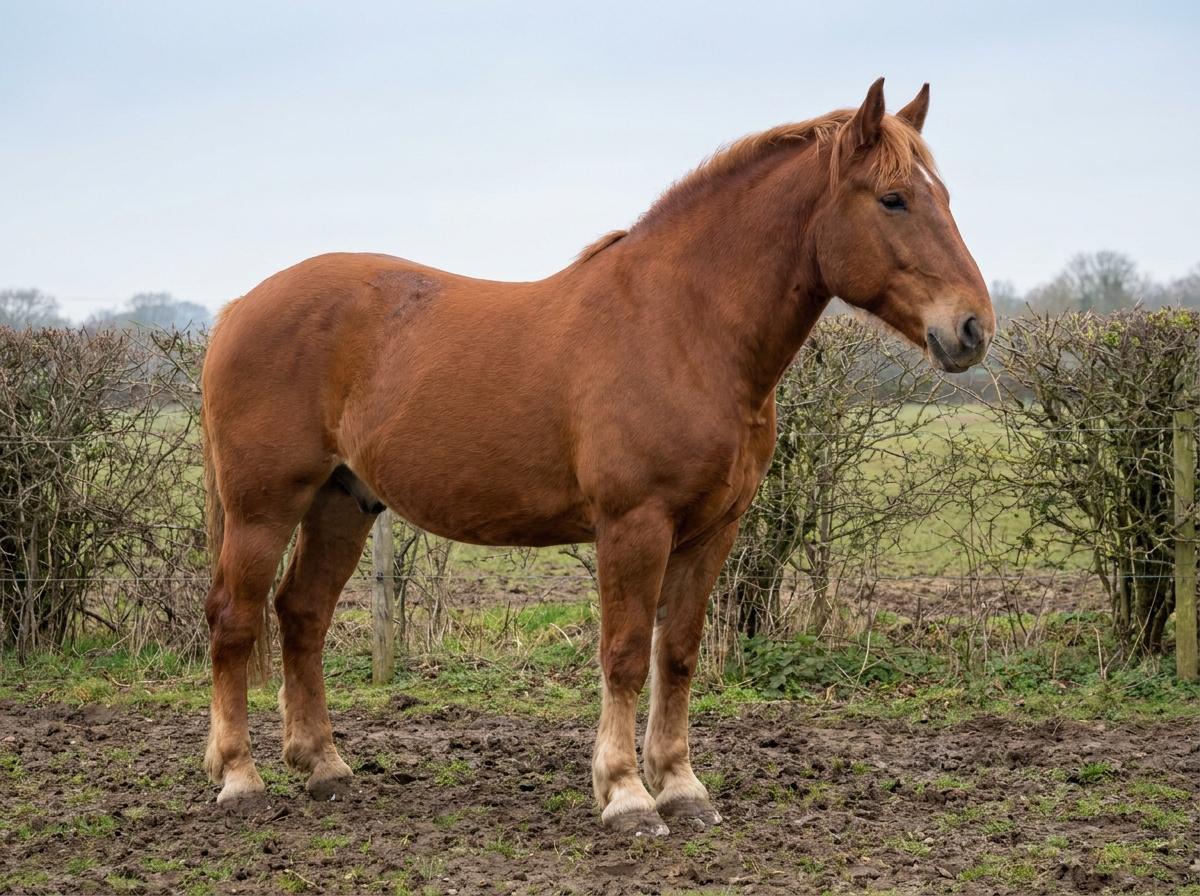
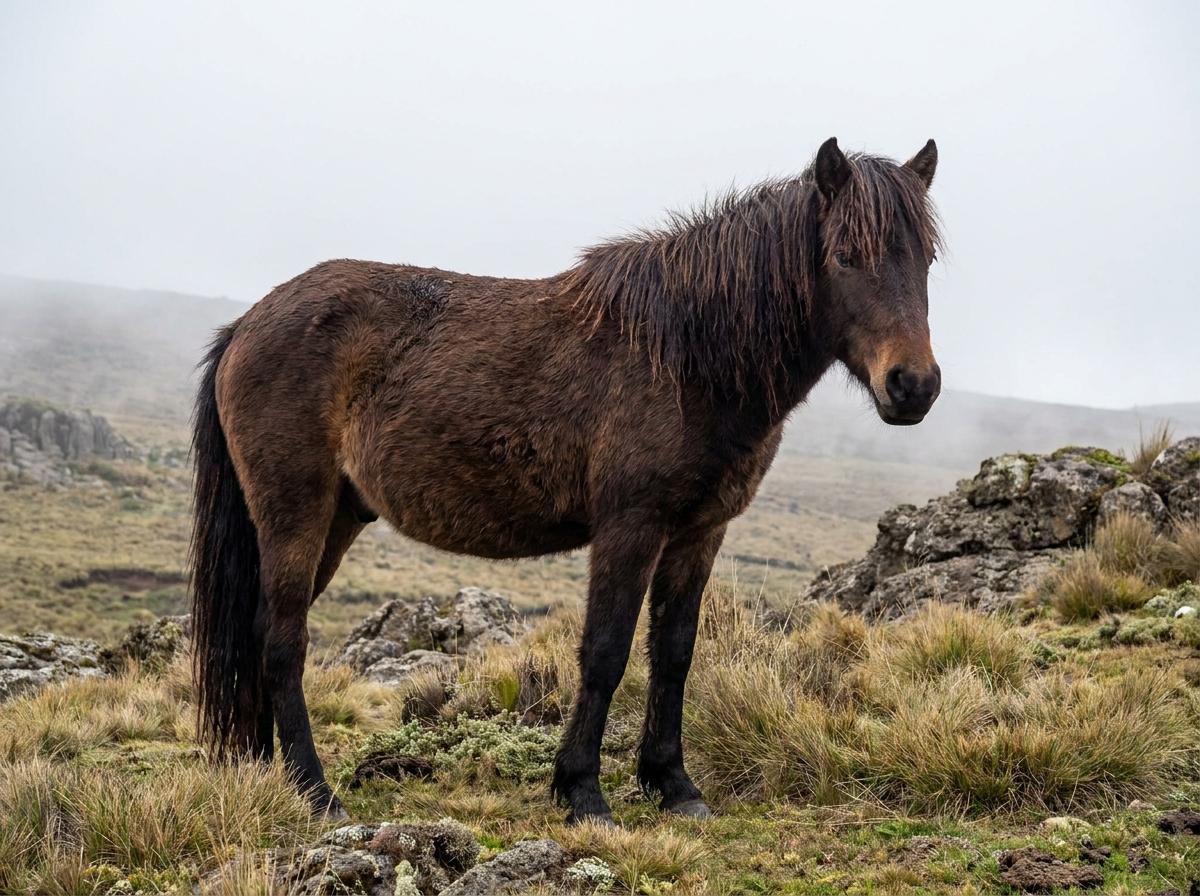
Named for the Bale highlands and surrounding areas of Oromia, the Bale is a regional Ethiopian horse type rather than a highly standardized international breed. It is generally a small to medium native horse shaped by highland travel, pack work, and local farm use. Bale horses are described as hardy, sure-footed, and economical to keep, with build and color varying between communities because selection has historically been practical and local. Like other Ethiopian horses, they are domestic horses of Equus caballus, but they are best understood as a landrace adapted to terrain, altitude, seasonal forage, and village transport needs.
Management is usually low-input compared with stable-based sport horse systems, but good care still means regular water, hoof attention, parasite control, and relief from heavy work when body condition drops. Buyers or researchers looking at Bale horses should expect uneven documentation and should evaluate the individual animal's age, soundness, temperament, and workload history rather than relying on a formal pedigree. Conservation interest centers on preserving locally adapted Ethiopian horse populations before they are diluted by unplanned crossing or replaced by mechanized transport.
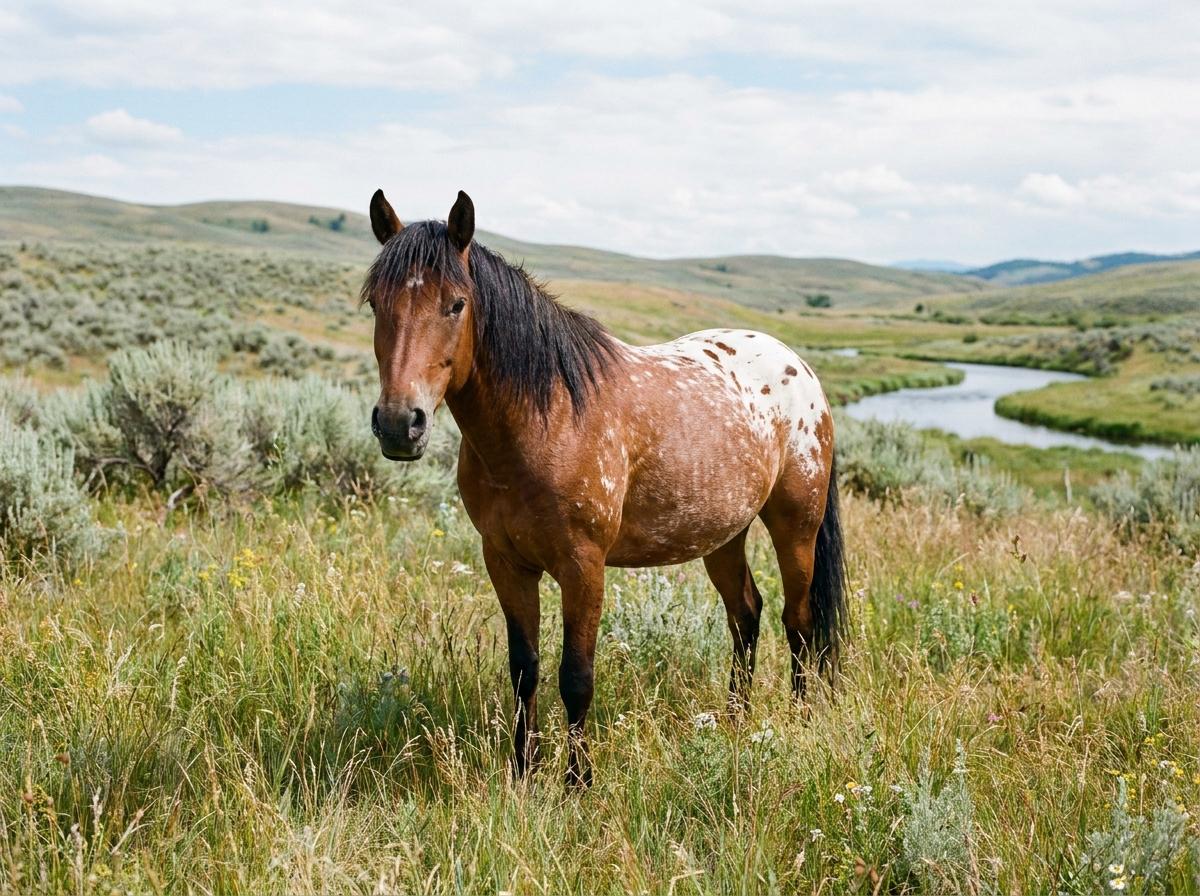
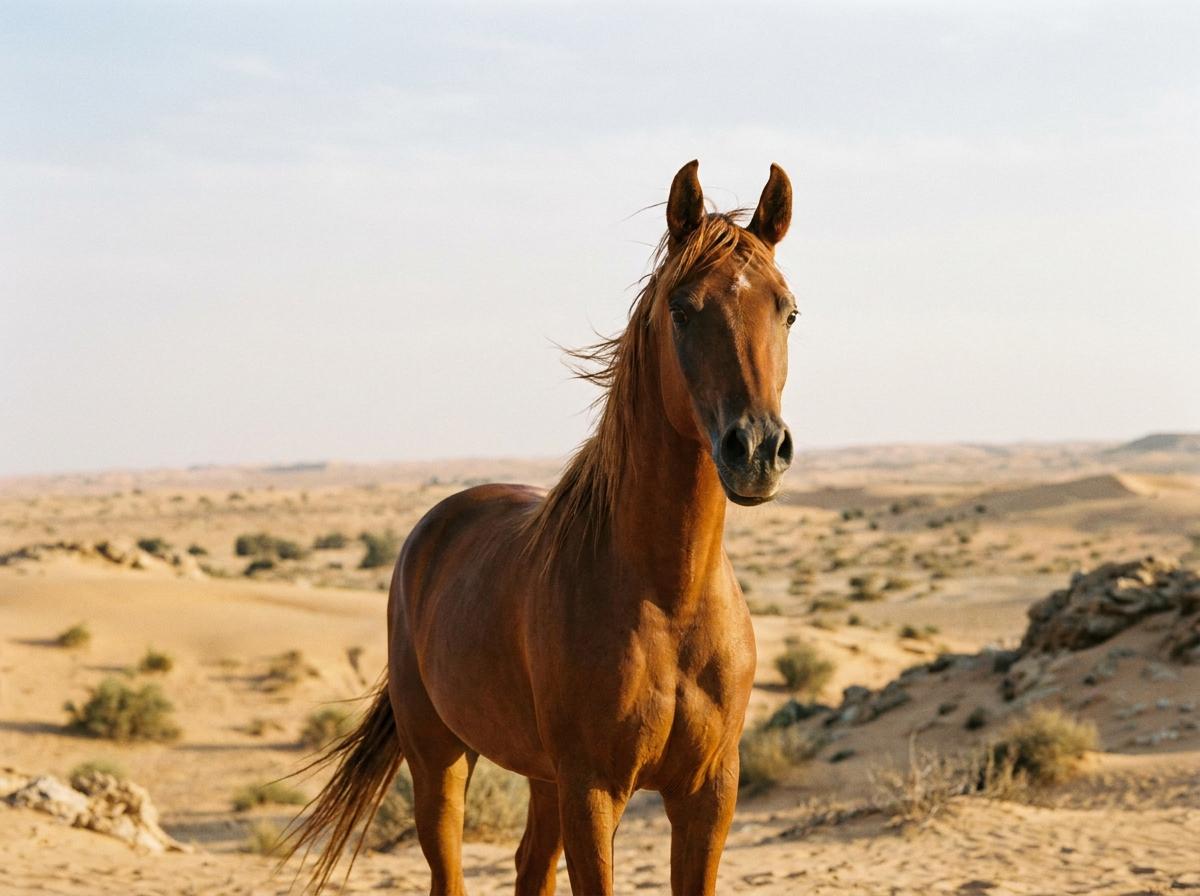
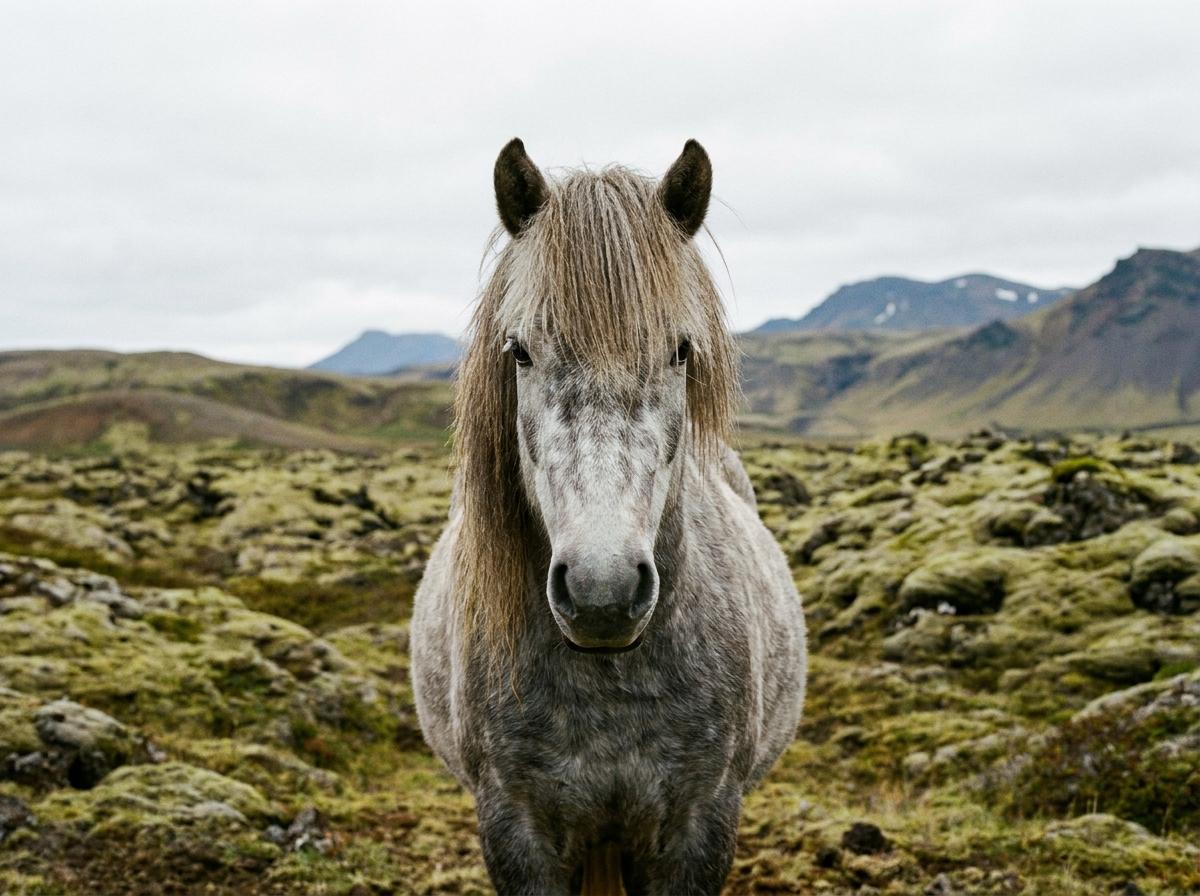
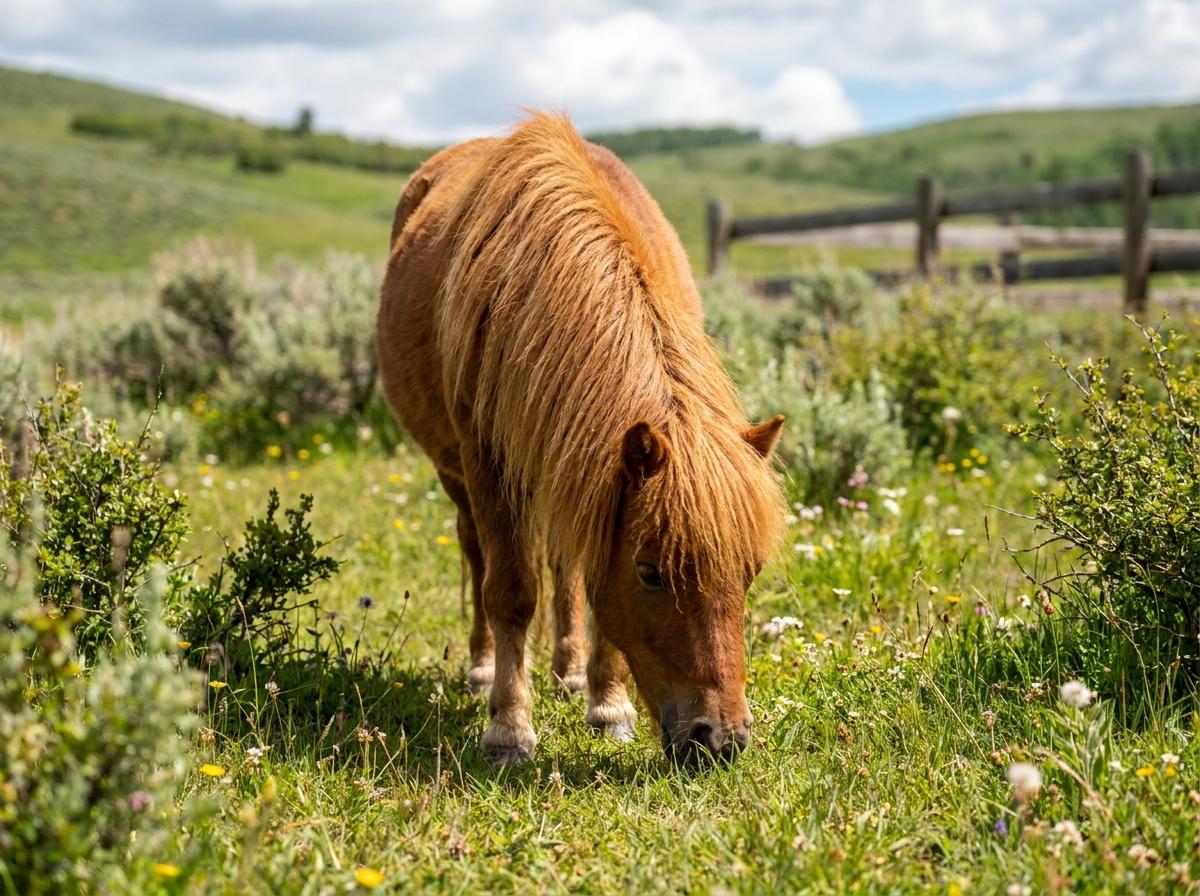
Colors: Amber Champagne, Bay, Bay Dun, Bay Roan, Black, Blanket Appaloosa, Blue Roan, Brown, Buckskin, Champagne, Chestnut, Classic Champagne, Cremello, Dun, Dun Roan, Fewspot Appaloosa, Flaxen Chestnut, Frame Overo, Gold Champagne, Gray, Grey, Grullo, Leopard Appaloosa, Liver Chestnut, Overo, Palomino, Perlino, Piebald, Pinto, Rabicano, Red Dun, Red Roan, Roan, Sabino, Seal Bay, Silver Dapple, Skewbald, Smoky Black, Smoky Cream, Snowcap Appaloosa, Sorrel, Splash White, Tobiano, Tovero, Varnish Roan, White