Balearic Horse
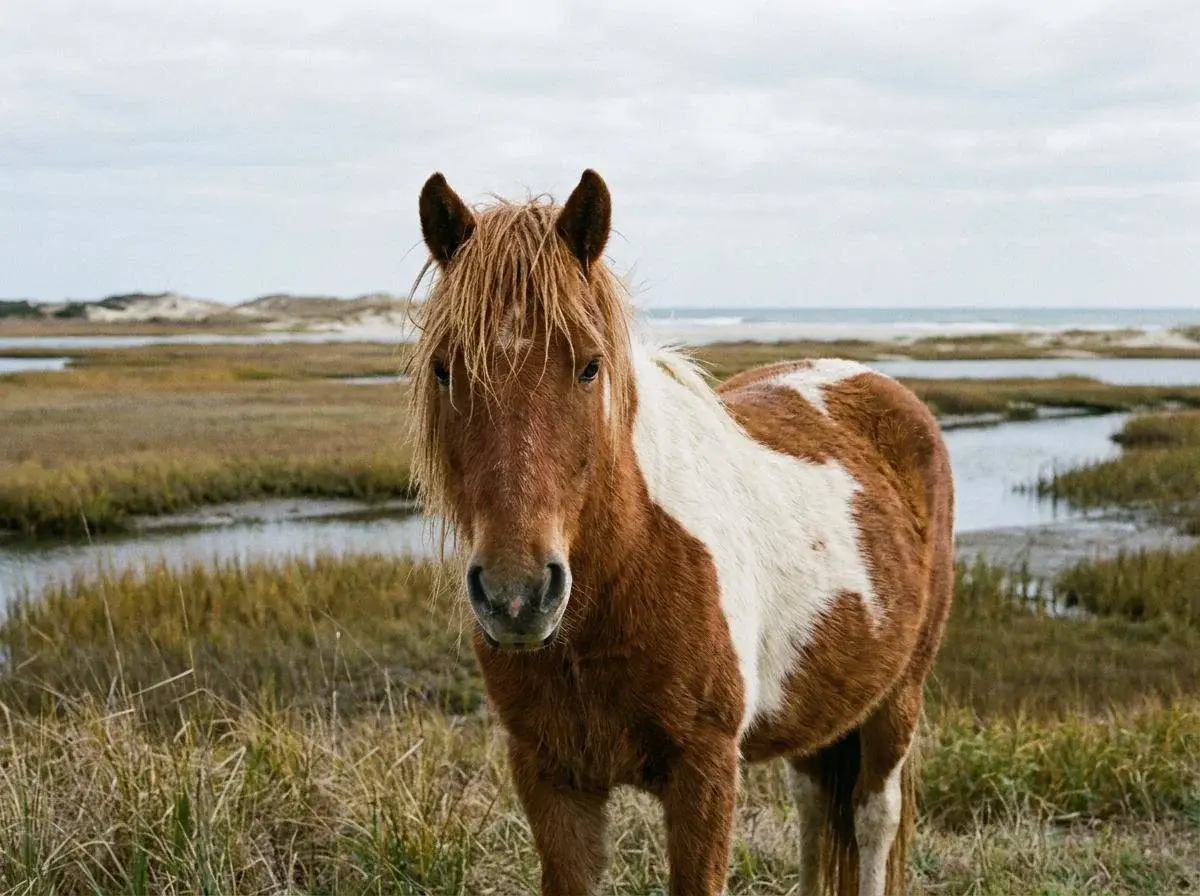
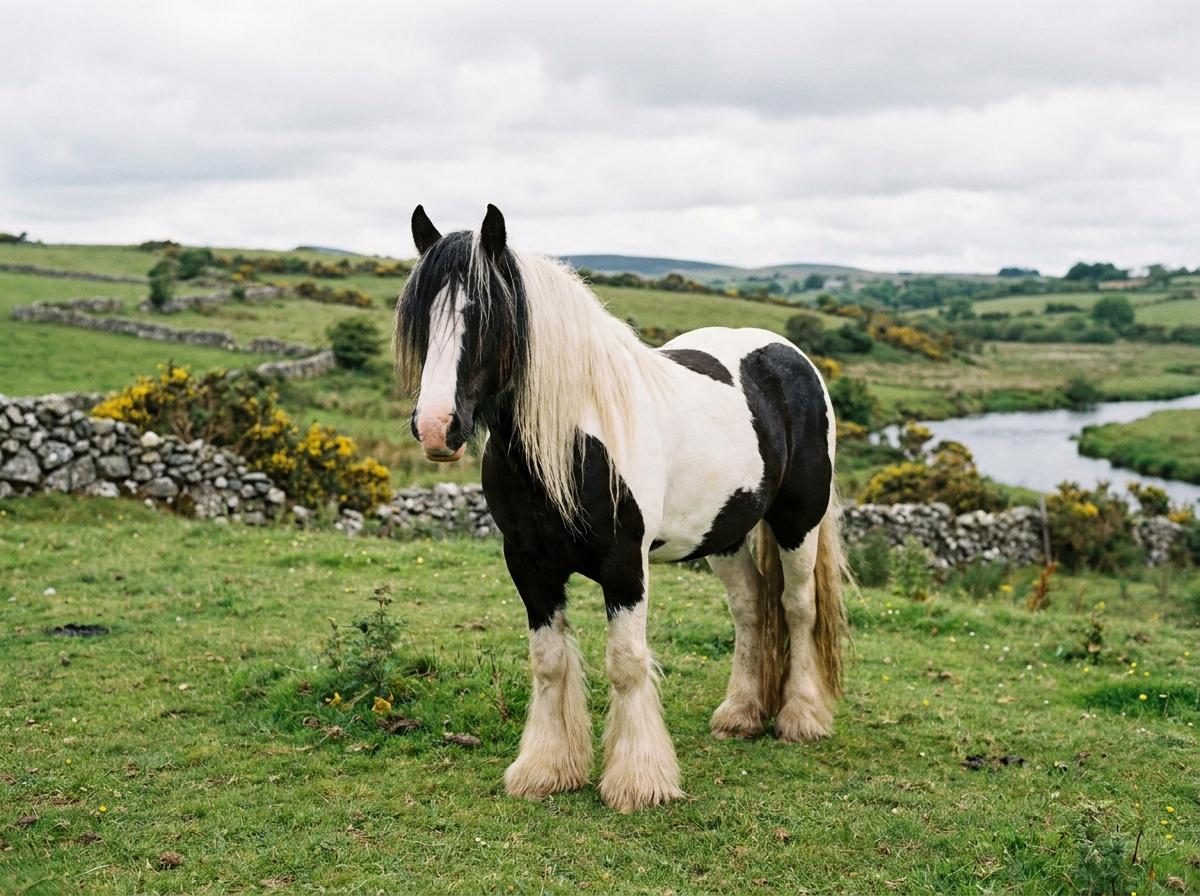
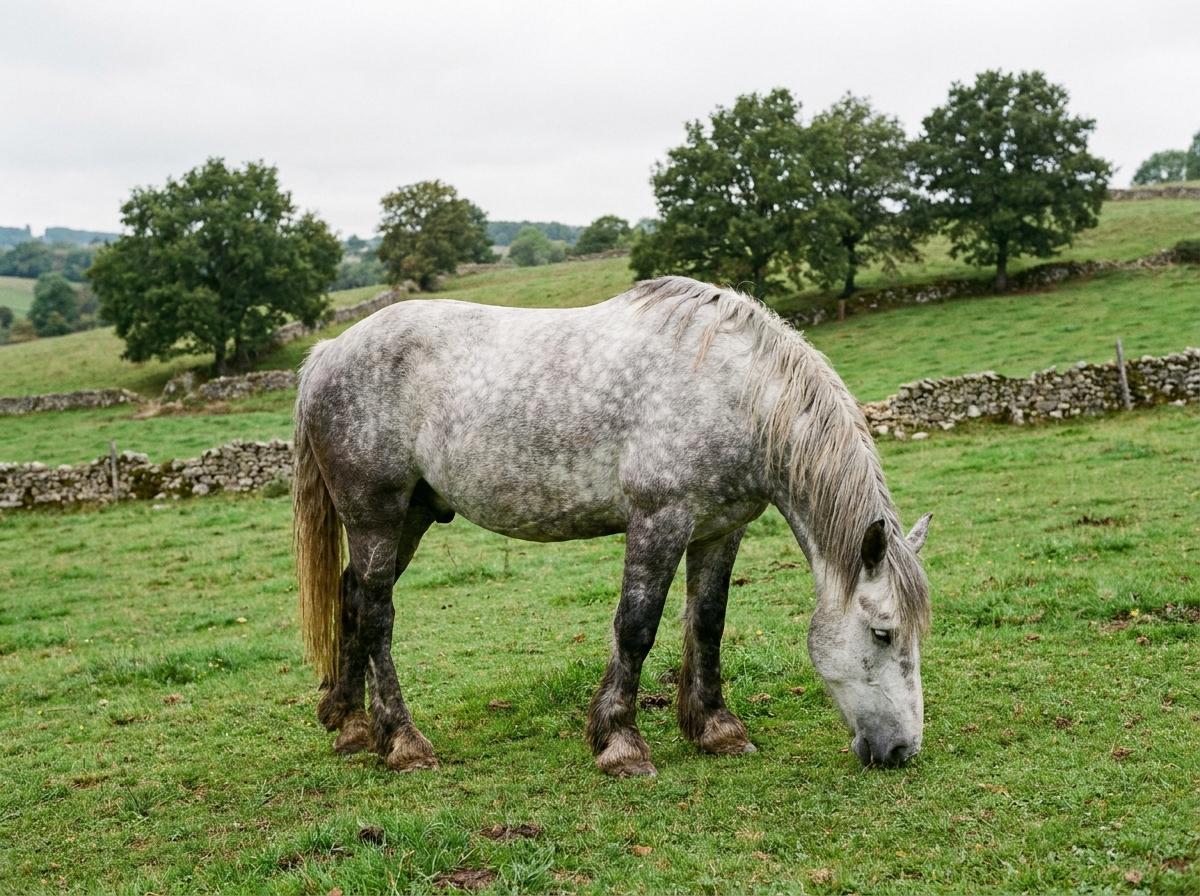
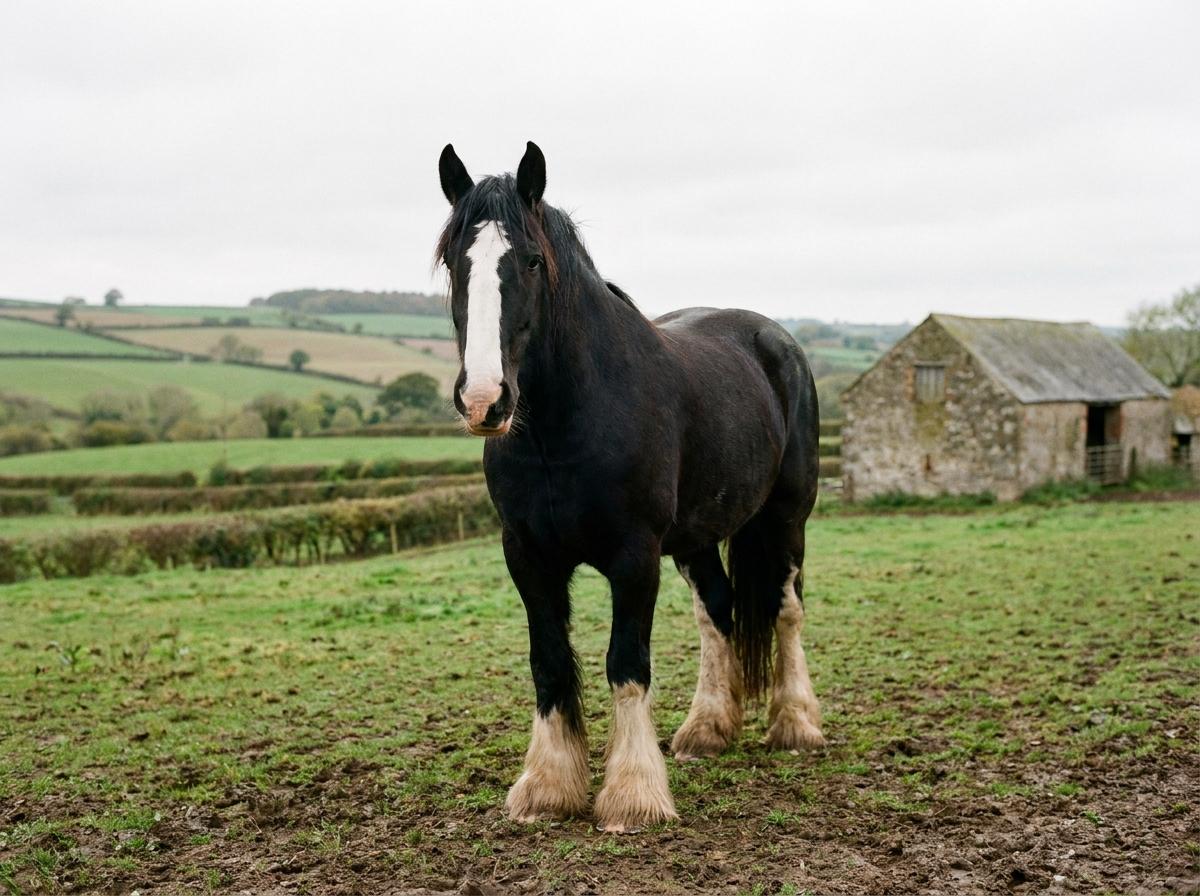
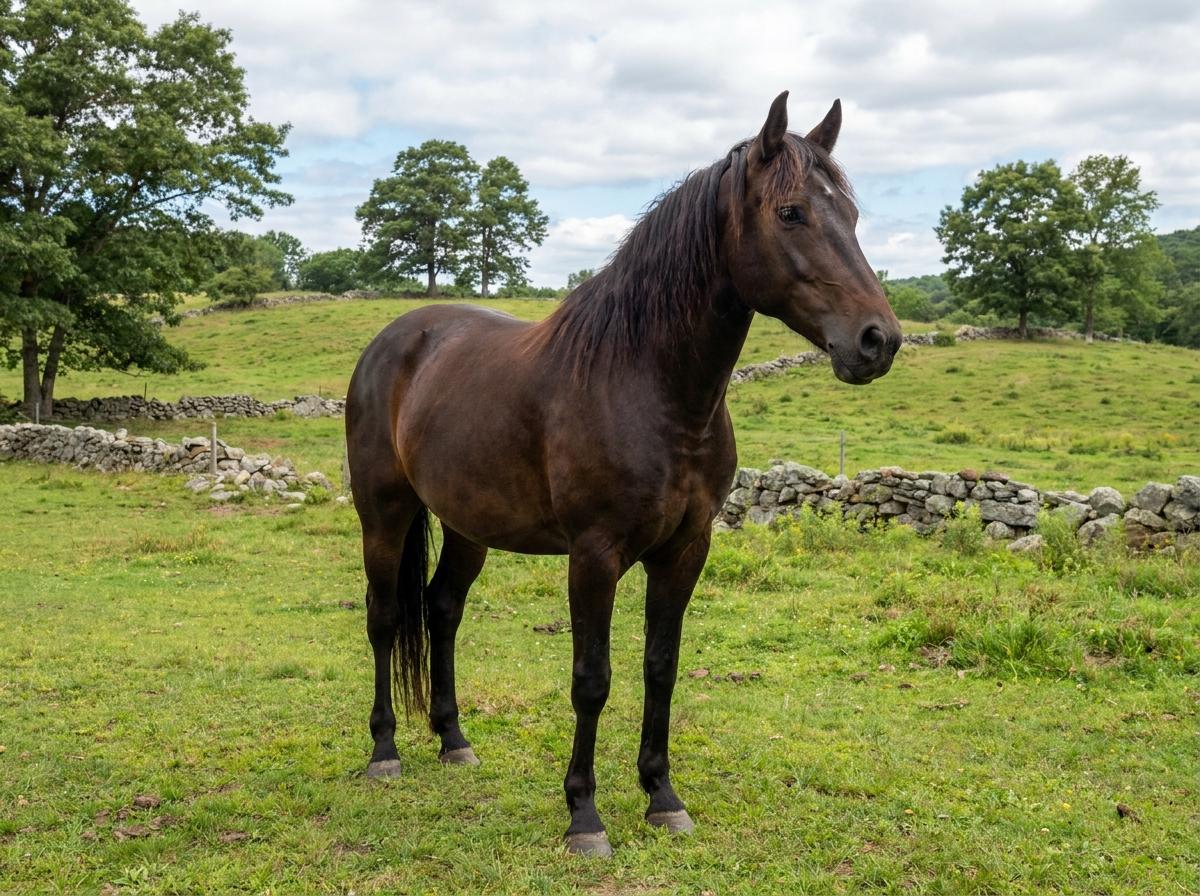
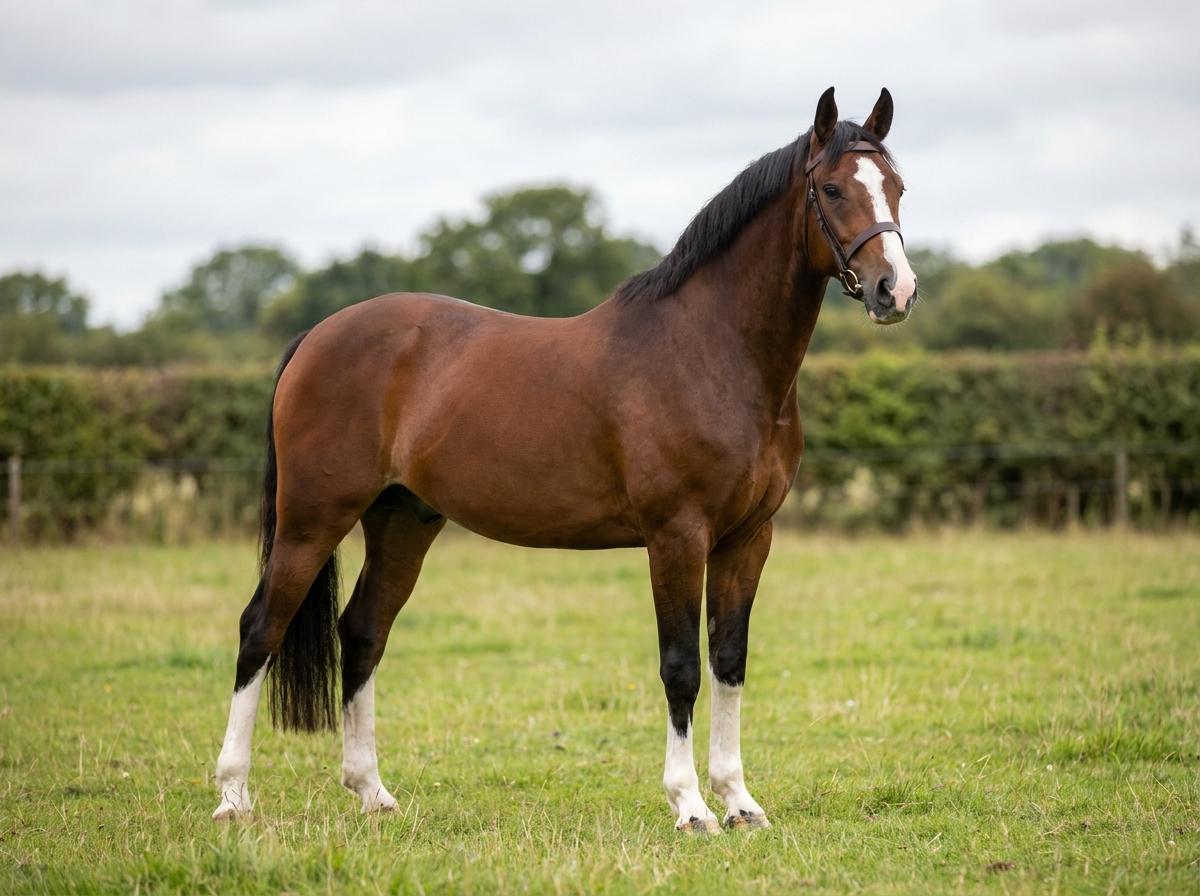
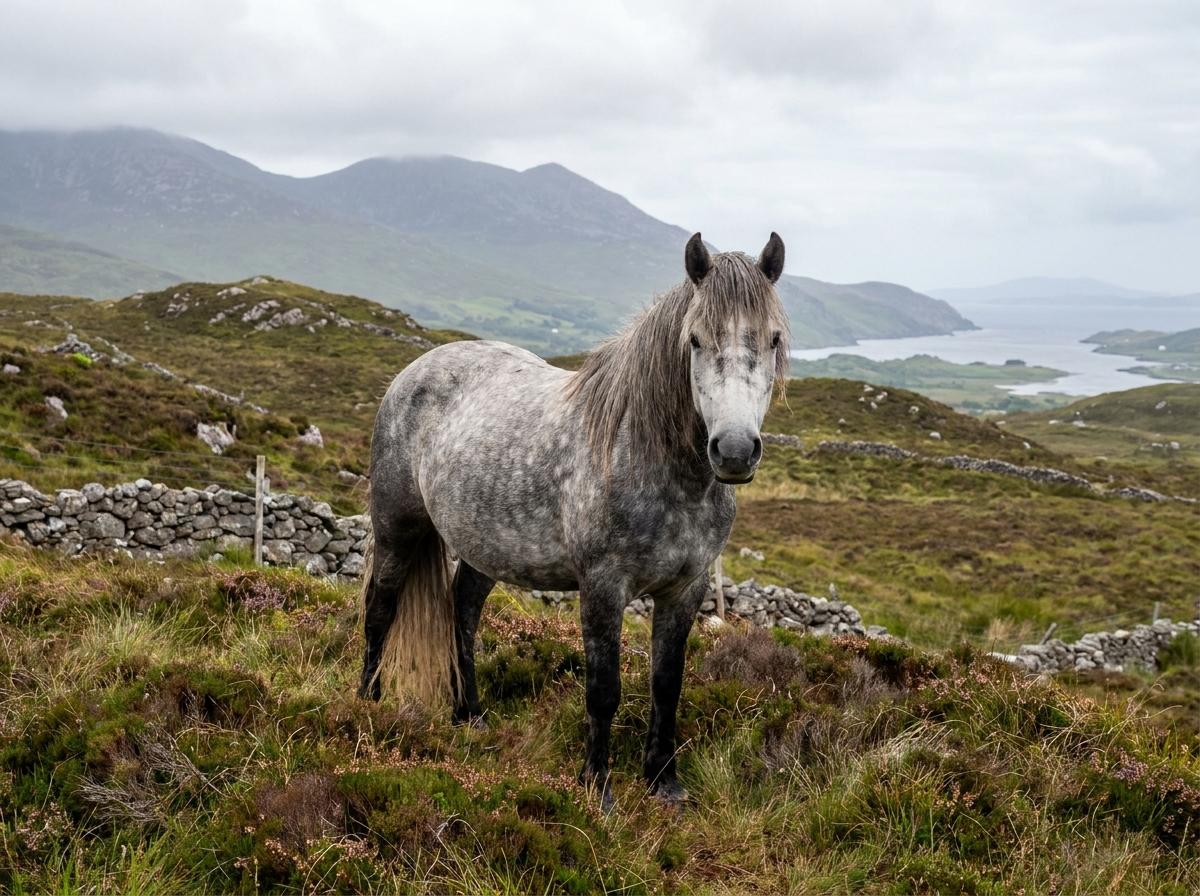
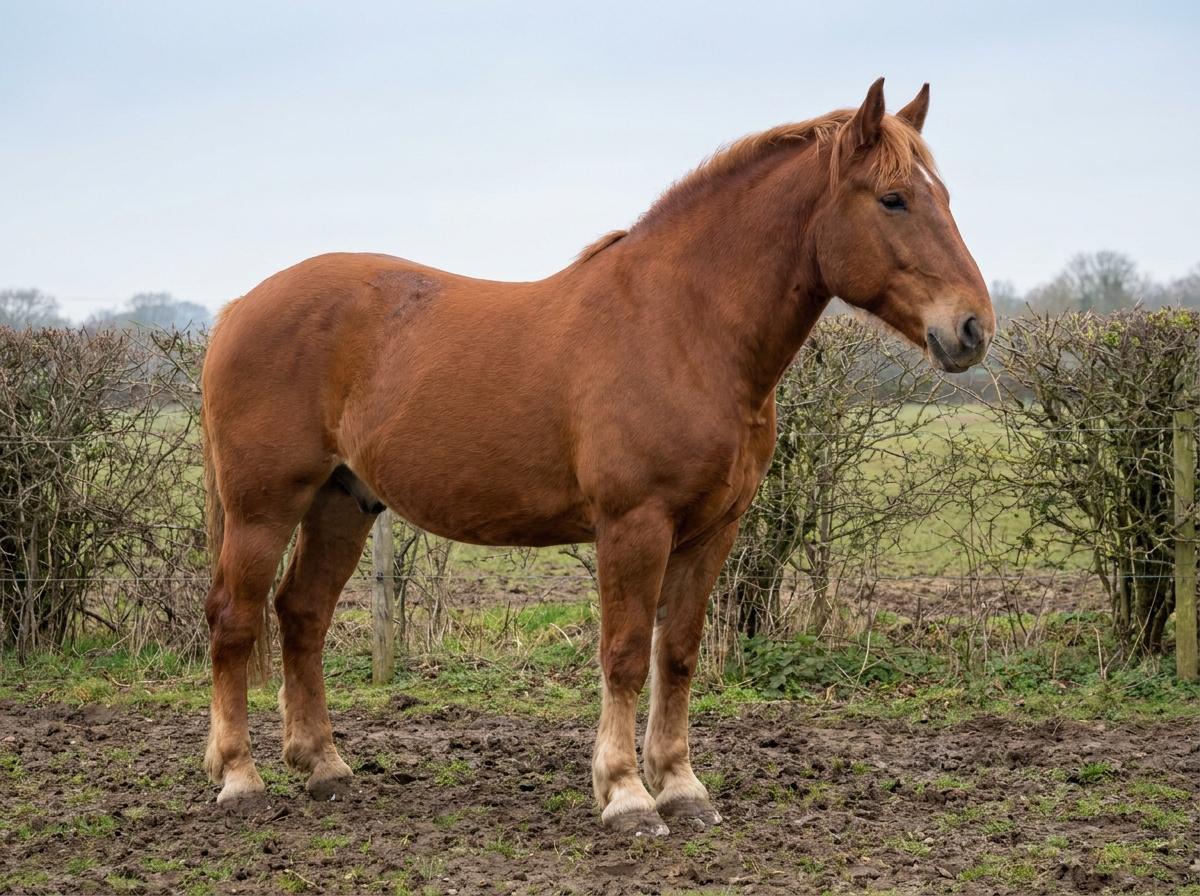
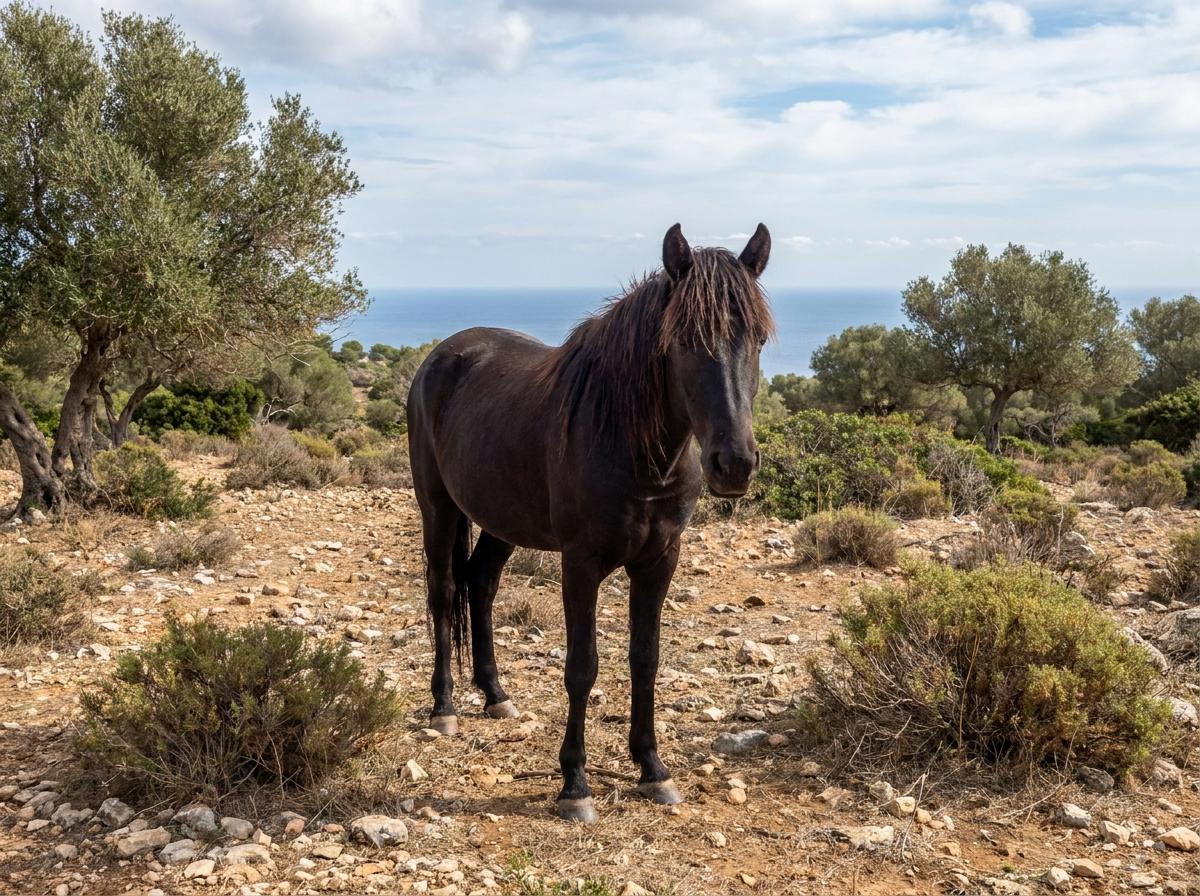
In horse breed references, the Balearic horse is best treated as a regional label for horses associated with Spain's Balearic Islands, rather than one universally defined breed in every registry. Island horse culture includes better-known native types such as the Menorquín and Mallorquín, both shaped by Iberian, Mediterranean, and local selection. Balearic horses are typically saddle or light driving animals, often dark coated in the local black-horse traditions, with enough substance for farm work, town festivities, and everyday riding on rocky island ground.
Because the name can be used loosely, a buyer or breeder should ask what population is actually meant, whether the horse is registered as a specific island breed, and what documentation follows it. Management reflects Mediterranean conditions: shade, reliable water, fly control, and attention to hooves on dry, hard footing matter as much as feed. Conservation programs on the islands tend to focus on maintaining small native gene pools, so mares and stallions with known local ancestry may be more important than polished competition records.
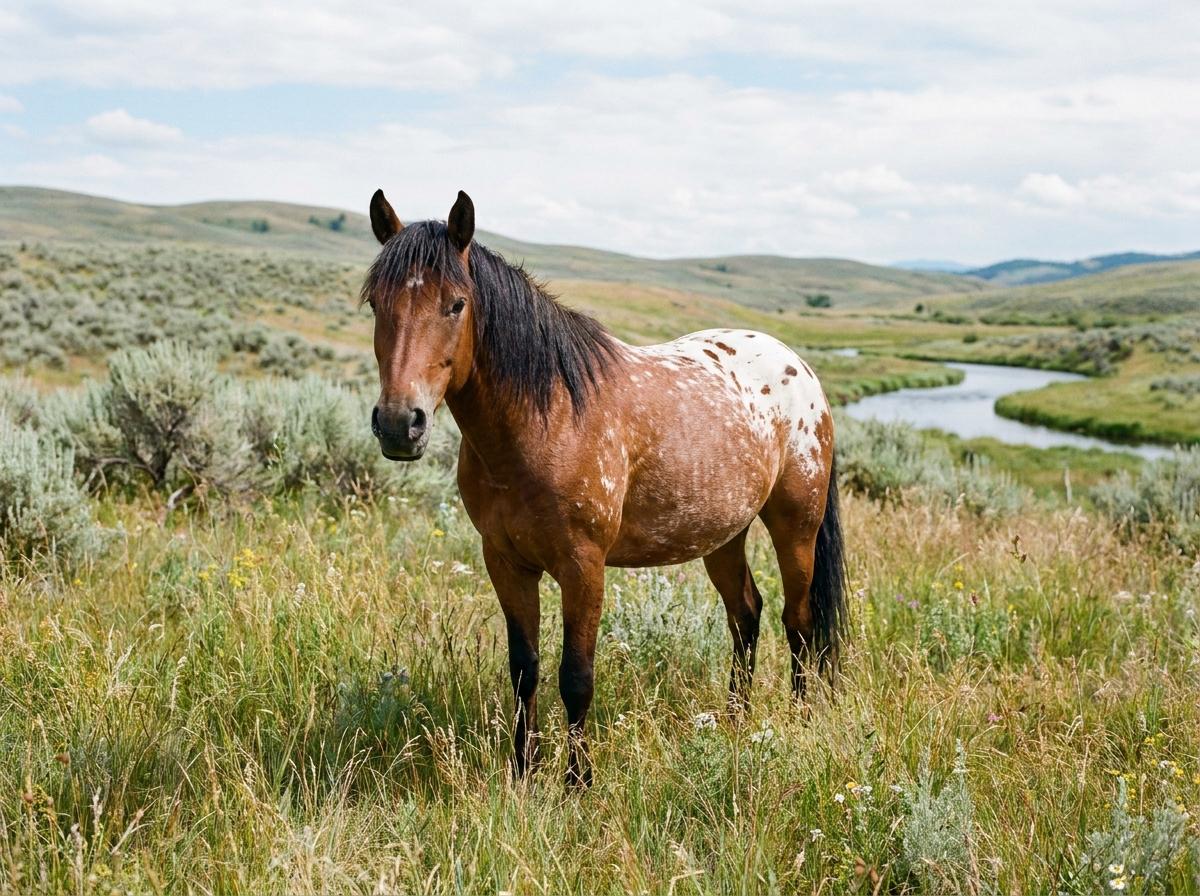
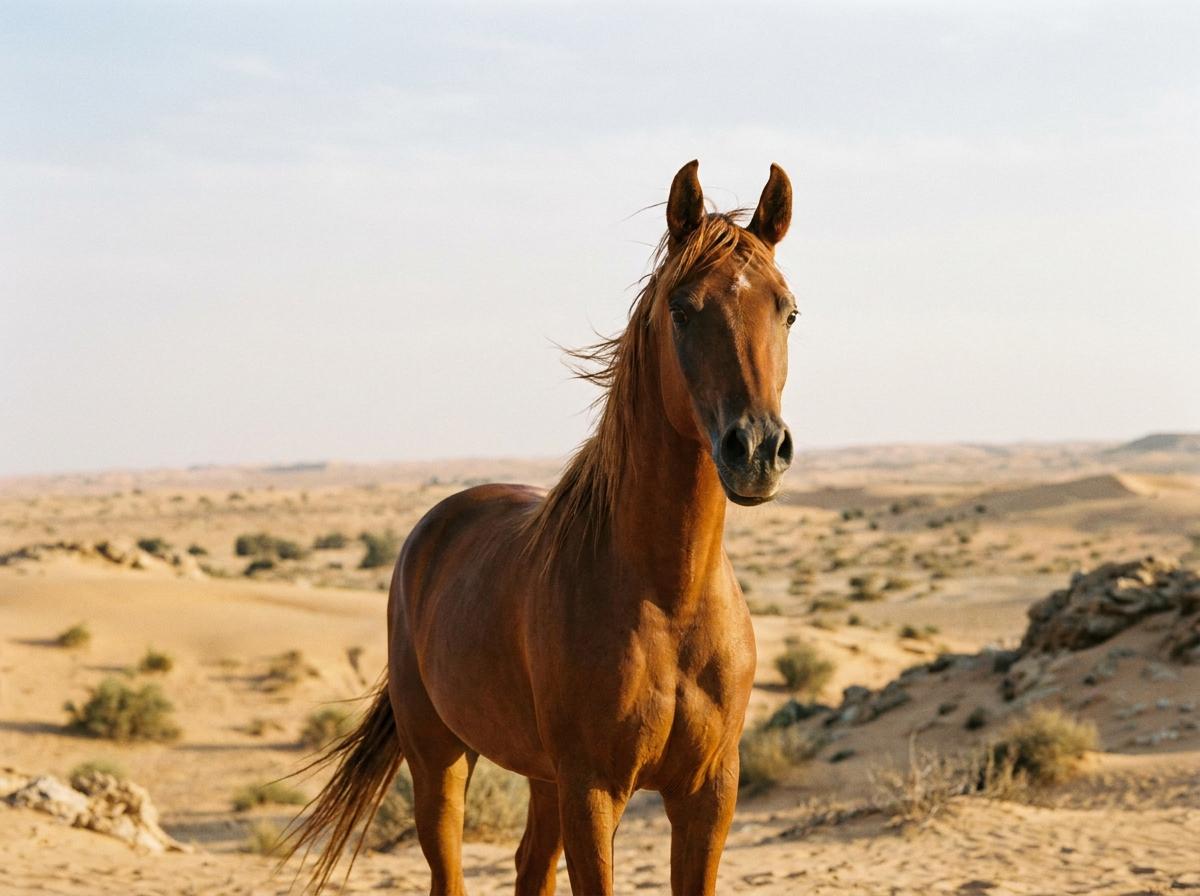
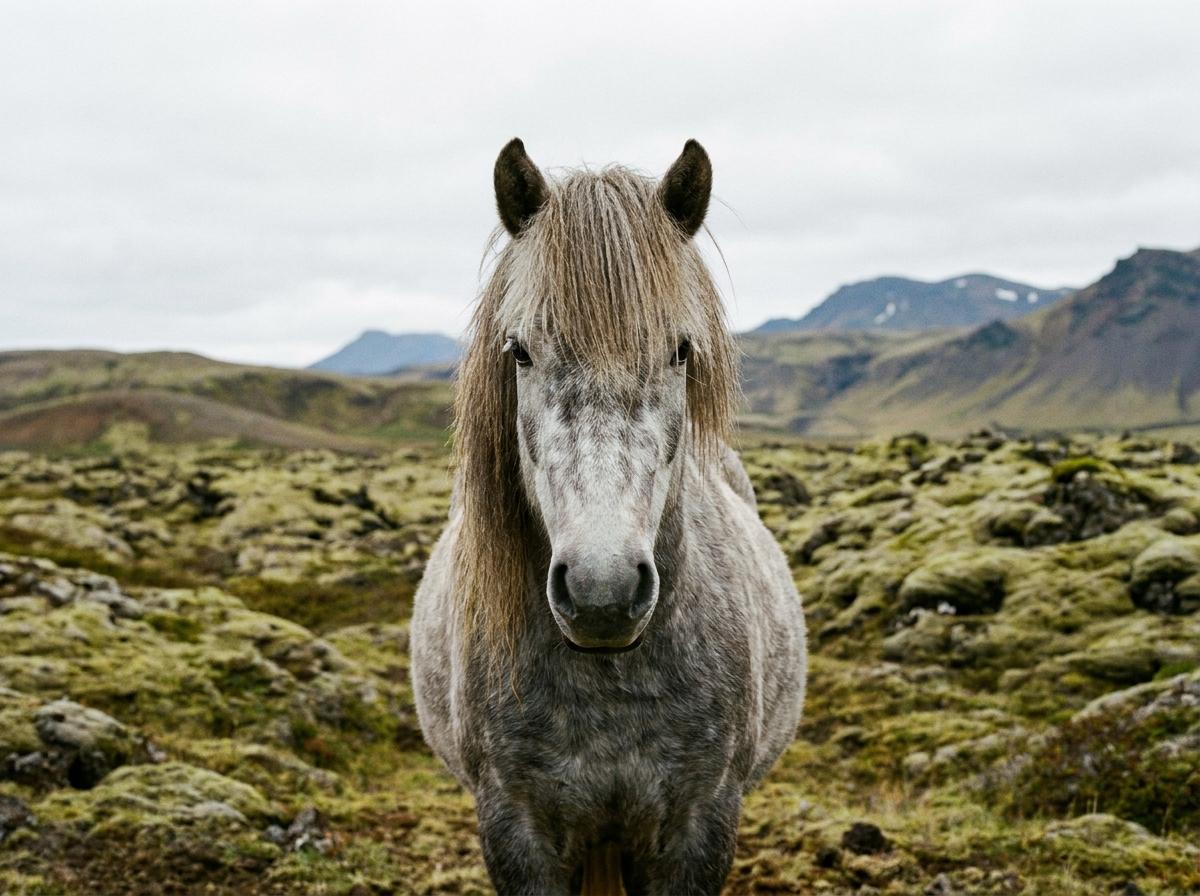
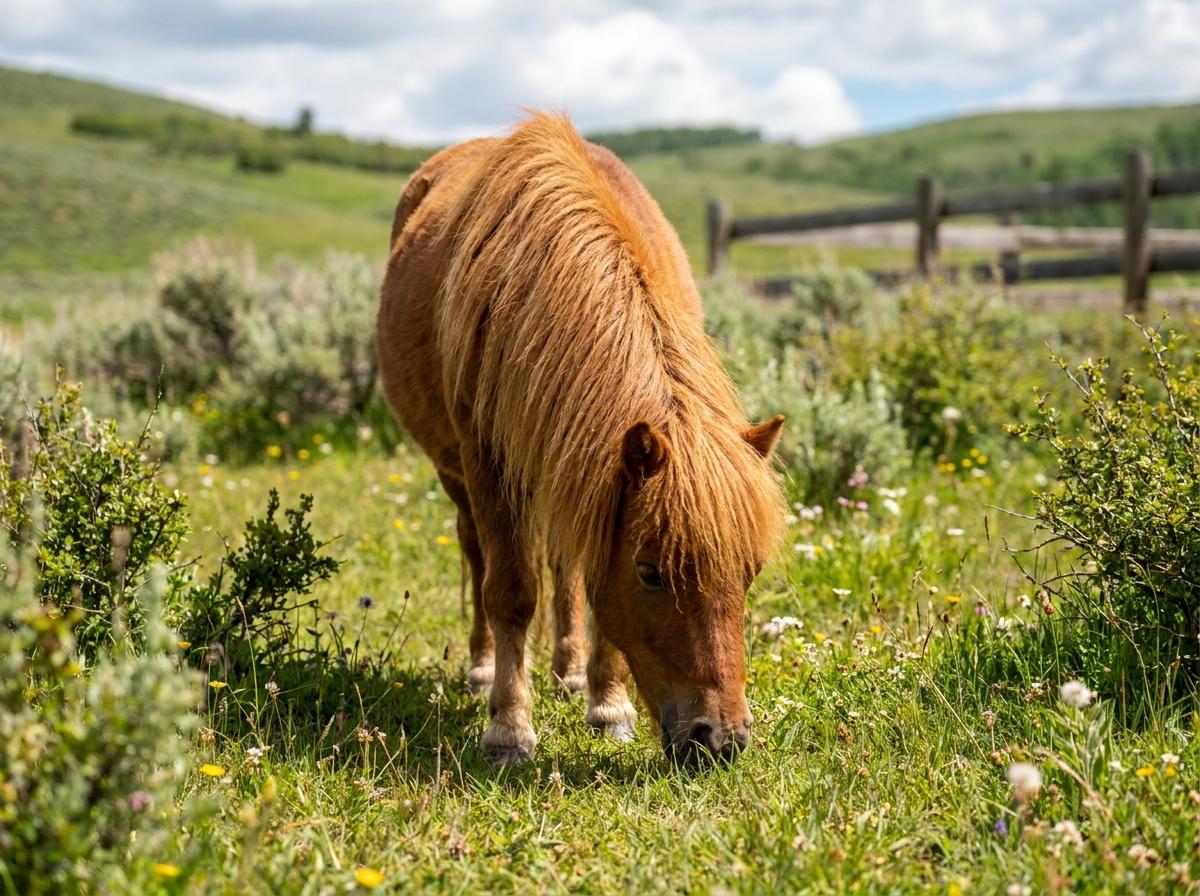
Colors: Amber Champagne, Bay, Bay Dun, Bay Roan, Black, Blanket Appaloosa, Blue Roan, Brown, Buckskin, Champagne, Chestnut, Classic Champagne, Cremello, Dun, Dun Roan, Fewspot Appaloosa, Flaxen Chestnut, Frame Overo, Gold Champagne, Gray, Grey, Grullo, Leopard Appaloosa, Liver Chestnut, Overo, Palomino, Perlino, Piebald, Pinto, Rabicano, Red Dun, Red Roan, Roan, Sabino, Seal Bay, Silver Dapple, Skewbald, Smoky Black, Smoky Cream, Snowcap Appaloosa, Sorrel, Splash White, Tobiano, Tovero, Varnish Roan, White