


Barb
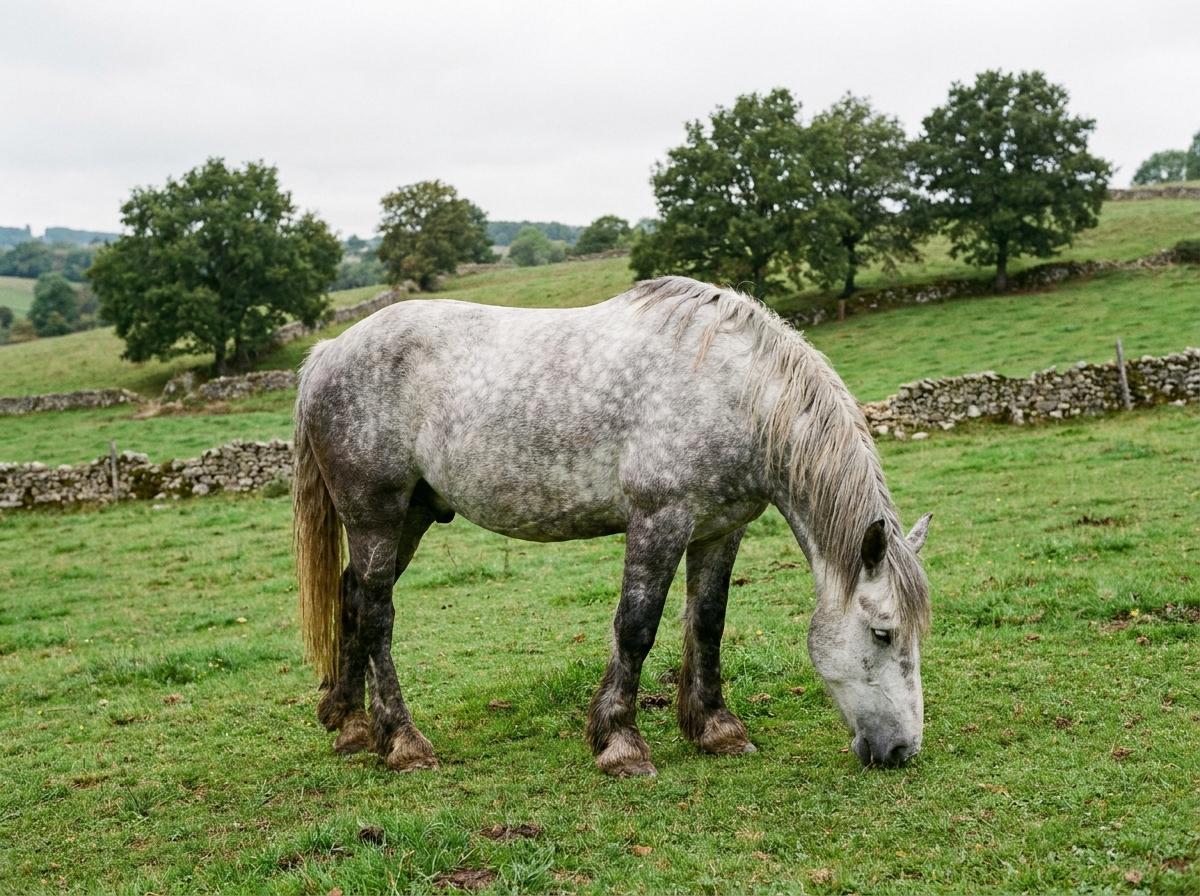
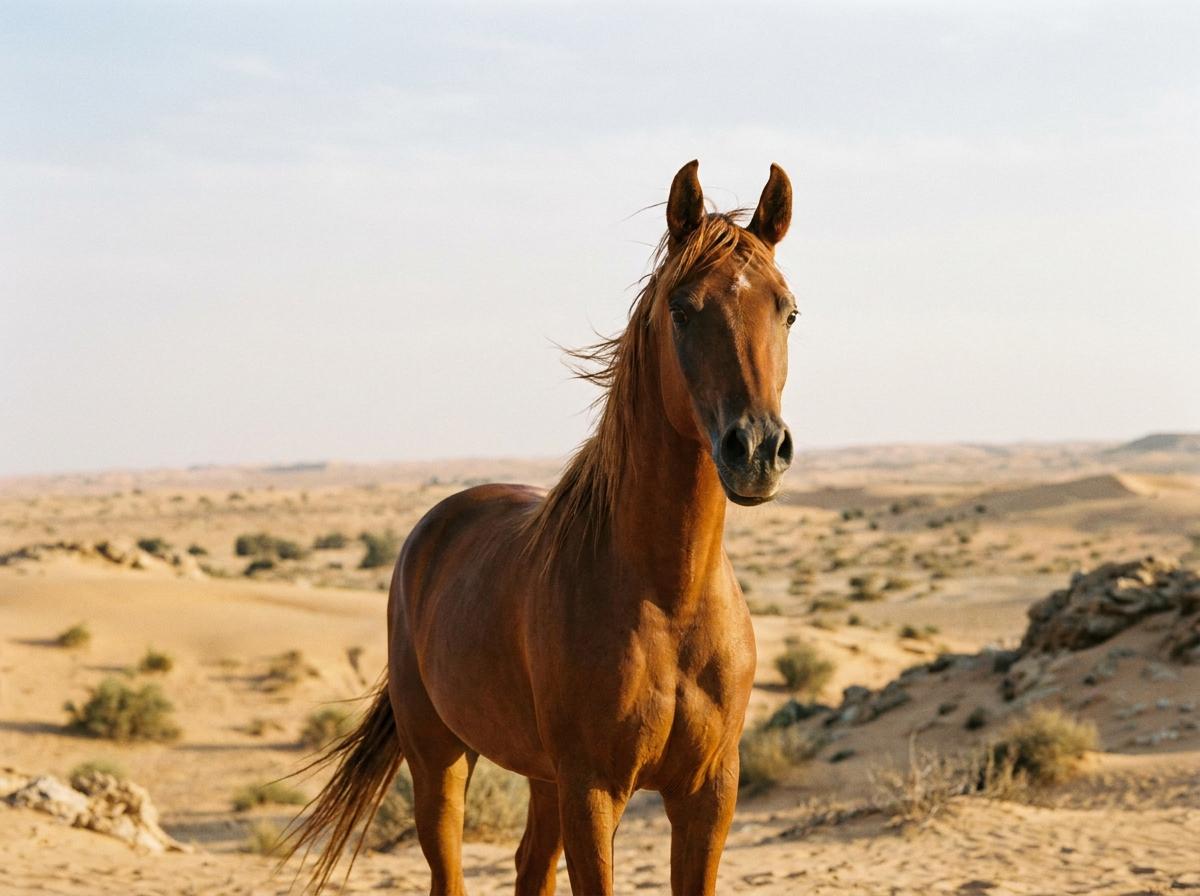
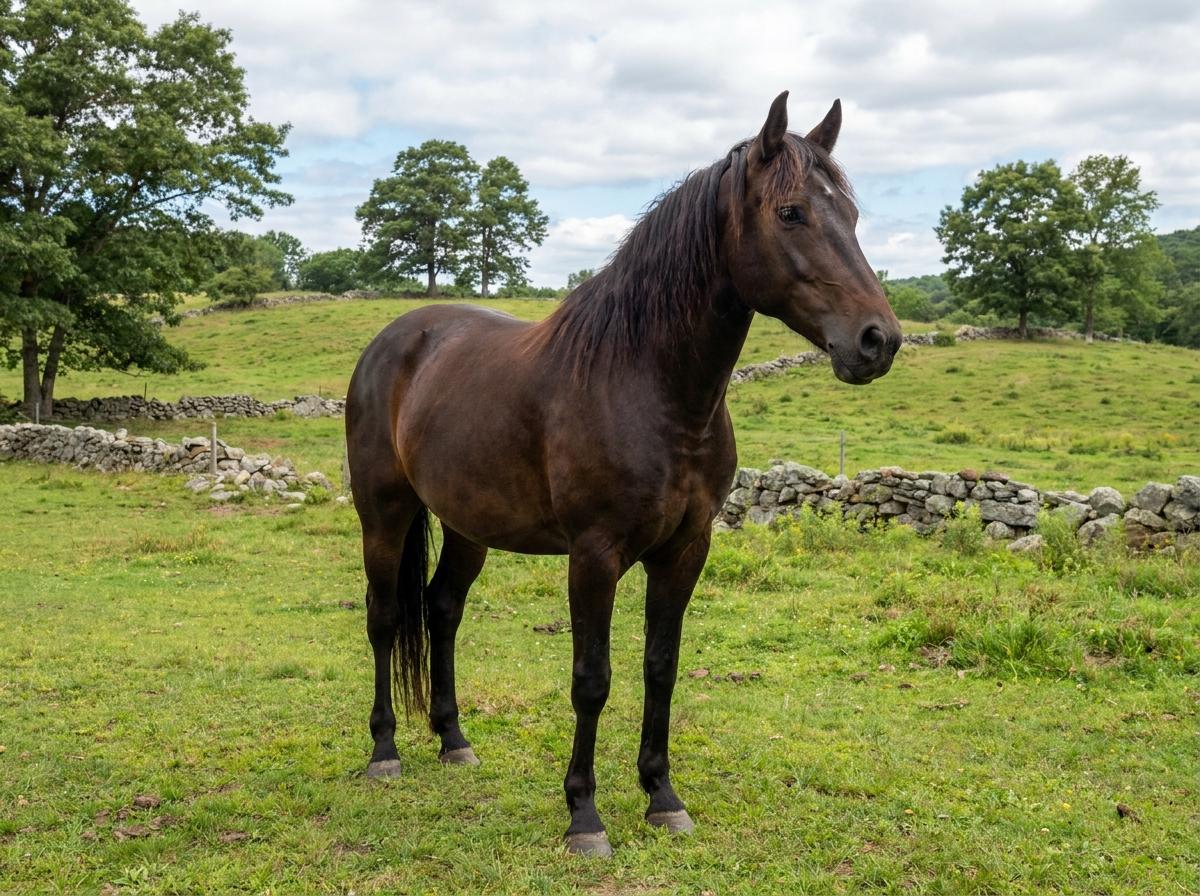
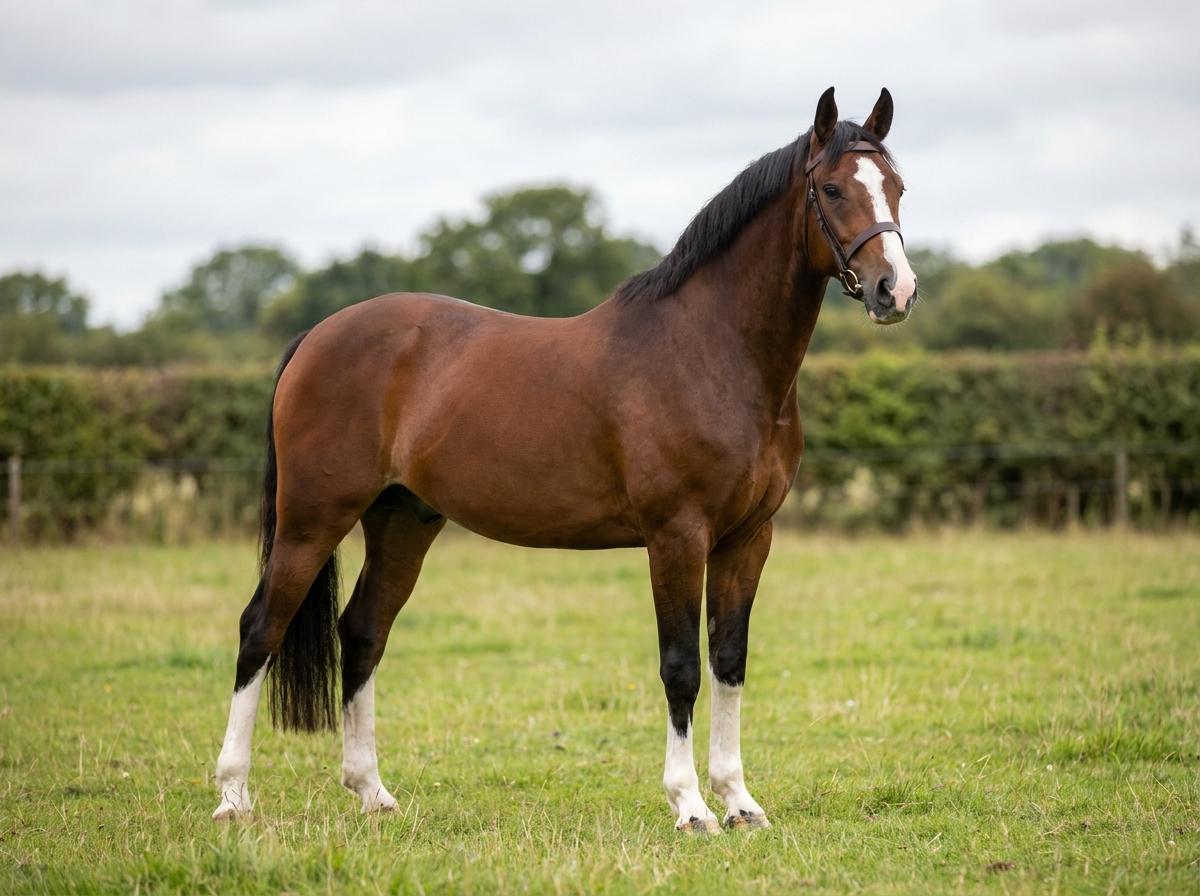
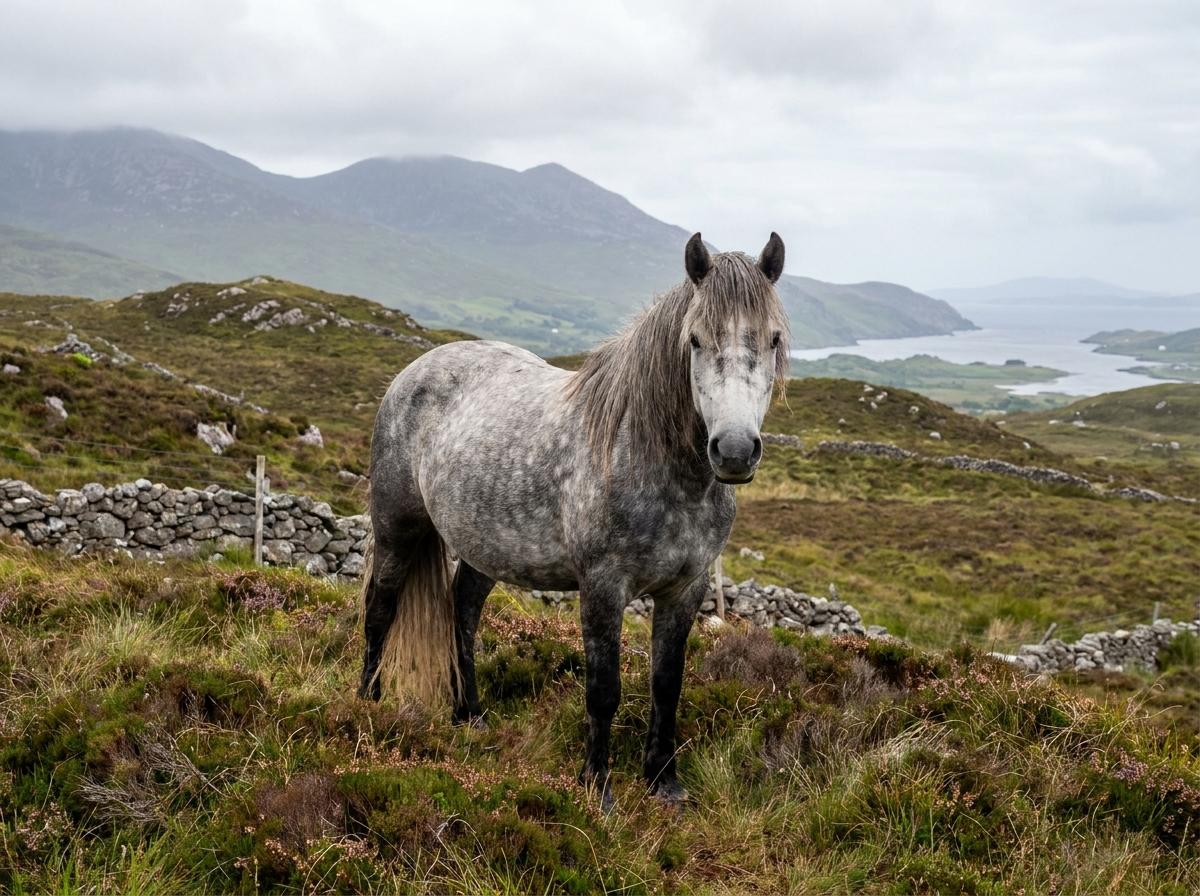
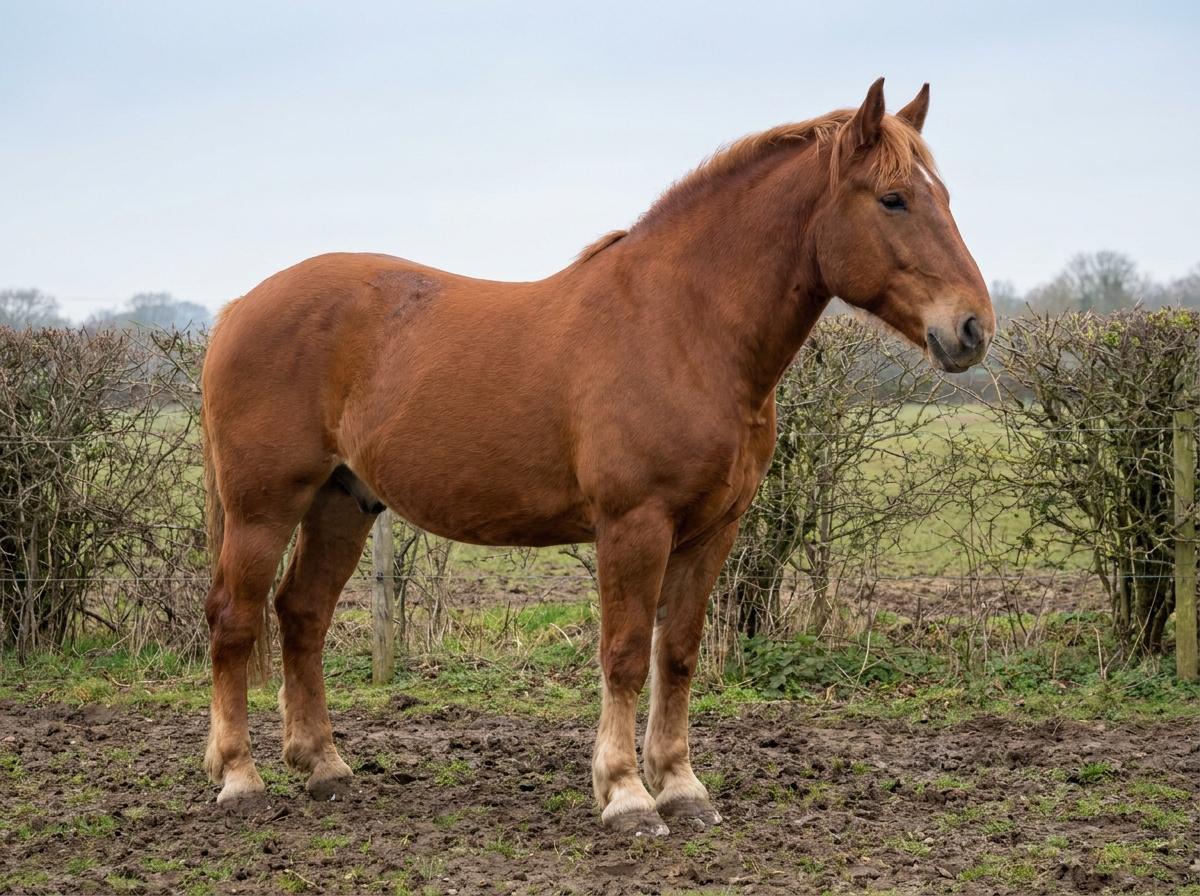
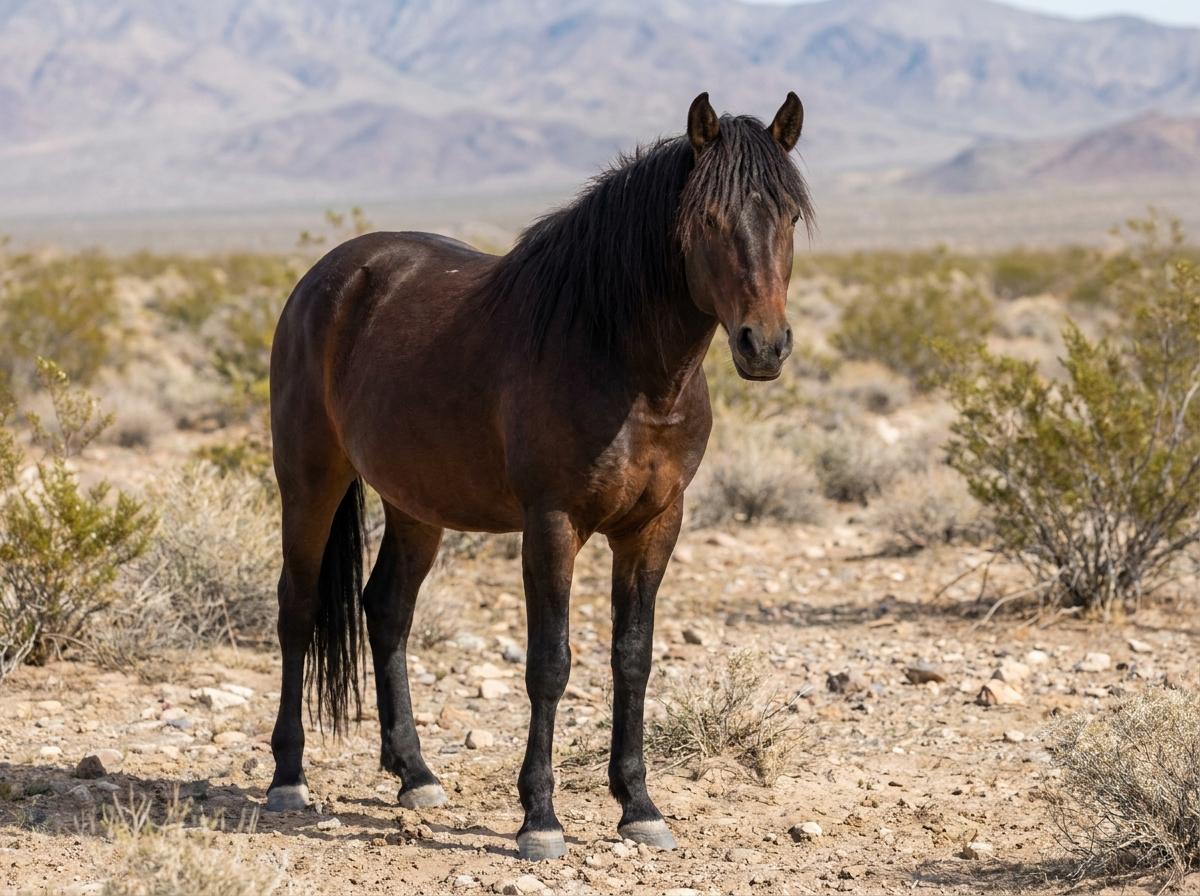
The Barb, also called the Berber horse or North African Barb, is a historic horse of the Maghreb, especially Morocco, Algeria, Tunisia, and neighboring regions. It is a compact desert and steppe riding horse, usually shorter and more muscular than the Arabian, with a deep chest, strong hindquarters, hard feet, and a quick, ground-covering way of going. Barbs have been used for cavalry, tribal travel, cattle work, and ceremonial riding, and their influence is widely discussed in Iberian and Colonial Spanish horse history. Gray, bay, chestnut, and black occur, depending on the population and registry.
Modern Barb breeding ranges from village horses and fantasia mounts to organized conservation herds and sport or endurance programs. The breed is valued for thrift and toughness, but that does not mean it should be left on poor feed or handled roughly; fit, sound Barbs are developed through conditioning, hoof care, and steady training. Buyers should distinguish between pure Barb, Arab-Barb, and local crossbred horses, since the names may overlap in markets. Conservation work in North Africa and Europe often focuses on preserving old mare lines and functional type rather than selecting only for height or show-ring polish.
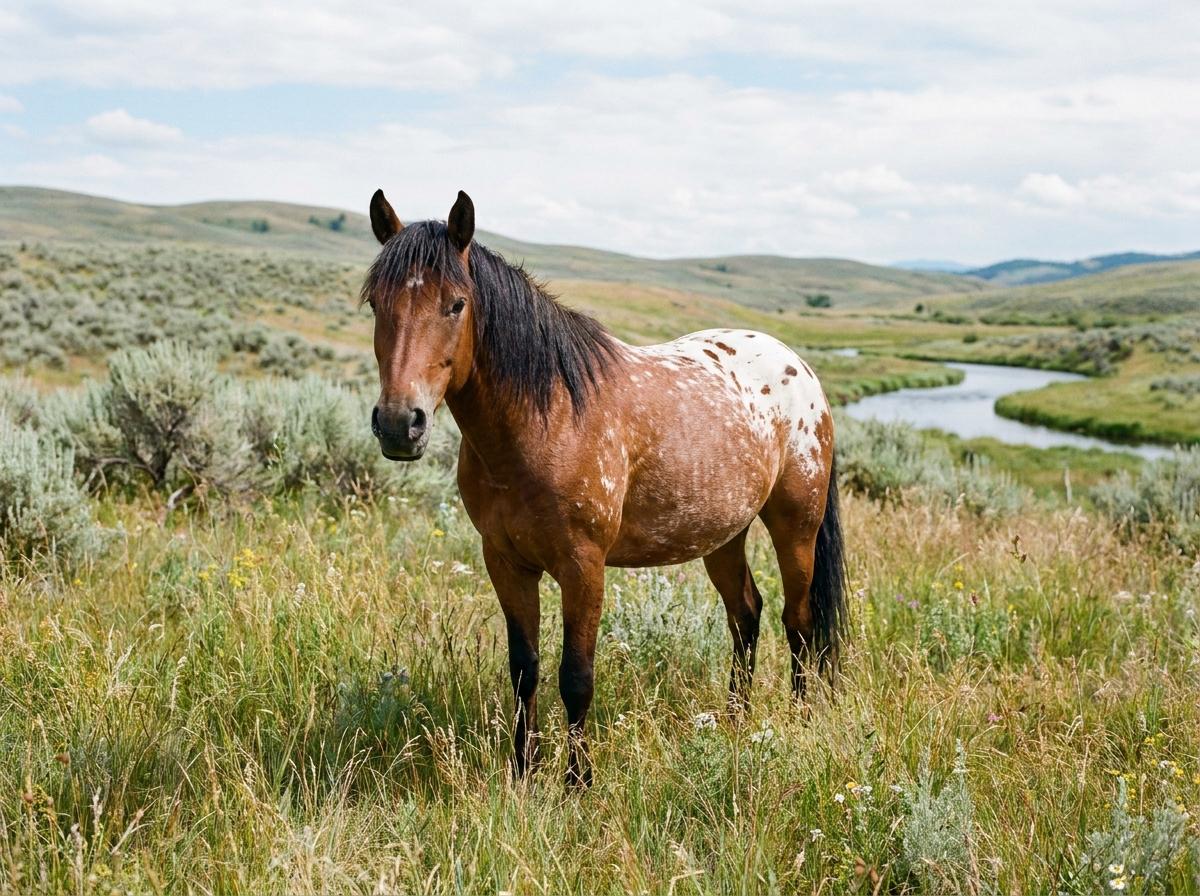
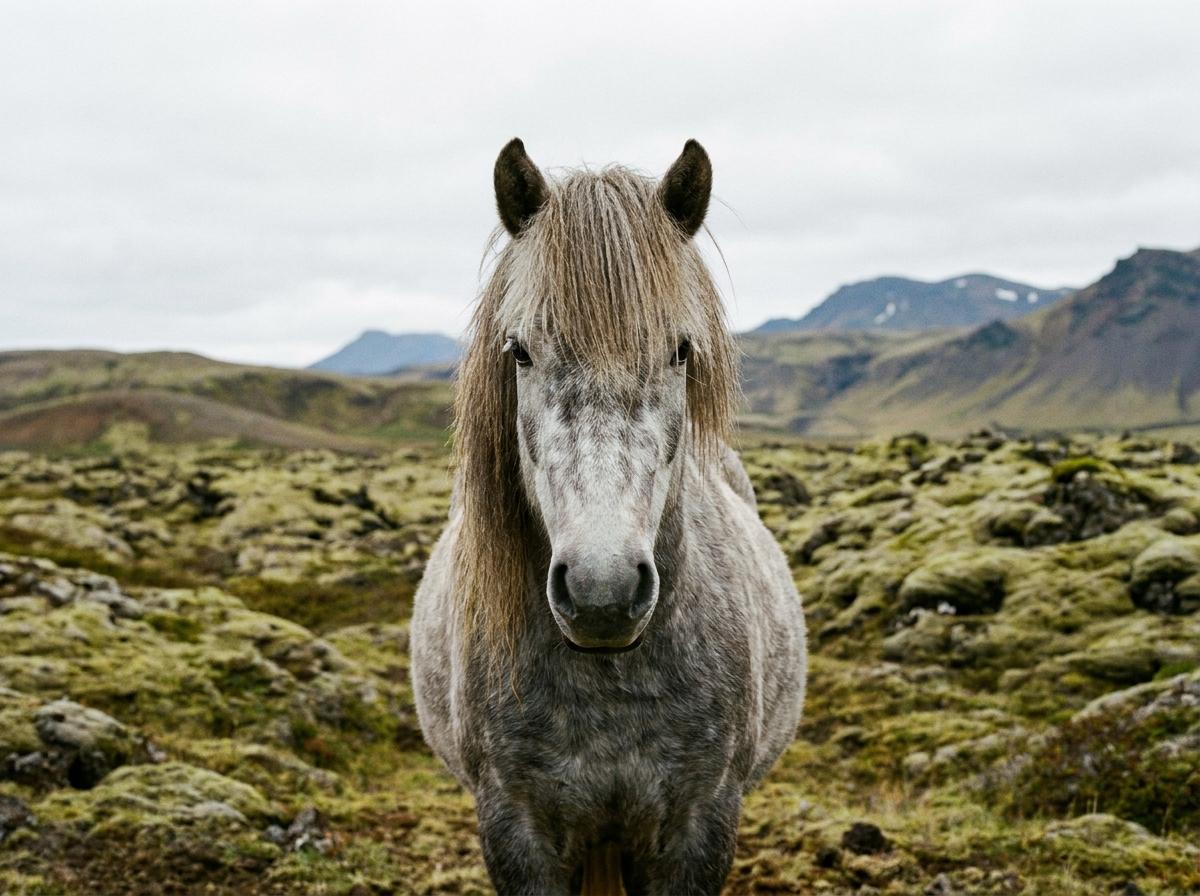
Colors: Amber Champagne, Bay, Bay Dun, Bay Roan, Black, Blanket Appaloosa, Blue Roan, Brown, Buckskin, Champagne, Chestnut, Classic Champagne, Cremello, Dun, Dun Roan, Fewspot Appaloosa, Flaxen Chestnut, Frame Overo, Gold Champagne, Gray, Grullo, Leopard Appaloosa, Liver Chestnut, Overo, Palomino, Perlino, Piebald, Pinto, Rabicano, Red Dun, Red Roan, Roan, Sabino, Seal Bay, Silver Dapple, Skewbald, Smoky Black, Smoky Cream, Snowcap Appaloosa, Sorrel, Splash White, Tobiano, Tovero, Varnish Roan, White