


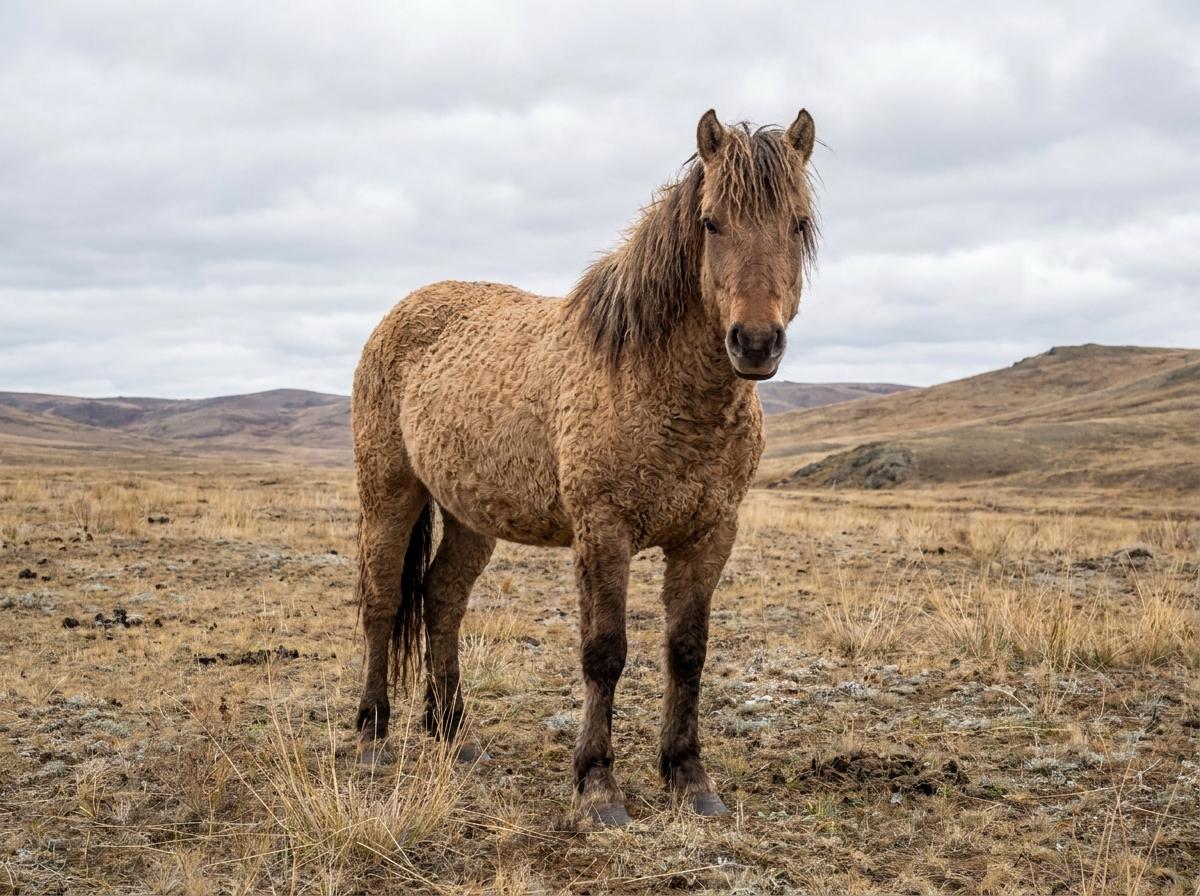
Bashkir Curly
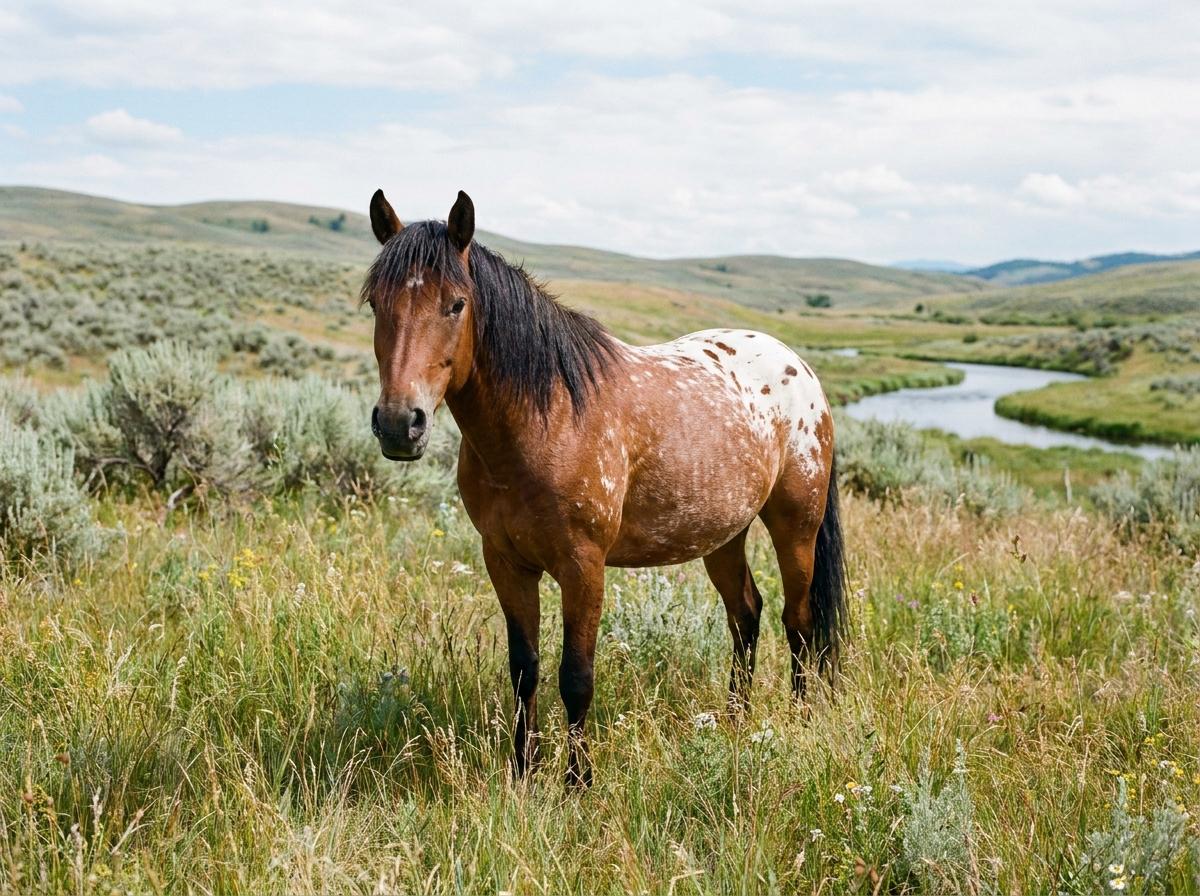
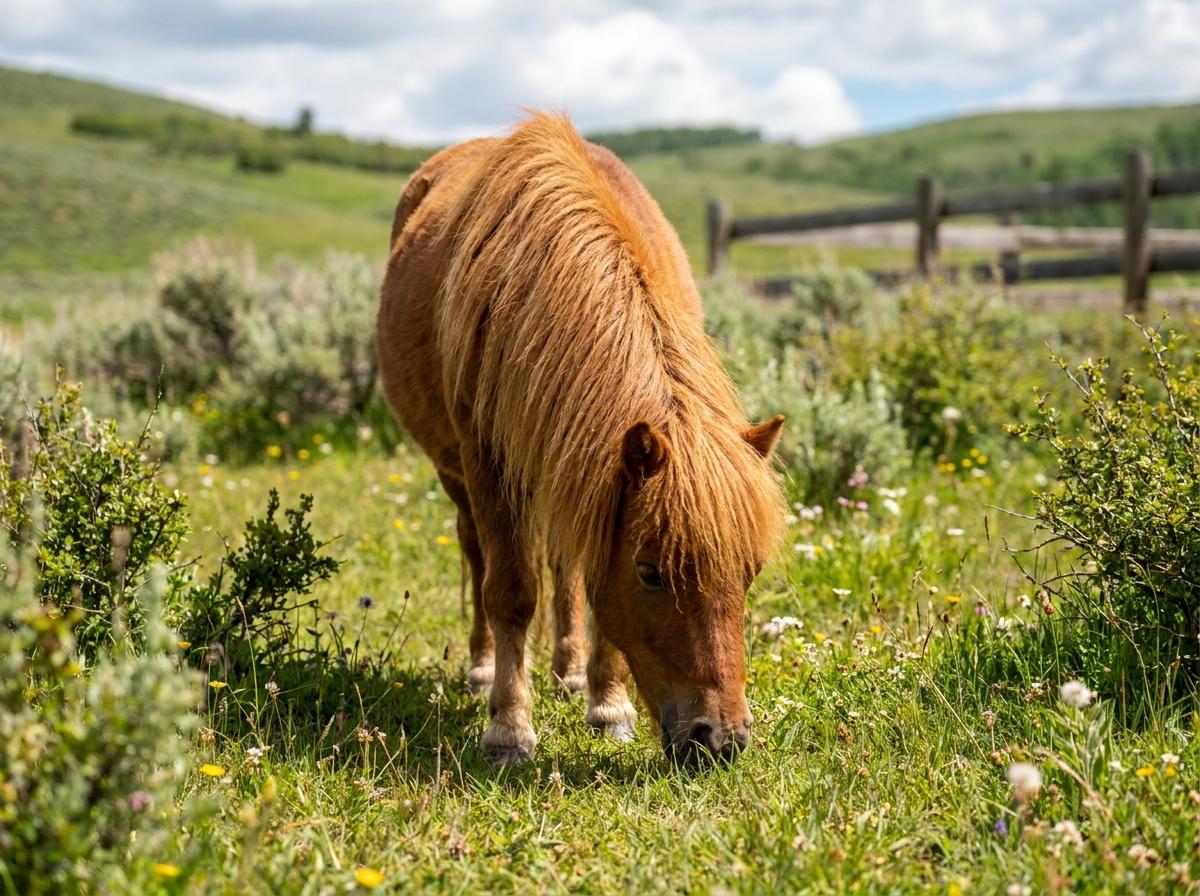
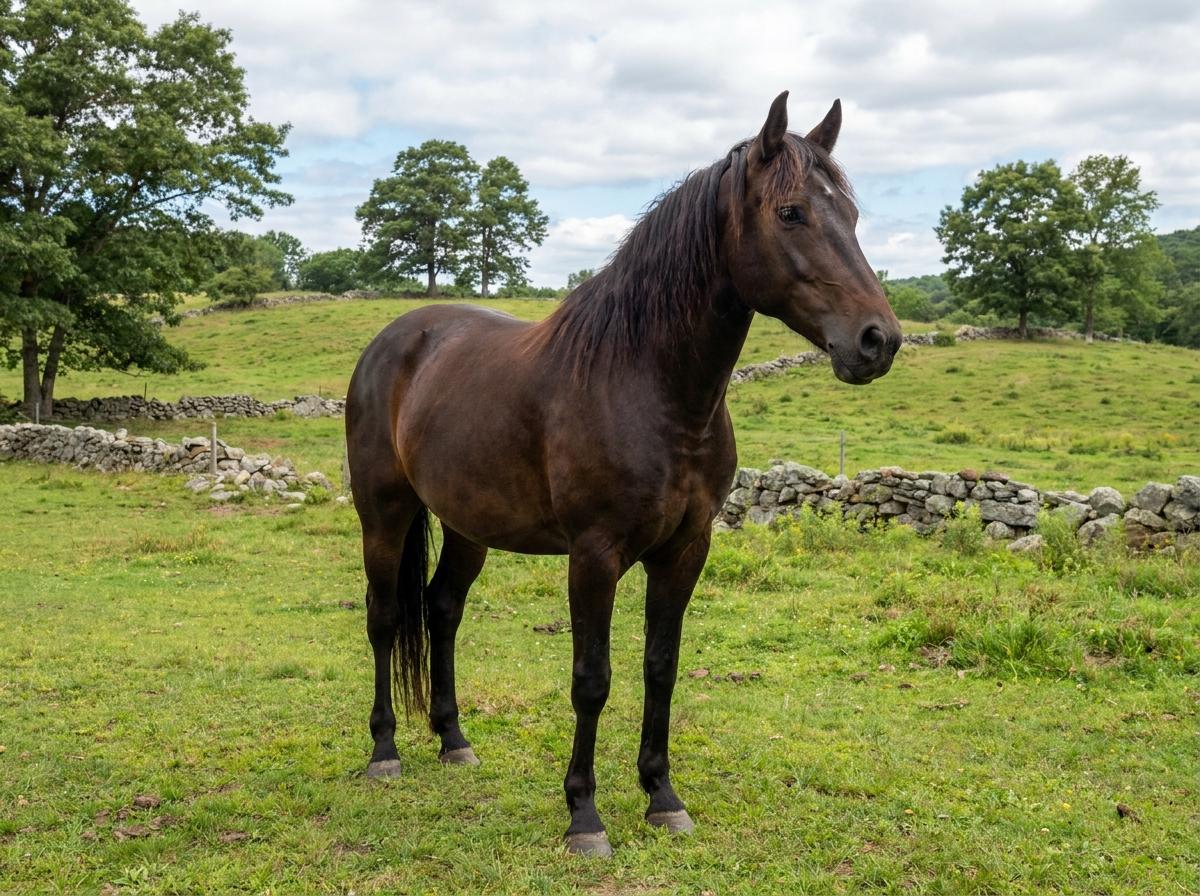
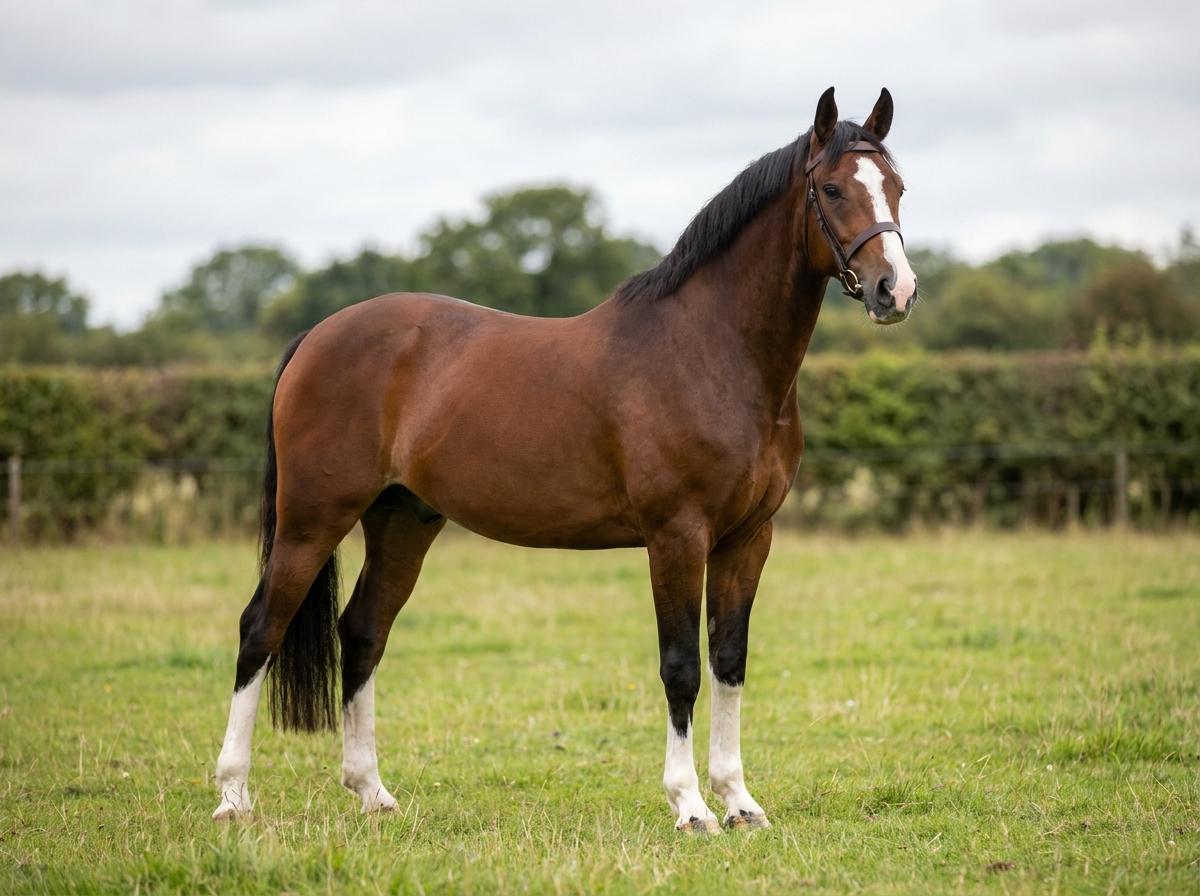
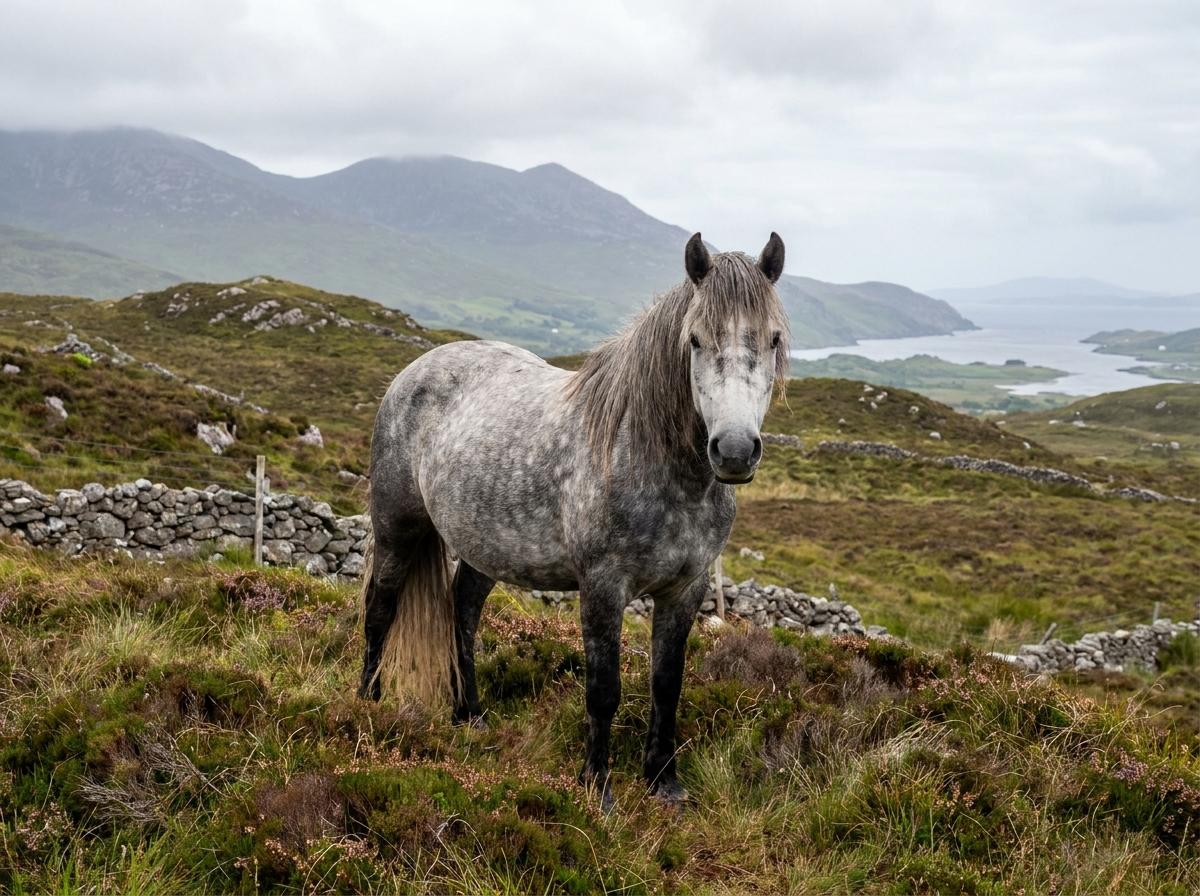
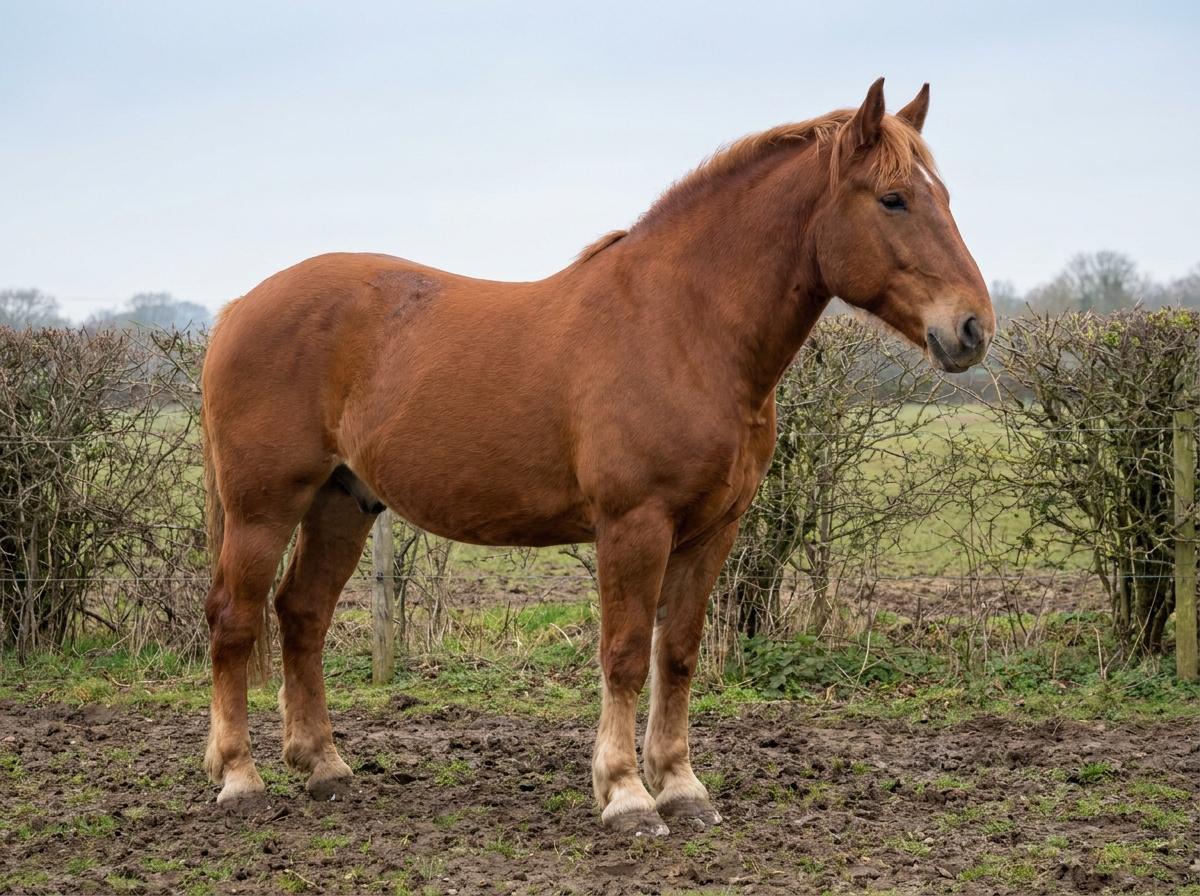
A curly winter coat is the signature trait of the Bashkir Curly, often called the American Bashkir Curly or simply Curly horse. The name can be misleading, because a direct connection with the Bashkir horse of Russia has not been clearly demonstrated. Curl may appear in the body coat, mane, tail, fetlocks, and even eyelashes, and many horses shed to a much smoother summer coat. Since foundation animals came from varied ranch and feral backgrounds, Curly horses can range from stock-horse build to gaited, pony, or sportier types, and many colors and patterns occur.
People are often drawn to Curlies because some allergy sufferers tolerate them better than other horses, but reactions are individual and should be tested before purchase. Care is normal horse care with a few coat-specific details: curly manes can mat, some horses have sparse tails, and heavy winter coats need attention during wet weather. Breeding should not focus on curl alone; sound legs, usable conformation, temperament, and documented parentage matter. The breed is used for trail riding, ranch work, driving, endurance, and family horses, depending on the individual.
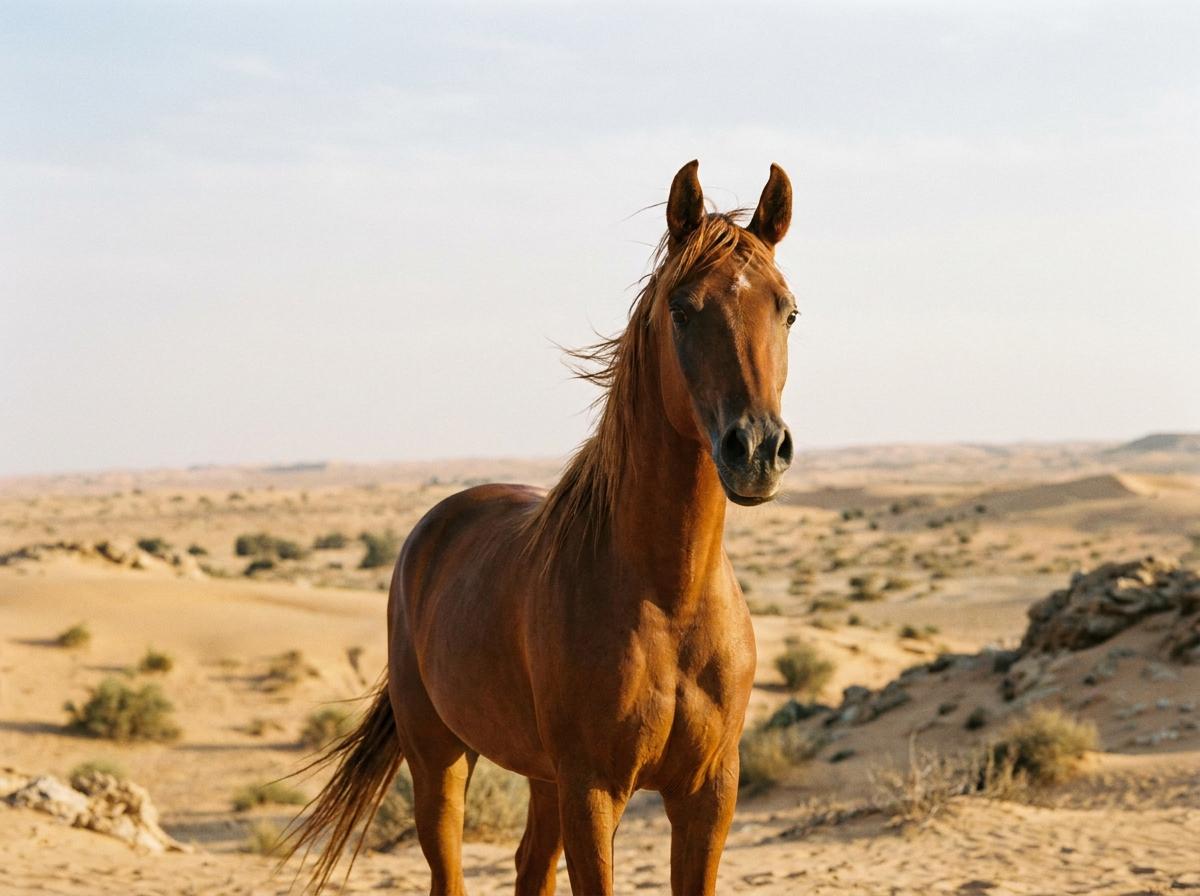
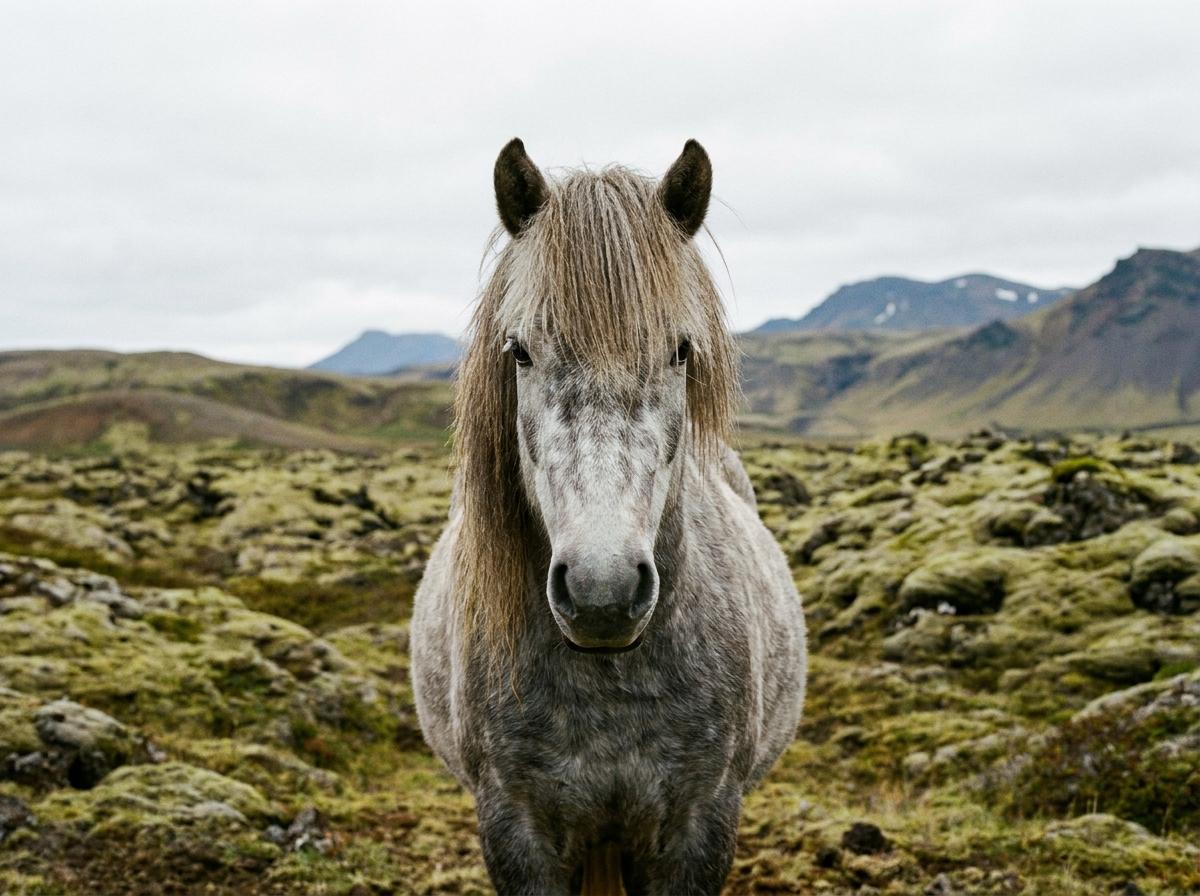
Colors: Amber Champagne, Appaloosa, Bay, Bay Dun, Bay Roan, Black, Blanket Appaloosa, Blue Roan, Brown, Buckskin, Champagne, Chestnut, Classic Champagne, Cremello, Dun, Dun Roan, Fewspot Appaloosa, Flaxen Chestnut, Frame Overo, Gold Champagne, Gray, Grullo, Leopard Appaloosa, Liver Chestnut, Overo, Palomino, Perlino, Piebald, Pinto, Rabicano, Red Dun, Red Roan, Roan, Sabino, Seal Bay, Silver Dapple, Skewbald, Smoky Black, Smoky Cream, Snowcap Appaloosa, Sorrel, Splash White, Tobiano, Tovero, Varnish Roan, White