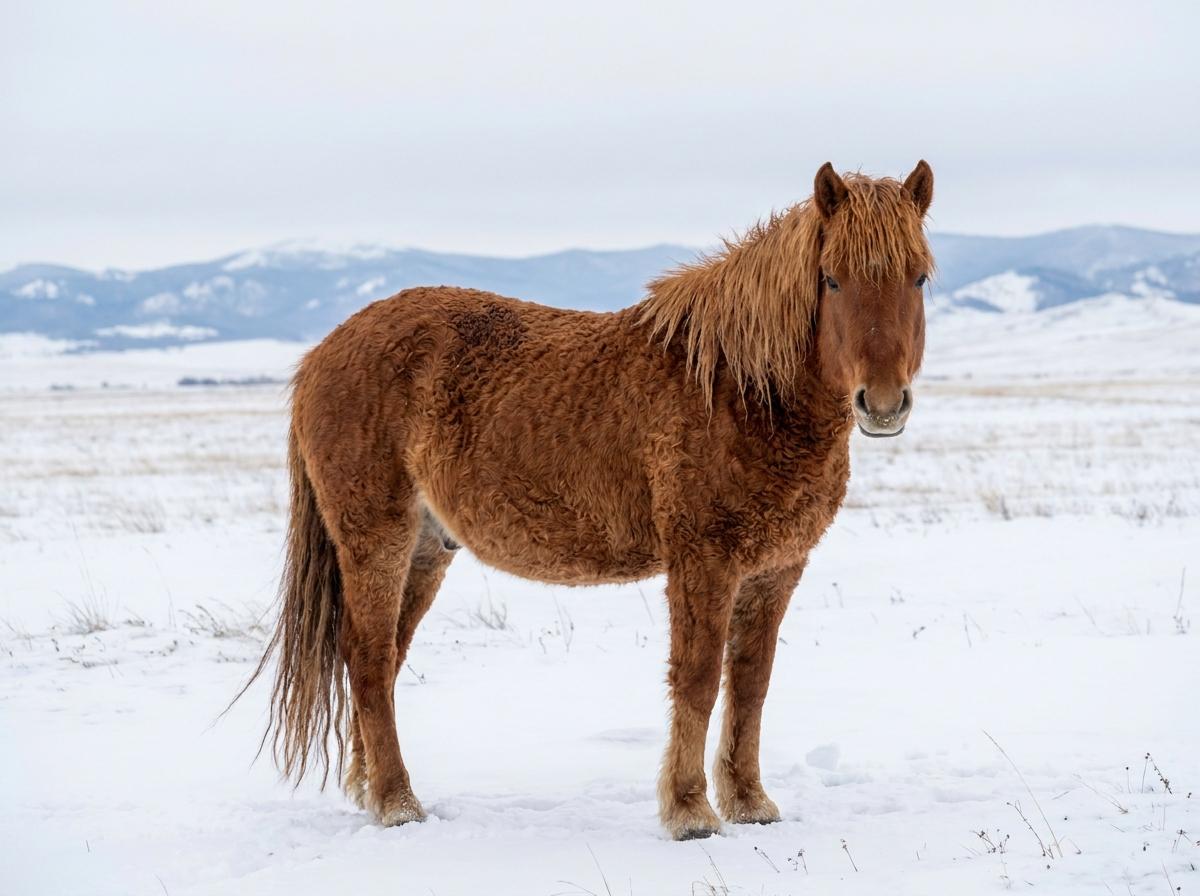
Bashkir Horse
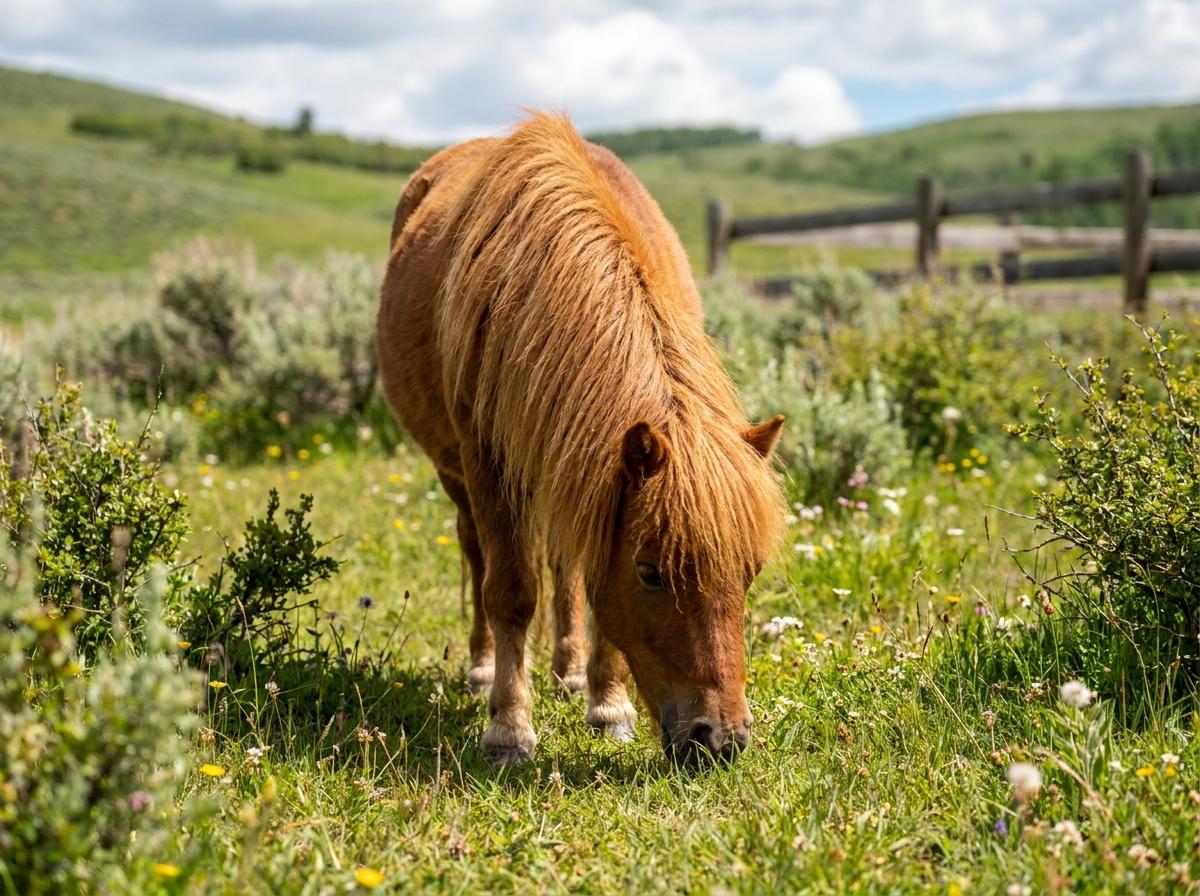
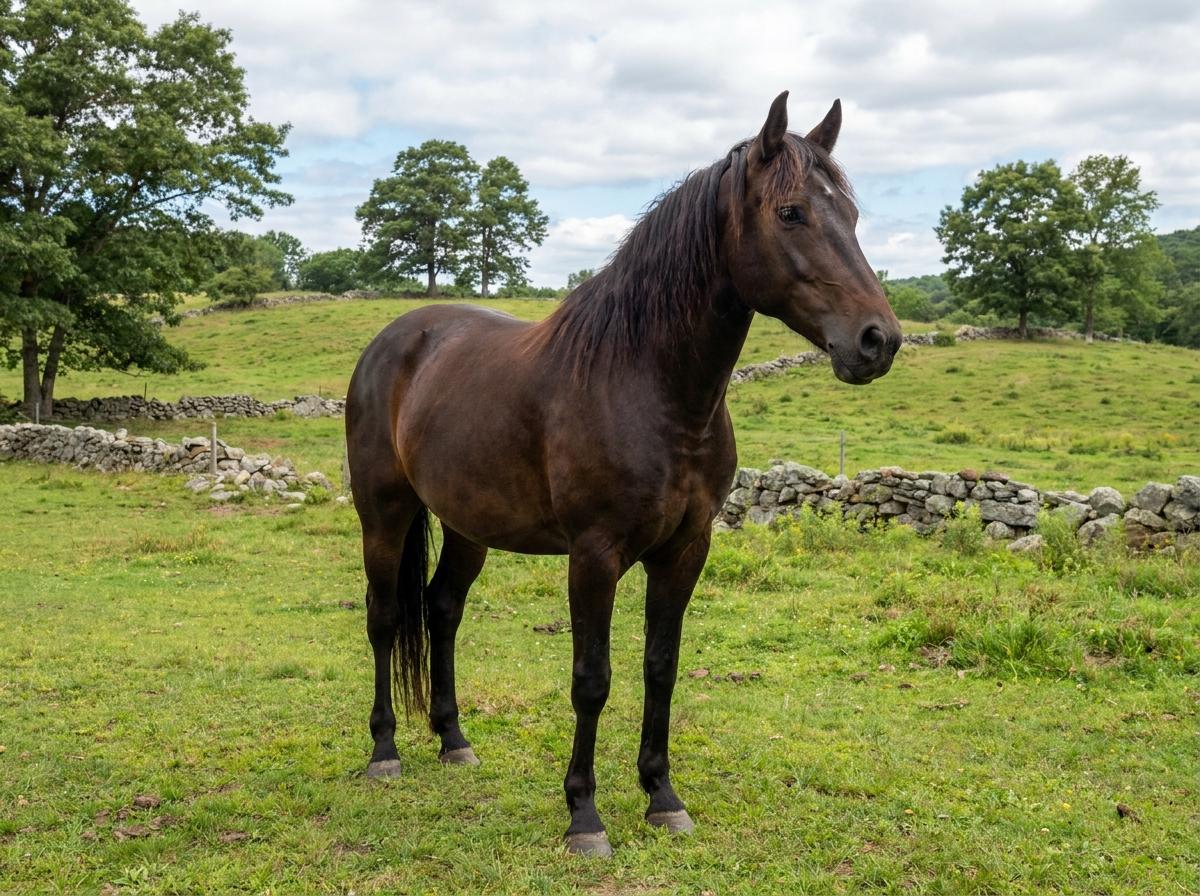
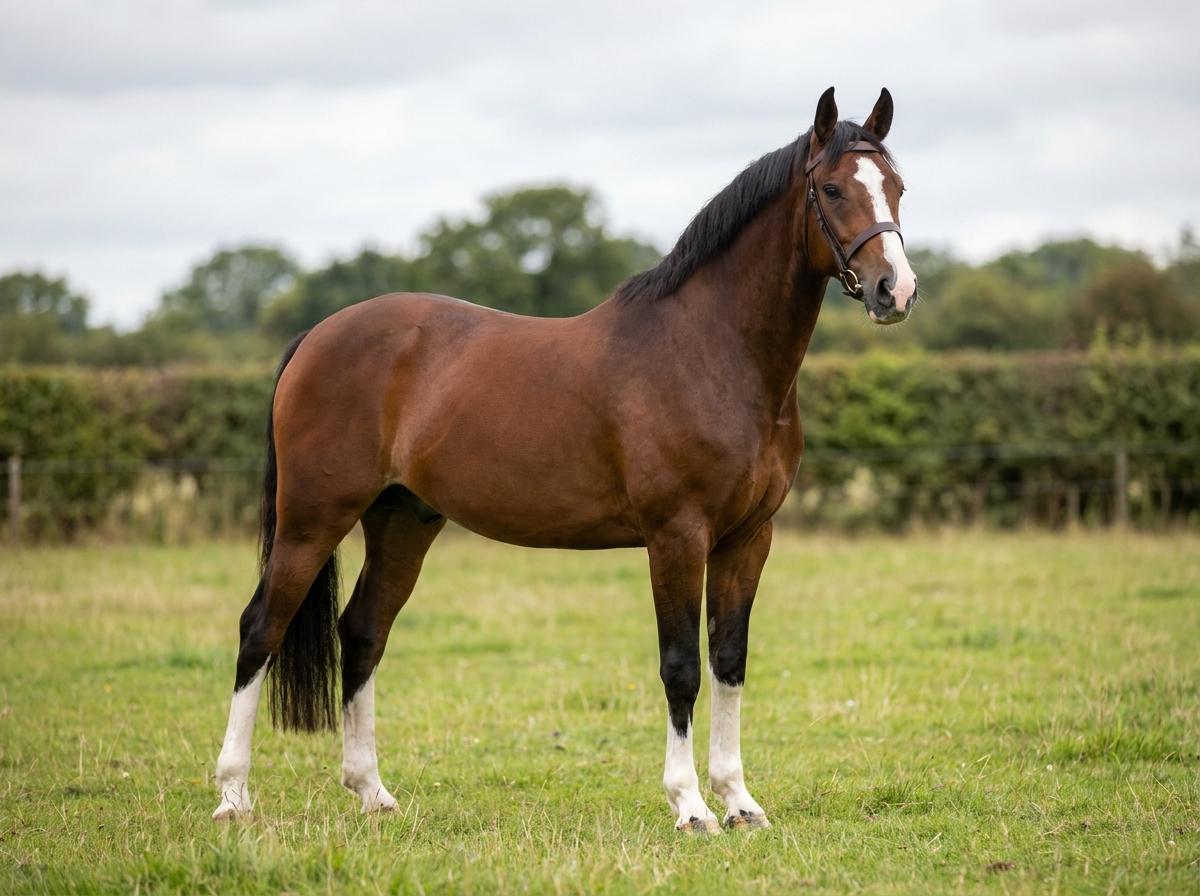
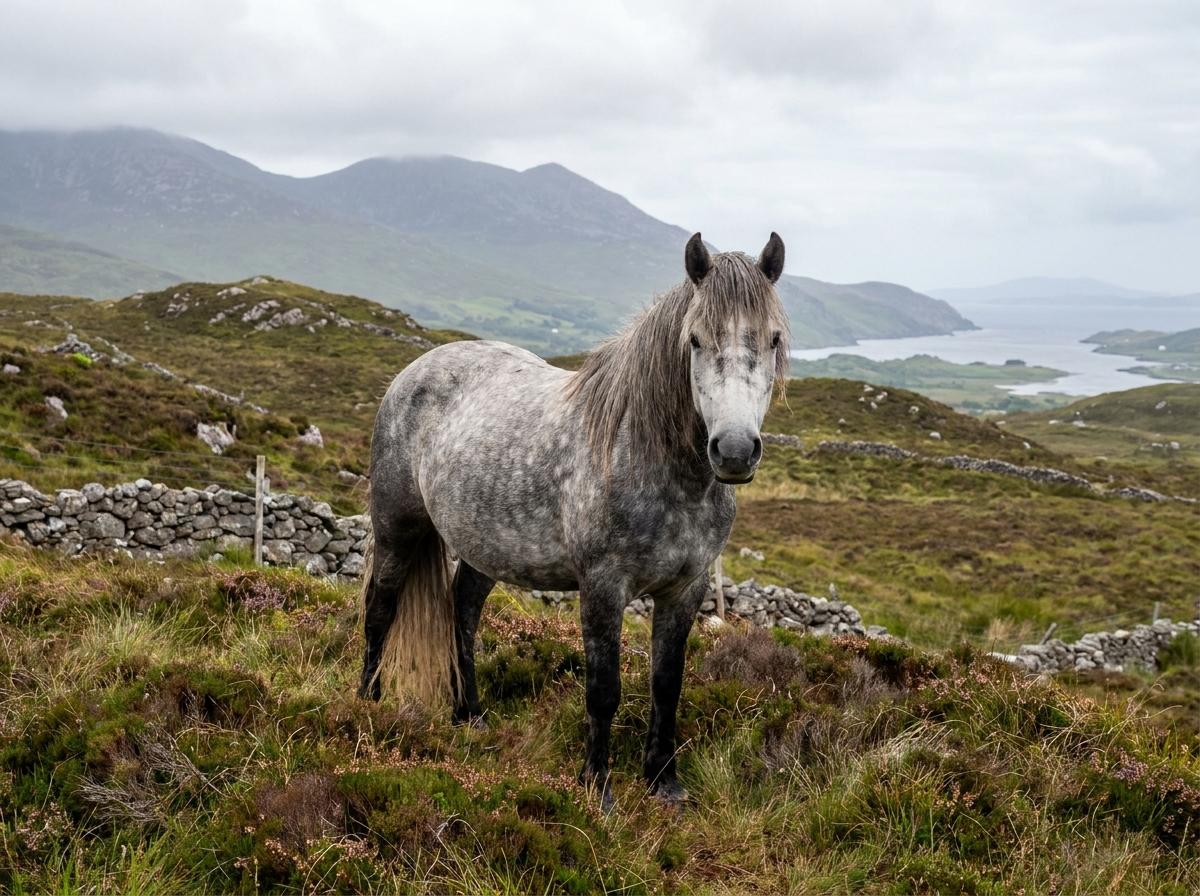
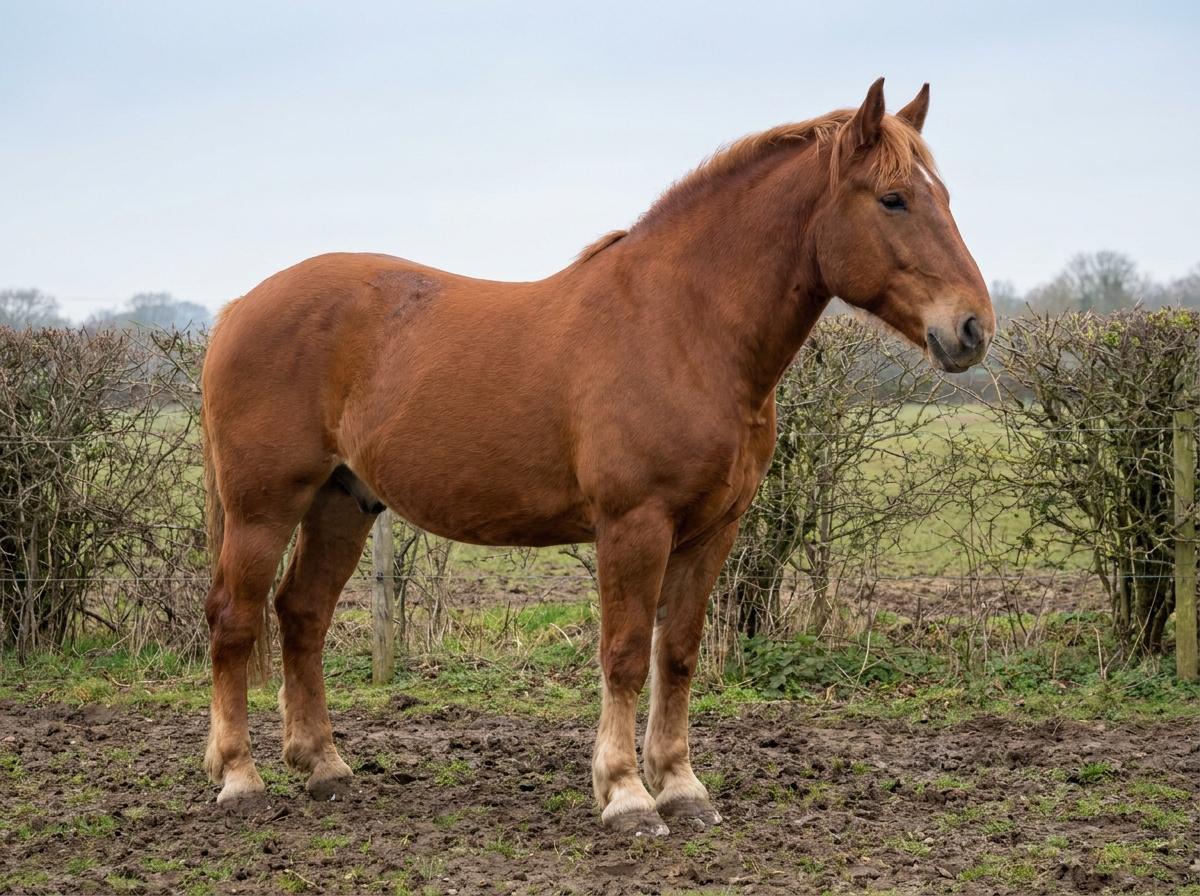
Native to Bashkortostan and the southern Ural region of Russia, the Bashkir horse is not the same animal as the North American Bashkir Curly. It developed under semi-open herd conditions with severe winters, forest-steppe pasture, and traditional use by Bashkir communities. The breed is usually small to medium, strong-bodied, and heavily coated in winter, with a thick mane and tail and practical colors such as bay, chestnut, brown, gray, or dun. Bashkir horses have long been used for riding, harness work, meat production, and mare's milk, including kumis.
In their home region, herds may live outdoors for much of the year and graze over large areas, but winter forage, salt or mineral access, and basic veterinary handling still affect productivity and welfare. The breed's easy-keeping nature can become a management issue on rich pasture, especially outside its traditional climate. For breeders and conservation planners, the key traits are cold tolerance, fertility in range conditions, and the dual-purpose usefulness of mares. International buyers should be cautious about names, since "Bashkir" is sometimes confused with curly-coated horses that have a separate North American history.
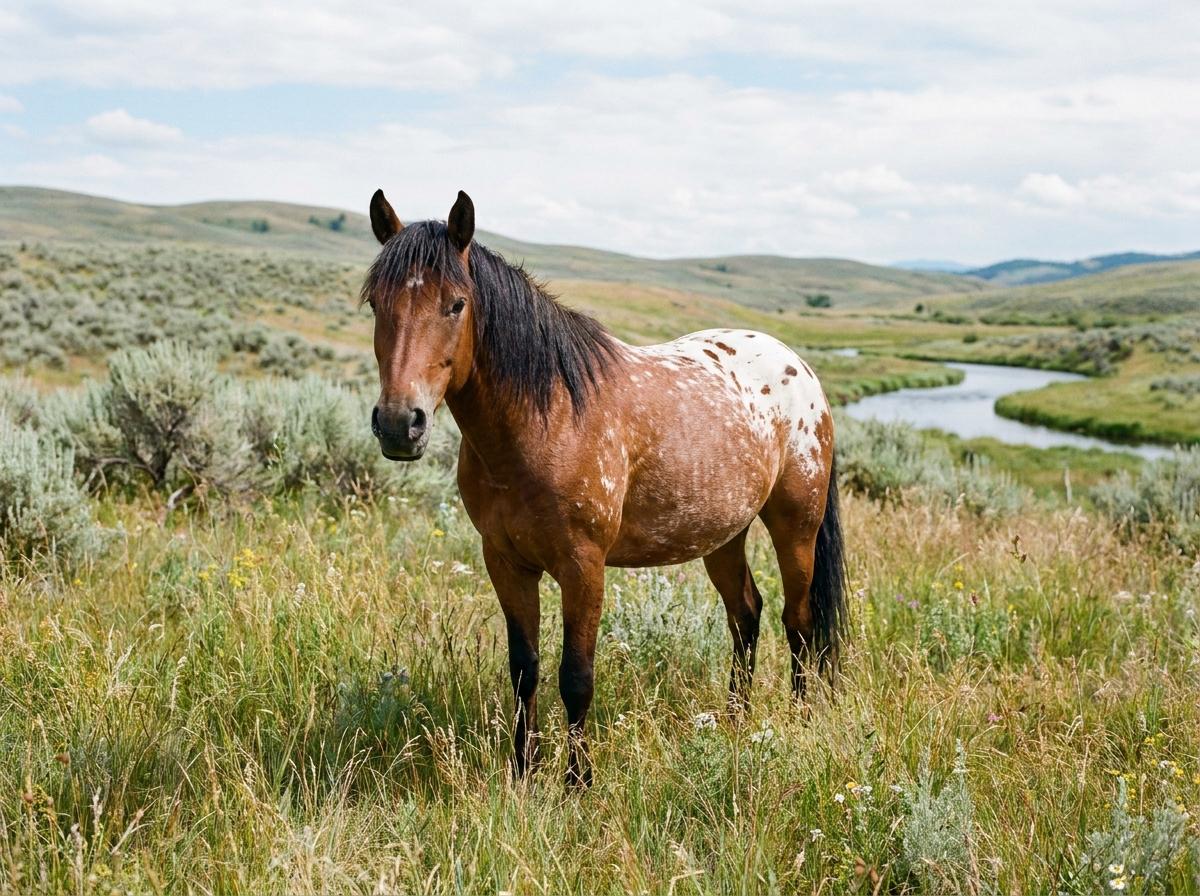
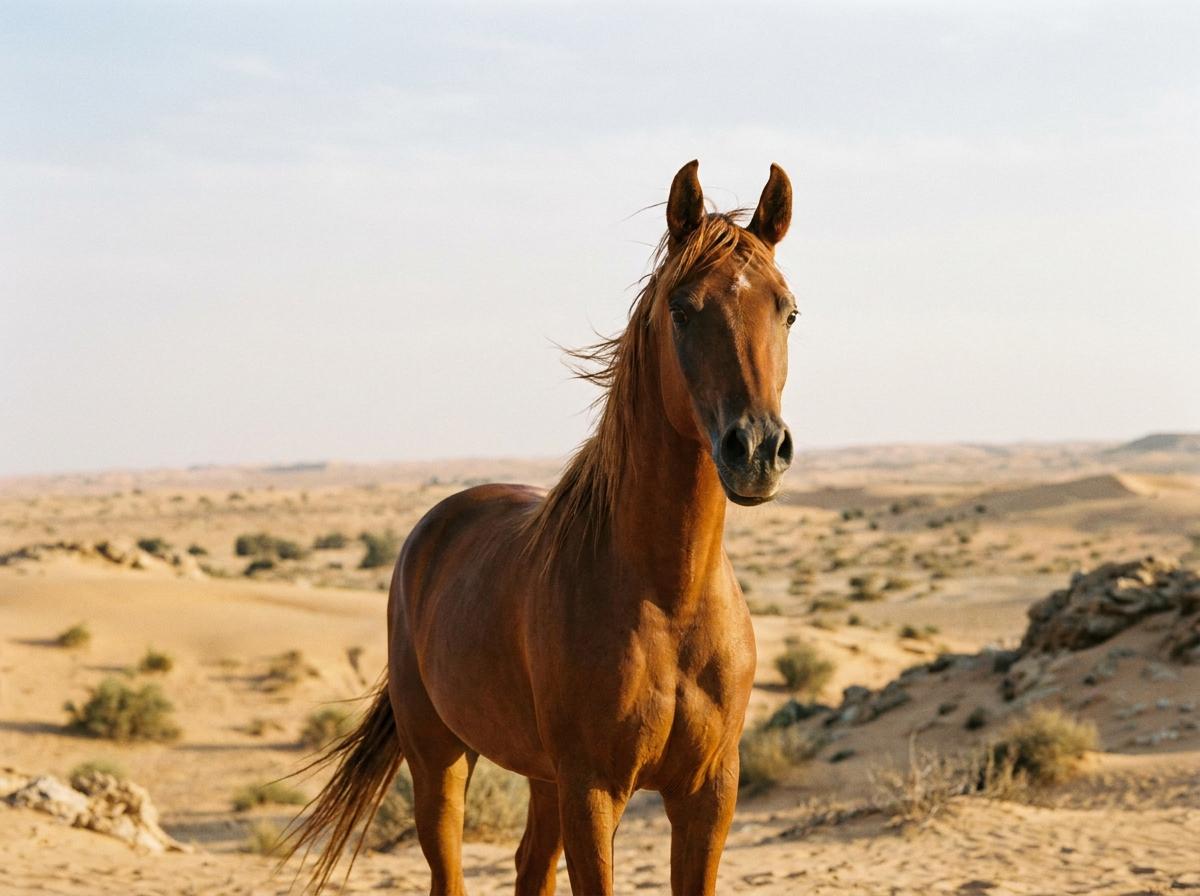
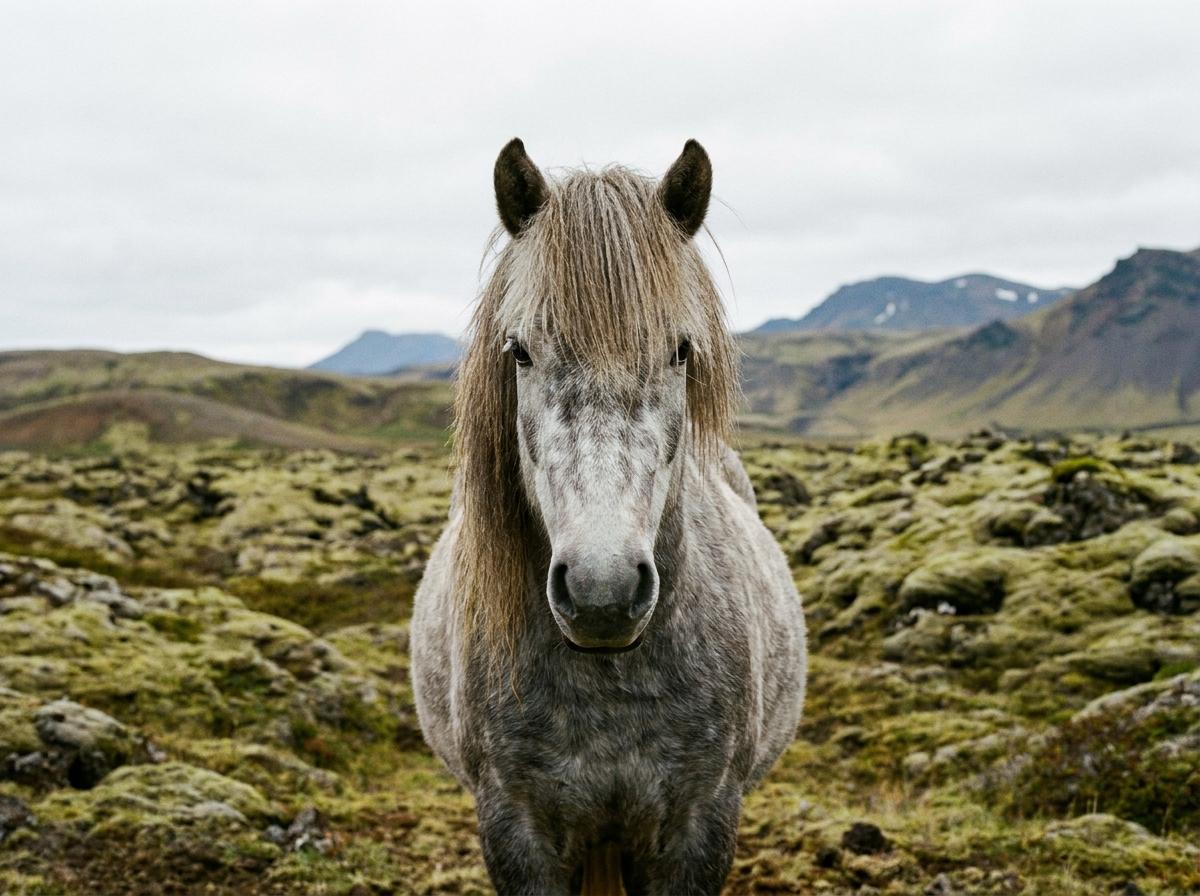
Colors: Amber Champagne, Bay, Bay Dun, Bay Roan, Black, Blanket Appaloosa, Blue Roan, Brown, Buckskin, Champagne, Chestnut, Classic Champagne, Cremello, Dun, Dun Roan, Fewspot Appaloosa, Flaxen Chestnut, Frame Overo, Gold Champagne, Gray, Grey, Grullo, Leopard Appaloosa, Liver Chestnut, Overo, Palomino, Perlino, Piebald, Pinto, Rabicano, Red Dun, Red Roan, Roan, Sabino, Seal Bay, Silver Dapple, Skewbald, Smoky Black, Smoky Cream, Snowcap Appaloosa, Sorrel, Splash White, Tobiano, Tovero, Varnish Roan, White