

Basque Mountain Horse
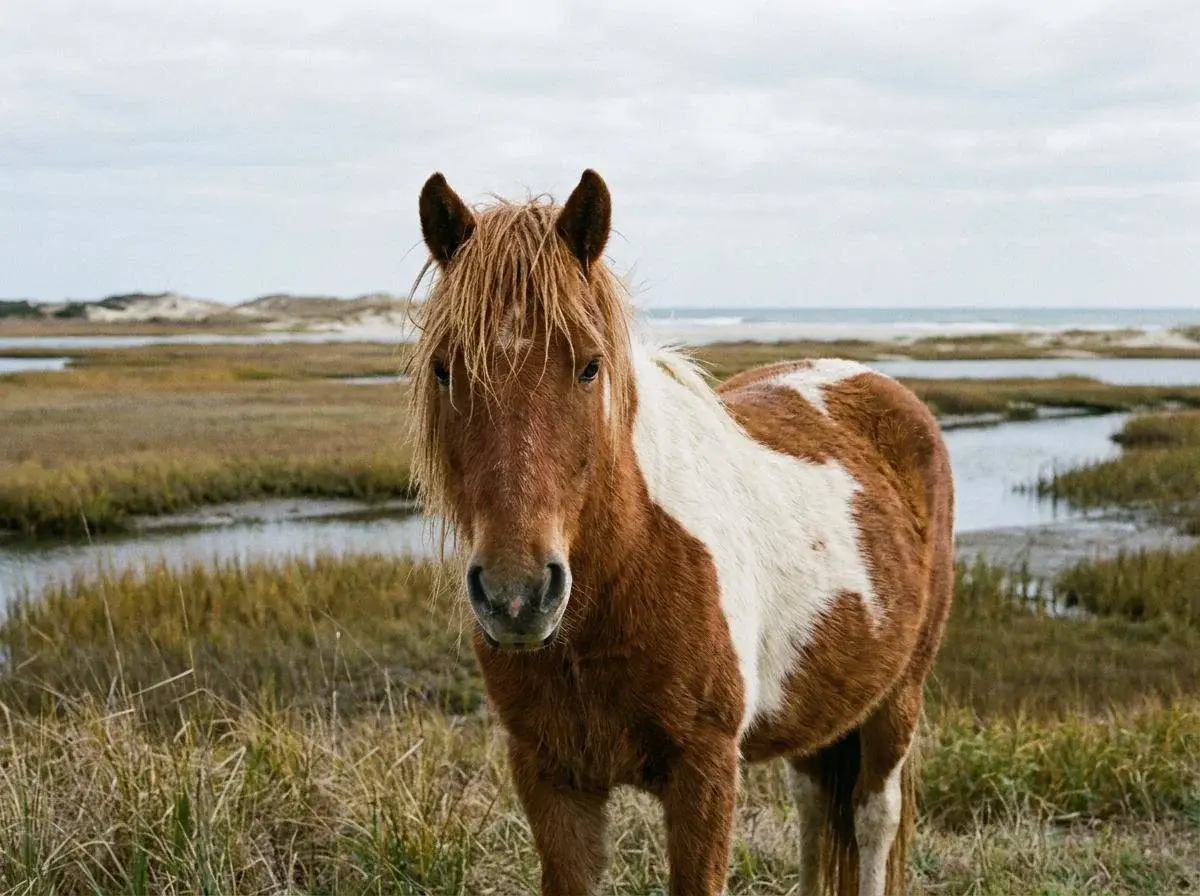
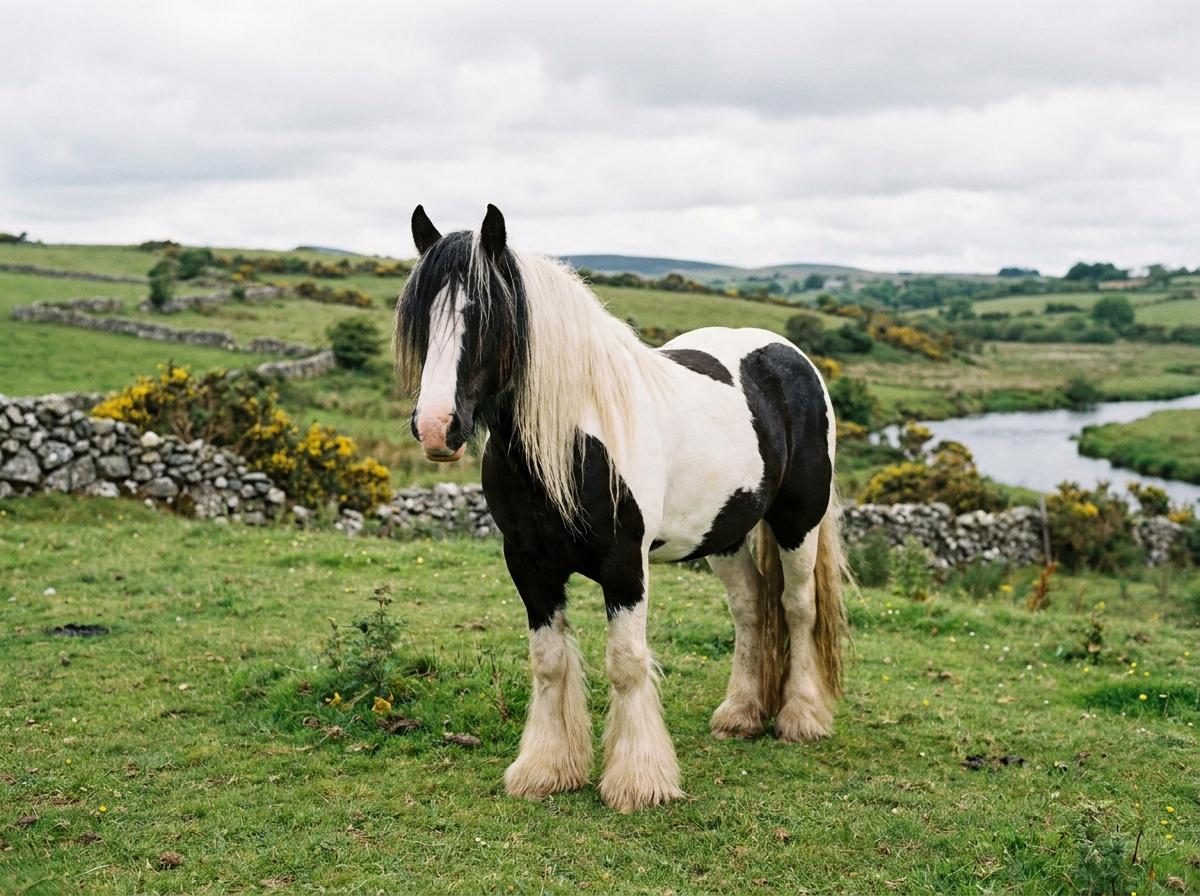
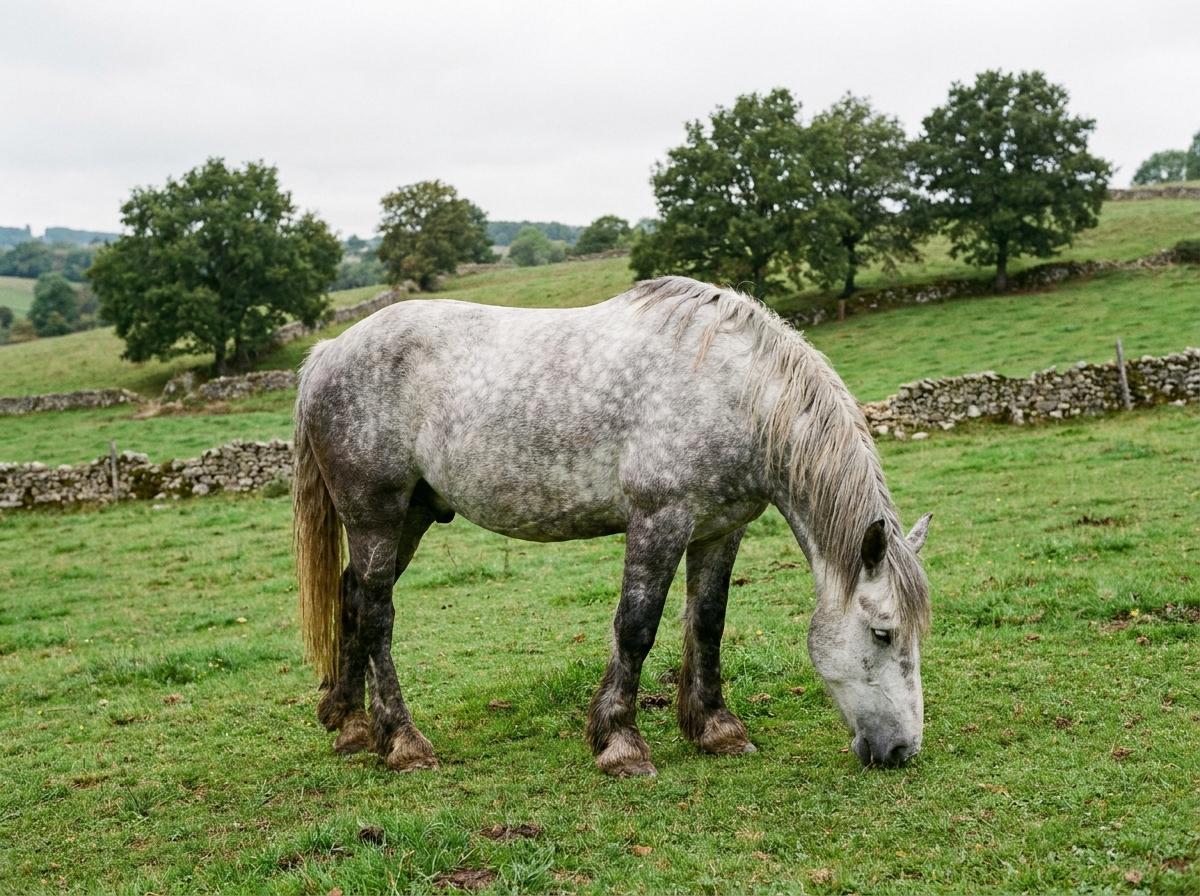
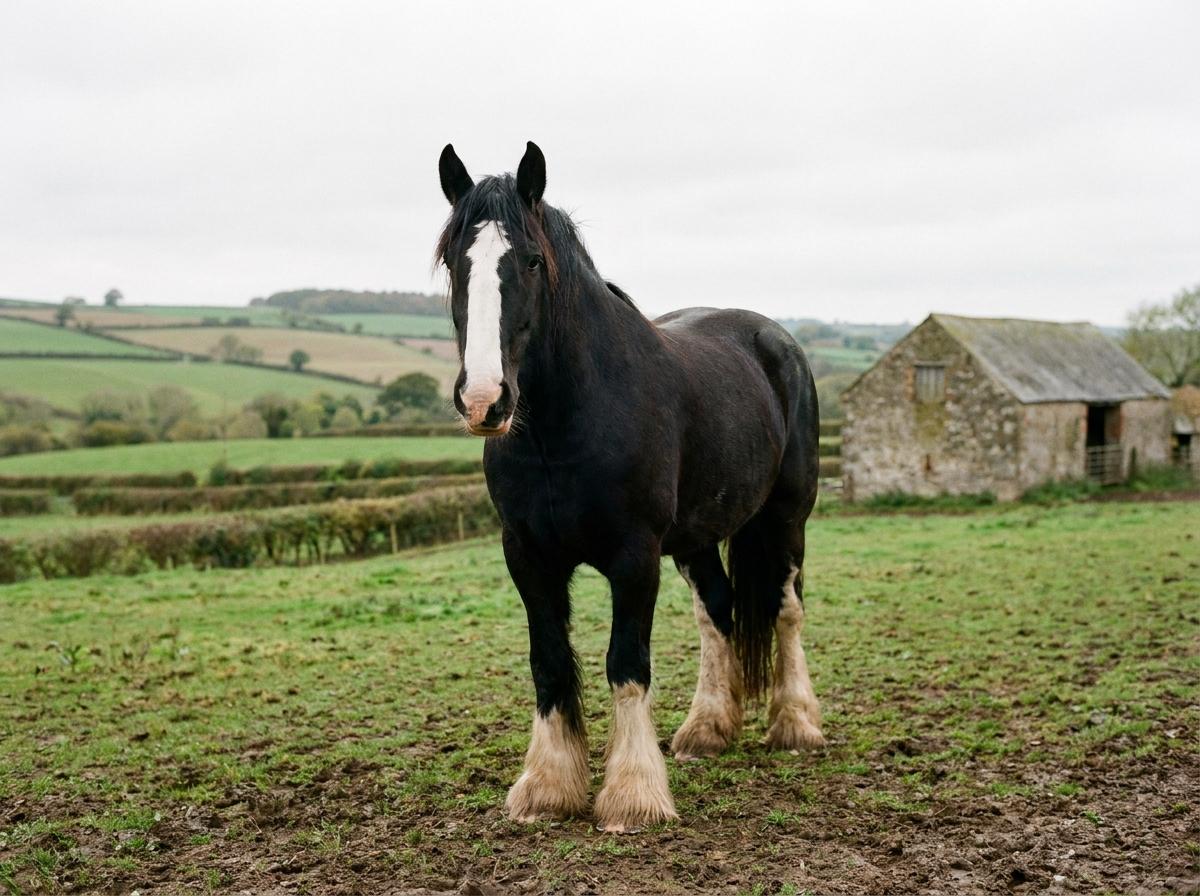
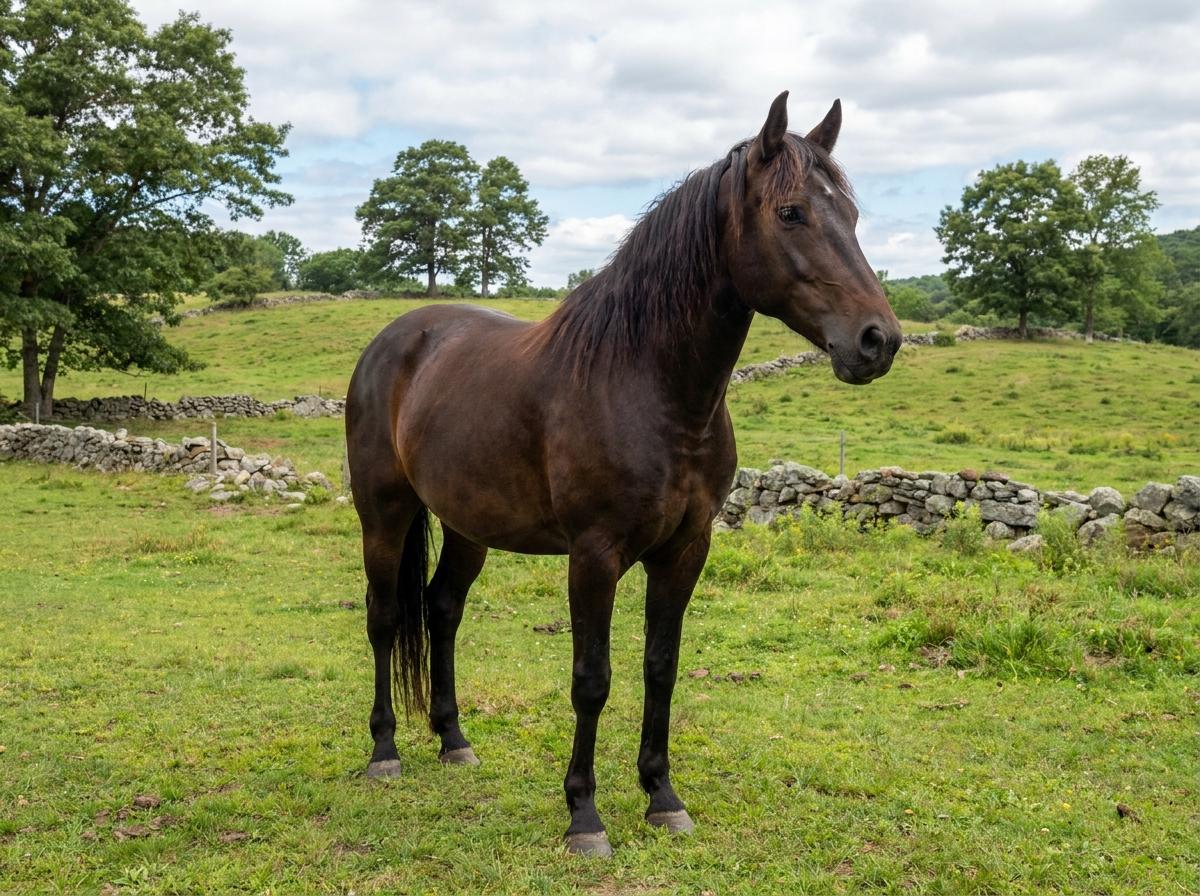
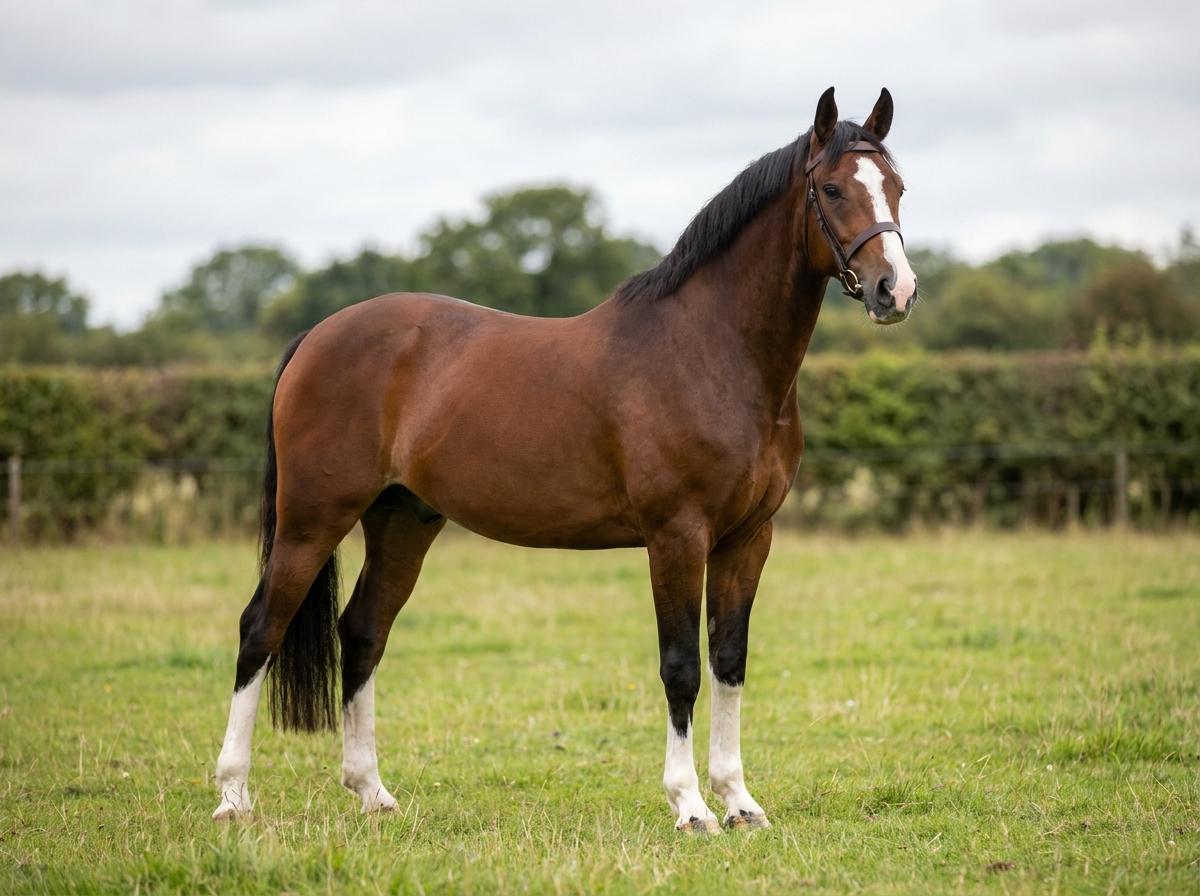
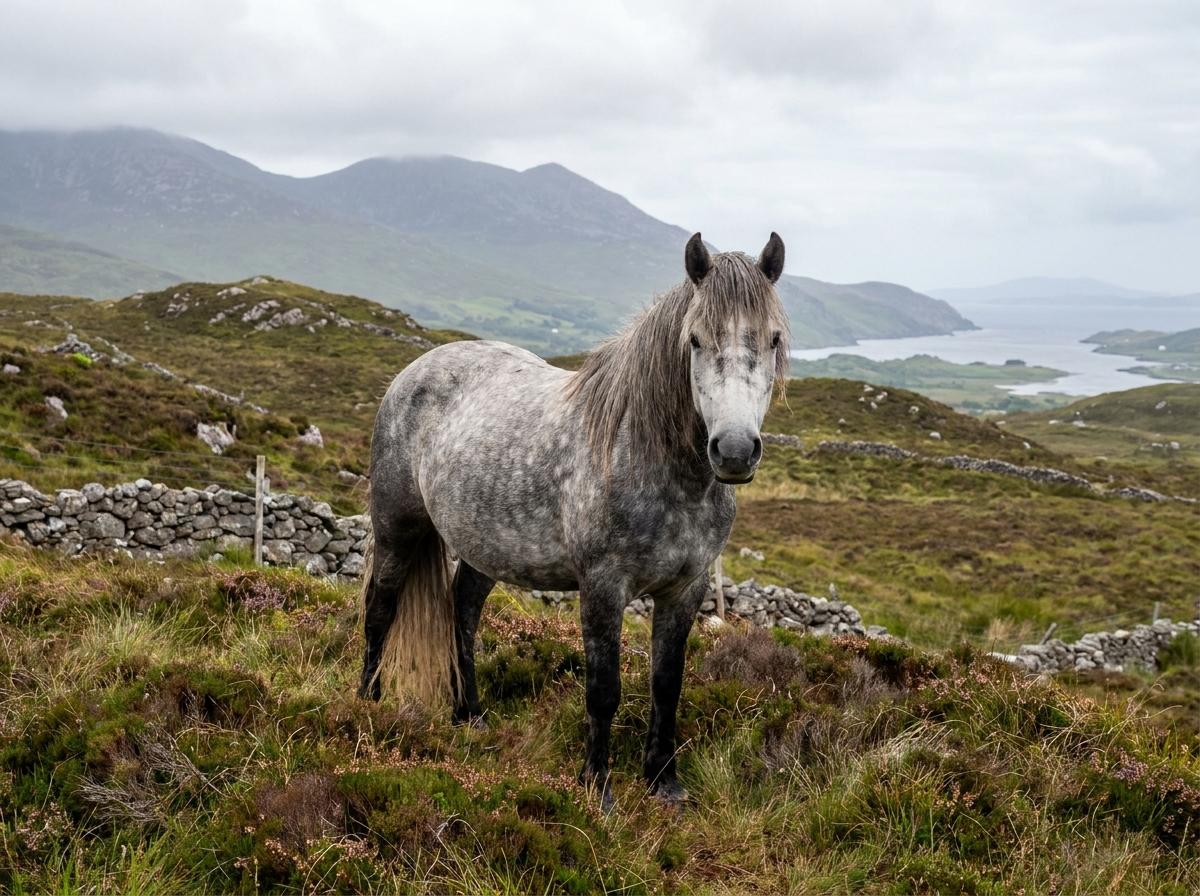
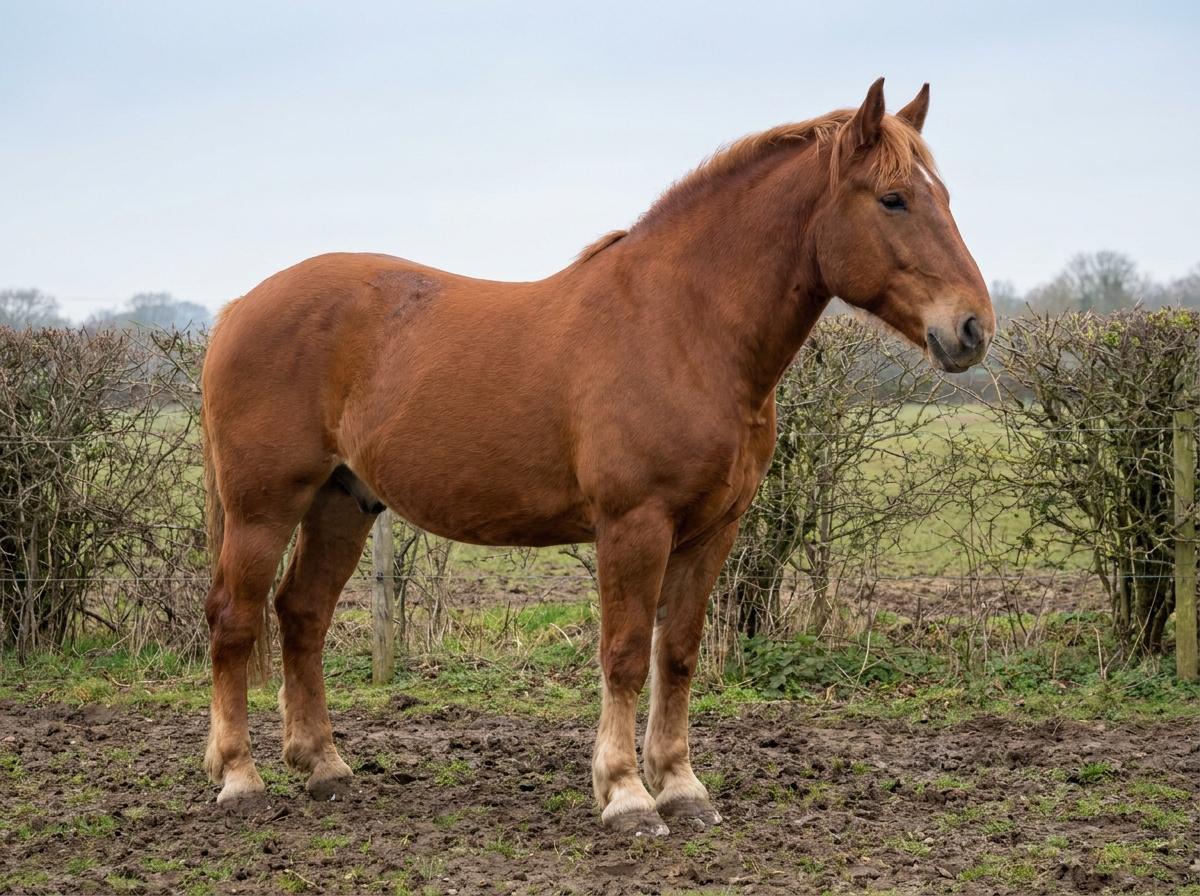
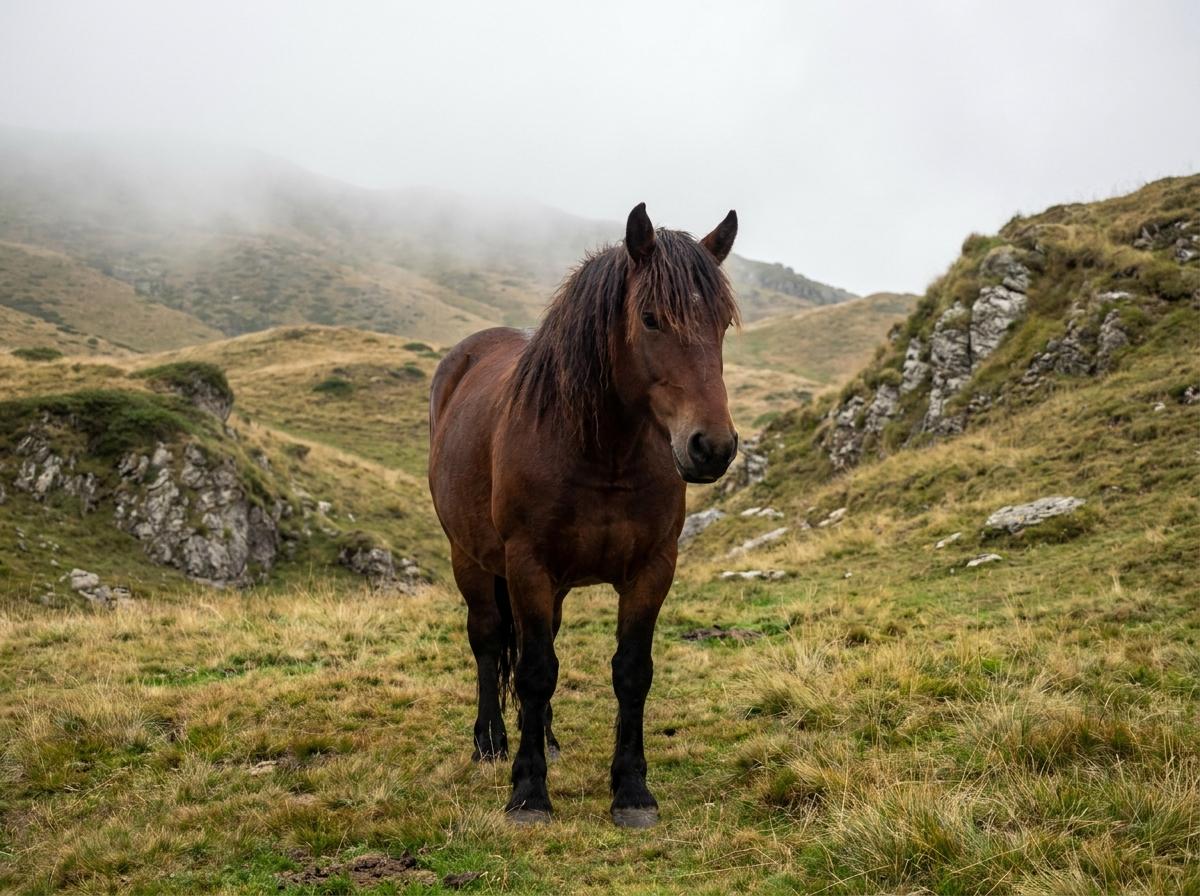
The Basque mountain horse, known in Spanish as Caballo de Monte del Pais Vasco and in Basque as Euskal Herriko Mendiko Zaldia, is a rustic horse from the Basque Country of northern Spain. It is separate from the smaller Pottok pony and is shaped by steep, wet upland pasture. Animals are generally compact, strong-boned, and practical in type, with the substance to graze rough ground and hold condition outdoors. The breed is associated with local extensive systems, including landscape grazing and meat production, rather than modern arena sport.
Herds are commonly managed on mountain or hill pasture, with seasonal handling for identification, health checks, foal selection, and movement to safer ground when weather or forage demands it. Outside its home region, the main considerations are space, secure fencing, mineral supplementation, and hoof care, since a horse adapted to open country can become overfed or underworked in small paddocks. Buyers interested in conservation breeding should look for documented local bloodlines and avoid confusing the breed with generic mountain ponies.
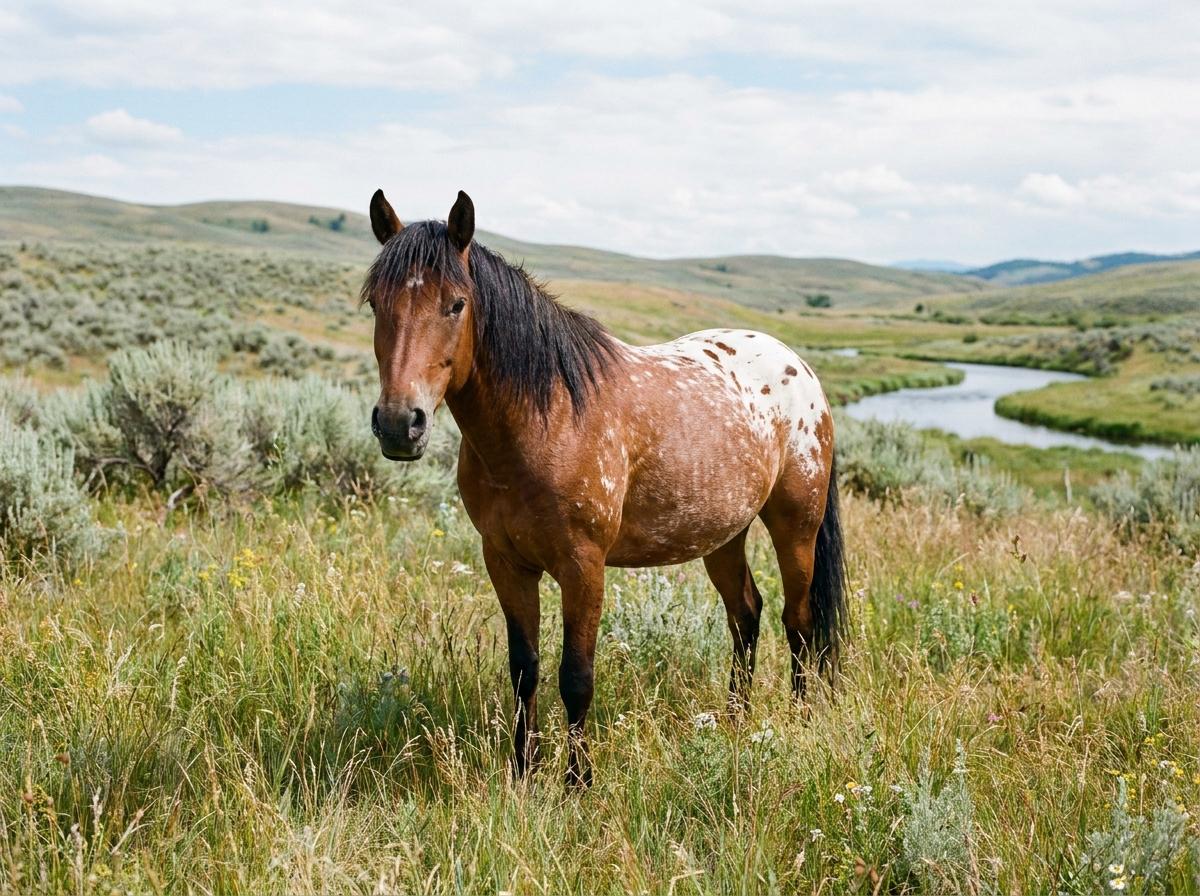
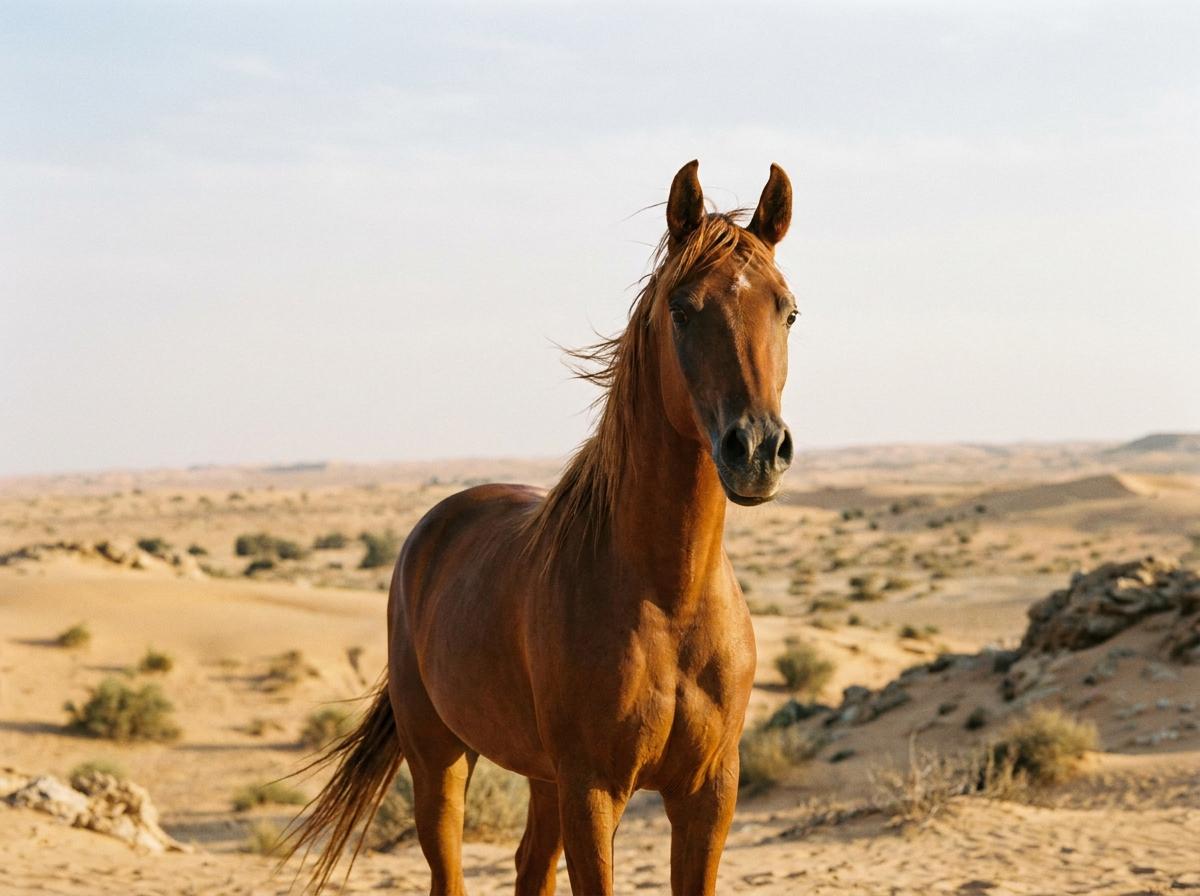
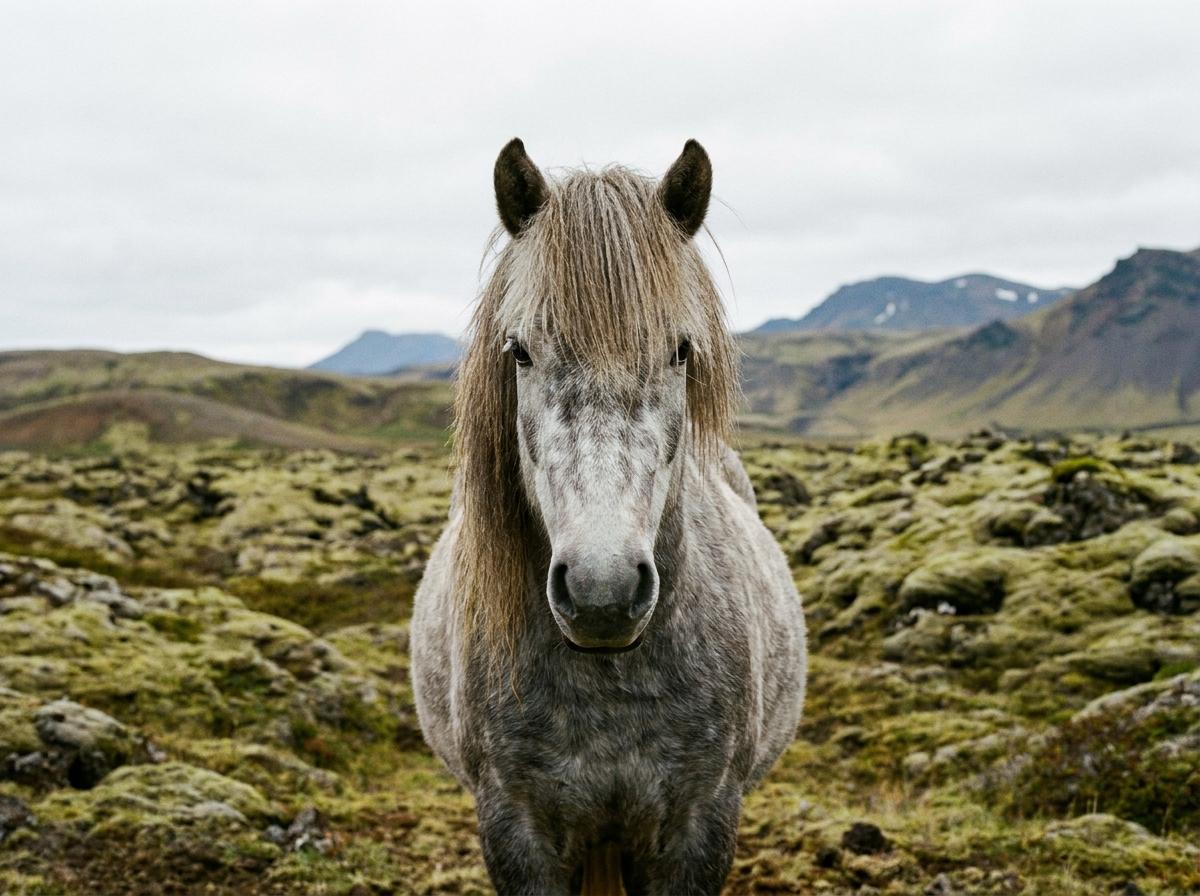
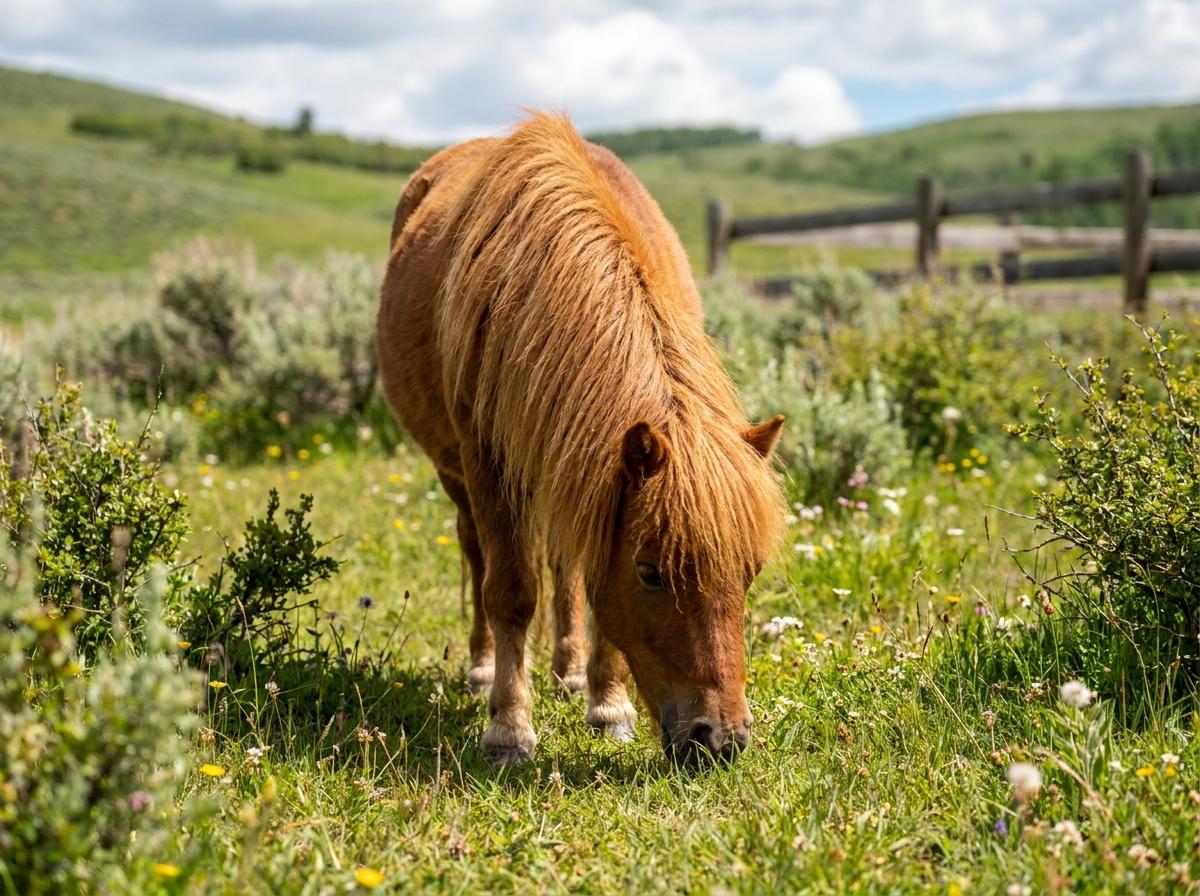
Colors: Amber Champagne, Bay, Bay Dun, Bay Roan, Black, Blanket Appaloosa, Blue Roan, Brown, Buckskin, Champagne, Chestnut, Classic Champagne, Cremello, Dun, Dun Roan, Fewspot Appaloosa, Flaxen Chestnut, Frame Overo, Gold Champagne, Gray, Grey, Grullo, Leopard Appaloosa, Liver Chestnut, Overo, Palomino, Perlino, Piebald, Pinto, Rabicano, Red Dun, Red Roan, Roan, Sabino, Seal Bay, Silver Dapple, Skewbald, Smoky Black, Smoky Cream, Snowcap Appaloosa, Sorrel, Splash White, Tobiano, Tovero, Varnish Roan, White