



Bavarian Warmblood
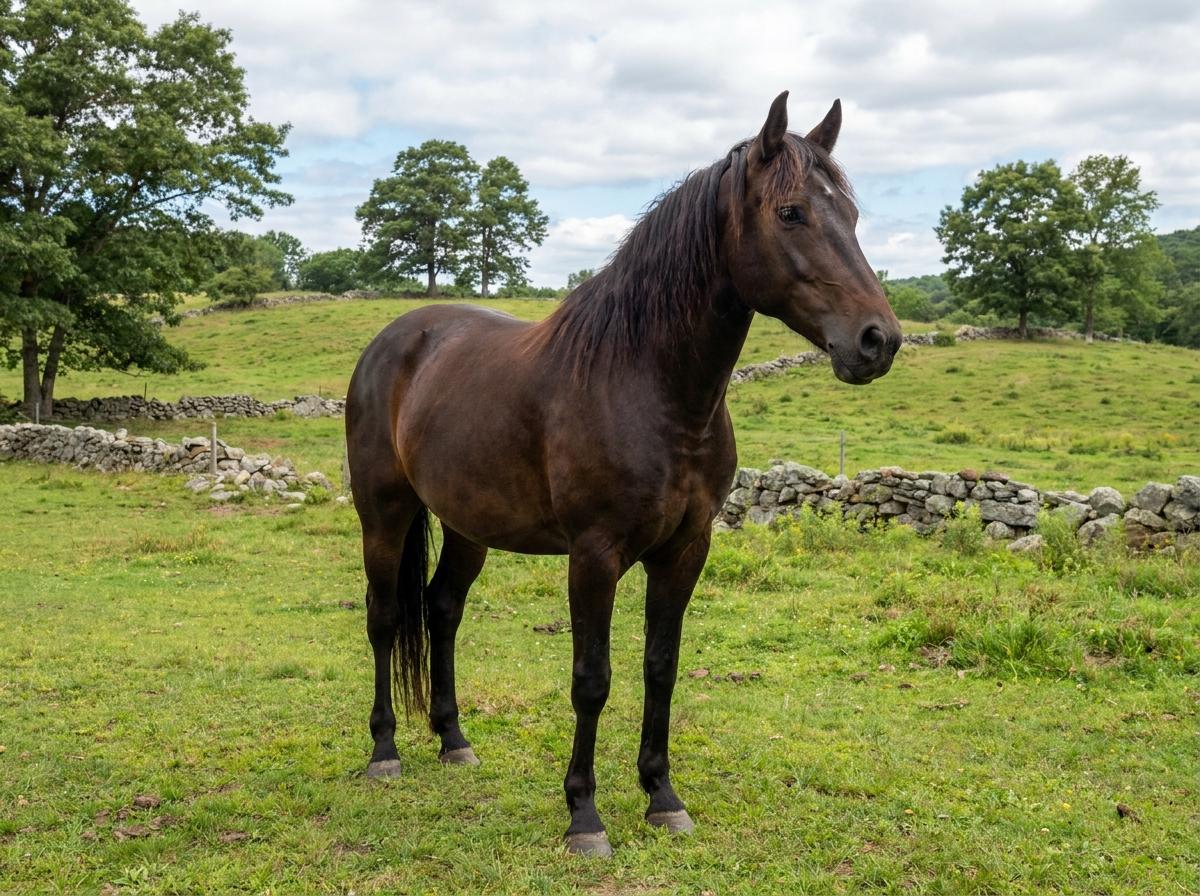
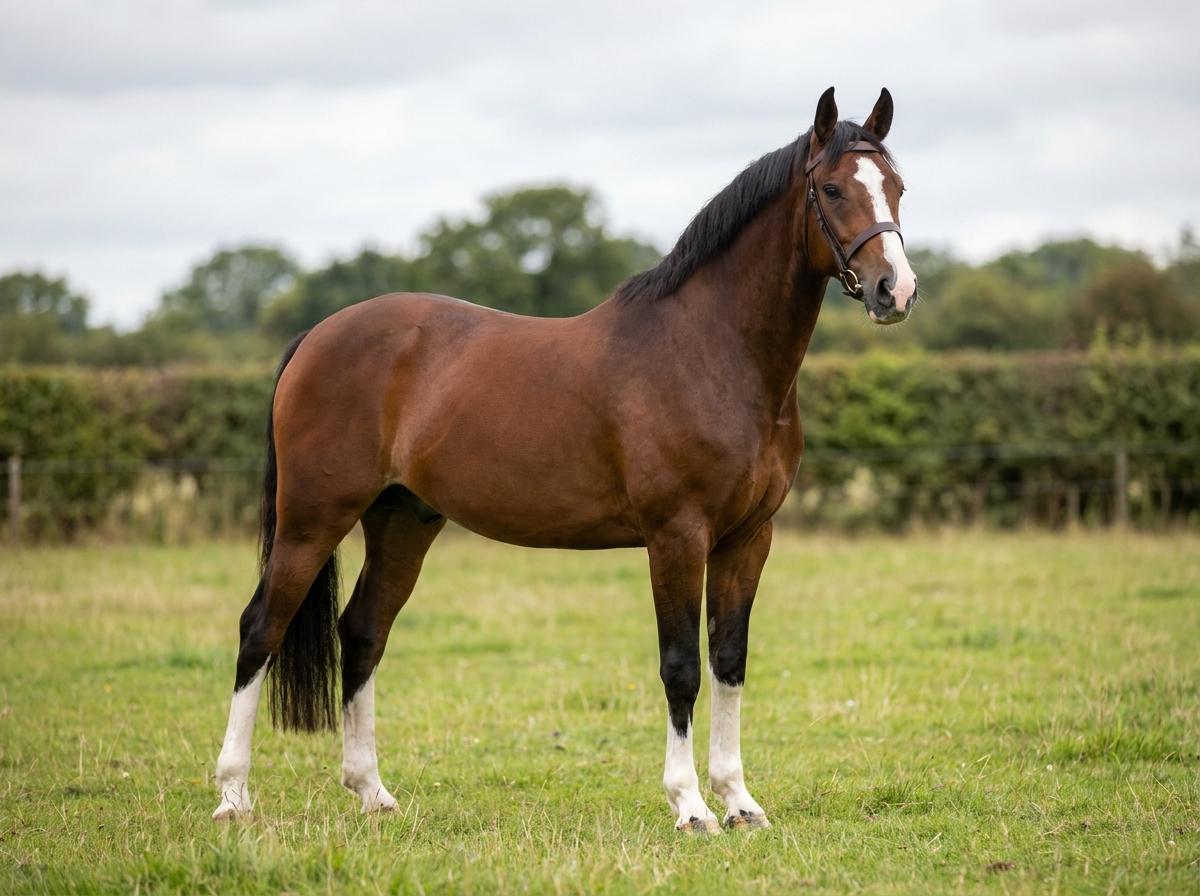
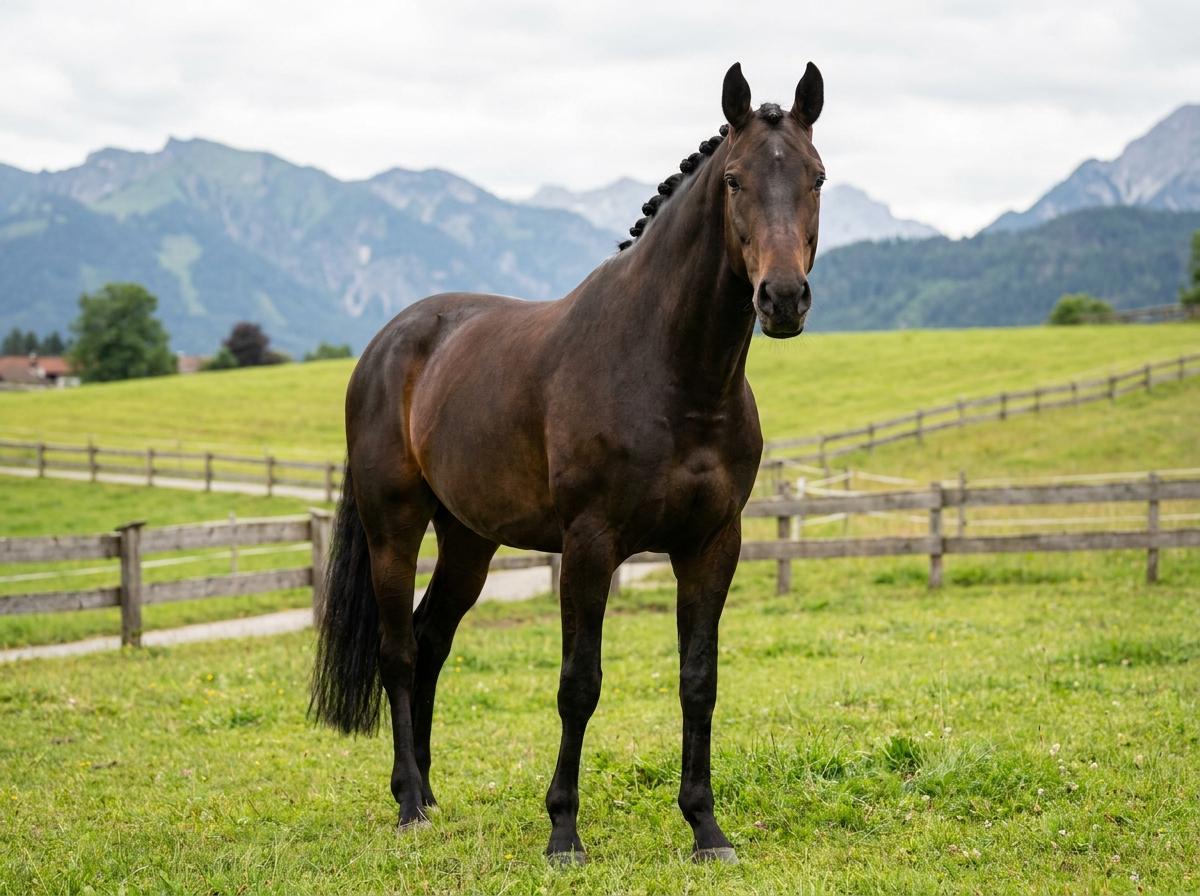
The Bavarian warmblood is a southern German sport-horse breed developed from older regional horses, especially the Rottaler, after agriculture and cavalry work gave way to riding competition. Modern Bavarian horses have been shaped with Thoroughbred, Trakehner, Hanoverian, Holsteiner, Selle Francais, and other warmblood influence, selected for rideability, movement, jumping ability, and a sound, useful build. They are generally medium to large riding horses rather than a fixed old landrace, and individual type can lean toward dressage, jumping, eventing, or all-around amateur sport.
For owners, a Bavarian warmblood should be managed like other athletic warmbloods: consistent schooling, turnout, skilled farriery, and attention to joint, back, and saddle fit as workload increases. Pre-purchase evaluation is important because performance lines differ in sensitivity, size, and suitability for less experienced riders. Many Bavarian-bred horses are now recorded through southern German or German Sport Horse structures, while older pedigrees may still be described as Bavarian Warmblood, so registry wording should be read in context.
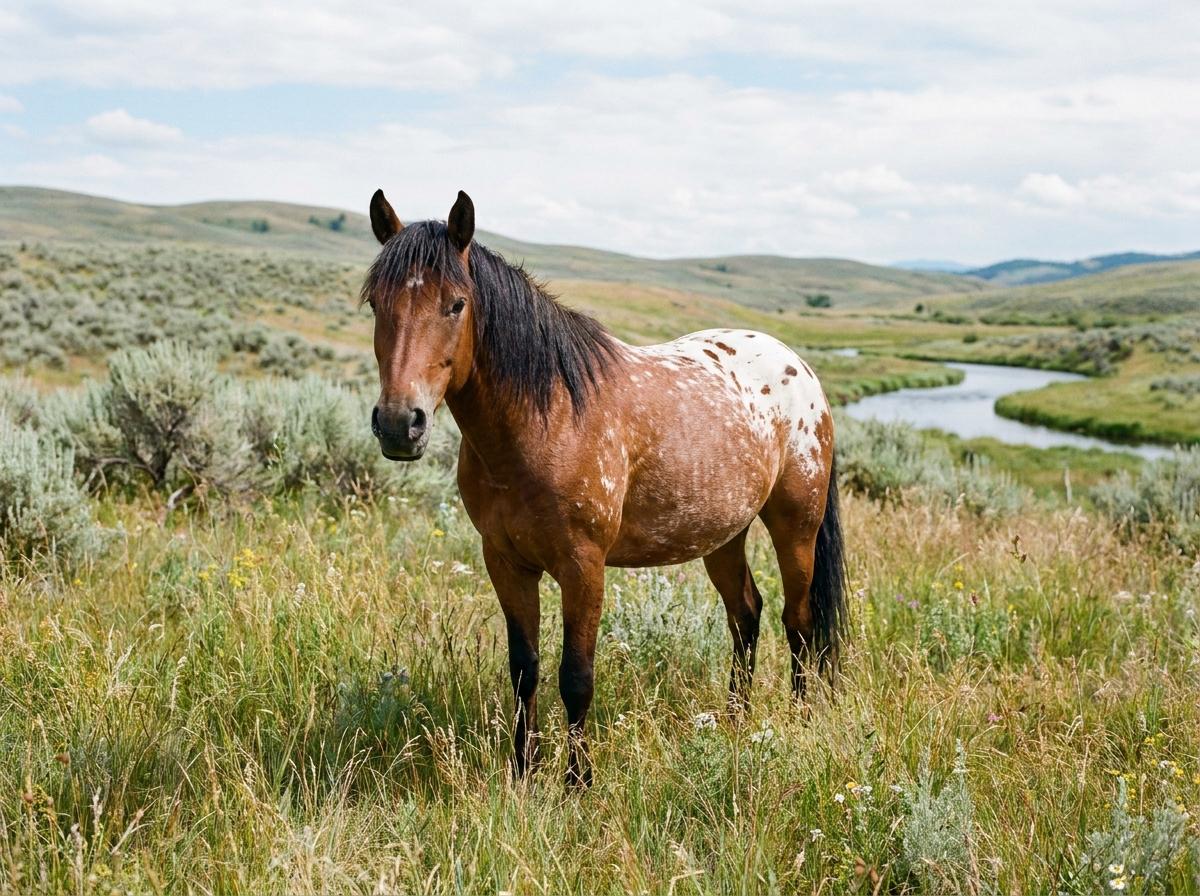
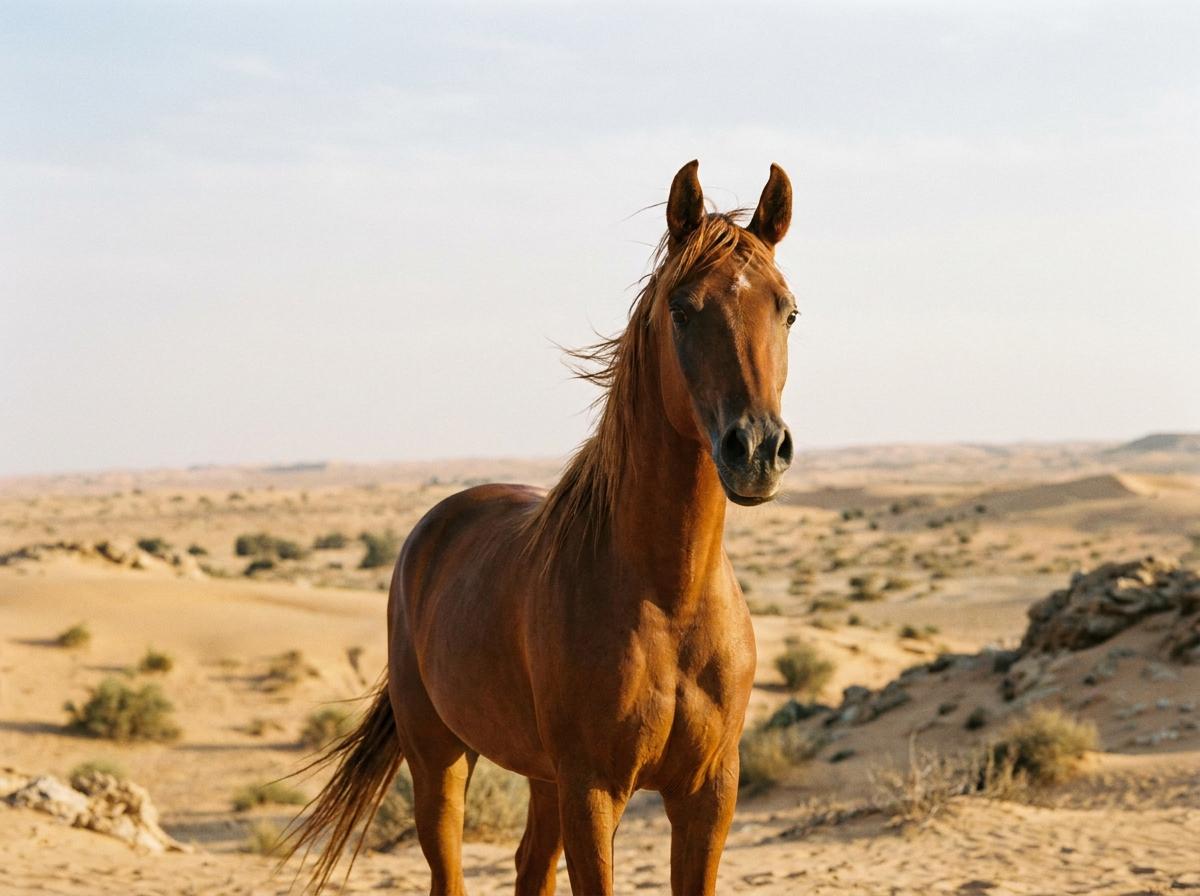
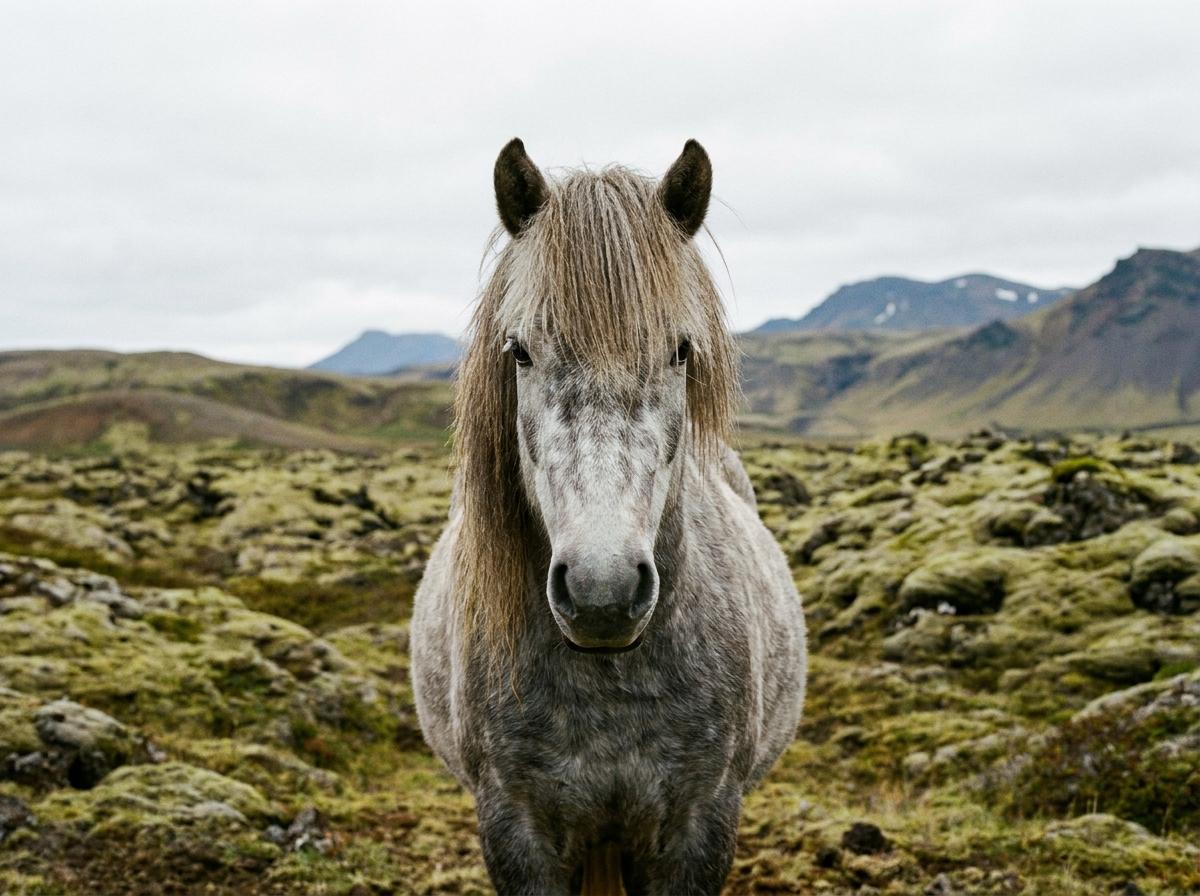
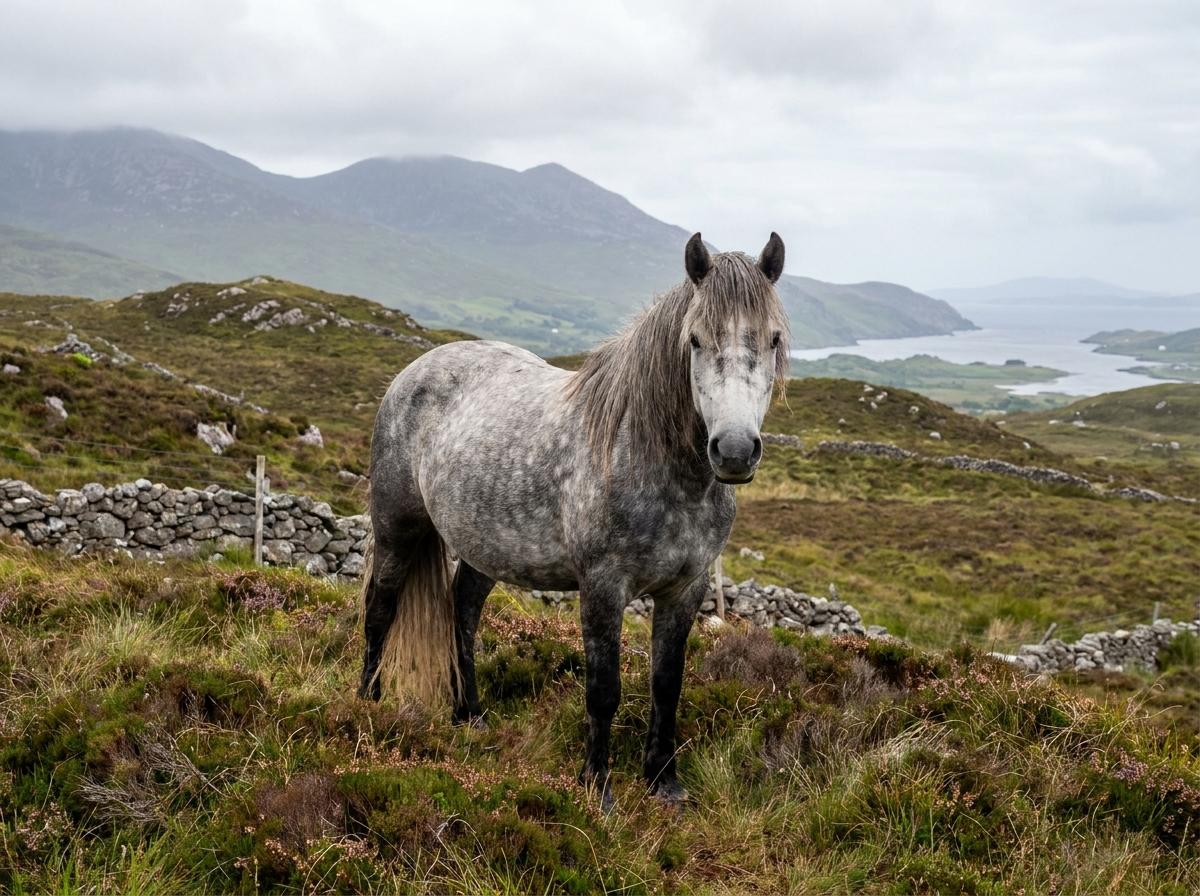
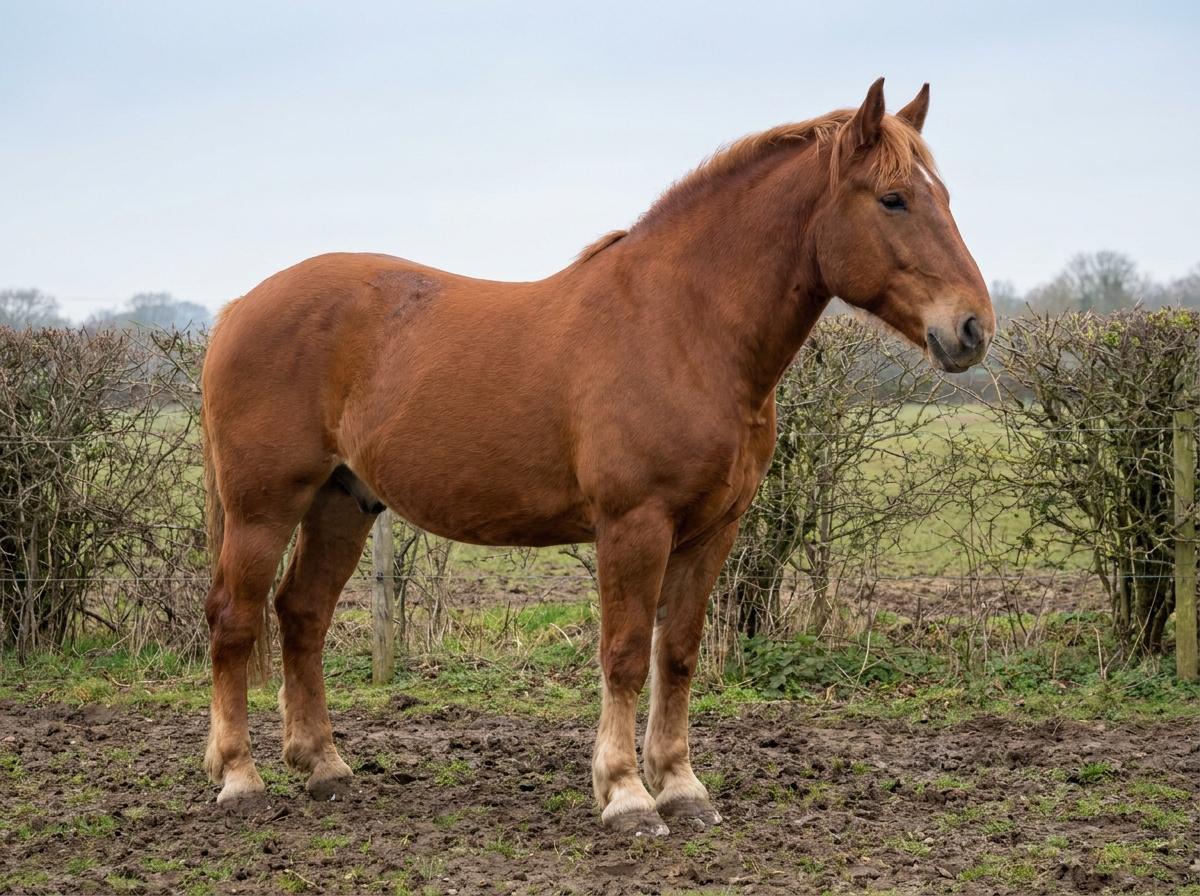
Colors: Amber Champagne, Bay, Bay Dun, Bay Roan, Black, Blanket Appaloosa, Blue Roan, Brown, Buckskin, Champagne, Chestnut, Classic Champagne, Cremello, Dun, Dun Roan, Fewspot Appaloosa, Flaxen Chestnut, Frame Overo, Gold Champagne, Gray, Grey, Grullo, Leopard Appaloosa, Liver Chestnut, Overo, Palomino, Perlino, Piebald, Pinto, Rabicano, Red Dun, Red Roan, Roan, Sabino, Seal Bay, Silver Dapple, Skewbald, Smoky Black, Smoky Cream, Snowcap Appaloosa, Sorrel, Splash White, Tobiano, Tovero, Varnish Roan, White