Belgian Draft
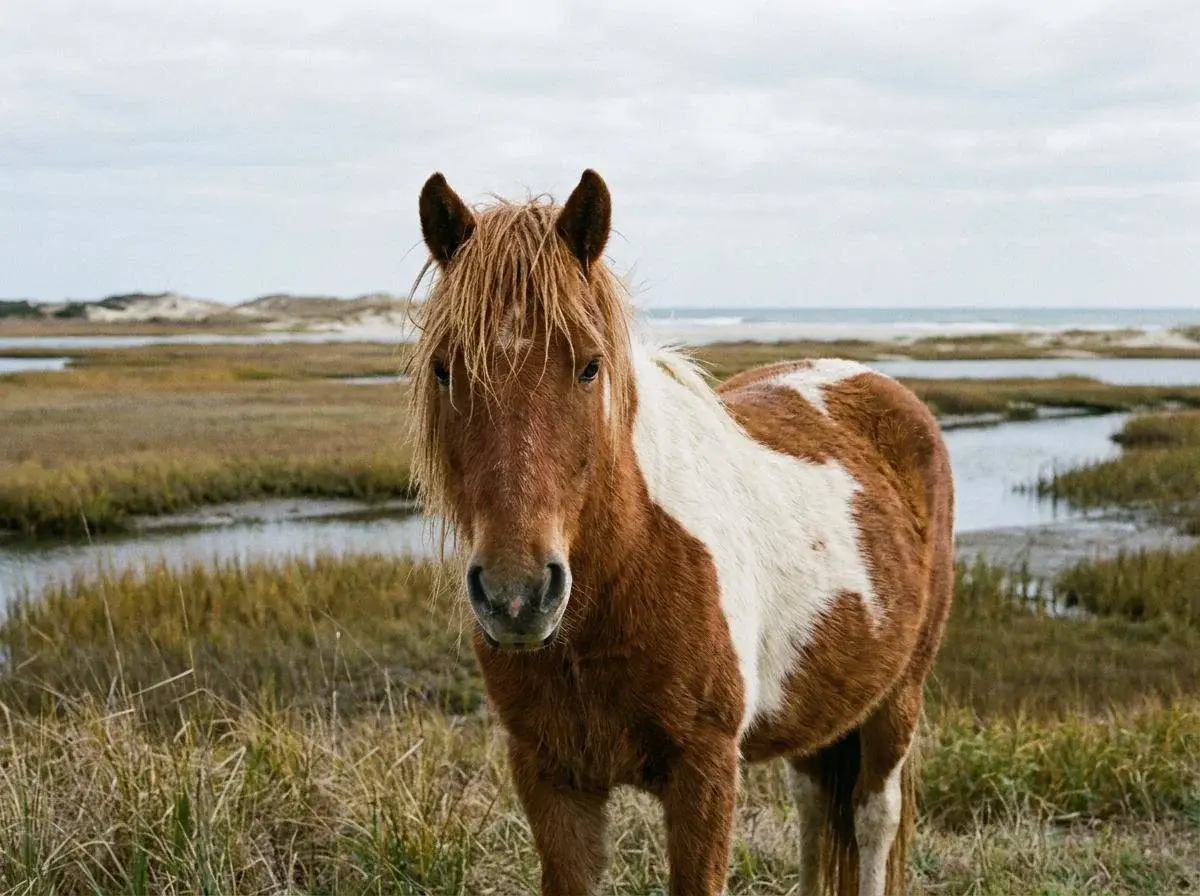
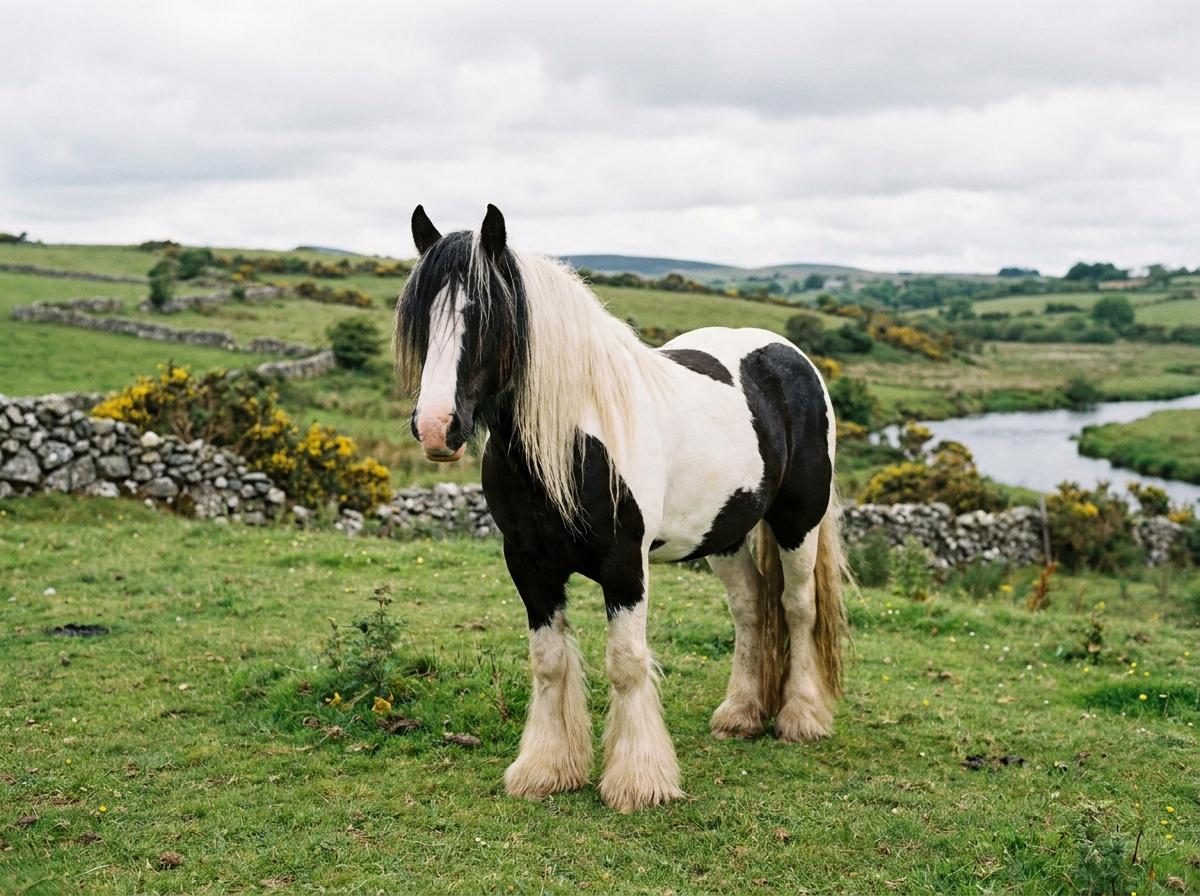
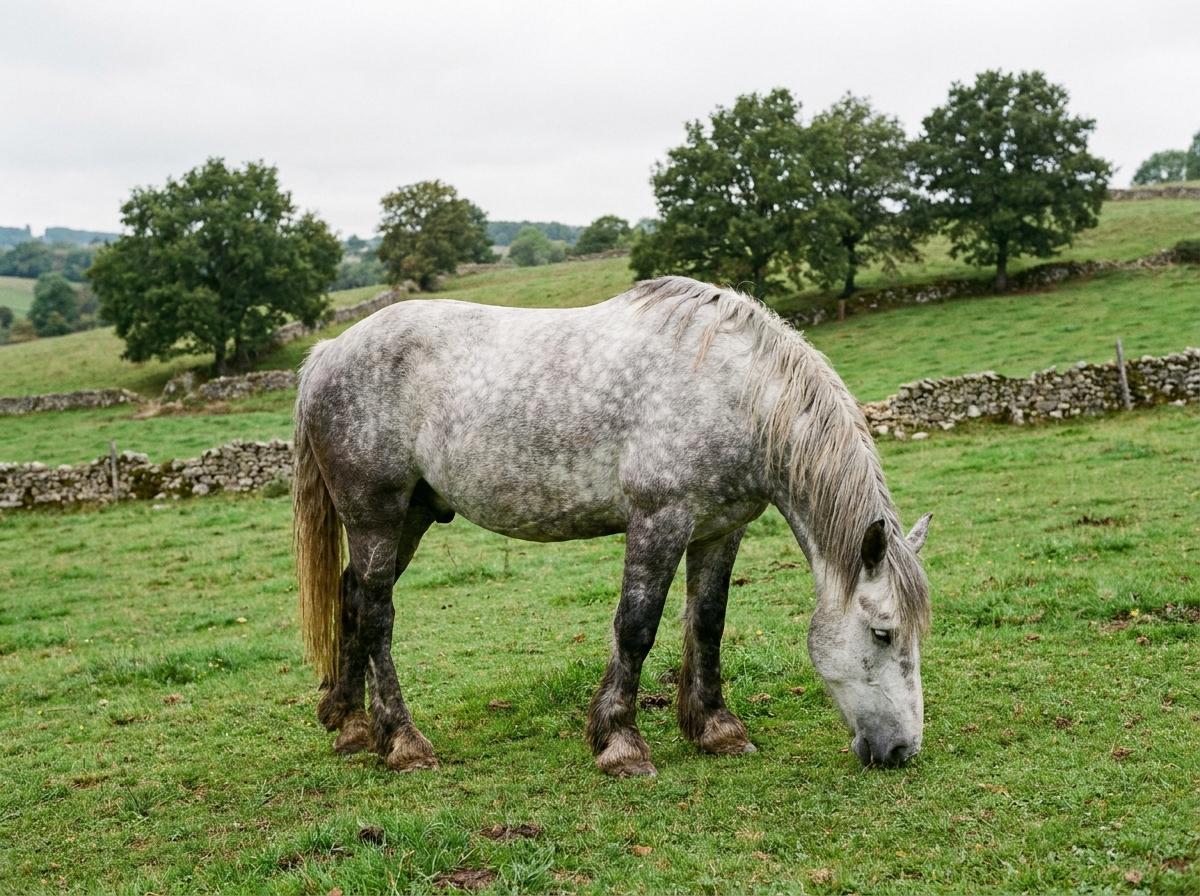
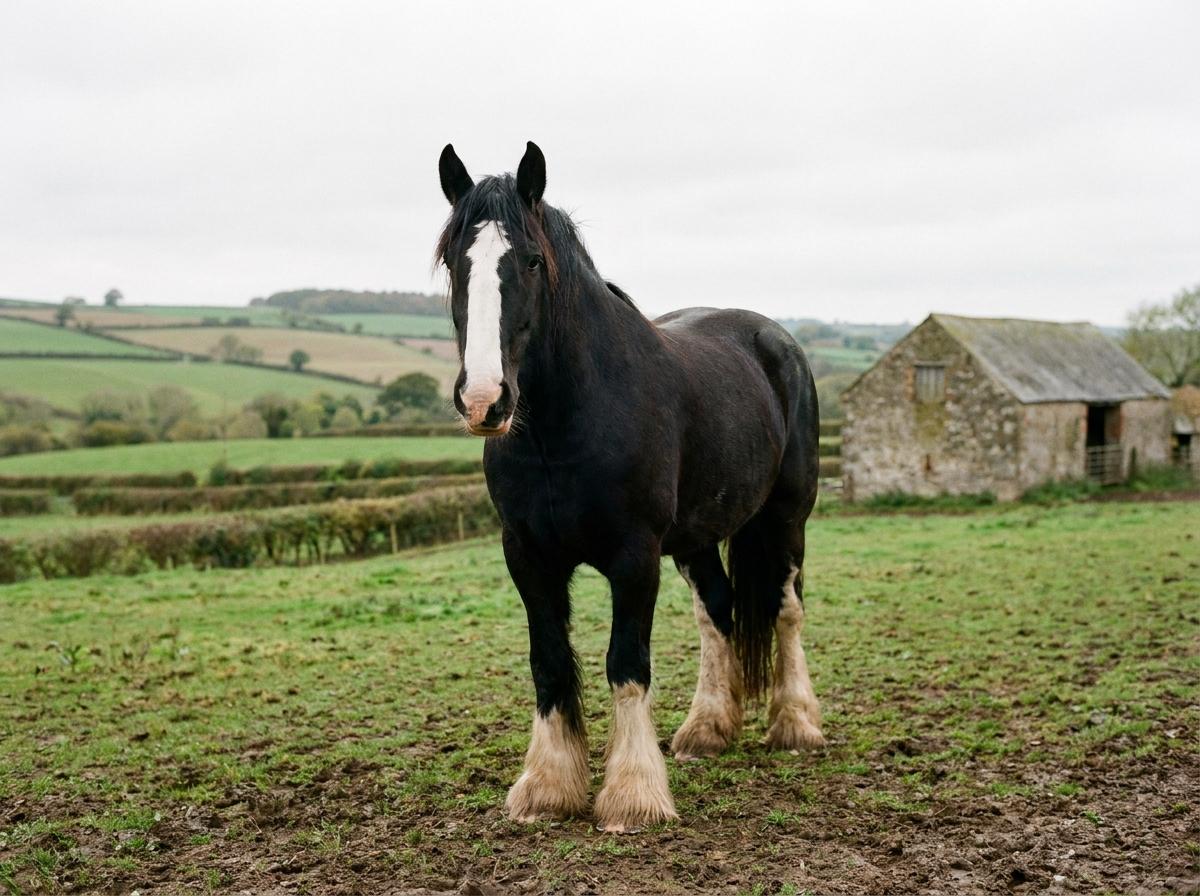
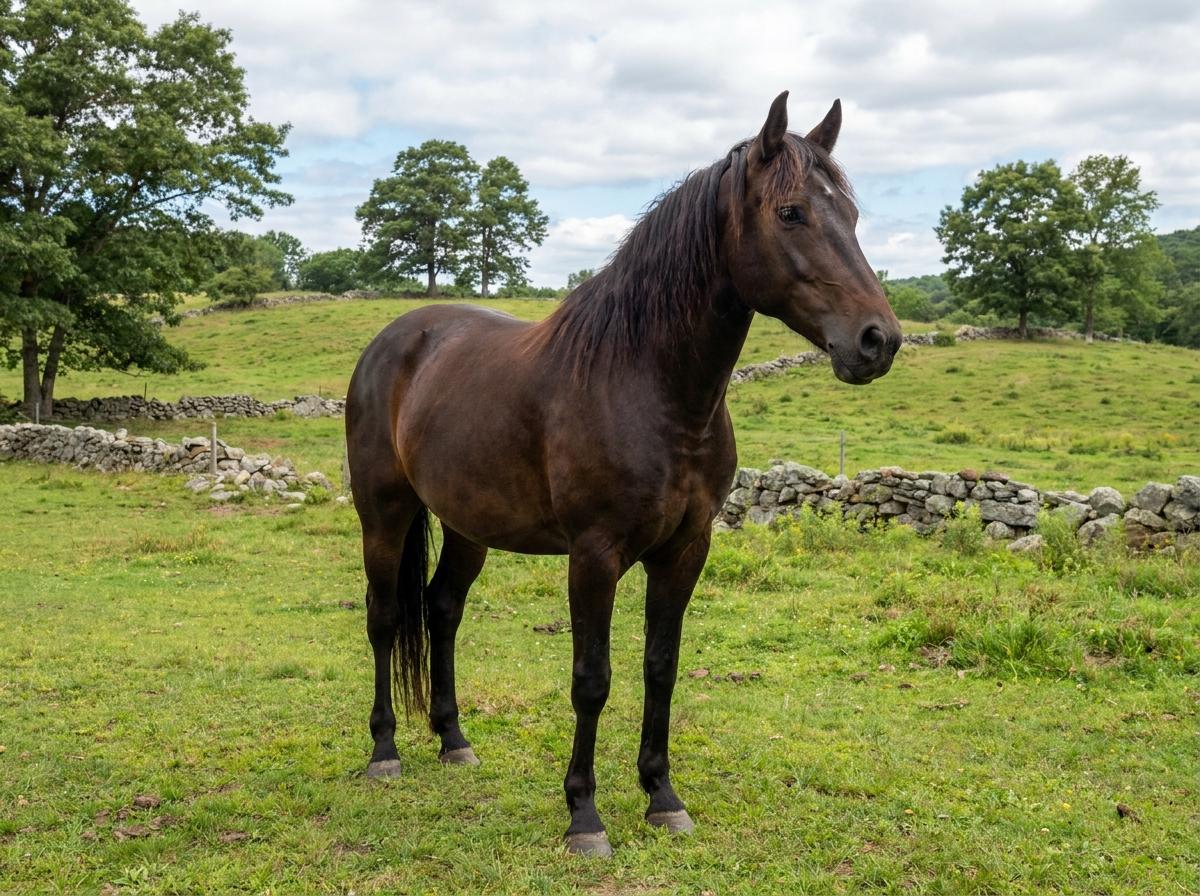
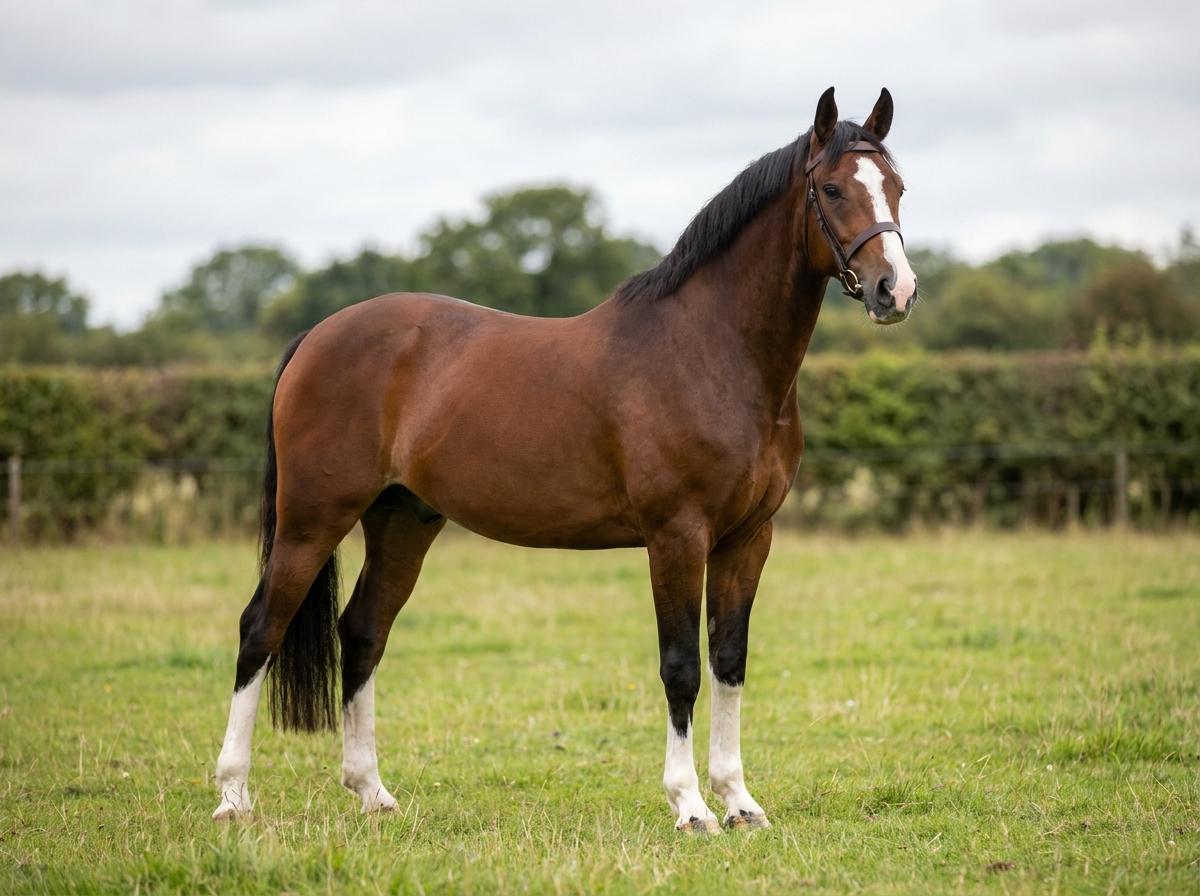
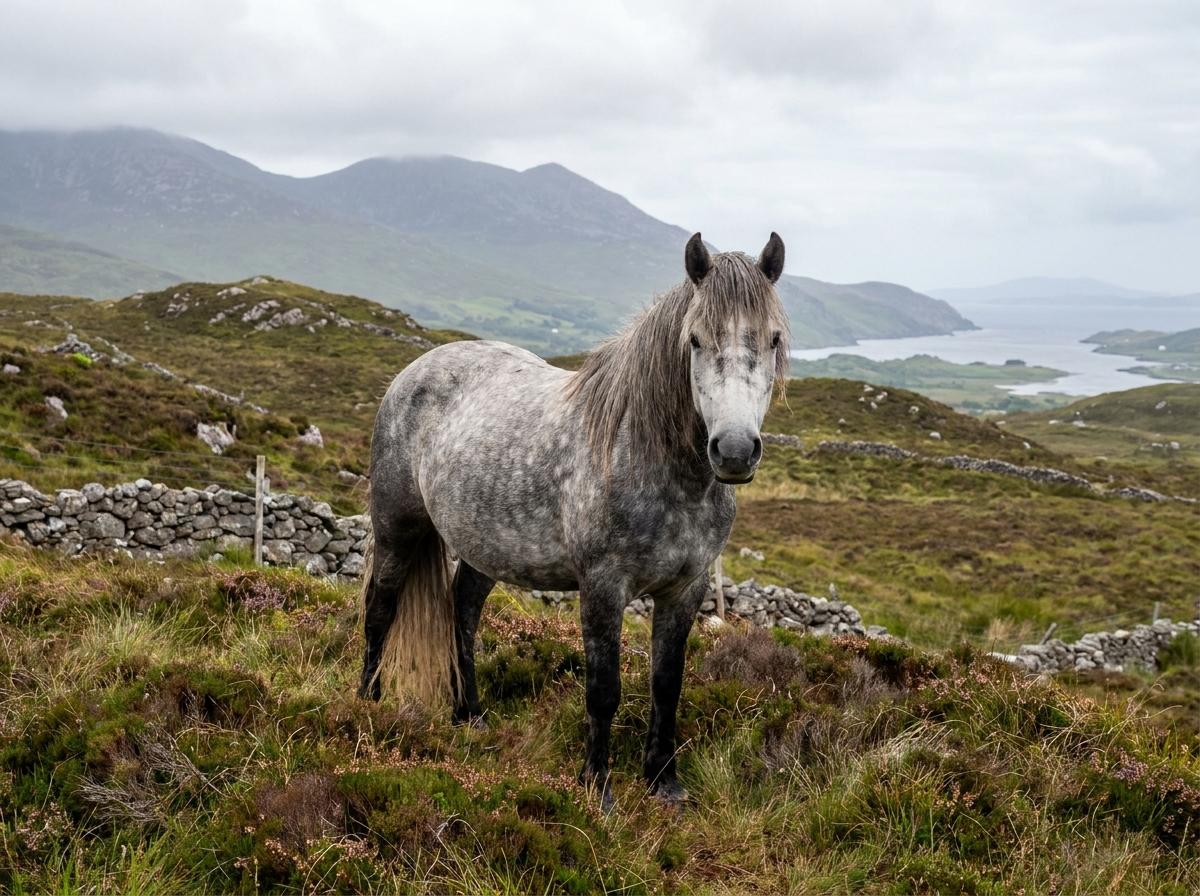
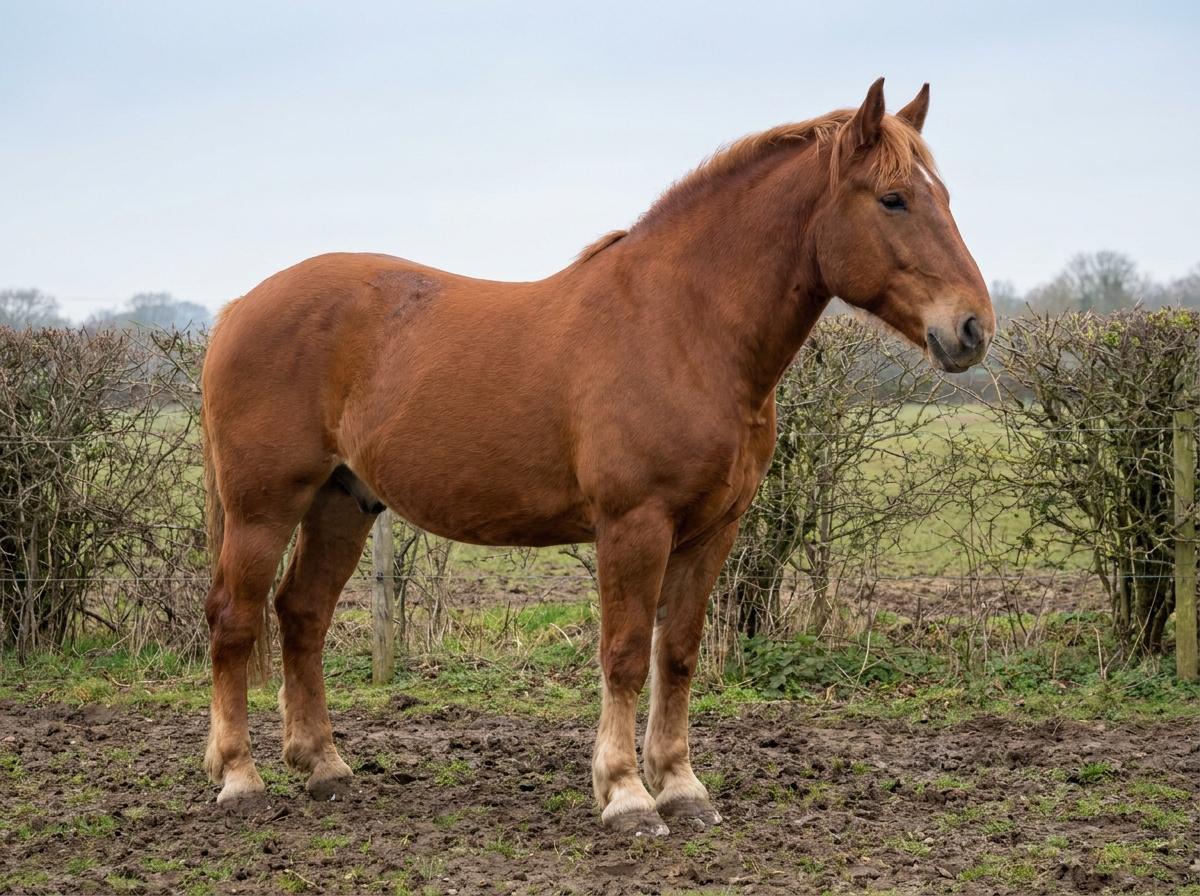
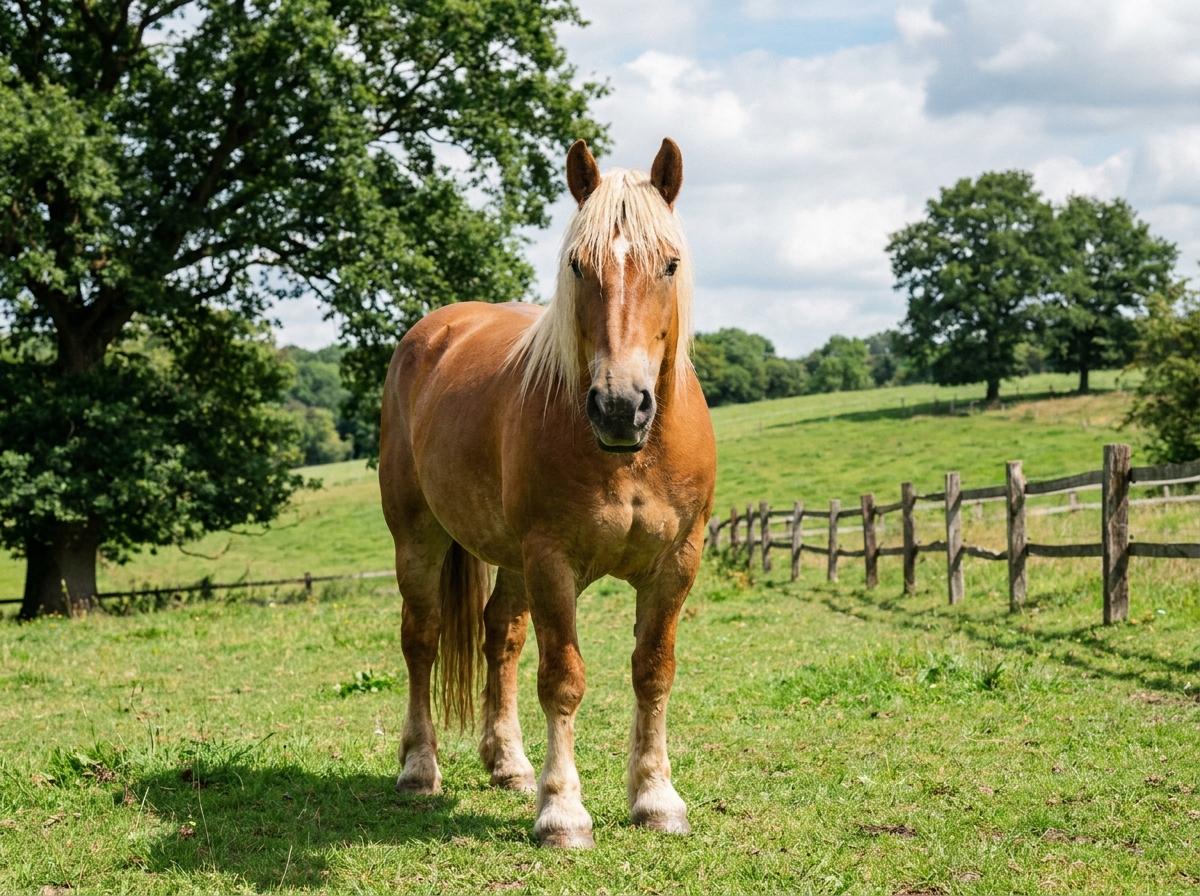
The Belgian draft is a large draft horse descended from the heavy horses of Brabant and Flanders. In North America, the name often refers to the taller, somewhat cleaner-legged Belgian developed from imported stock, commonly seen in chestnut or sorrel with a flaxen mane and tail, though other colors occur in the wider breed family. These horses were bred for farm power, hauling, logging, and hitch work, combining weight and muscle with a generally steady disposition and a long, ground-covering walk.
Keeping a Belgian draft means planning for size before beauty or novelty. Stalls, trailers, gates, harness, halters, and farrier arrangements must fit a horse that can weigh far more than a light riding breed. Many do well on forage-based diets and can become overweight if fed like a hard-working racehorse. Regular hoof trimming, skin care under any feathering, patient handling from foalhood, and heat management in warm climates all affect usefulness. For driving or pulling, correct conditioning is safer than relying on strength alone.
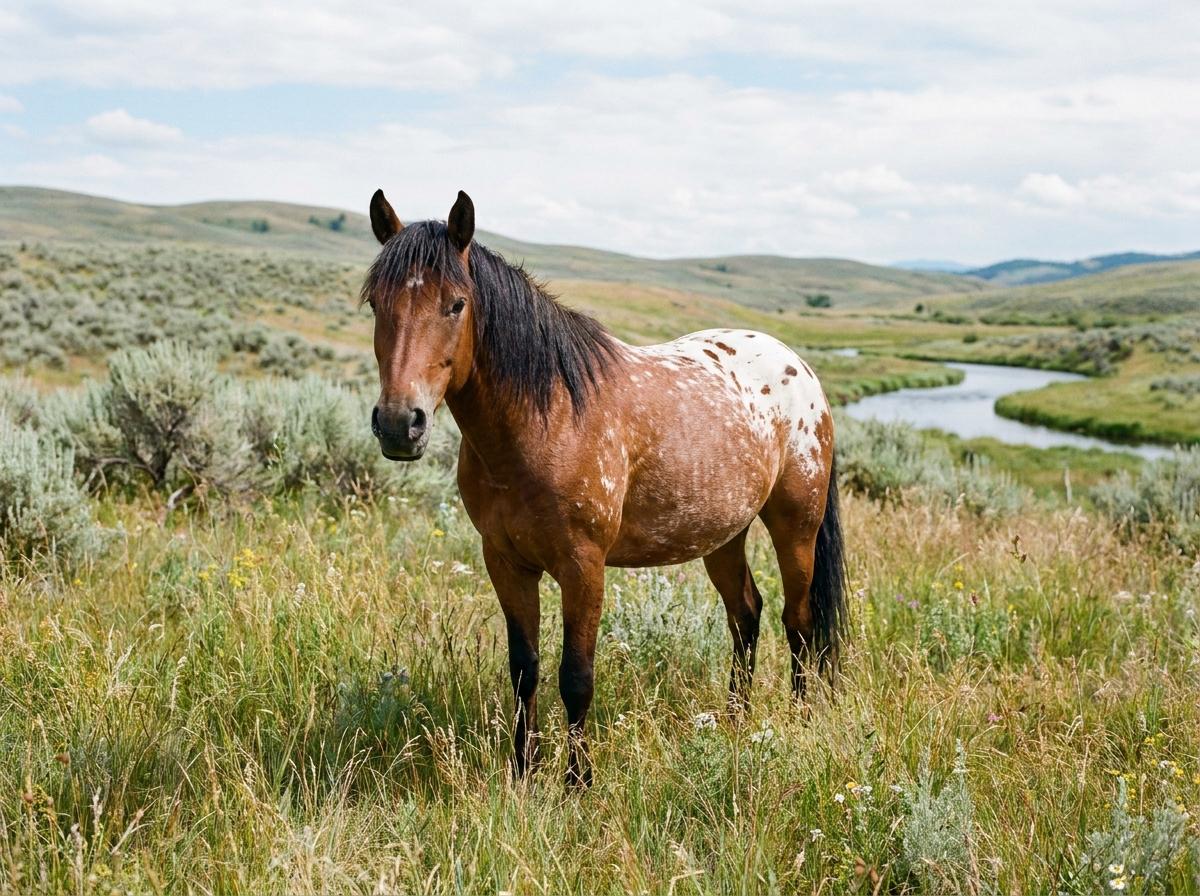
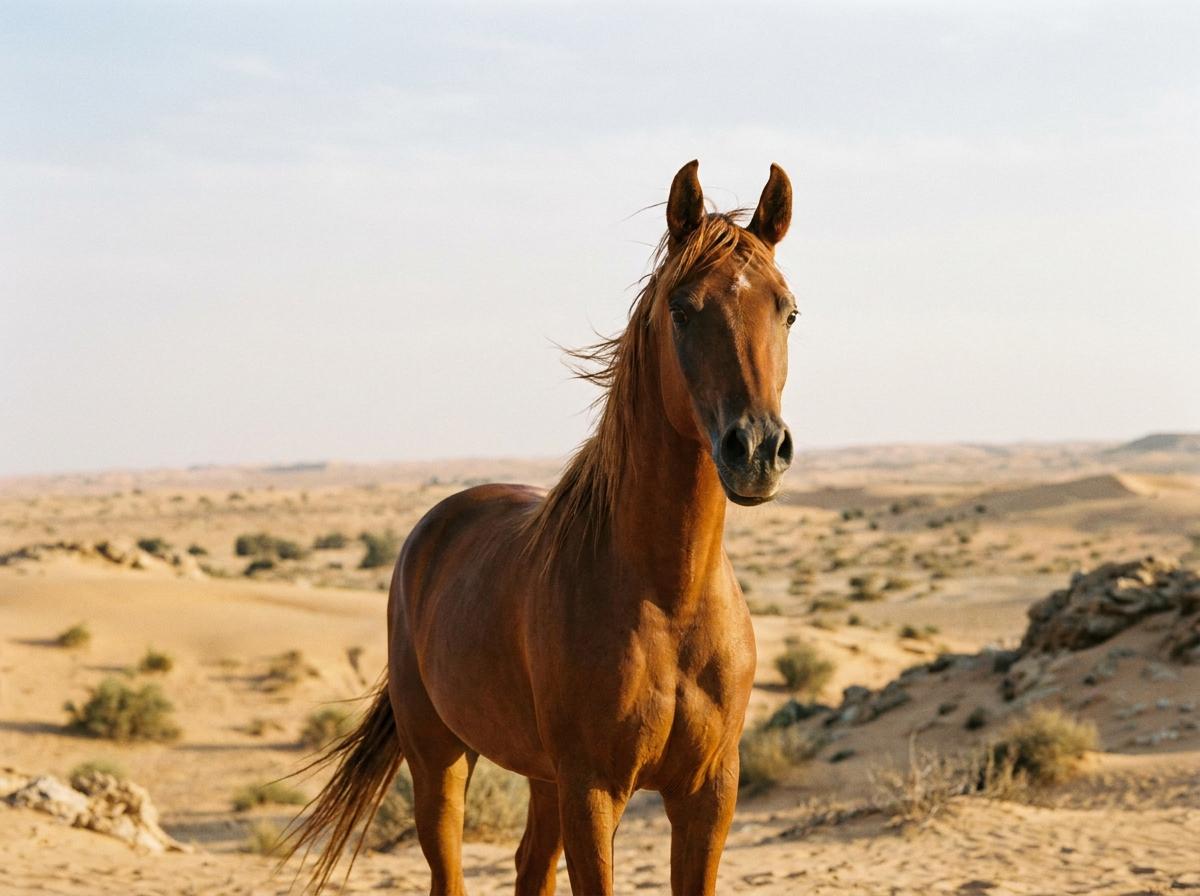
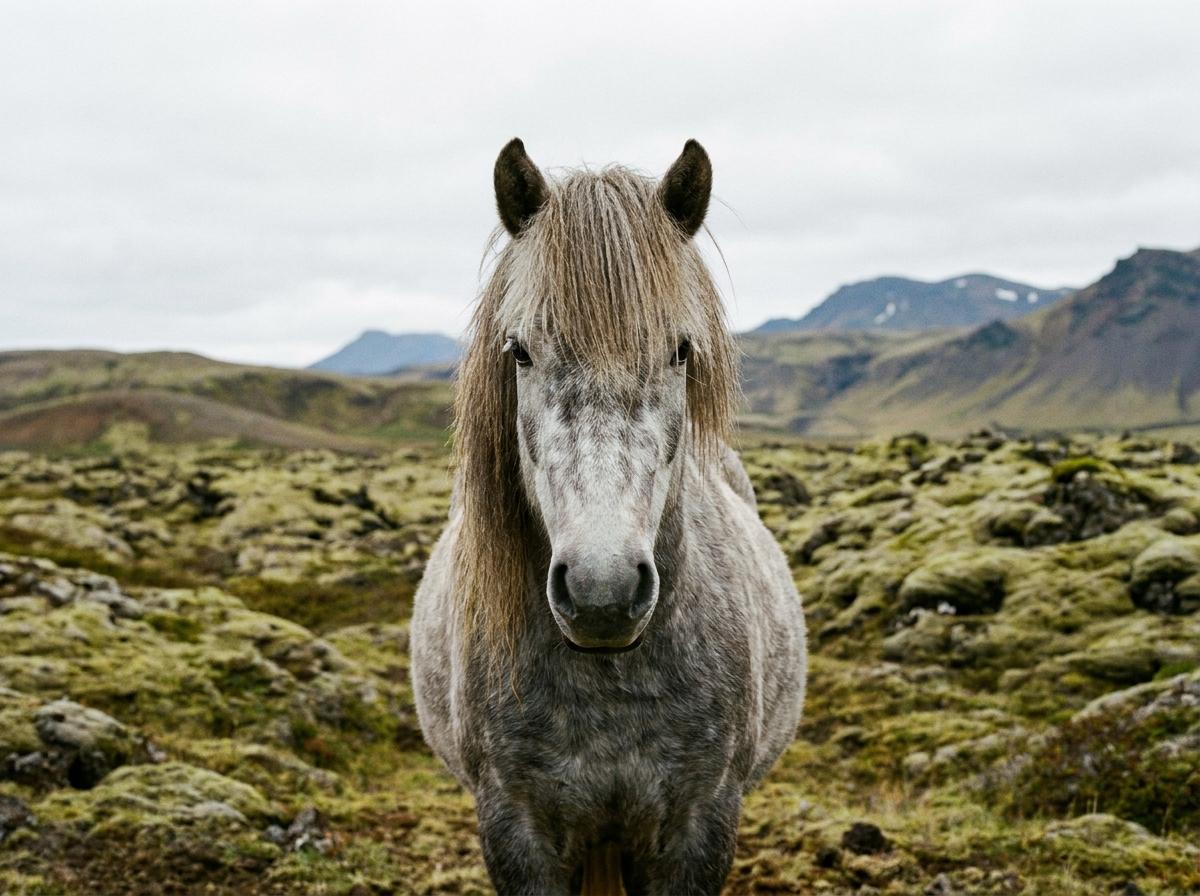
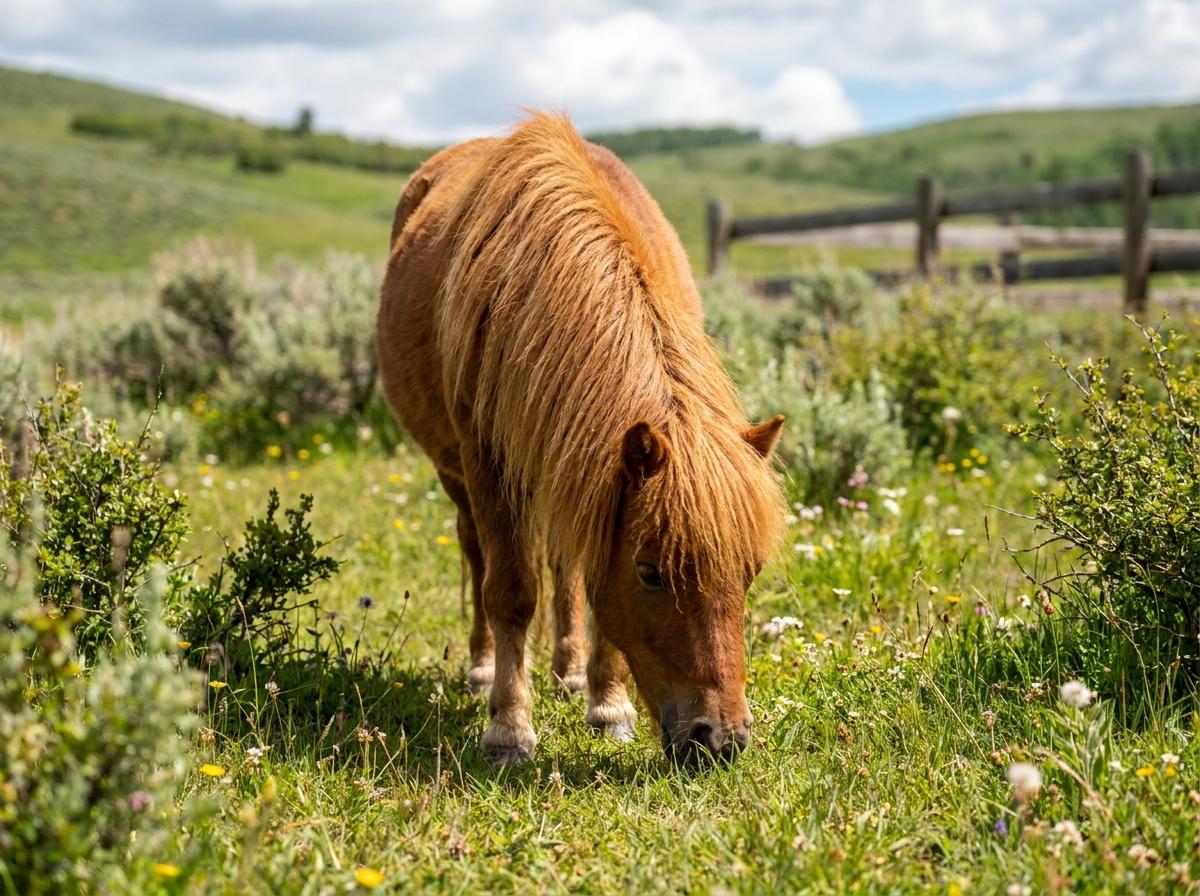
Colors: Amber Champagne, Bay, Bay Dun, Bay Roan, Black, Blanket Appaloosa, Blue Roan, Brown, Buckskin, Champagne, Chestnut, Classic Champagne, Cremello, Dun, Dun Roan, Fewspot Appaloosa, Flaxen Chestnut, Frame Overo, Gold Champagne, Gray, Grullo, Leopard Appaloosa, Liver Chestnut, Overo, Palomino, Perlino, Piebald, Pinto, Rabicano, Red Dun, Red Roan, Roan, Sabino, Seal Bay, Silver Dapple, Skewbald, Smoky Black, Smoky Cream, Snowcap Appaloosa, Sorrel, Splash White, Tobiano, Tovero, Varnish Roan, White