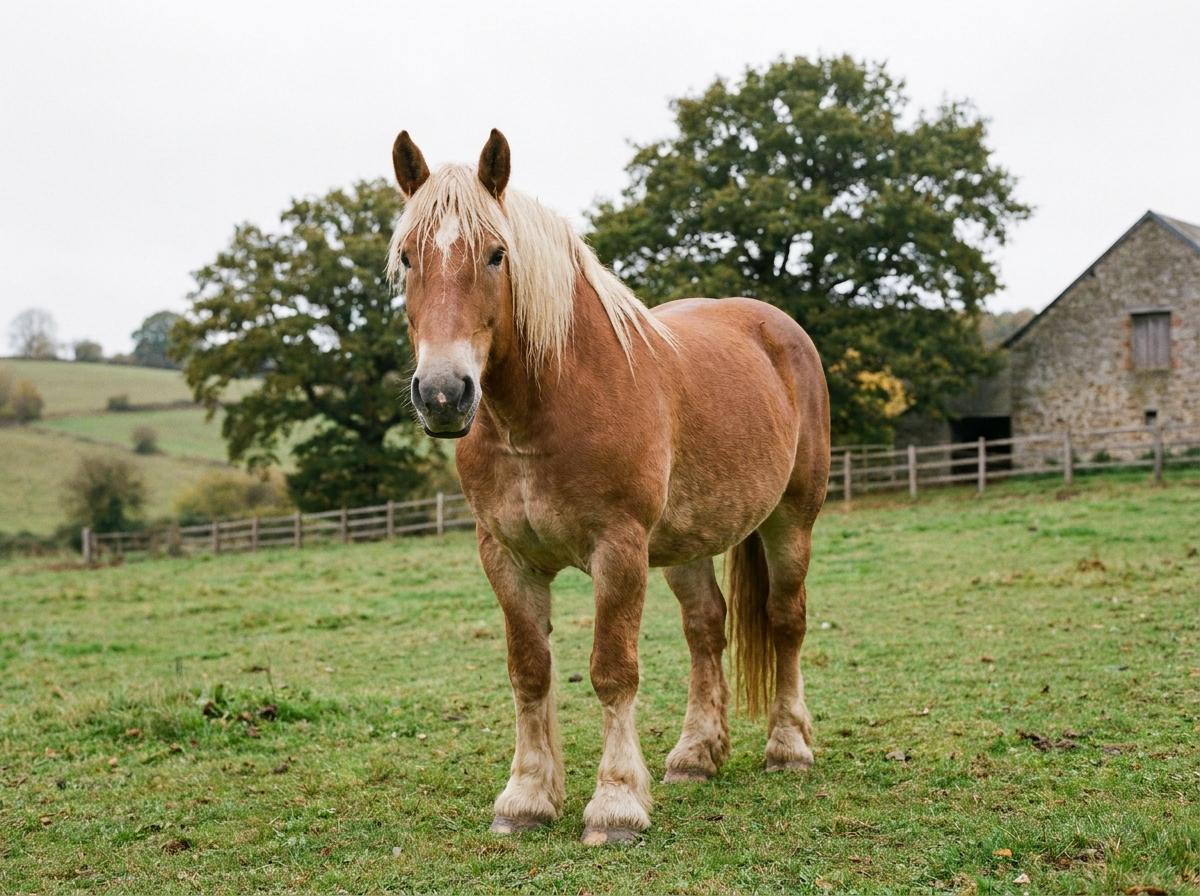
Belgian Draught
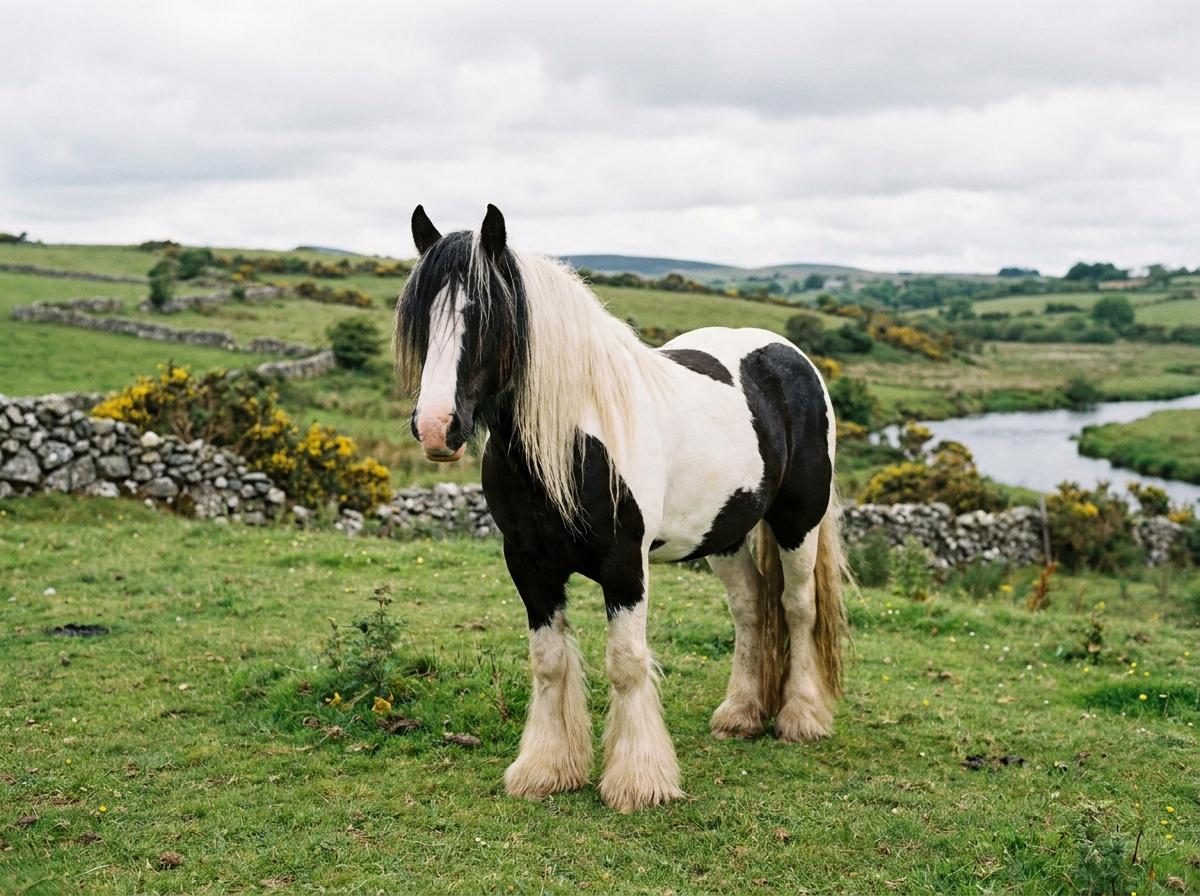
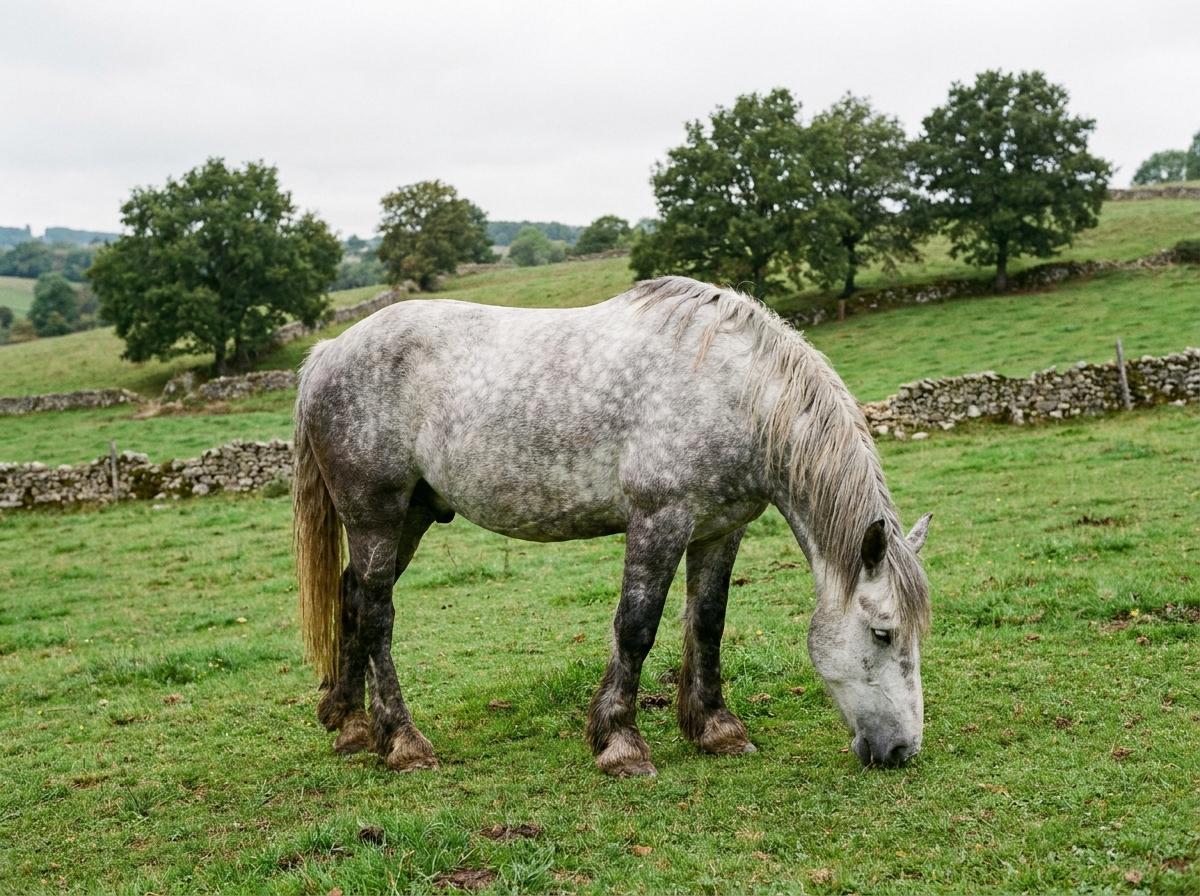
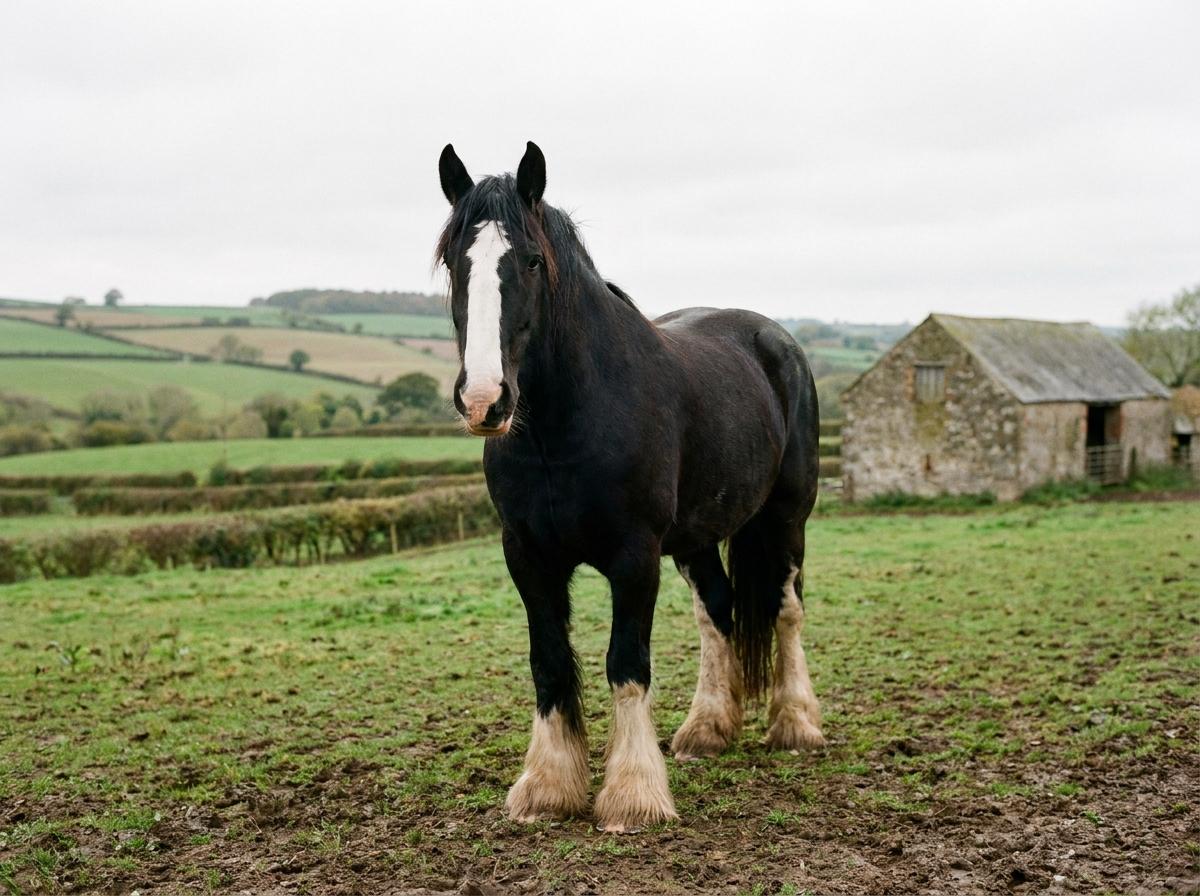
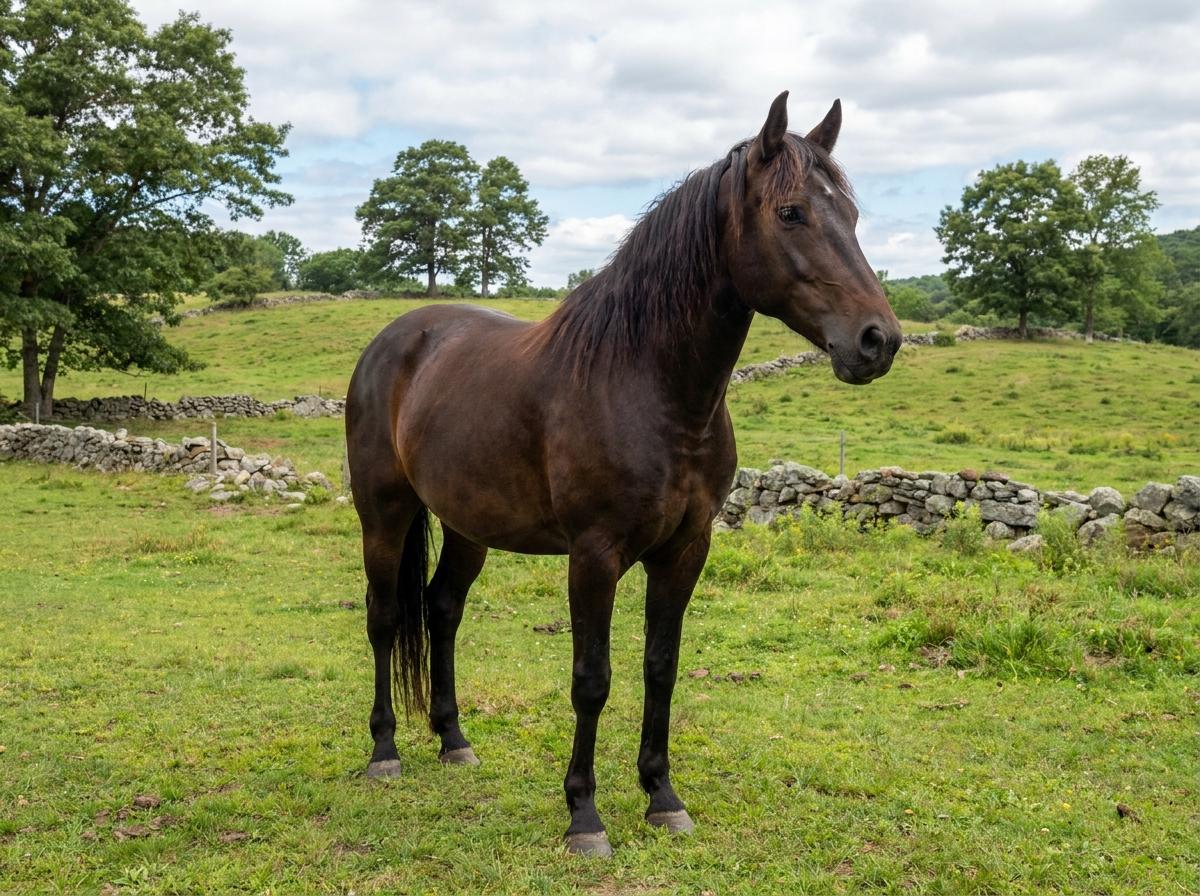
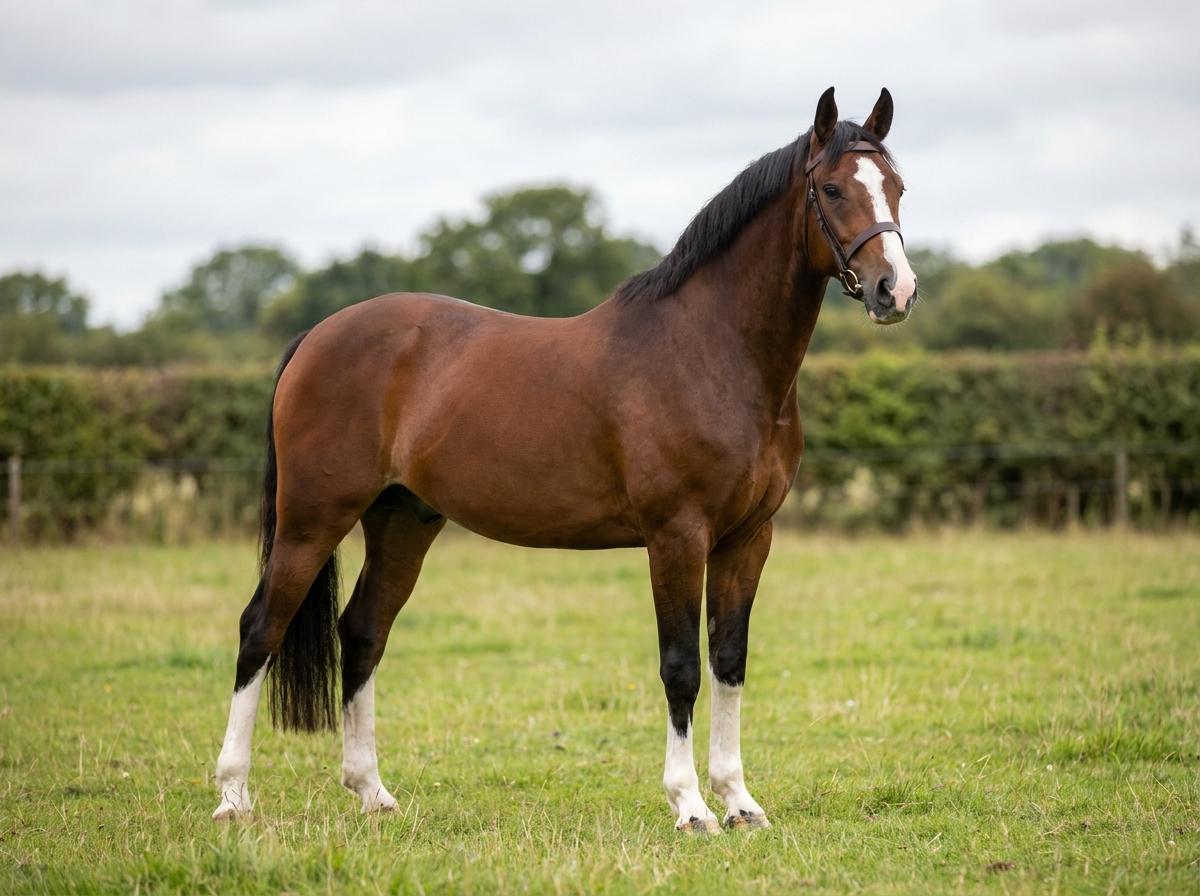
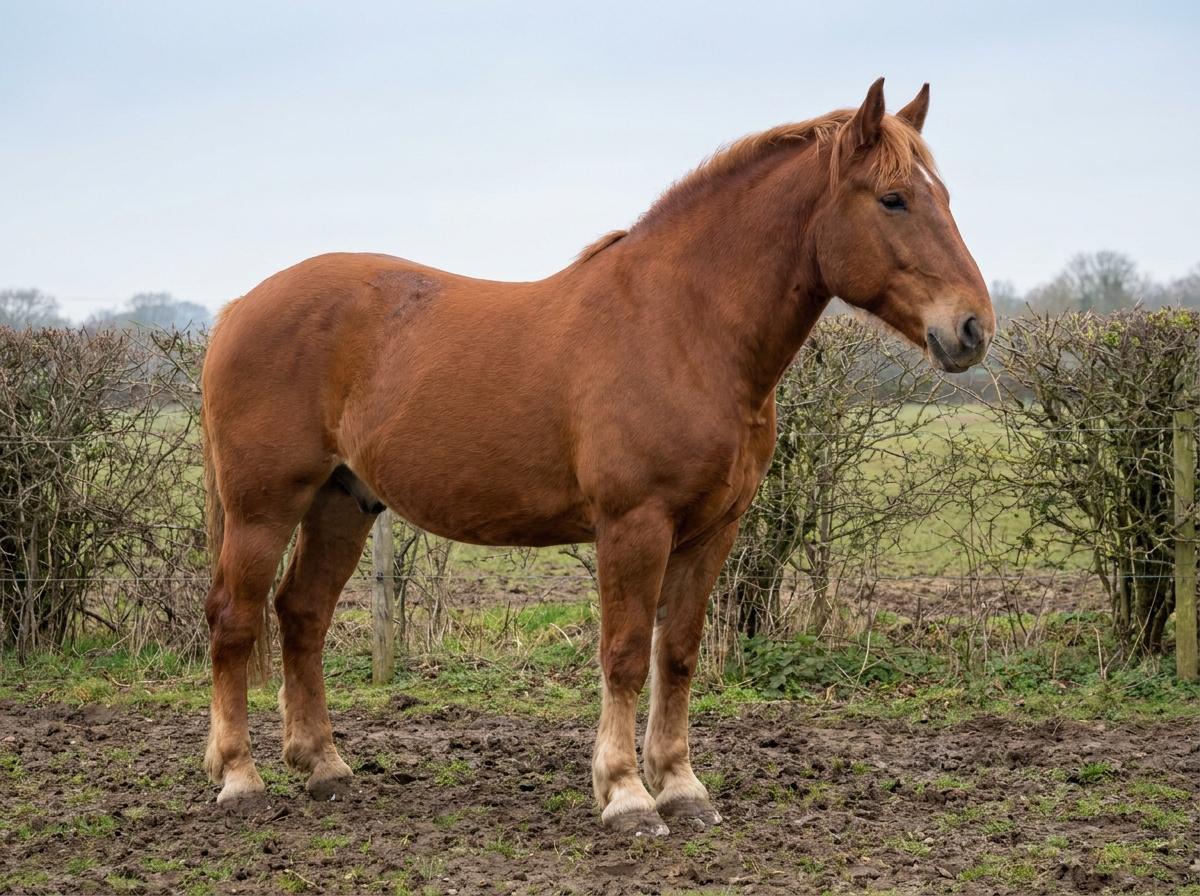
Belgian draught is the British spelling for the Belgian heavy-horse family, and in Europe it often points to the traditional Brabant type. Compared with many modern North American Belgian Draft horses, the older draught type is often broader, lower set, heavier in bone, and may carry more feather on the legs. It came from Belgium's rich farming regions, where powerful horses were needed for plowing, hauling, and moving heavy loads before mechanization changed rural work.
Today Belgian draught horses are kept for heritage farming, forestry, shows, breeding programs, carriage work, and private ownership by people who appreciate large working horses. Management centers on sound feet, sensible weight, and safe handling, because excess condition adds strain to joints and hooves. Harness fit is especially important across the shoulder and collar bed. Anyone sourcing a Belgian draught should clarify whether the horse is from European Brabant lines, North American Belgian lines, or a local cross using the Belgian name more loosely.
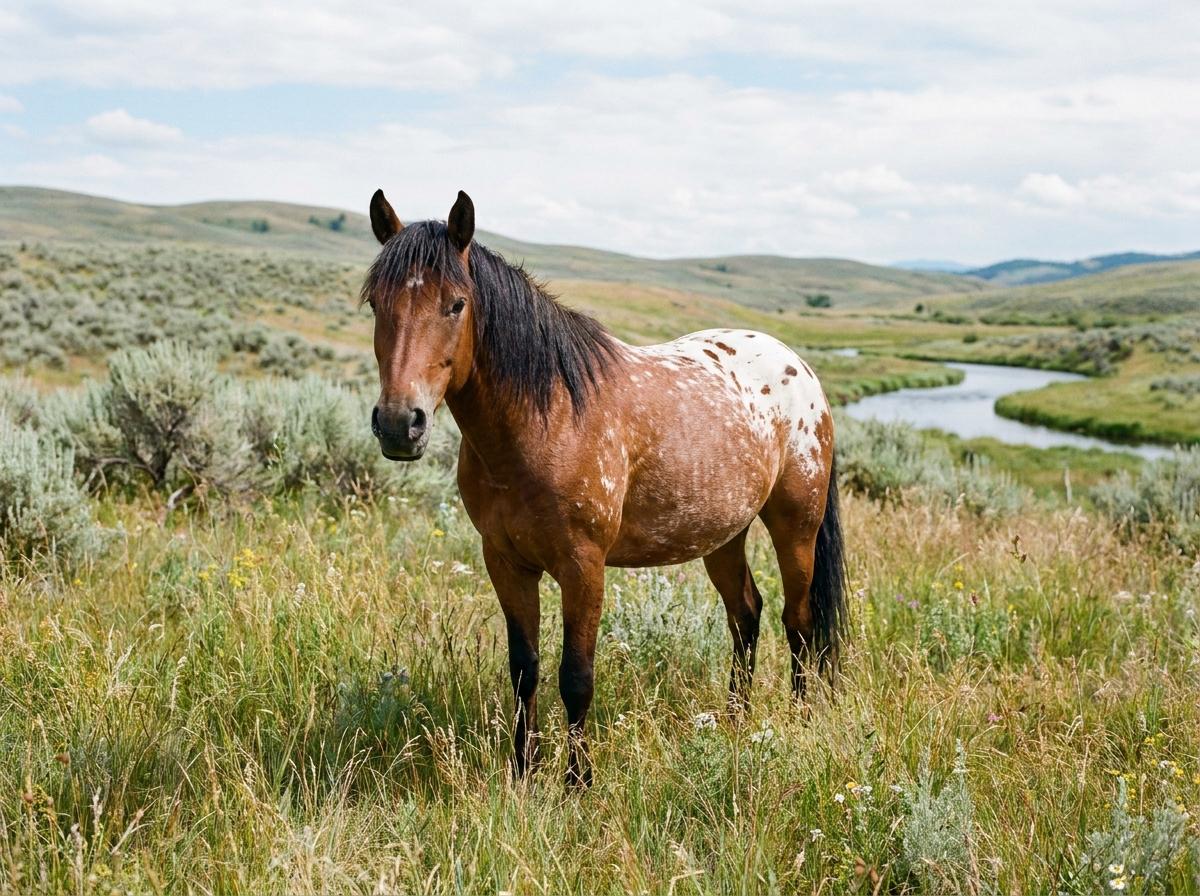
Colors: Amber Champagne, Bay, Bay Dun, Bay Roan, Black, Blanket Appaloosa, Blue Roan, Brown, Buckskin, Champagne, Chestnut, Classic Champagne, Cremello, Dun, Dun Roan, Fewspot Appaloosa, Flaxen Chestnut, Frame Overo, Gold Champagne, Gray, Grey, Grullo, Leopard Appaloosa, Liver Chestnut, Overo, Palomino, Perlino, Piebald, Pinto, Rabicano, Red Dun, Red Roan, Roan, Sabino, Seal Bay, Silver Dapple, Skewbald, Smoky Black, Smoky Cream, Snowcap Appaloosa, Sorrel, Splash White, Tobiano, Tovero, Varnish Roan, White