

Belgian Trotter
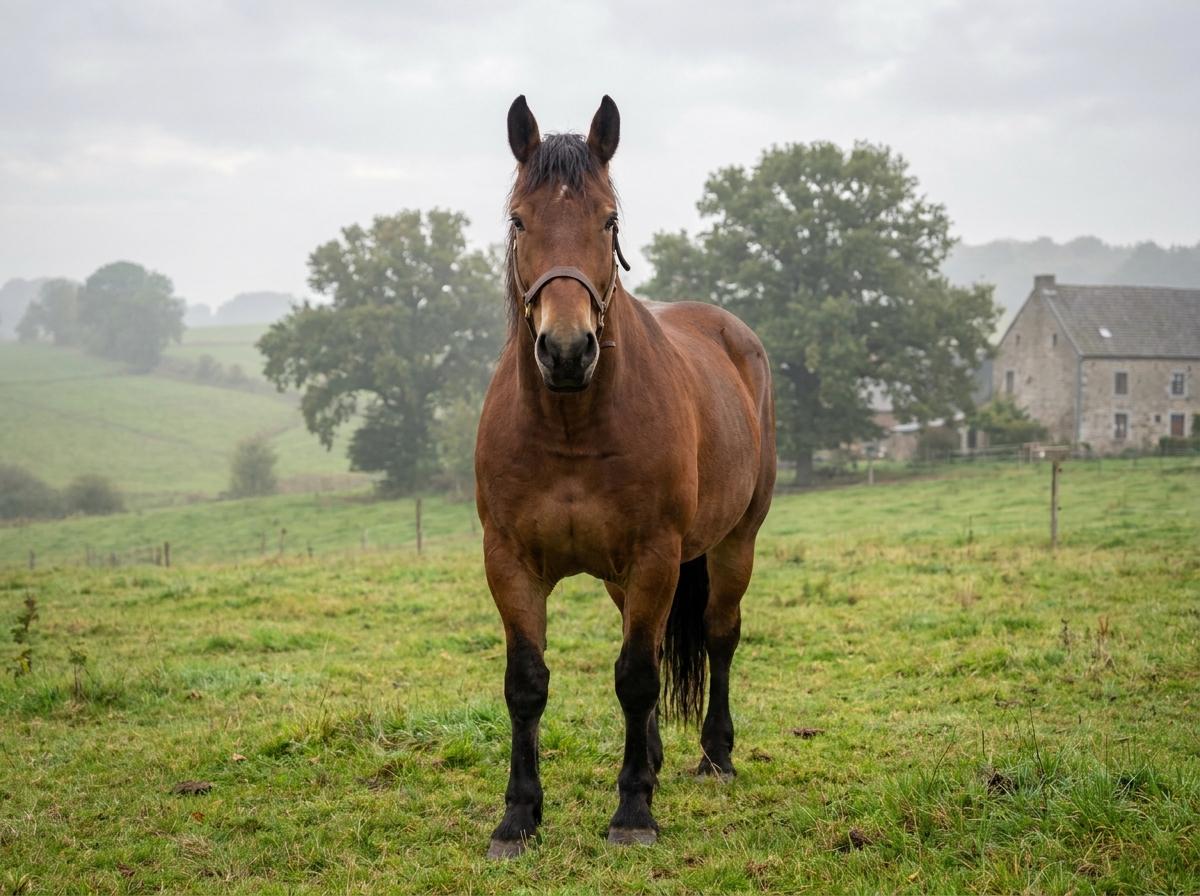
The Belgian trotter is a harness-racing horse population developed in Belgium from European trotting stock and outside influences such as French Trotter and Standardbred lines. It is bred for speed at the trot, correct gait under pressure, and the durability needed for racing and training. Compared with general riding breeds, the Belgian trotter's identity is tied closely to performance records, racing families, and the ability to stay clean-gaited at speed.
Management usually begins in a racing or breeding context, with conditioning, shoeing, veterinary monitoring, and driver education all aimed at supporting the trot. Retired or non-racing Belgian trotters may become riding, driving, or leisure horses, but they often need retraining to balance under saddle and relax outside track routines. Buyers should review racing history, soundness, temperament, and whether the horse has learned skills beyond harness work.
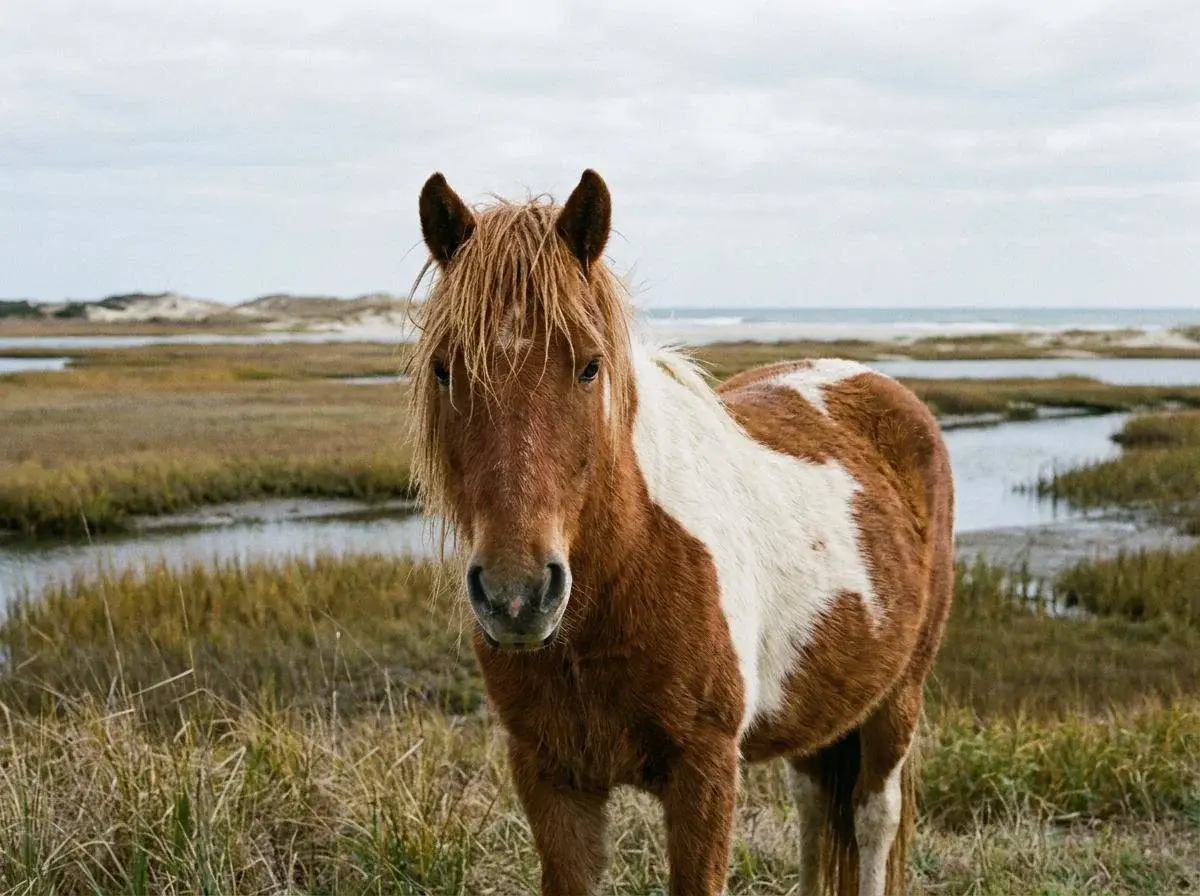
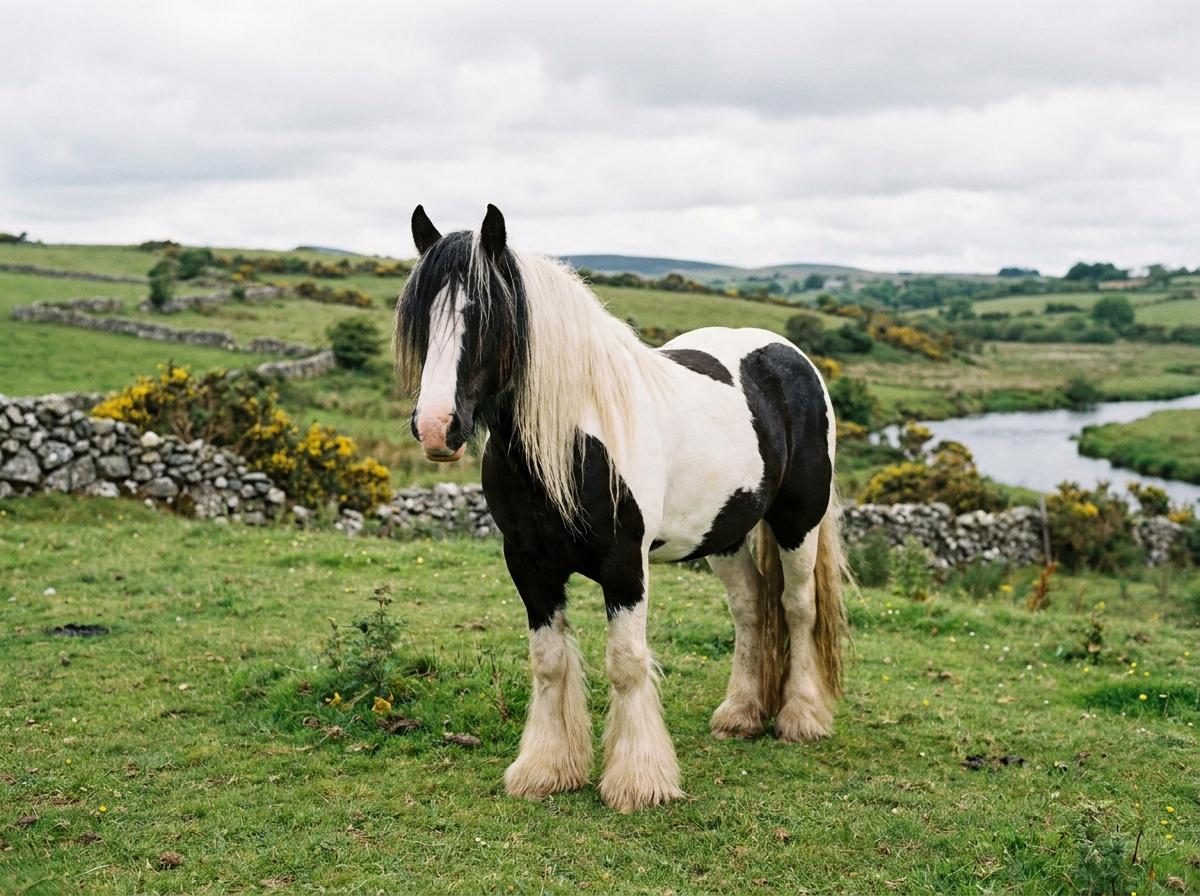
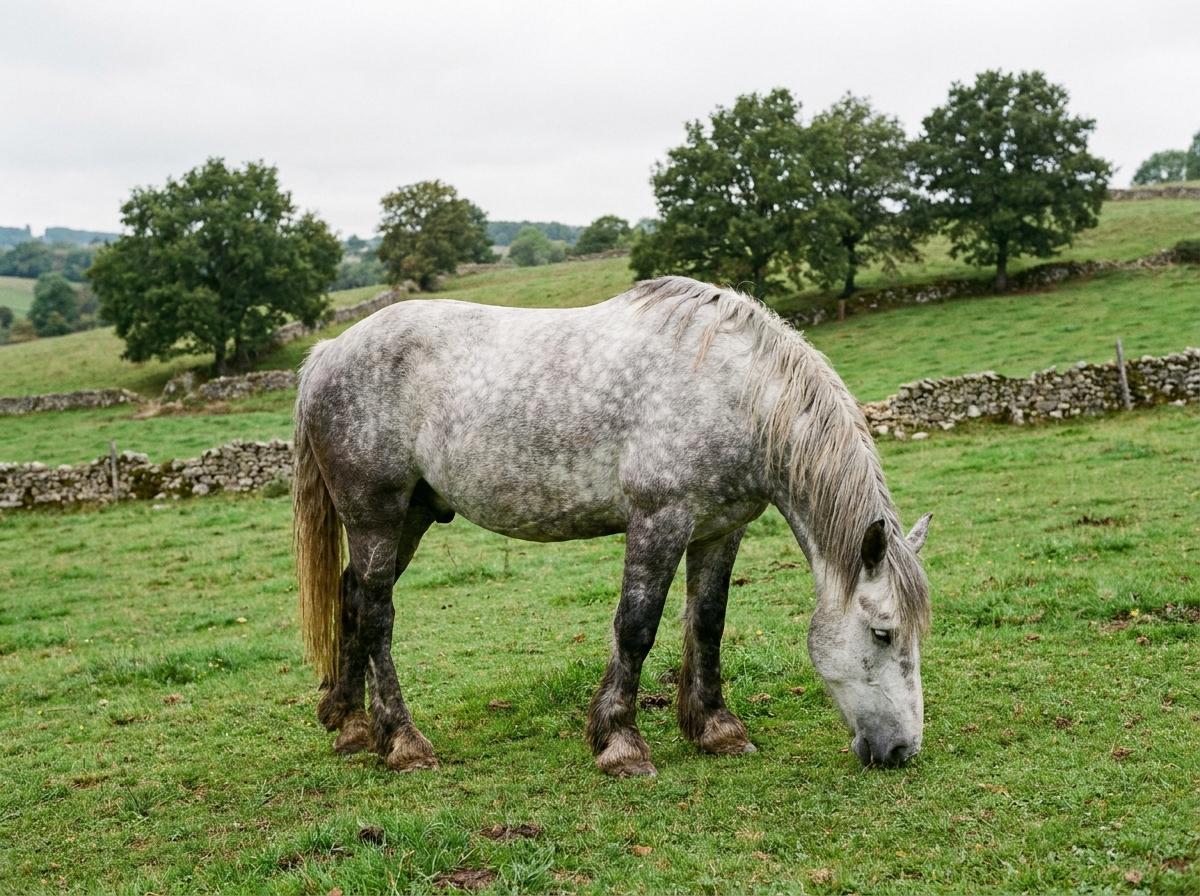
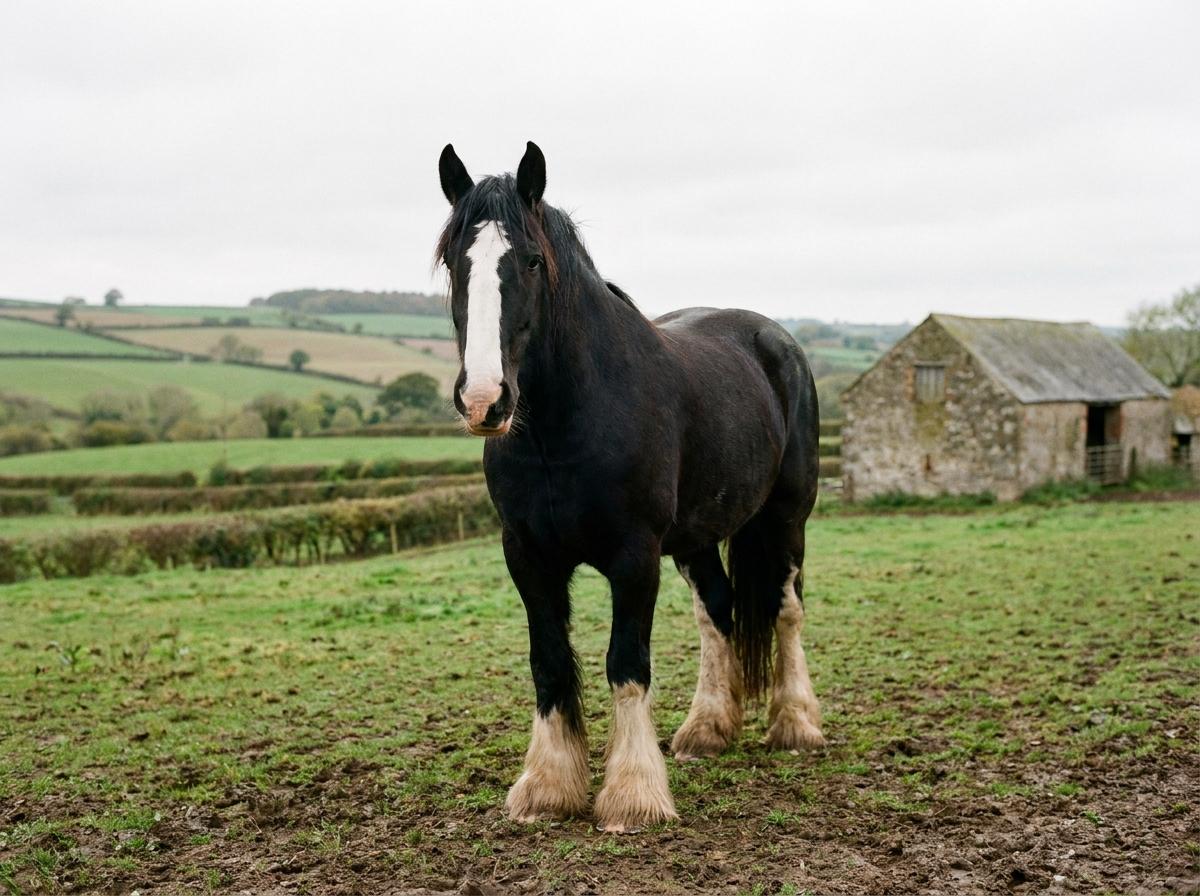
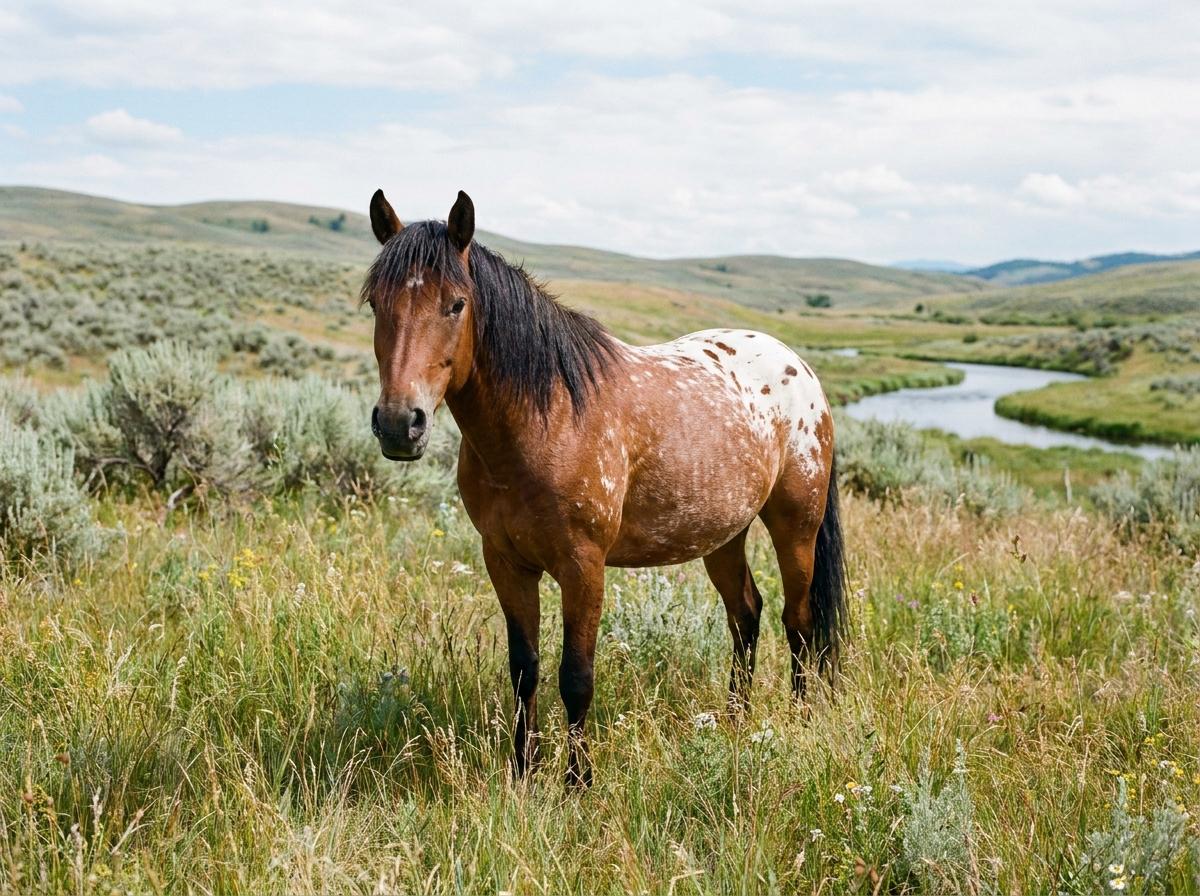
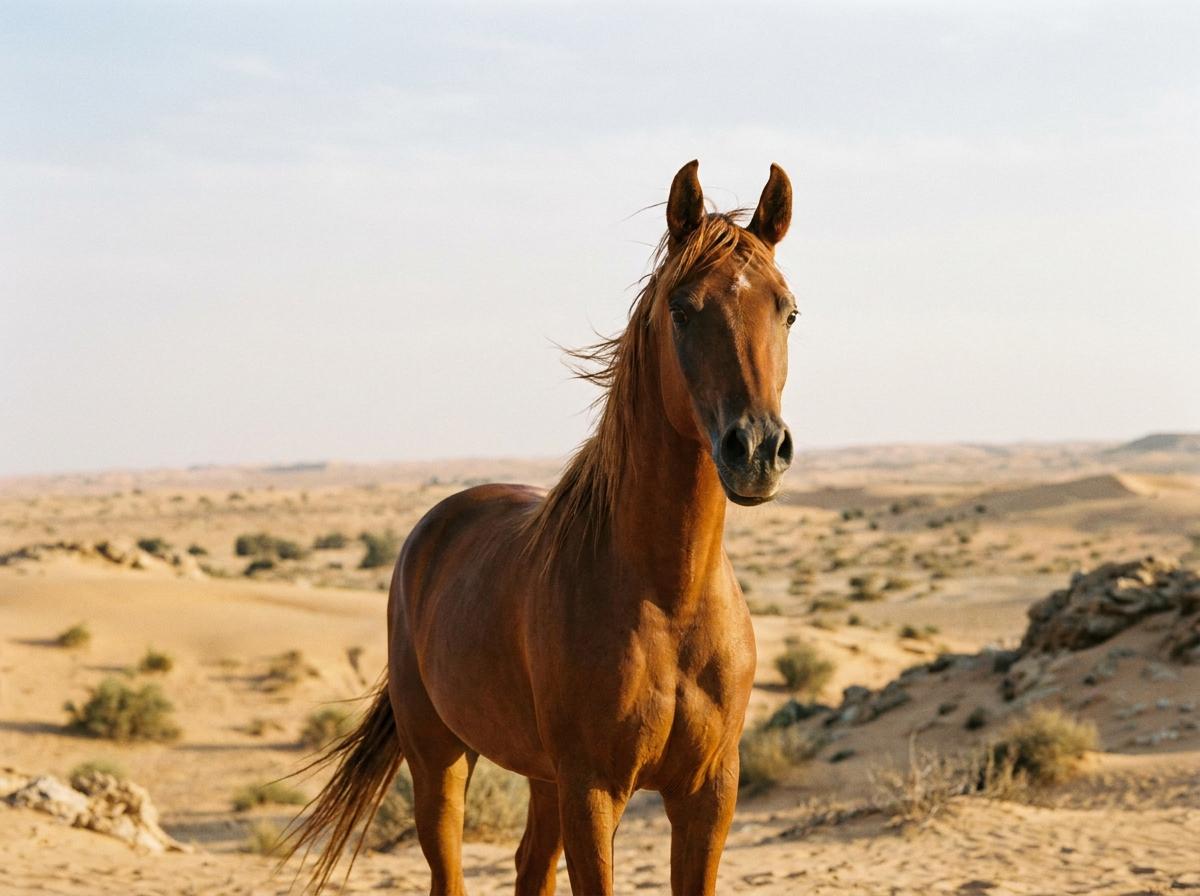
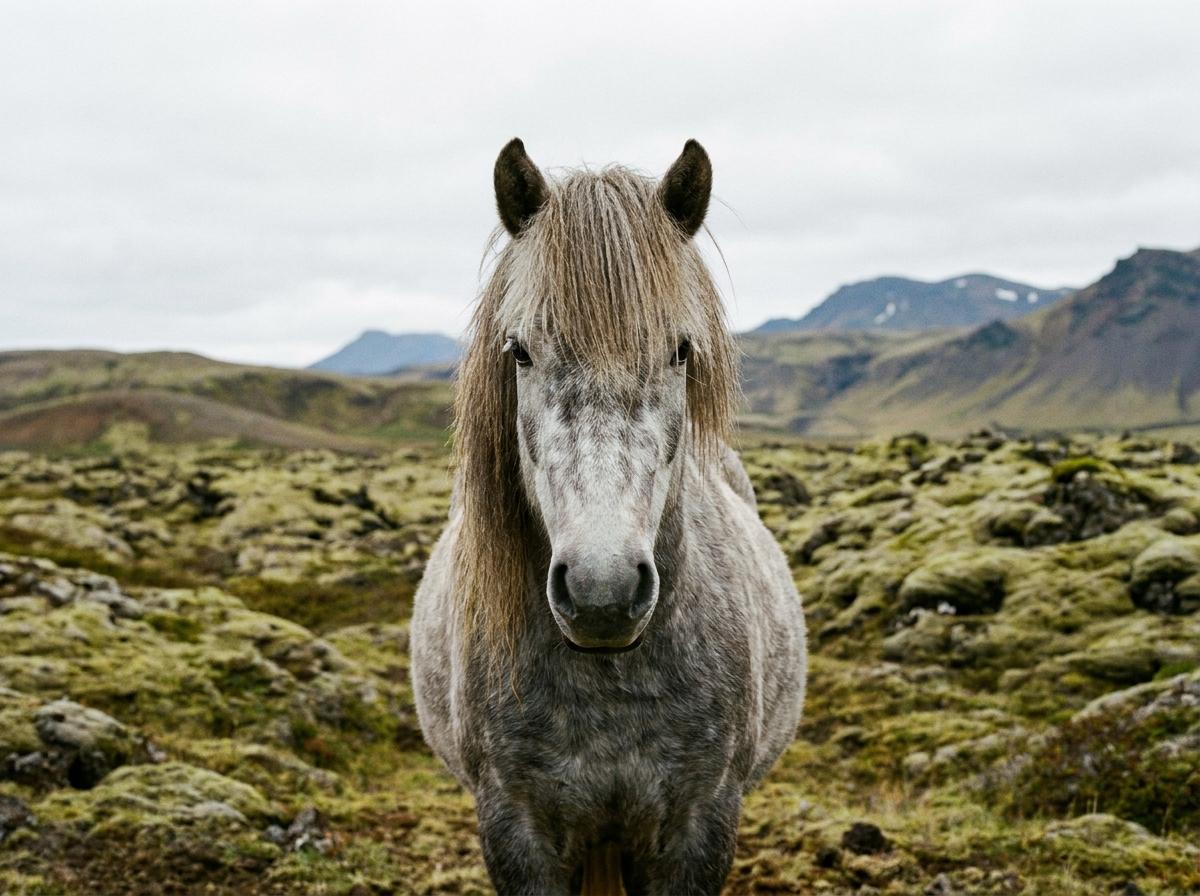
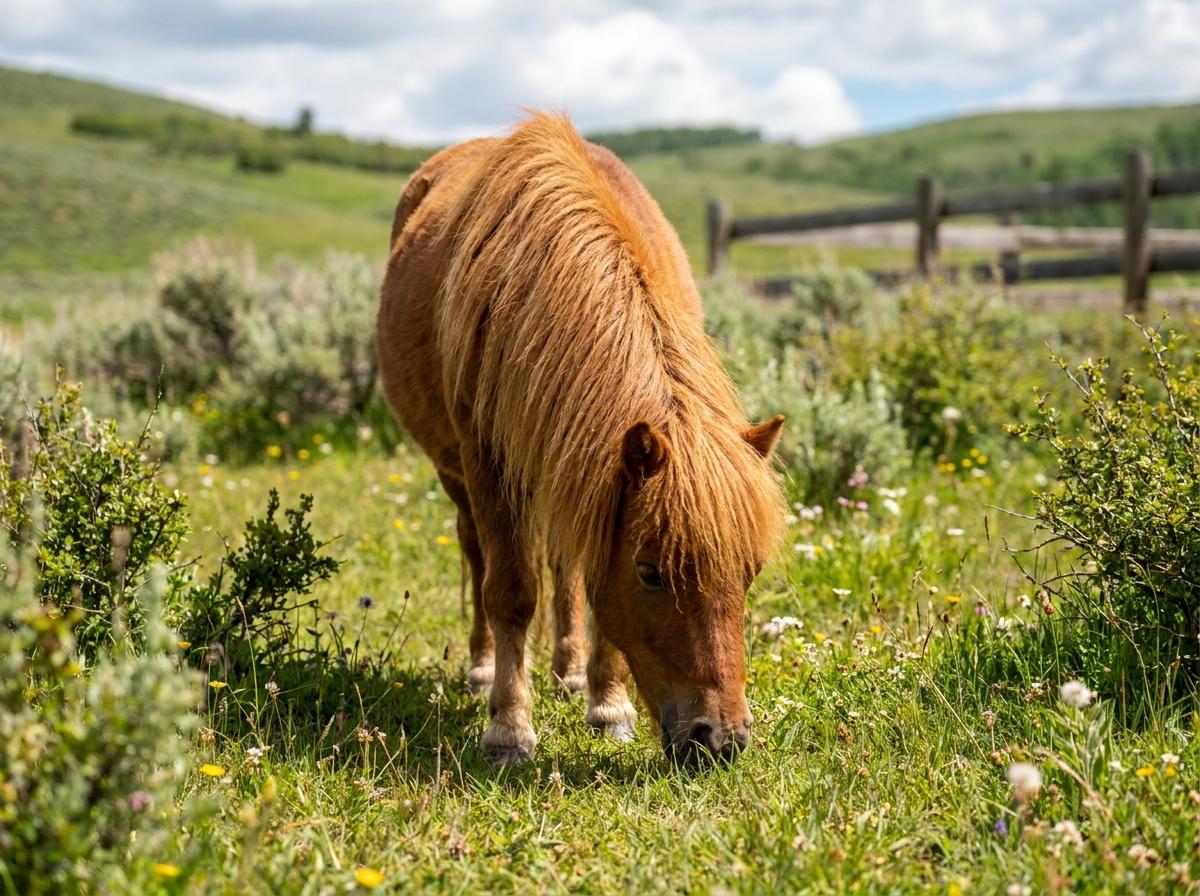
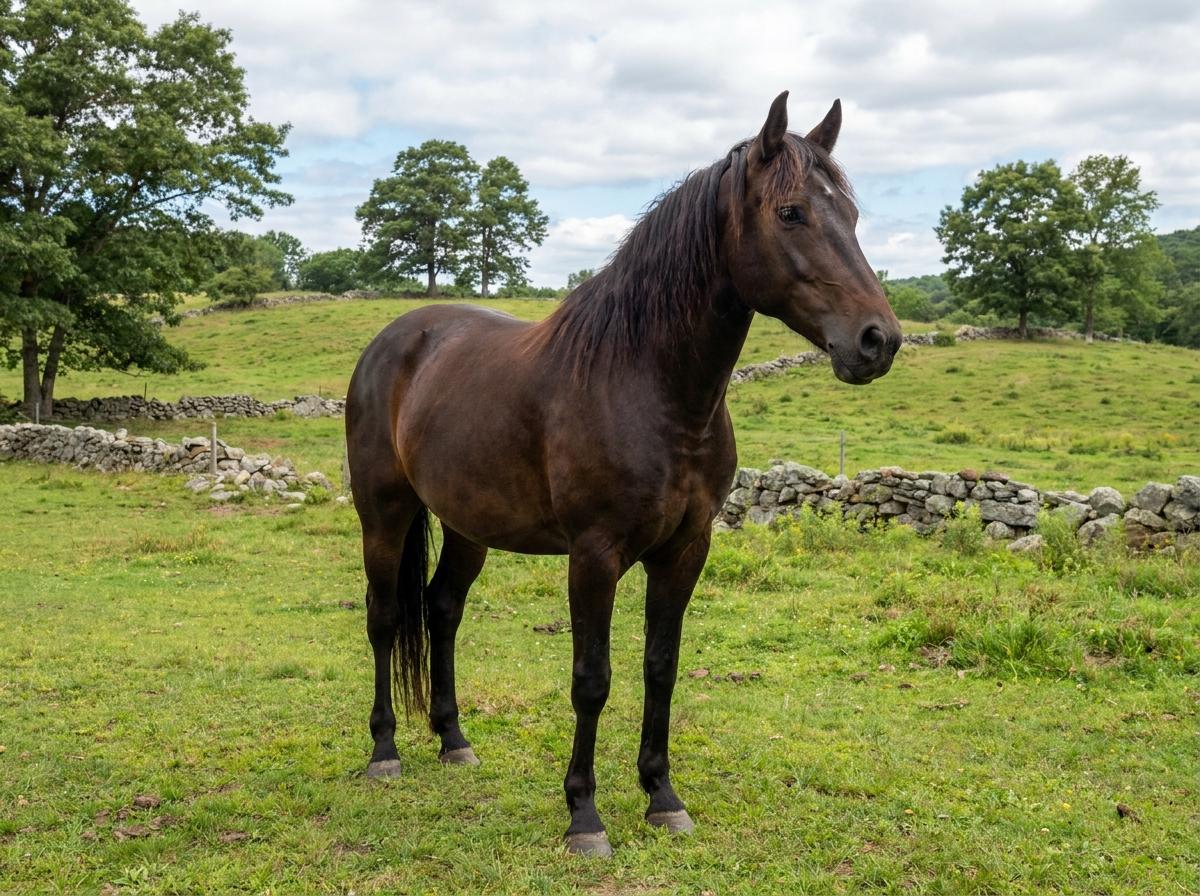
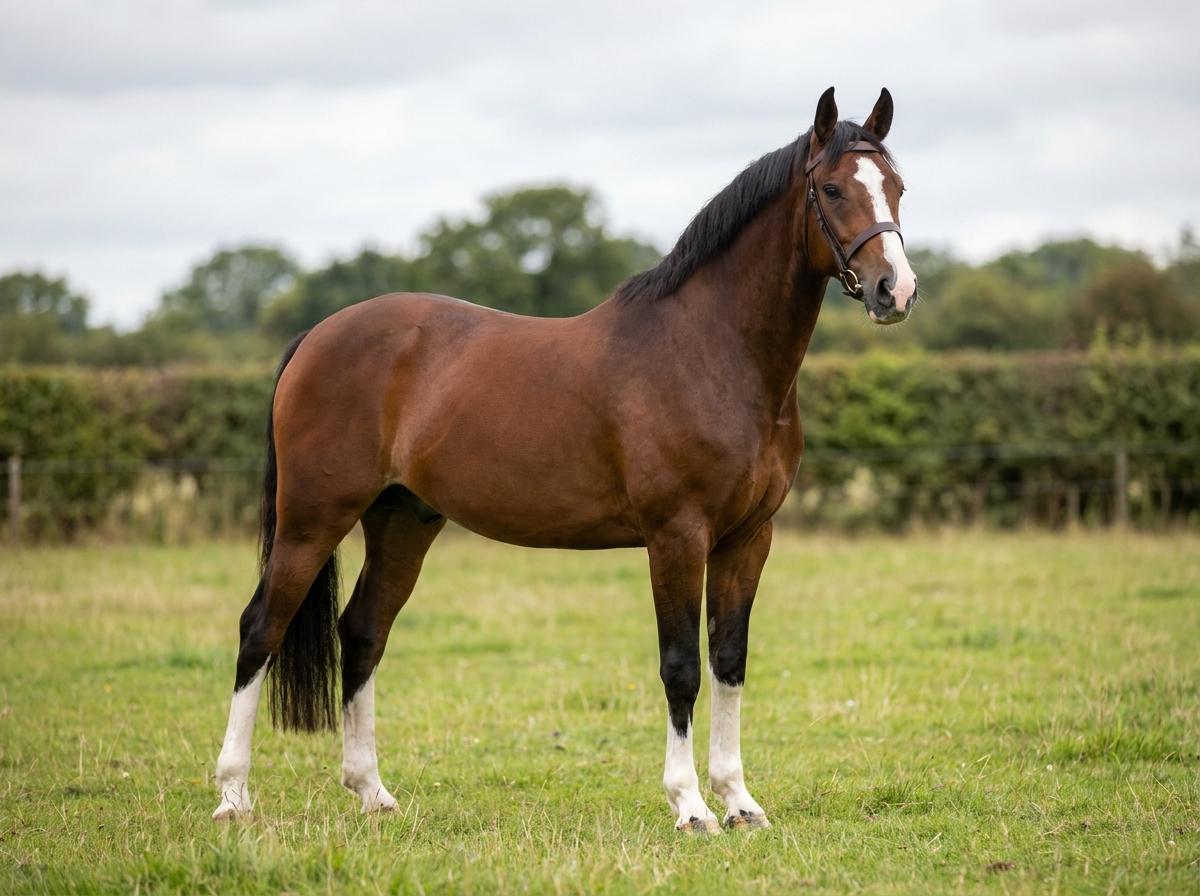
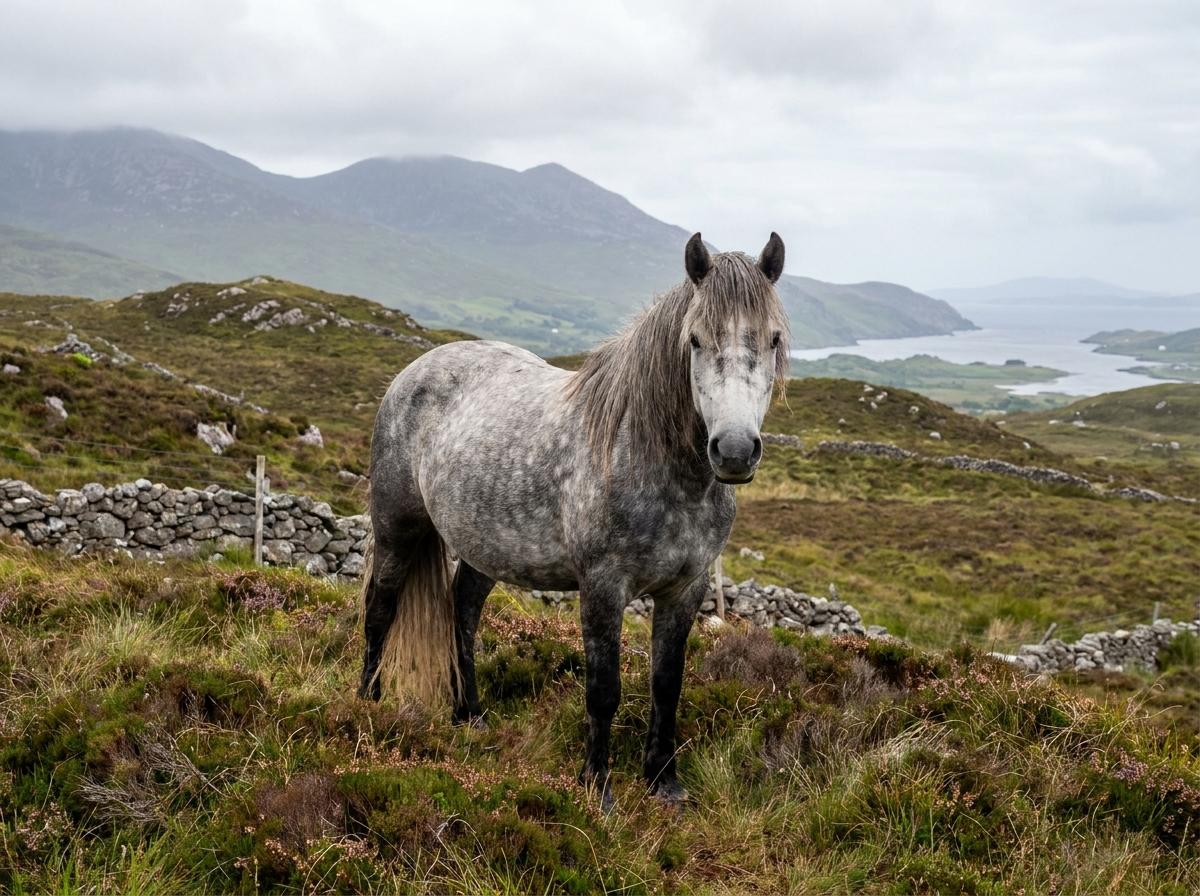
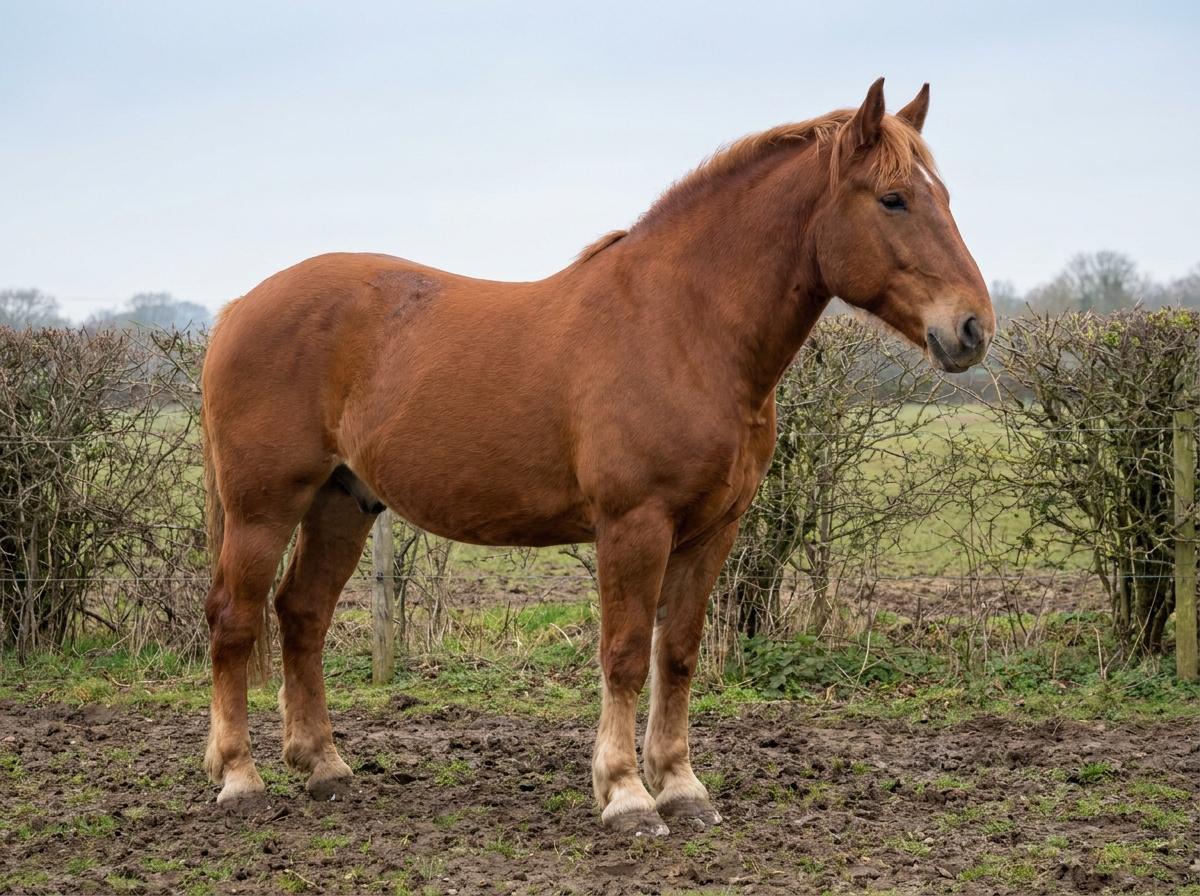
Colors: Amber Champagne, Bay, Bay Dun, Bay Roan, Black, Blanket Appaloosa, Blue Roan, Brown, Buckskin, Champagne, Chestnut, Classic Champagne, Cremello, Dun, Dun Roan, Fewspot Appaloosa, Flaxen Chestnut, Frame Overo, Gold Champagne, Gray, Grey, Grullo, Leopard Appaloosa, Liver Chestnut, Overo, Palomino, Perlino, Piebald, Pinto, Rabicano, Red Dun, Red Roan, Roan, Sabino, Seal Bay, Silver Dapple, Skewbald, Smoky Black, Smoky Cream, Snowcap Appaloosa, Sorrel, Splash White, Tobiano, Tovero, Varnish Roan, White