


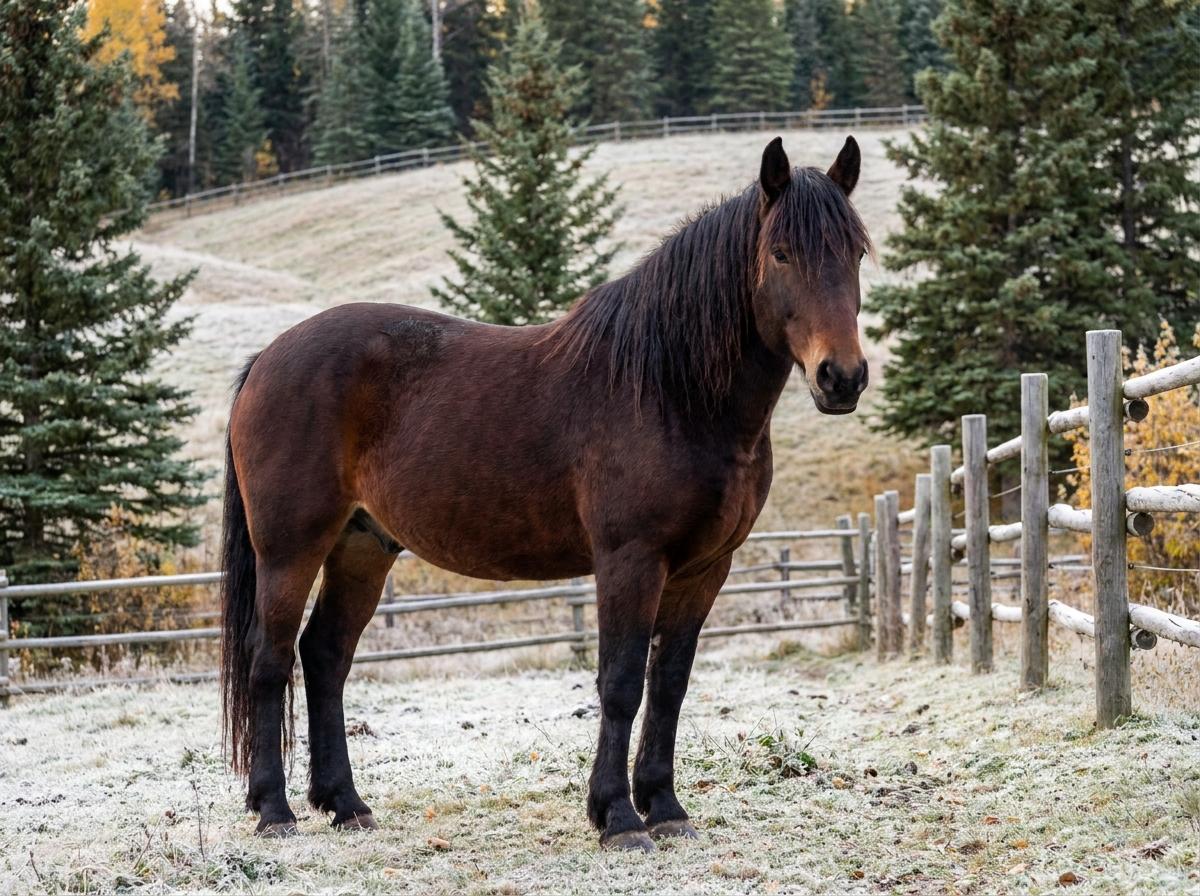
Canadian Horse
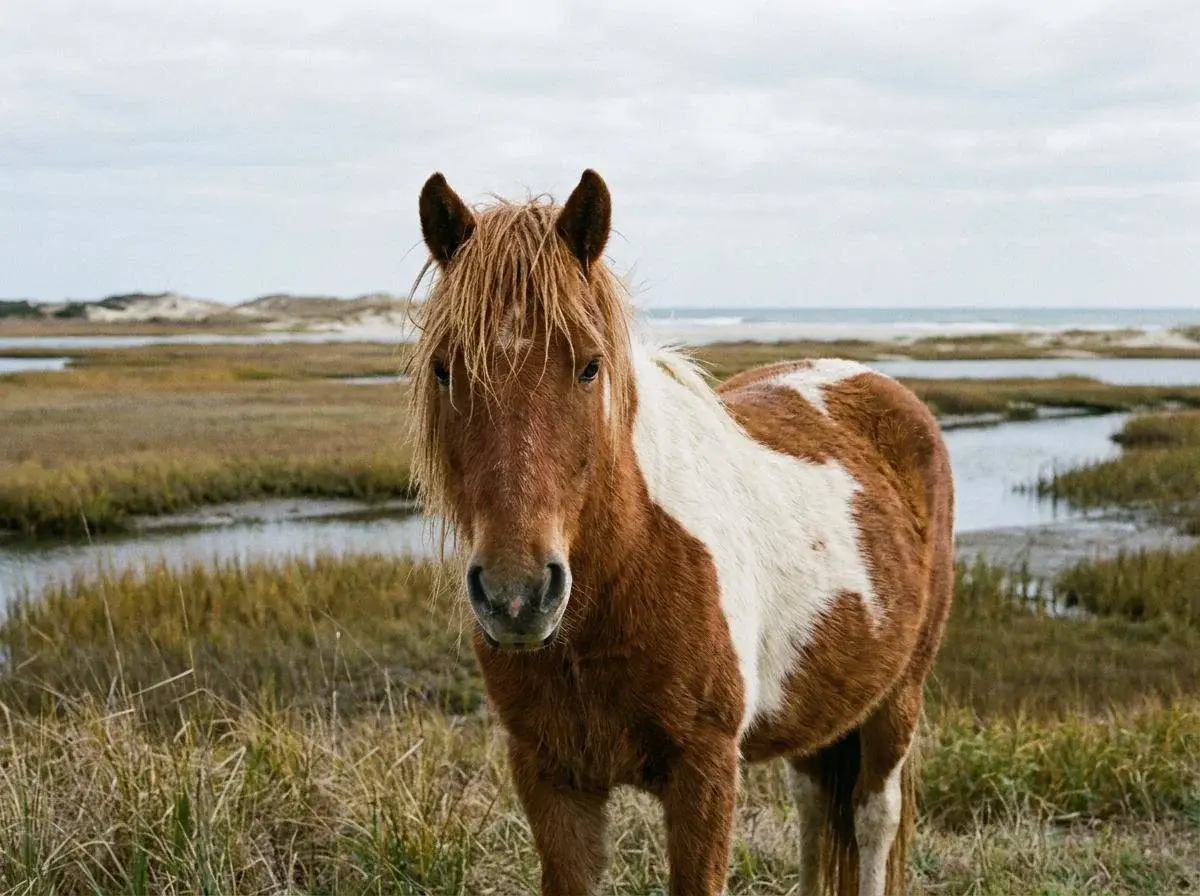
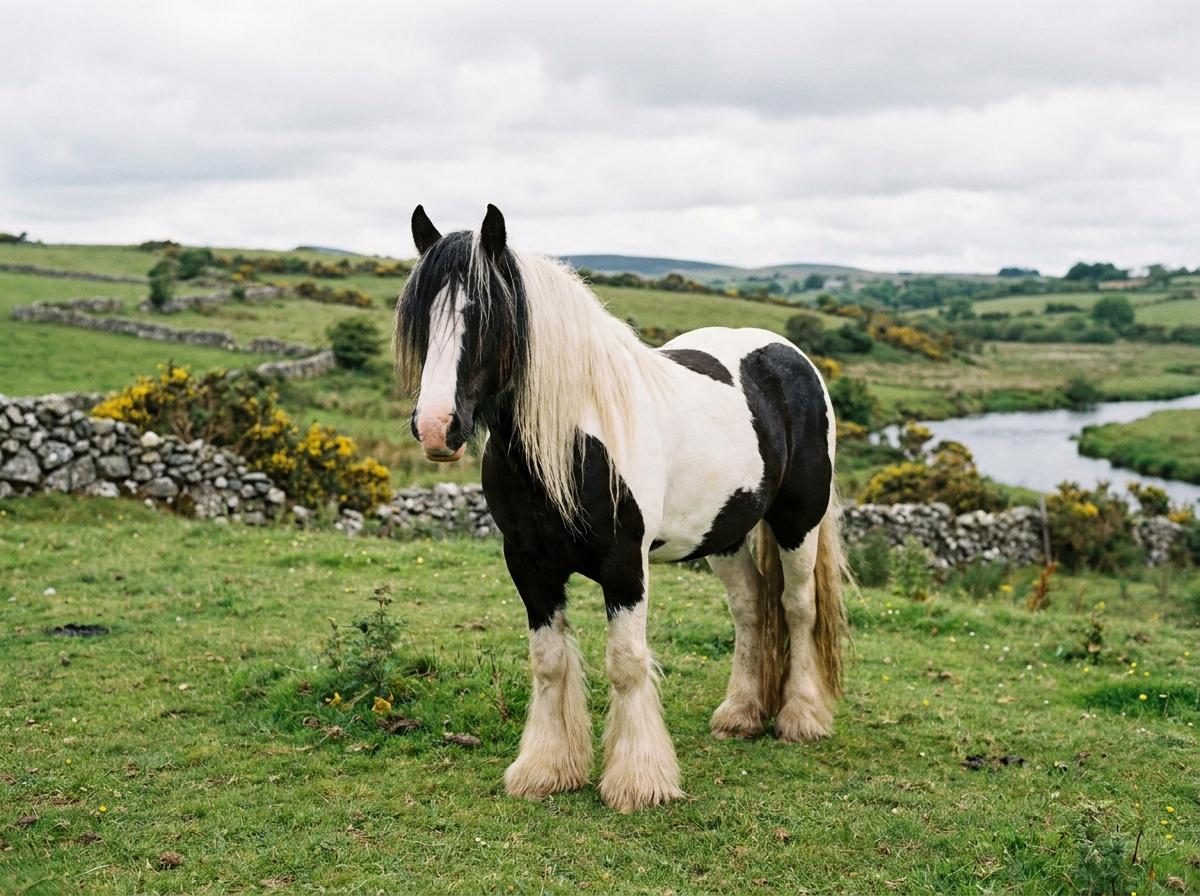
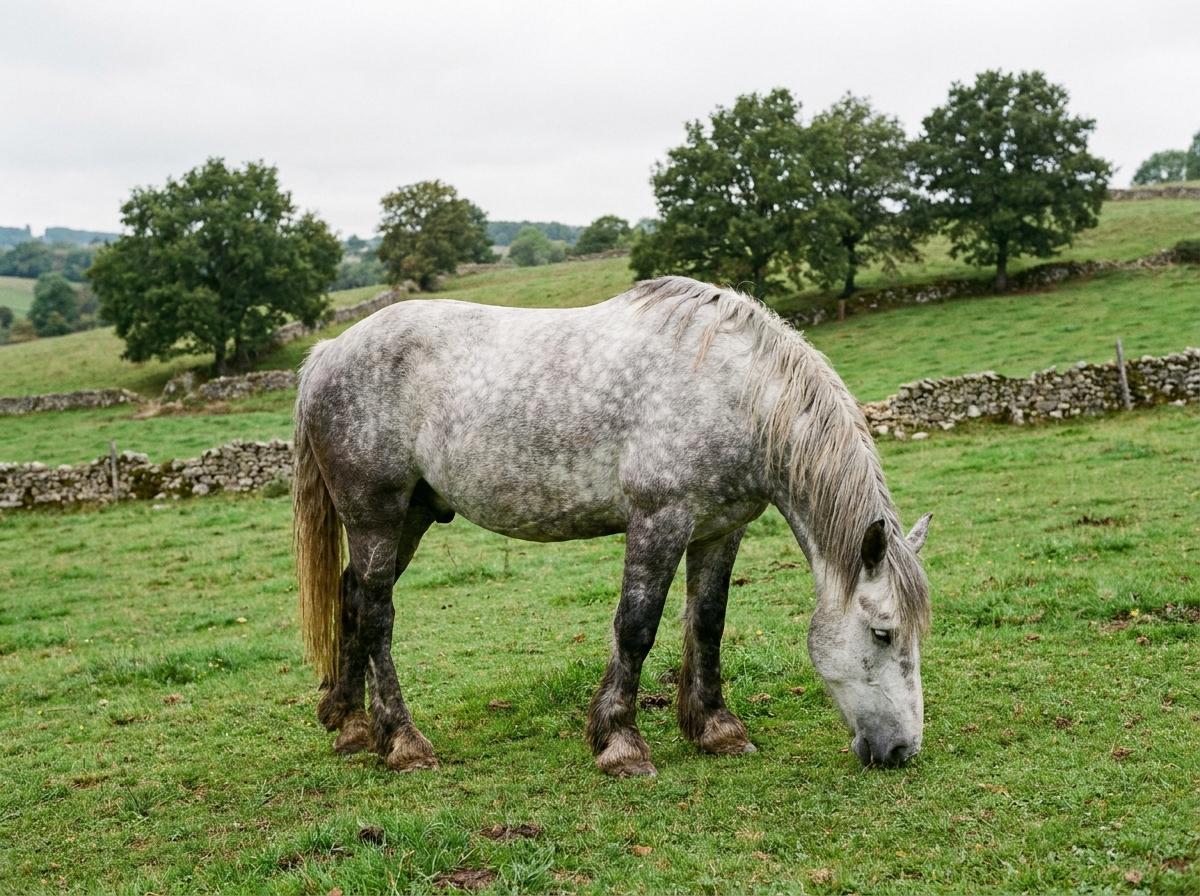
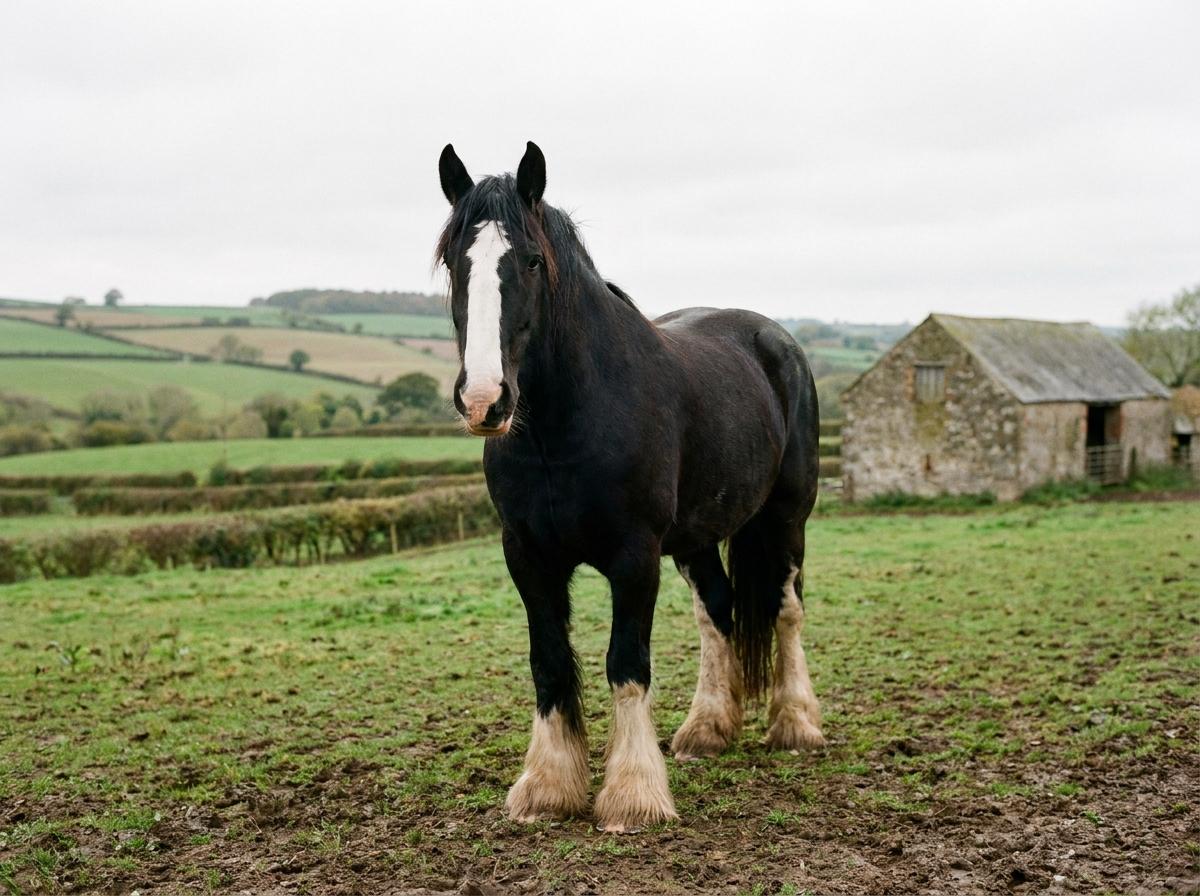
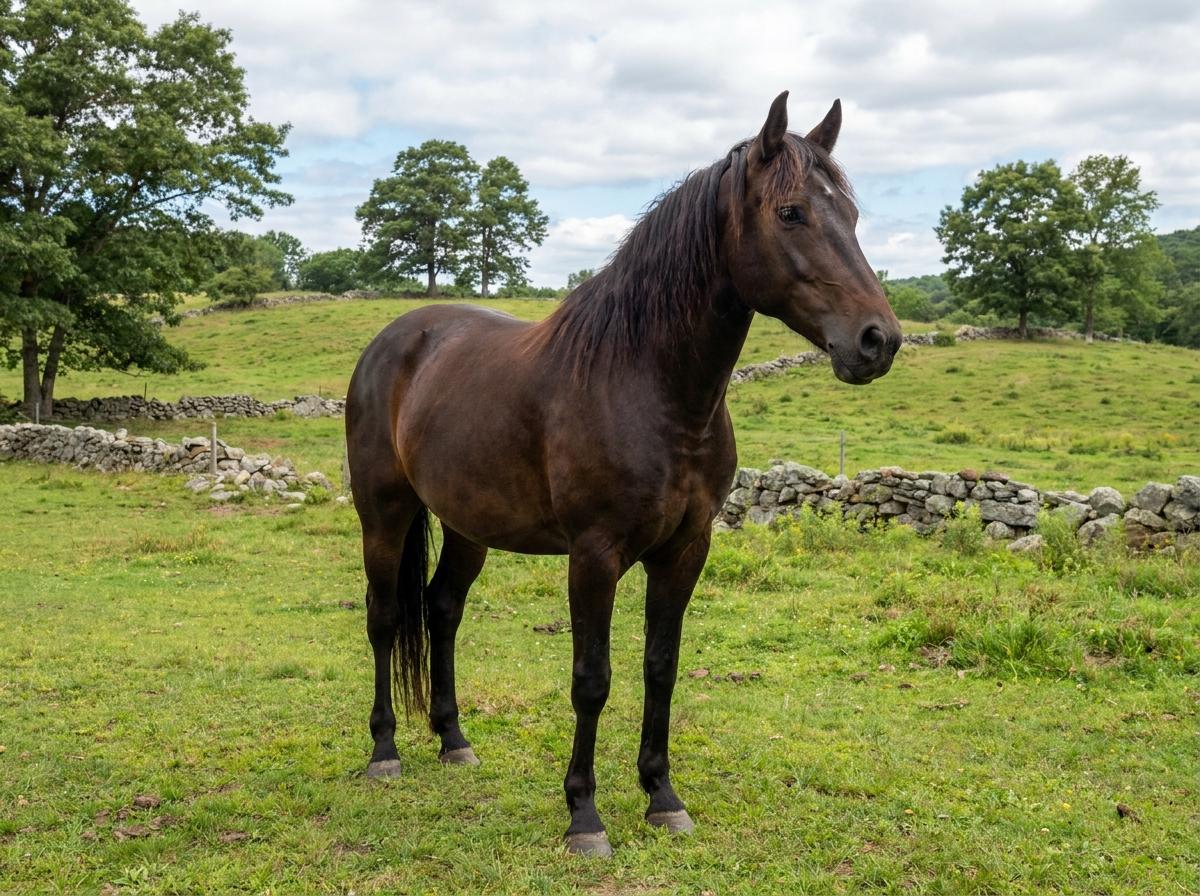
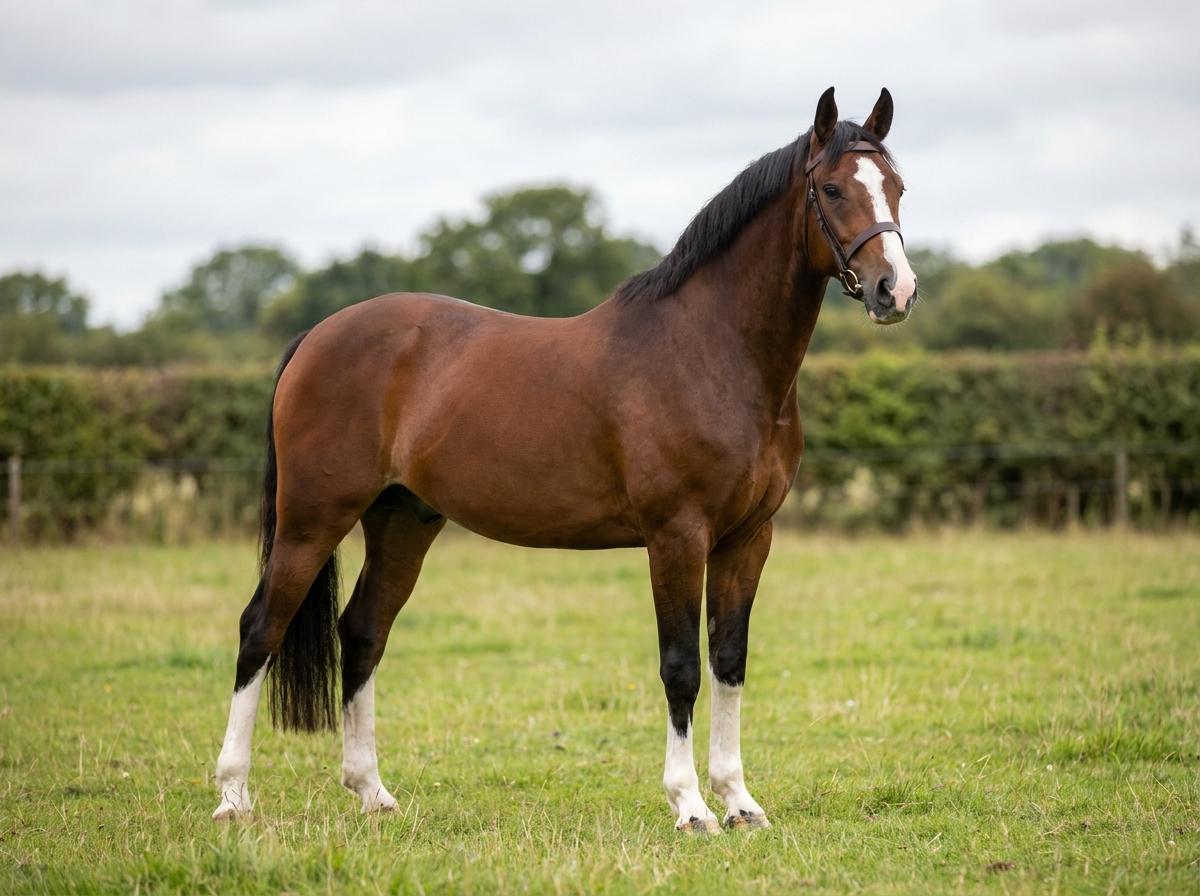
Canada's historic light horse breed, the Canadian Horse descends mainly from French horses sent to New France in the seventeenth century and then selected for hard work in a cold, resource-scarce colony. Often called the Little Iron Horse, it is compact, muscular, and deep-bodied, with a strong neck, dense mane and tail, and dark colors such as black, bay, and brown common in many lines. Its influence can be seen in several North American horse populations, but it remains a distinct breed.
Canadian Horses are used for driving, trail riding, farm work, lower-level sport, and heritage demonstrations. Many are easy keepers, which is useful in winter climates but can lead to excess weight on lush pasture. Regular handling, turnout, hoof care, and a workload suited to the individual keep them sound and manageable. Because the breed has a comparatively small modern population, breeders pay close attention to pedigrees, genetic diversity, and preservation of the traditional all-purpose type. For a new owner, correct registration and a temperament that matches the intended job are more informative than color alone.
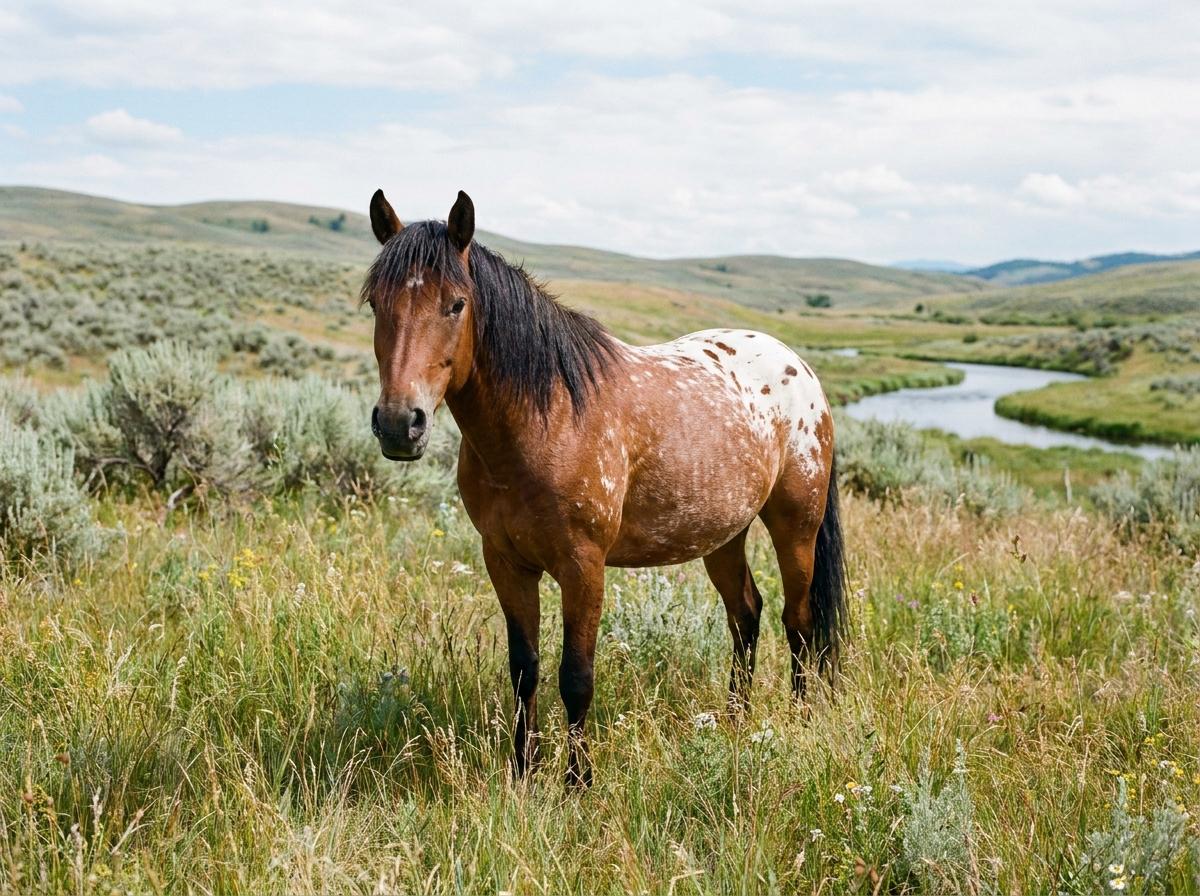
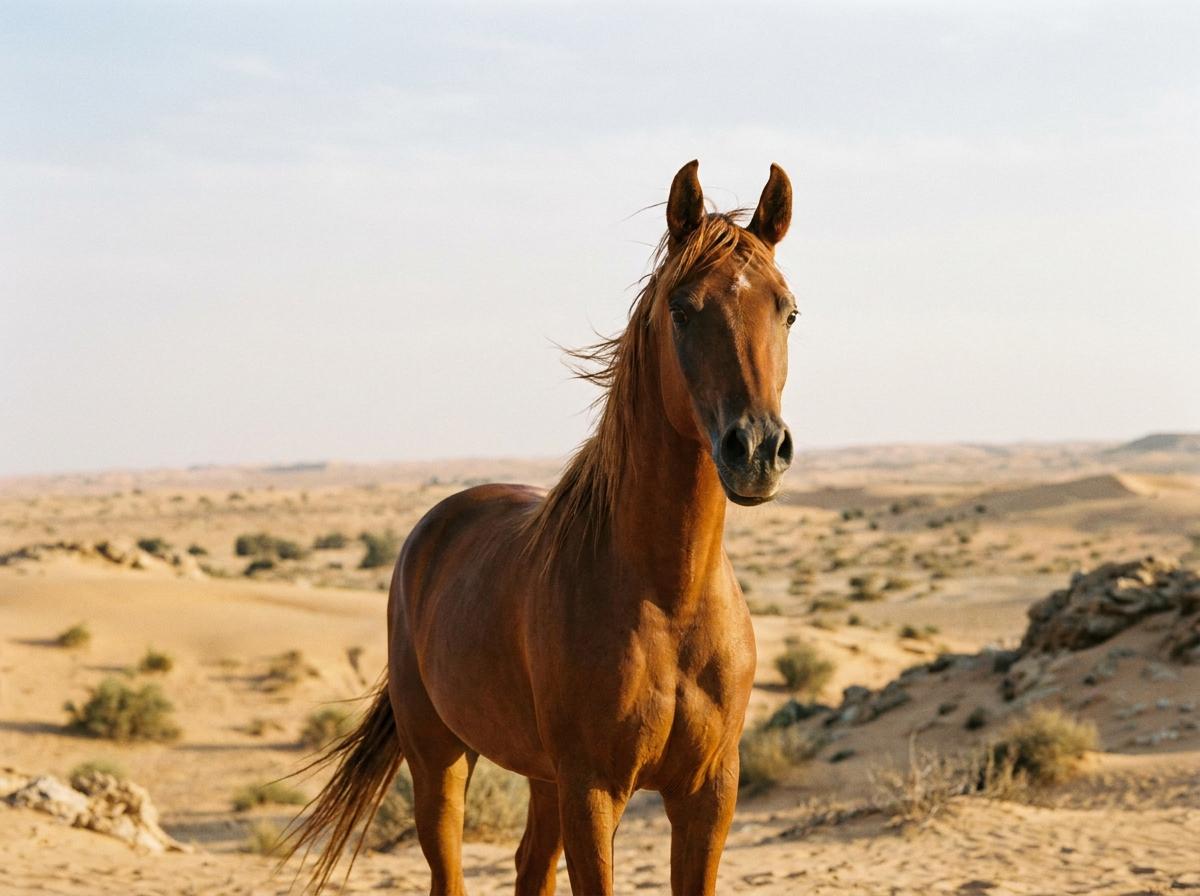
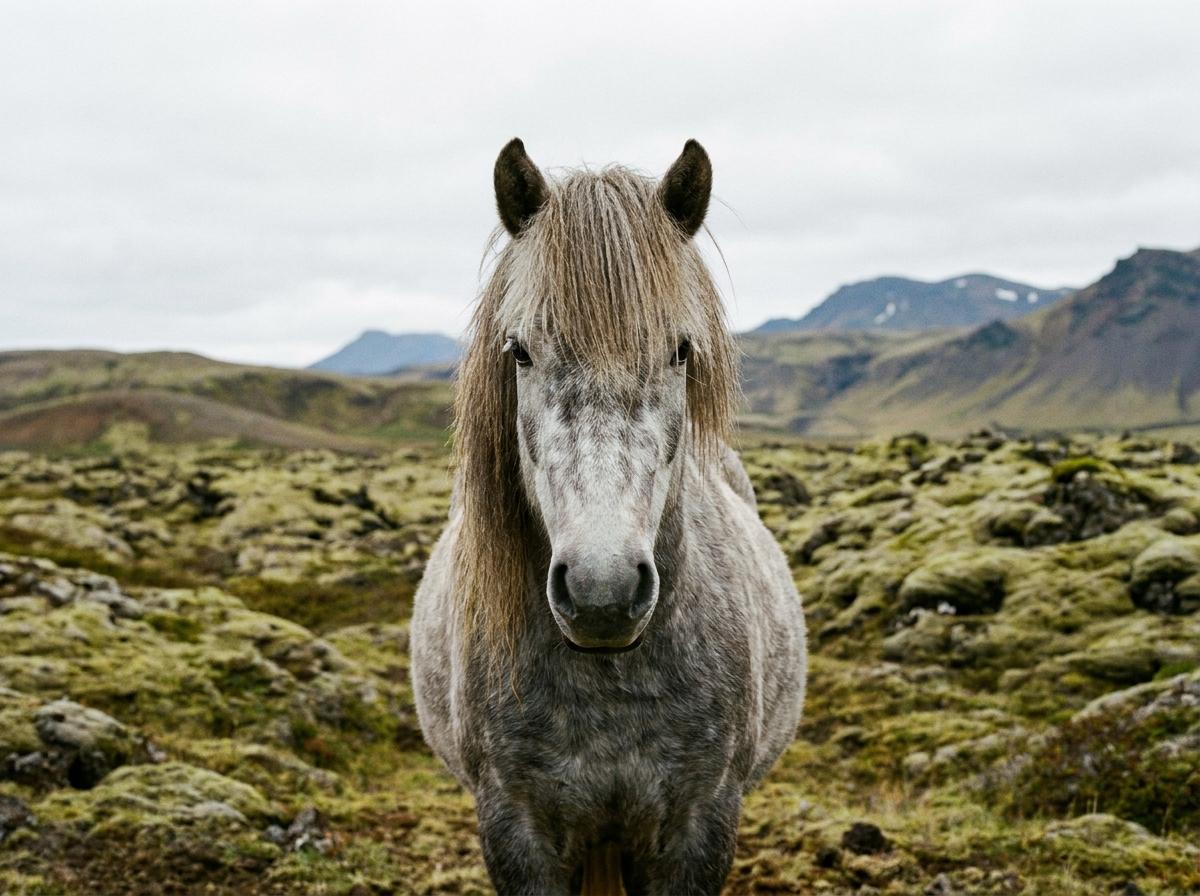
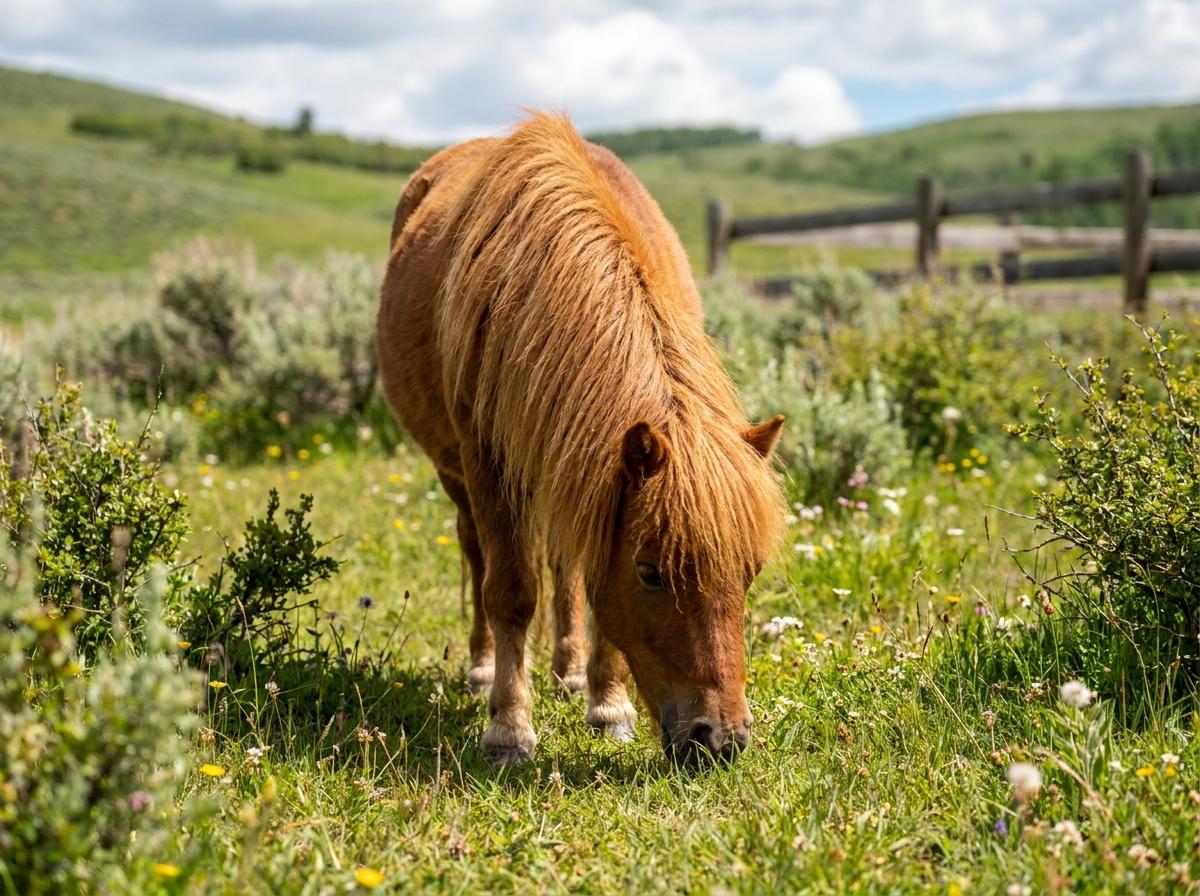
Colors: Amber Champagne, Bay, Bay Dun, Bay Roan, Black, Blanket Appaloosa, Blue Roan, Brown, Buckskin, Champagne, Chestnut, Classic Champagne, Cremello, Dun, Dun Roan, Fewspot Appaloosa, Flaxen Chestnut, Frame Overo, Gold Champagne, Gray, Grullo, Leopard Appaloosa, Liver Chestnut, Overo, Palomino, Perlino, Piebald, Pinto, Rabicano, Red Dun, Red Roan, Roan, Sabino, Seal Bay, Silver Dapple, Skewbald, Smoky Black, Smoky Cream, Snowcap Appaloosa, Sorrel, Splash White, Tobiano, Tovero, Varnish Roan, White