




Chaidamu Horse
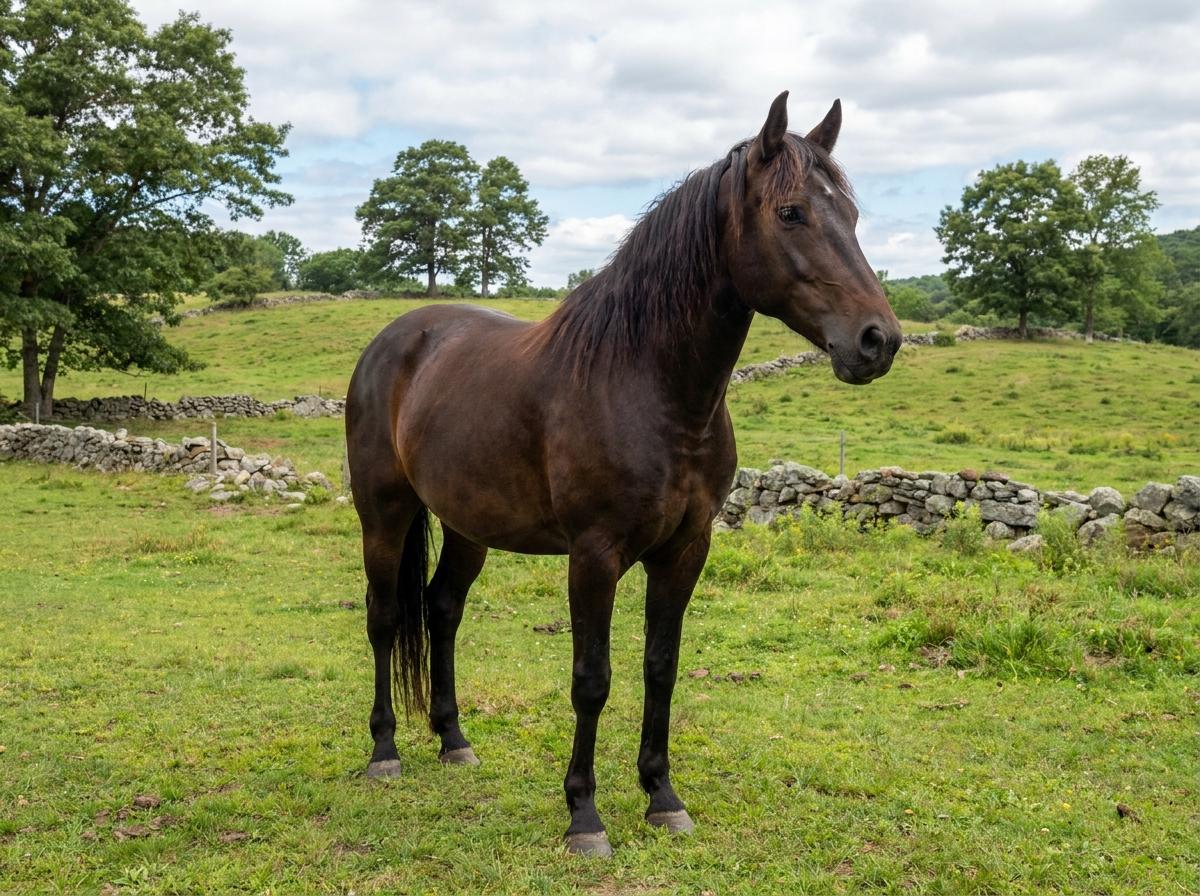
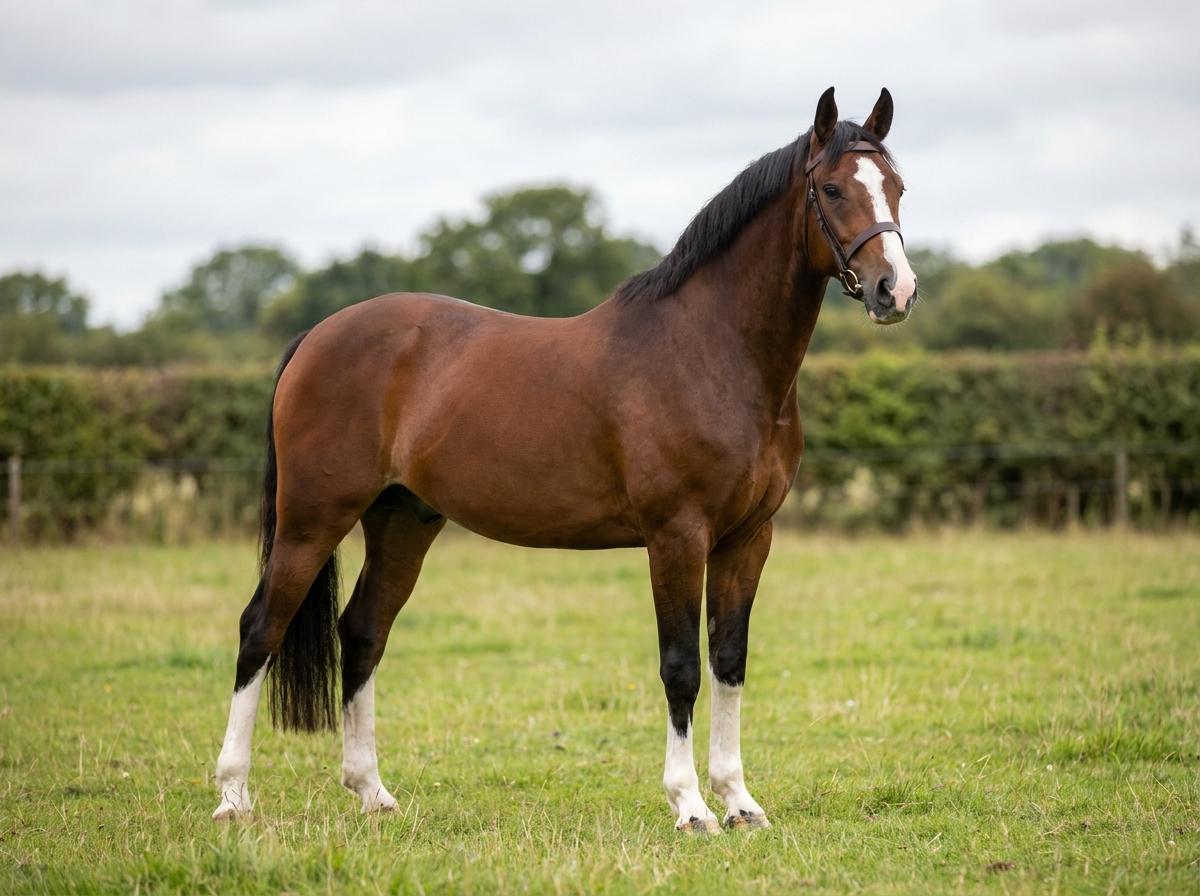
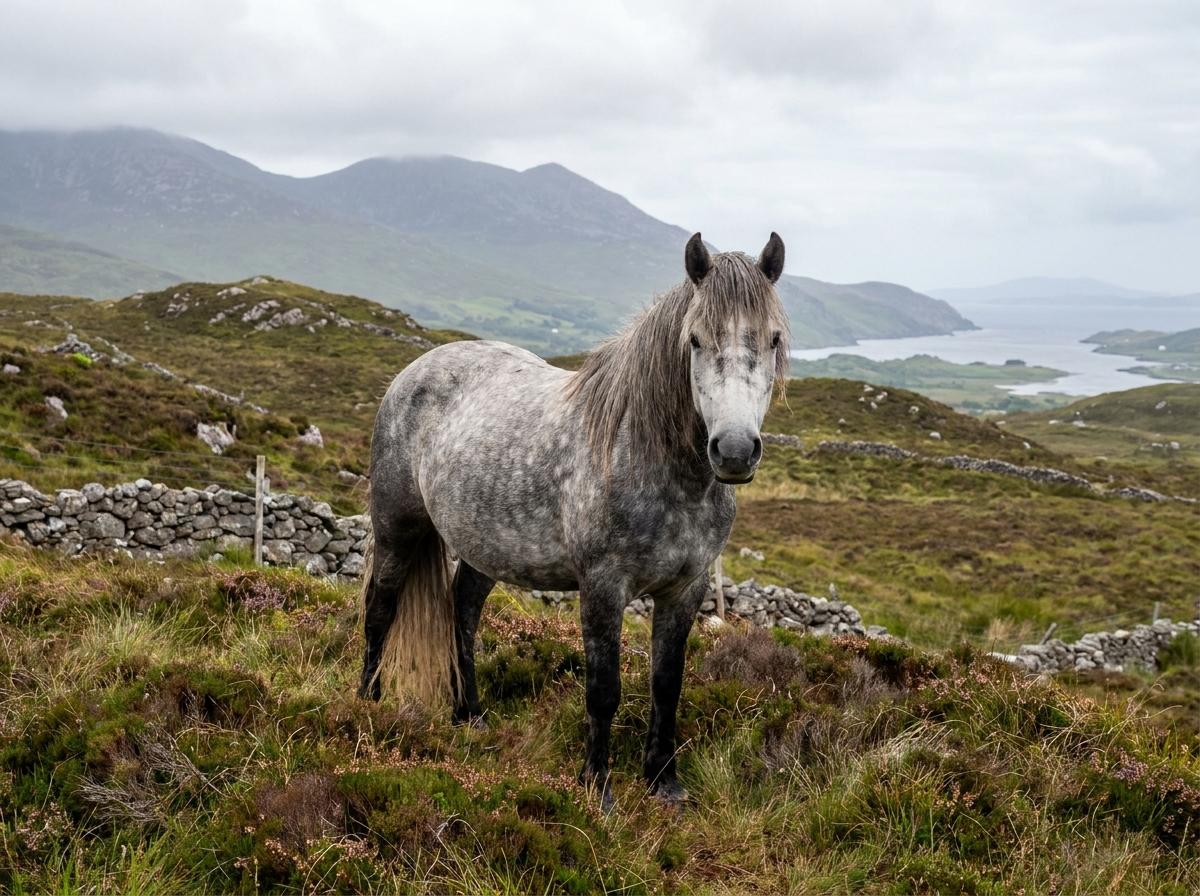
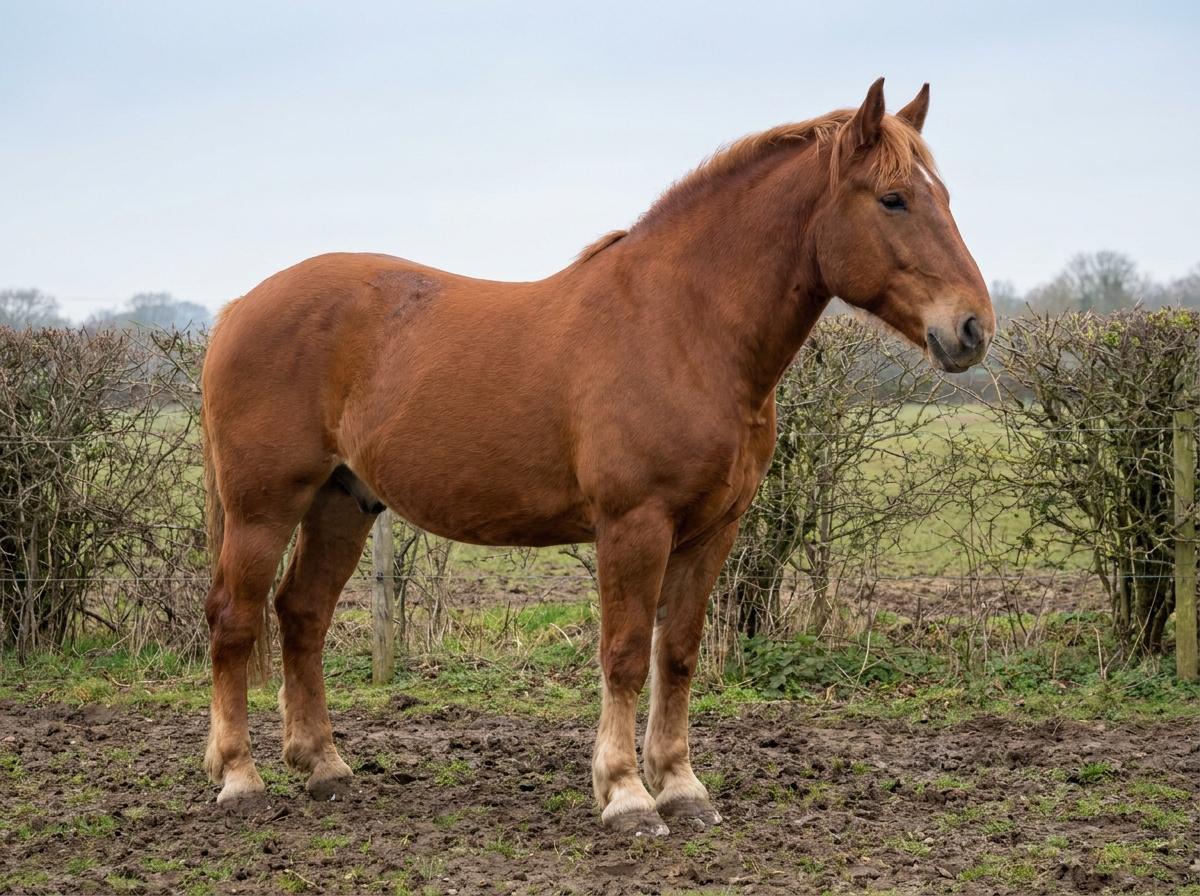
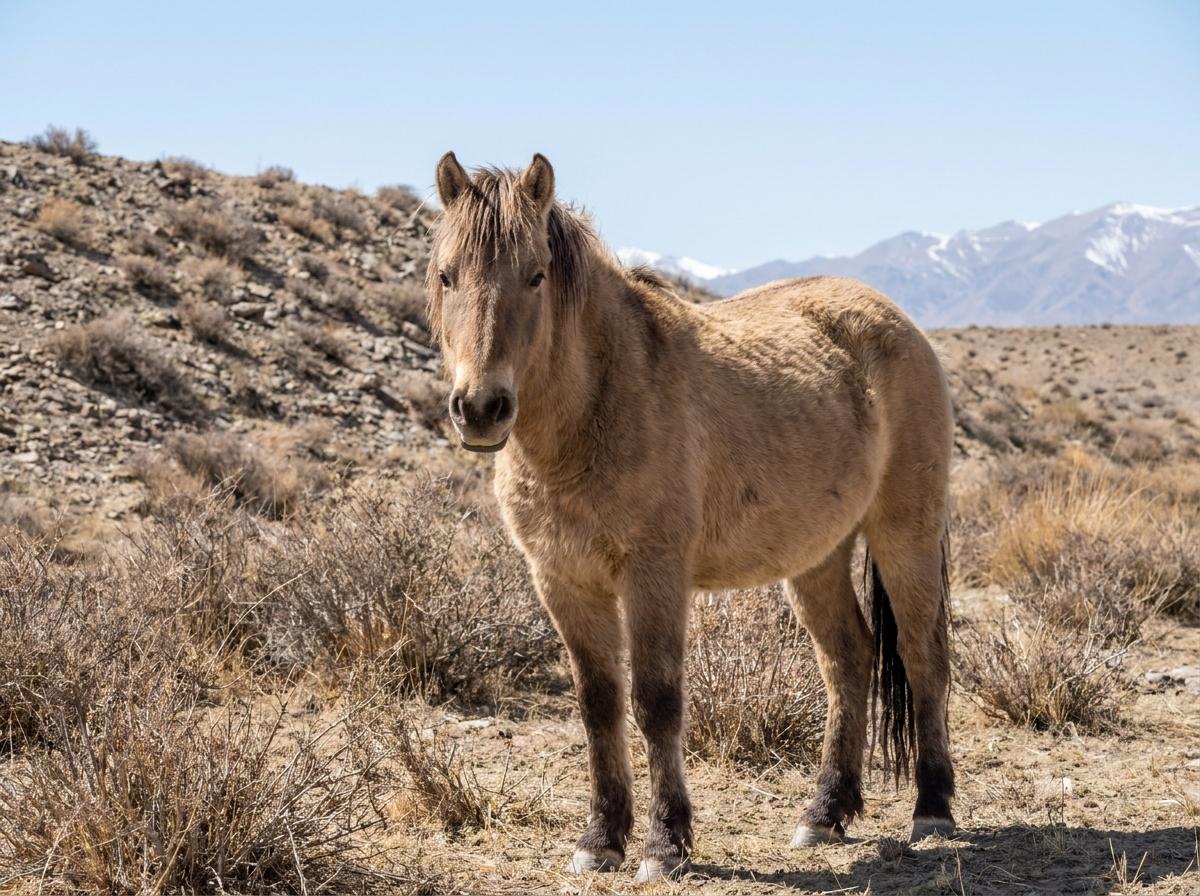
The Chaidamu horse, also associated with the Qaidam or Chaidamu Basin of Qinghai, is a local Chinese horse adapted to high, dry country on the northeastern Tibetan Plateau. It is generally a small, tough riding and pack type rather than a large sport horse. The environment behind it is important: cold nights, thin air, open steppe, and long distances encouraged animals that could live economically, carry loads, and stay useful in pastoral communities.
Human use has traditionally centered on transport, herding, light agricultural work, and local riding where resilience matters more than speed or polish. Care for Chaidamu horses is best understood through that plateau background: adequate forage, protection from abrupt changes in feed, and attention to feet and breathing when moved to lower or wetter climates. Breeding decisions should preserve practical hardiness and regional identity, since small landrace populations can be diluted when crossed without a plan.
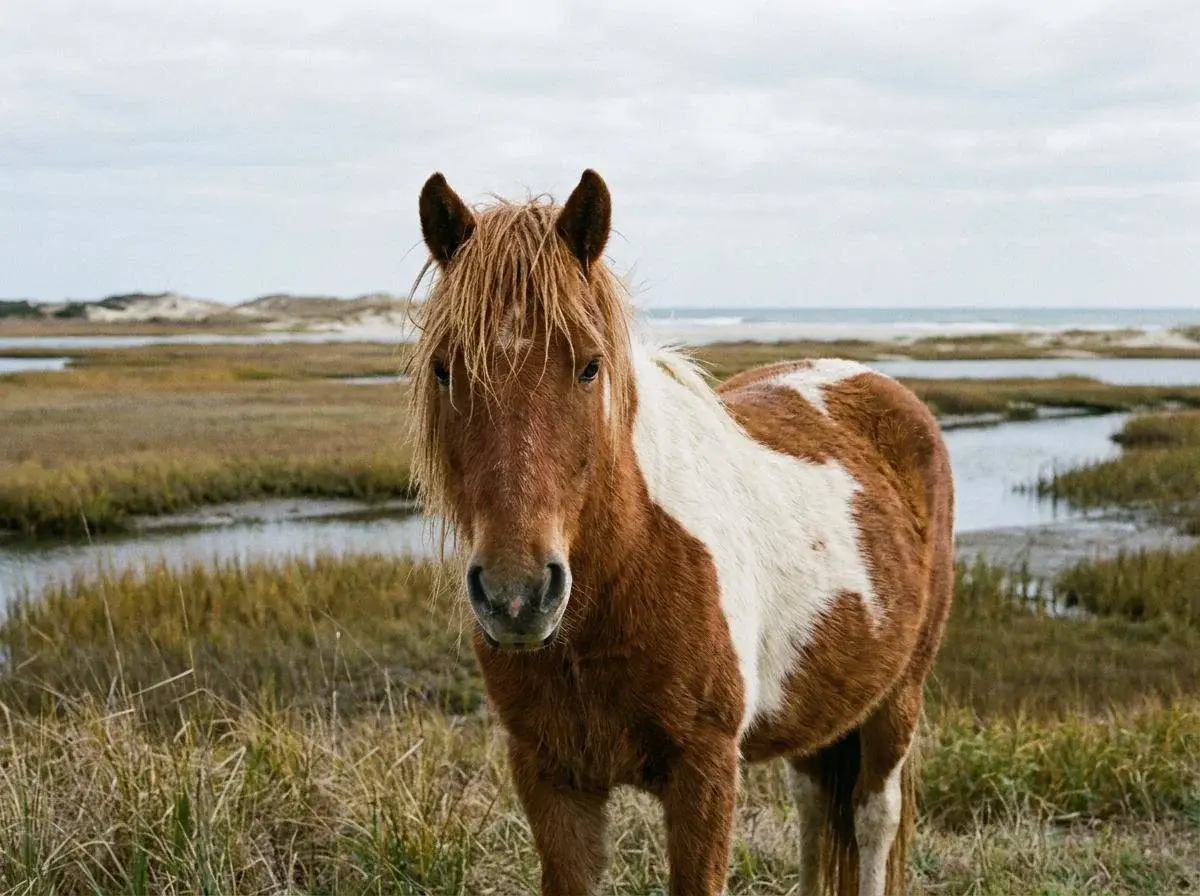
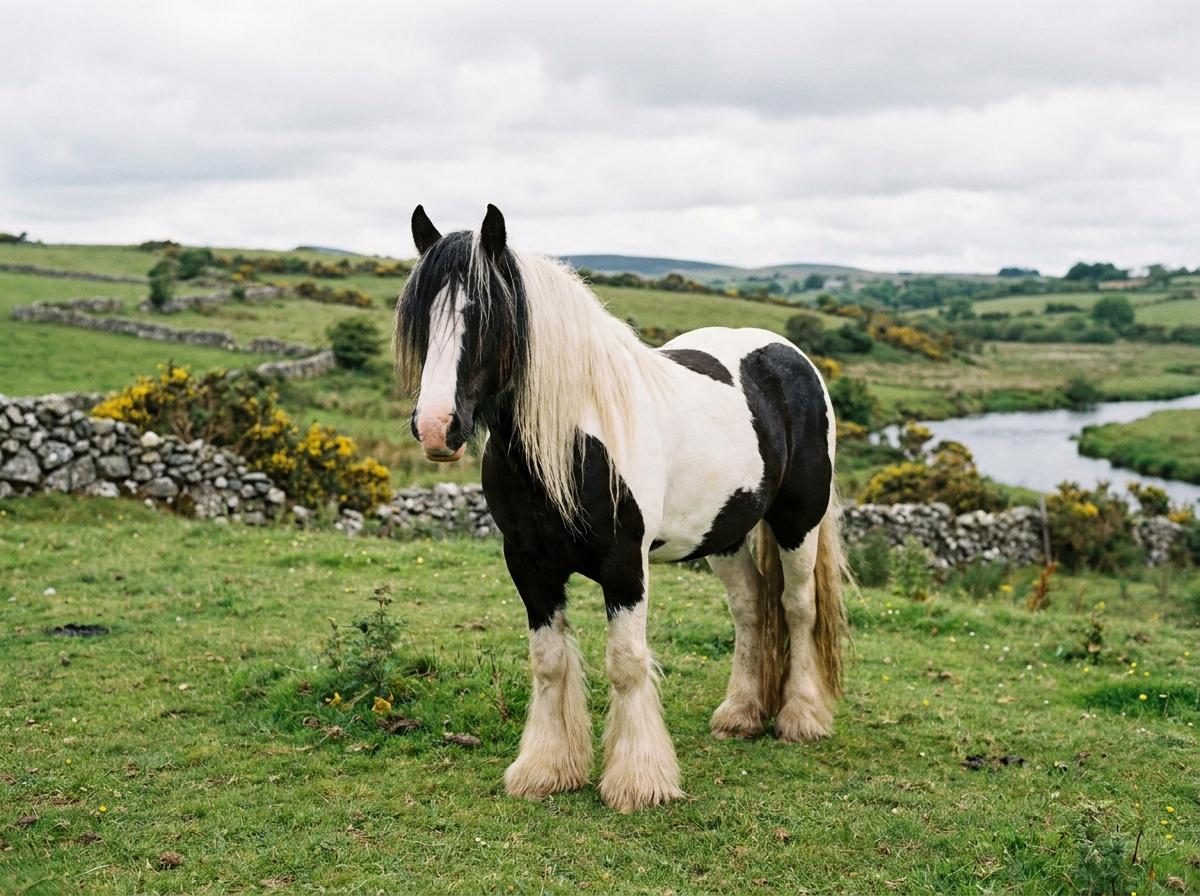
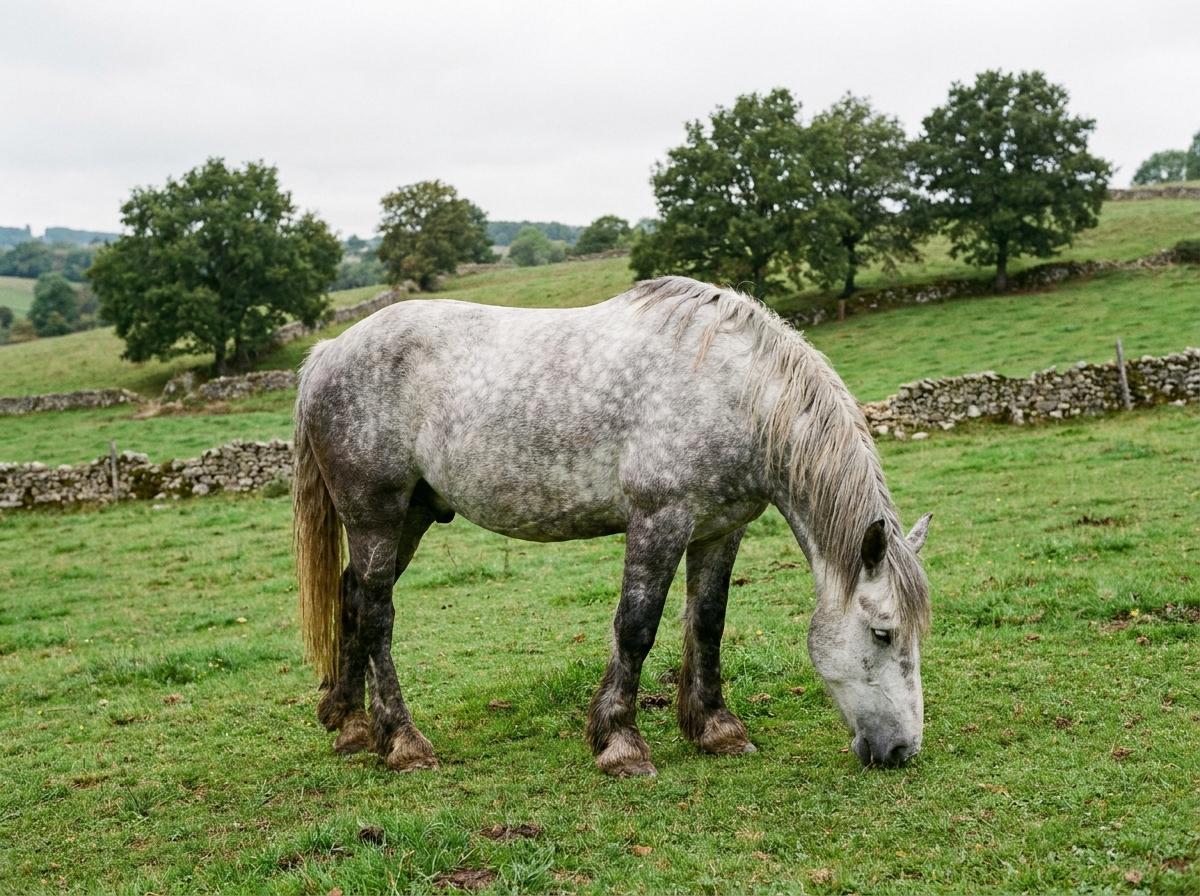
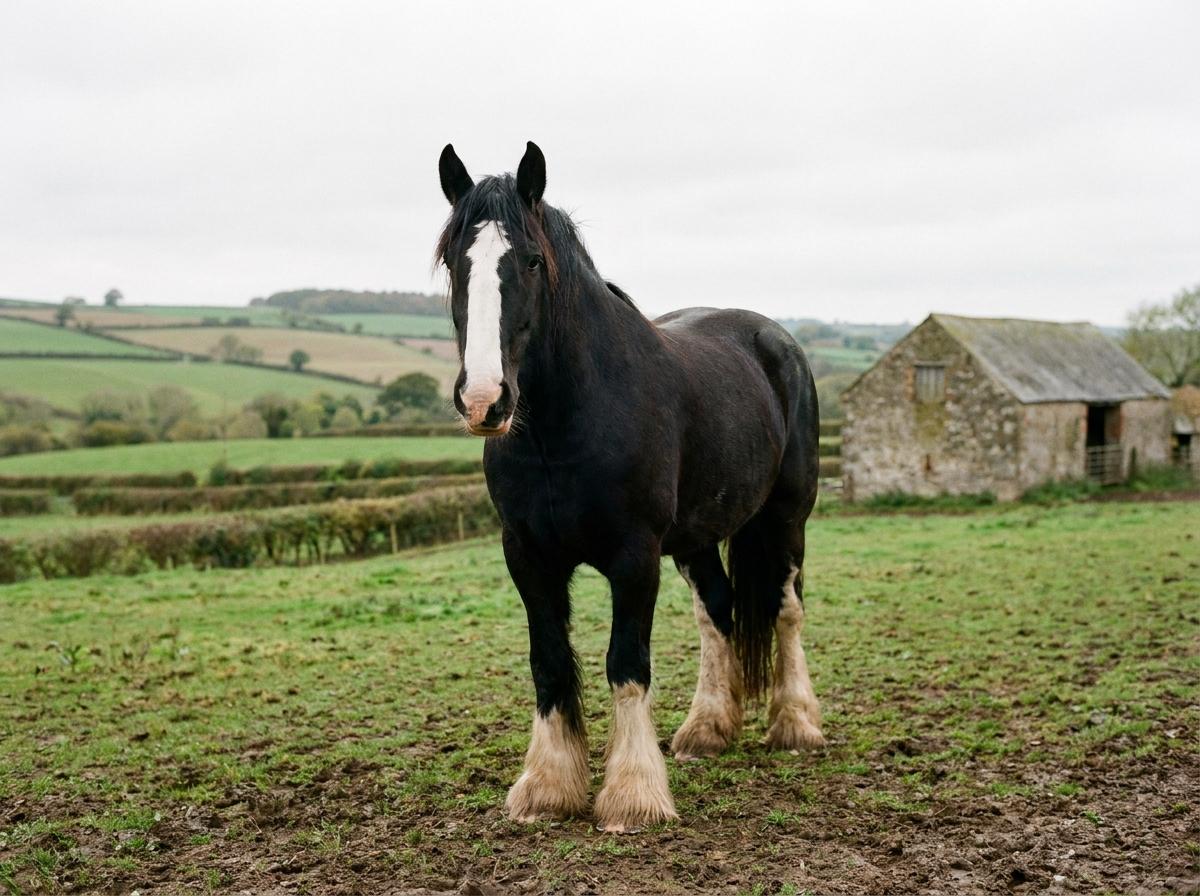
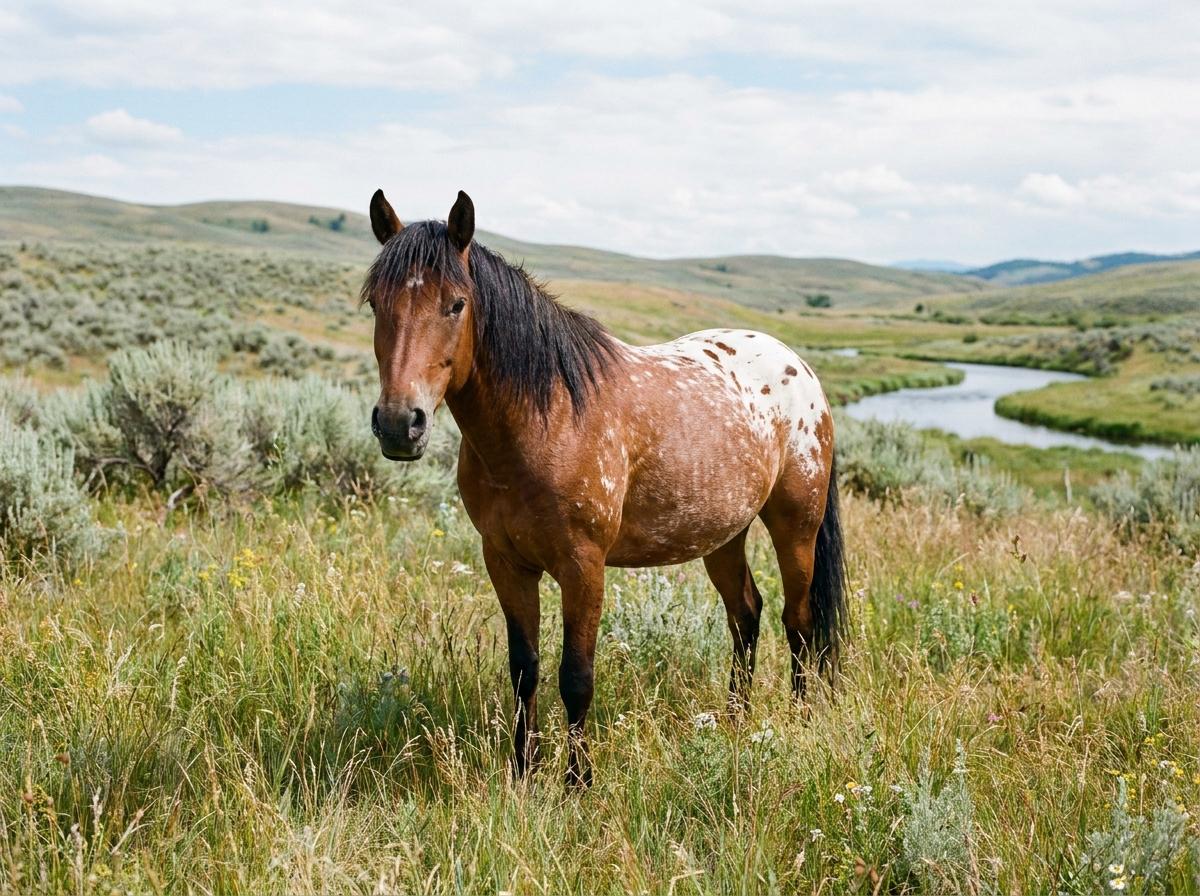
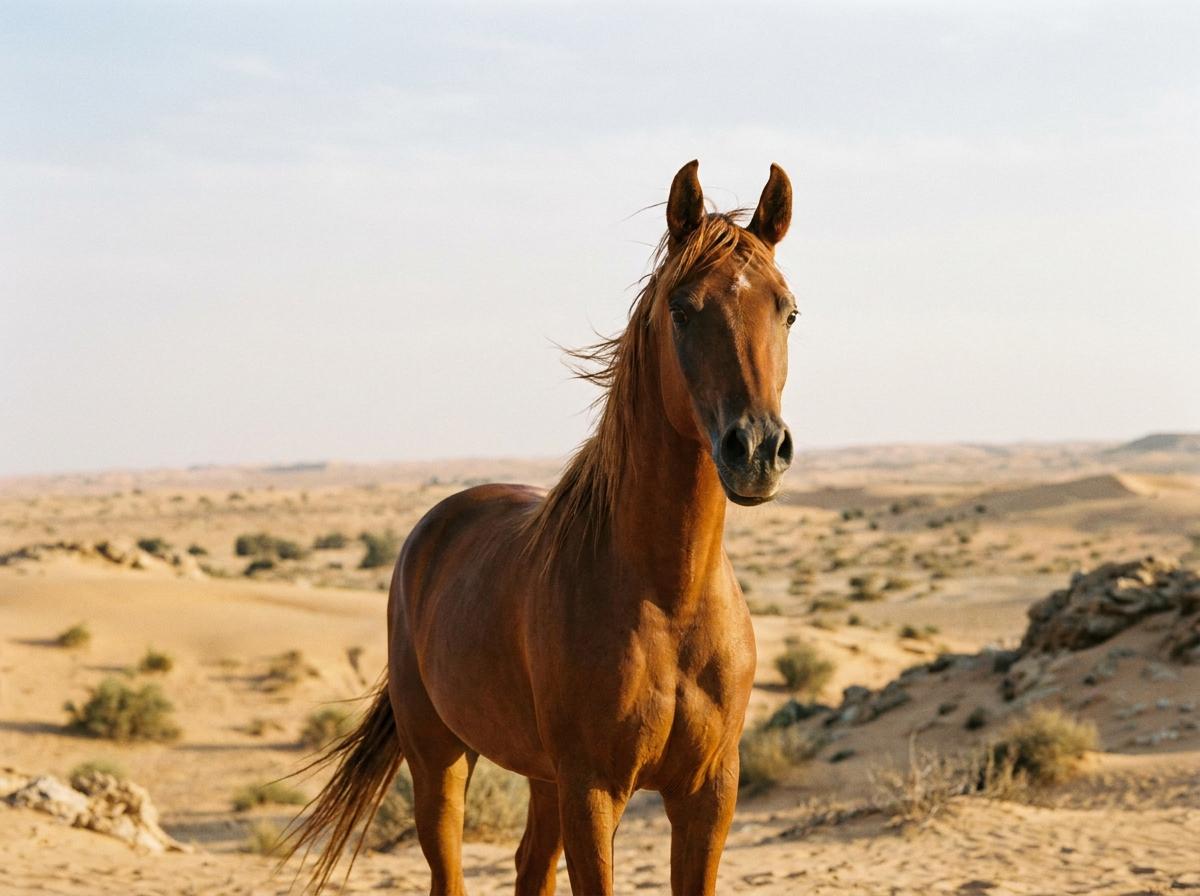
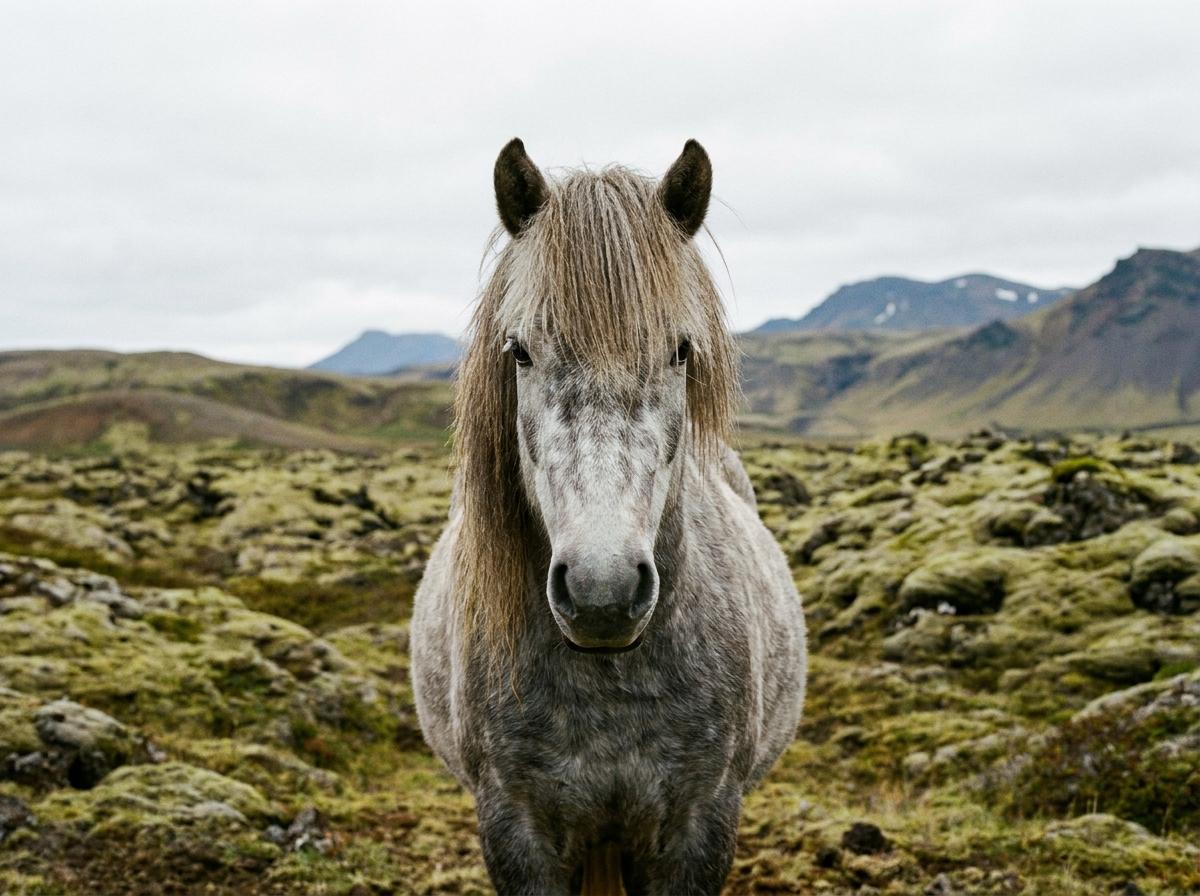
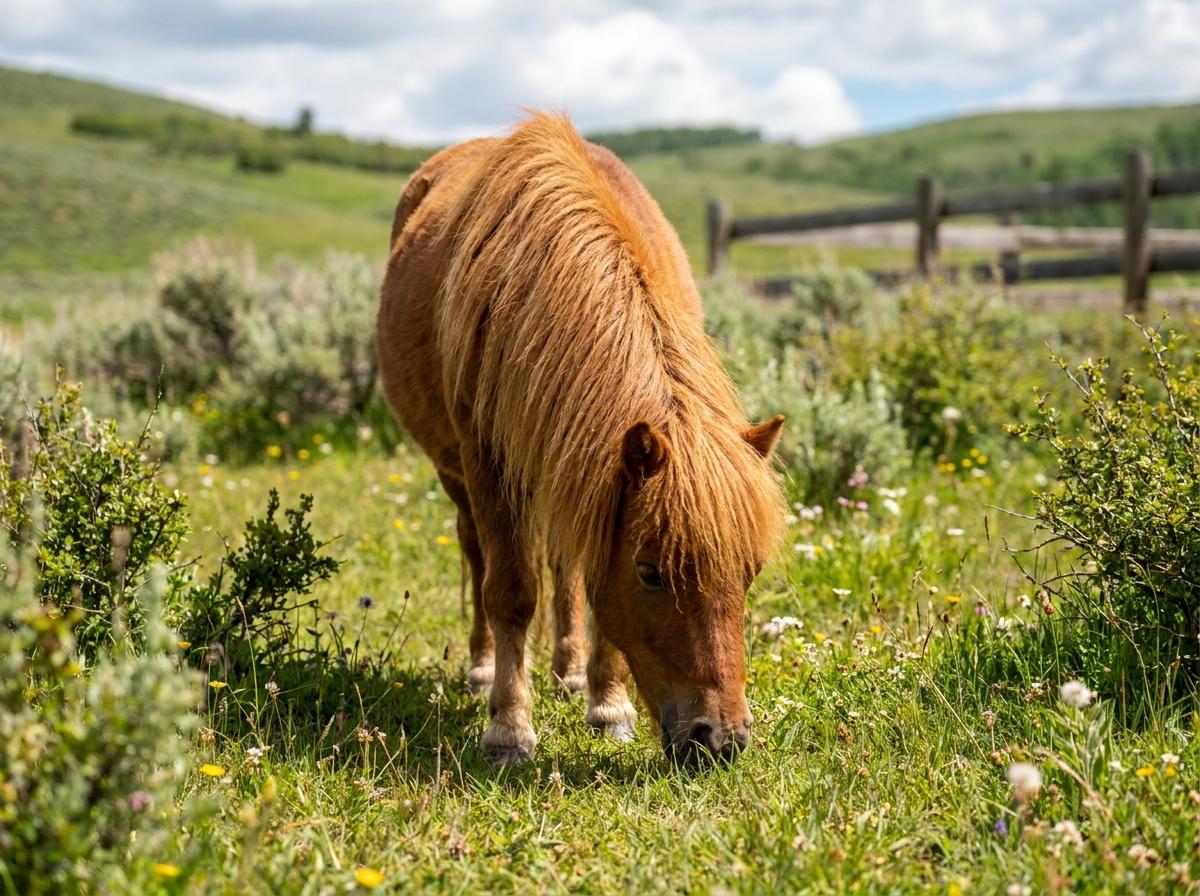
Colors: Amber Champagne, Bay, Bay Dun, Bay Roan, Black, Blanket Appaloosa, Blue Roan, Brown, Buckskin, Champagne, Chestnut, Classic Champagne, Cremello, Dun, Dun Roan, Fewspot Appaloosa, Flaxen Chestnut, Frame Overo, Gold Champagne, Gray, Grey, Grullo, Leopard Appaloosa, Liver Chestnut, Overo, Palomino, Perlino, Piebald, Pinto, Rabicano, Red Dun, Red Roan, Roan, Sabino, Seal Bay, Silver Dapple, Skewbald, Smoky Black, Smoky Cream, Snowcap Appaloosa, Sorrel, Splash White, Tobiano, Tovero, Varnish Roan, White