


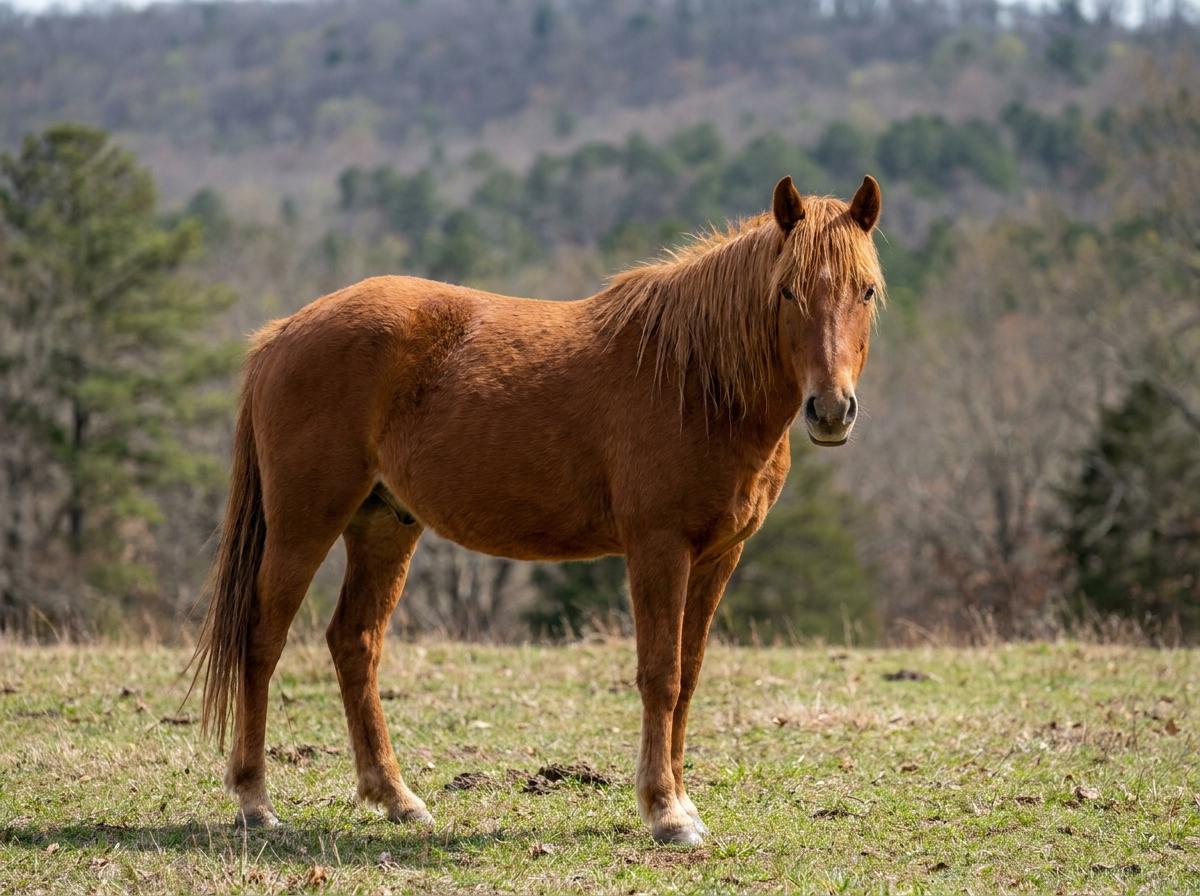
Choctaw Horse
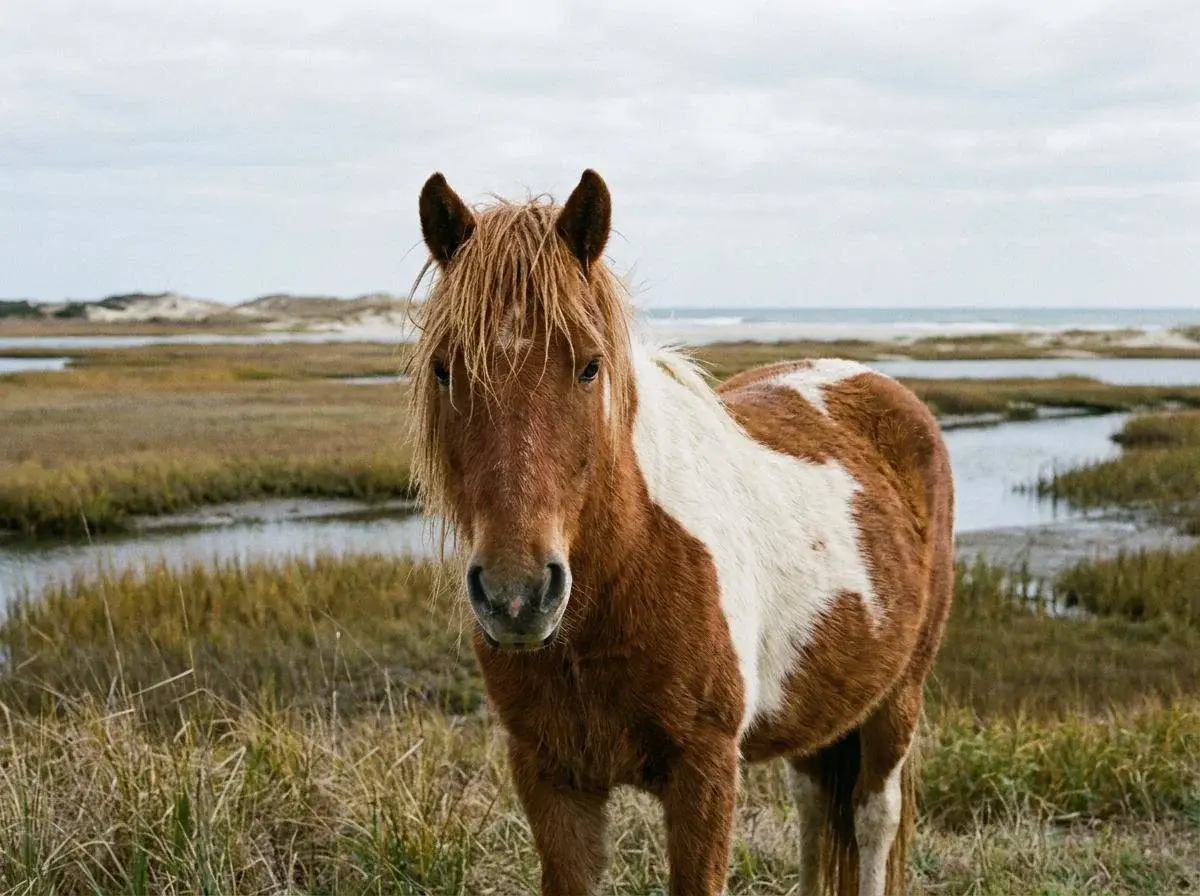
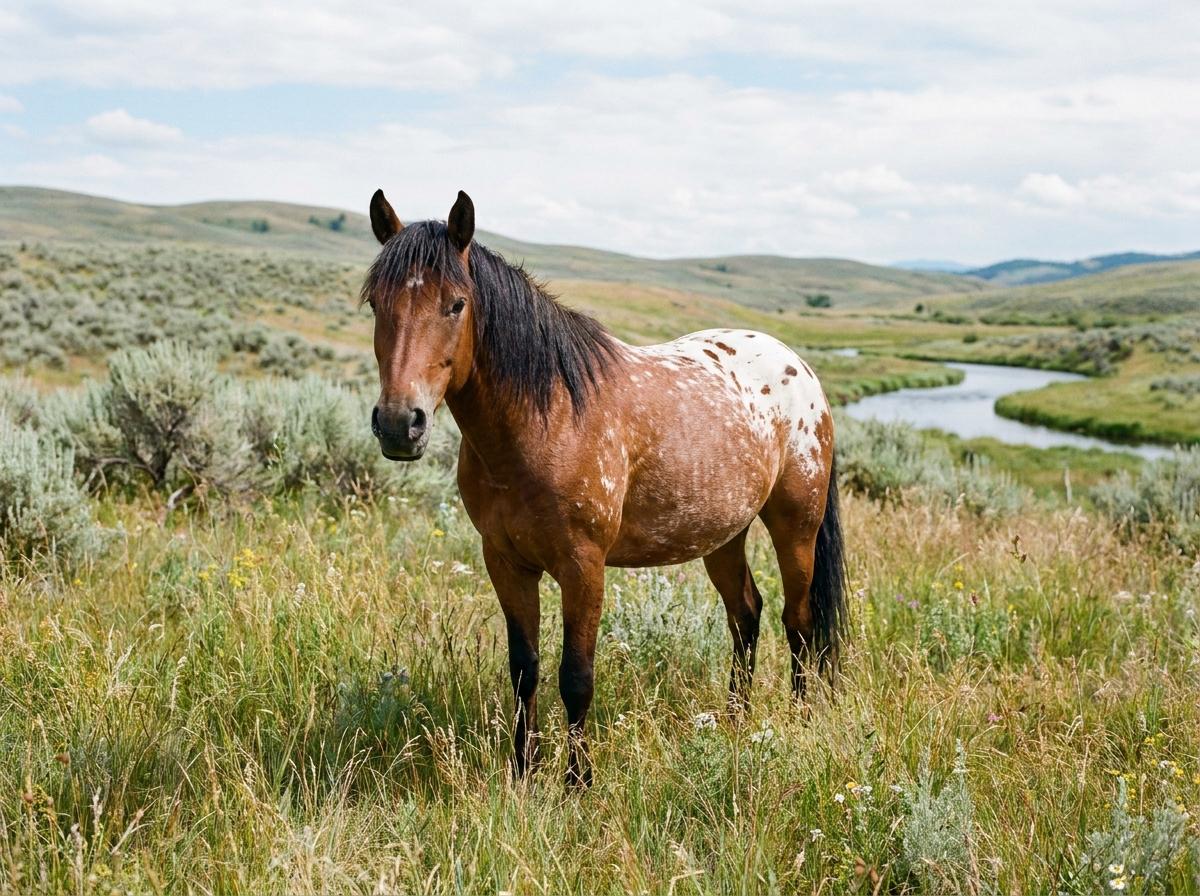
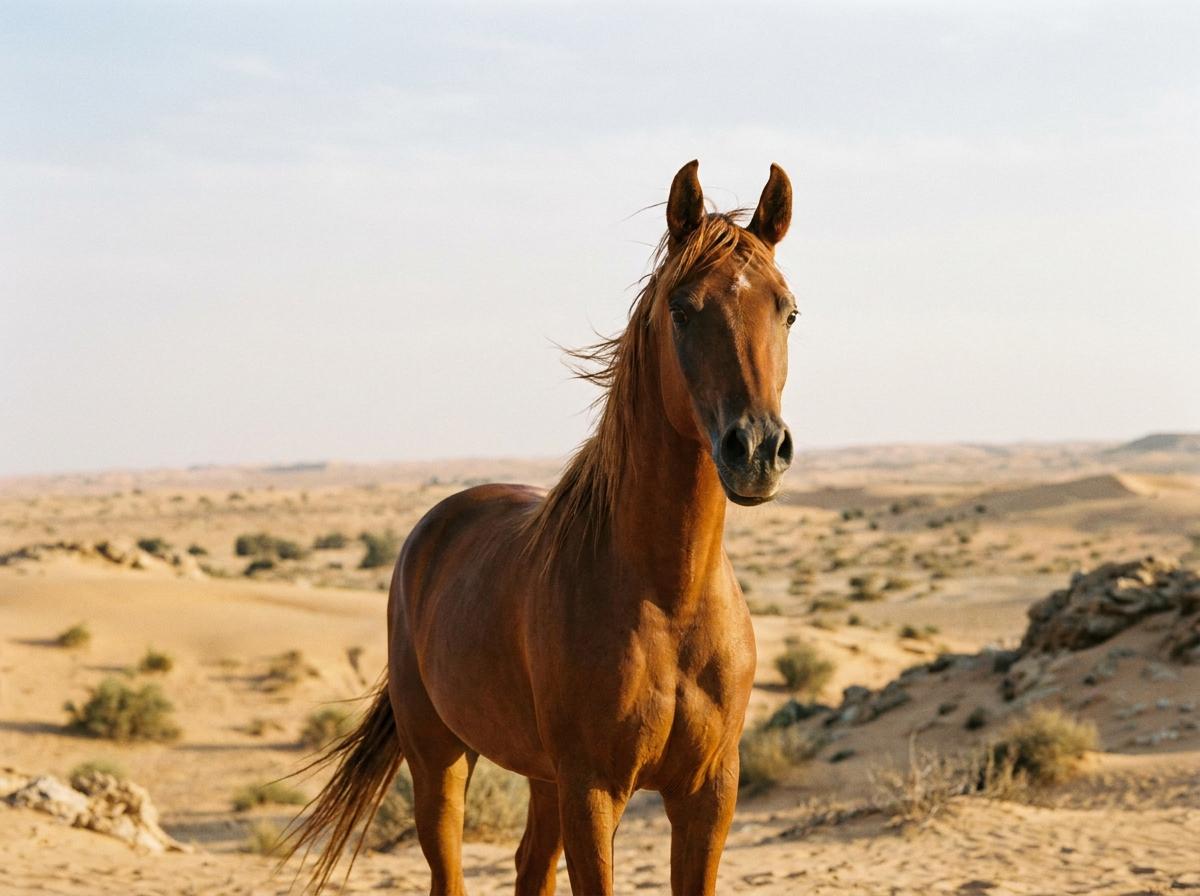
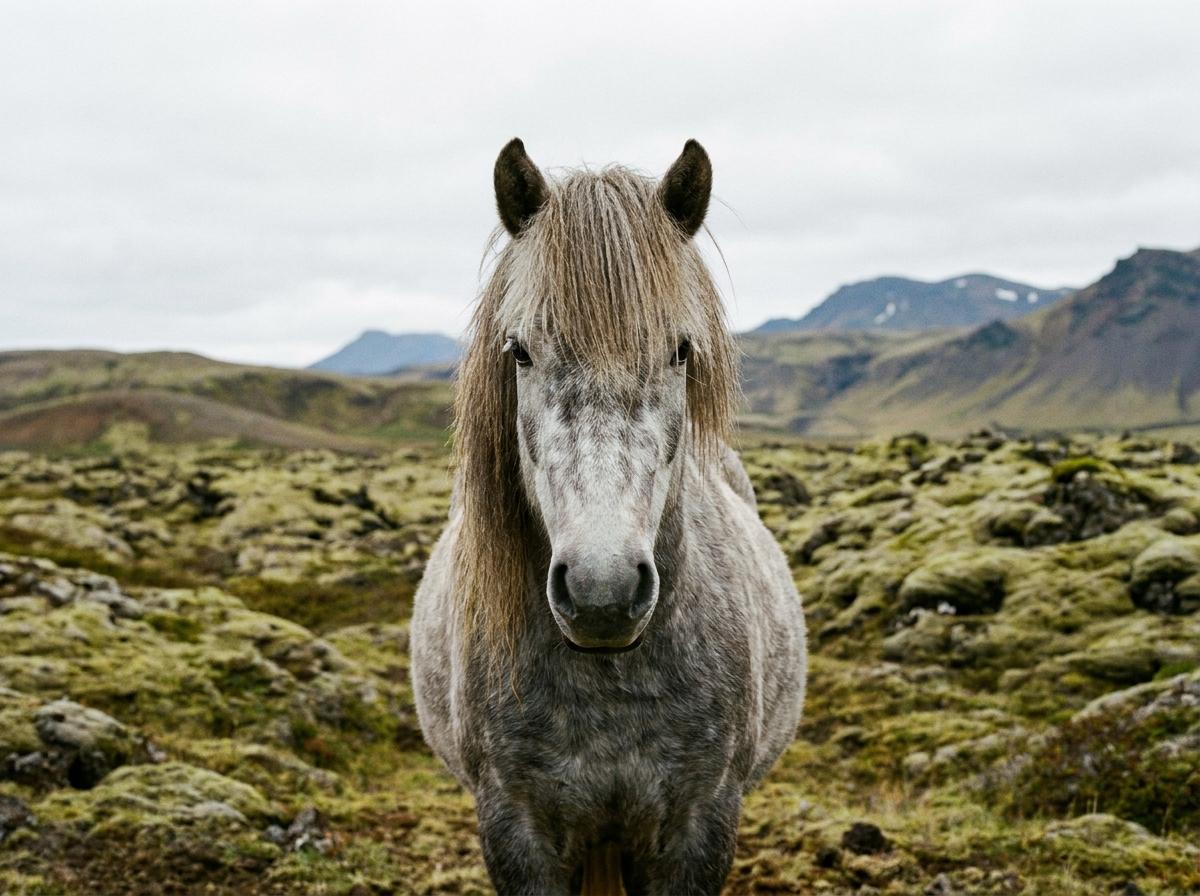
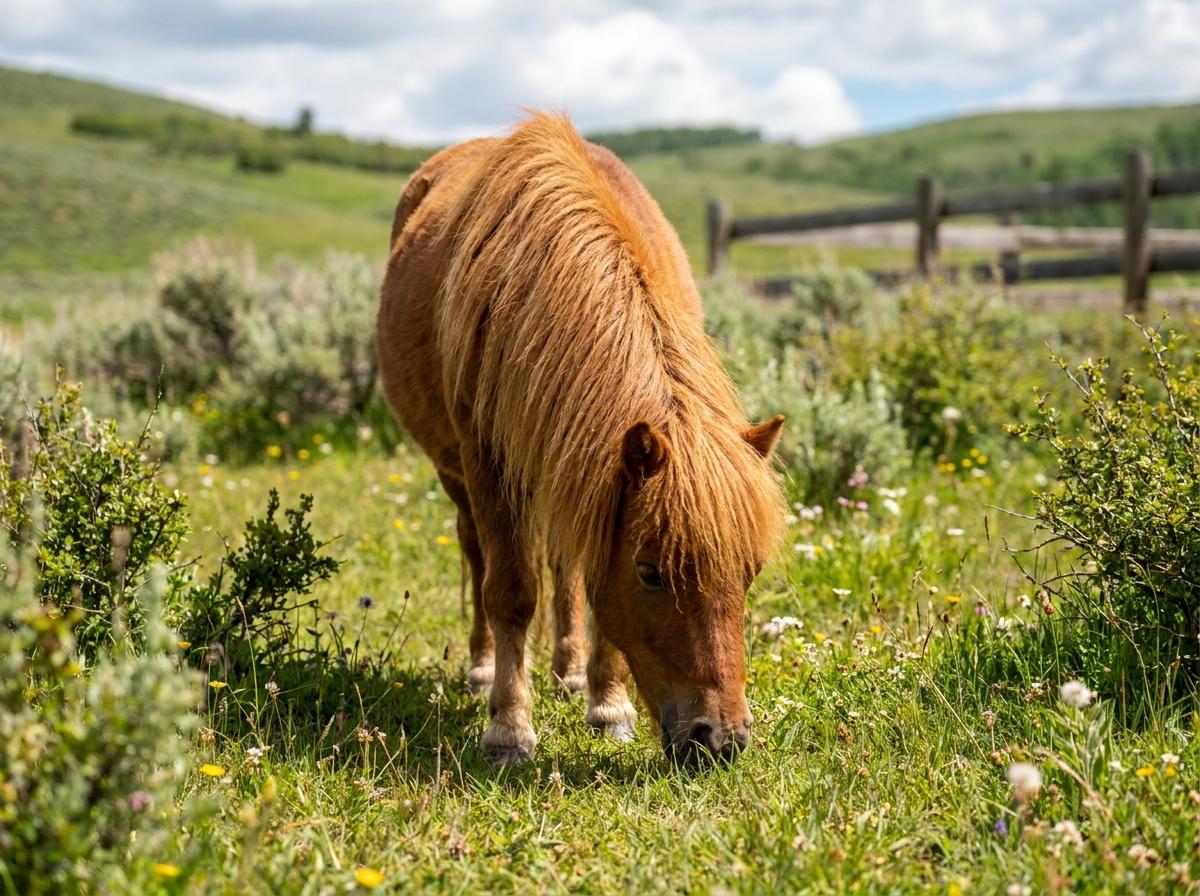
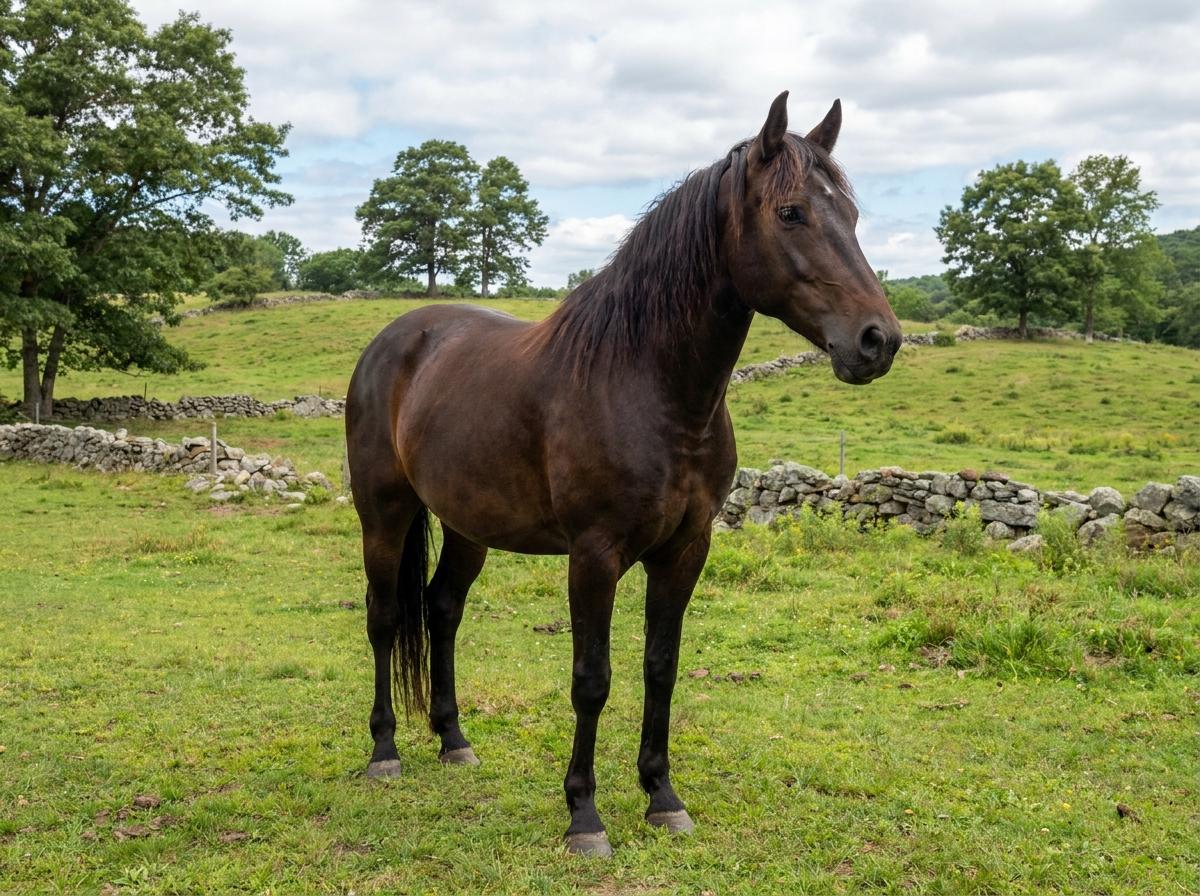
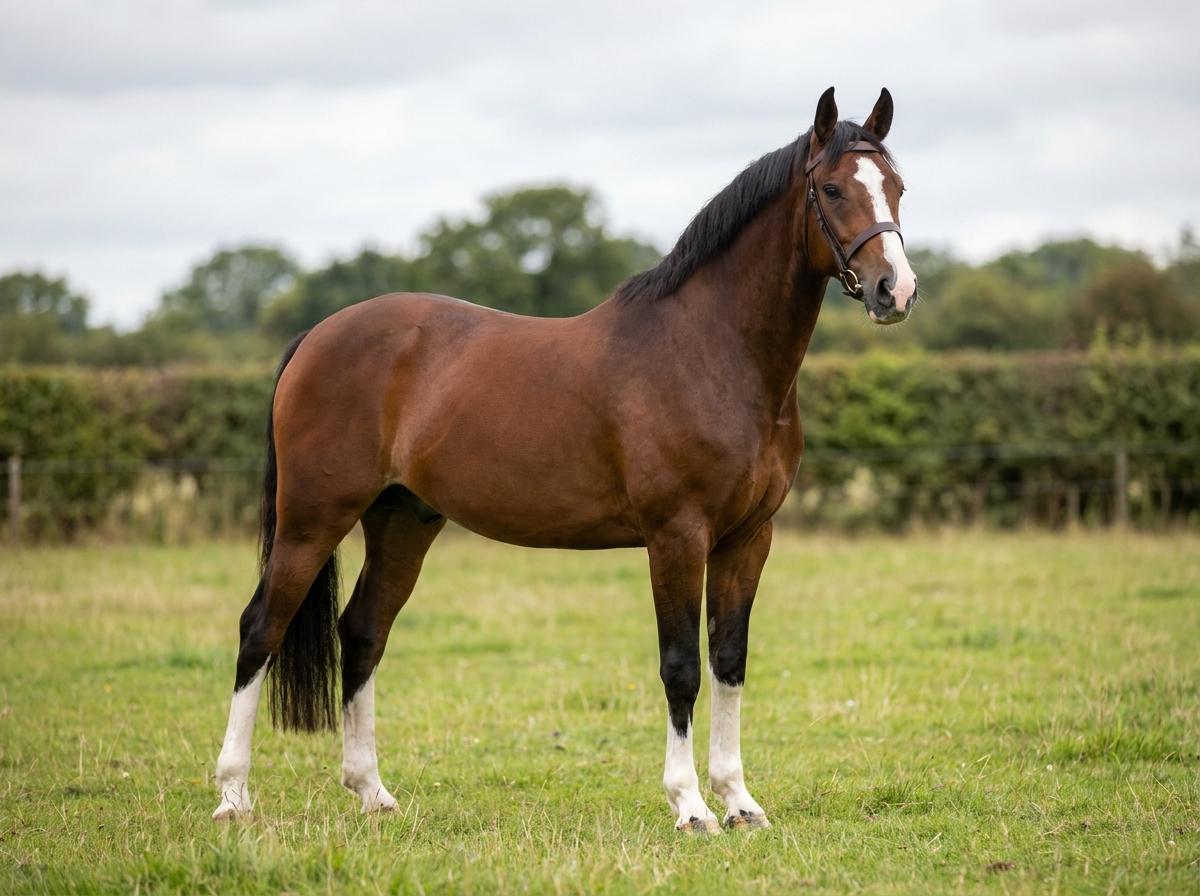
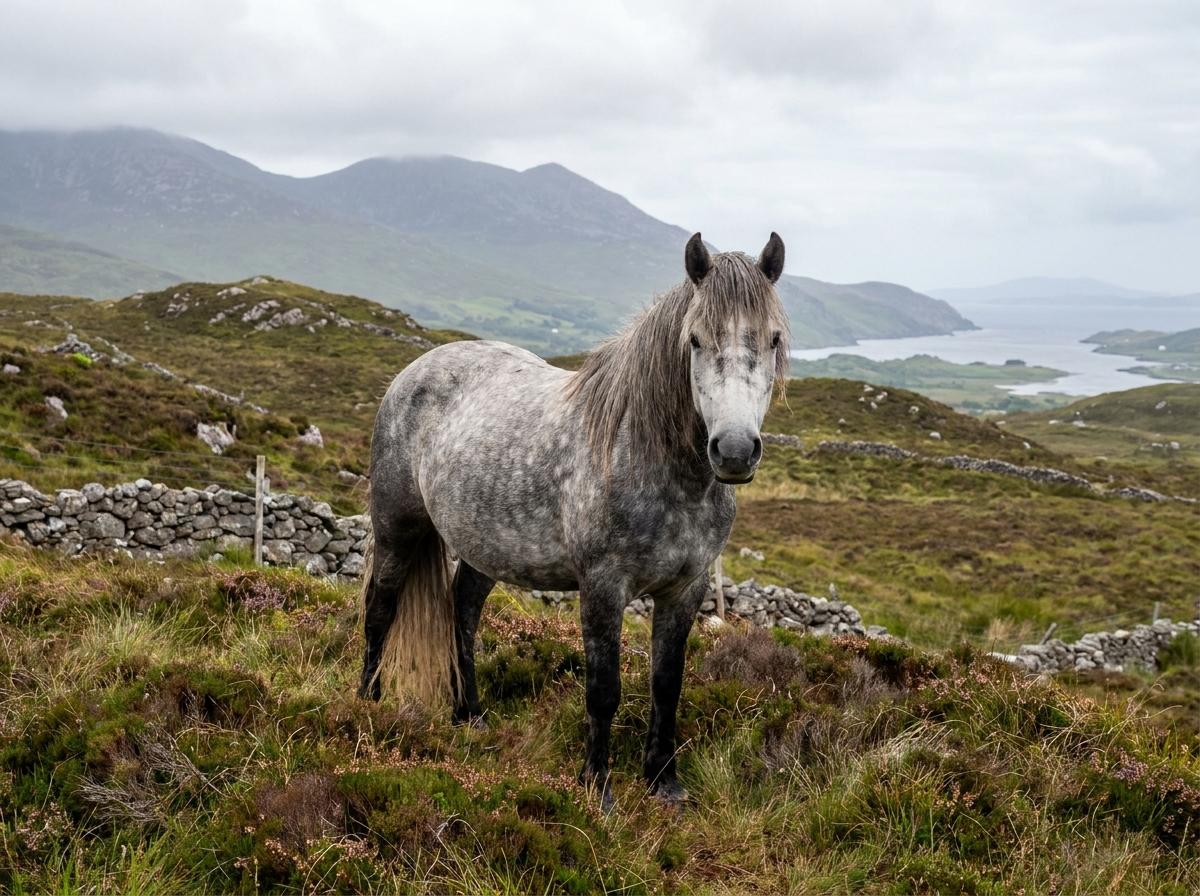
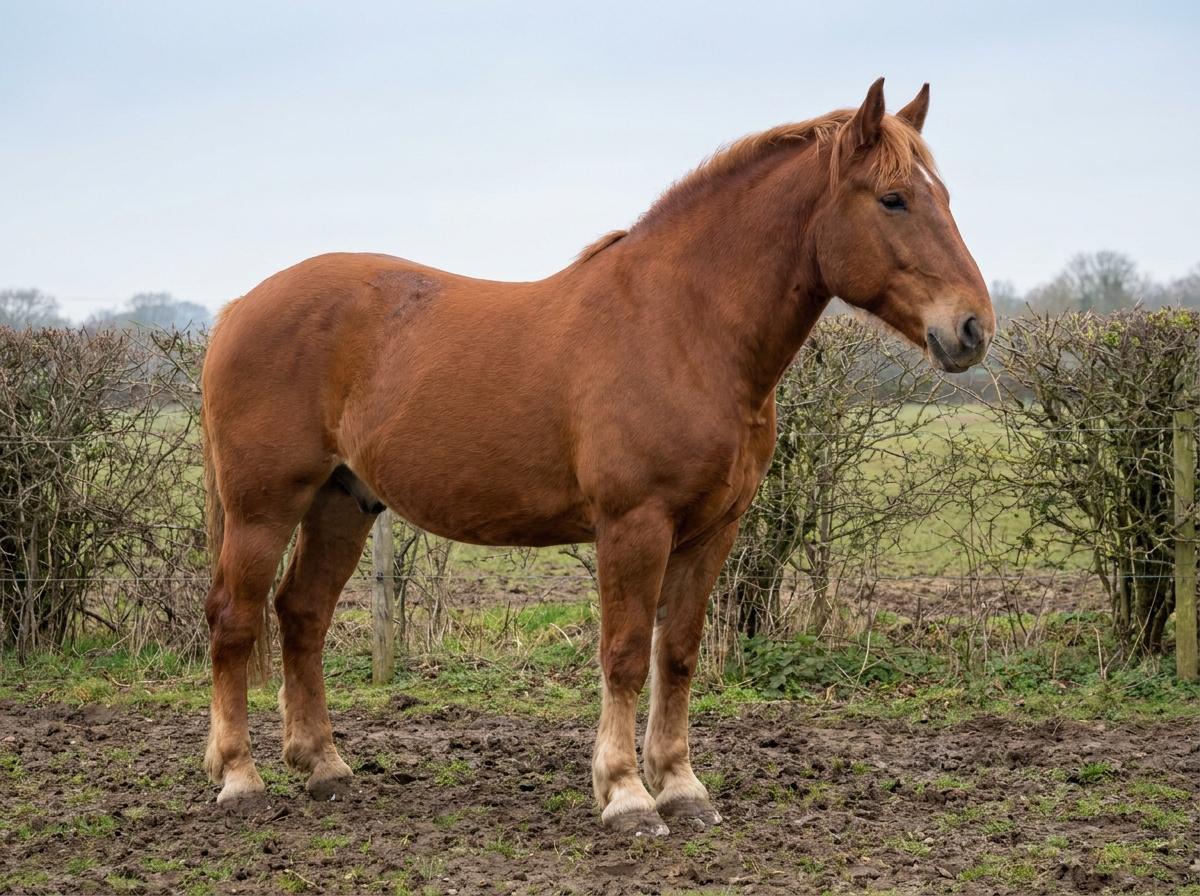
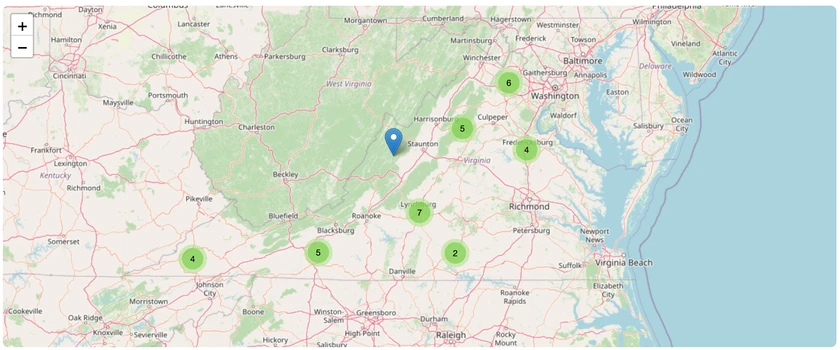
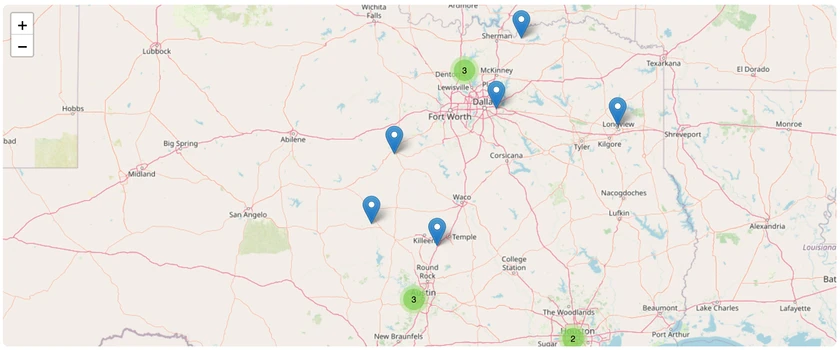
The Choctaw horse is a rare Spanish Colonial type associated with Choctaw people and with horsekeeping histories that moved from the southeastern United States into Oklahoma and surrounding areas. It is usually described as a small to medium riding horse with endurance, agility, and old Iberian influence, sometimes showing pinto patterns and other colors common in colonial strains. The breed's importance is cultural as well as biological, because it connects family herds, Indigenous history, and conservation breeding.
Owners interested in Choctaw horses should look for knowledgeable breeders who can explain herd history, not just color or mustang-like appearance. Training often suits trail riding, ranch tasks, and low-key versatile work when the horse is started with patience. For conservation, the priority is maintaining documented families and avoiding casual outcrossing that makes the label meaningless. Respectful stewardship also means recognizing the people and communities attached to the horse, not treating it as a generic rare breed.
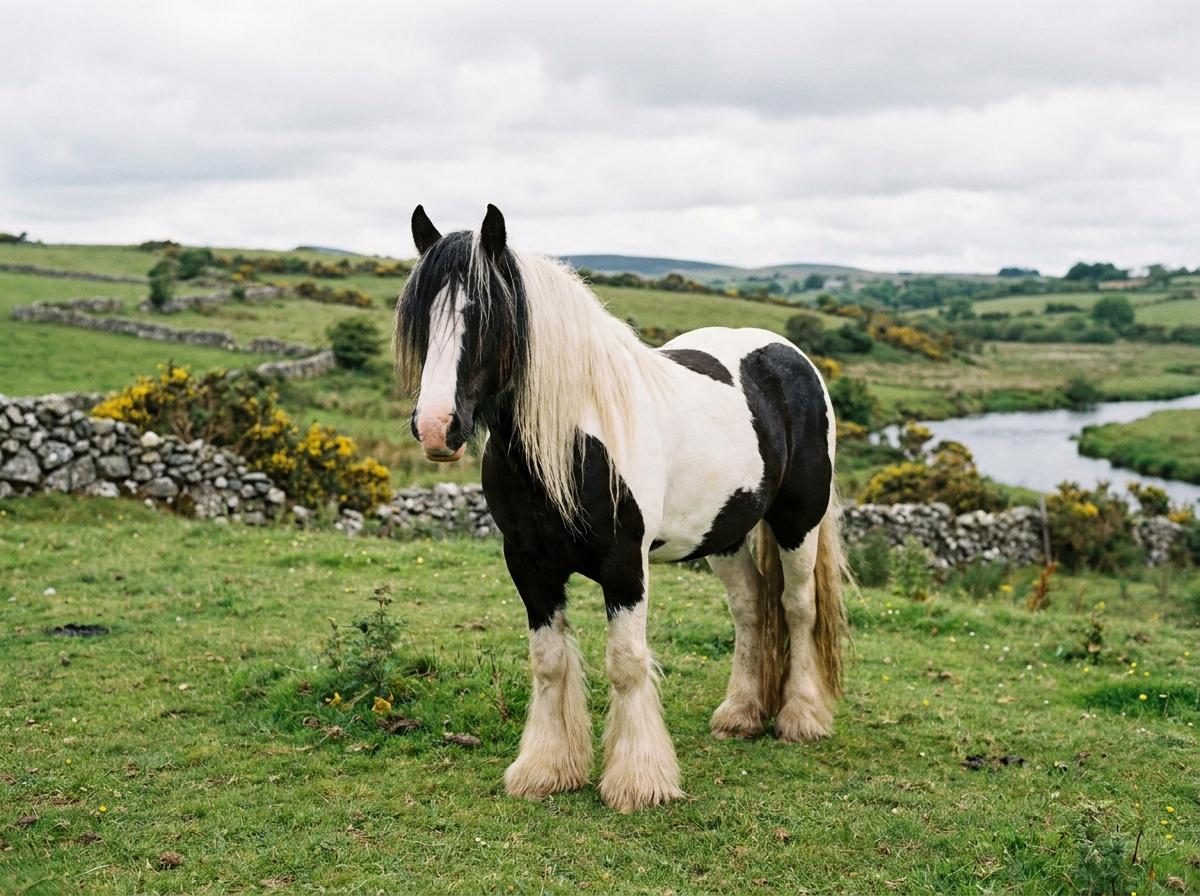
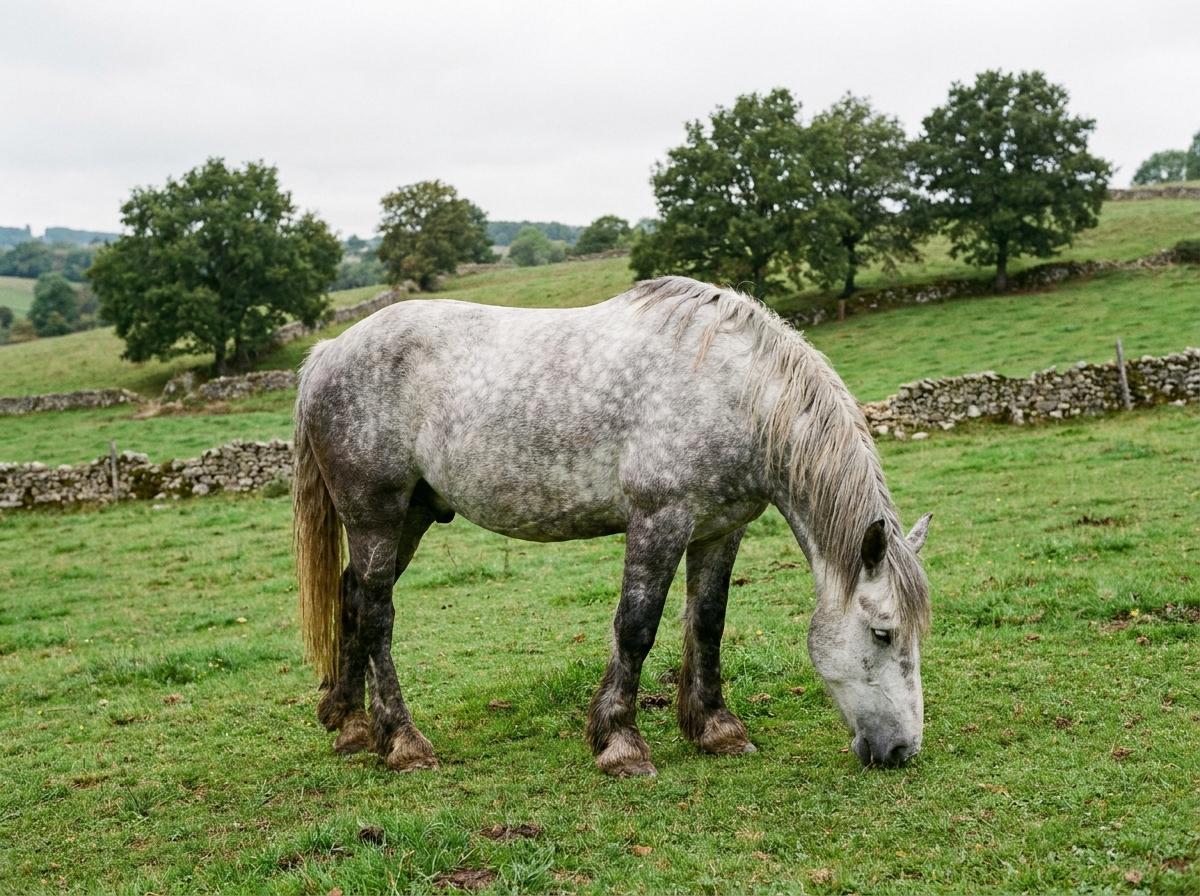
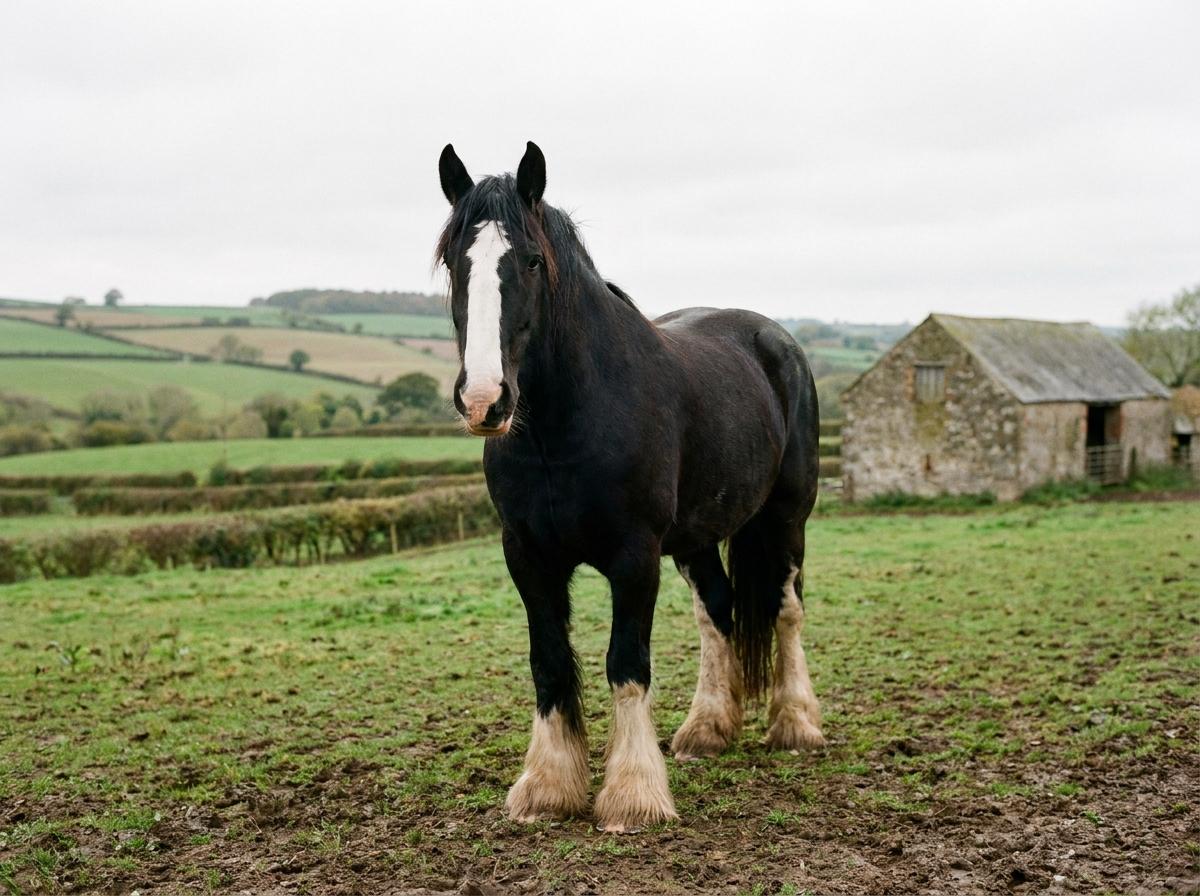
Colors: Amber Champagne, Bay, Bay Dun, Bay Roan, Black, Blanket Appaloosa, Blue Roan, Brown, Buckskin, Champagne, Chestnut, Classic Champagne, Cremello, Dun, Dun Roan, Fewspot Appaloosa, Flaxen Chestnut, Frame Overo, Gold Champagne, Gray, Grey, Grullo, Leopard Appaloosa, Liver Chestnut, Overo, Palomino, Perlino, Piebald, Pinto, Rabicano, Red Dun, Red Roan, Roan, Sabino, Seal Bay, Silver Dapple, Skewbald, Smoky Black, Smoky Cream, Snowcap Appaloosa, Sorrel, Splash White, Tobiano, Tovero, Varnish Roan, White