

Commercial Crossbred
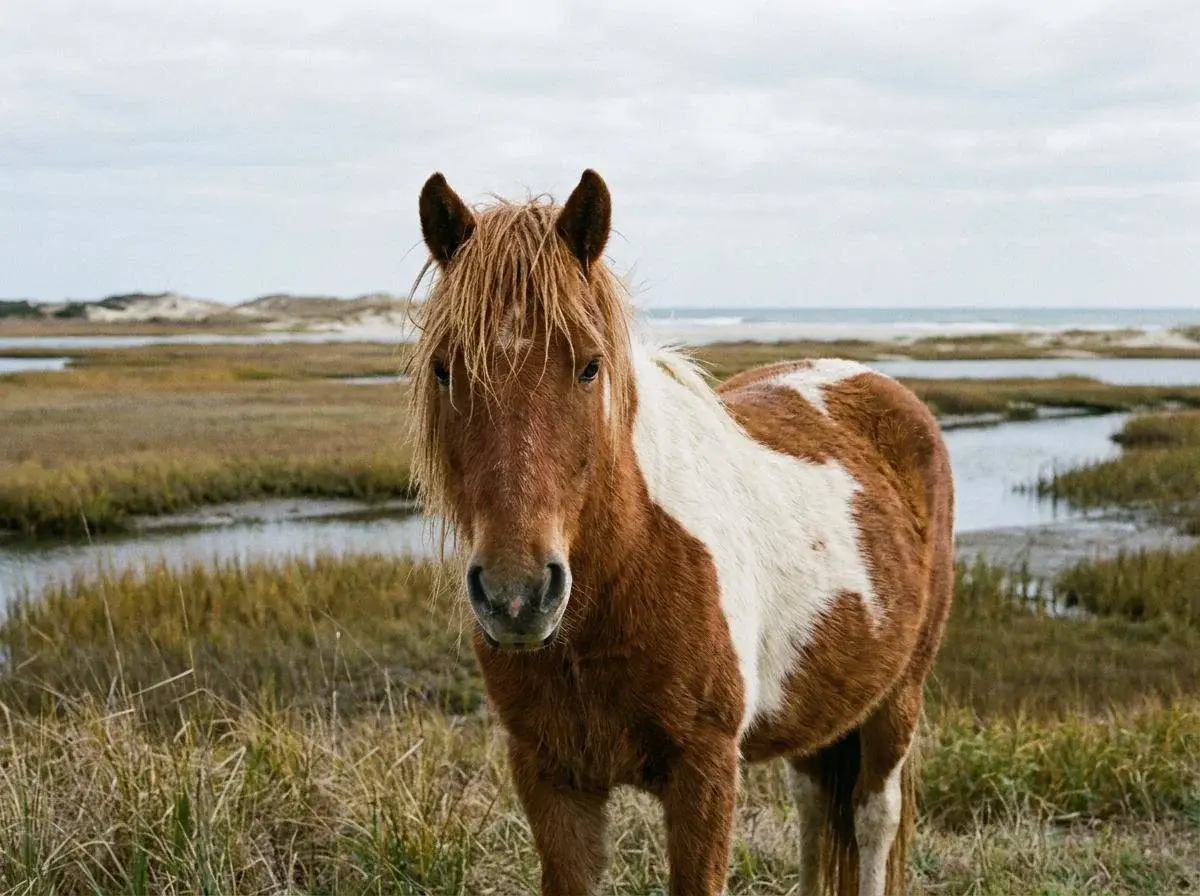
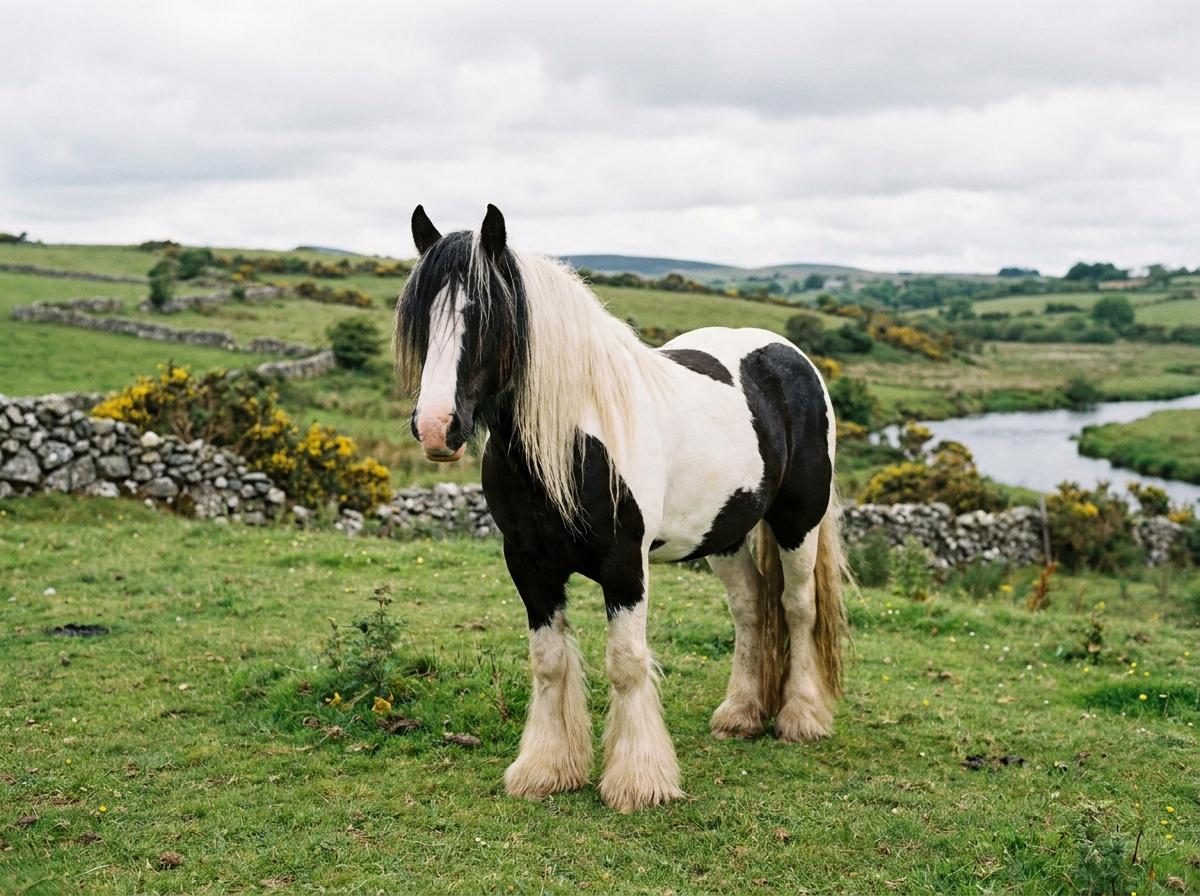
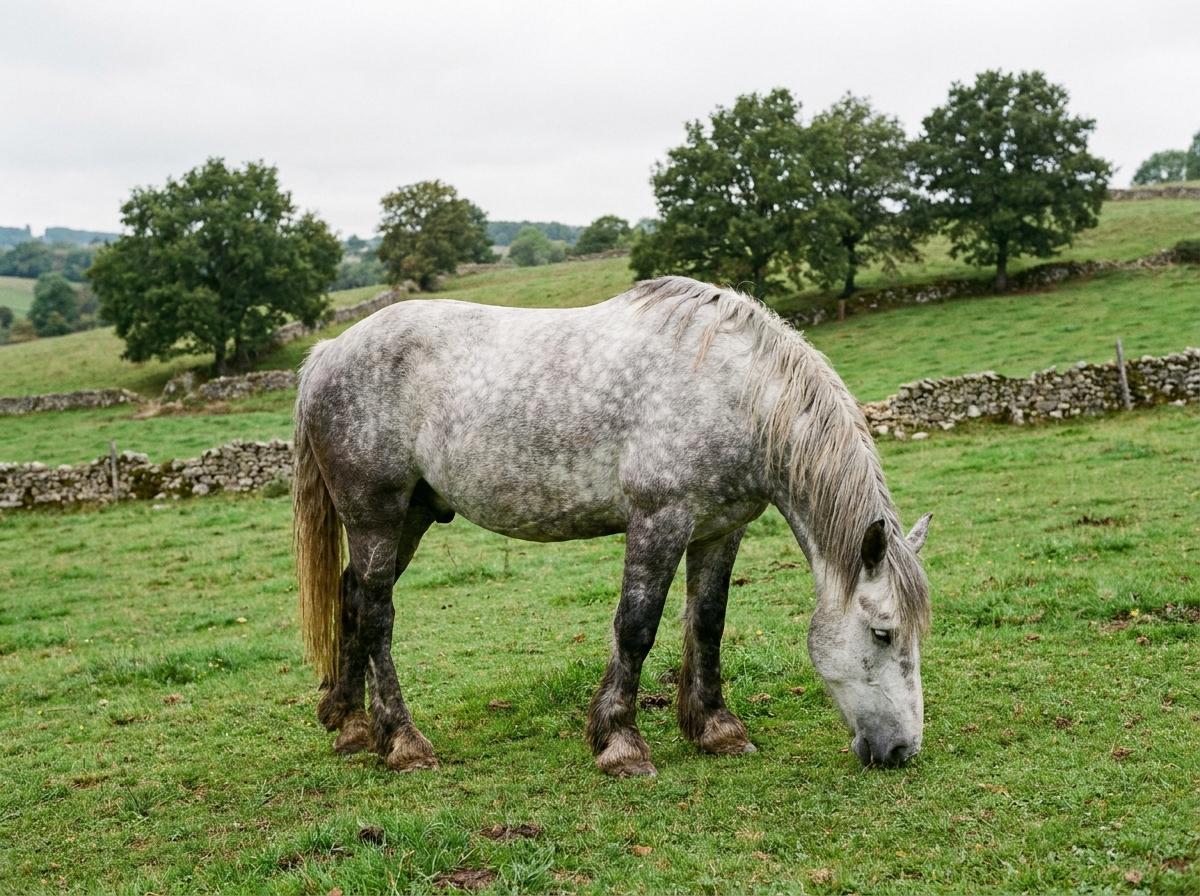
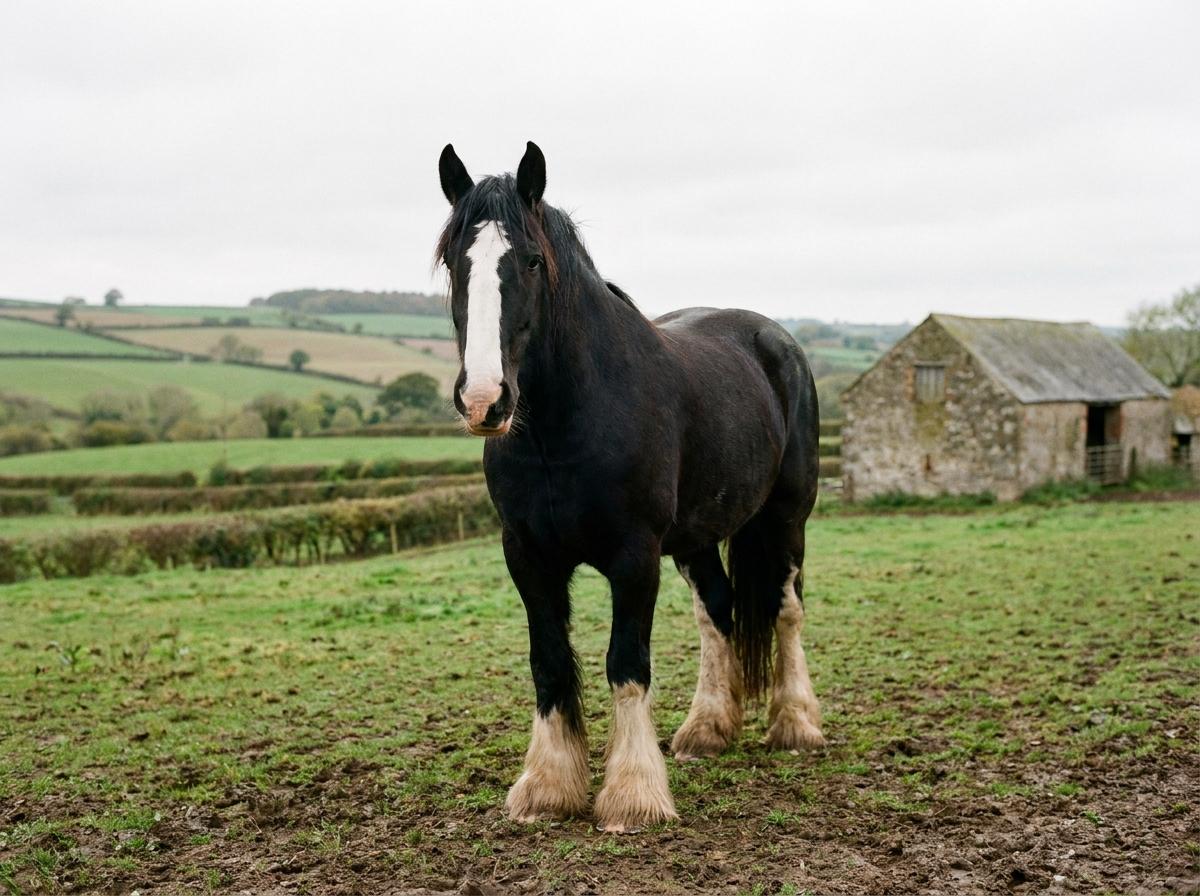
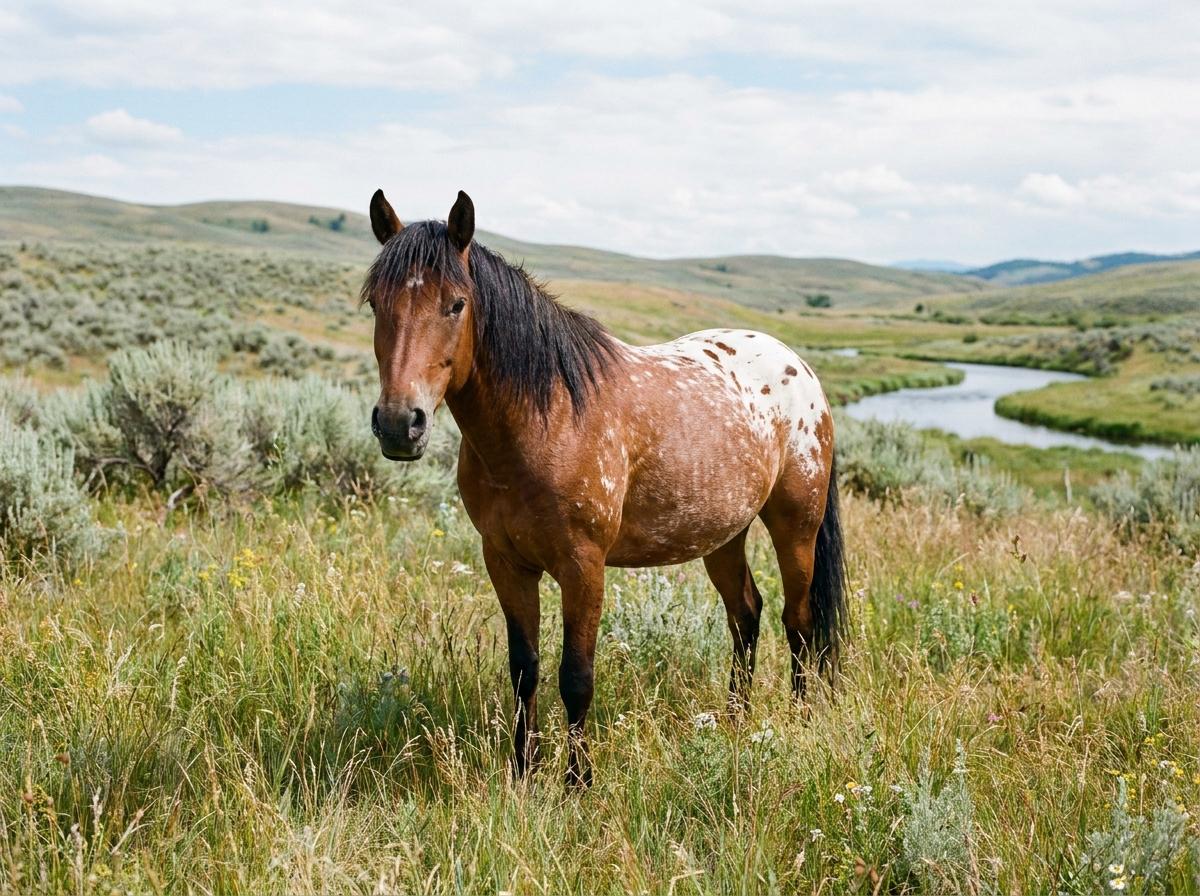
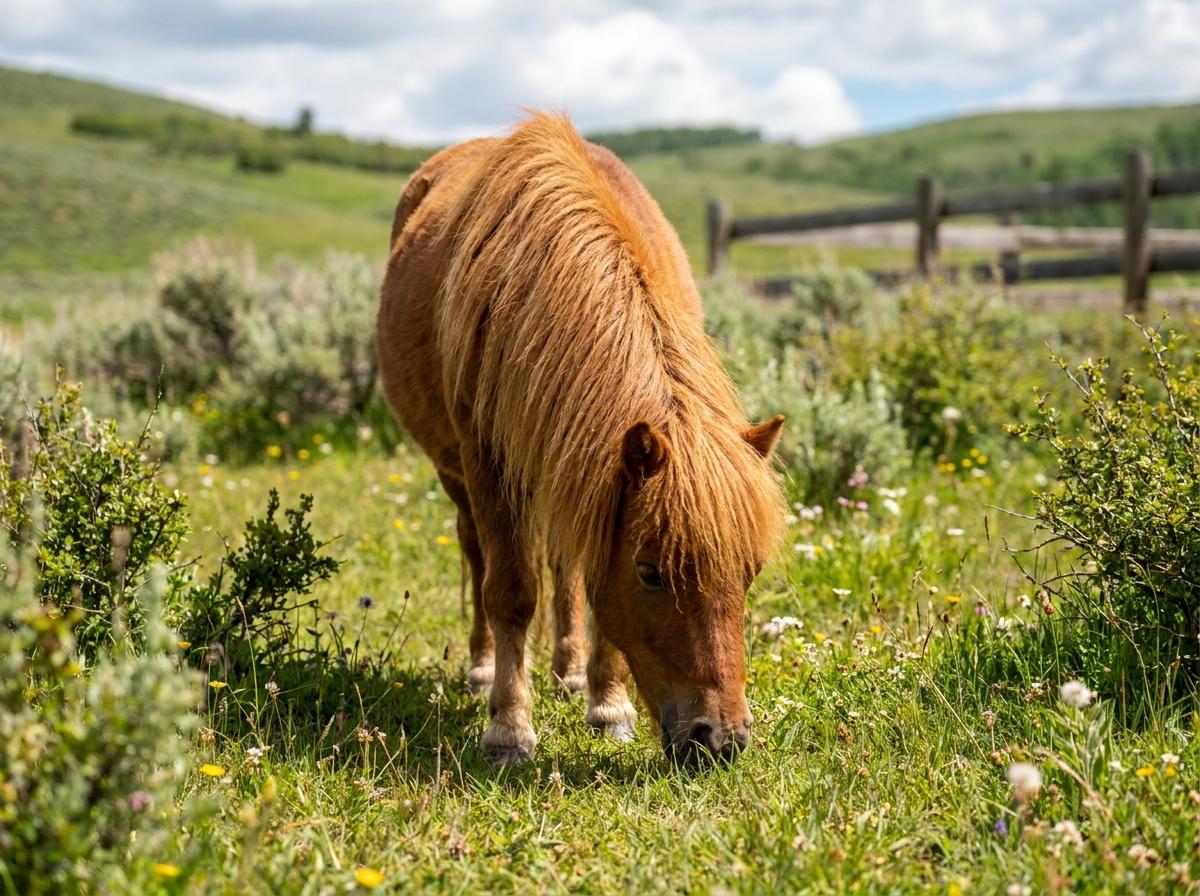
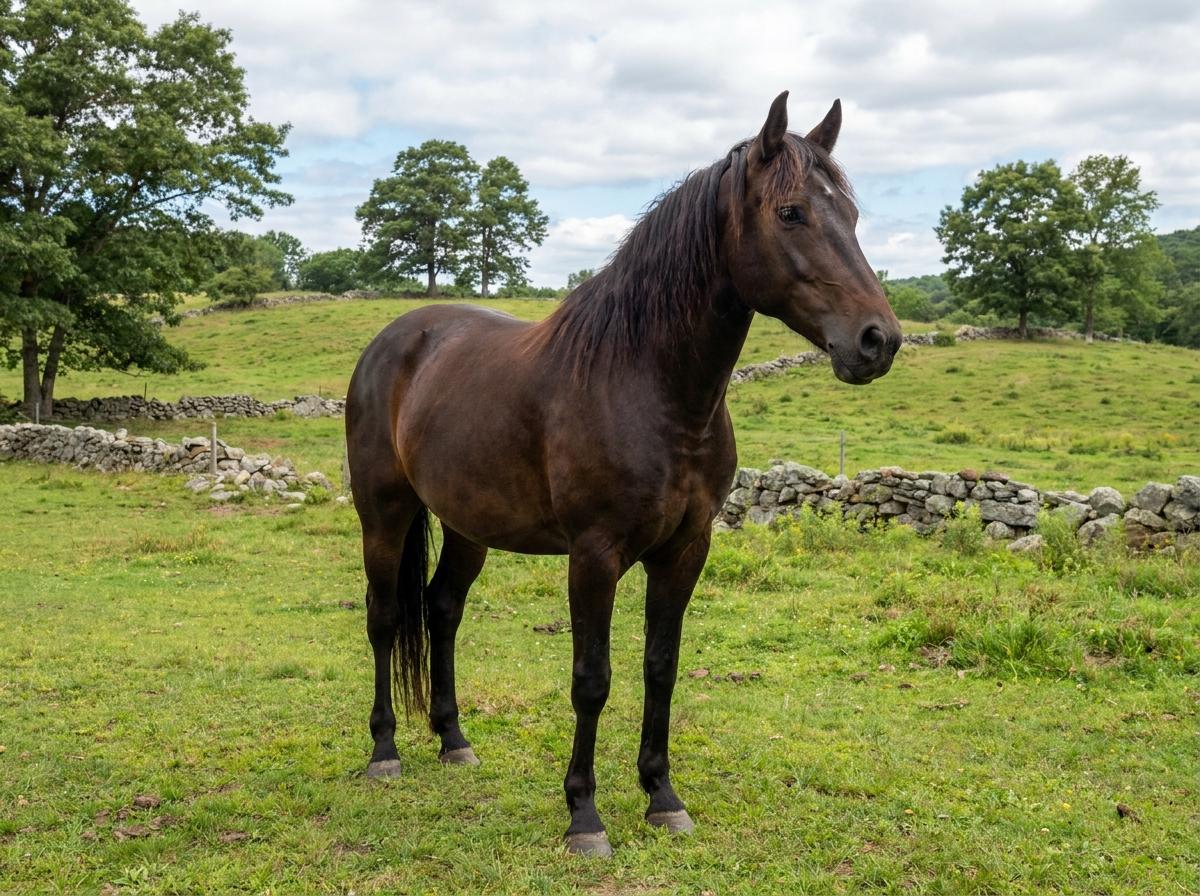
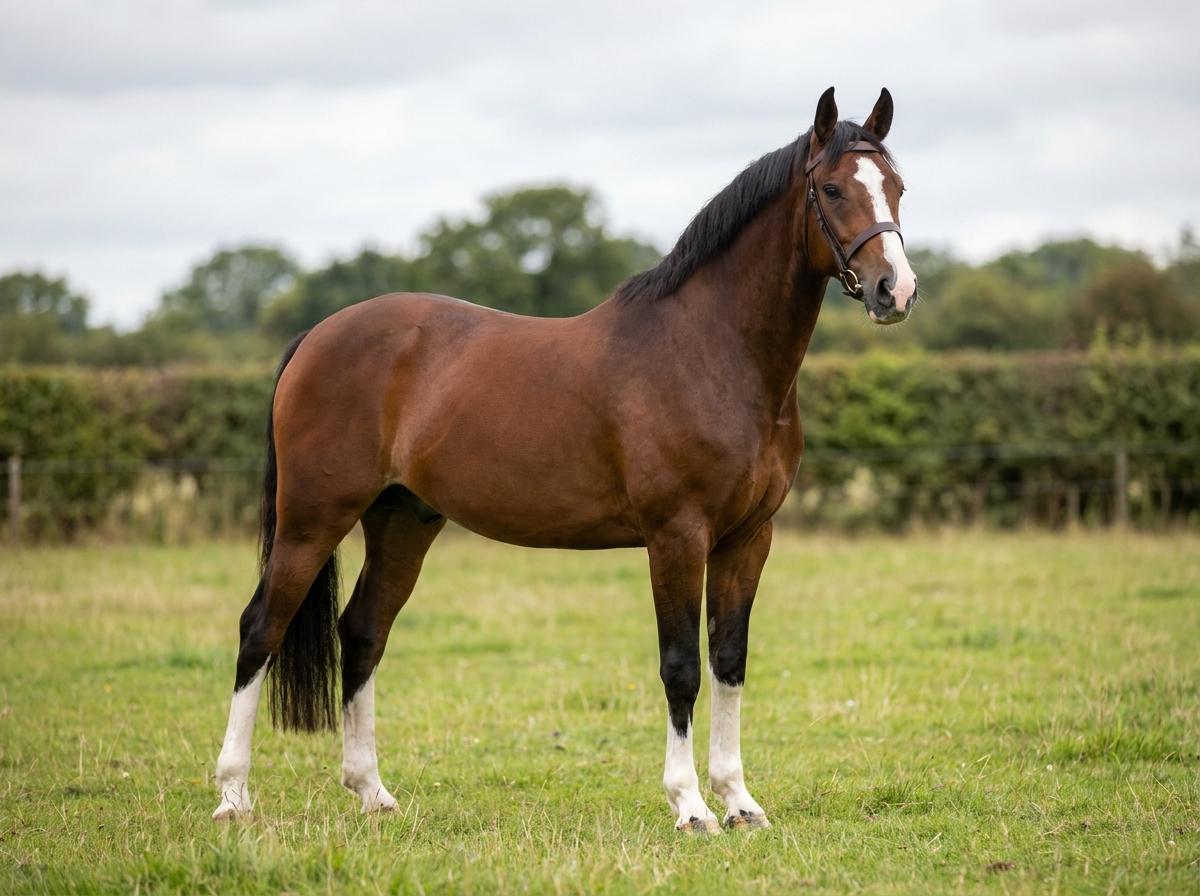
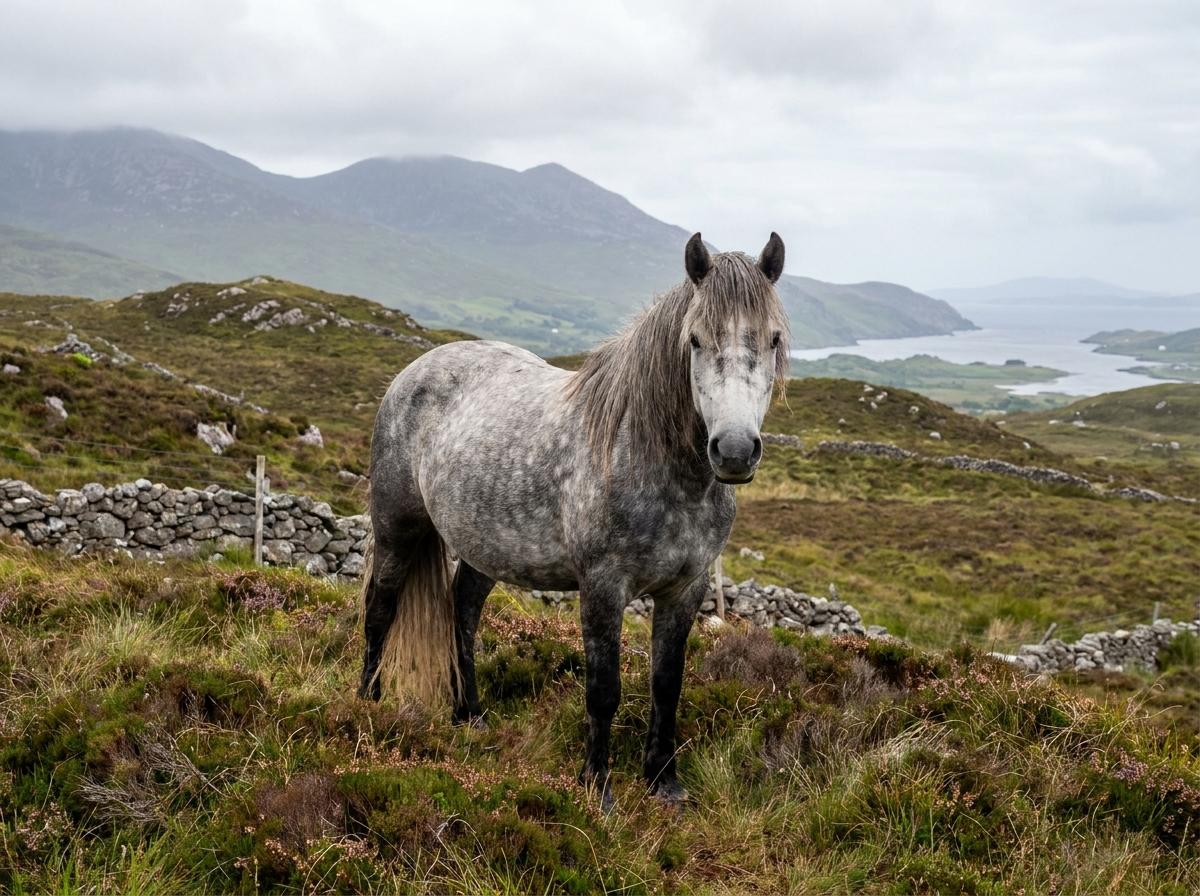
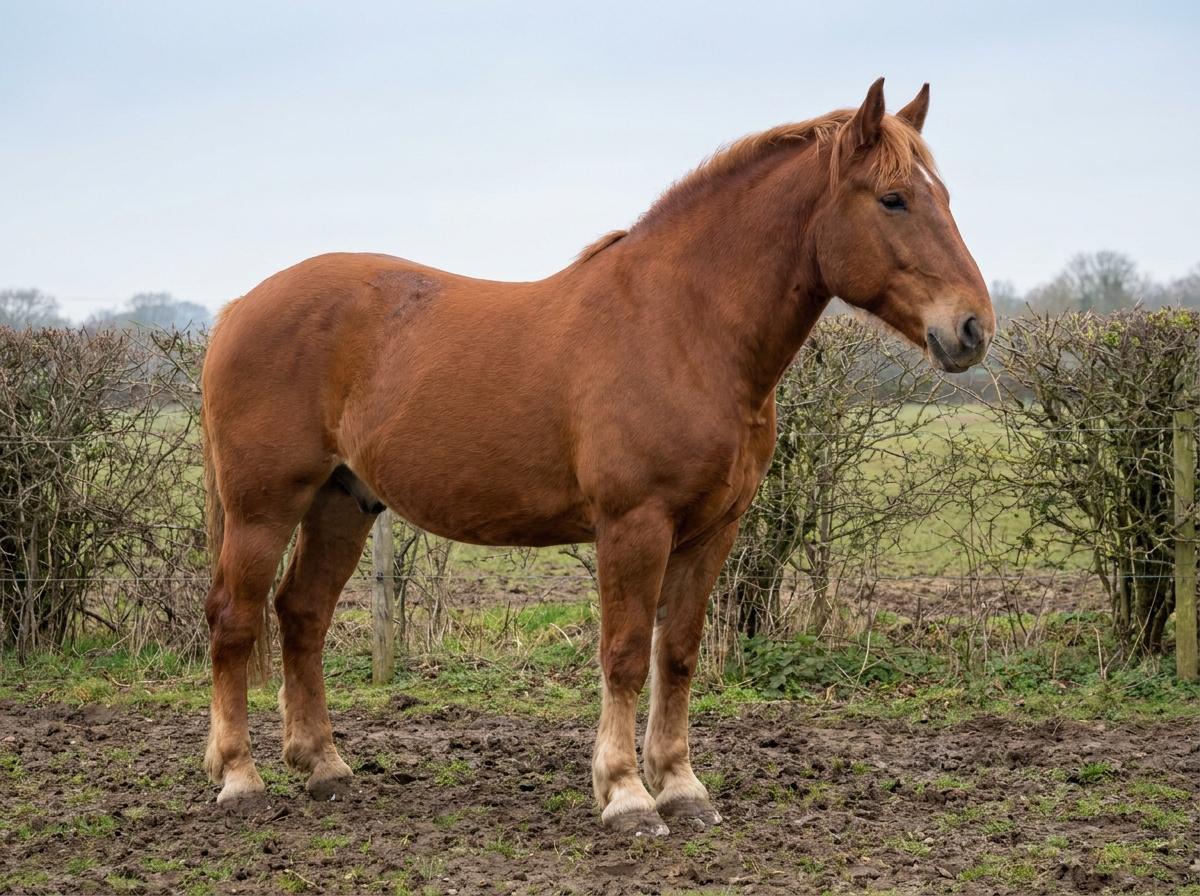
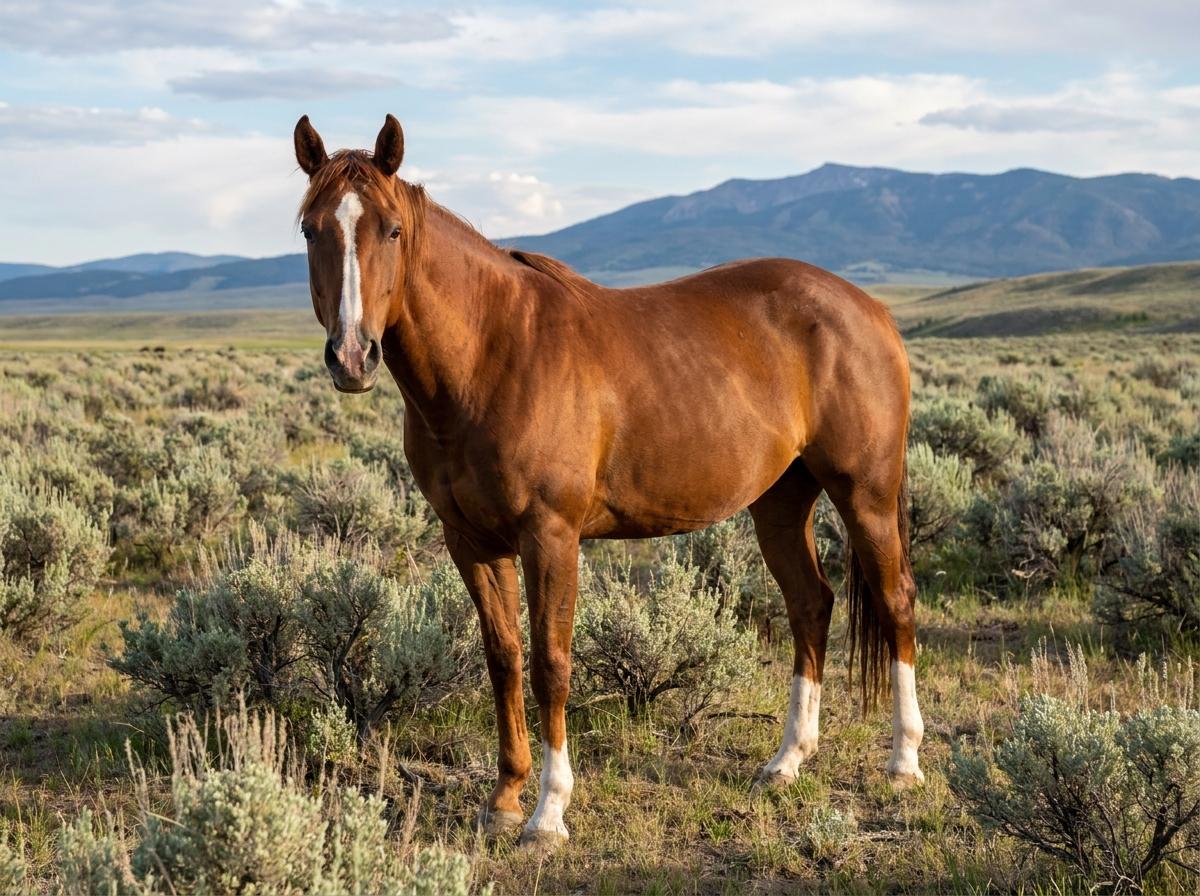
A commercial crossbred horse is not a fixed breed but a horse bred from two or more breeds or types for a practical market. The term may be used for ranch horses, sport-horse crosses, trail horses, draft crosses, gaited crosses, or sale-barn stock where the aim is usefulness rather than a closed studbook. Size, color, movement, and temperament vary widely. A commercial crossbred might show Appaloosa patterning, Quarter Horse muscling, draft substance, pony thriftiness, or warmblood scope depending on its parents.
For owners and buyers, the individual horse matters more than the label. Conformation, training, soundness, age, temperament, and suitability for the intended job should be evaluated directly, ideally with a veterinary exam for higher-priced or athletic prospects. Breeders using commercial crosses usually try to combine complementary traits, but they still need to consider foaling risk, mature size, inherited disease, and whether there is a real home or market for the foal. Care follows the horse's actual build and workload, not the crossbred description.
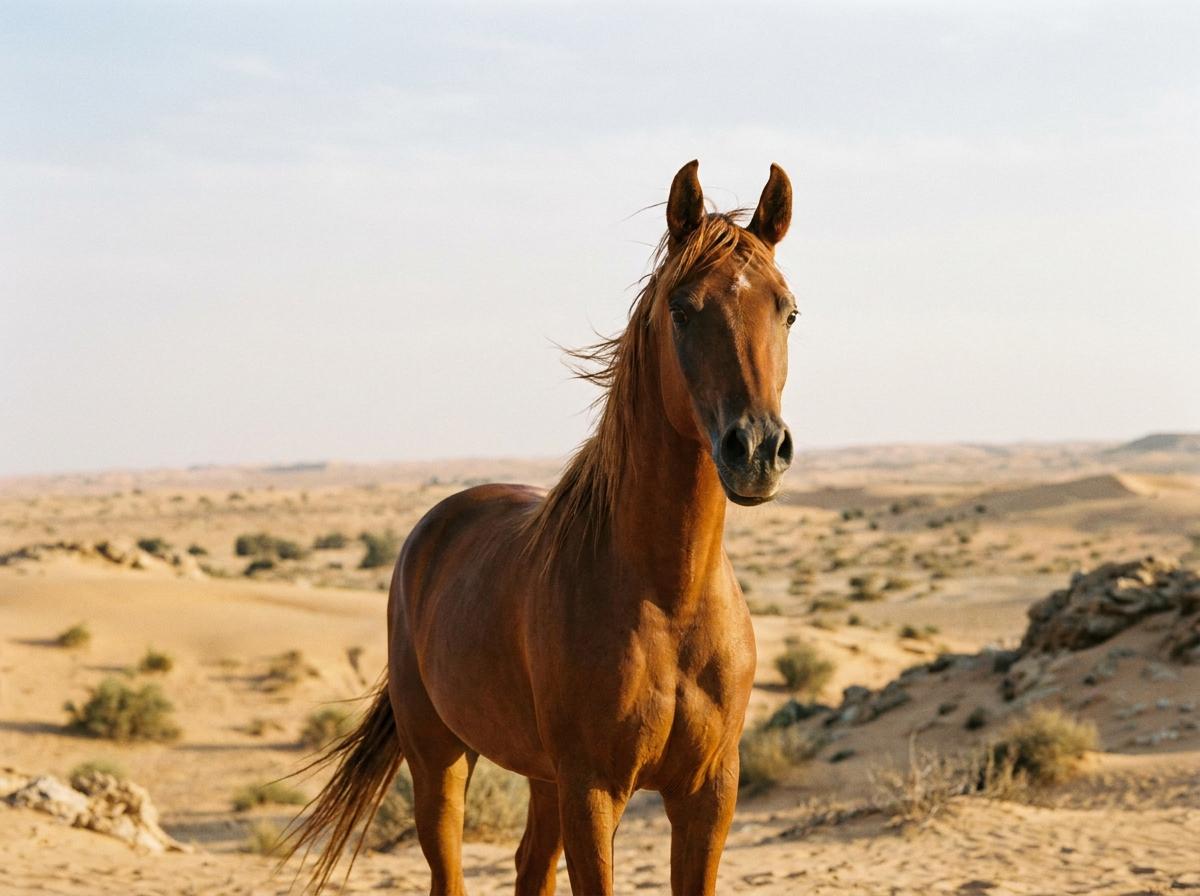
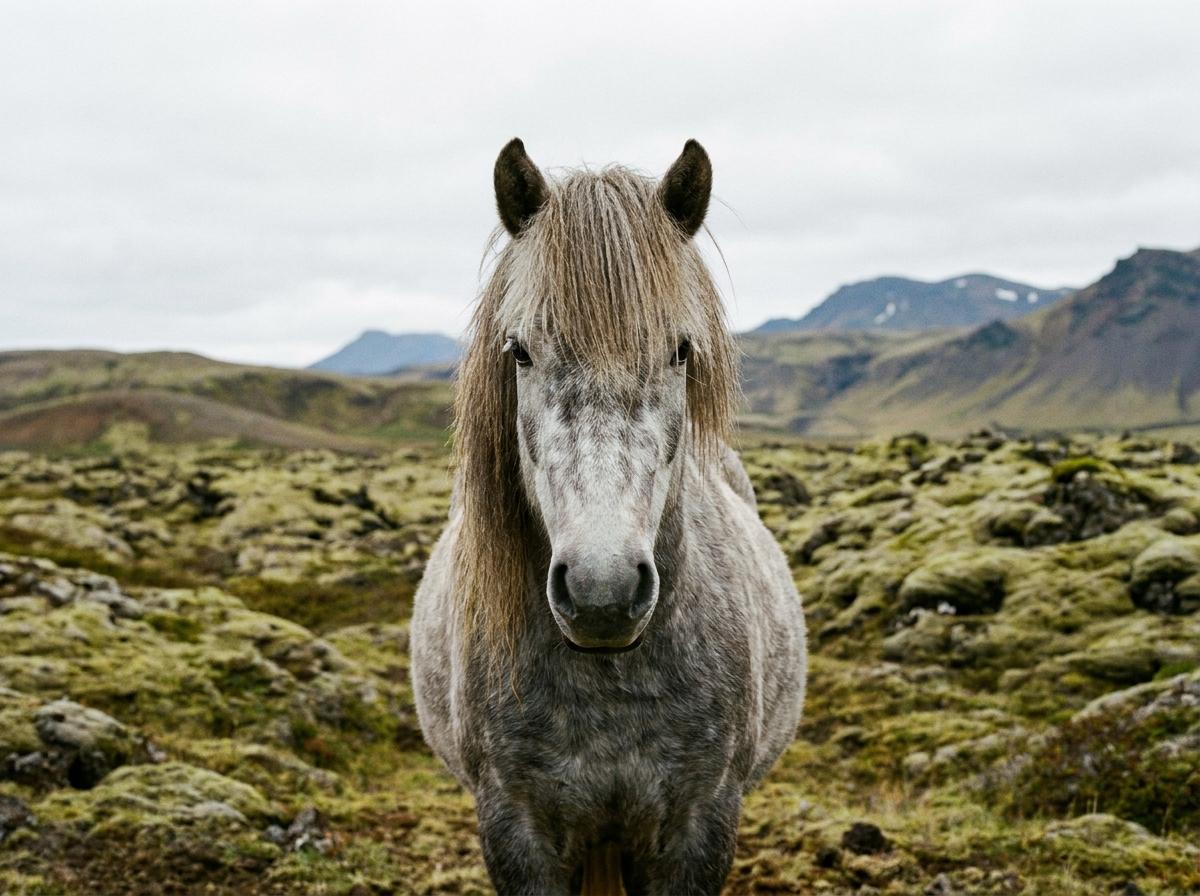
Colors: Bay, Black, Brown, Chestnut, Sorrel, Gray, White, Palomino, Buckskin, Dun, Red Dun, Bay Dun, Grullo, Cream, Cremello, Perlino, Smoky Black, Roan, Blue Roan, Red Roan, Bay Roan, Pinto, Tobiano, Overo, Tovero, Appaloosa, Leopard Appaloosa, Blanket Appaloosa, Fewspot Appaloosa, Snowcap Appaloosa, Varnish Roan, Rabicano, Sabino, Splash White, Skewbald, Piebald, Silver Dapple, Champagne, Classic Champagne, Amber Champagne, Gold Champagne, Flaxen Chestnut, Liver Chestnut, Seal Bay