


Corsican Horse
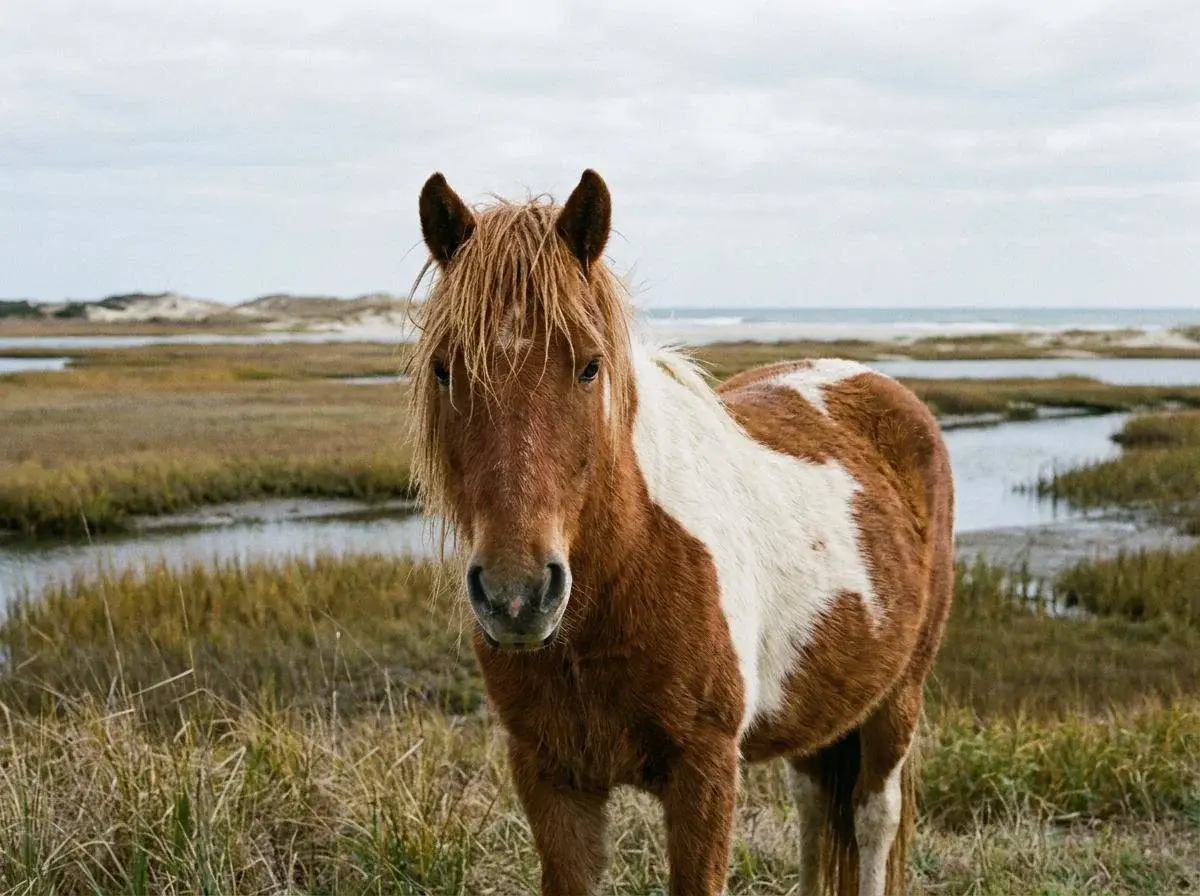
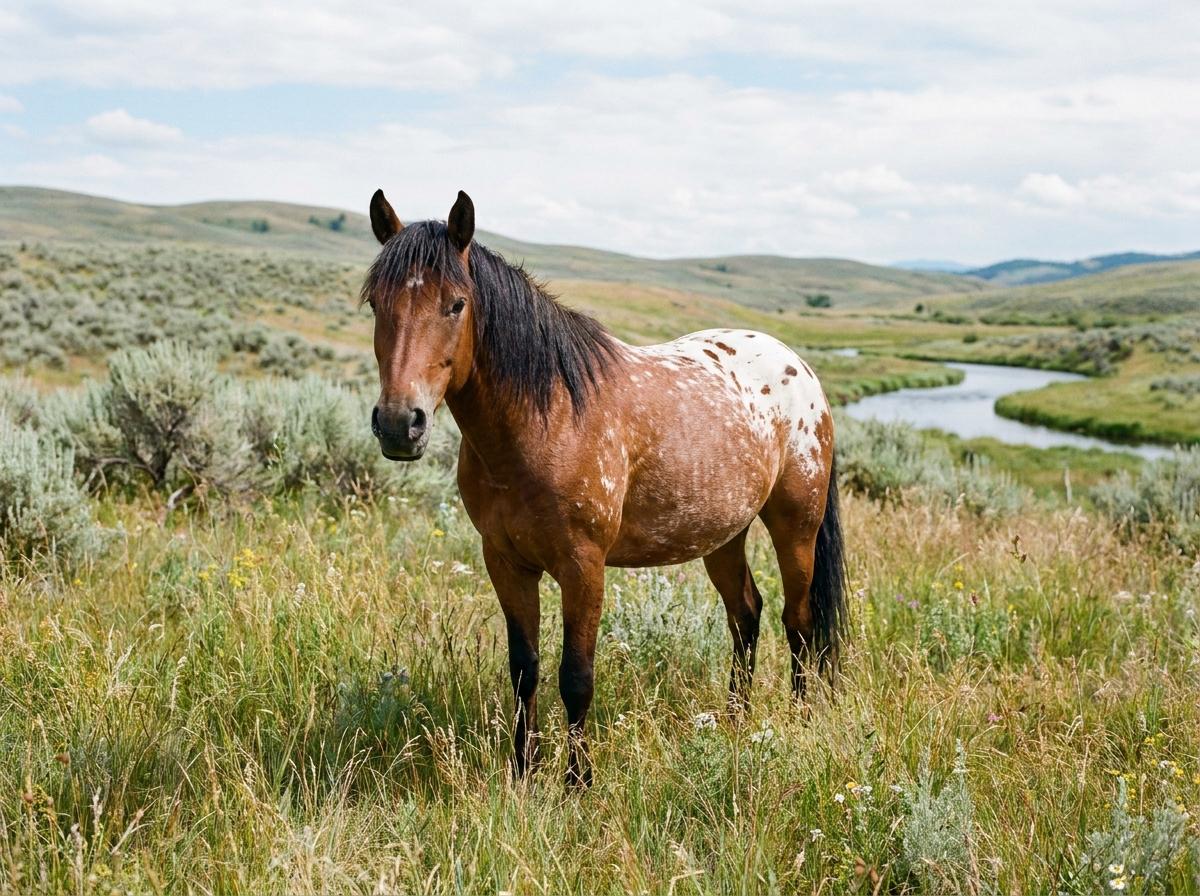
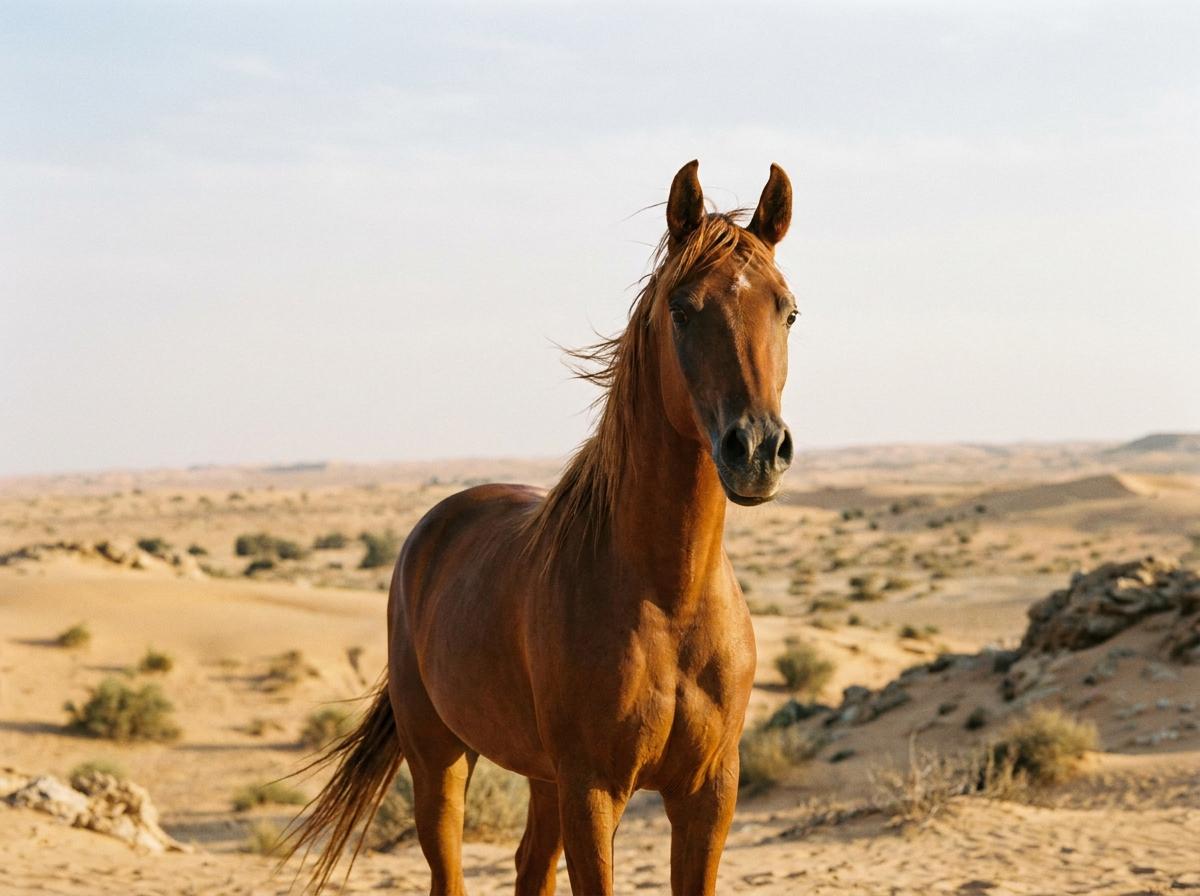
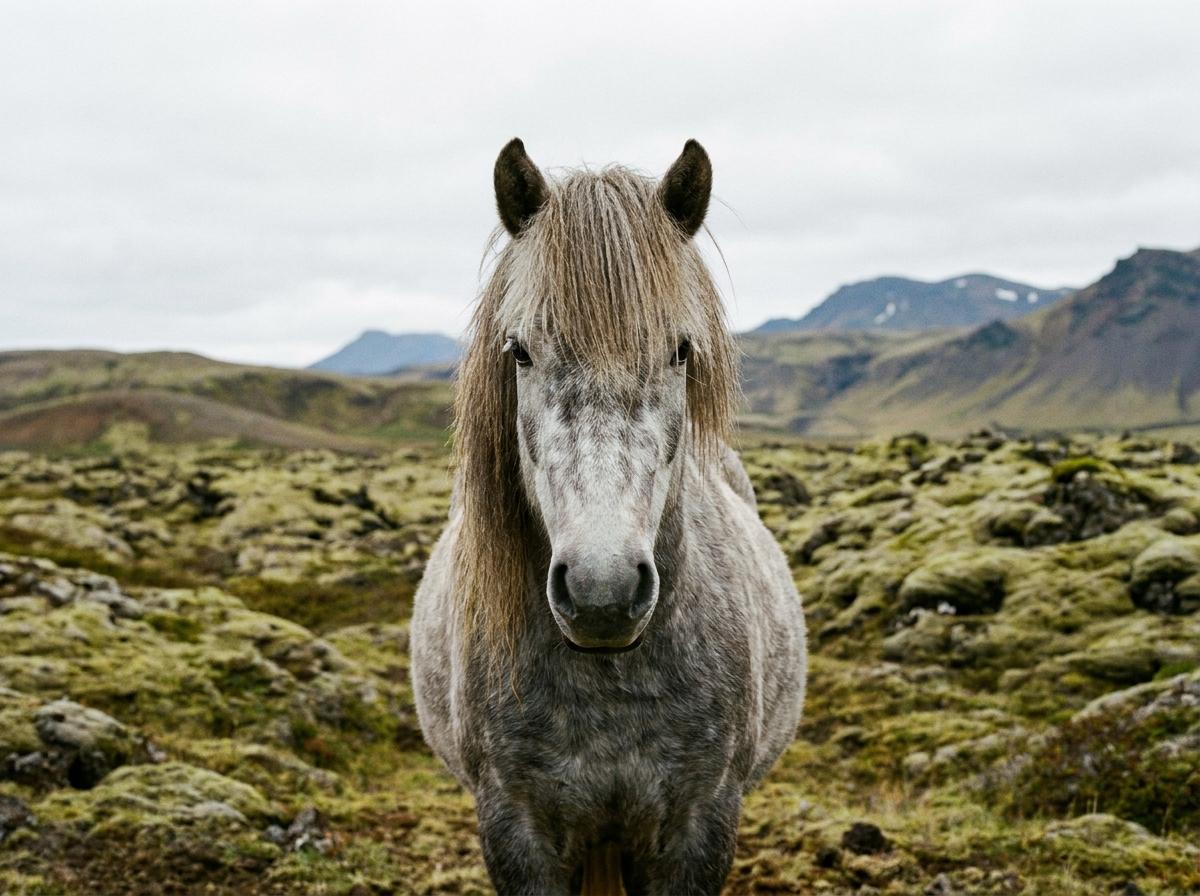
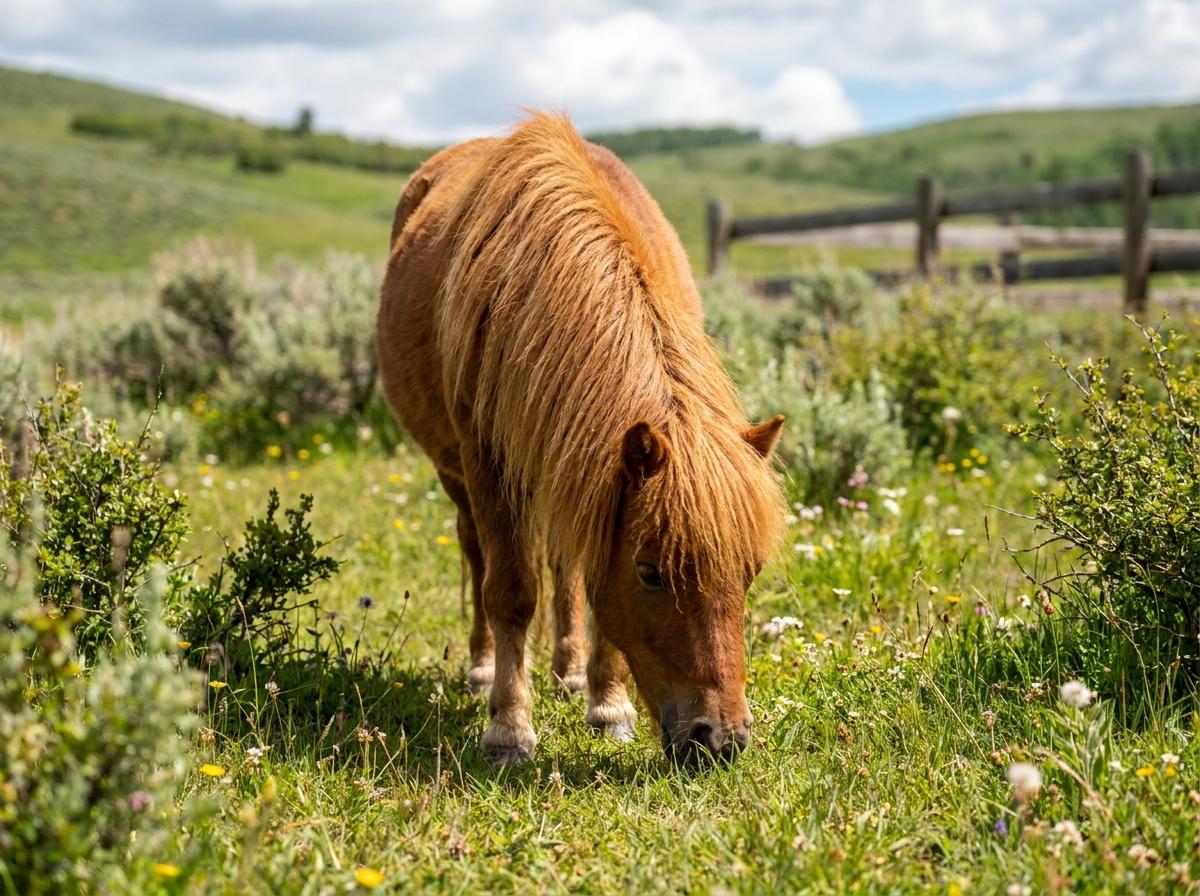
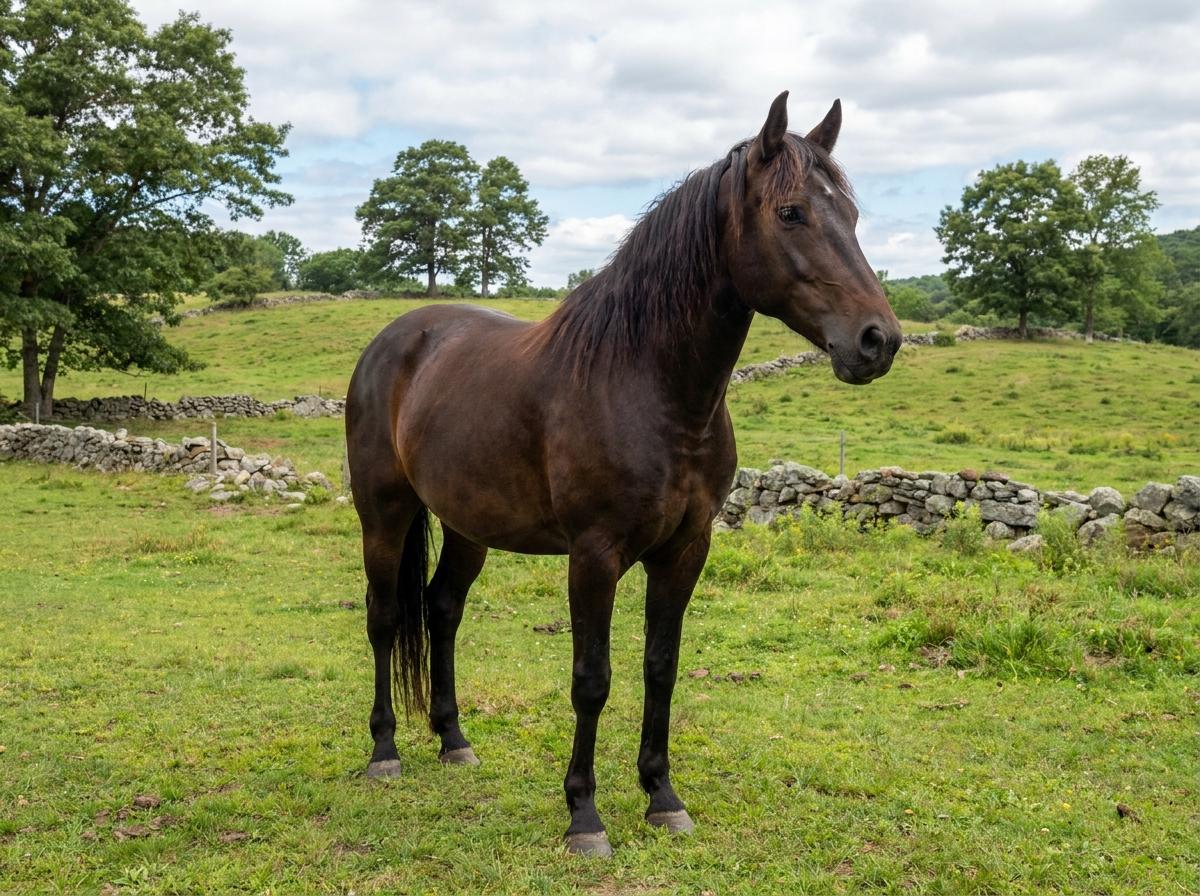
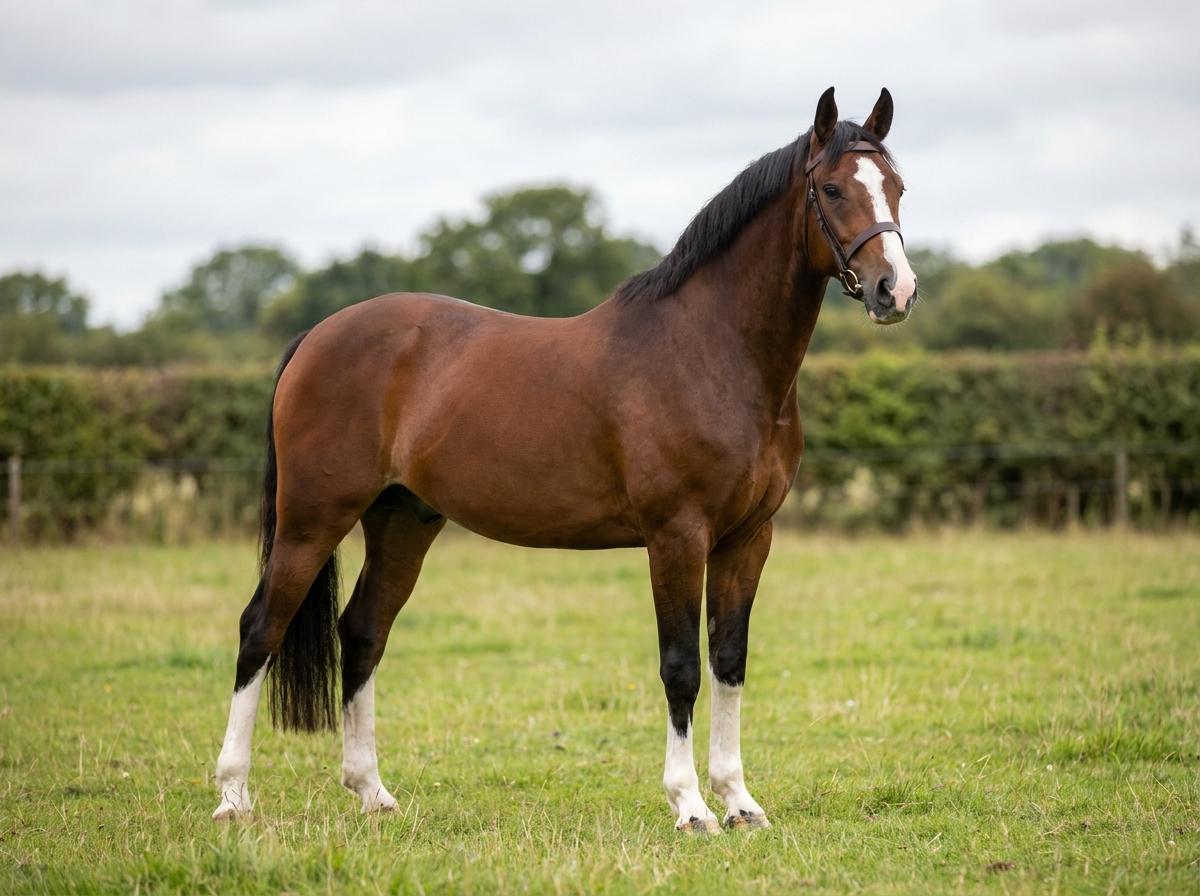
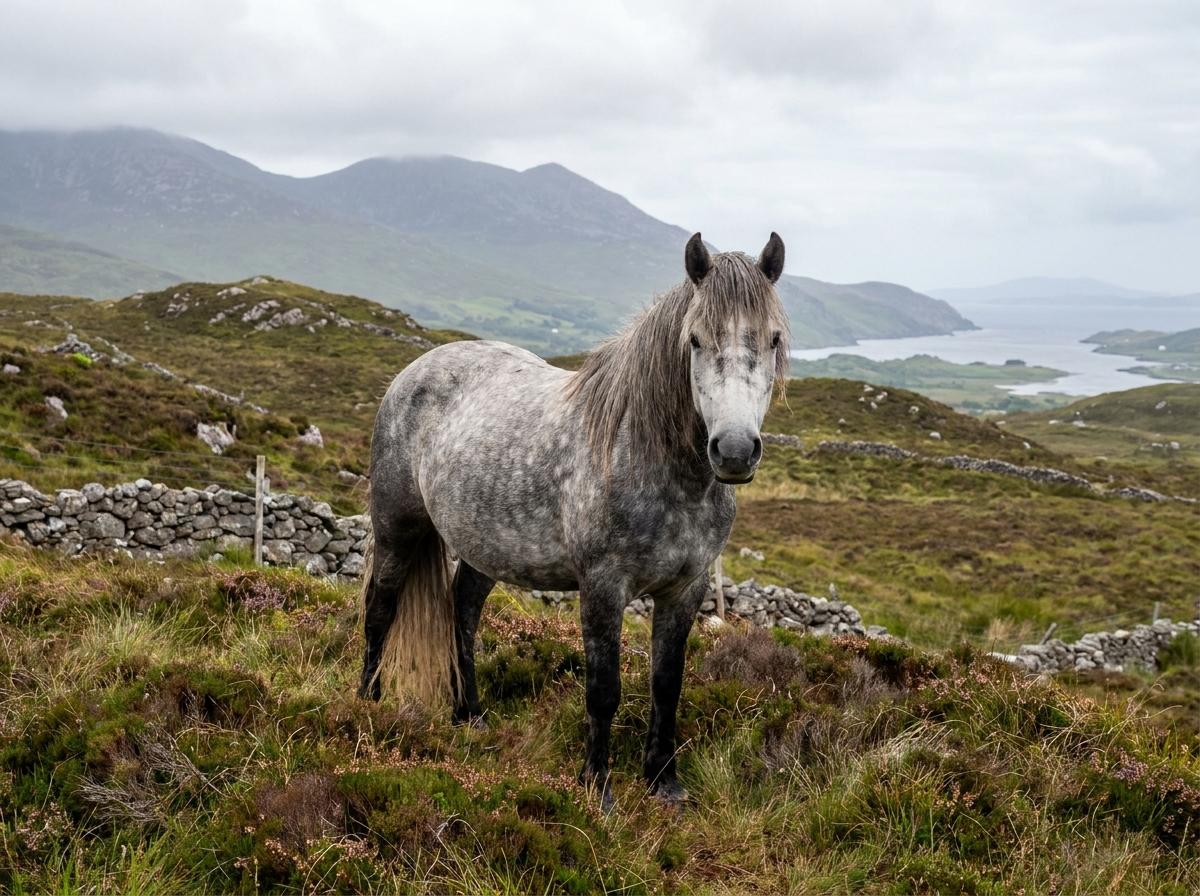
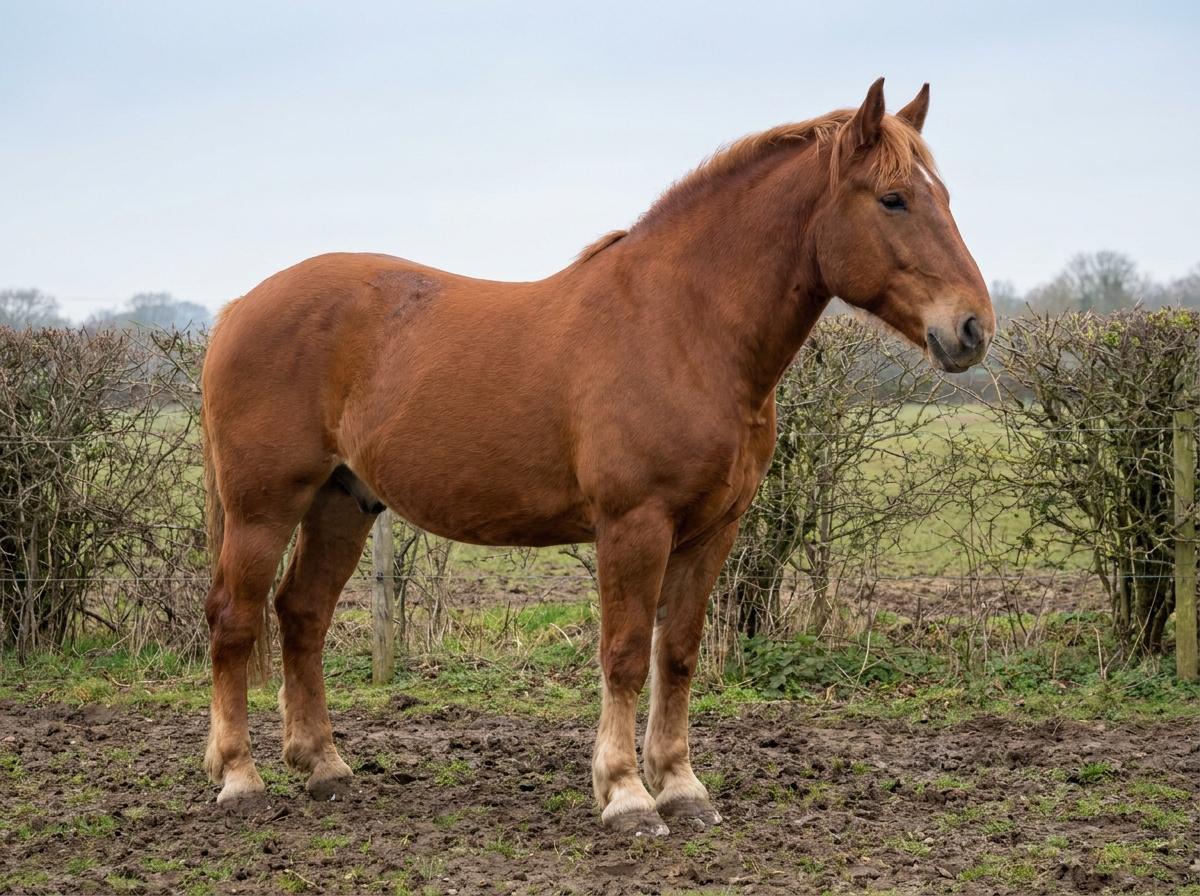
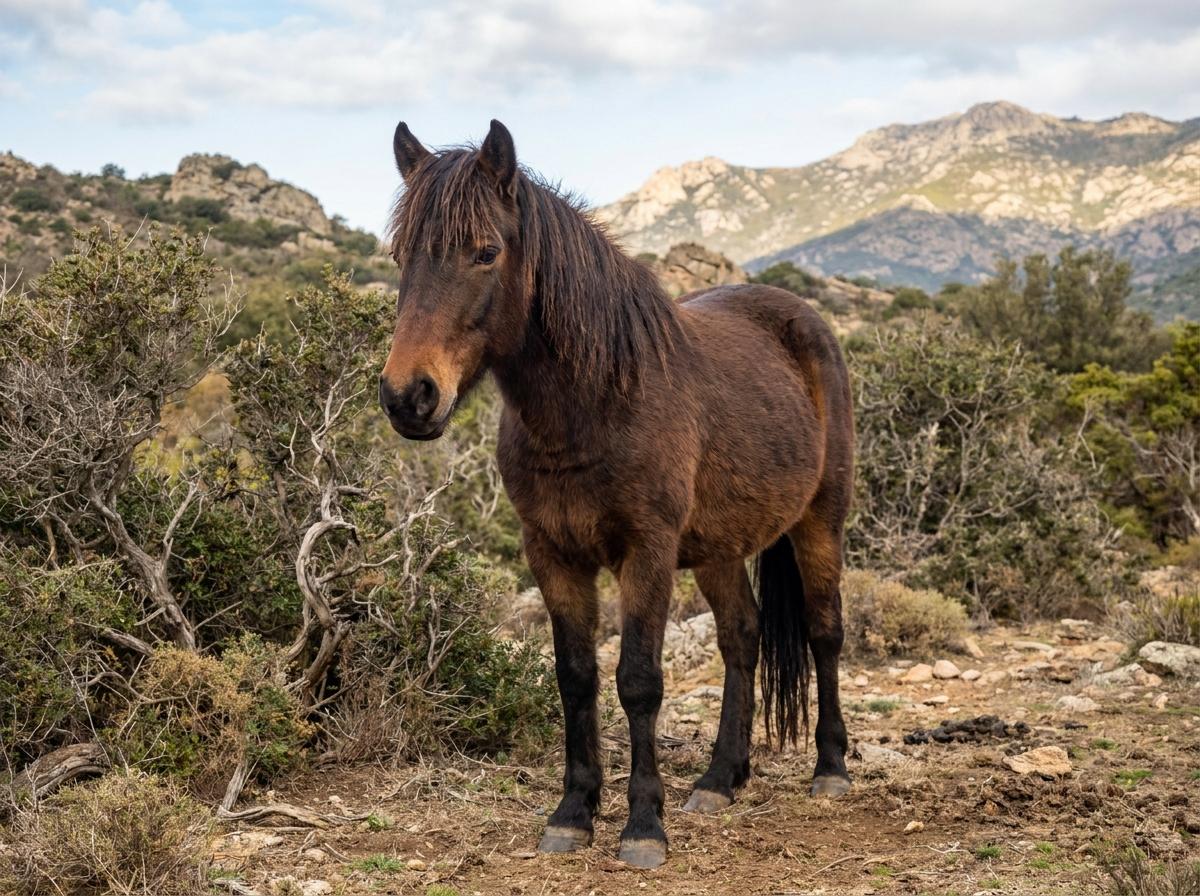
The Corsican horse, or Cheval Corse, is a small horse landrace from the Mediterranean island of Corsica. Locally associated with the name U Cavallu Corsu, it developed as a practical mountain horse for shepherds, farmers, travel, and pack work across rugged country. The type is generally compact, hardy, and sure-footed, with enough stamina for long days on uneven paths. Many are bay, brown, or black, and the breed is valued more for toughness and adaptation to the island than for show-ring size or fashionable color.
Modern Corsican horses are used for trekking, endurance, rural work, and cultural preservation. French recognition of the breed helped formalize breeding goals, but it remains a small population where maintaining useful, sound horses is important. They usually suit outdoor management and modest forage, although hooves still need attention when horses move from rocky terrain to softer domestic conditions. For riders, the appeal is a steady, economical horse for trails and mountain routes rather than a high-powered arena specialist. Buyers should look for correct identity papers when breed status matters, especially outside Corsica.
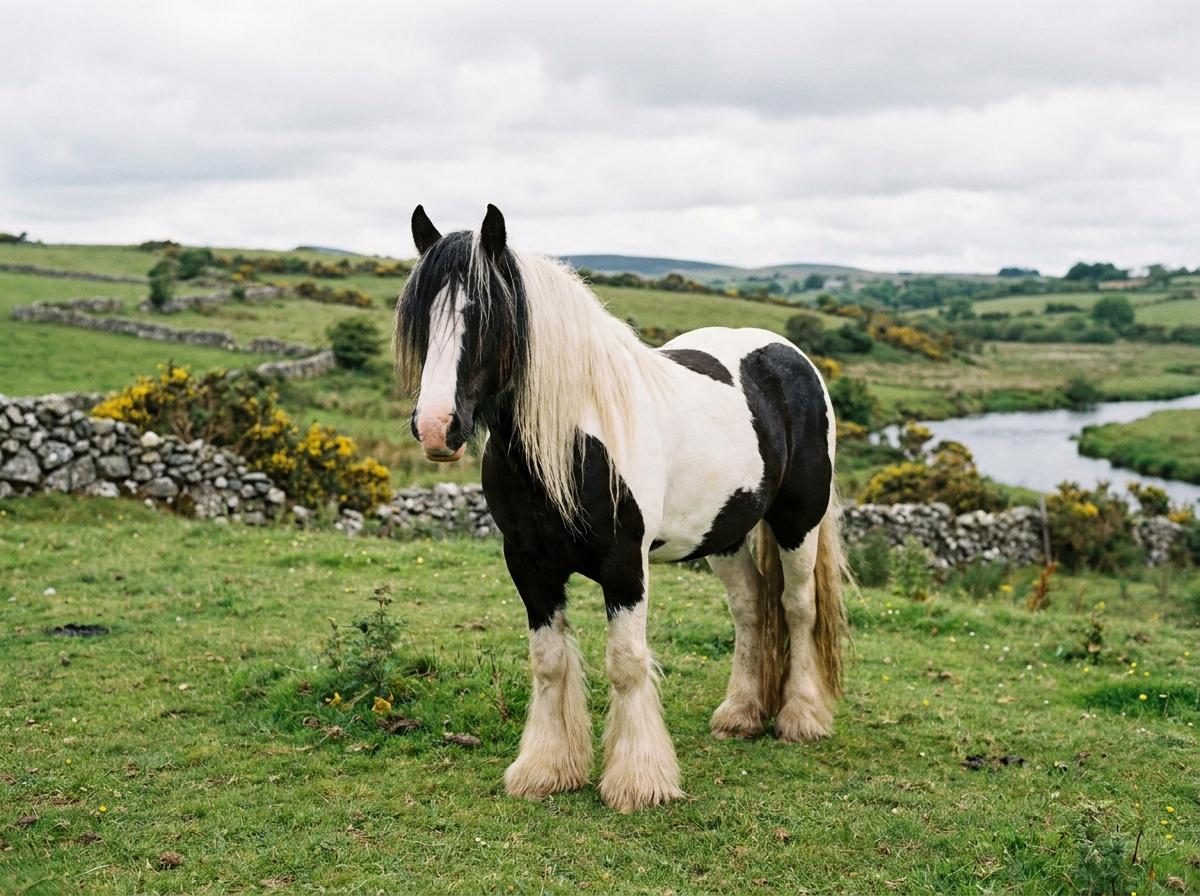
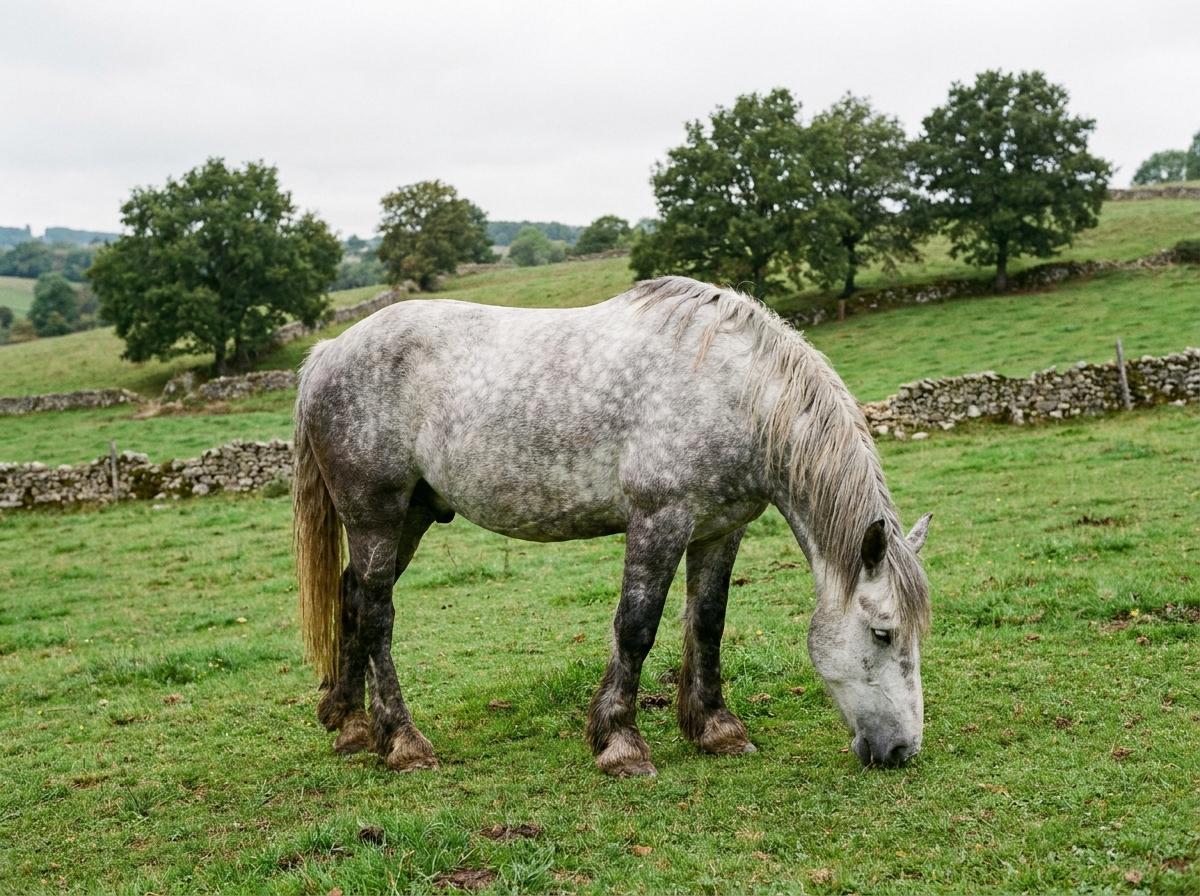
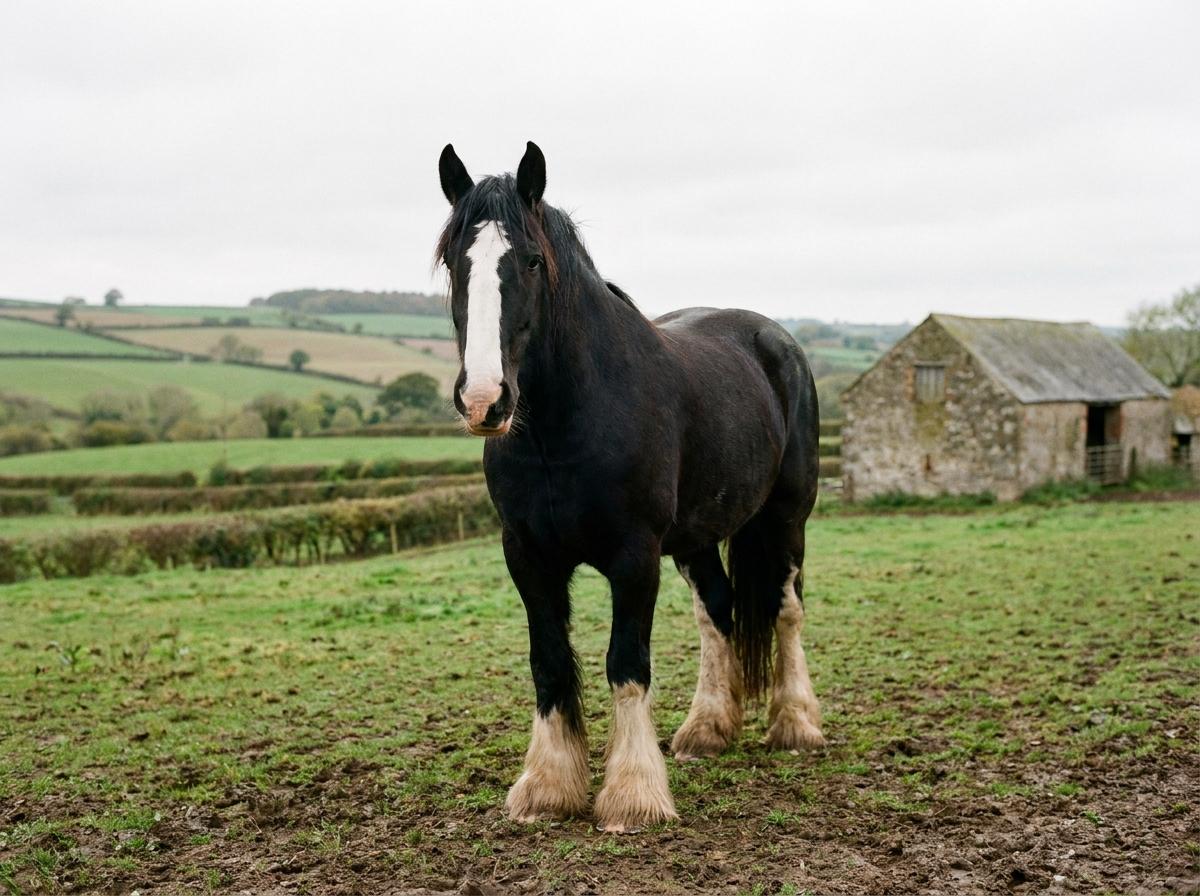
Colors: Amber Champagne, Bay, Bay Dun, Bay Roan, Black, Blanket Appaloosa, Blue Roan, Brown, Buckskin, Champagne, Chestnut, Classic Champagne, Cremello, Dun, Dun Roan, Fewspot Appaloosa, Flaxen Chestnut, Frame Overo, Gold Champagne, Gray, Grey, Grullo, Leopard Appaloosa, Liver Chestnut, Overo, Palomino, Perlino, Piebald, Pinto, Rabicano, Red Dun, Red Roan, Roan, Sabino, Seal Bay, Silver Dapple, Skewbald, Smoky Black, Smoky Cream, Snowcap Appaloosa, Sorrel, Splash White, Tobiano, Tovero, Varnish Roan, White